Duck hunting can be hard on equipment. Cold water, mud, rain, marsh vegetation and repeated shooting all expose weaknesses that may not appear on a dry range. That is why experienced waterfowl hunters often gravitate toward shotguns with proven actions, corrosion-resistant finishes, manageable recoil, and dependable cycling. The choices below cover several approaches, from lightweight inertia guns to soft-shooting gas-operated models and rugged pump actions.
1. Benelli Super Black Eagle 3
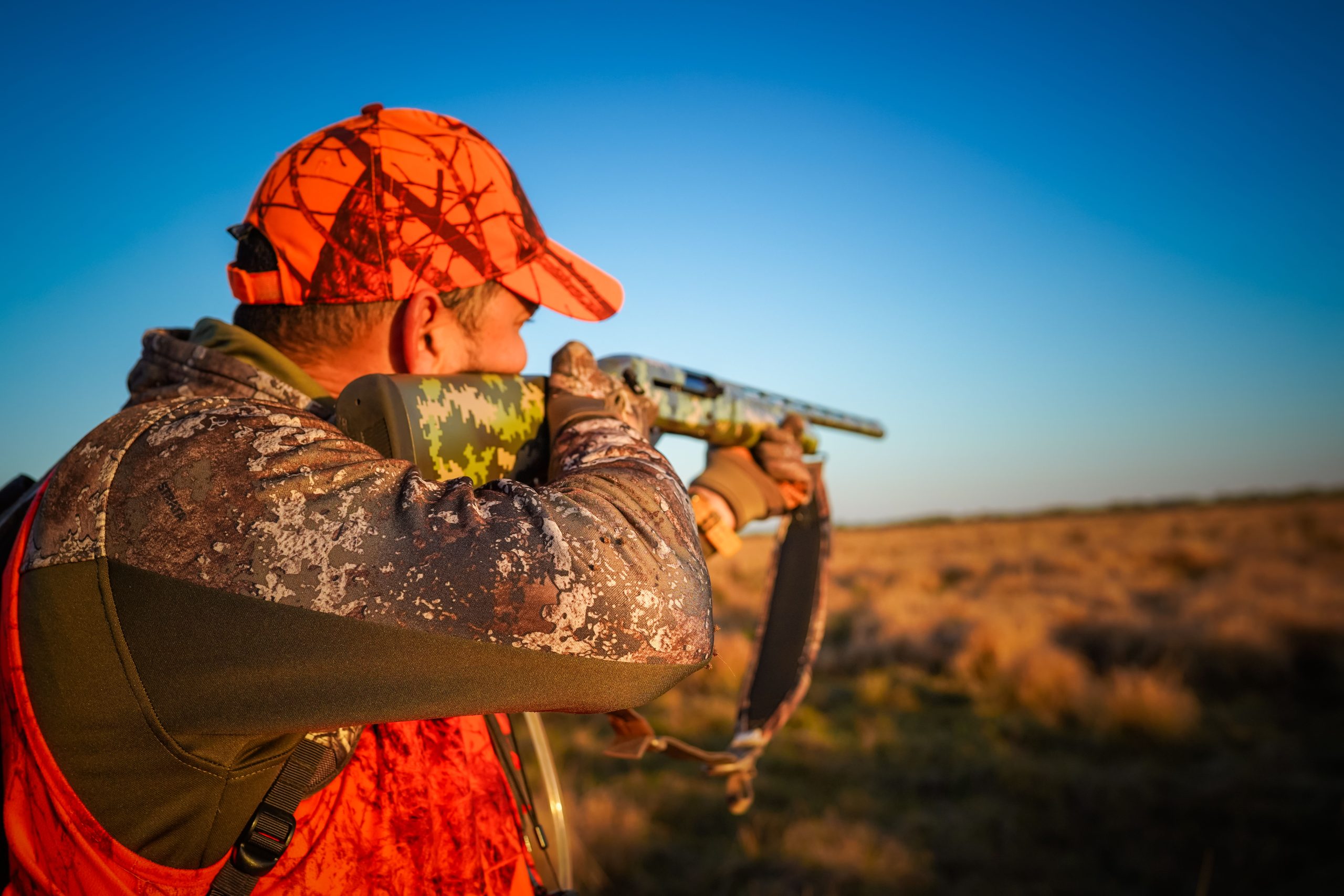
Duck hunters remember the guns that keep working when rain, mud and cold make everything harder. The Benelli SBE3 has earned that reputation with its inertia-driven action, light 7-pound class build and ability to handle 2¾-, 3- and 3½-inch shells. It comes in 12 and 20 gauge versions, with waterfowl finishes designed for wet conditions. The tradeoff is noticeable recoil with heavy 3½-inch loads. For hunters who value a light carry gun and simple maintenance, the SBE3 remains a familiar choice. Its reputation comes from hard use in difficult waterfowl conditions.
2. Beretta A400 Xtreme Plus
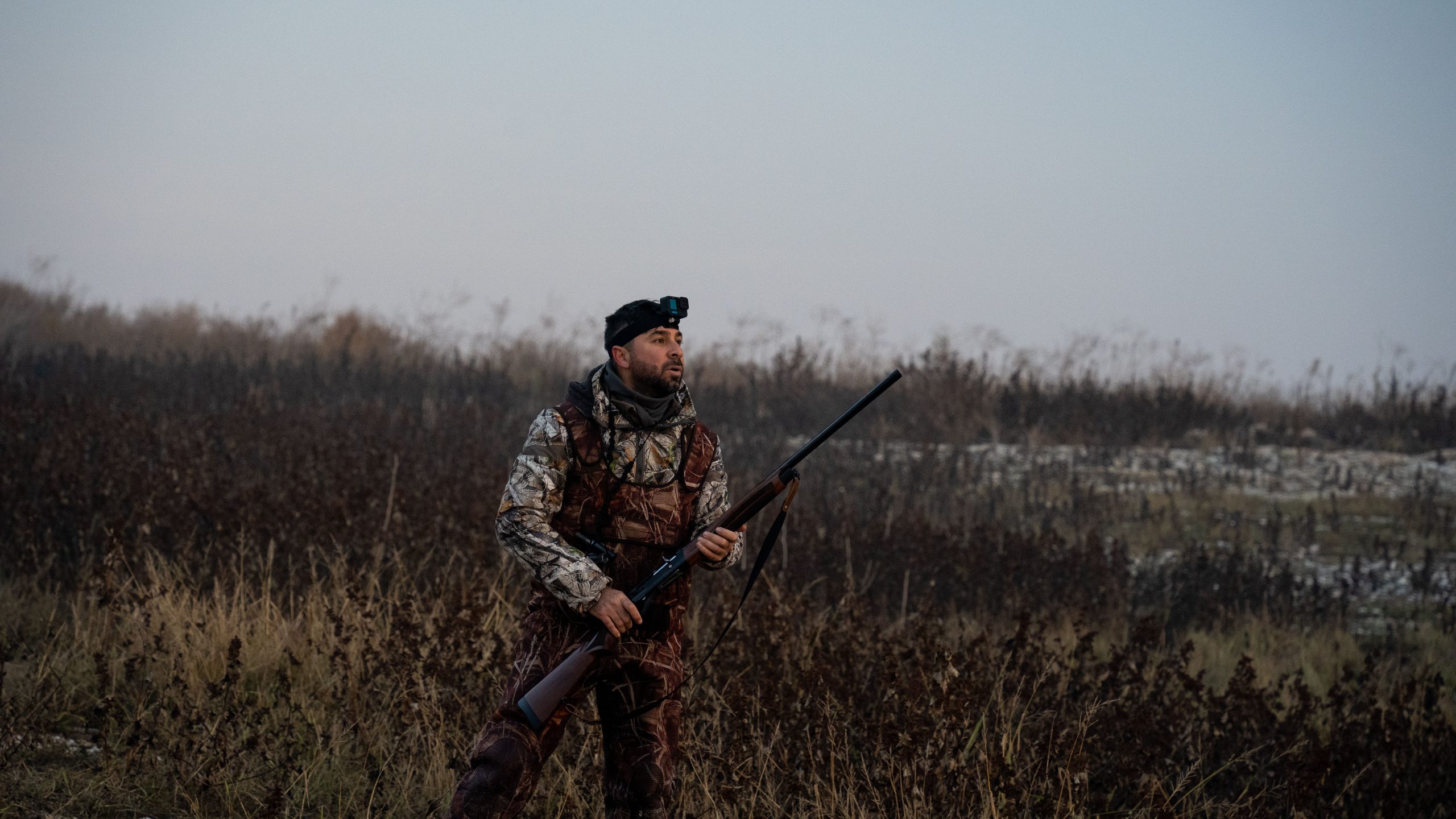
Beretta’s A400 Xtreme Plus takes a different approach, using a gas-operated action to soften the push of heavy waterfowl loads. The 12-gauge version accepts 3½-inch shells, while the platform is built around fast cycling and corrosion-resistant finishes. Its recoil system is attractive during long sessions where several shots may be fired. The A400 is heavier than some inertia guns, but that extra weight can make magnum loads more comfortable. It shows why many waterfowl hunters prefer a soft-shooting gas gun. That matters when cold fingers, wet gear, and repeated shooting test a shotgun.
3. Browning Maxus II
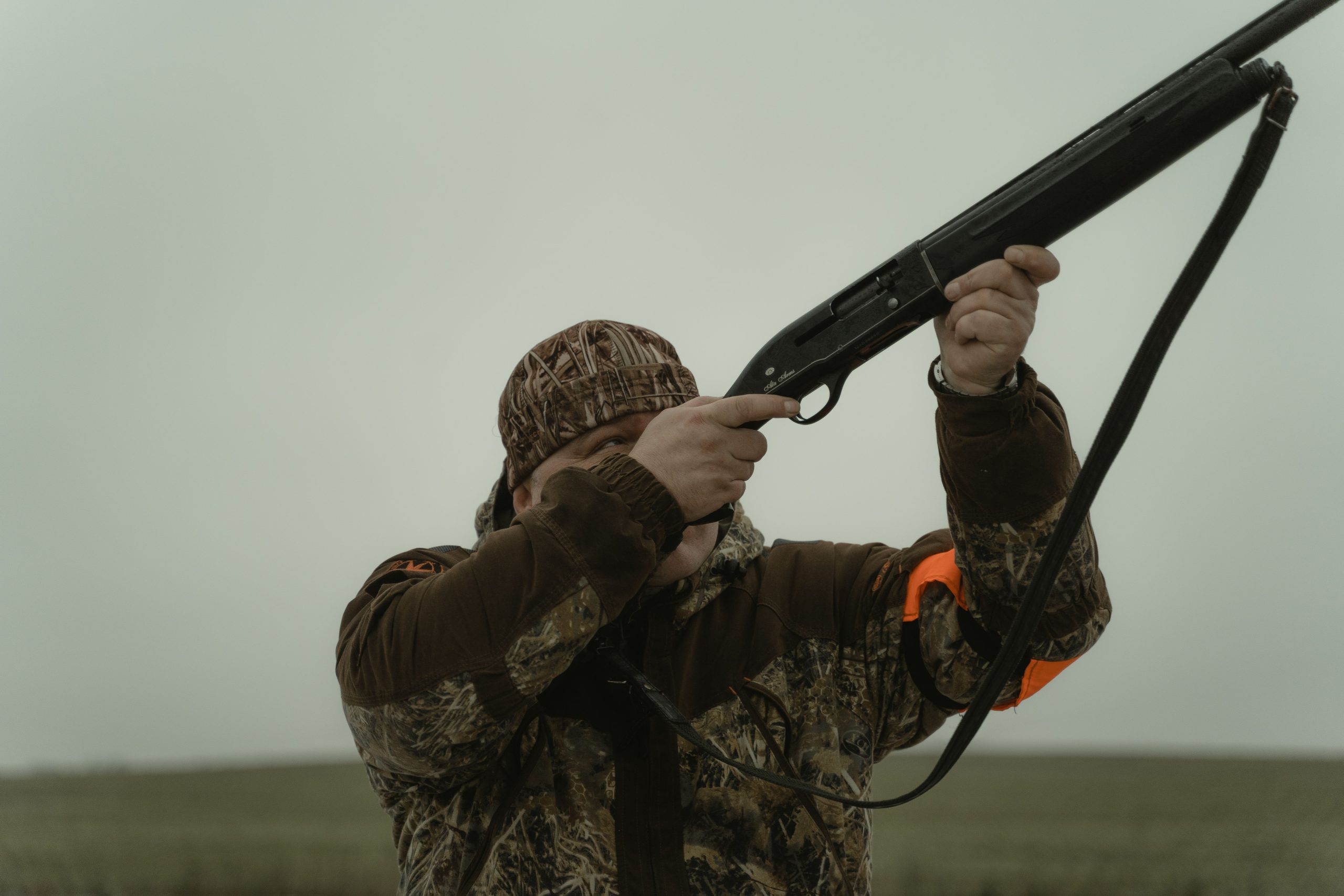
The Browning Maxus II has become a respected waterfowl option because it combines a gas system with a relatively light hunting package. The 12-gauge model can be chambered for 3½-inch shells, giving hunters flexibility for different loads and species. Its oversized controls are useful when gloves and cold fingers become part of the hunt, while the stock and recoil pad are designed for repeated shooting. Hunters appreciate that balance between handling and recoil control, especially during long days in a blind or marsh. That balance matters during long mornings in a cold blind.
4. Winchester SX4 Waterfowl Hunter
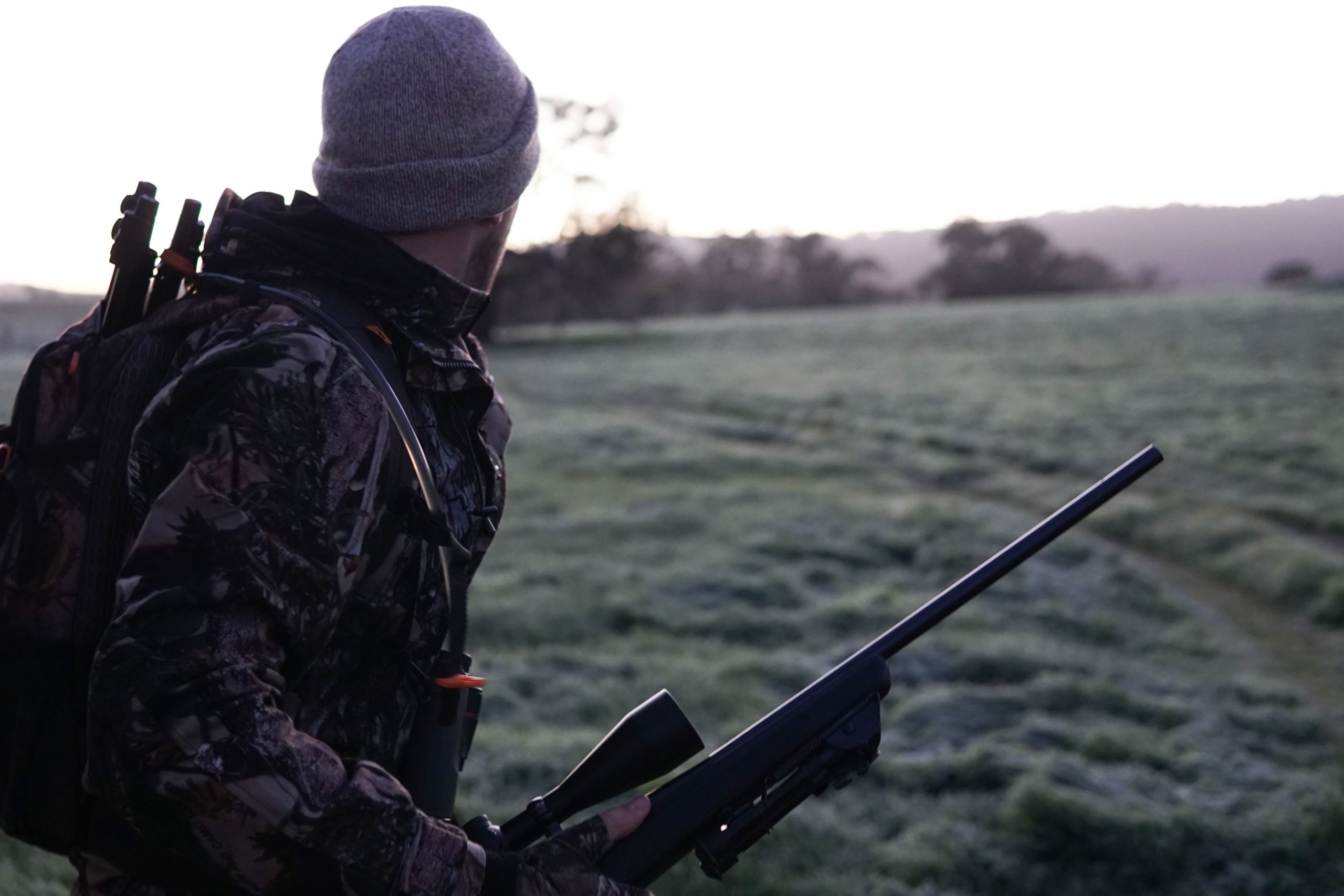
Winchester’s SX4 Waterfowl Hunter is often chosen by hunters who want a straightforward semi-auto without moving into the highest price bracket. Its gas-operated action is designed around reliable cycling, while the 12-gauge version is available with a 3½-inch chamber. The platform also uses enlarged controls and a recoil pad suited to hunting conditions. At roughly 7 pounds, depending on configuration, it remains manageable to carry. Its appeal comes from practical field features and a familiar, uncomplicated layout. Those details matter when cold weather makes every control harder to use.
5. Franchi Affinity 3.5
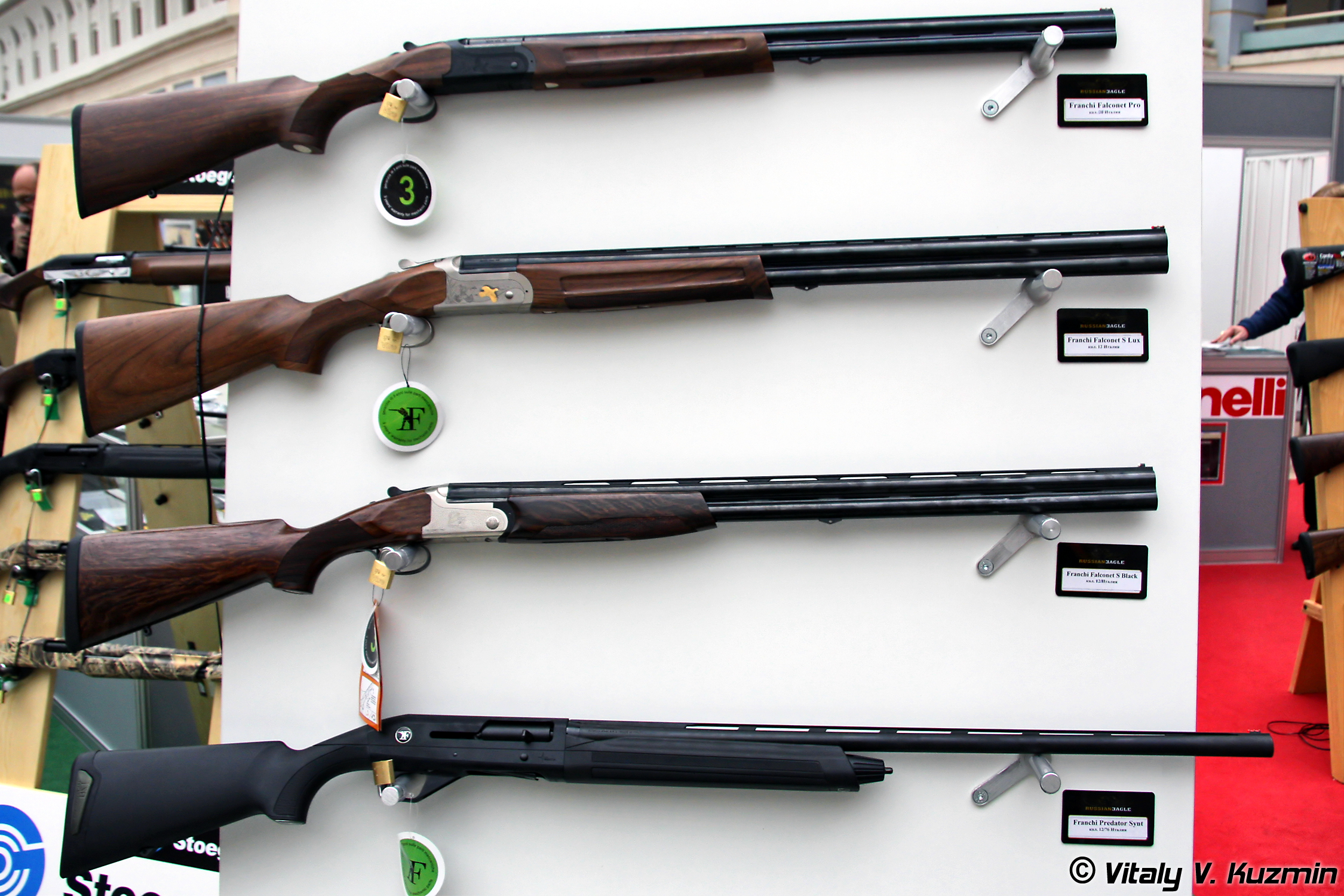
The Franchi Affinity 3.5 has built a following among hunters who prefer the light feel of an inertia-driven shotgun. Its 12-gauge waterfowl versions accept shells up to 3½ inches, and the design keeps the operating system relatively simple. That can be useful around mud and water because there is no gas piston system to maintain. The lighter build can make long walks easier, although heavy shells produce more felt recoil. For many hunters, the Affinity offers a useful middle ground between premium and budget waterfowl guns. Fit and pattern with the chosen load still matter more than the name.
6. Mossberg 940 Pro Waterfowl
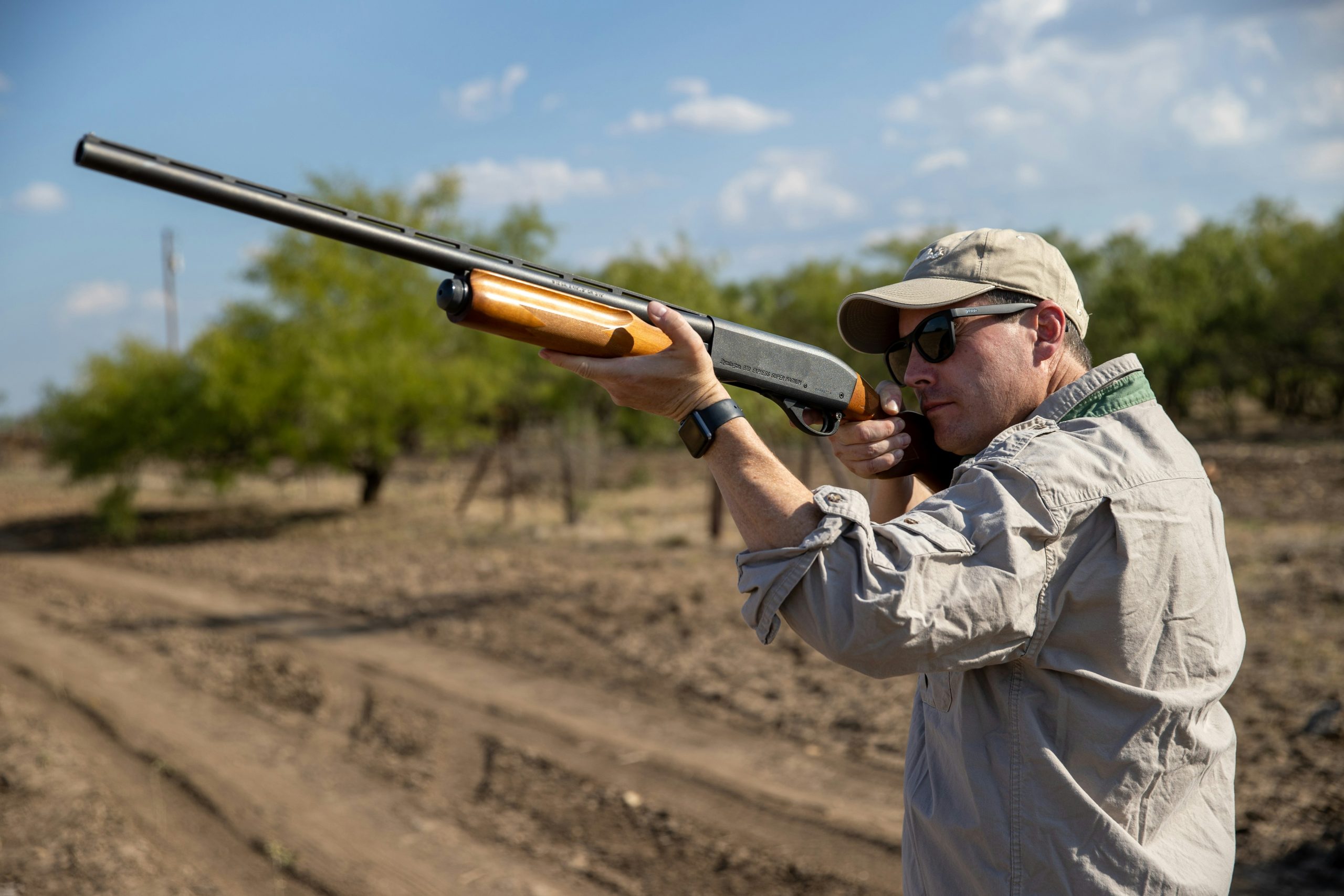
Mossberg’s 940 Pro Waterfowl brings a gas-operated action to a platform built with wet-weather hunting in mind. The 12-gauge shotgun uses a 3-inch chamber and is designed for fast cycling, with enlarged controls that are easier to manage while wearing gloves. A corrosion-resistant finish is another practical feature for marsh conditions. Its roughly 7.5-pound weight gives it enough mass to help tame recoil without making it exceptionally cumbersome. The 940 shows why gas guns remain popular among hunters who shoot many rounds. Proper cleaning remains important, even with wet-weather finishes.
7. Browning BPS
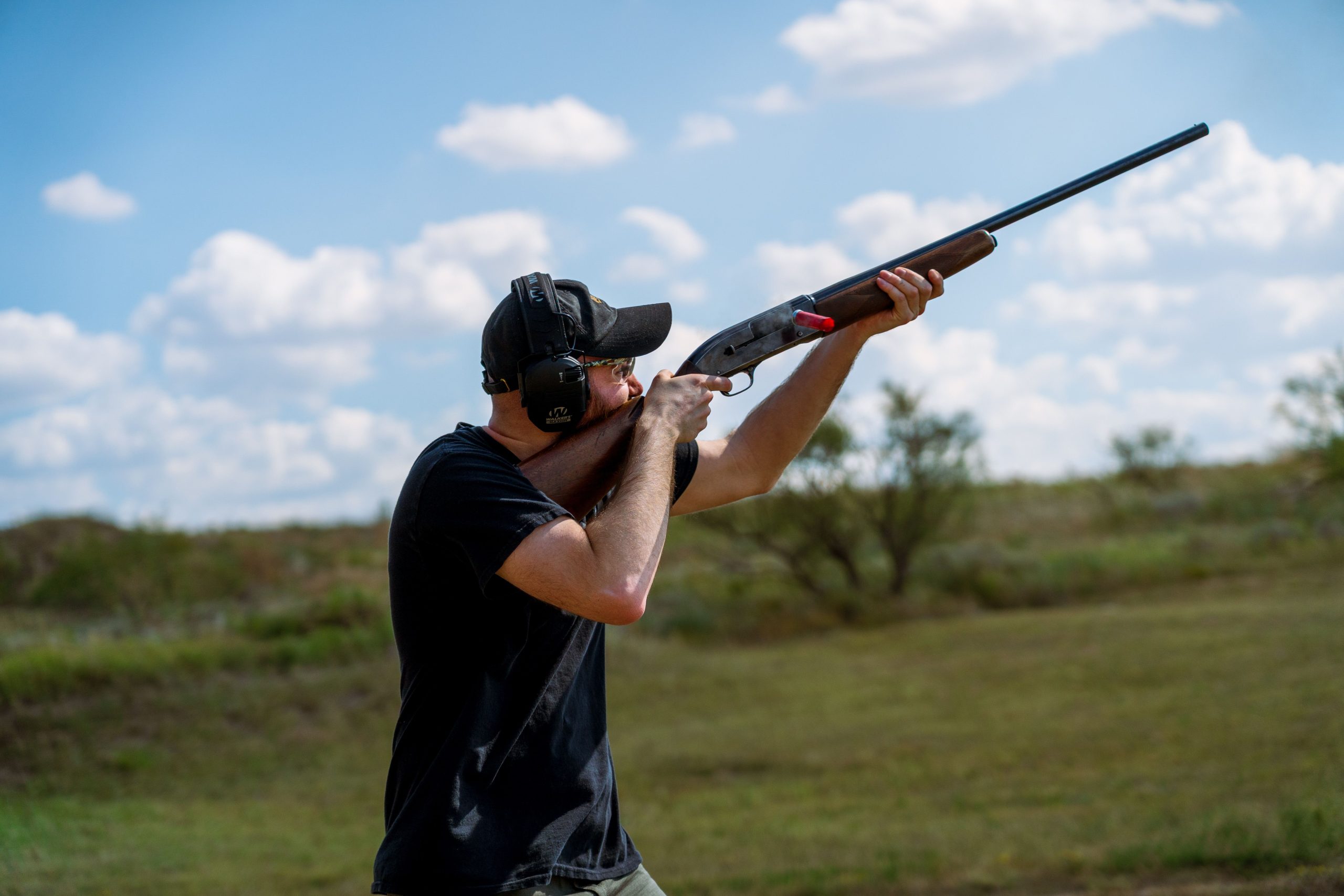
The Browning BPS has earned trust for a different reason: it is a pump-action rather than a semi-auto. Its bottom-ejecting design keeps the action closed from the side and works for both right- and left-handed shooters. Waterfowl versions are available in 12 gauge with 3½-inch chambers, and the heavier construction helps absorb recoil. At around 8 to 9 pounds in some 3½-inch configurations, it is not the lightest gun in a marsh. Still, its simple manual action appeals to hunters who value rugged dependability. Its extra weight can become noticeable during long walks.
8. Benelli Nova
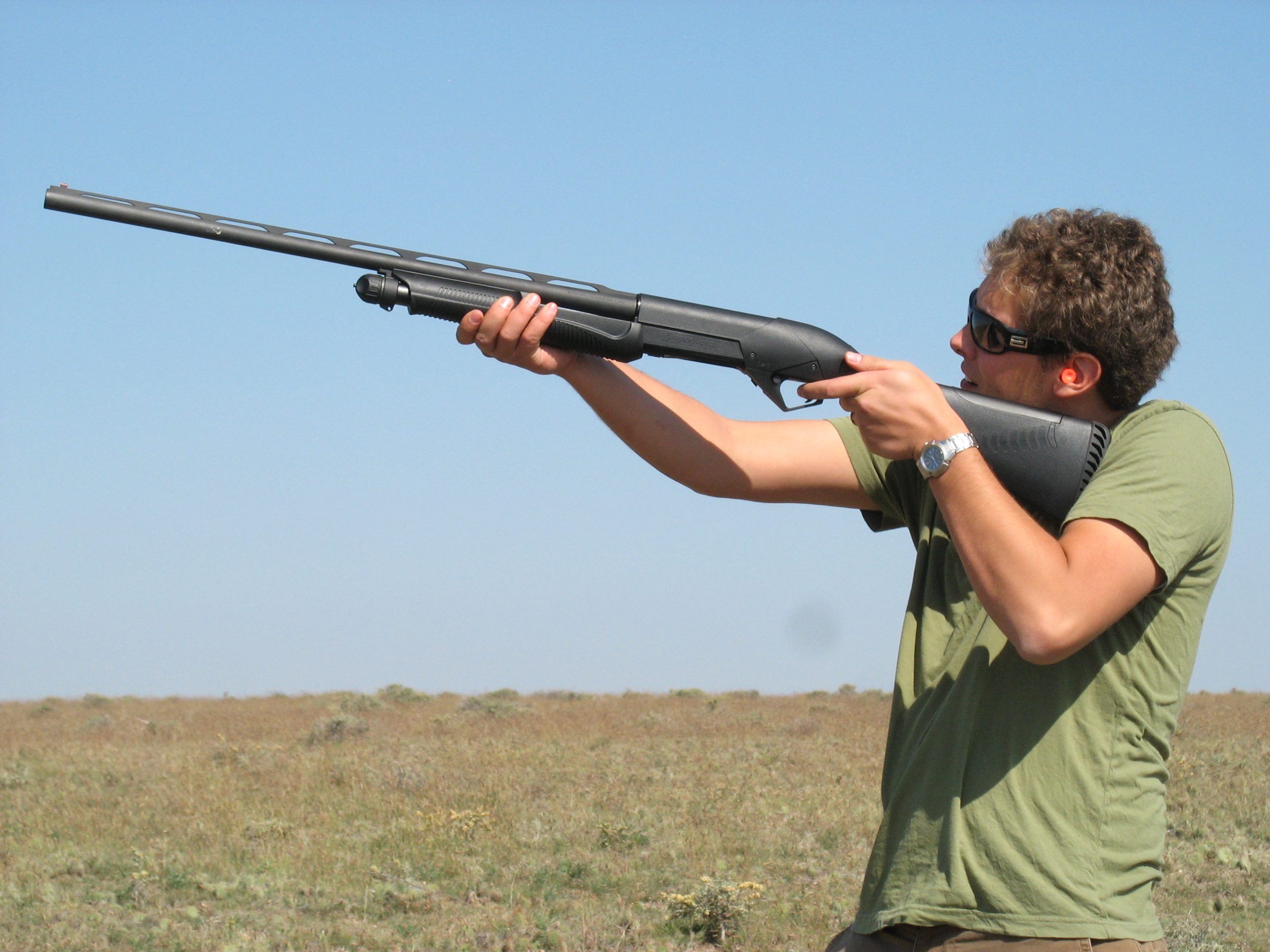
Benelli’s Nova remains a popular pump because it combines a tough synthetic exterior with a straightforward manual action. The 12-gauge version can accept 3½-inch shells, giving hunters access to a broad range of waterfowl ammunition. Its design uses a steel frame surrounded by a polymer stock and receiver shell, helping it tolerate rough field use. At roughly 7.7 pounds, it balances durability with manageable carry weight. The Nova may lack the rapid follow-up of a semi-auto, but its uncomplicated operation is a major part of its appeal. That ruggedness remains central to its appeal.
9. Stoeger M3500
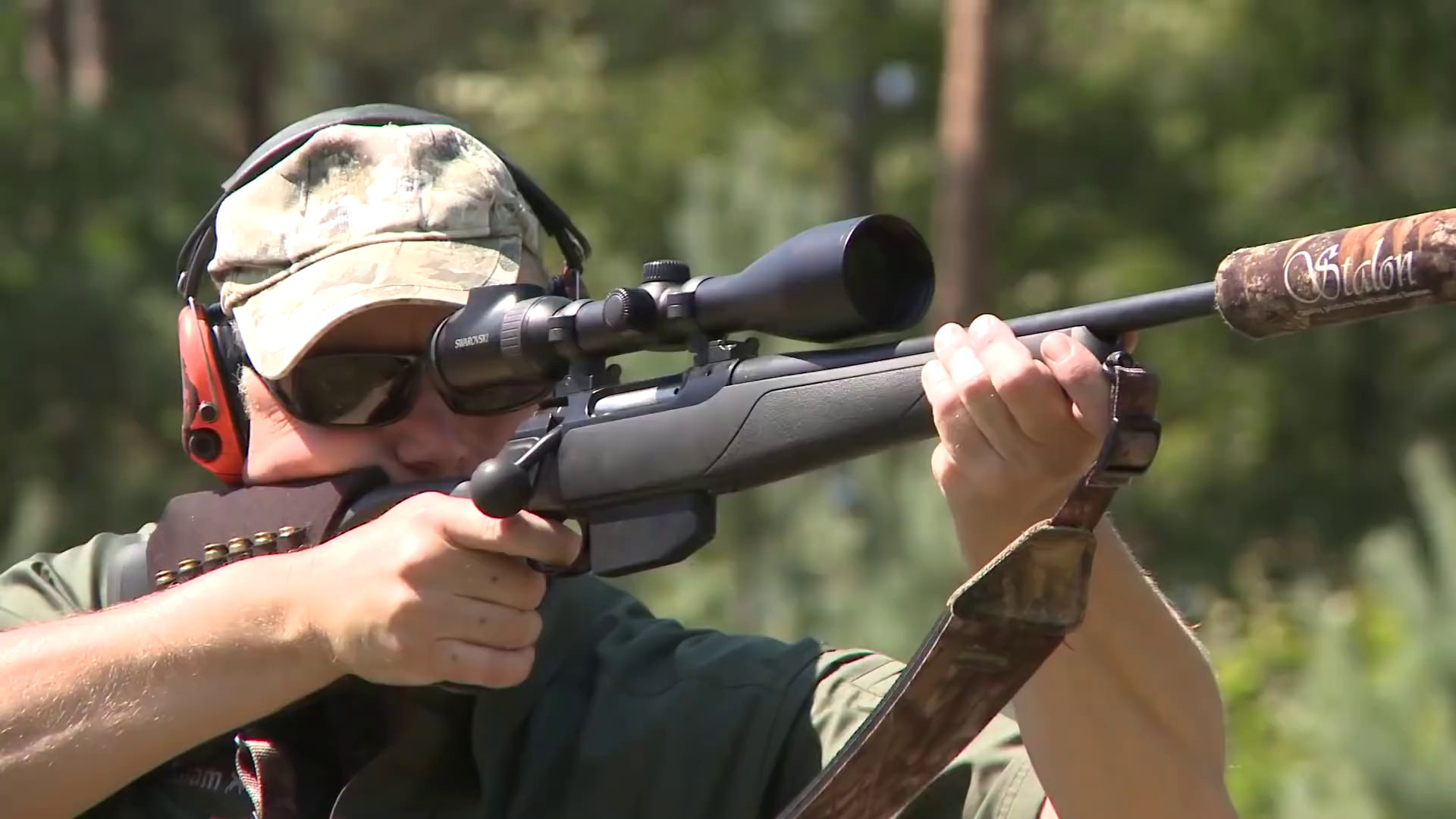
The Stoeger M3500 gives hunters an inertia-driven 12-gauge option without entering the premium price range of some flagship waterfowl guns. Its chamber accepts 3½-inch shells, while the action follows an inertia principle that keeps the mechanism relatively clean during extended use. Waterfowl versions commonly feature camouflage finishes and corrosion-conscious construction. The lighter design can be easier to carry than a heavy pump, although magnum loads still produce substantial recoil. For budget-minded hunters, its combination of capacity and versatility makes it worth considering.