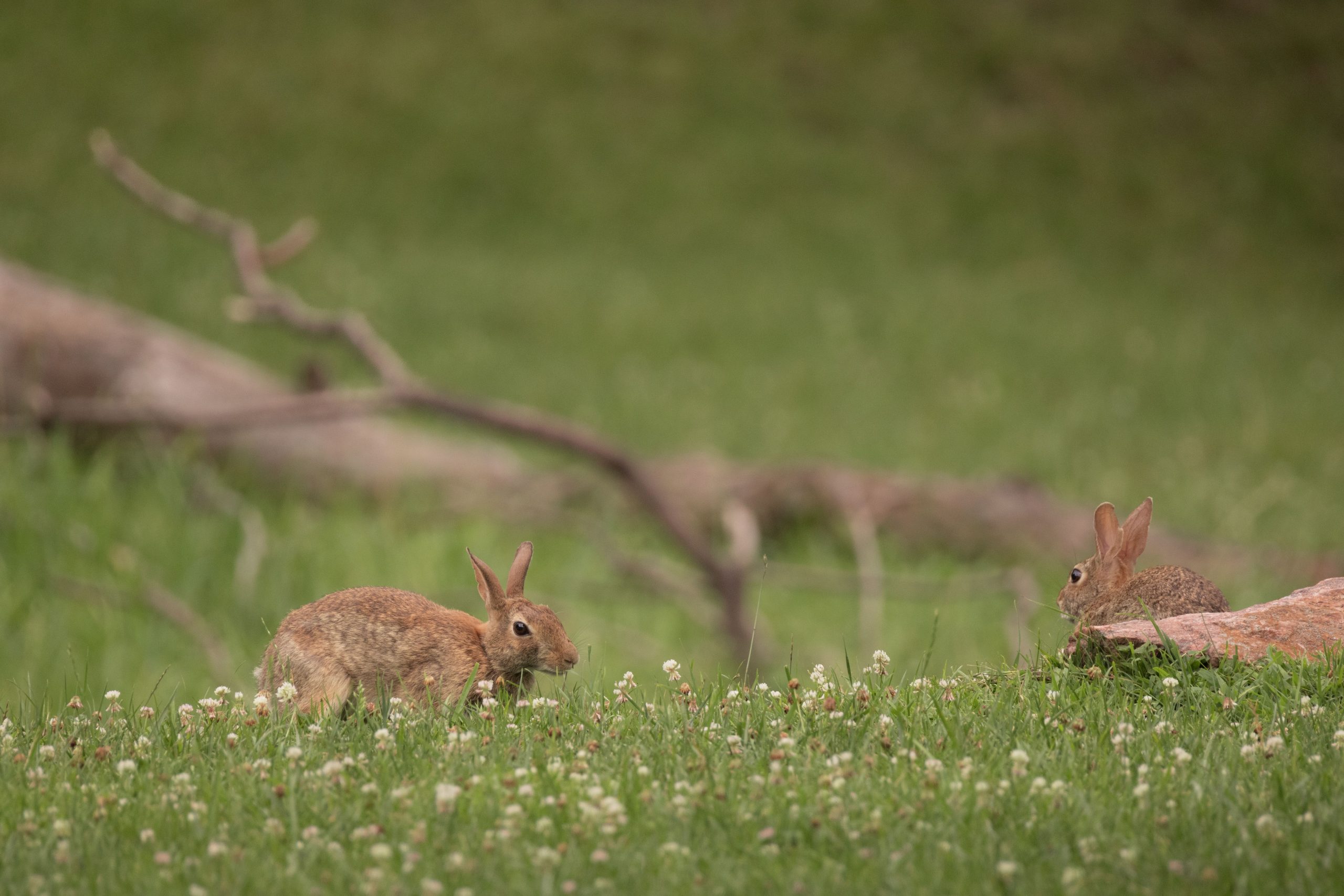
Rabbit hunting can change dramatically from one landscape to another. An open field, a tangled hedgerow, and a thick woodland edge each create different challenges for spotting rabbits and understanding how they move. Vegetation, ground conditions, visibility, and escape routes all influence where rabbits hide and how easily they can be observed. Hunters must also consider weather, safe shooting angles, and local regulations before entering unfamiliar ground. These seven terrain-related challenges explain why successful outings often depend as much on reading the landscape as on recognizing rabbit behavior.
1. Dense Brush Makes Rabbits Difficult to Spot
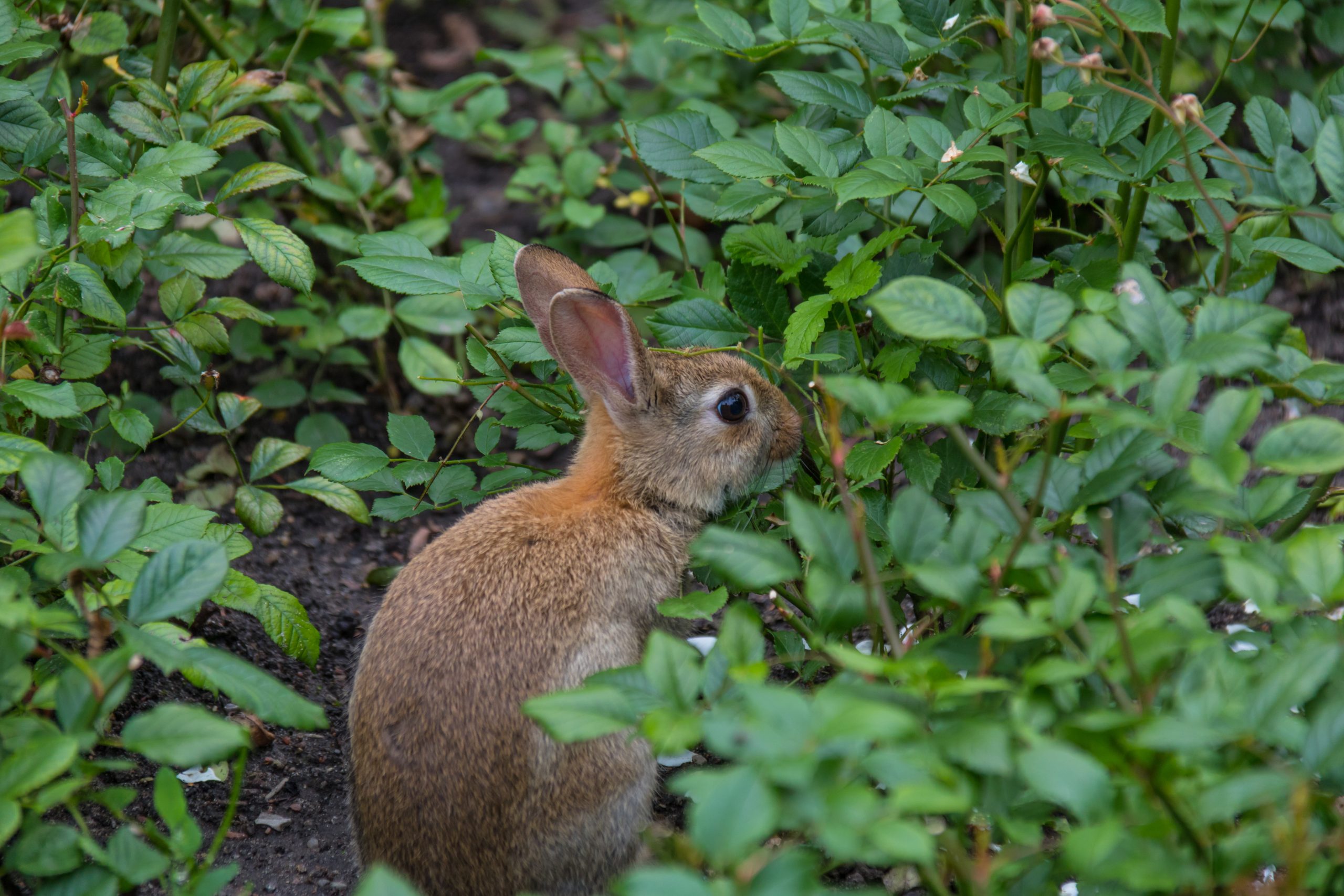
Thick brush provides rabbits with shelter, feeding opportunities, and protection from predators, but it also makes visual identification difficult. Brambles, thorny shrubs, and tangled vines can conceal an animal only a few feet away. In cover measuring just 5 to 10 yards across, overlapping branches may hide most of a rabbit’s body. Movement can be easier to notice than color, yet leaves and stems frequently shift in the wind. Walking carefully and scanning small openings helps observers distinguish wildlife from background movement without assuming every rustle signals a rabbit.
2. Open Fields Offer Little Concealment
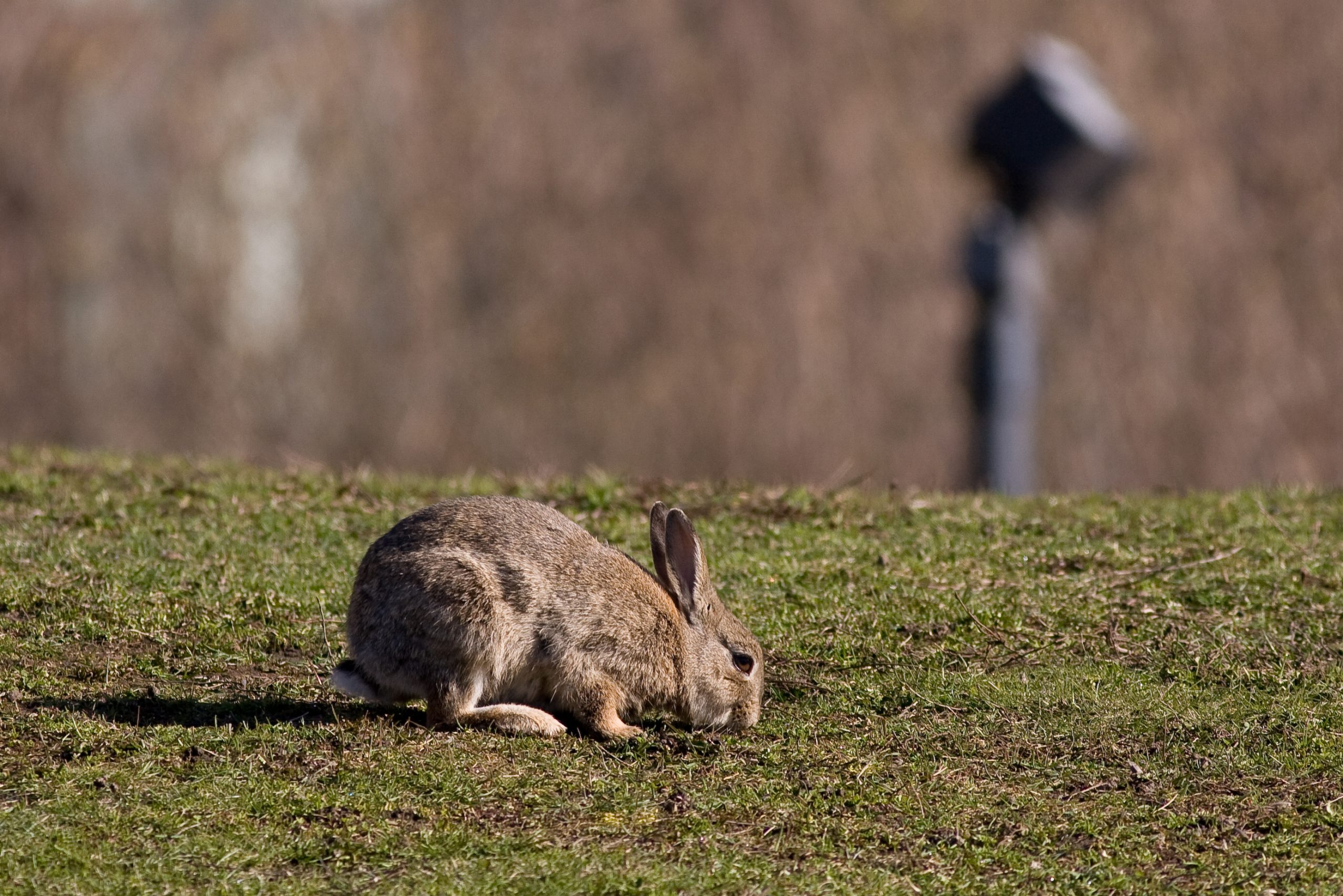
Open fields make it easier to see across long distances, but they offer rabbits fewer places to hide once they leave protective cover. Short grass may reveal movement from 50 yards away, while taller vegetation can conceal an animal until it reaches a field edge. Rabbits often use hedges, grass margins, and scattered shrubs as shelter between feeding areas. The main challenge is understanding how exposed ground connects with safer cover. Field boundaries, drainage edges, and patches of vegetation can change visibility considerably, so conditions in one section may differ from those just 20 yards away.
3. Hedgerows Create Narrow, Confusing Sightlines
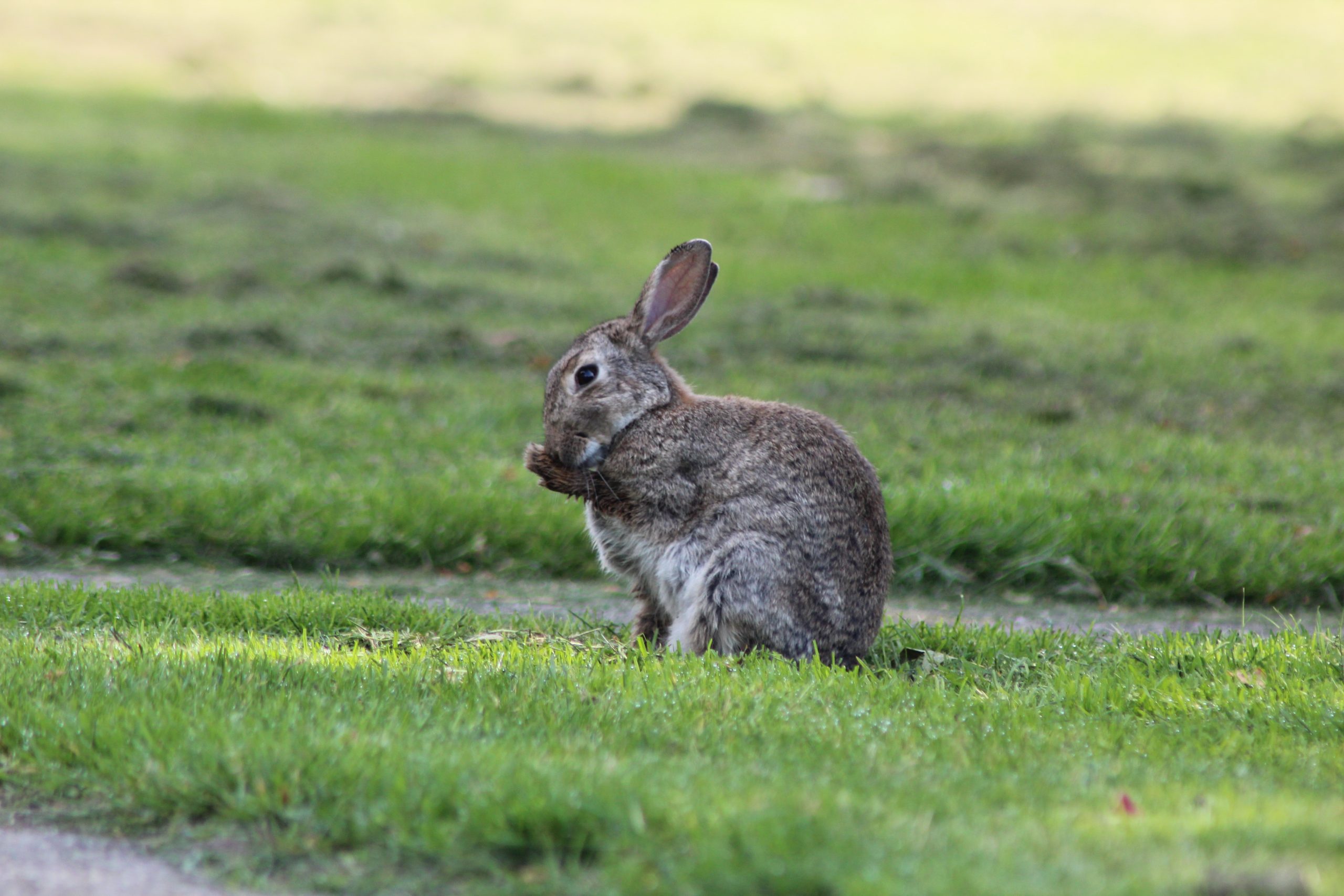
Hedgerows provide rabbits with dense shelter along field boundaries, but their narrow corridors can make observation surprisingly difficult. A hedge only 3 to 6 feet thick may contain branches, roots, grass, and small openings that break up an animal’s outline. Rabbits can remain hidden on one side while movement on the other side attracts attention. Gaps may reveal only part of an animal, making positive identification essential. Thorny plants and uneven edges also complicate footing. These boundaries are best understood as connected strips of habitat rather than simple lines separating one field from another.
4. Woodland Floors Hide Rabbits Among Natural Debris
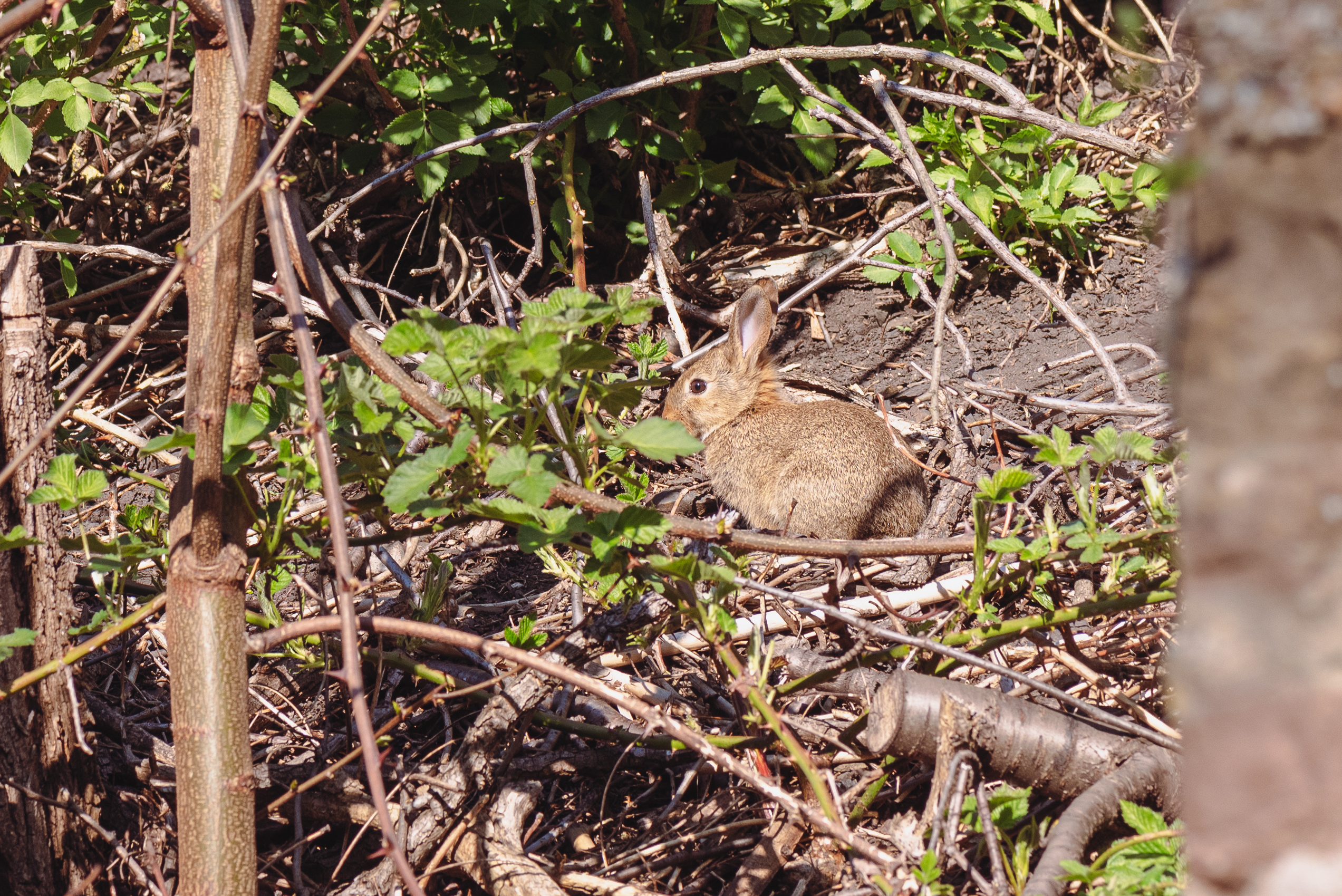
Woodlands introduce a different set of visibility problems because fallen leaves, exposed roots, logs, and low branches create a layered background. Brown or gray fur can blend into this mixture, especially when sunlight filters through the canopy and produces shifting shadows. Visibility may fall below 10 yards in dense understory, leaving little time to distinguish a rabbit from its surroundings. Fallen timber also creates obstacles that interrupt movement and make footing uncertain. Seasonal changes matter: autumn leaves increase visual clutter, while sparse winter vegetation may reveal animals that were difficult to see earlier in the year.
5. Wet Ground and Mud Make Movement More Difficult
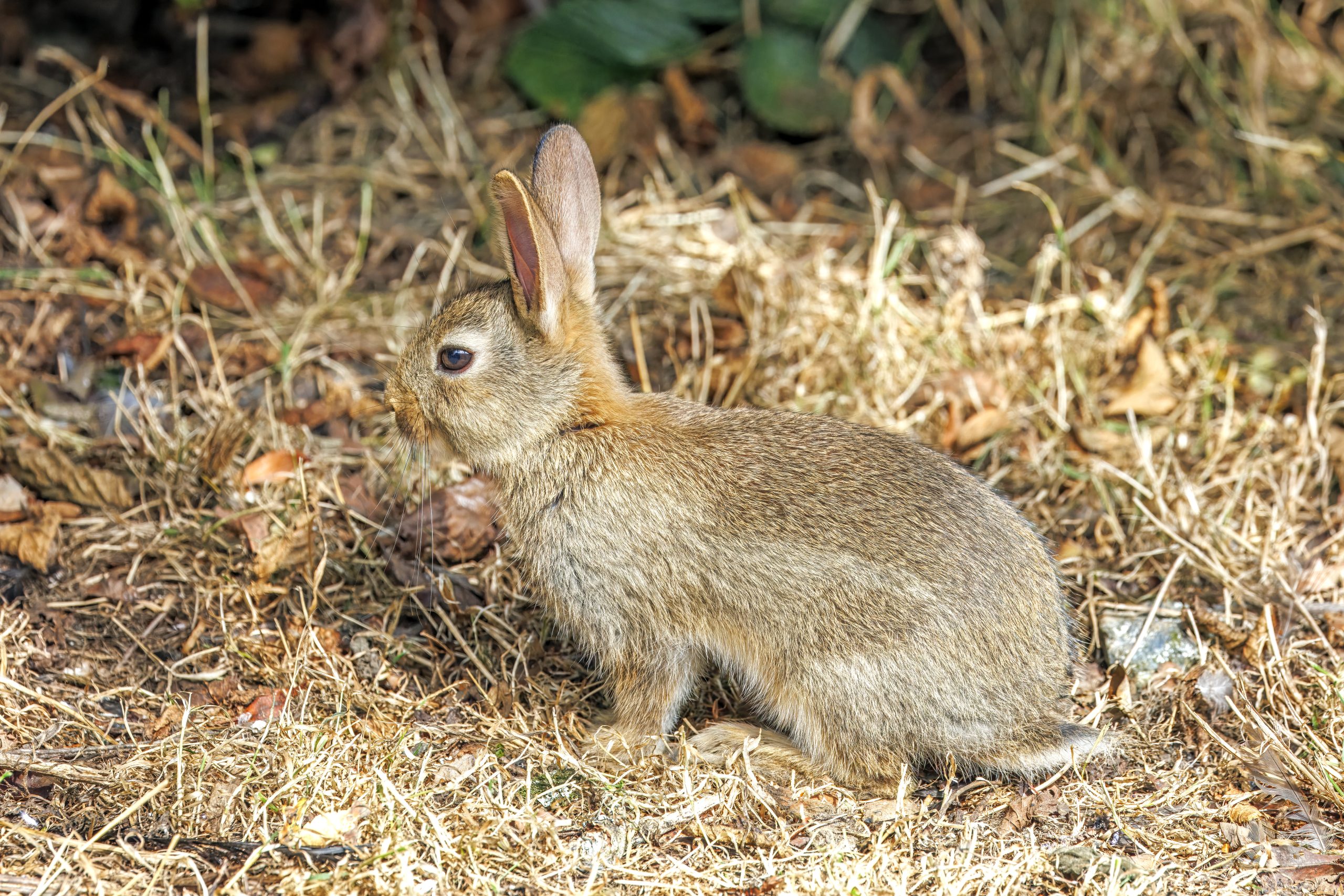
Rain-soaked fields, muddy tracks, and waterlogged woodland edges can slow movement and increase the risk of slipping. Soft ground may preserve footprints, but tracks can overlap with those left by other animals, and heavy rain can quickly blur their details. Even a shallow depression filled with water can conceal an unstable patch beneath the surface. Conditions may change over just 100 yards, particularly near streams or drainage ditches. Waterproof footwear and careful footing help reduce these risks. Observers should also recognize that wet weather can reduce visibility and make it harder to hear movement through surrounding vegetation.
6. Rocky Ground and Uneven Slopes Limit Visibility
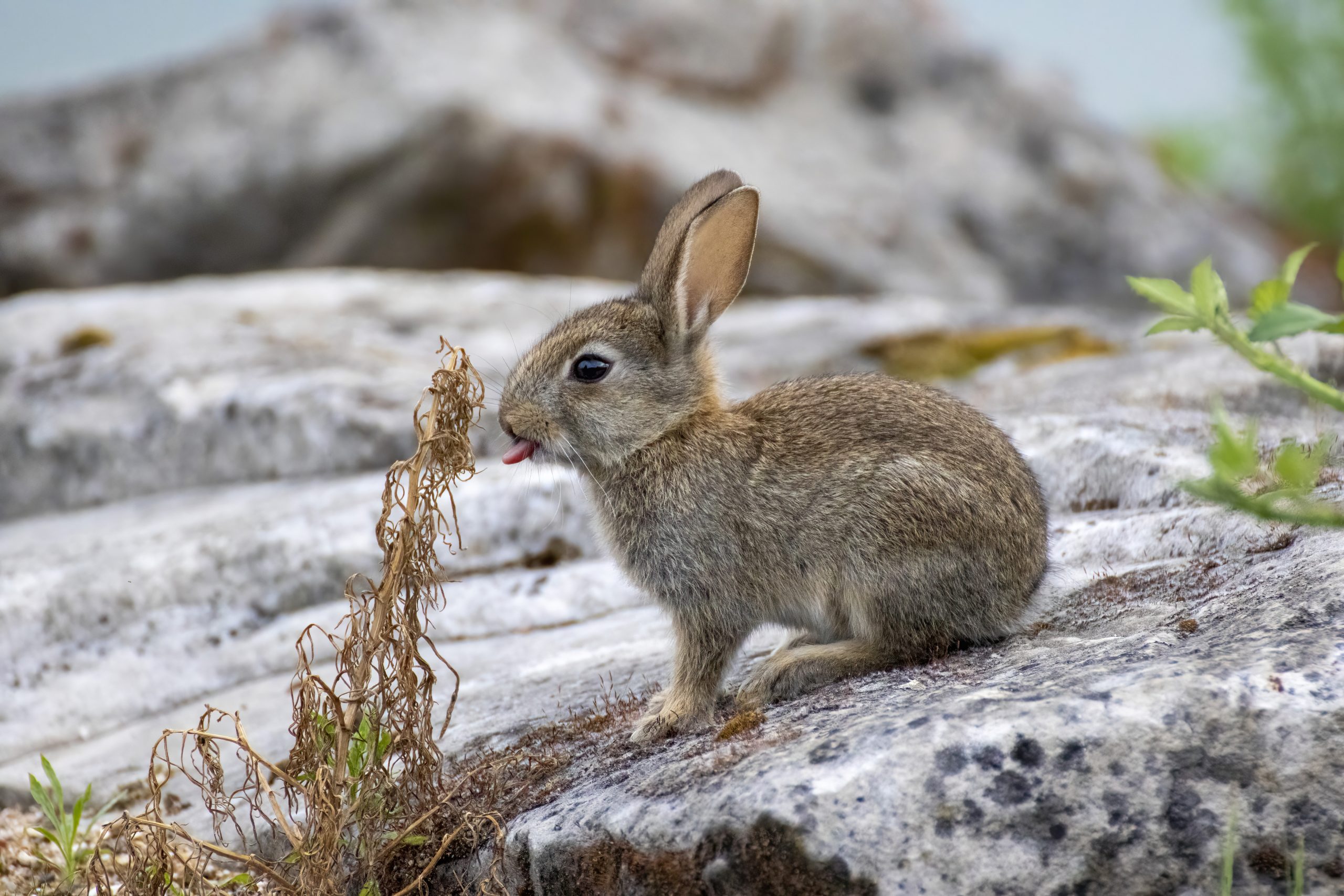
Rocky slopes and rough ground create obstacles that are easy to underestimate. Boulders, crevices, tall grass, and scattered shrubs can conceal rabbits while restricting a person’s view of the surrounding area. On a slope rising 10 to 15 degrees, the ground itself may block sightlines, and loose stones can make each step less secure. Rabbits may also disappear behind small rises without traveling far. Moving cautiously is important because uneven terrain can increase the chance of falls. Any hunting activity in such areas also requires particular attention to a safe background and the position of other people.
7. Snow and Seasonal Cover Change the Landscape
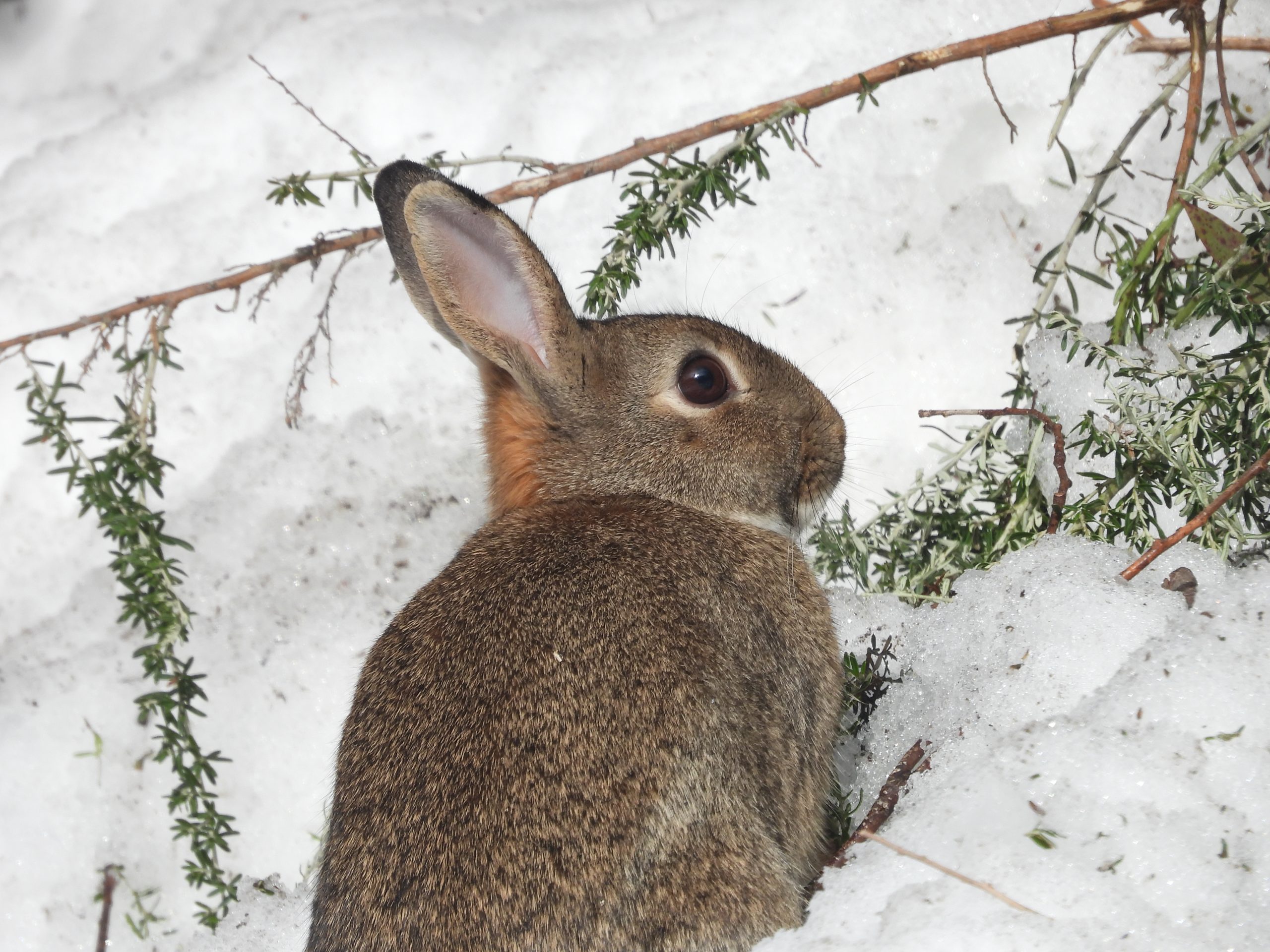
Snow can make rabbits easier to notice against a white background, but the advantage depends on its depth, freshness, and surrounding vegetation. A thin layer may expose tracks across 20 yards of open ground, while deeper snow can hide low vegetation and make movement more demanding. Melting snow creates muddy patches and uneven surfaces, and bare branches may provide less concealment than summer foliage. In some regions, rabbit coat color changes seasonally, while other species remain brown throughout winter. Identifying the species correctly and checking local seasons, permitted methods, and land access rules remain essential before hunting.