
Falconry, the traditional practice of working with trained birds of prey, is attracting interest from younger people looking for experiences beyond ordinary outdoor recreation. It combines wildlife observation, patience, practical skills, and a close understanding of animal behavior. Social media has also made it easier to discover falconry demonstrations, experienced handlers, and conservation projects. However, keeping a bird of prey requires substantial commitment, suitable facilities, and compliance with local wildlife laws. These seven reasons help explain why the ancient practice is finding new audiences among younger generations.
1. Social Media Makes Falconry Easier to Discover

Young people can now encounter falconry through short videos, photographs, and educational posts featuring hawks, falcons, and owls. A 30-second clip showing a trained falcon returning to its handler can introduce viewers to a tradition they might never encounter locally. Experienced falconers also use digital platforms to explain equipment, training principles, and responsible bird care. These glimpses do not replace hands-on instruction, but they can encourage further learning. As interest grows, viewers can look for reputable clubs, licensed demonstrations, and experienced mentors rather than relying on online entertainment alone.
2. Working With Raptors Offers a Distinctive Challenge

Falconry appeals to some younger enthusiasts because it demands skills that develop gradually through practice. A handler must recognize body language, understand natural hunting behavior, and respond appropriately to changing conditions. Even a basic training session lasting 15 to 30 minutes can require careful preparation and close observation. Progress depends on consistency rather than force, and individual birds respond differently. This combination of practical learning and responsibility can make falconry rewarding for people who enjoy mastering difficult skills. It also teaches that a bird of prey is a living animal, not a prop or accessory.
3. Wildlife Conservation Adds Meaning to the Hobby
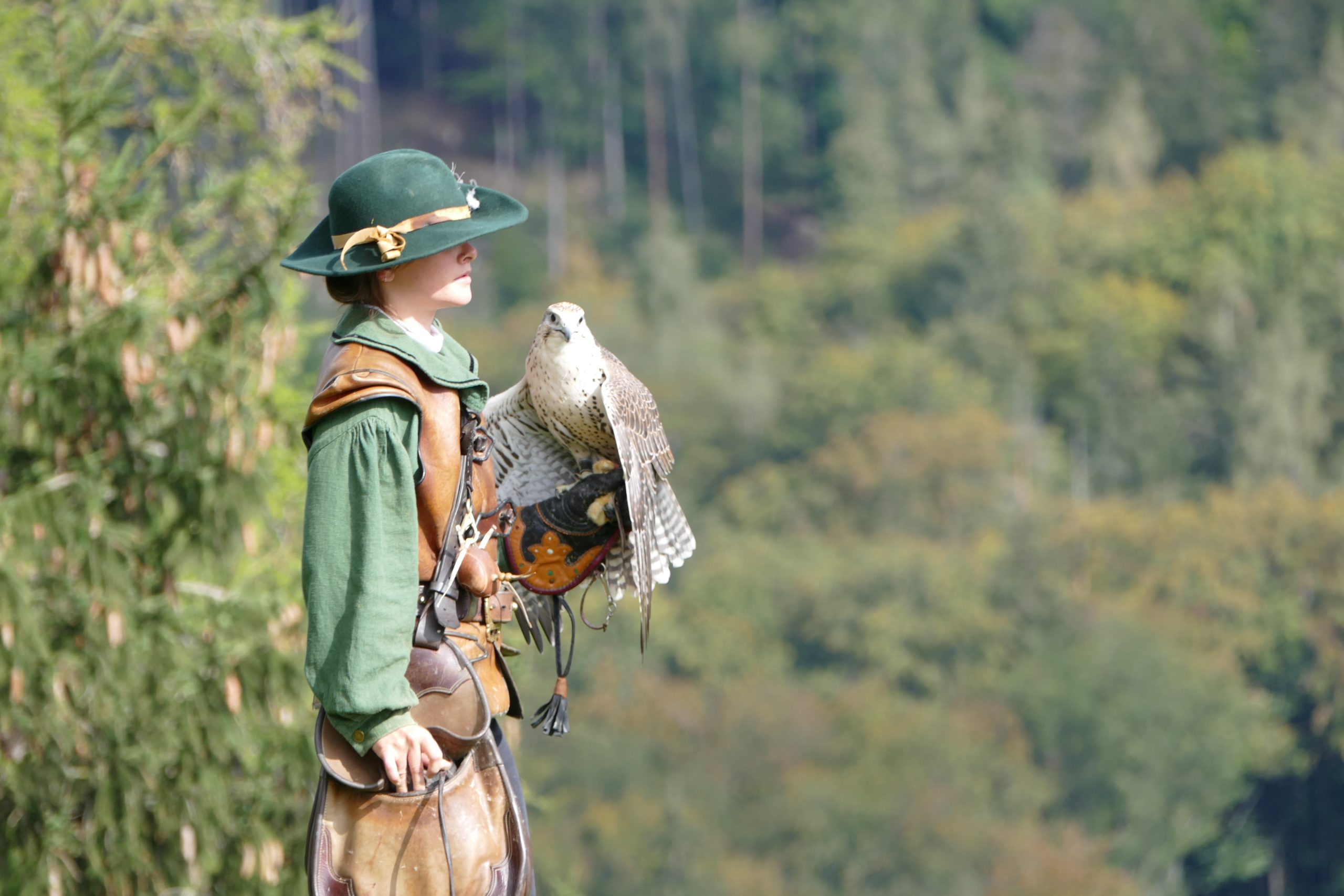
For environmentally minded young adults, falconry can provide an entry point into learning about raptor ecology and habitat protection. Species such as peregrine falcons have benefited from conservation measures in several regions, creating opportunities to explore how research, legislation, and habitat management support wildlife. Some falconry organizations participate in educational programs, rehabilitation partnerships, or public demonstrations. However, falconry and wildlife rescue are not interchangeable activities, and keeping a trained hunting bird does not automatically contribute to conservation. Responsible participation means understanding the bird’s needs and supporting credible conservation work beyond personal enjoyment.
4. Mentorship Creates a Welcoming Learning Path

Falconry can appear intimidating to newcomers because it involves specialist knowledge, expensive equipment, and strict legal responsibilities. Mentorship helps make the learning process more manageable. In some countries, aspiring falconers spend months or longer learning from an experienced practitioner before qualifying for independent participation. In the United States, for example, apprentice requirements vary by state, and some programs specify a minimum period of supervised experience. A knowledgeable mentor can explain handling, housing, feeding, veterinary care, and legal obligations. This structured approach attracts people who prefer learning a demanding outdoor skill through guidance rather than trial and error.
5. Outdoor Experiences Feel More Personal and Engaging

Falconry offers an alternative to outdoor activities centered mainly on exercise, sightseeing, or competition. Time spent observing a bird can encourage greater awareness of wind, terrain, prey behavior, and natural surroundings. A field session lasting two hours may involve preparation, observation, training, and discussion rather than continuous action. This slower pace can appeal to younger people seeking meaningful experiences away from crowded environments and constant screen use. Public demonstrations and introductory sessions also provide a way to explore the tradition without immediately taking on the long-term financial and practical commitment of caring for a raptor.
6. Historic Traditions Connect With Modern Interests
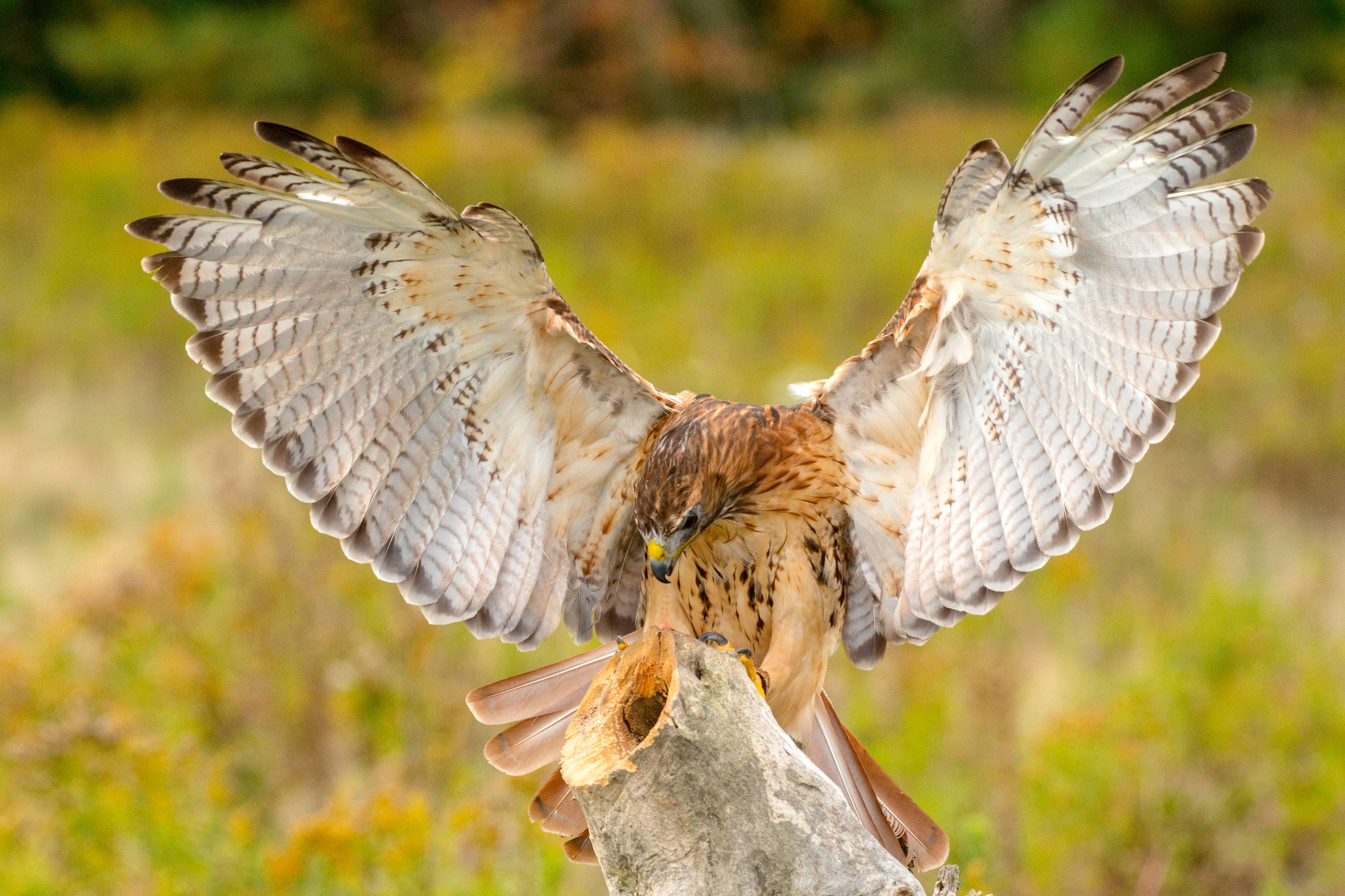
Falconry has a history extending back thousands of years, with distinct traditions developing across Europe, Asia, and the Middle East. Its recognition by UNESCO as an element of living cultural heritage highlights its continuing importance in several communities. Younger enthusiasts may be drawn to the combination of history, craftsmanship, wildlife knowledge, and contemporary outdoor culture. Traditional equipment, specialist terminology, and regional practices offer plenty to explore beyond the basic activity. Learning about these differences also helps newcomers appreciate that falconry is not one uniform tradition, but a collection of practices shaped by local history, landscapes, and cultural values.
7. Responsible Falconry Encourages Long-Term Commitment
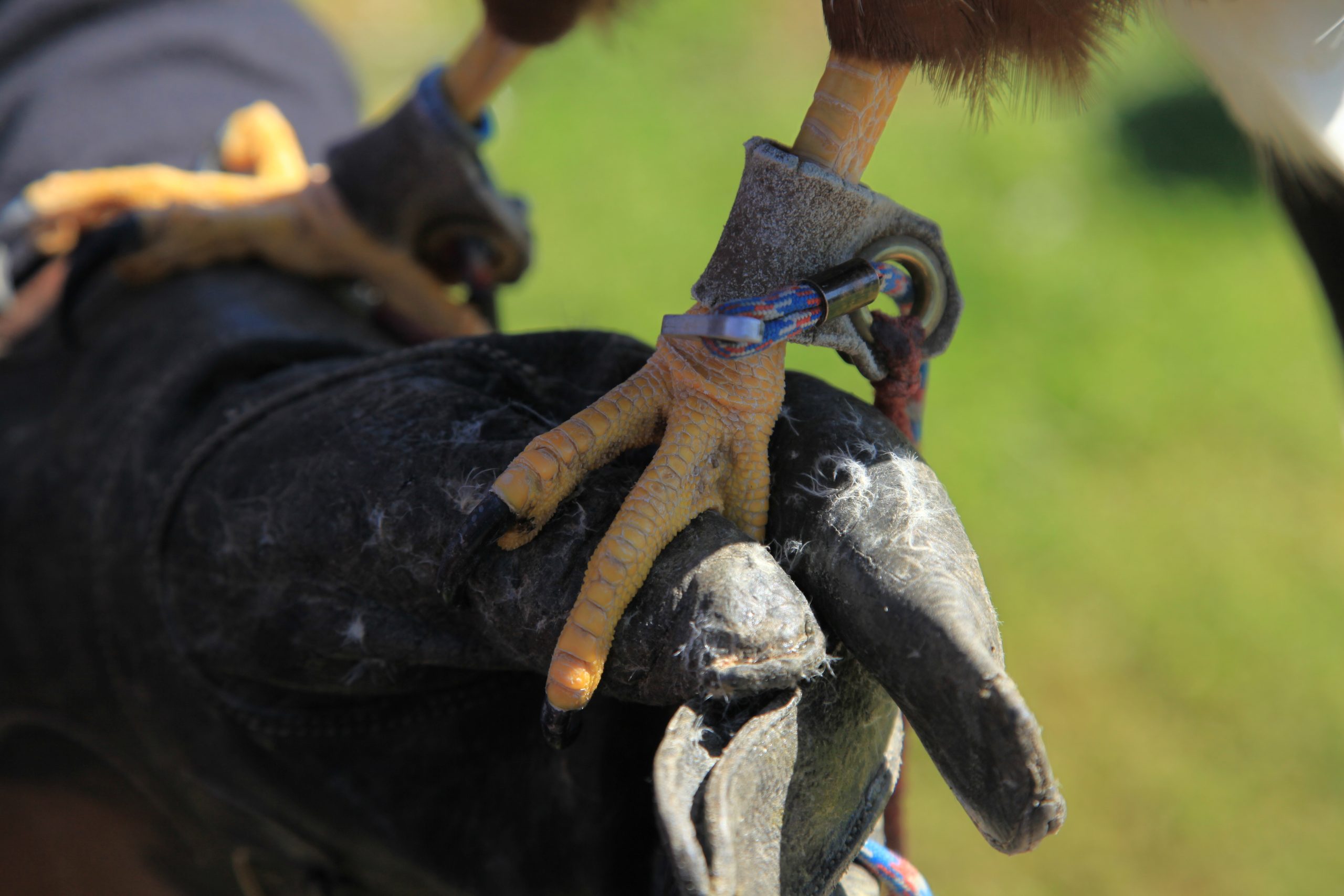
Unlike a casual weekend activity, falconry requires sustained attention to an animal’s welfare. Daily feeding, suitable housing, exercise, veterinary supervision, and training all demand time and planning. Depending on the species and circumstances, a bird may remain in a handler’s care for many years, making the decision a serious responsibility. Equipment, food, veterinary expenses, and legal requirements also affect affordability. Younger people who value purposeful hobbies may appreciate this depth of commitment, but enthusiasm alone is not enough. Before beginning, prospective falconers should research local laws, assess ongoing costs, and spend time with a reputable practitioner.