A revolver’s reputation can last for decades, but not every model delivers the same experience in long-term ownership. Some designs have developed concerns involving parts availability, complicated maintenance, inconsistent quality control, or mechanisms that become troublesome as a firearm ages. That does not mean every example will fail, and a neglected revolver can develop problems regardless of its brand. The models discussed below are best understood through their historical context, known design limitations, and ownership considerations rather than as a guarantee that a particular gun will be unreliable.
1. Colt Python (Classic Models)
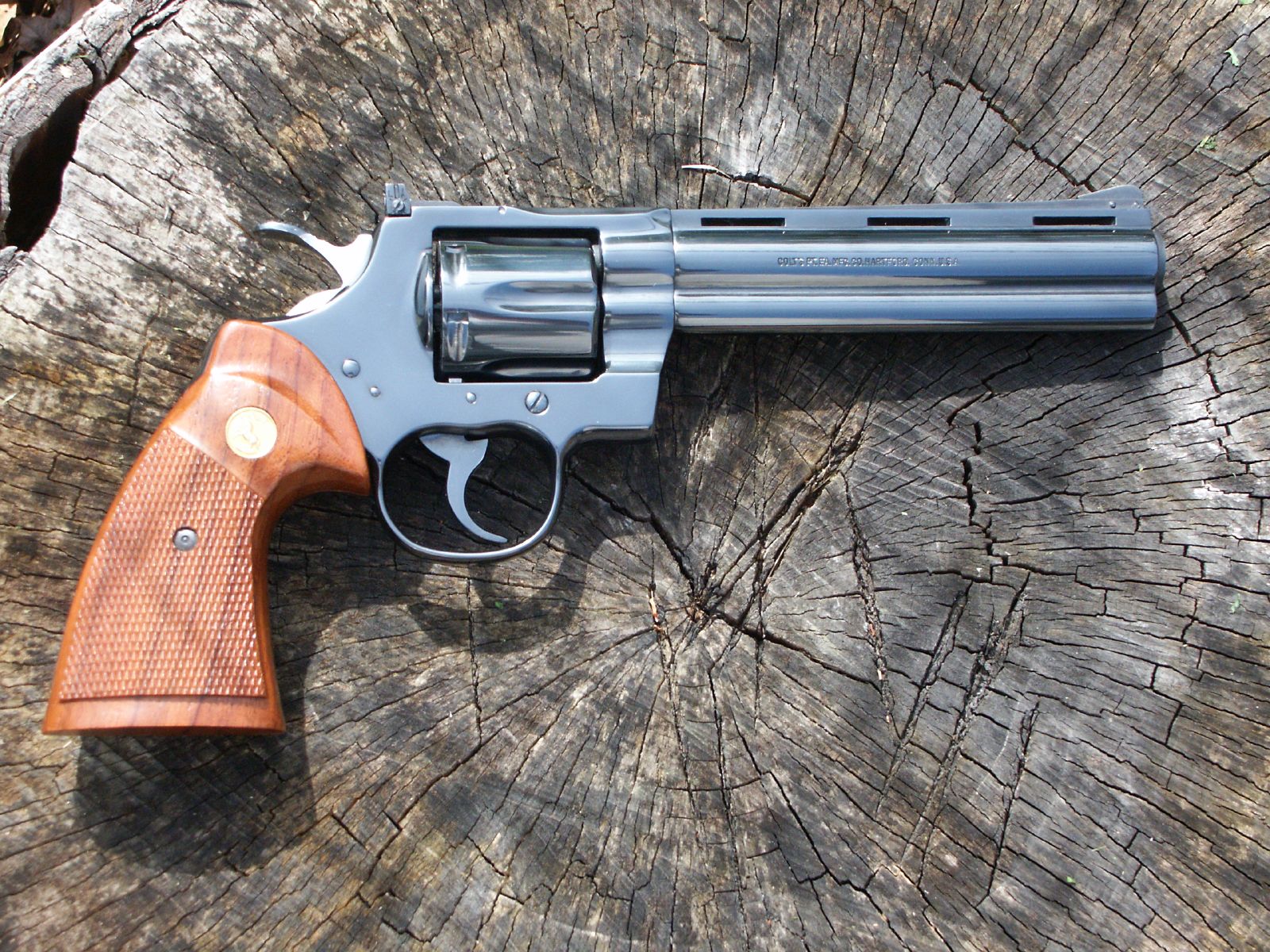
The original Colt Python, introduced in 1955, is admired for its polished finish and refined trigger, but its precision mechanism deserves careful attention. Heavy use and wear can affect cylinder timing, a problem that requires a gunsmith familiar with older Colt actions. Repairs may become expensive when fitted components need specialist attention. That does not make every Python unreliable, and a well-maintained example can perform well for decades. Buyers should prioritize a professional inspection, documented maintenance, and access to qualified service before choosing an older collectible for regular range use.
2. Smith & Wesson Model 19
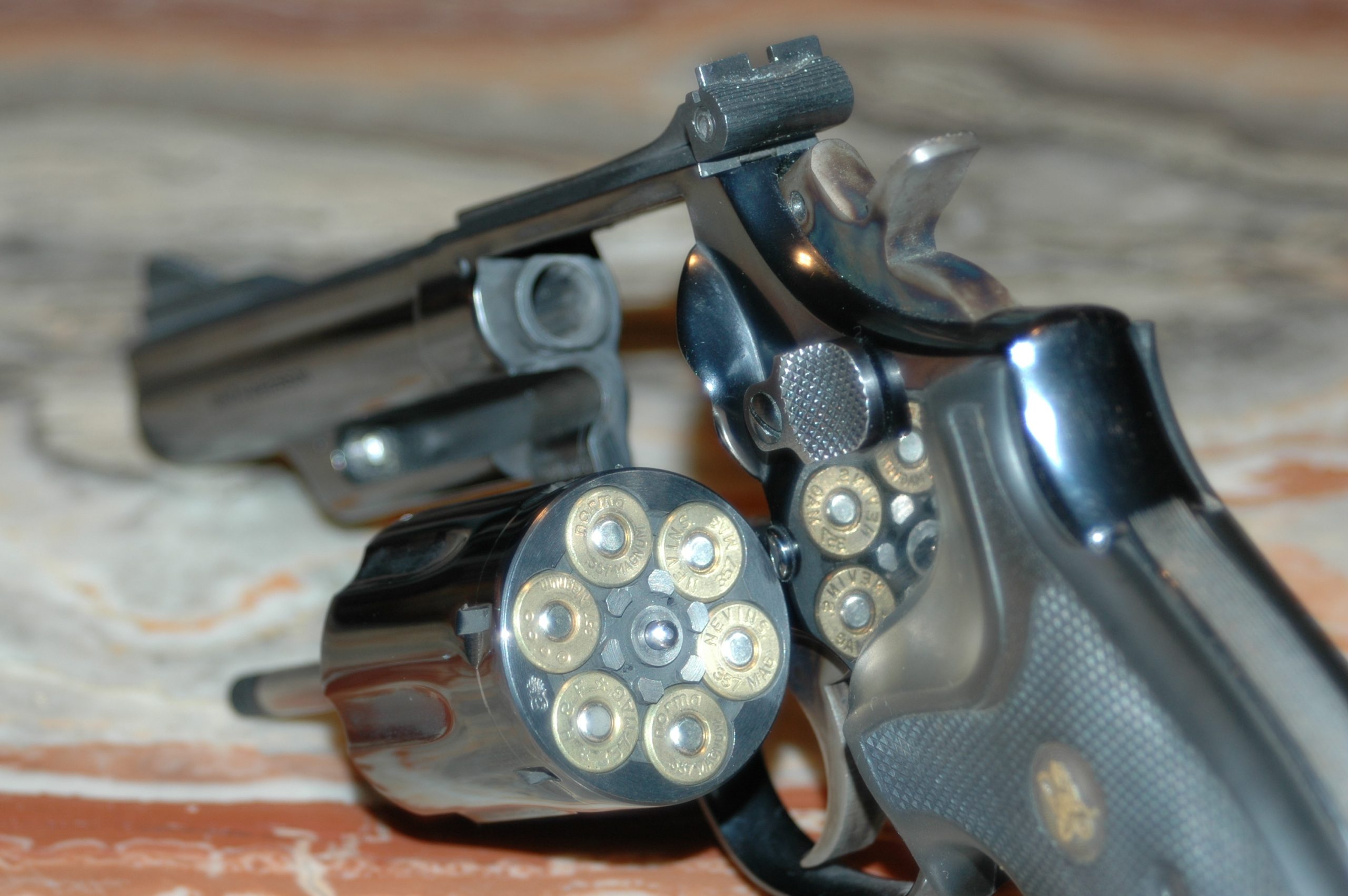
The Smith & Wesson Model 19 earned a strong reputation as a practical .357 Magnum revolver, but its original K-frame design has a known limitation under sustained use of heavy magnum ammunition. Repeated firing of demanding loads can contribute to forcing-cone erosion or cracking in susceptible examples. This is not evidence that every Model 19 will require frequent repairs; ammunition choice, condition, and firing history matter considerably. An older revolver with an unknown history deserves inspection before regular range sessions, particularly if its previous owner used powerful ammunition extensively.
3. Colt Single Action Army
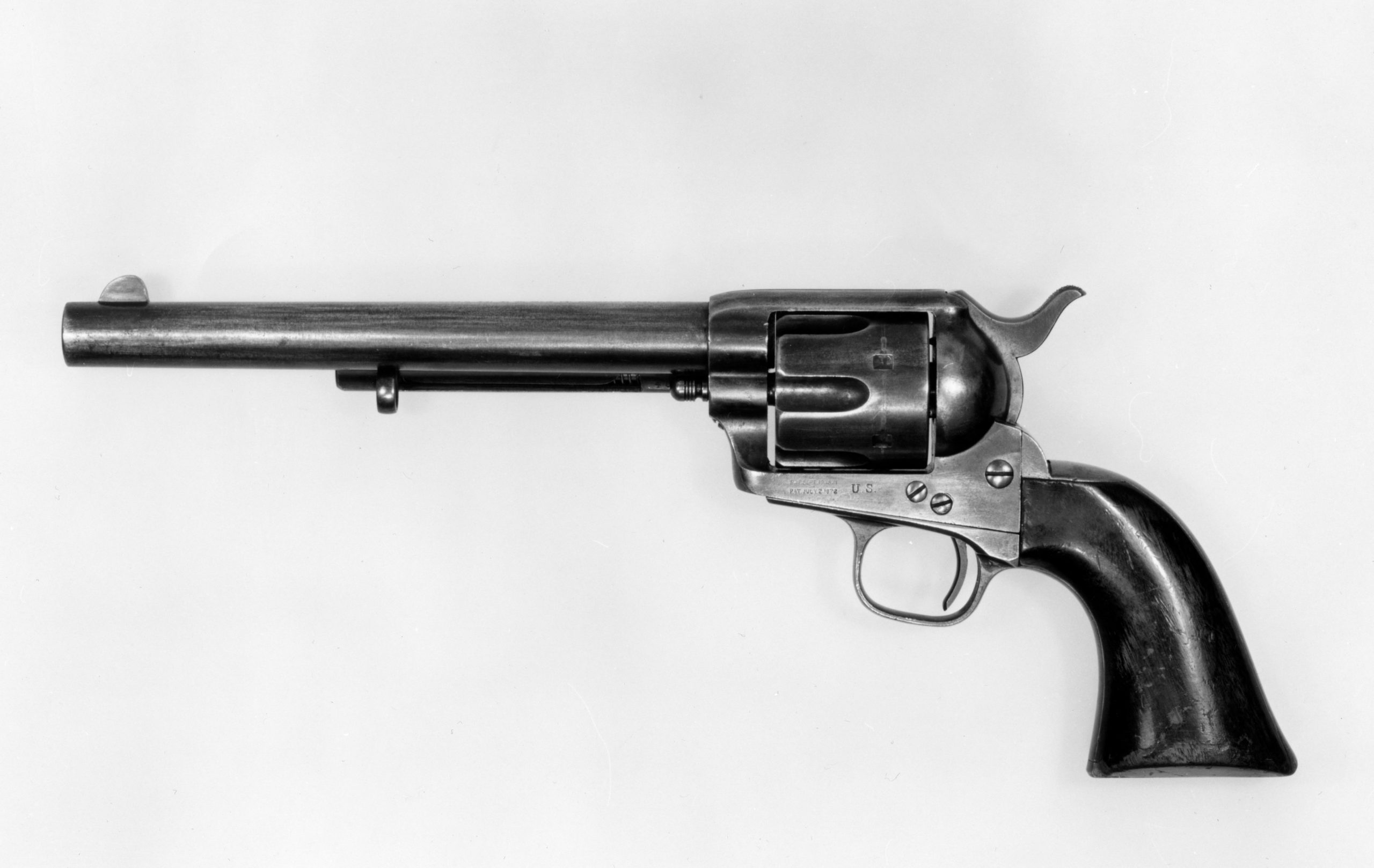
The Colt Single Action Army dates to 1873, and its long production history means that condition varies enormously between individual revolvers. Older examples may have worn springs, damaged internal parts, or repairs made without proper fitting. Original components can also be difficult or costly to source for particular production periods. A revolver that looks excellent externally may still need professional attention before regular shooting. Collectors should distinguish ordinary maintenance from genuine mechanical faults and avoid treating every historical example as a ready-to-use range gun. Its age, provenance, and intended use all influence ownership costs.
4. Webley-Fosbery Automatic Revolver
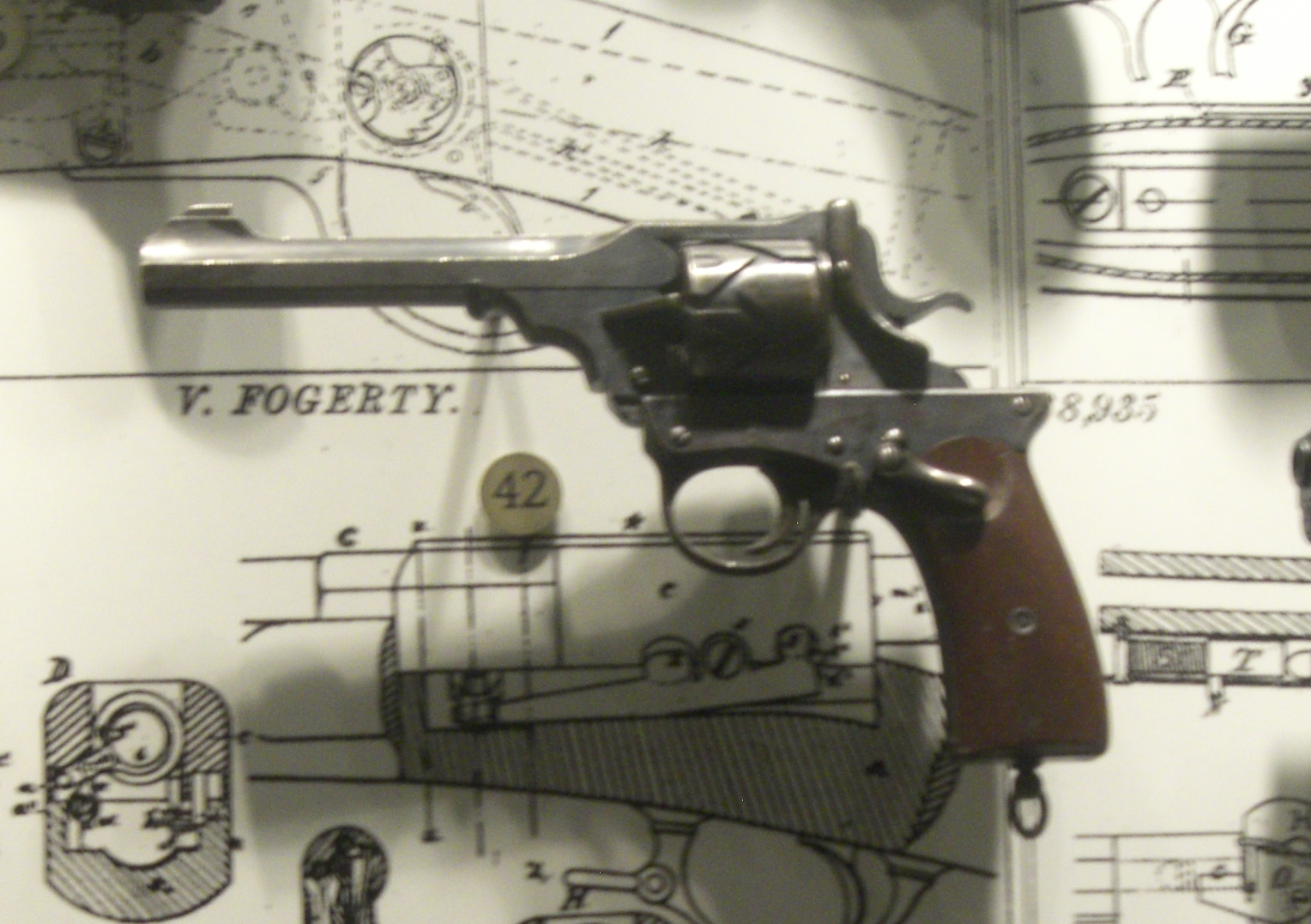
The Webley-Fosbery automatic revolver is a fascinating early-20th-century design that uses recoil-driven movement to cycle its mechanism. Its unusual construction makes it more complicated than a conventional revolver, and surviving examples are now historical collectibles rather than straightforward everyday range guns. Age, specialized components, and the limited number of gunsmiths familiar with the design can complicate restoration. Even a mechanically sound example deserves careful assessment before firing. Collectors should consider preservation, ammunition suitability, and access to expert service rather than expecting quick, inexpensive repairs from an ordinary workshop.
5. Nagant M1895
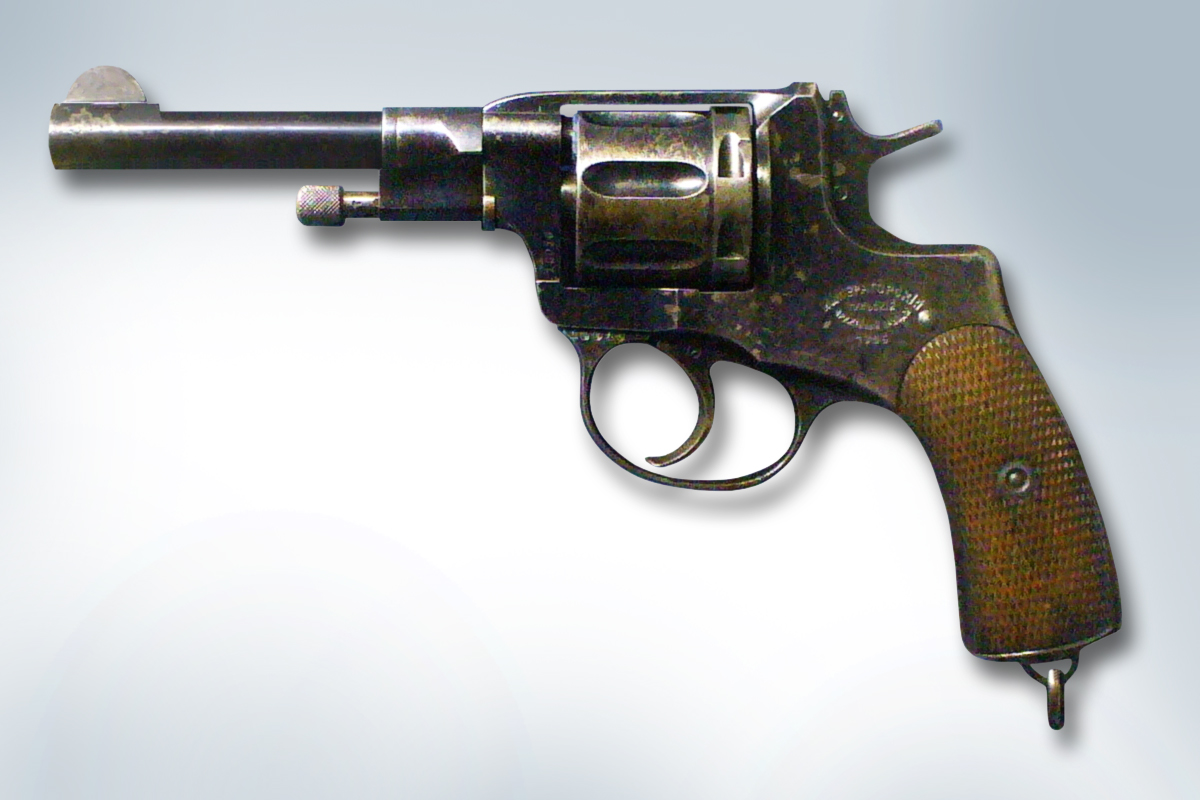
The Nagant M1895 served military and police users for decades after its introduction in 1895, but its age can complicate ownership today. Many surviving examples have passed through long service lives, storage, and refurbishment, leaving individual condition unpredictable. Replacement parts and knowledgeable repair services may be less accessible than they are for common modern revolvers. Its distinctive gas-seal mechanism also makes correct mechanical condition important. A prospective owner should have an experienced gunsmith assess a surplus example before firing and confirm that suitable ammunition is available. Historical appeal does not guarantee trouble-free operation.
6. Mateba Model 6 Unica
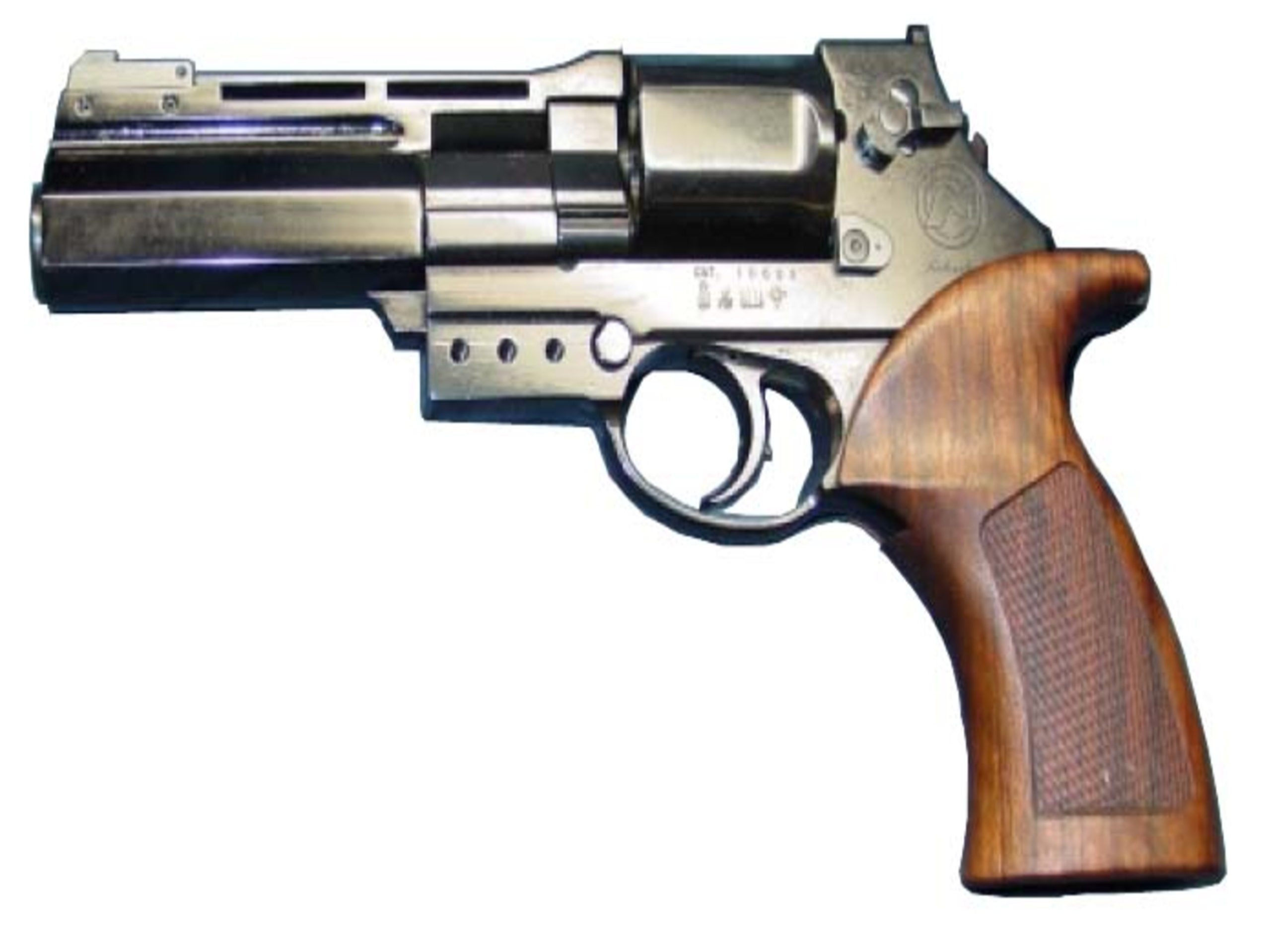
The Mateba Model 6 Unica stands apart because its unusual recoil-operated mechanism moves the upper assembly to cock the hammer and rotate the cylinder. That engineering makes it interesting to collectors, but it also means ordinary revolver experience may not be enough to diagnose every fault. Production was limited compared with mainstream models, so finding specialist knowledge and appropriate replacement parts can be difficult. A malfunction may therefore involve more time and expense than it would with a widely supported revolver. Its rarity alone does not prove poor reliability, but service access is an important ownership consideration.
7. Charter Arms Undercover
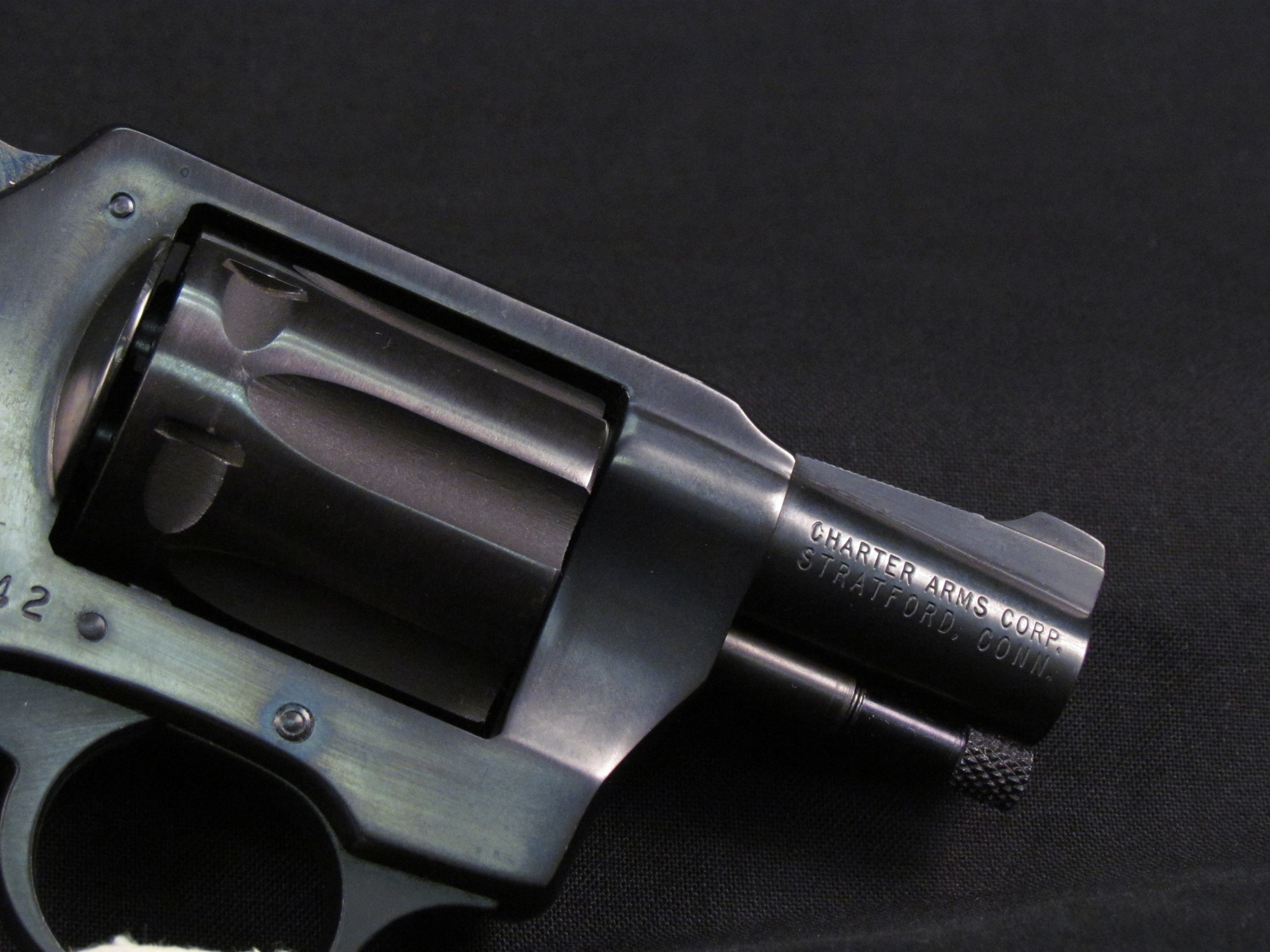
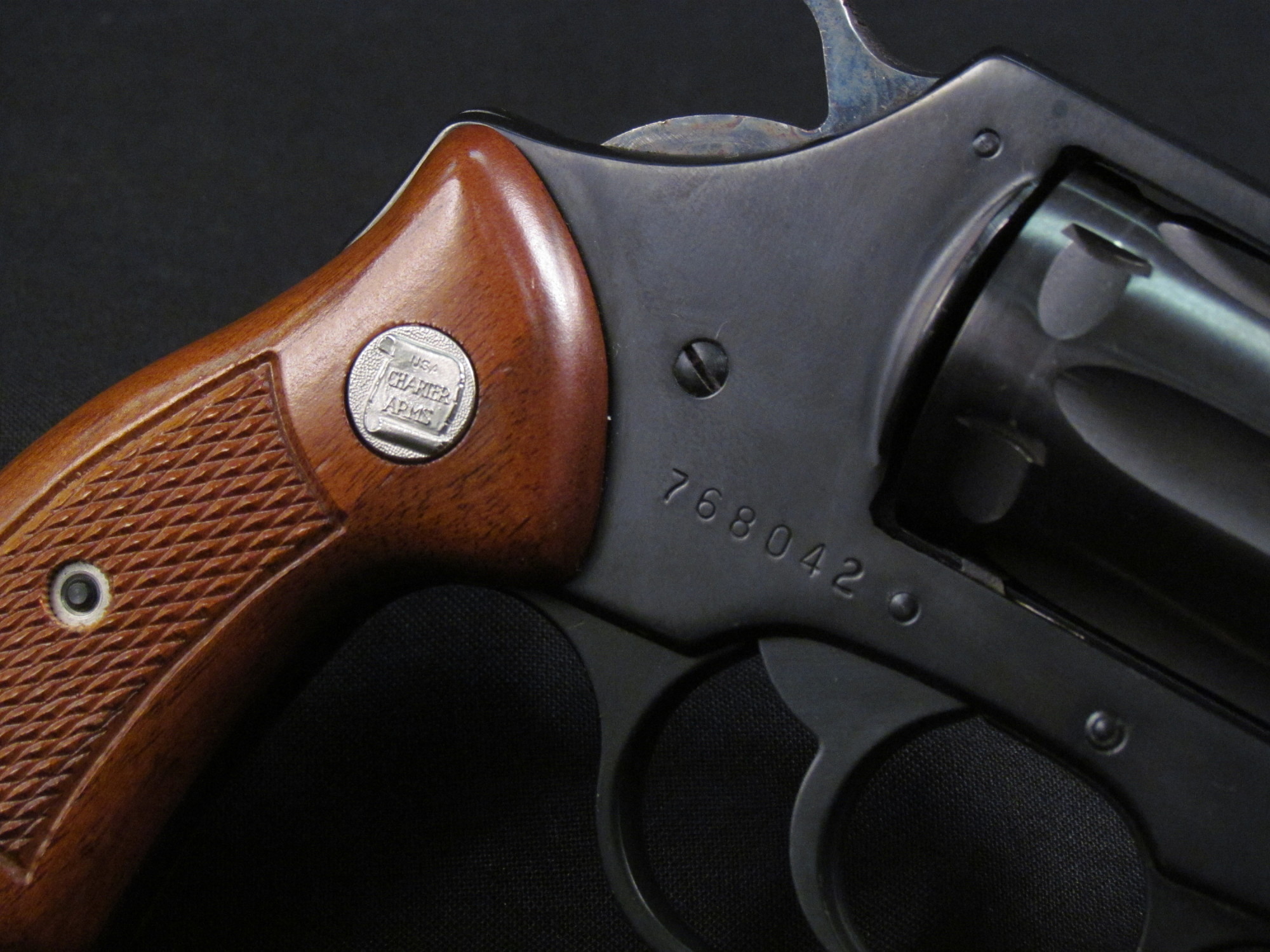
The Charter Arms Undercover is a compact .38 Special revolver whose appeal includes its manageable size and relatively simple format. However, an individual example’s condition, production period, and maintenance history matter more than the model name alone. Older or heavily used revolvers may need attention to springs, cylinder operation, or other worn components, while repair convenience depends on parts availability and the particular issue. It would be unfair to label every Undercover unreliable. Buyers should inspect the firearm through a qualified gunsmith, confirm current service support, and weigh repair costs against the price of the specific used example.