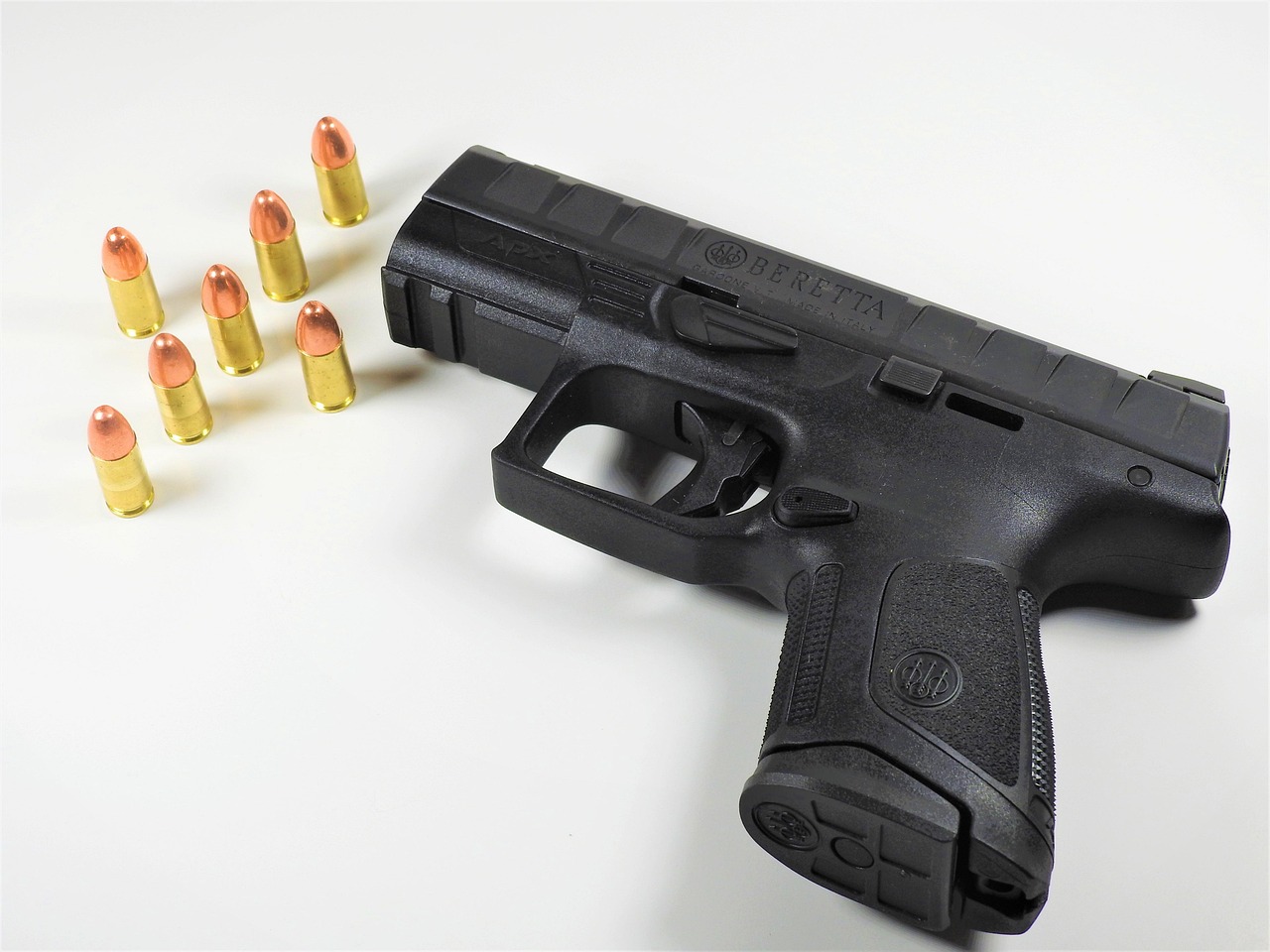
9mm remains one of the most widely available handgun cartridges, but its pricing has become more complicated than simply asking whether ammunition is “expensive.” Market snapshots from 2025 and 2026 show that bargain-level prices still exist, while typical practice ammunition has moved higher in several retail channels. The figures below focus mainly on U.S. retail pricing and use cost per round so that boxes, bulk cases, and different package sizes can be compared consistently.
1. The Baseline Has Moved
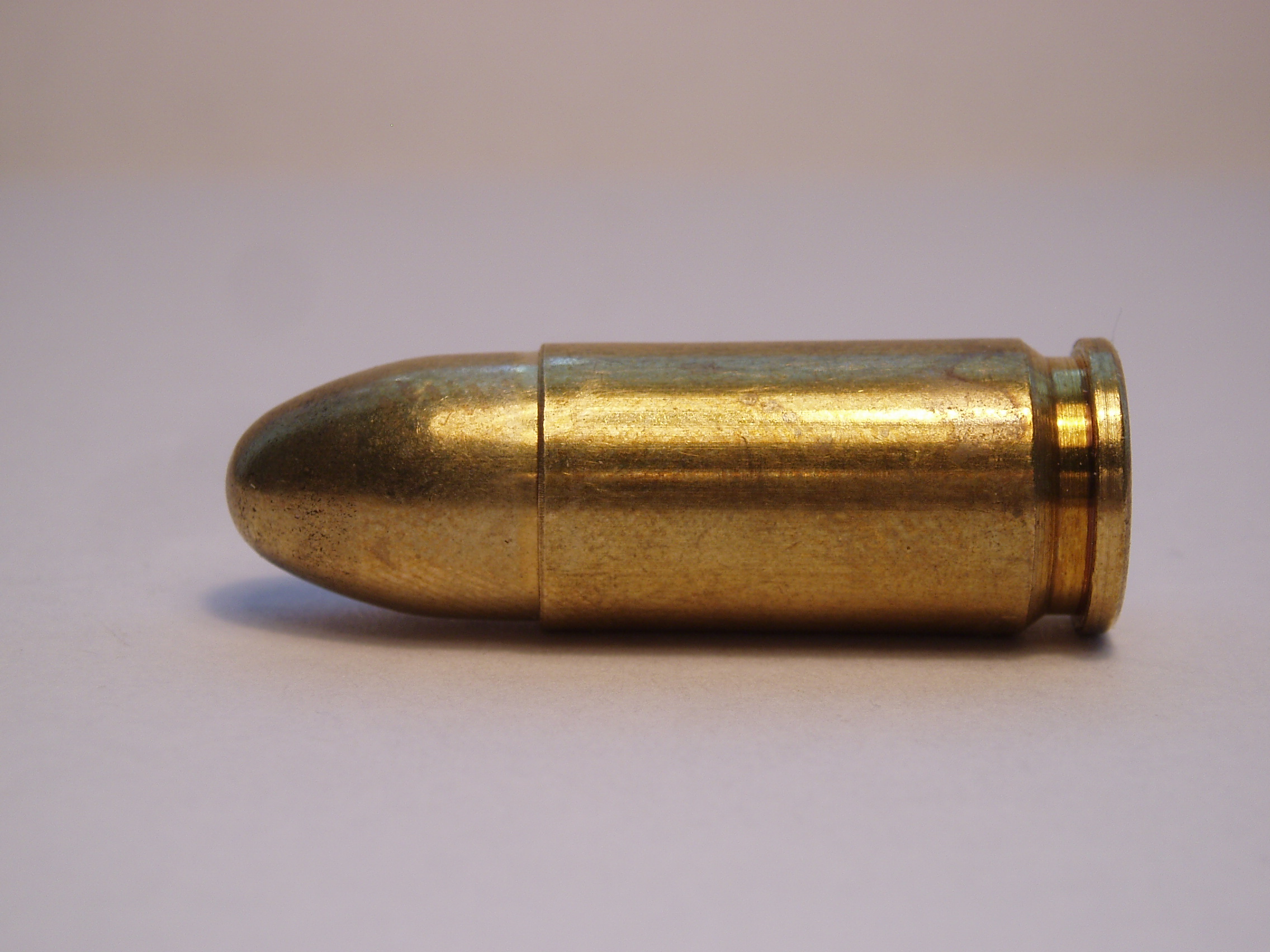
In 2025, bulk 9mm FMJ commonly sat around 21–26 cents per round depending on brand and case size. A second-quarter market survey put Blazer Brass at roughly 22–24 cents, Federal American Eagle at 23–25 cents, and Magtech at 21–23 cents for 1,000-round cases. By September 2026, tracked retail data show a practice-ammo median near 30 cents, although the cheapest deals can still fall well below that level. The important point is not that every box rose by the same amount; it is that the comfortable bargain zone has shifted upward. For a clean comparison, the most useful measure is cents per round, with the same bullet type and purchase size used on both dates.
2. A Five-Cent Change Adds Up
A few cents per cartridge sounds minor until the purchase is measured by the case. Moving from 22 cents to 27 cents per round adds $50 to a 1,000-round purchase. That is a 22.7% increase in the ammunition bill without changing caliber, bullet weight, or intended use. Current market observations show some 9mm cases around the mid-20-cent range, while other listings are considerably higher. For regular buyers, this is why a price change that looks almost invisible on a 50-round box can become a noticeable annual expense. For someone buying 2,000 rounds annually, that five-cent change becomes $100. Repeated purchases make the shift much more visible.
3. The 50-Round Box Tells a Different Story
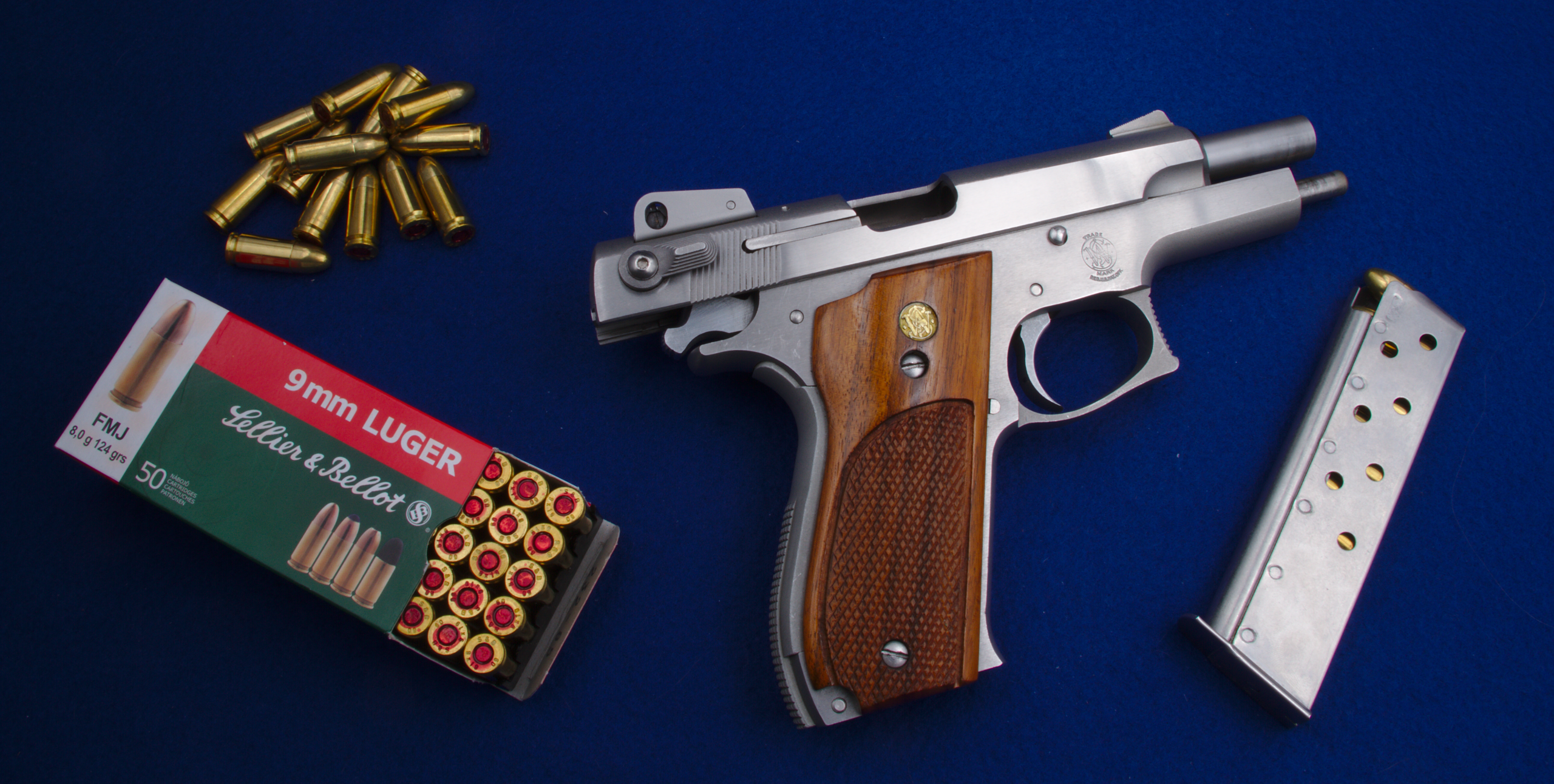
Box pricing can make the increase feel larger because small quantities usually carry a higher per-round cost. Current listings for common brass-cased 9mm FMJ show examples around $10.60–$12.20 for 50 rounds, or roughly 21–24 cents each. A 50-round box at 24 cents costs $12, while the same round count at 30 cents costs $15. That $3 difference seems modest, but repeated across 20 boxes it becomes $60. The headline number therefore depends heavily on whether the comparison uses shelf boxes, promotional prices, or case quantities. Per-round pricing removes that confusion and makes a 50-round box easier to compare with a 1,000-round case. This is why the per-round figure is more revealing.
4. Bulk Pricing Still Softens the Blow
Buying by the case remains one of the clearest ways to reduce the effect of higher prices. Recent market guides place competitive brass-cased 9mm FMJ around 15–20 cents per round in strong bulk deals, while other observed cases sit closer to 24–27 cents. A 1,000-round purchase at 18 cents totals $180; at 24 cents it reaches $240, a $60 difference. That gap shows why shoppers who compare only the price on a 50-round box can miss the larger change. Shipping, taxes, availability, and brand can also erase part of the apparent bulk discount. For frequent range users, every extra cent is multiplied across hundreds or thousands of rounds. Bulk pricing can cushion the increase, but it cannot remove it.
5. Not Every 9mm Round Rose Equally
The phrase “9mm price” hides several different markets. Basic FMJ practice ammunition is far cheaper than premium hollow-point loads, and current tracked data put practice ammunition near a 30-cent median while premium defensive ammunition is around 84 cents per round. A 50-round practice purchase at 30 cents is about $15, whereas 50 premium rounds at 84 cents would be about $42. The difference is not simply inflation. Bullet design, manufacturing complexity, packaging, and the smaller volume of premium loads all influence the final price. That is why a useful trend compares FMJ with FMJ and premium loads with the same category. Mixing them can exaggerate the apparent increase.
6. Manufacturer Increases Matter
Price movement has also come through manufacturer-level increases rather than one universal retail jump. Industry reporting describes three increases affecting major ammunition brands between October 2025 and June 2026, including increases of 5–12%, 2–10%, and about 3% on selected promotional ammunition. These changes do not mean every 9mm SKU rose by the maximum percentage, but they help explain why retailers can gradually reset prices even when shelves remain stocked. The result is a quiet climb: a product may still look affordable while its old bargain price becomes harder to find. Retail prices can lag behind manufacturer changes because older inventory may remain on shelves.
7. The Cheapest Deals Still Exist
A rising average does not mean 9mm has suddenly become scarce or uniformly expensive. Current tracking still shows occasional 9mm FMJ offers around 14–20 cents per round, especially for bulk purchases, while mainstream practice ammunition can sit closer to 17–25 cents on favorable listings. That spread matters because a shopper paying 30 cents is not necessarily seeing the market floor. In other words, the increase is better understood as a wider and higher pricing landscape rather than a single new sticker price. Sale timing and stock levels can change the picture quickly. A temporary bargain can coexist with higher everyday pricing. That is why a broader sample is more useful.
8. Brand Choice Can Shift the Number
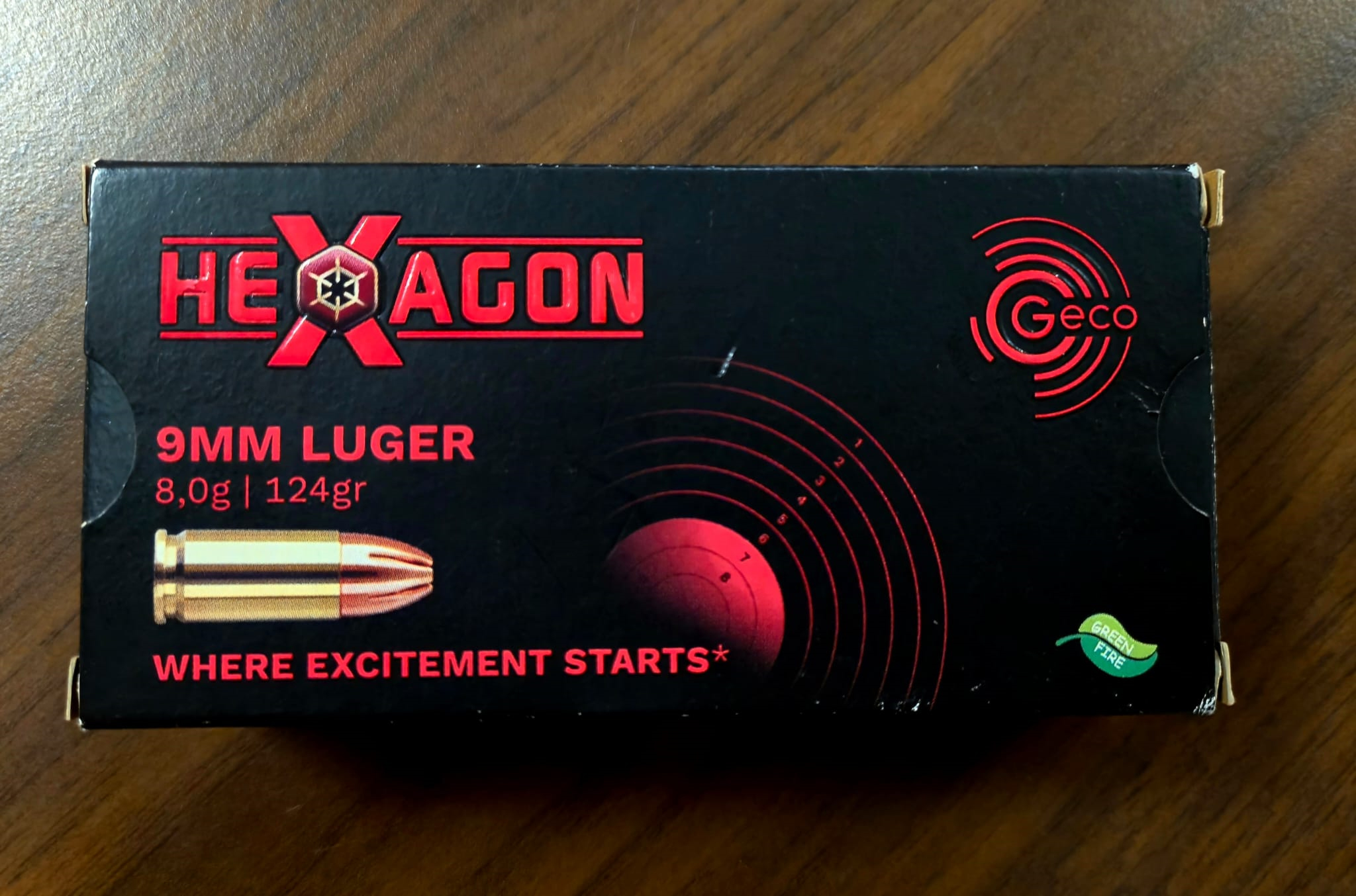
Brand selection remains one of the easiest ways to change the final bill without changing caliber. Recent observed ranges place Blazer Brass and Magtech FMJ roughly around 17–22 cents per round, Federal American Eagle around 18–24 cents, and Winchester White Box around 18–22 cents in competitive listings. Those are market ranges, not guaranteed prices. A difference of 4 cents per round becomes $40 across 1,000 rounds. That is why a buyer comparing identical 115-grain FMJ specifications can still encounter noticeably different totals depending on manufacturer, retailer, case size, and promotion. The cleanest comparison is like-for-like: same caliber, bullet type, grain weight, and case quantity.
9. The Quiet Increase Is Really About the Floor
The clearest signal since 2025 is that the lowest everyday price has become harder to treat as permanent. One 2025 survey placed major 1,000-round FMJ cases around 21–26 cents per round, while 2026 tracking shows a practice-ammo median near 30 cents but continued bargain listings below 20 cents. That combination explains the word “quietly.” Prices have not moved in one giant jump. Instead, higher costs, periodic manufacturer increases, and changing promotions have gradually lifted what many buyers should expect to pay. There is no single official national retail index for 9mm ammunition, so these figures are market snapshots. Repeated observations still point to a gradual shift.