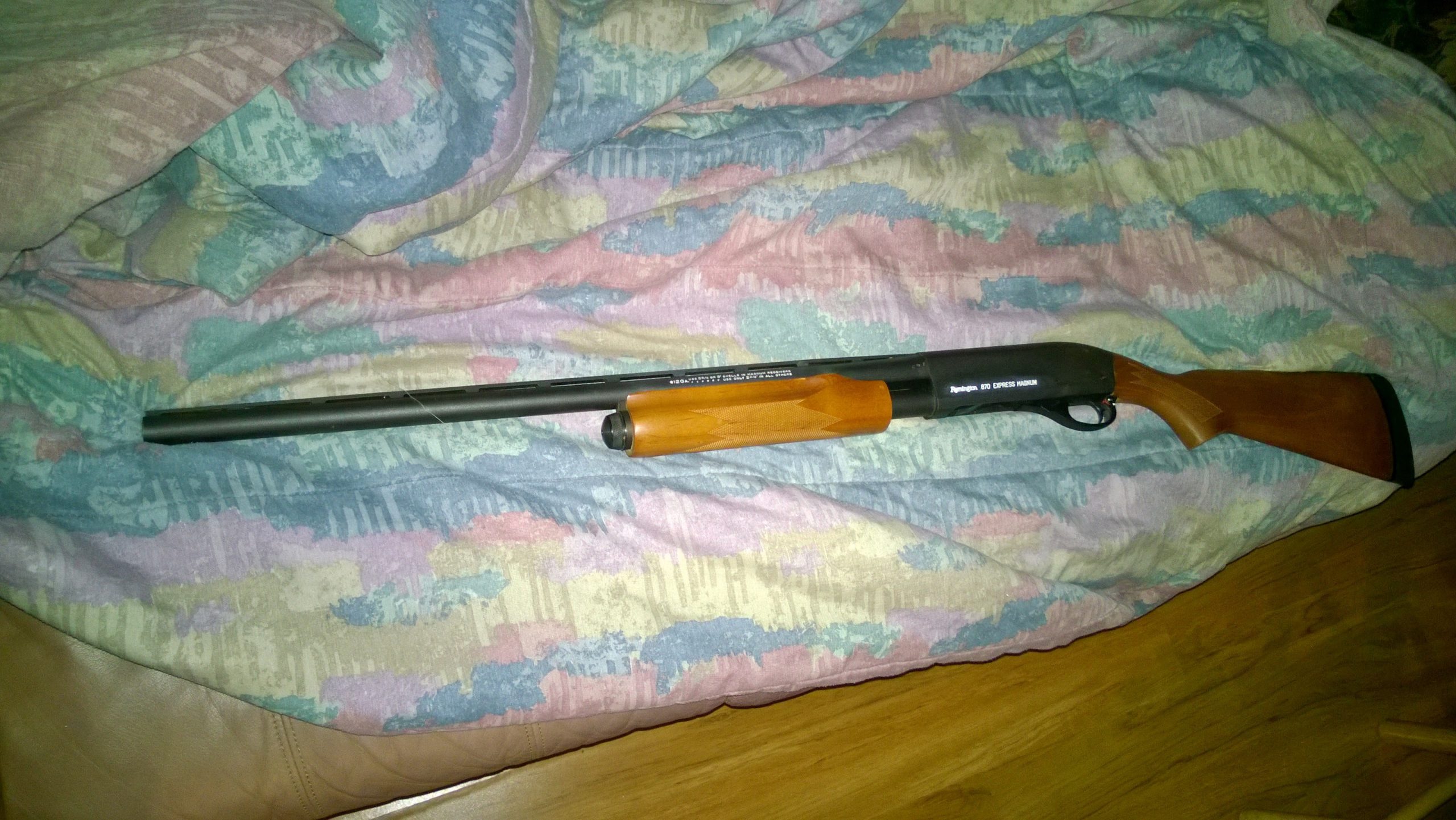
The Remington 870 is one of America’s best-known pump-action shotguns, with a long history in waterfowl hunting. Its straightforward design and dependable reputation make it a popular choice among duck hunters. However, owning a familiar shotgun does not automatically make someone a confident or responsible hunter. A duck blind presents its own challenges, including wet conditions, limited visibility, changing weather, and the presence of other hunters. First-time hunters can easily overlook important details while concentrating on the birds. Understanding common mistakes before heading into the field helps improve safety, preparation, and overall hunting experience. Here are eight issues worth understanding before taking a Remington 870 into the duck blind.
1. Neglecting to Learn the Shotgun’s Safety Features
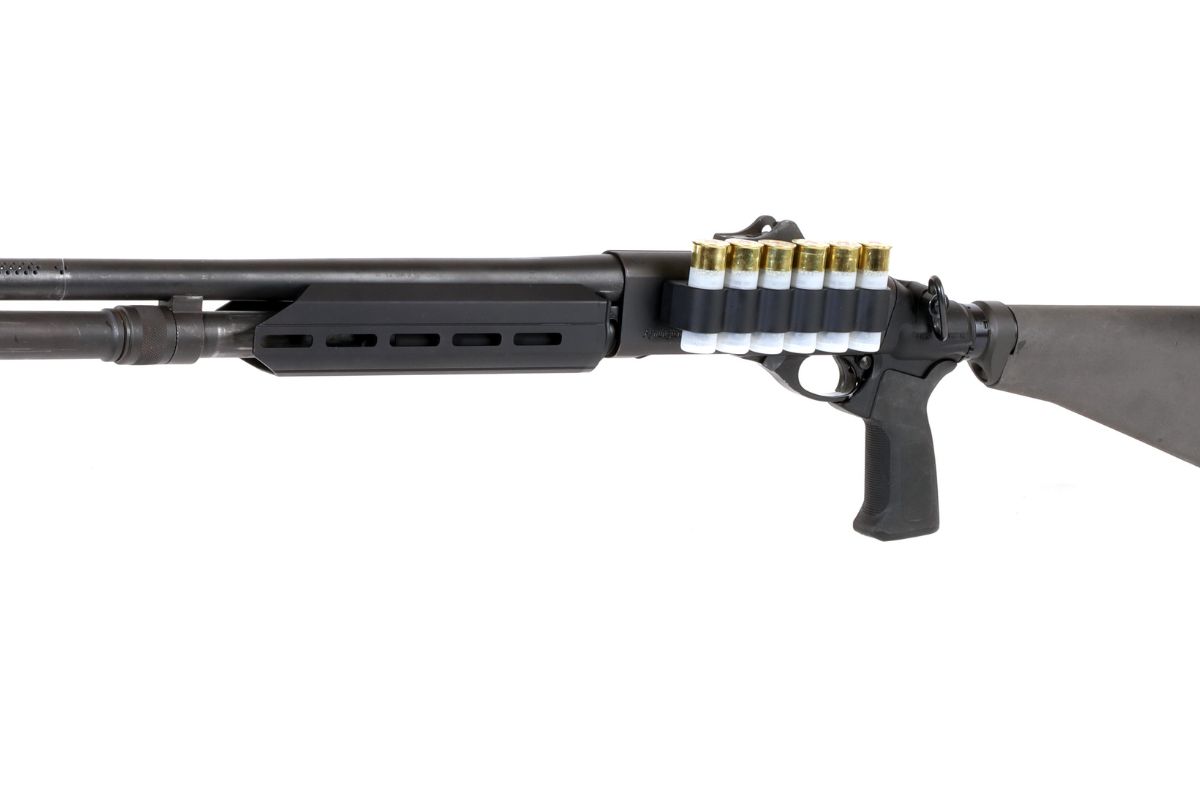
A common beginner mistake is assuming that a familiar-looking pump-action shotgun requires little preparation. The Remington 870 has a cross-bolt safety, but hunters must understand its operation and limitations before entering the field. The safety is not a substitute for responsible muzzle control or checking the chamber. Spend time studying the owner’s manual and identifying the controls on your particular model. Never assume the shotgun is unloaded because its safety is engaged. Keep it pointed in a safe direction, with the action open whenever practical and the firearm unloaded until hunting conditions and applicable rules permit otherwise. These habits matter every time you handle it.
2. Choosing the Wrong Ammunition for Waterfowl Hunting
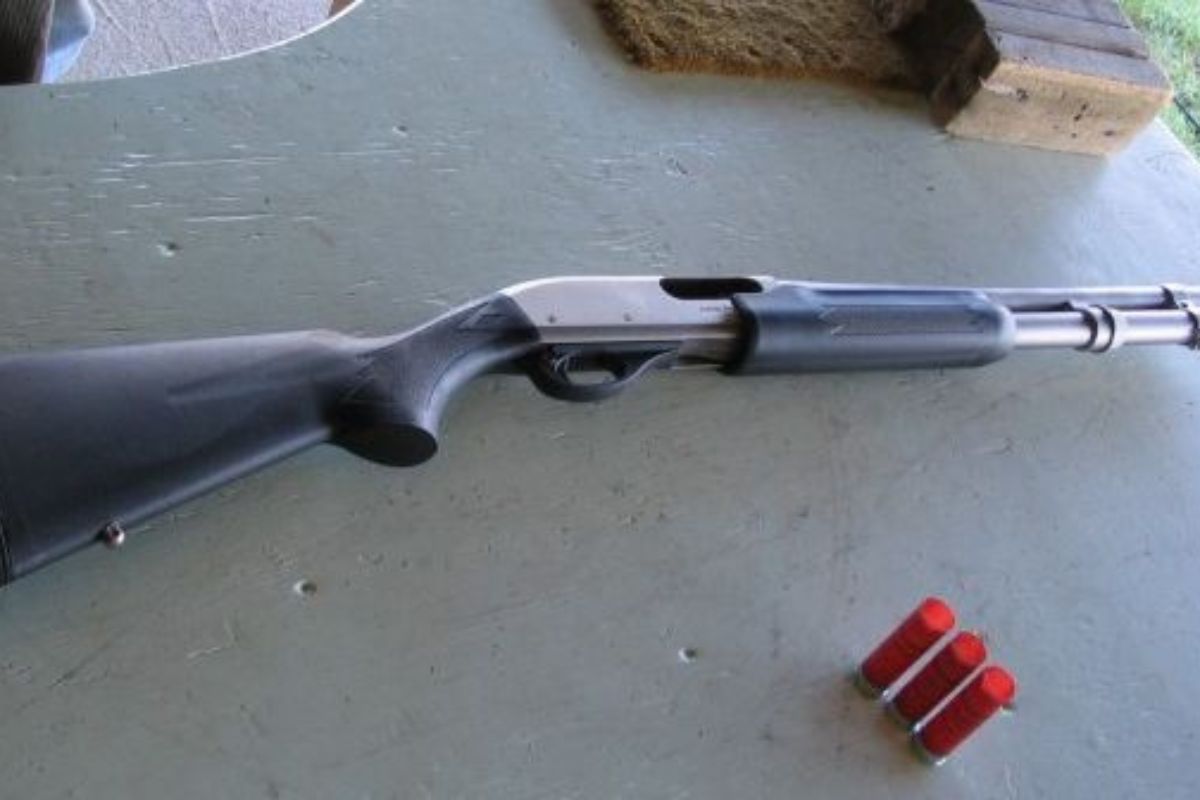
Not every shotgun shell is suitable for duck hunting, and beginners sometimes overlook this important distinction. Waterfowl regulations generally require approved non-toxic shot, such as steel, bismuth or suitable tungsten-based loads, rather than traditional lead ammunition. The correct choice also depends on the shotgun’s chamber markings and the manufacturer’s specifications. For example, a 2¾-inch chamber should never be treated as compatible with 3-inch shells. Check local regulations, ammunition packaging and the owner’s manual before purchasing anything. Using an incompatible cartridge can cause serious injury, while using prohibited shot can result in legal penalties. Confirm every detail before the hunting trip.
3. Ignoring the Importance of Proper Firearm Maintenance

A duck blind exposes equipment to moisture, mud, cold temperatures and vegetation. First-time hunters sometimes bring their Remington 870 into these conditions without checking its condition beforehand. Water and debris can affect firearm components, while neglected metal surfaces may develop corrosion. Before a trip, have the shotgun inspected according to the manufacturer’s instructions and make sure it is clean and serviceable. After exposure to wet conditions, follow the manual’s unloading, cleaning and drying guidance. Pay attention to signs of rust or damage rather than assuming everything is working correctly. A basic maintenance routine and periodic inspection can prevent avoidable problems during the season.
4. Forgetting That a Duck Blind Is a Shared Space
A blind can be cramped, and excitement makes sudden movement tempting. A beginner may stand, turn or reach across the space without thinking about where the muzzle is pointing. That is a serious mistake with any shotgun, including the 870. Decide with the group where firearms can safely point and where people will sit before the hunt starts. Keep the action open and the gun unloaded whenever it is being carried or repositioned, and follow the manufacturer’s safe-handling instructions. Do not handle a firearm while climbing into a boat, stepping over gear or helping a dog. Pause, secure the gun, and move only when it is safe.
5. Taking Shots Beyond a Responsible Distance

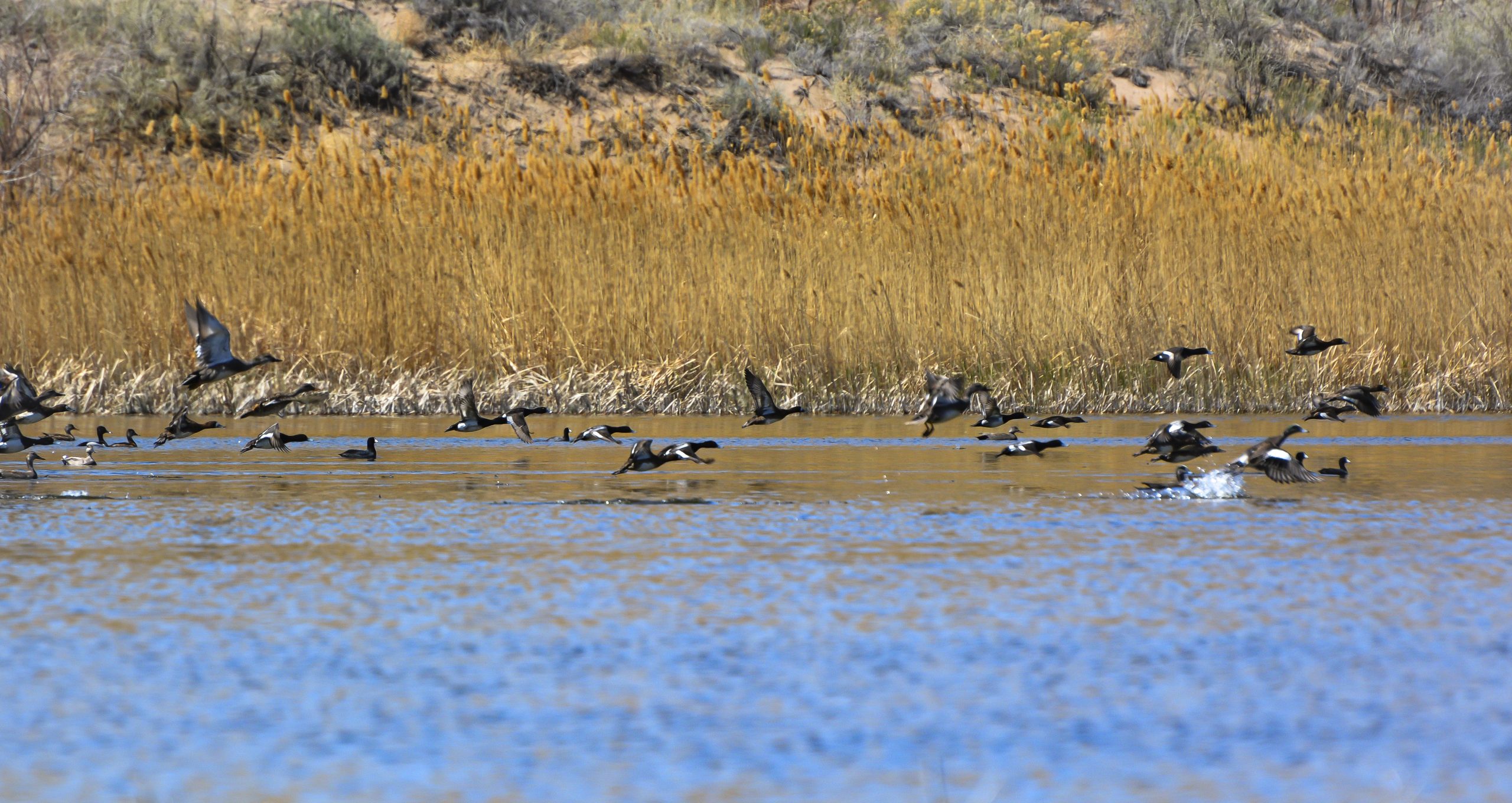
One of the most damaging beginner habits is firing at birds that are too far away or shooting quickly into a whole flock. A rushed shot can wound an animal without recovering it, and it may also endanger other hunters if the target and background are unclear. Learn to identify legal species and understand the limits set by local regulations before the season. Wildlife agencies commonly stress taking time to identify a single bird and avoiding shots beyond a responsible range; Florida’s wildlife agency cites about 40 yards as the effective range of most shotguns. Treat that as general guidance, not a guarantee for every load or setup.
6. Not Becoming Familiar With the Specific 870 Model
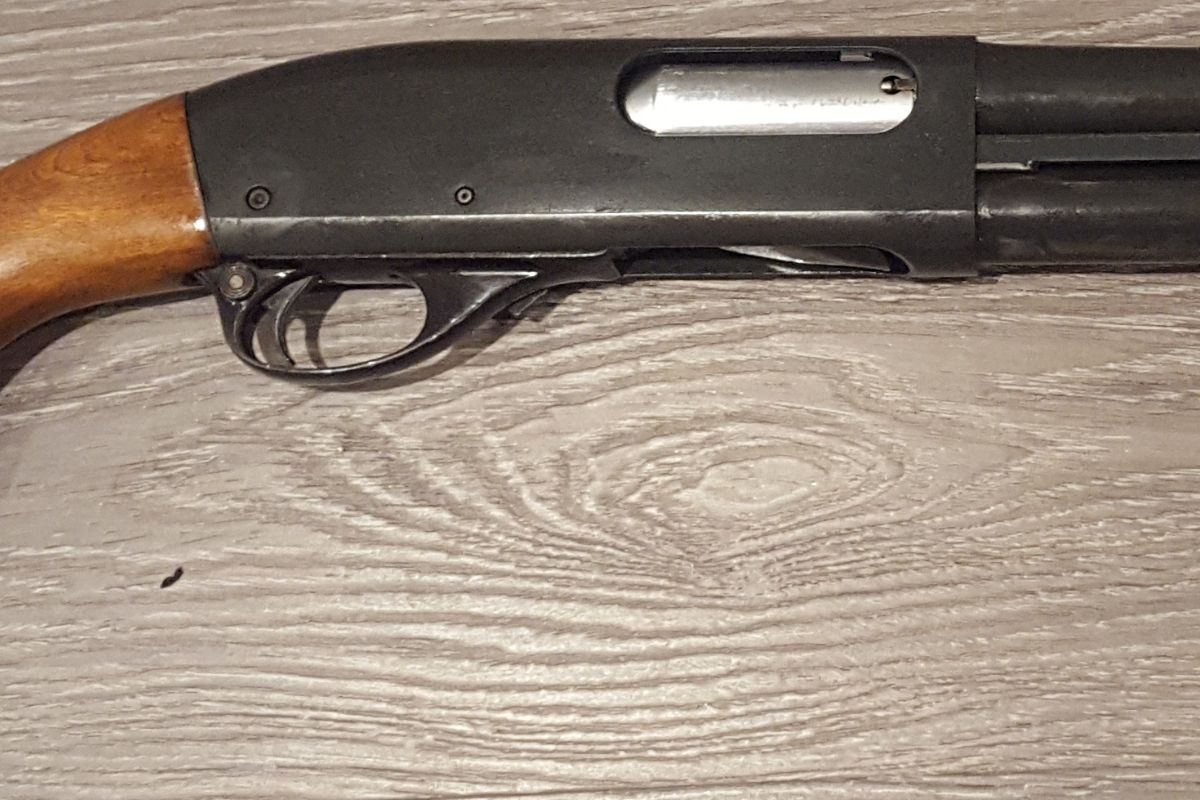
New owners sometimes enter the blind without learning their exact 870 model. The 870 family includes different gauges, chamber lengths, and configurations, so never guess details from appearance. Read the manual, understand its safety warnings and ask a qualified instructor to explain safe loading, unloading, and carrying in a controlled setting. Practice only with the firearm completely unloaded, in a safe location and under supervision. Check the barrel markings and use only the ammunition the manufacturer specifies. Familiarity is not about speed; it is about knowing the limits and safe-handling rules of your shotgun.
7. Overlooking Safe Movement Around Water and Equipment
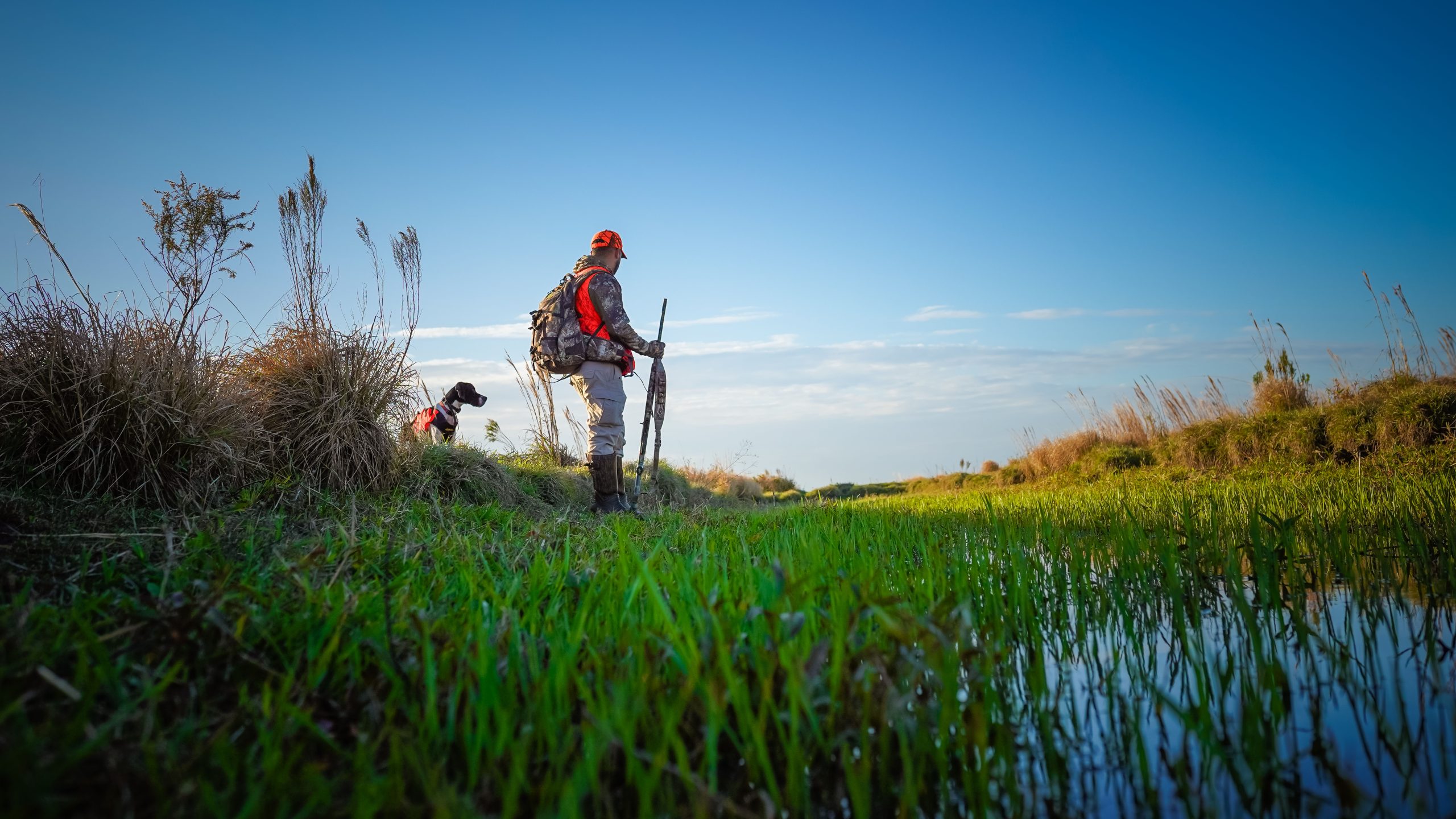
Waterfowl hunting often involves boats, slippery banks, waders, dogs and equipment spread across a small area. A first-time hunter may concentrate on the birds and forget to plan how the group will move safely or retrieve a downed bird. Keep the shotgun unloaded with its action open during travel, follow boating and personal-flotation rules, and never attempt a retrieval that puts anyone at risk. Agree beforehand who handles the dog or boat and where firearms will be secured. Check weather, water conditions and daylight, too. A safe hunt is not measured by the number of birds collected; returning everyone safely is the priority.
8. Ignoring Hunting Regulations and Seasonal Requirements
Another mistake is treating the Remington 870 as the only thing needing preparation. Hunting laws, seasons, bag limits, locations and licenses can change, and rules differ between countries and states. Check the official wildlife authority’s regulations for the exact place and date. In the United States, federal migratory-bird rules operate alongside state requirements, so checking only one source may leave gaps. Carry required permits, identify protected species and respect shooting-hour limits. If a rule is unclear, ask the relevant authority or a licensed local guide before entering the blind. Preparation includes knowing when not to hunt.