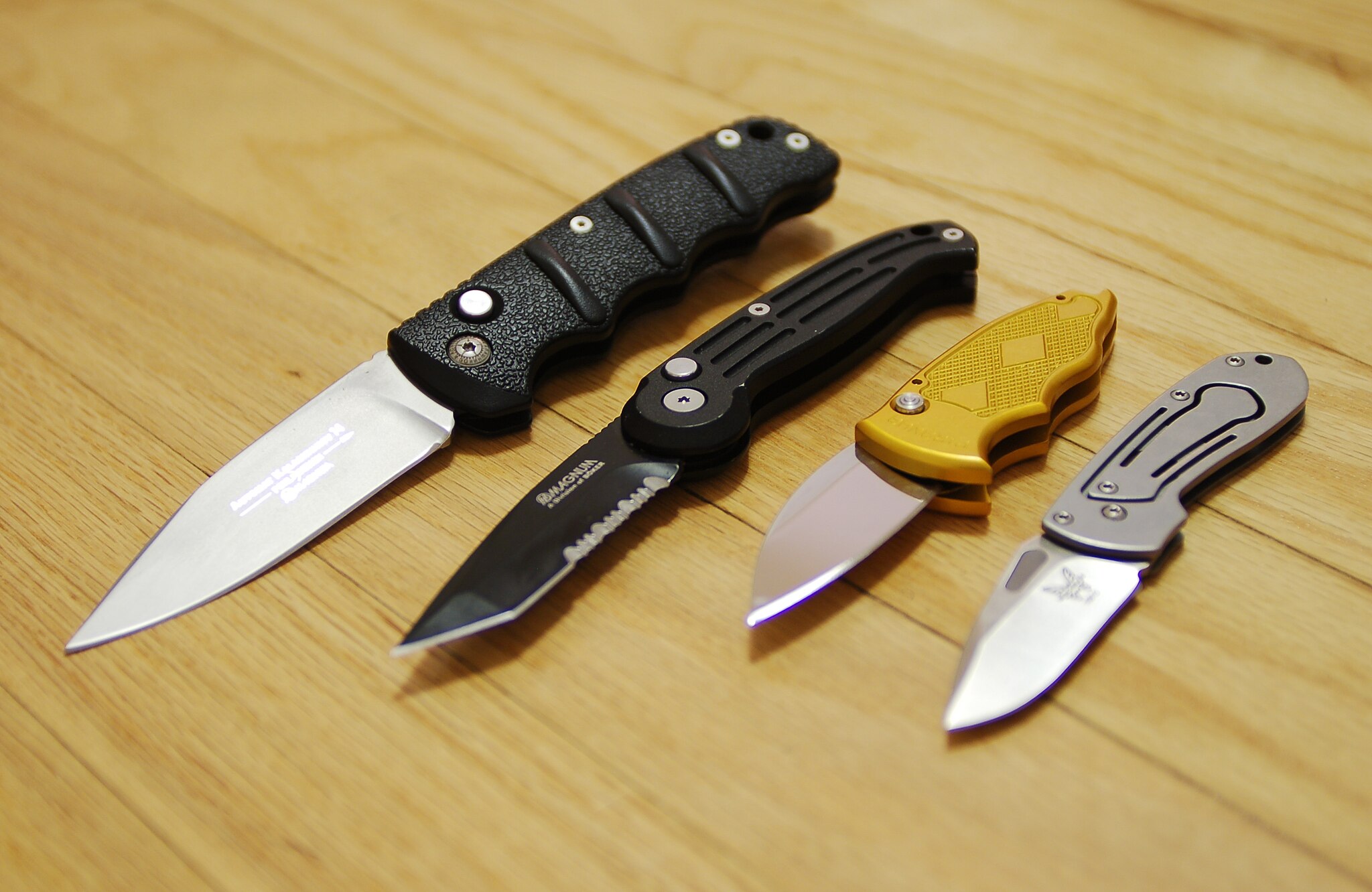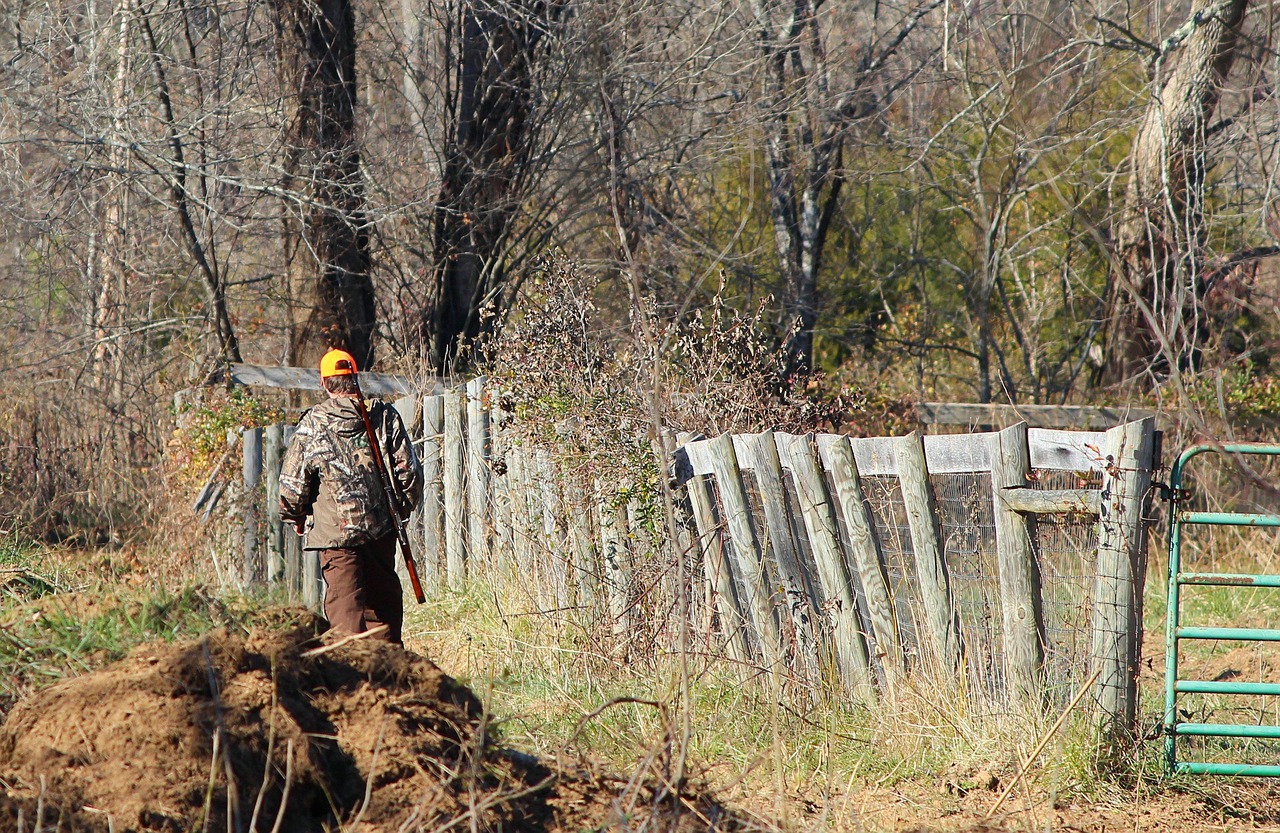
Experienced hunters know that a successful trip involves much more than choosing the right hunting equipment. Preparation often comes down to carrying small, practical items that become extremely valuable when conditions change or unexpected problems arise. From emergency supplies and navigation tools to food storage and weather protection, these additions can make long days outdoors considerably safer and more comfortable. Beginners often overlook them because they focus mainly on essential hunting gear. However, experienced hunters understand that being prepared for situations beyond the hunt itself is equally important. Here are 12 useful items worth considering before your next outdoor trip.
1. A Compact First-Aid Kit
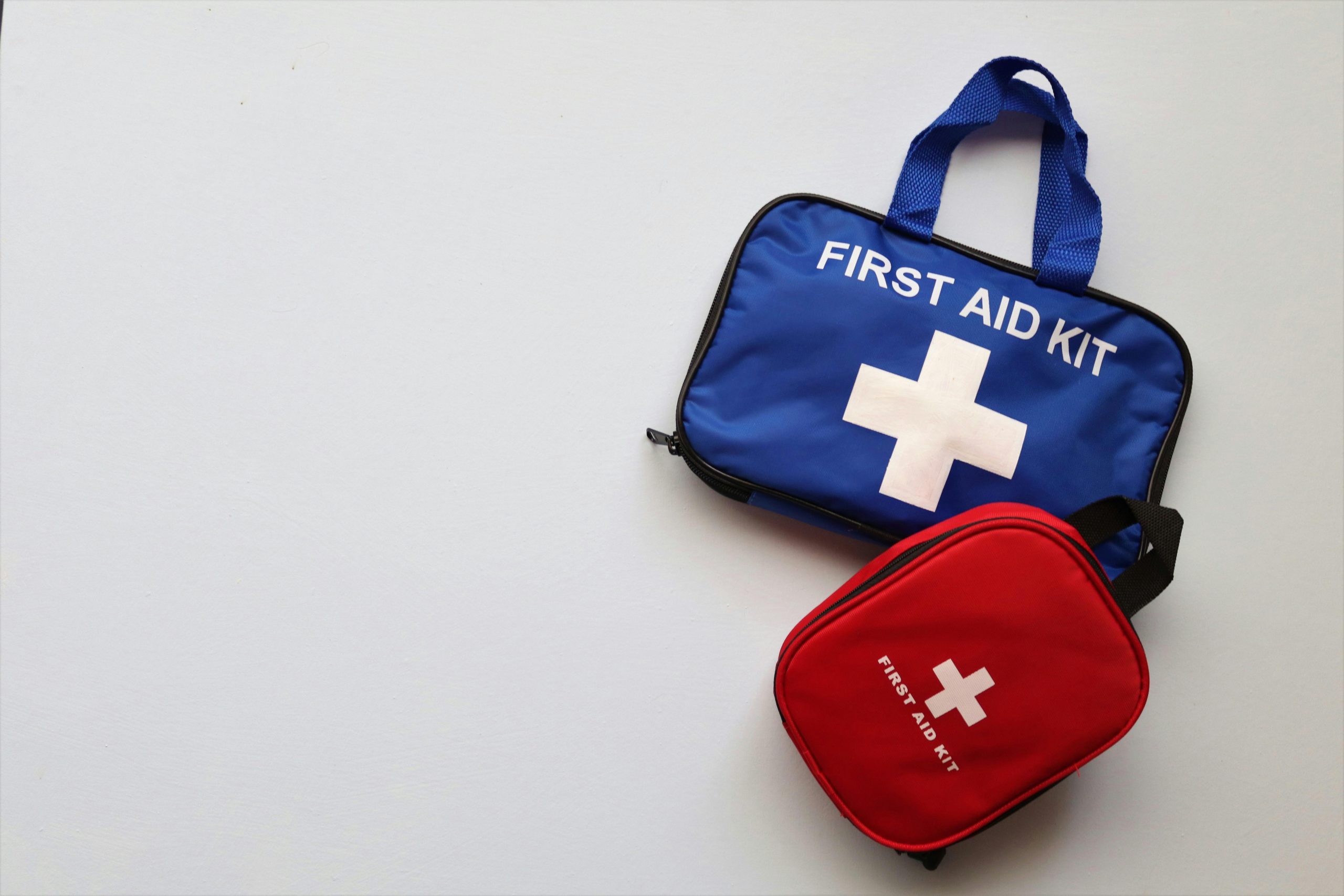
Experienced hunters carry a first-aid kit because a small problem can become serious when the nearest road is miles away. Include 2 pairs of nitrile gloves, sterile gauze, adhesive dressings, medical tape, antiseptic wipes, a compression bandage, and blister treatment. Add personal medication and a written note of allergies or emergency contacts. Keep everything in a waterproof pouch and check expiry dates twice a year. A kit is useful only if you know how to use it, so learn basic wound care and bleeding control before the season. For serious injuries, call emergency services and arrange evacuation rather than relying on field treatment.
2. A Reliable Navigation Backup
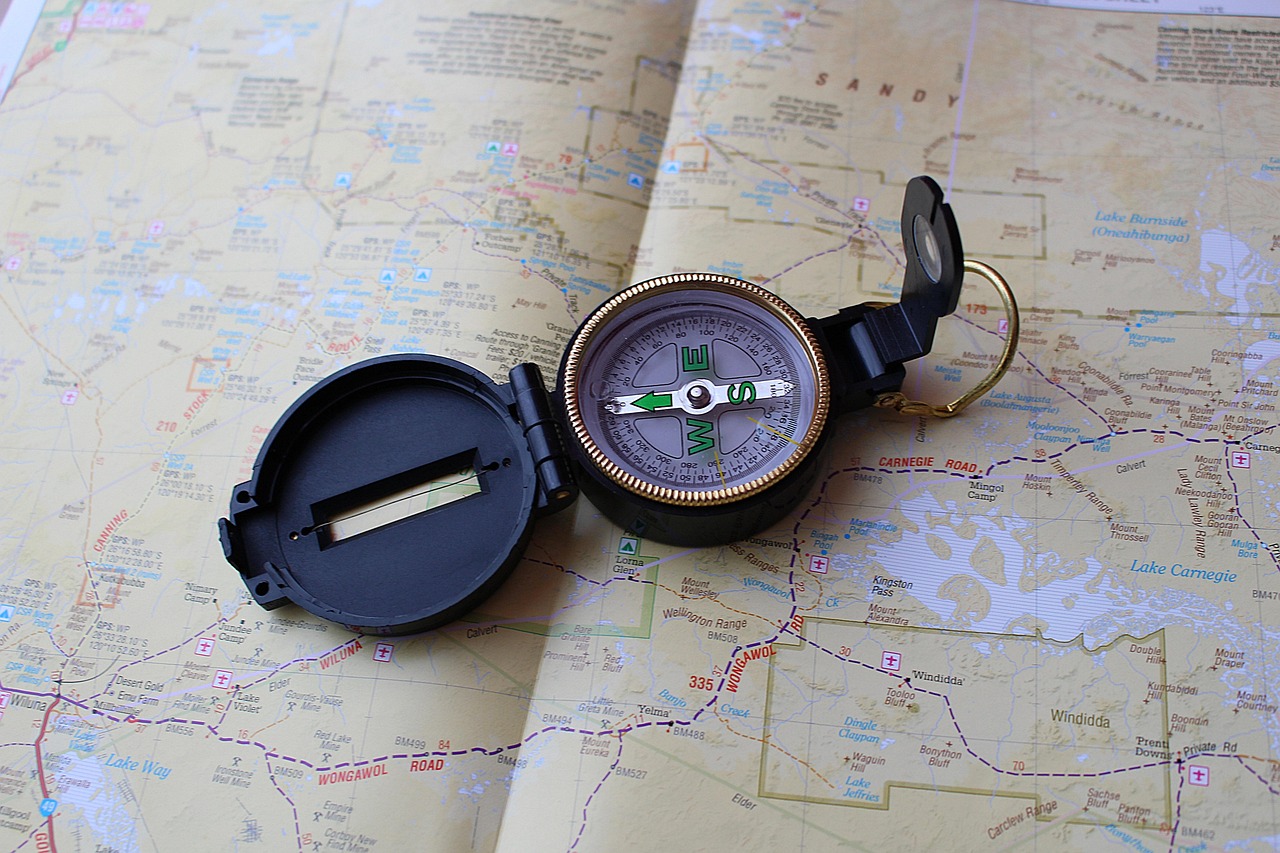
Beginners may trust a phone map, but experienced hunters plan for a dead battery, poor signal, or a damaged screen. They carry a compass and a paper map of the area, then mark the parking point, planned route, boundaries,s and a safe exit before setting out. A small compass weighs little, yet it can help when visibility drops or familiar landmarks look different. Keep the map inside a waterproof sleeve and learn how to orient it before the trip. Share the route and expected return time with someone at home. Check your position at regular intervals, such as every 30 minutes, instead of waiting until you feel lost.
3. More Water Than They Expect to Need
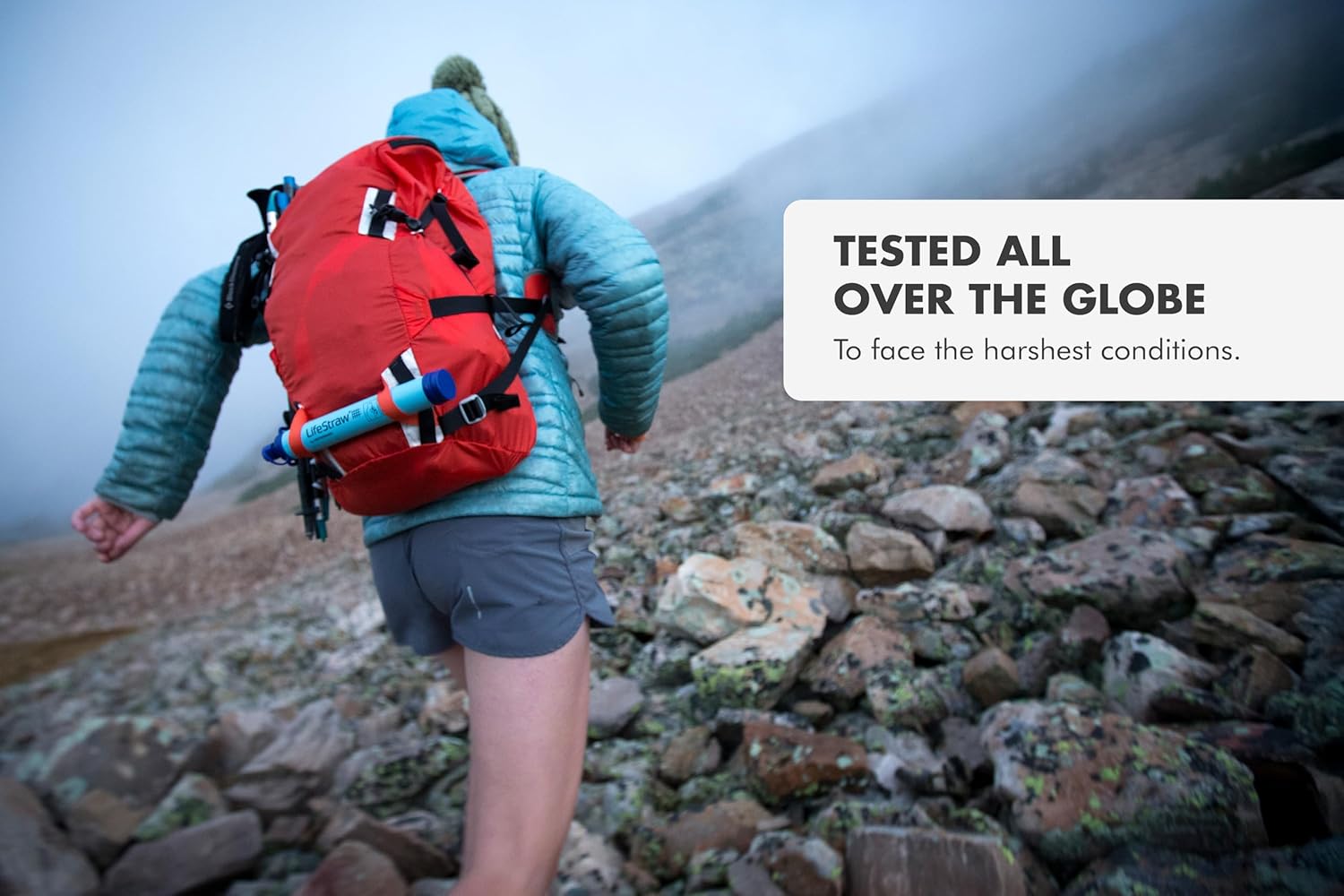
Experienced hunters rarely treat water as an afterthought. Walking over uneven ground, carrying equipment and wearing layers can increase fluid loss, even on a cool day. A useful starting point for many adults is around 0.5 litres per hour during sustained activity, but heat, exertion and individual needs can change that amount. Carry water in at least 2 separate containers so one leak does not leave you without a supply. A filter or purification tablets can provide a backup where a suitable water source is available, but check that the method treats the risks present. Do not assume clear stream water is safe to drink.
4. A Headlamp and Spare Batteries

A headlamp is more useful than a phone torch when both hands are needed to pack, read a map or manage camp tasks. Experienced hunters choose a model with a simple switch, a comfortable strap,ap and a low setting that preserves night vision. Around 200 to 400 lumens is enough for many ordinary camp and trail tasks, while a stronger beam can help with longer-distance visibility. Carry spare batteries or a charged backup light in a dry pouch, and test everything before leaving home. Use white light when moving through rough terrain, and follow local rules about lights and visibility during hunting hours.
5. Weather Protection in Separate Layers

Experienced hunters prepare for changing weather instead of dressing for the forecast at the trailhead. A practical system has 3 parts: a moisture-wicking base layer, an insulating middle layer,yer and a waterproof, wind-resistant outer shell. Pack a dry pair of socks and a spare warm layer in a sealed bag, even when the morning feels mild. Cotton can stay wet and draw heat away from the body, so quick-drying fabrics are often more suitable for active trips. Check the forecast before departure, but remember that conditions can change quickly in exposed or wooded areas. Staying dry helps reduce discomfort and the risk of cold stress.
6. A Small Repair and Maintenance Kit
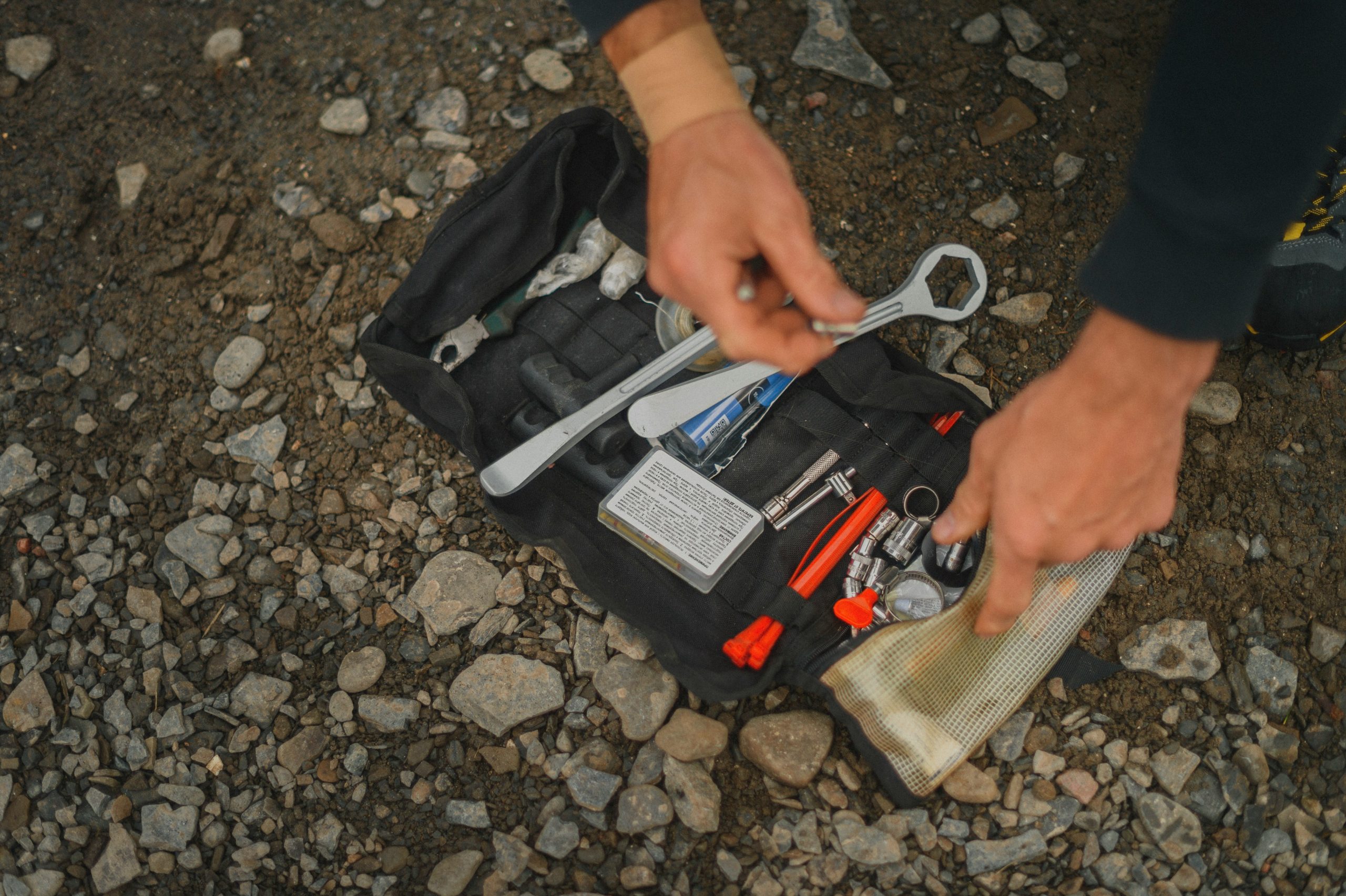
Loose straps, a torn pack seam or a broken buckle can interrupt a trip, so experienced hunters carry a few repair basics. A compact kit might contain 2 metres of strong cord, several cable ties, a small roll of repair tape, a needle and heavy thread, plus spare buckles suited to the pack. Add a multitool only if it is legal where you hunt, and you know how to use it safely. Store small parts in a labelled pouch so they do not disappear at the bottom of a bag. Inspect equipment before each outing; a quick repair at home is easier than improvising in bad weather. Check the kit after every trip and replace anything used or damaged.
7. Food That Works in the Field

Experienced hunters pack food for steady energy, not just convenience. Choose items that tolerate temperature changes and do not need complicated preparation, such as nuts, dried fruit, firm crackers, or sealed energy bars. A simple plan is to carry a meal plus 2 or 3 small snacks for a full day, adjusting the amount to your activity and personal needs. Pack food in separate sealed bags to keep it dry and reduce mess, and take all wrappers home. Avoid leaving scraps that attract wildlife or alter animal behaviour. If you bring perishable food, use an insulated container and keep it at a safe temperature.
8. A Whistle and Emergency Signalling Gear
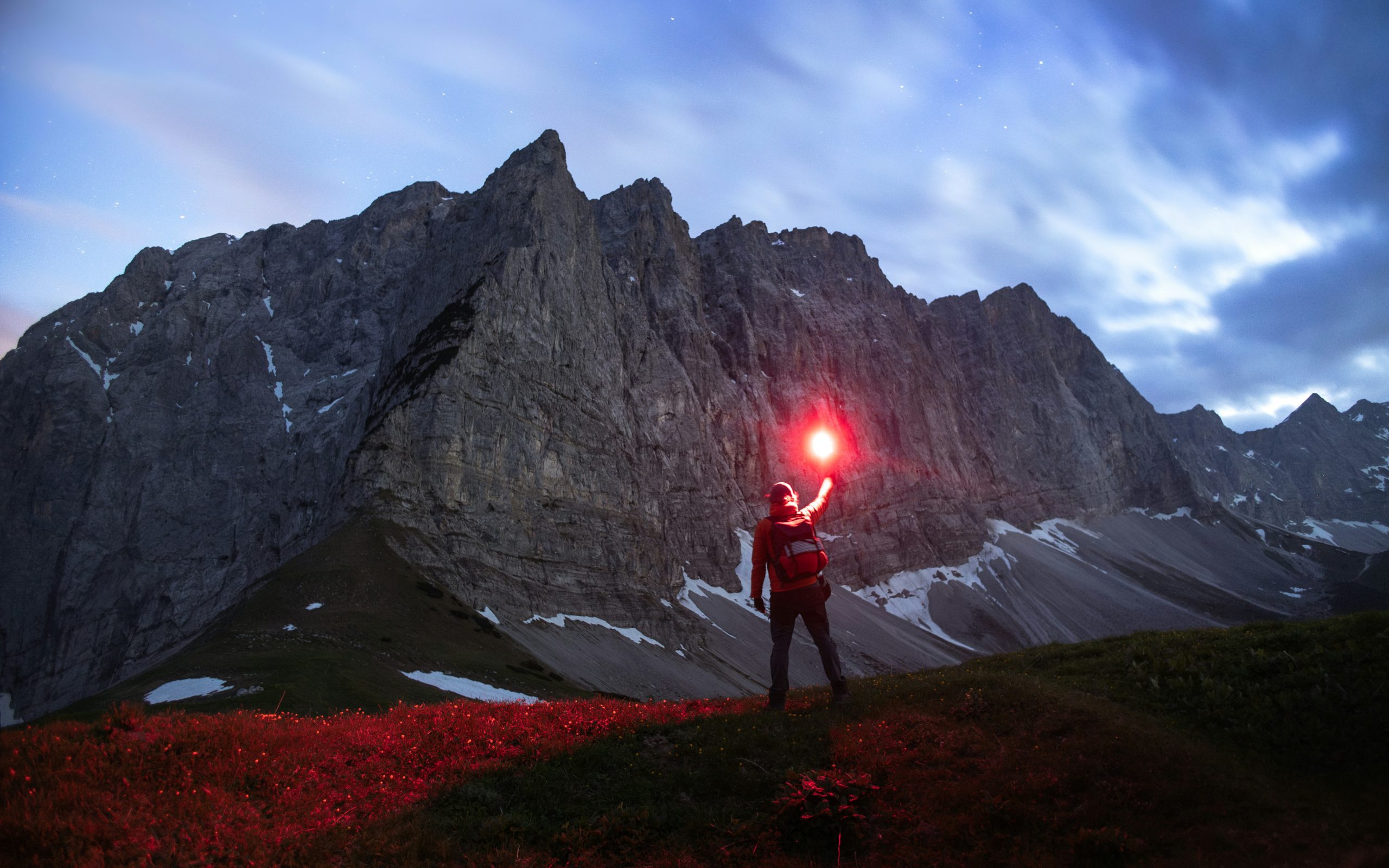
A whistle can carry farther than a shouted voice and takes almost no room, which is why experienced hunters keep one attached to a pack strap. In an emergency, use 3 short blasts, pause, then repeat; this is a widely recognised distress pattern, though local rescue guidance may differ. Add a small signal mirror or other approved signalling device where it is useful, and keep it easy to reach. A phone or satellite messenger can provide another layer of communication, especially beyond mobile coverage. Tell someone your route and return deadline before leaving, because signalling equipment works best as part of a clear emergency plan.
9. A Printed Copy of Permissions and Rules
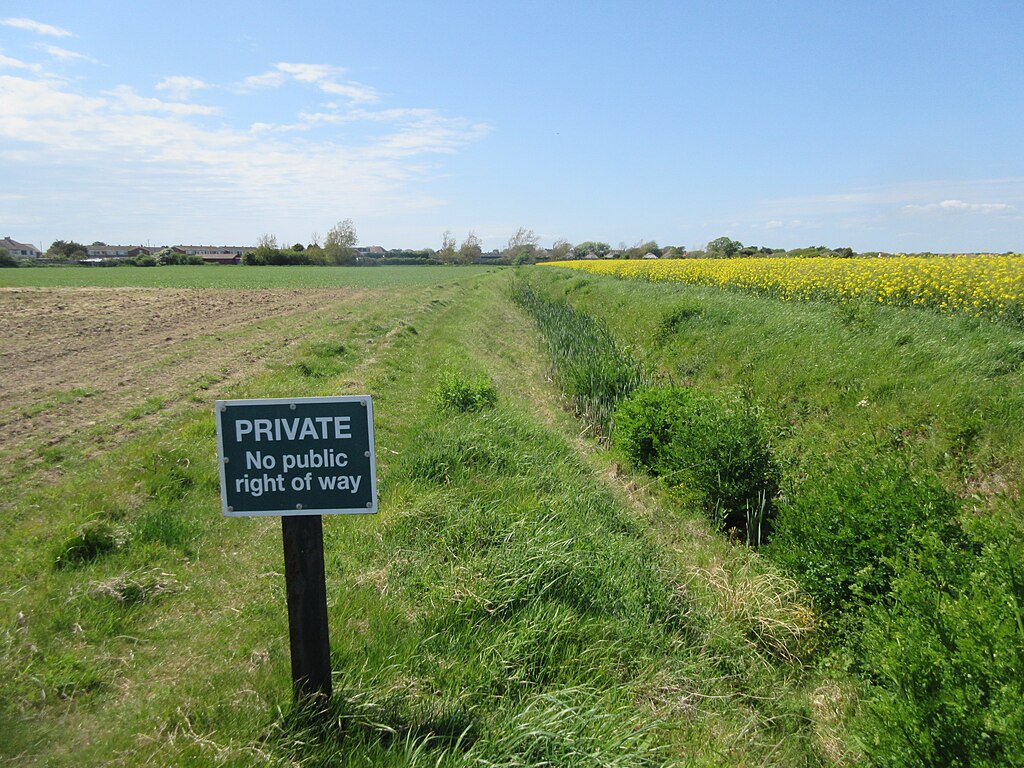
Experienced hunters do not rely on memory when access conditions and regulations vary by location. They carry required licence or permit details, landowner permission where applicable, and a checklist of local restrictions. Rules may cover seasons, legal species, bag limits, shooting hours, equipment, access boundaries,s and harvest reporting. Print the relevant information or save an offline copy, then confirm it applies to the exact area and date. Check updates before every trip rather than assuming last year’s rules remain valid. Having the details available can prevent an avoidable violation and helps answer a ranger’s questions.
10. A Packable Seat or Ground Sheet
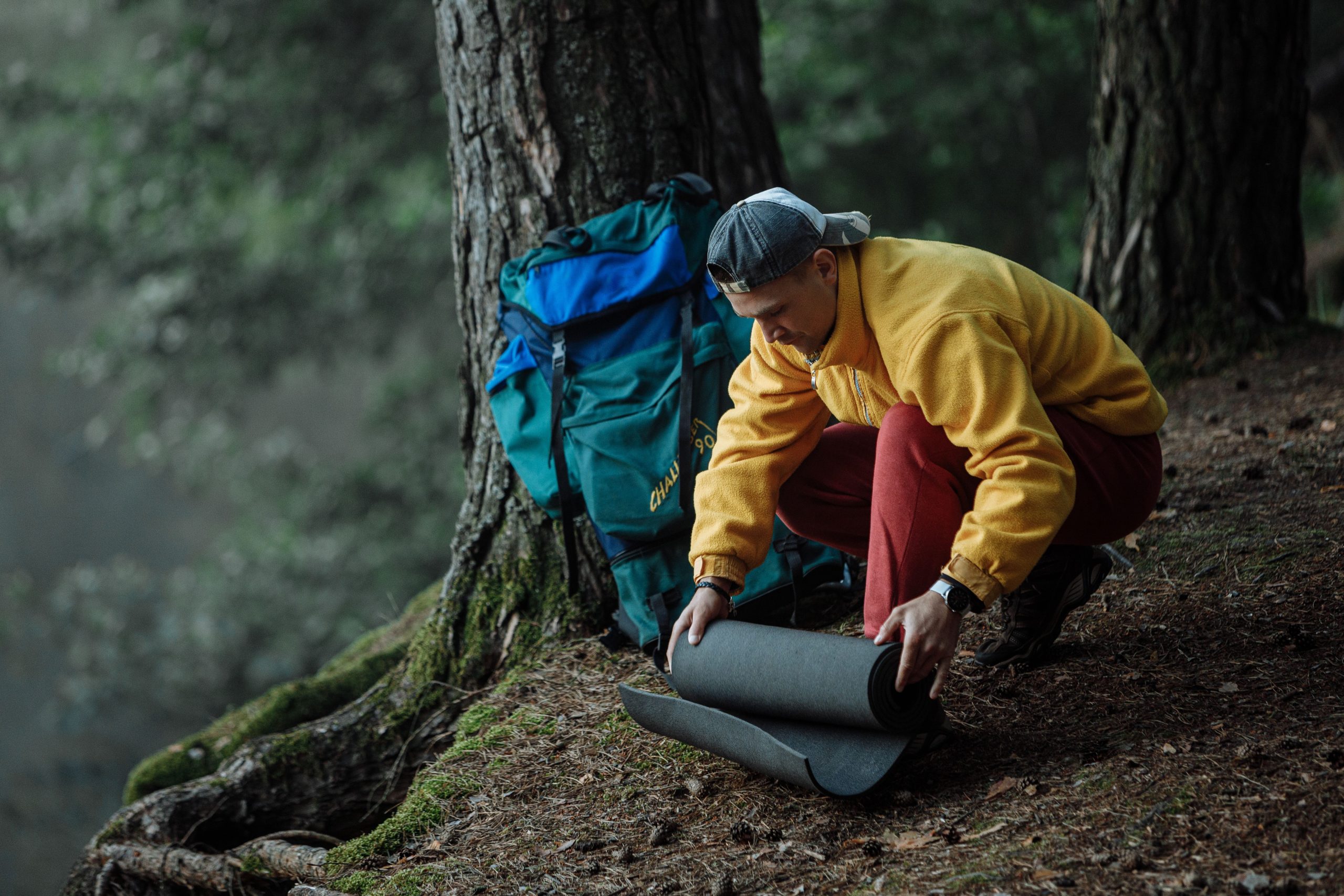
Waiting quietly can mean spending long periods on damp soil, cold rocks or rough ground. Experienced hunters often carry a thin foam seat pad or a small waterproof ground sheet to stay more comfortable and protect clothing from moisture. A pad roughly 30 by 40 centimetres is enough for a simple sitting area and can fit against the back of many packs. Choose a quiet, durable material and secure it so it does not flap while walking. The extra comfort can help you remain patient without shifting constantly. It is also useful during breaks, field dressing where permitted, or when keeping gear off wet ground.
11. A Small Binocular and Lens Cloth
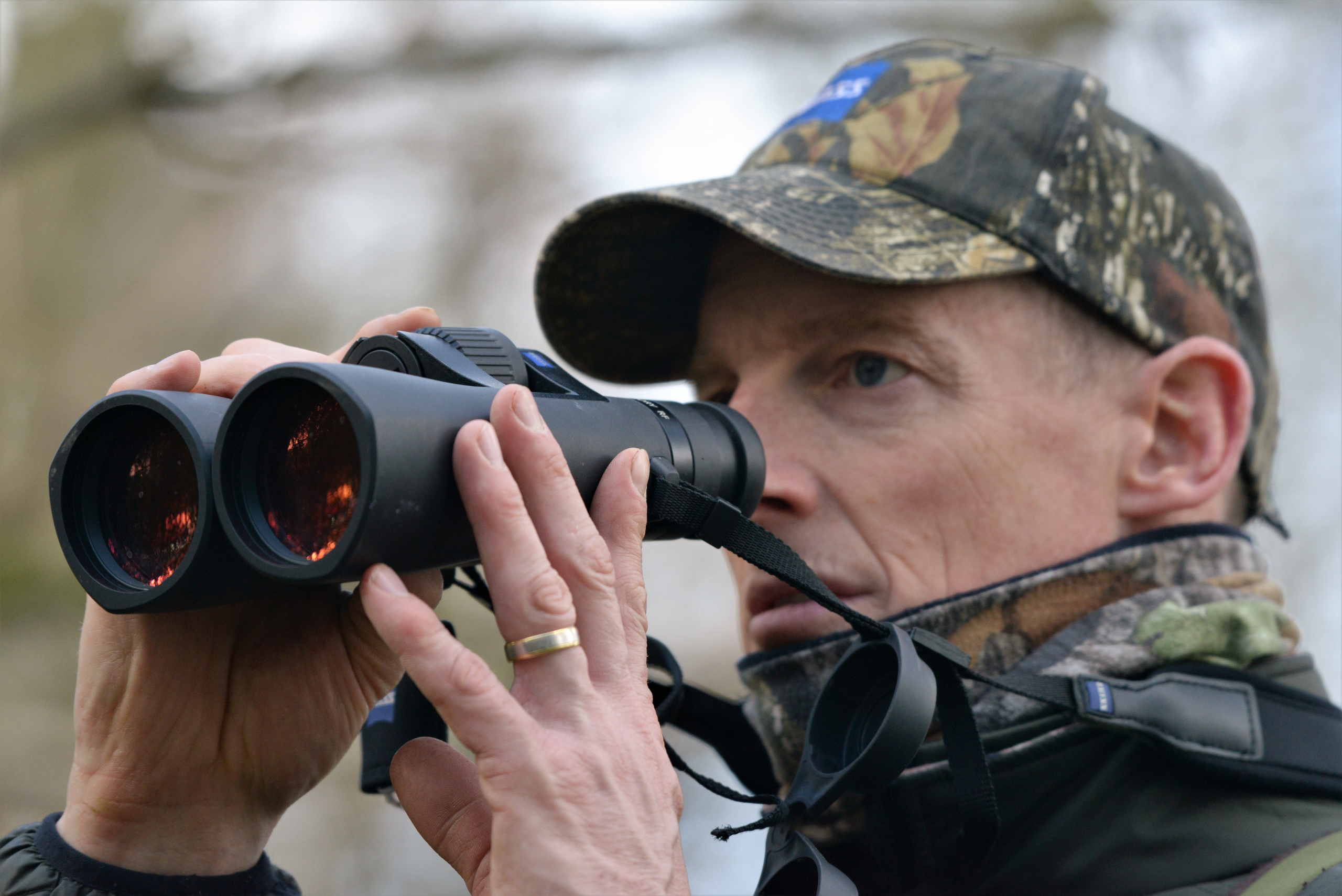
Experienced hunters use binoculars to assess distant terrain and identify what they are looking at before making any decision. A common all-round choice is an 8x or 10x model, depending on terrain, steadiness, and personal preference. Higher magnification is not automatically better because hand movement becomes more noticeable and the field of view may narrow. Carry a soft lens cloth in a clean pouch, and avoid wiping grit across the glass. Use binoculars to observe safely and positively identify wildlife; never treat a distant shape as a confirmed target. Follow local firearm safety rules and keep the muzzle pointed in a safe direction.
12. A Simple Trip Plan Shared With Someone

One of the most important things experienced hunters pack is information shared before they leave. Give a trusted person the location, vehicle description, planned route, companions, and expected return time. Include a clear instruction about when to contact authorities if you have not checked in. For a longer trip, agree on check-ins at set times, such as midday and the end of the day, and update the plan if conditions change. Leave a copy of permits and emergency contacts where it can be found. A written plan may seem unnecessary on a familiar outing, but it gives rescuers a useful starting point if something goes wrong.