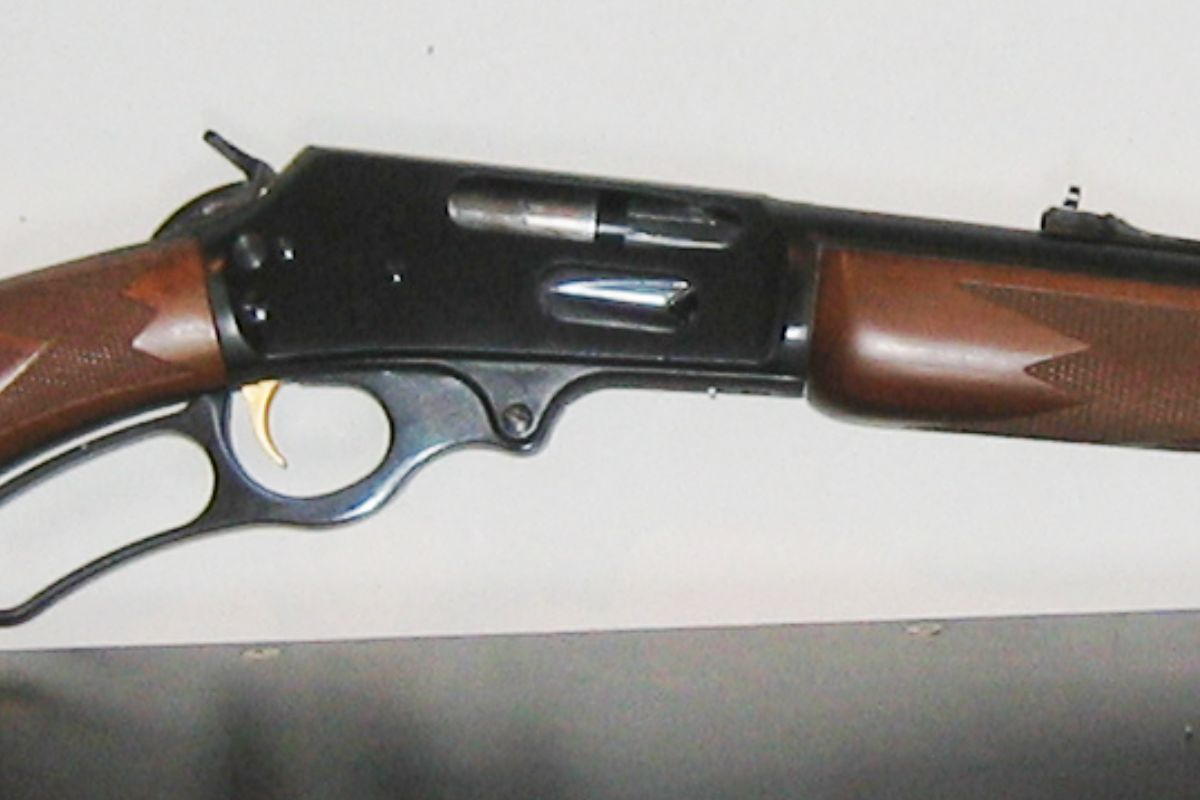
The Marlin 1895 has earned its reputation as a serious big-game lever-action rifle, largely because of its traditional .45-70 Government chambering and its ability to handle substantial bullets. While smaller cartridges can offer flatter trajectories, lighter recoil, and greater reach, bigger-bore ammunition has advantages when hunting large-bodied animals that demand dependable bullet performance. The difference becomes particularly interesting in thick timber, bear country,y and challenging wilderness terrain. From moose and elk to wild hogs and bison, these nine hunting situations demonstrate where the heavier cartridges associated with the Marlin 1895 can offer meaningful advantages. Bigger, however, does not automatically mean better. Bullet construction, legal requirements, range, and responsible shot placement remain essential considerations.
1. Moose Hunts in Dense Northern Forests
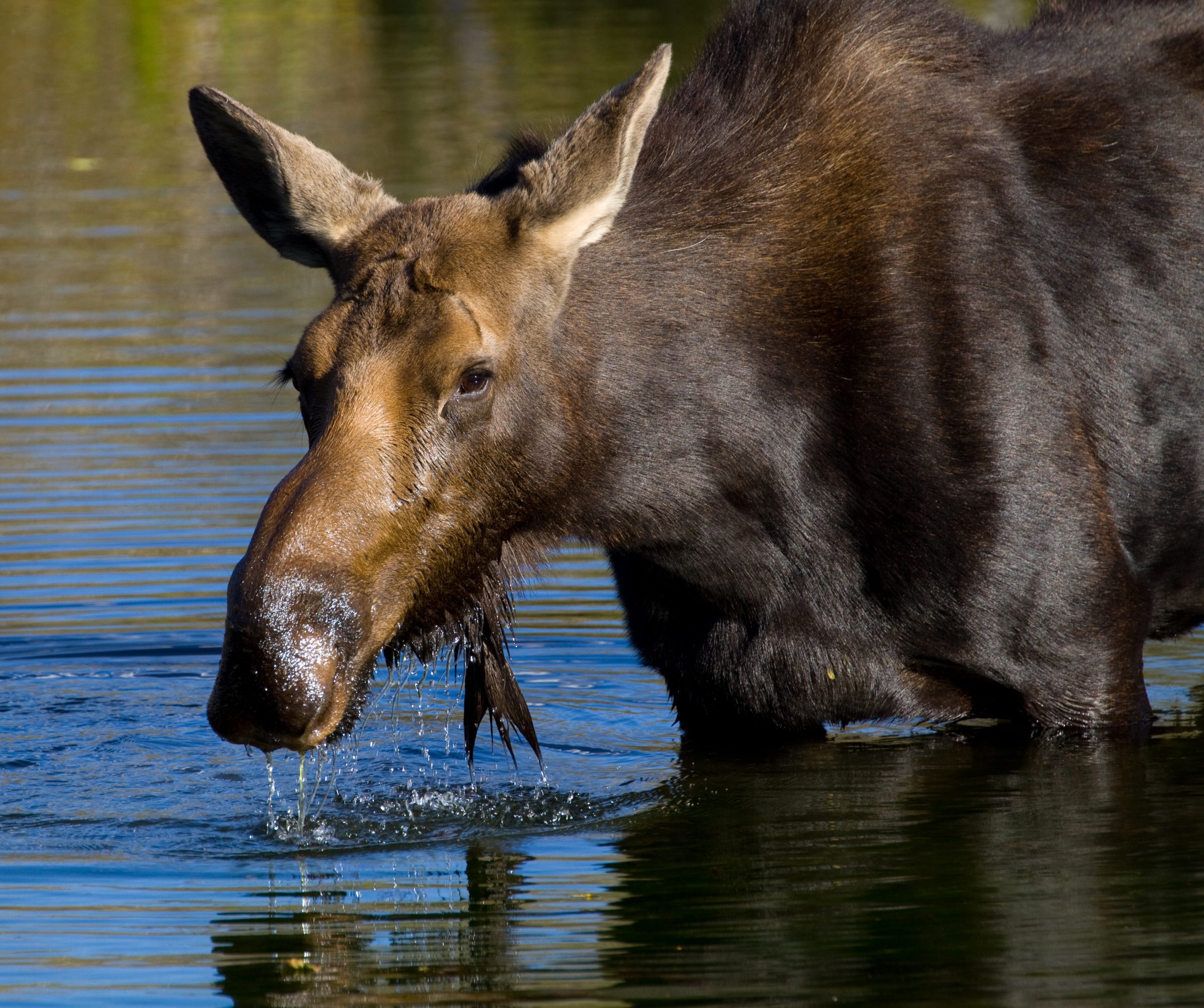
Moose are among North America’s largest land animals, so bullet construction and penetration deserve careful attention. In a suitable Marlin 1895, the .45-70 Government offers factory ammunition with bullets commonly weighing 300 to 405 grains, a substantial option for close-range hunting in northern cover. A lighter, faster cartridge may fly flatter, but that advantage matters less when visibility and distances are limited. The .45-70’s appeal is its heavy-bullet character, not a guarantee of results. Hunters must use ammunition approved for their exact rifle, check local regulations, and keep every shot within their proven ability.
2. Elk Hunts Across Heavy Timber

Elk are powerful animals, and timber hunts can involve steep ground, short sightlines,s and limited opportunities. The Marlin 1895 in .45-70 is appealing because factory ammunition includes substantial bullets, including familiar 300- and 405-grain bullets. These emphasize bullet mass more than the speed favoured by many lighter hunting rounds. That can be useful when a suitable, well-constructed bullet is selected for the game and conditions. It does not extend the rifle’s practical range: elk are often encountered beyond a traditional lever gun’s comfortable limits. Knowing those limits matters more than choosing the heaviest load.
3. Brown Bear Country in Alaska

Hunting in brown bear country demands preparation, sound judgment,nt and compliance with local rules. The .45-70 has a long association with big-bore lever rifles, and the Marlin 1895 Trapper was reintroduced as a compact .45-70 after Alaskan guides sought a handy rifle for demanding conditions. Ruger’s 2022 announcement lists its barrel at 16.17 inches. That history explains the cartridge’s appeal in rugged country, but it is no guarantee against a dangerous animal. A rifle is only one part of a safety plan; experienced guides, avoidance, lawful practices,ces and suitable ammunition remain especially important.
4. Black Bear Hunts in Thick Brush

Black bears are smaller than brown bears on average, but adult animals can still be large and heavily built. In dense brush, hunters may value a compact rifle and substantial bullet options more than extreme reach. The Marlin 1895 in .45-70 fits that traditional role, with factory bullet weights commonly ranging from about 300 to 405 grains. A well-designed hunting bullet offers a different balance of mass and expansion from lighter, faster projectiles. That does not make every load suitable for every bear. Check the ammunition maker’s game guidance and local hunting regulations before choosing a load.
5. Bison Hunts on Open Ranch Country
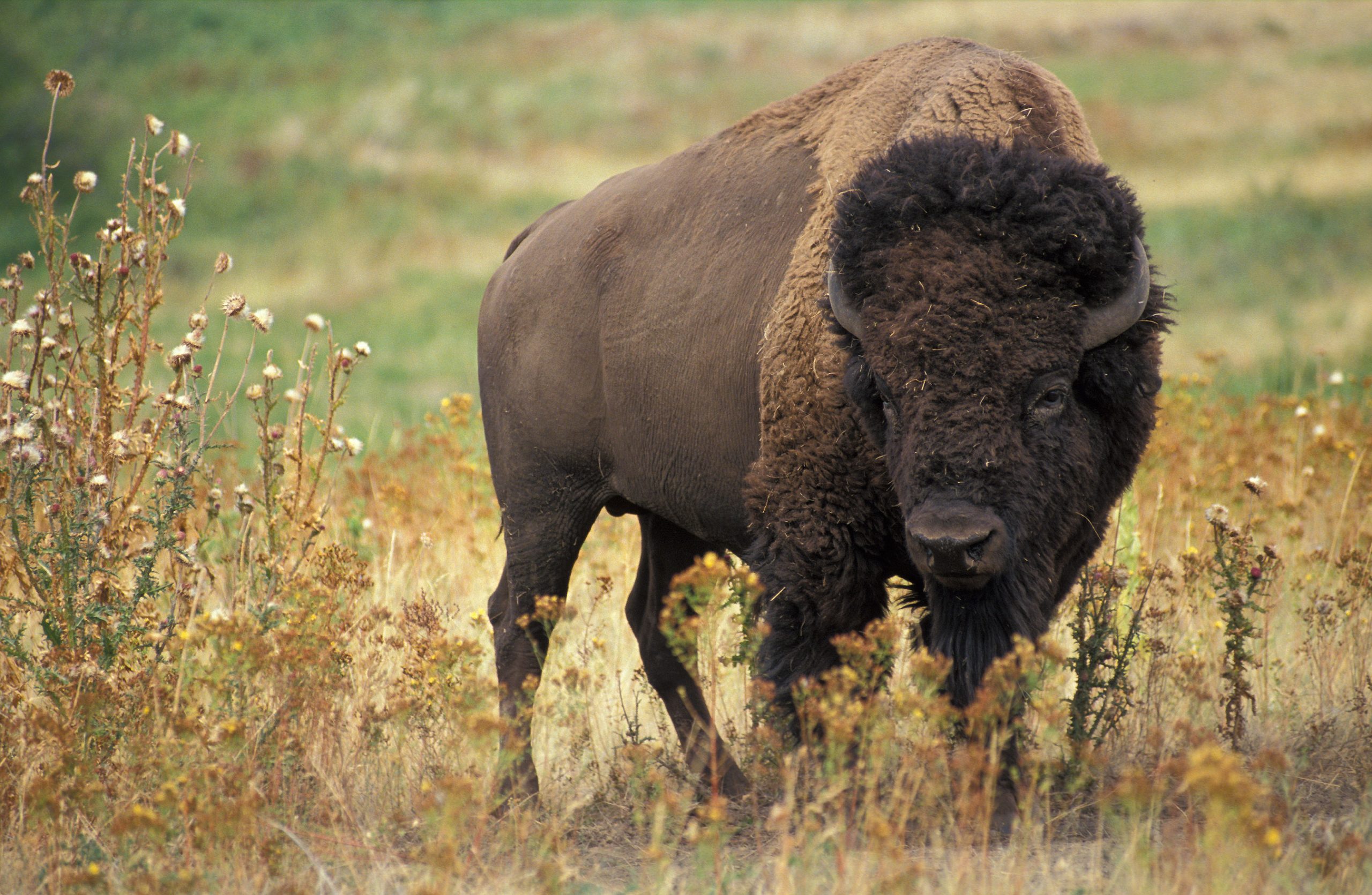
Bison are exceptionally large animals, so hunters must pay close attention to regulations, bullet suitability,lity and equipment limits. The .45-70 Government has deep roots in American buffalo history, entering military service in 1873. Its continued presence in the Marlin 1895 connects modern hunters with that big-bore tradition. Heavy bullets are central to its appeal, although modern ammunition varies widely in pressure and performance. A bison hunt is no reason to assume any cartridge will do. Use only ammunition approved for the rifle and recommended for the intended game, and follow the outfitter’s and jurisdiction’s requirements.
6. Wild Hog Hunts in Heavy Cover
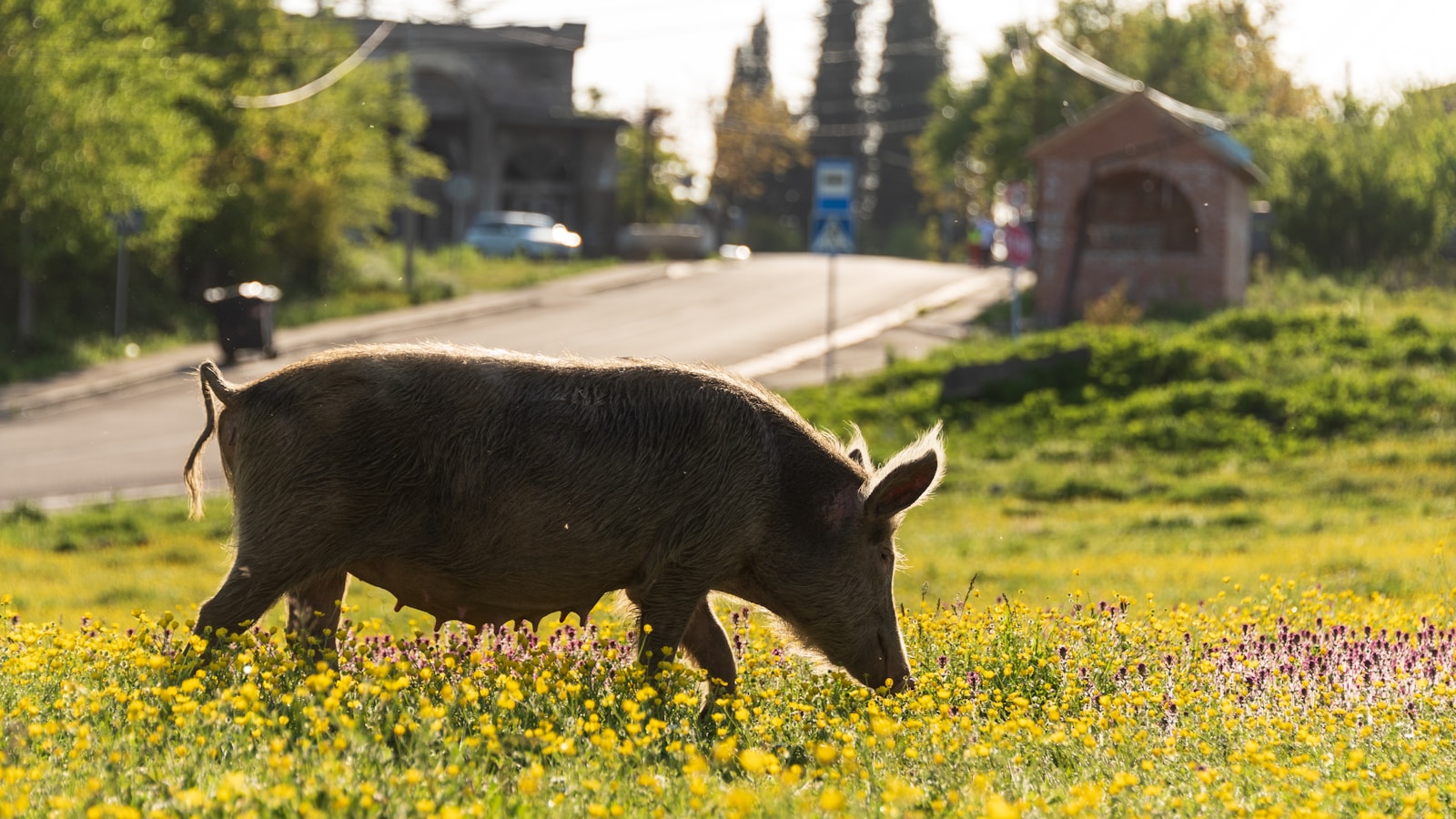
Wild hogs are tough, compact animals, and thick vegetation can make a short, handy rifle attractive. The Marlin 1895’s .45-70 offers a different approach from lighter, high-velocity deer cartridges. Standard factory offerings include bullets around 300 grains and heavier, giving hunters choices from established ammunition makers. The benefit is not simply a larger number on the box; bullet design and suitability for the animal matter more. In open fields, a flatter-shooting cartridge may be more practical. In brush country, the 1895’s traditional strengths can appeal, provided shots remain ethical and within the hunter’s ability.
7. Caribou Hunts in Remote Country

Caribou hunting can involve long hikes and changing weather, so a heavy rifle is not automatically the best choice. Some hunts, however, take place in wooded terrain or at modest distances where the Marlin 1895’s big-bore character can make sense. The .45-70 offers varied factory bullet weights, but traditional flat-nosed designs generally do not match the trajectory of modern, high-velocity cartridges. That trade-off deserves attention before a remote trip. Compare verified ammunition data, expected distances and rifle weight, then choose a load suitable for the animal and firearm. A heavier bullet cannot compensate for poor range judgment.
8. Close-Country Deer Hunts

Whitetail deer are not enormous game, yet thick forests and brushy cover can favour a compact lever-action rifle. The Marlin 1895’s .45-70 is more cartridge than many deer hunts require, but suitable factory loads can make it a practical short-range option. Its heavy-bullet reputation is part of the appeal, while handling and familiarity matter just as much. The cartridge dates to 1873, while modern loads differ in bullet weight, construction,uction and pressure. A deer hunter should choose a load specifically designed for that game and suitable for the rifle, rather than assuming the heaviest bullet is automatically the best choice.
9. Heavy Game Where the .450 Marlin Fits
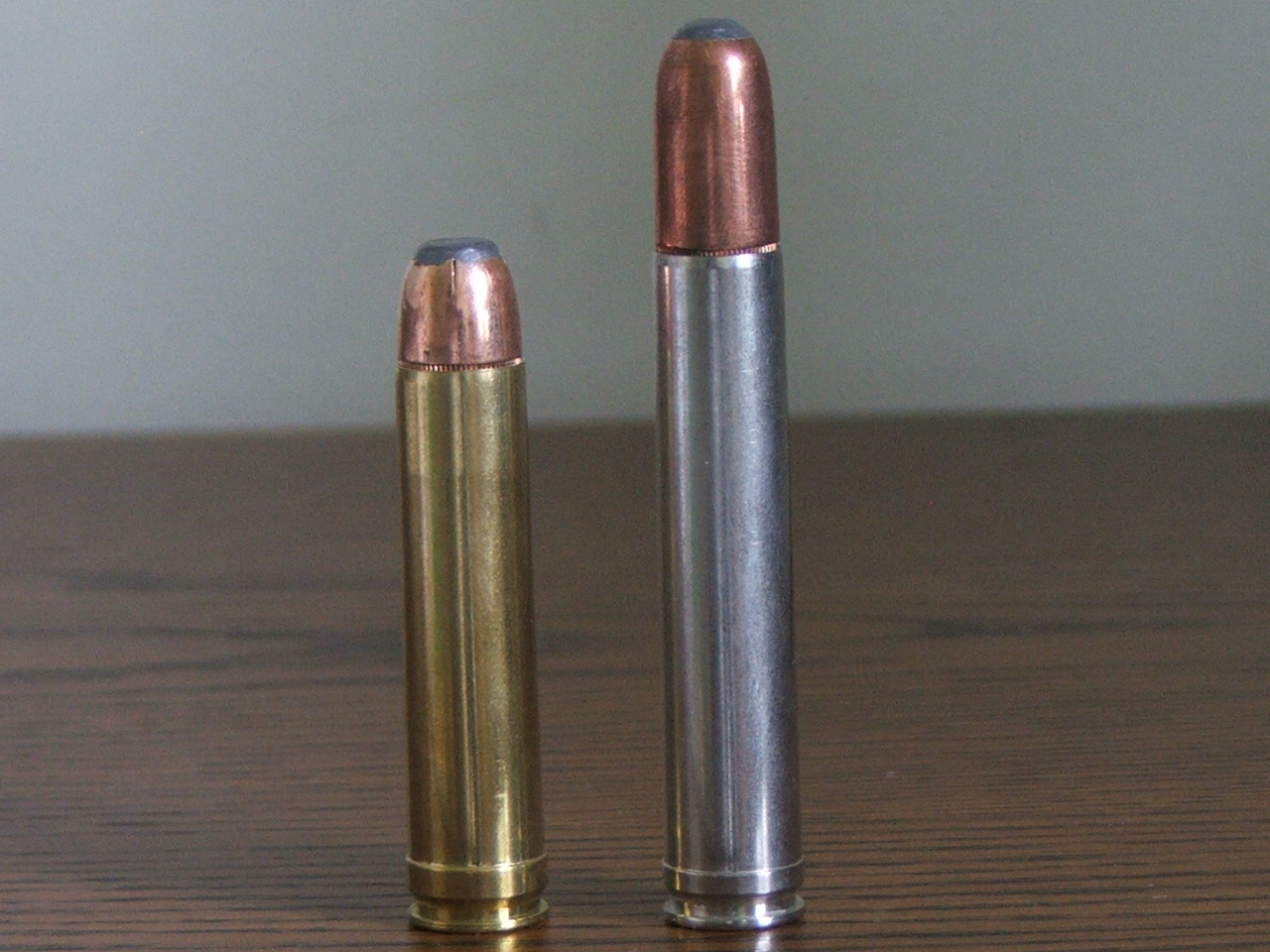
The .450 Marlin belongs in the 1895 story because Marlin and Hornady introduced it in 2000 for modern lever-action rifles. Its purpose was to offer .45-70-like performance without loading ammunition beyond pressure limits established for older rifles. One published factory example lists a 350-grain bullet at 2,100 feet per second and about 3,427 foot-pounds of muzzle energy. That figure applies to that load, not every rifle or cartridge. The .450 is distinct from .45-70 and must only be used in a rifle specifically chambered for it. Ammunition availability is also worth checking before planning a hunt.