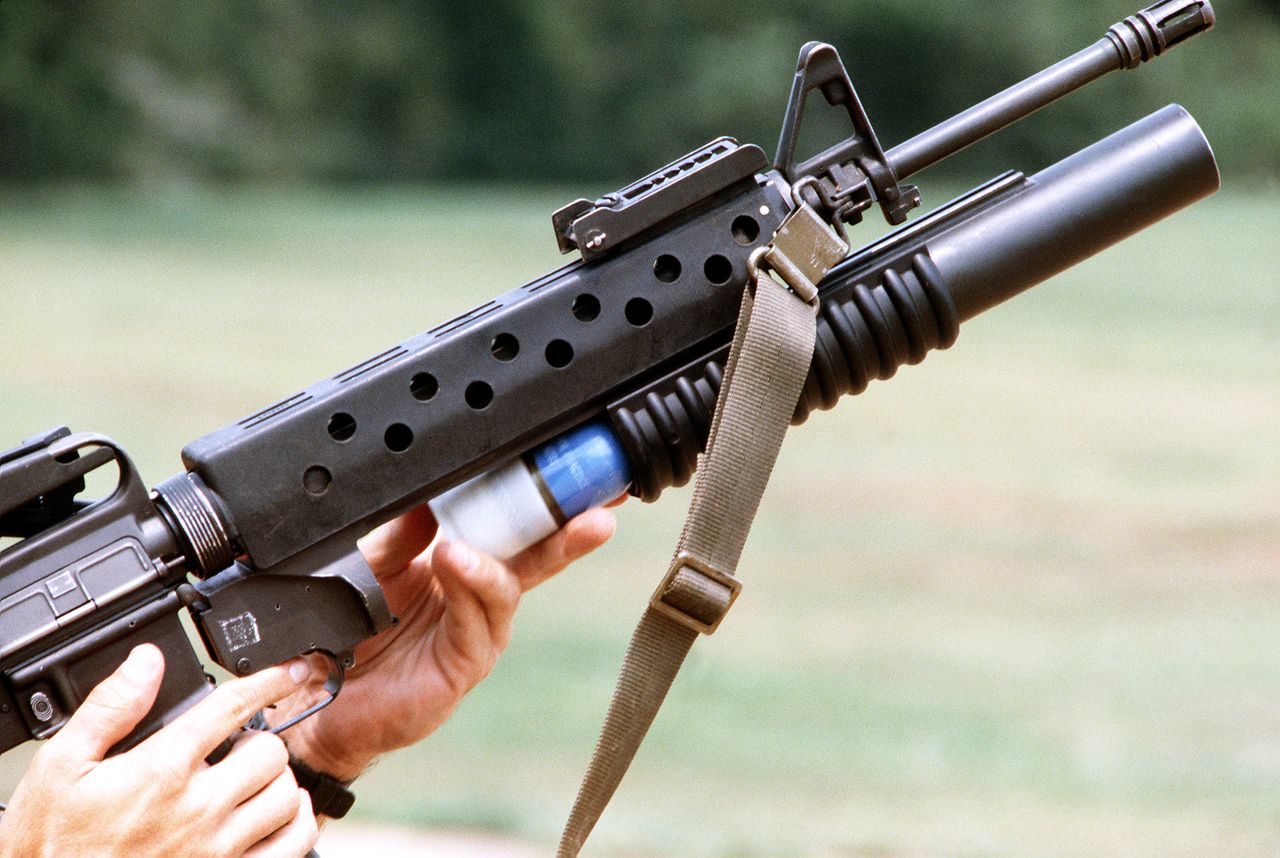
Some guns become legends because they work. Others become legends because they almost didn’t.
Why The Army Wanted Something New
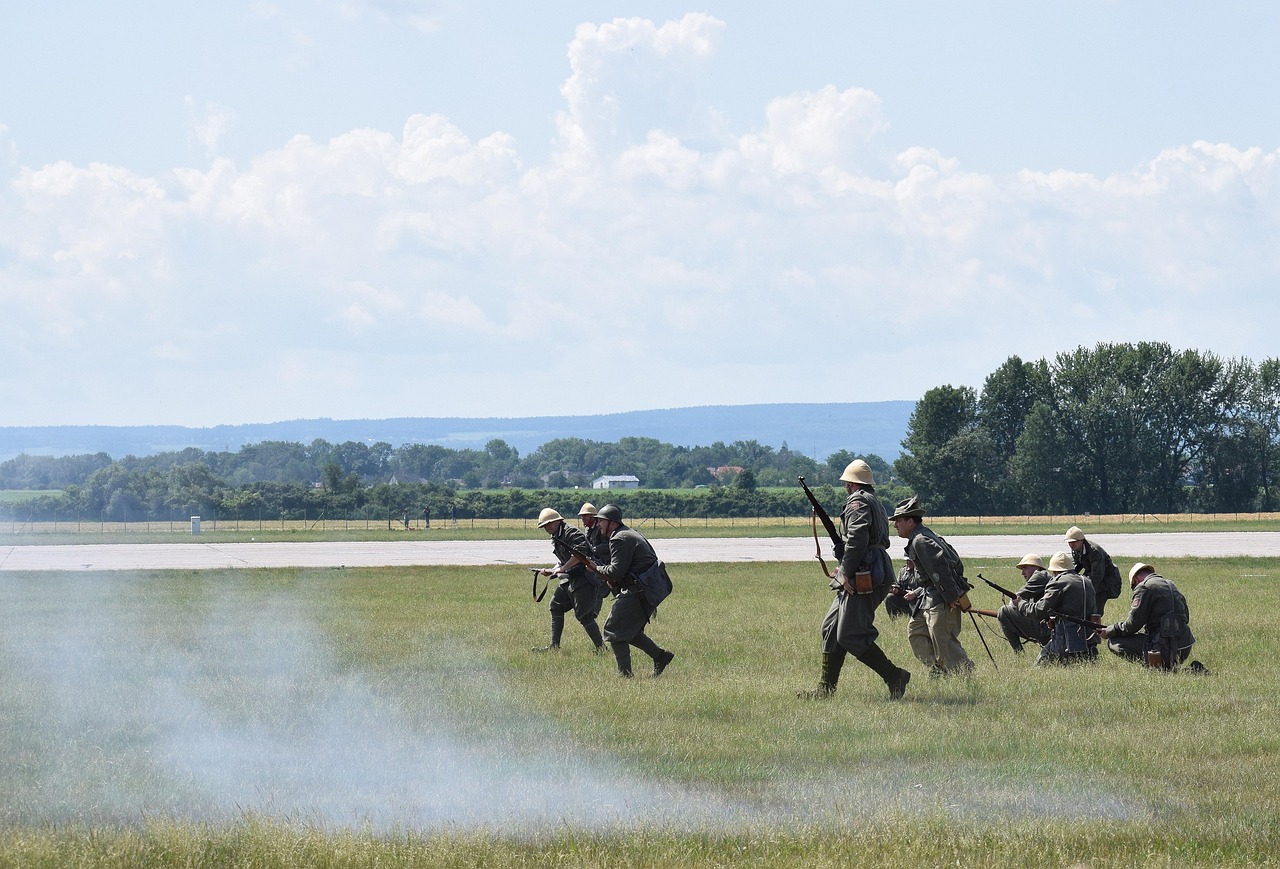
By the late 1950s and early 1960s, the U.S. military had a clear problem with the M14. It fired a powerful 7.62x51mm NATO round, but the rifle was heavy, kicked hard, and was difficult to control in automatic fire. Army historical material notes that this made it less than ideal for the kind of mobile infantry combat planners expected.
The answer looked obvious: go smaller and lighter. The AR-15 design, which became the M16, used a lightweight aluminum-and-polymer construction and fired the smaller 5.56mm cartridge. Soldiers could carry more ammunition, shoot faster, and handle the weapon more easily in close fighting.
On paper, that was a major leap forward. The rifle was built to solve the military’s need for controllable firepower and reduced combat load. In many ways, it really did.
The M16 Looked Revolutionary
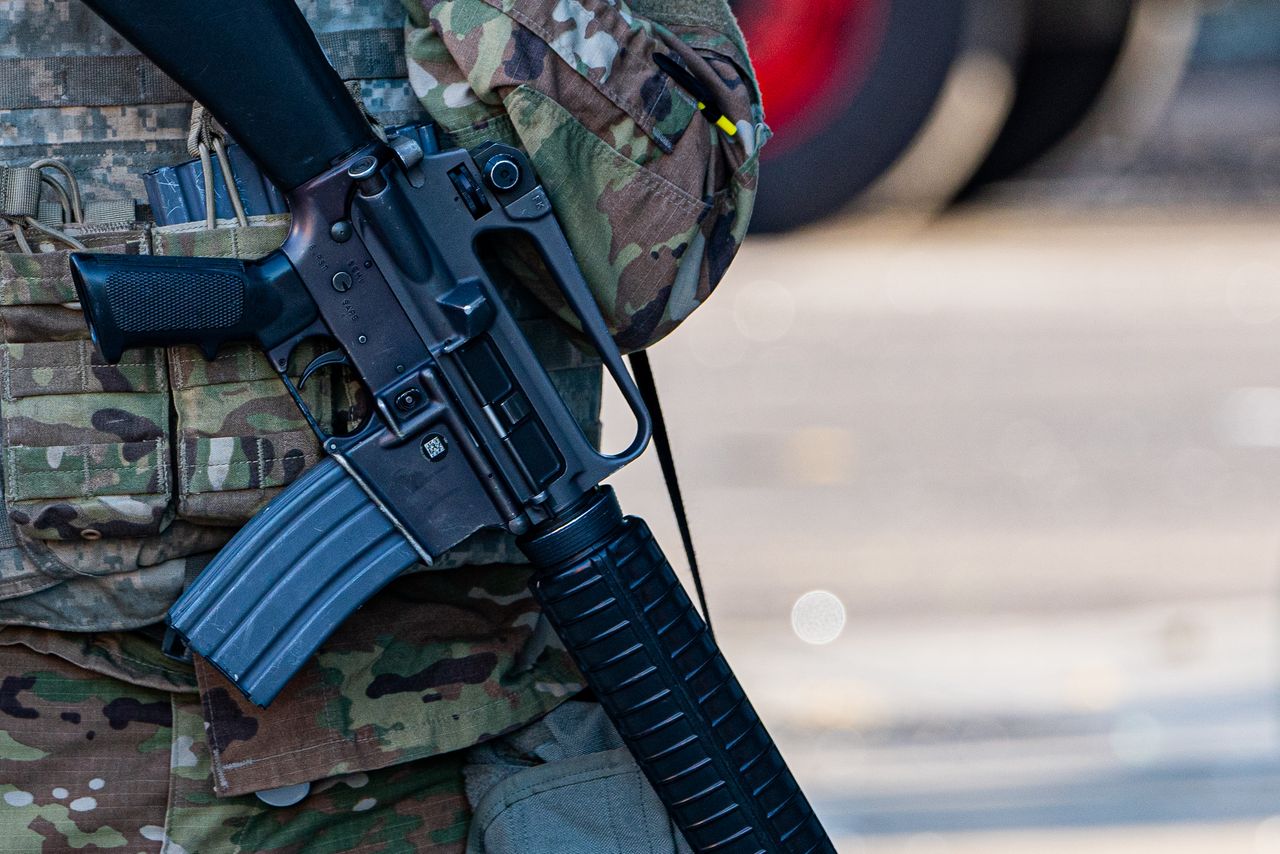
Compared with older battle rifles, the M16 seemed almost futuristic. It was lighter than the M14, easier to maneuver, and far better suited to high-volume fire. According to Army sources, that combination made it especially attractive as U.S. involvement in Vietnam expanded.
The weapon also fit a changing theory of combat. Military planners increasingly believed most firefights happened at shorter ranges than older doctrine assumed. A lighter rifle firing a smaller, high-velocity round looked like the right answer for jungle war and fast-moving infantry units.
That is why the rifle moved quickly from promising concept to frontline issue. But speed in procurement has a price, and in this case, the bill came due in combat.
The Problem It Created In Vietnam
The M16’s early reputation was damaged by severe reliability problems in Vietnam. Army historical analysis says the most reasonable conclusion is that chamber corrosion in the humid environment, combined with the decision not to chrome-plate the chamber early on, was a primary cause of jamming. Use of ball powder ammunition also increased fouling.
That created a nightmare scenario. A rifle meant to improve infantry performance could fail when a soldier needed it most. Stories of stoppages became deeply embedded in the M16’s image, and the issue was serious enough that Congress investigated the weapon’s performance.
This is the central irony of the rifle’s history. It solved the Army’s problem of weight and controllability, then created another problem: trust.
The Forward Assist Became A Symbol
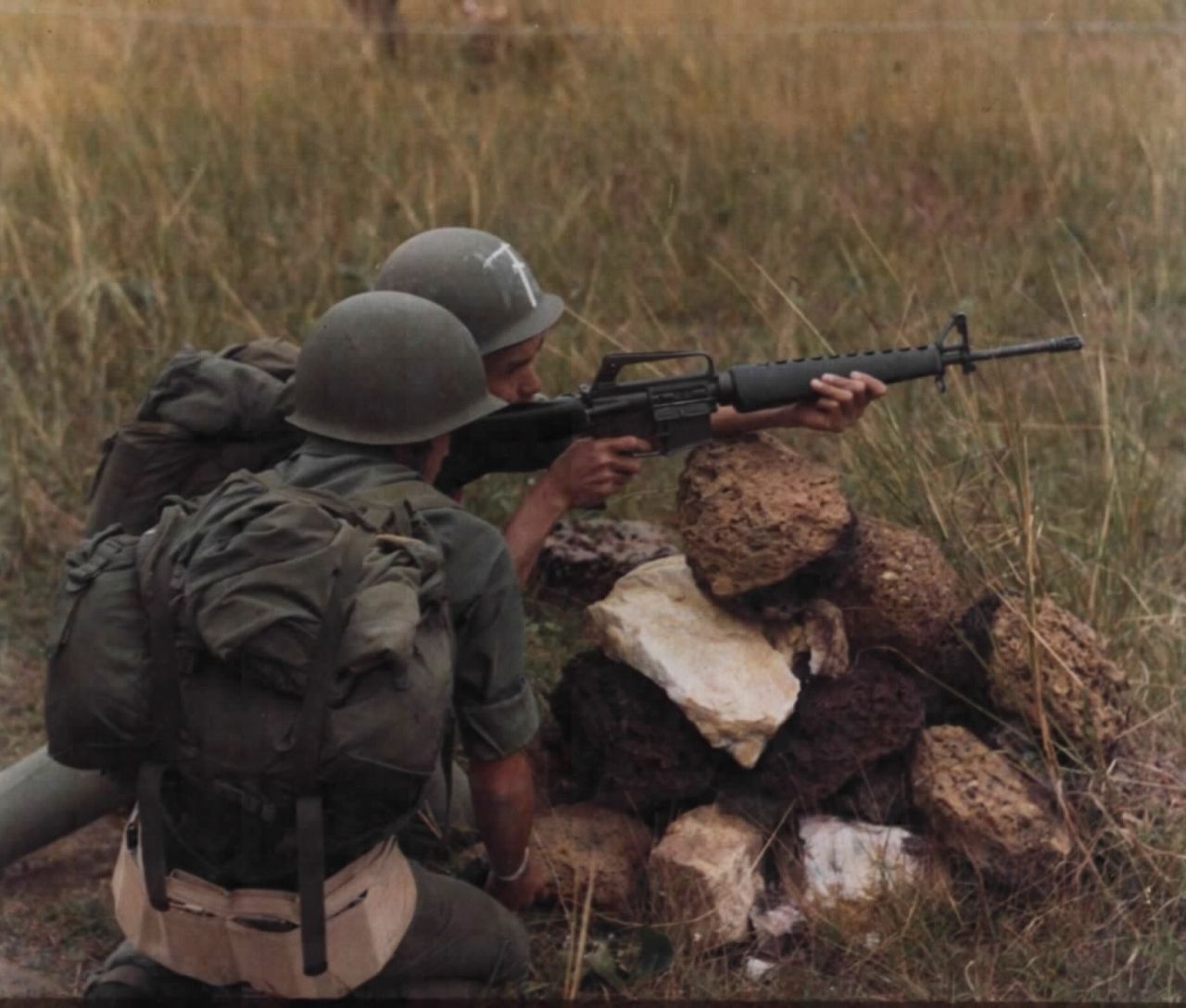
One of the most telling details in the M16 story is the forward assist. The XM16E1, according to Army weapons data, added a forward assist so a soldier could manually force the bolt closed. On paper, that sounded like practical insurance.
In reality, the feature became a symbol of a deeper problem. If a rifle needs the user to pound a reluctant bolt into battery, something upstream is already going wrong. Army safety guidance has even warned that abnormal resistance or reliance on the forward assist can signal fouling or other dangerous malfunctions.
So the rifle did not just gain a part. It gained a workaround. That is often what happens when institutions try to engineer around a reliability issue instead of fully eliminating its root causes first.
How The Rifle Was Fixed
The M16 did not remain the troubled rifle of its worst Vietnam-era headlines. The Army and industry made a series of corrections, including chrome-plated chambers and bores, ammunition changes, revised maintenance practices, and better training. Over time, the platform matured into the M16A1 and later variants with a much stronger reputation.
That evolution matters. The same rifle family that once drew bitter criticism eventually became one of the most influential military small arms systems in the world. Later manuals and Army doctrine treat the M16 and M4 family as established, dependable service weapons when maintained properly.
In other words, the design survived its own disastrous introduction. That is rare, and it says a lot about the underlying strengths of the system.
The Real Lesson Still Matters
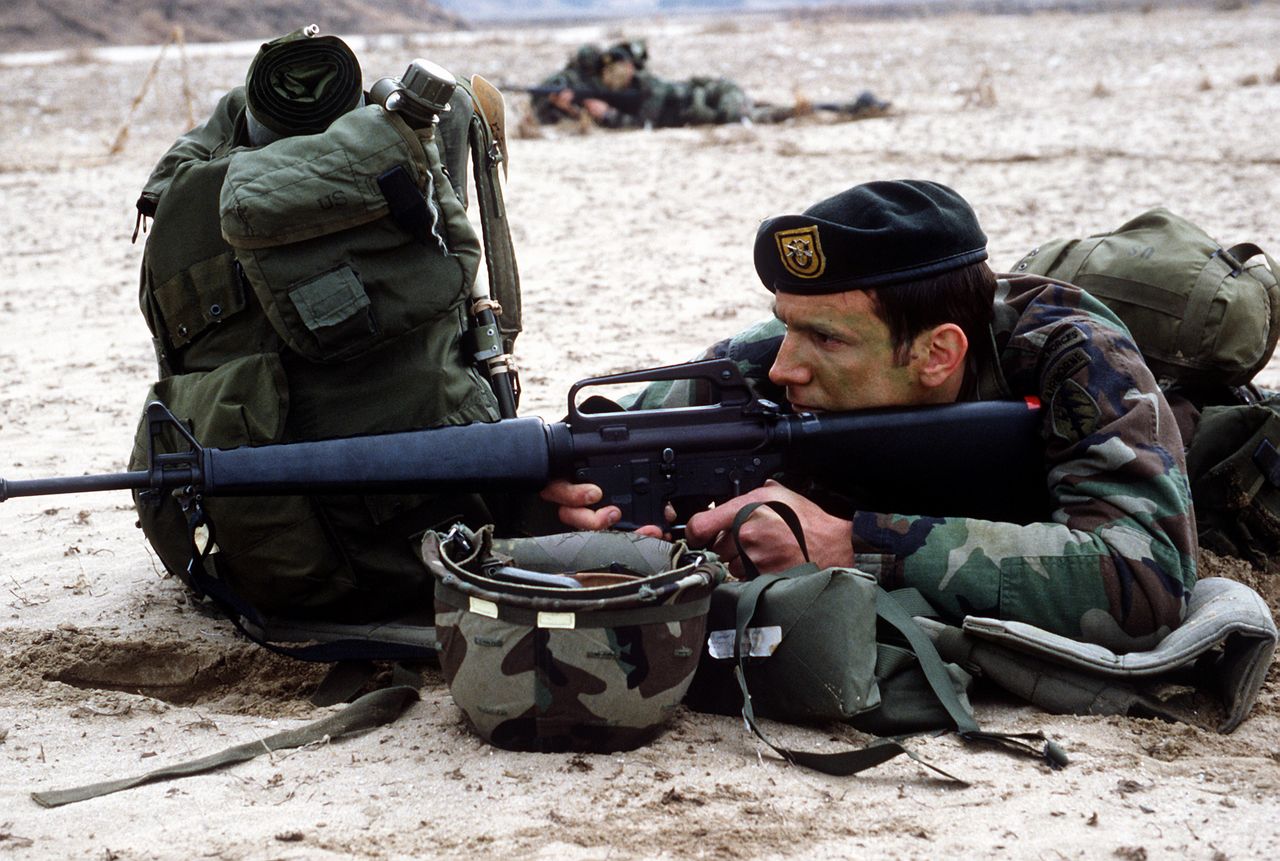
The M16 story is not really about one bad rifle. It is about what happens when a military tries to solve a real battlefield problem faster than testing, logistics, and field support can keep up. According to Army historical writing, rushed decisions on ammunition and corrosion protection played an outsized role in the weapon’s early failures.
That makes the M16 one of the clearest examples of a defense lesson that never gets old. A weapon can be brilliant in concept and still stumble if the ecosystem around it is not ready. Design, ammunition, training, maintenance, and environment all matter.
So yes, the M16 solved a military problem. It just also proved that fixing one weakness can expose another, sometimes at the worst possible moment.