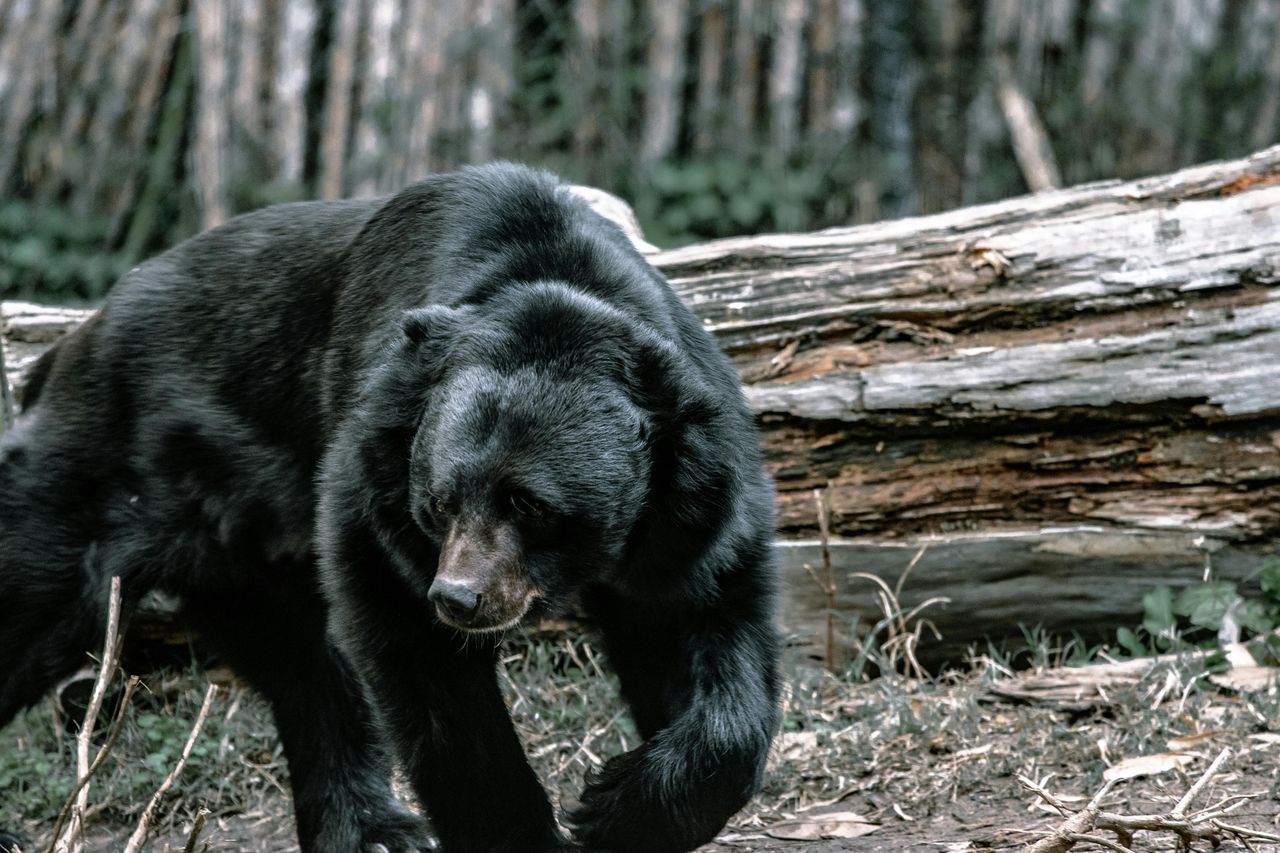
Black bears are often associated with deep wilderness, but some of the biggest populations are found in places that may surprise casual wildlife watchers. From heavily forested Appalachian terrain to northern lake country, these states offer the mix of habitat and food bears need to flourish. Here is a closer look at eight states where black bear numbers are notably strong and often underestimated.
Pennsylvania

Pennsylvania does not always top the list in the public imagination, but it has one of the most robust black bear populations in the country. Large stretches of forest, rolling ridges, and a long history of wildlife management have helped bears spread across much of the state.
The surprise is not just the number of bears, but how often they turn up near farms, suburbs, and small towns. In good food years, they can range widely in search of acorns, berries, and corn.
For many residents, seeing a bear is no longer a rare event. It is a reminder that even densely populated states can still support a thriving large mammal.
North Carolina
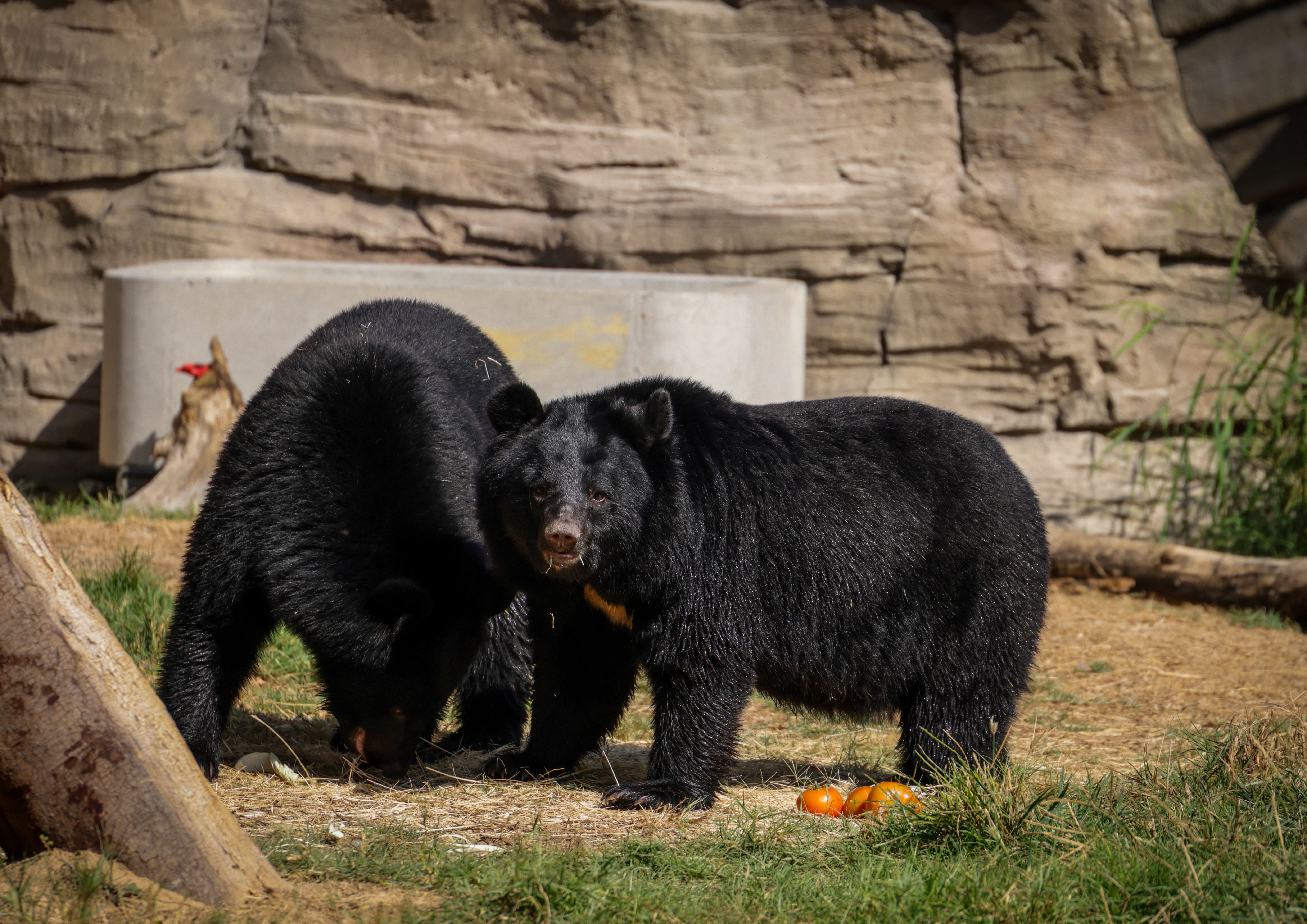
North Carolina surprises people because its bear habitat is so varied. From the mountains in the west to the coastal plain in the east, black bears have found ways to thrive in very different landscapes.
The state is especially notable for producing some impressively large bears, thanks in part to rich food sources in agricultural and swampy areas. That mix of dense cover and easy calories can support both healthy numbers and hefty animals.
For travelers who think of the state mainly in terms of beaches and Blue Ridge views, the bear story adds another layer. North Carolina is one of the East Coast’s true black bear strongholds.
New Jersey

New Jersey may be one of the last places many people would expect a significant bear population, which is exactly what makes it stand out. Despite its dense development and busy highways, the northwestern part of the state offers enough forest and connected habitat for bears to persist.
As suburban growth has pushed deeper into wooded areas, bear sightings have become part of everyday life in some communities. Trash, bird seed, and pet food can draw them into neighborhoods, making their presence feel especially visible.
That contrast between crowded human spaces and adaptable wildlife is what makes New Jersey so surprising. The state shows how black bears can endure even in highly urbanized regions.
Tennessee
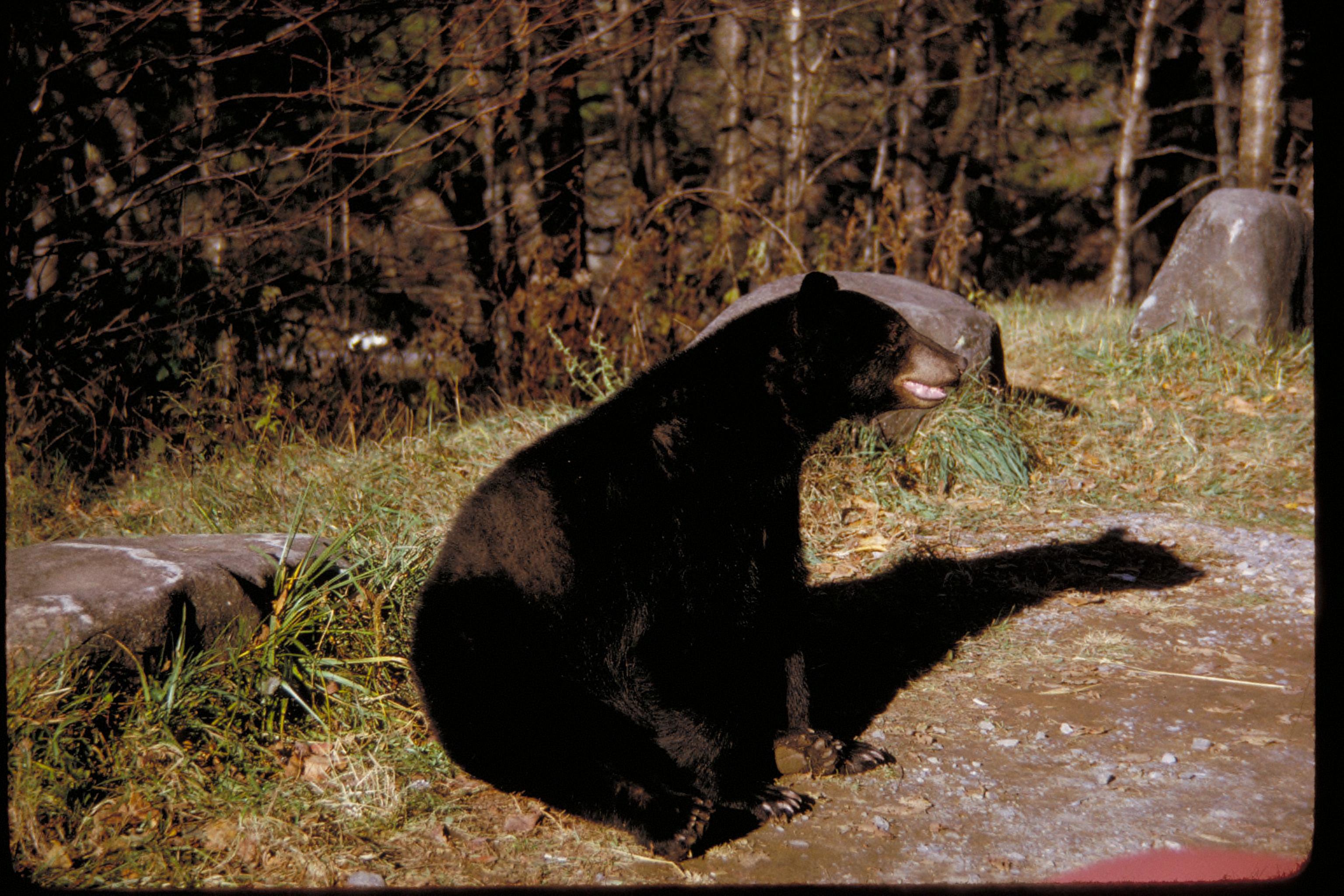
Tennessee is often overshadowed by neighboring states in wildlife conversations, but its black bear population is nothing to overlook. The Great Smoky Mountains region provides excellent habitat, with thick forests, rugged terrain, and abundant natural foods.
Bears have also expanded beyond the highest elevations and into lower valleys and nearby communities. In tourist areas especially, that can lead to memorable sightings and occasional conflicts when bears learn to associate people with easy meals.
The state is a good example of a broader eastern comeback. Black bears here are not confined to remote backcountry alone, and their growing visibility has caught many residents off guard.
Maryland

Maryland is better known for shorelines, crab houses, and busy commuter corridors than for black bears. Yet in the western part of the state, especially in the Appalachian counties, bears have established a solid and growing presence.
The numbers may not rival the largest bear states, but they are striking when you consider Maryland’s size and population density. Forest cover and mountain habitat create a pocket where bears can live, reproduce, and gradually push into new areas.
That makes Maryland an easy state to underestimate. Its bears are proof that even small states can hold meaningful wildlife populations when the right habitat remains connected.
Massachusetts

Massachusetts often enters wildlife discussions with an image of colonial towns and coastal scenery, not a healthy black bear population. But western and central parts of the state have increasingly become reliable bear country.
As forests regenerated over the last century and bears expanded from strongholds in neighboring states, sightings have grown more common. Residents in wooded suburbs now sometimes deal with overturned feeders, raided garbage cans, and the unmistakable sign that bears are nearby.
The state feels surprising because it blends old development with recovering habitat. Massachusetts shows how black bears can return when forests rebound and hunting, land use, and food availability align in their favor.
Wisconsin

Wisconsin has a strong outdoor identity, but many people still underestimate just how favorable it is for black bears. Northern forests, wetlands, and a patchwork of public and private land create the kind of habitat where bears can move, feed, and den successfully.
Food is a major part of the story. Seasonal berries, nuts, insects, and agricultural crops give bears plenty of options, while large forest blocks offer cover throughout the year.
The result is a population that is both stable and highly visible in some areas. For visitors focused on lakes and deer country, Wisconsin’s black bear numbers can come as a genuine surprise.
Kentucky

Kentucky is not usually the first state people name when talking about black bears, which is why its recent growth stands out. In the eastern mountains especially, bears have been expanding and reestablishing themselves in places where they were once scarce or absent.
Improved habitat, regional population growth, and careful conservation have all played a role. As bears disperse, they are showing up in counties where residents may not have expected to see them at all.
That sense of return makes Kentucky especially compelling. It is not just a story of hidden numbers, but of a species reclaiming part of its historical range in a state better known for horses and rolling bluegrass.