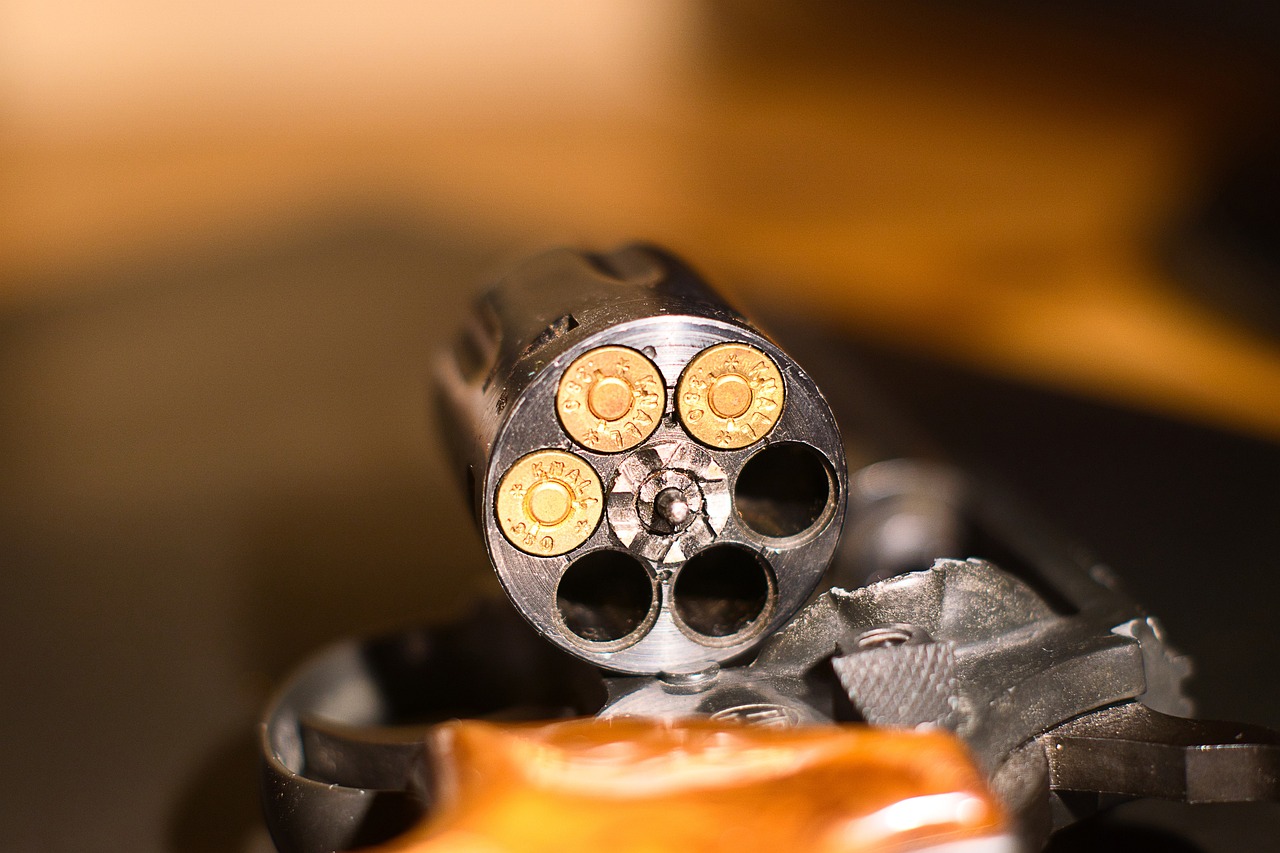
The Smith & Wesson Chief’s Special is one of those revolvers whose story is almost as memorable as its design. Introduced in 1950, it combined a compact frame, a 5-shot cylinder, and the widely established .38 Special cartridge in a package aimed squarely at plainclothes and off-duty police work. Its name was not simply chosen by executives in a boardroom. Smith & Wesson took the unusual step of asking police chiefs attending a major conference to select the name. That unusual beginning helped give the revolver an identity that lasted for decades.
1. A Name Chosen by Police Chiefs
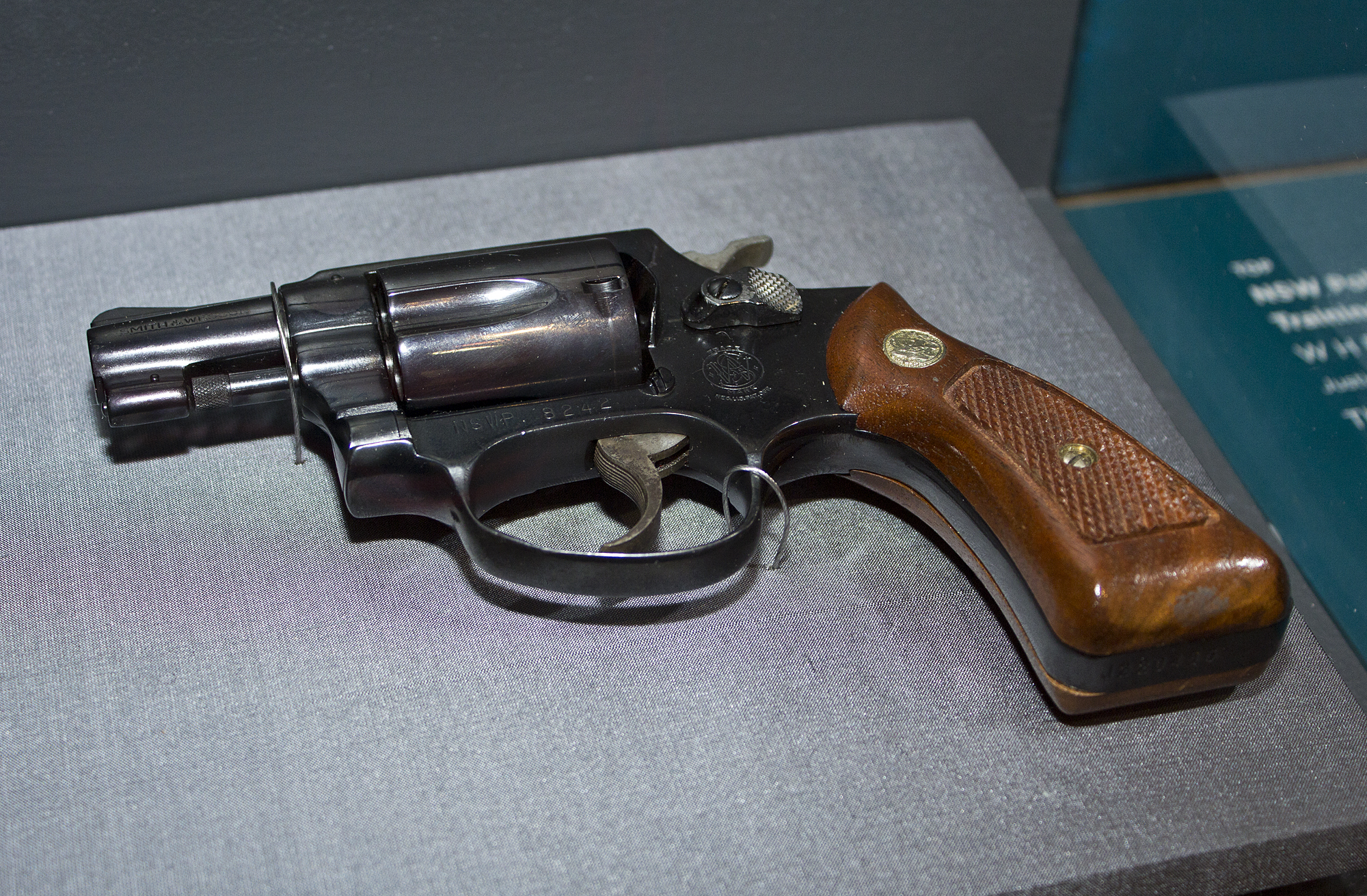
In October 1950, Smith & Wesson unveiled a new compact .38 Special revolver at the International Association of Chiefs of Police conference in Colorado Springs. Rather than settle on a factory name, the company invited attending police chiefs to choose one. “Chiefs Special” won the vote and became part of firearms history. The decision was a clever piece of marketing, but it also signaled the gun’s intended audience: plainclothes officers and detectives who wanted a smaller sidearm. The first production guns appeared that same year. Quite literally.
2. The First J-Frame Revolver
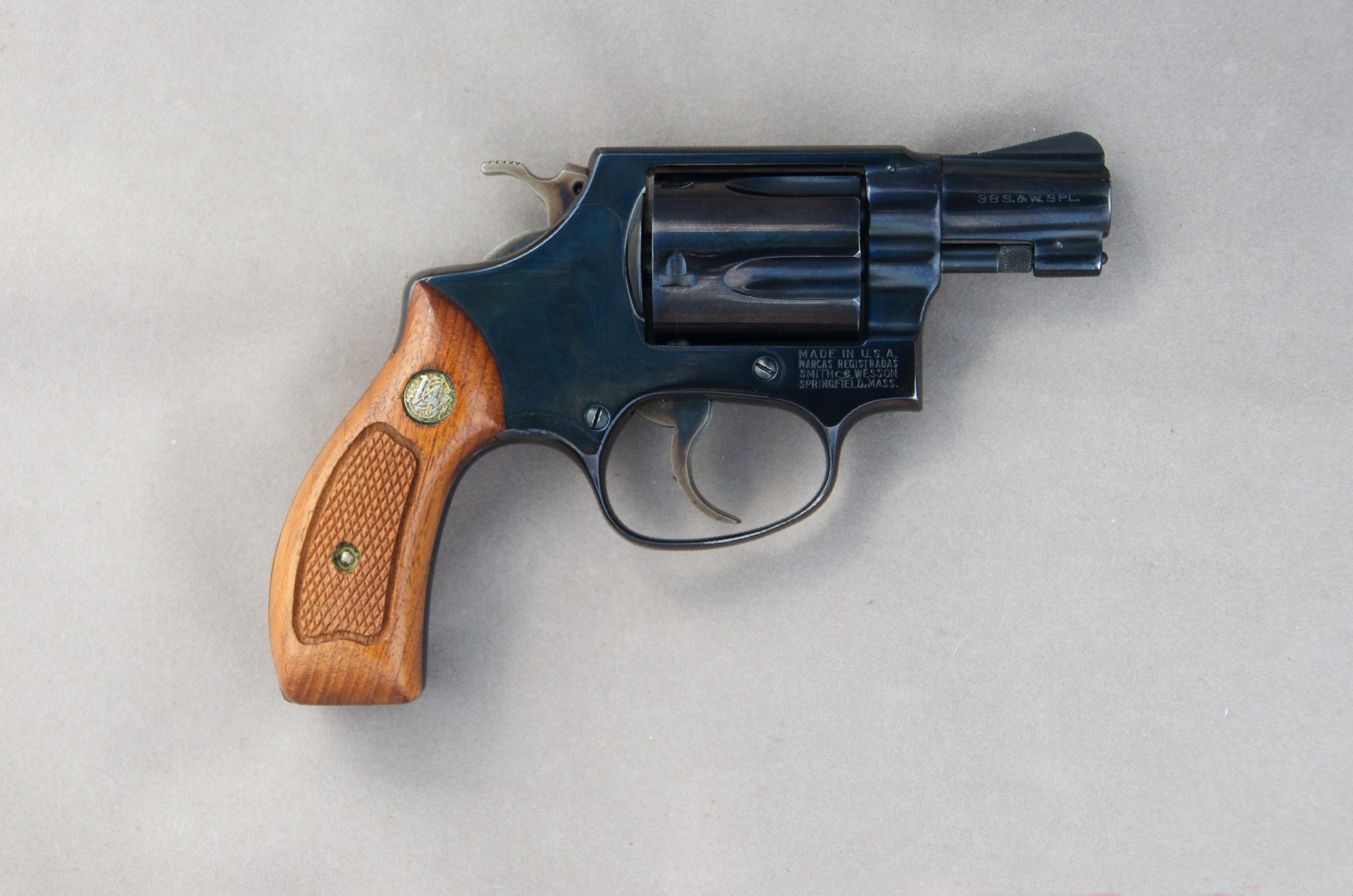
The Chiefs Special was important beyond its name because it introduced Smith & Wesson’s J-frame concept. Engineers enlarged and strengthened the earlier I-frame design so it could accommodate the longer .38 Special cartridge. A coil mainspring replaced the older flat style, while the frame and cylinder were strengthened without turning the revolver into a bulky service gun. The result was a compact 5-shot revolver that balanced portability with a cartridge already familiar to American police. That basic J-frame architecture would influence generations of later Smith & Wesson snub-noses.
3. Five Shots, Not Six
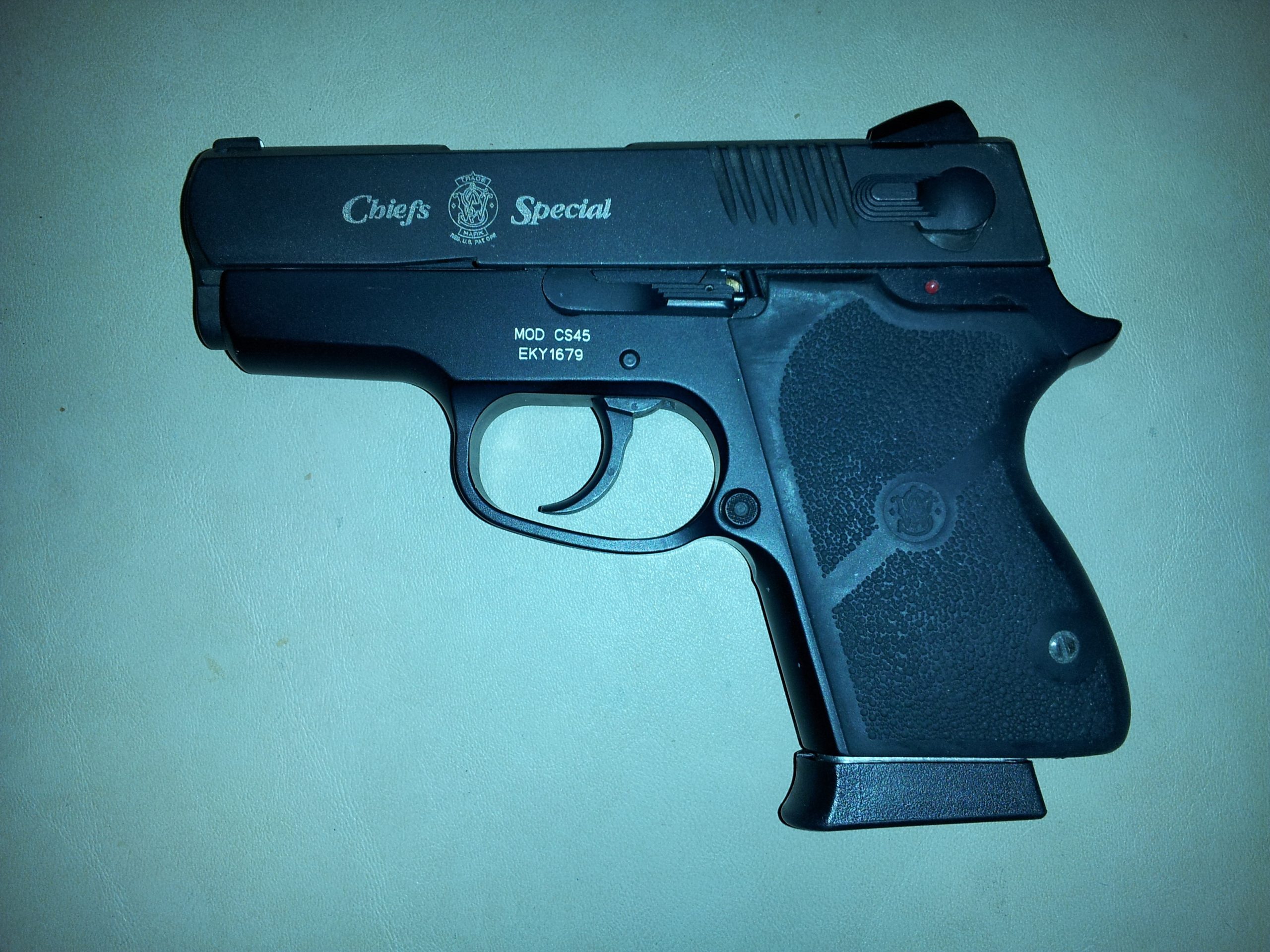
The Chiefs Special carried 5 rounds in its cylinder, a choice that helped keep the revolver compact enough for discreet carry. Its usual barrel was about 2 inches, although a 3-inch version appeared during the first year after officers requested a longer tube. The short configuration measured roughly 6.2 inches overall and weighed under 20 ounces in commonly cited specifications. Those numbers explain the design philosophy: this was not intended to replace a full-size duty revolver. It was a small backup, off-duty, or plainclothes weapon built around portability and quick access.
4. Built Around the .38 Special
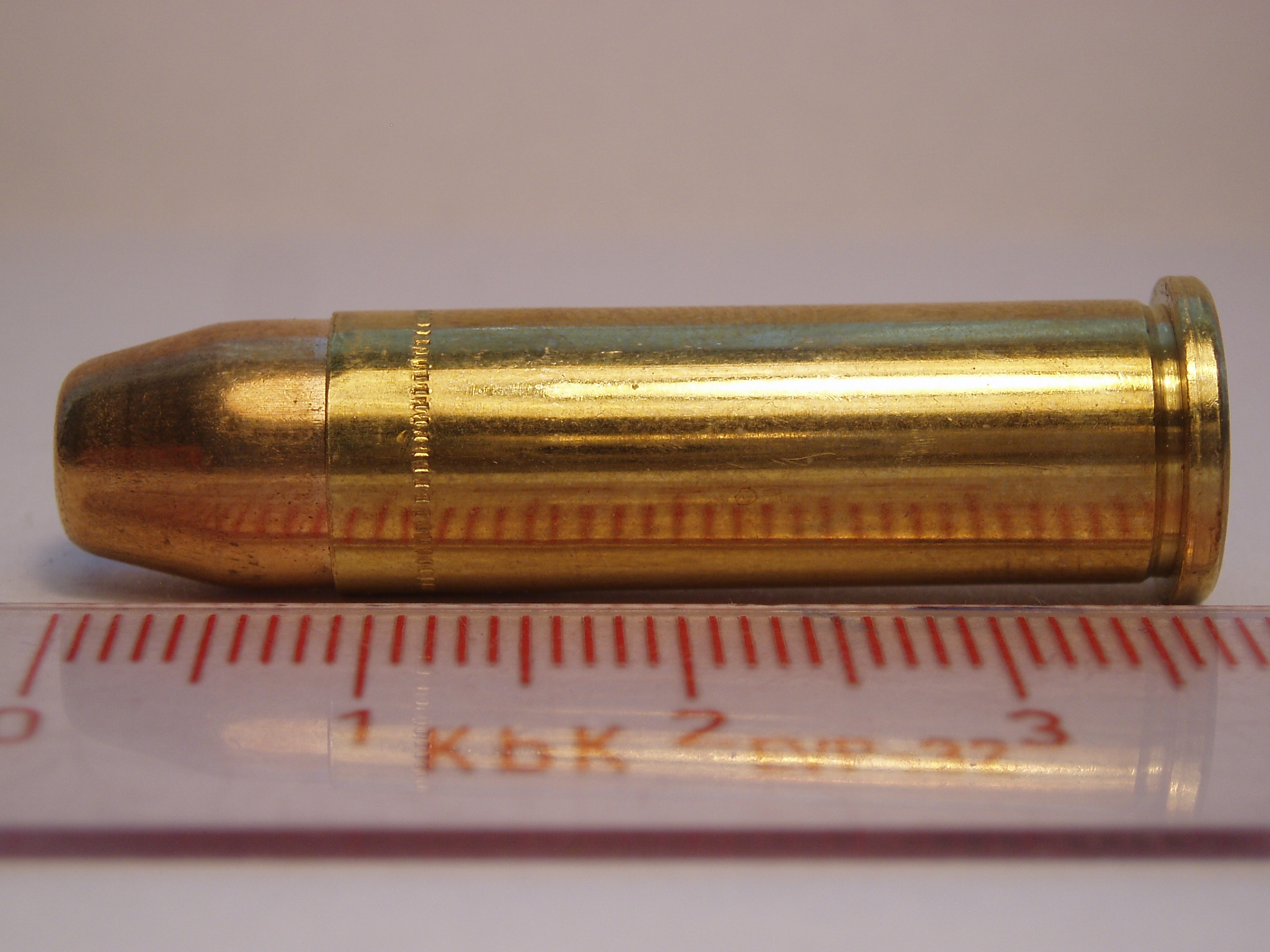
The defining technical change was chambering the small revolver for .38 Special rather than the older .38 S&W cartridge associated with the smaller I-frame family. That required more room and strength in the cylinder and frame. The cartridge gave police users a well-established service option while the revolver remained substantially smaller than many duty guns of the era. The standard arrangement used double-action and single-action operation, fixed sights, and a 5-shot cylinder. In 1950, that combination made the Chiefs Special unusually practical for discreet police carry.
5. The 3-Inch Barrel Arrived Fast
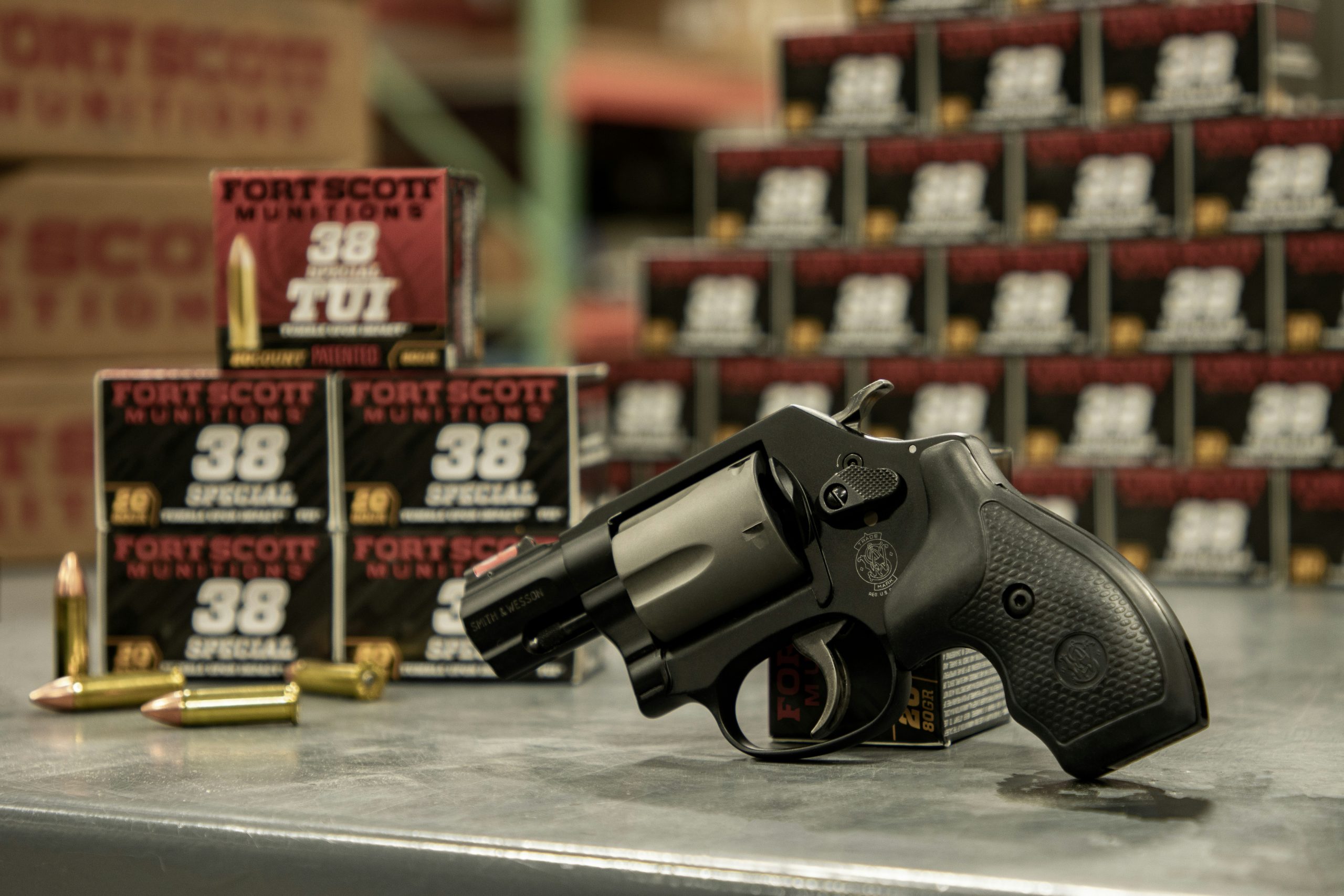
The original Chiefs Special was offered with a short barrel, but officers quickly asked for a longer version. By the end of its first year, Smith & Wesson was producing a 3-inch barrel model. The change was modest, yet it reflected how closely the company listened to its intended customers. A longer barrel could make the revolver more comfortable for some duty or plainclothes roles while preserving its basic compact character. The two principal lengths, roughly 2 and 3 inches, became recurring configurations as the J-frame family expanded over subsequent decades.
6. Grip Shape Changed With Experience
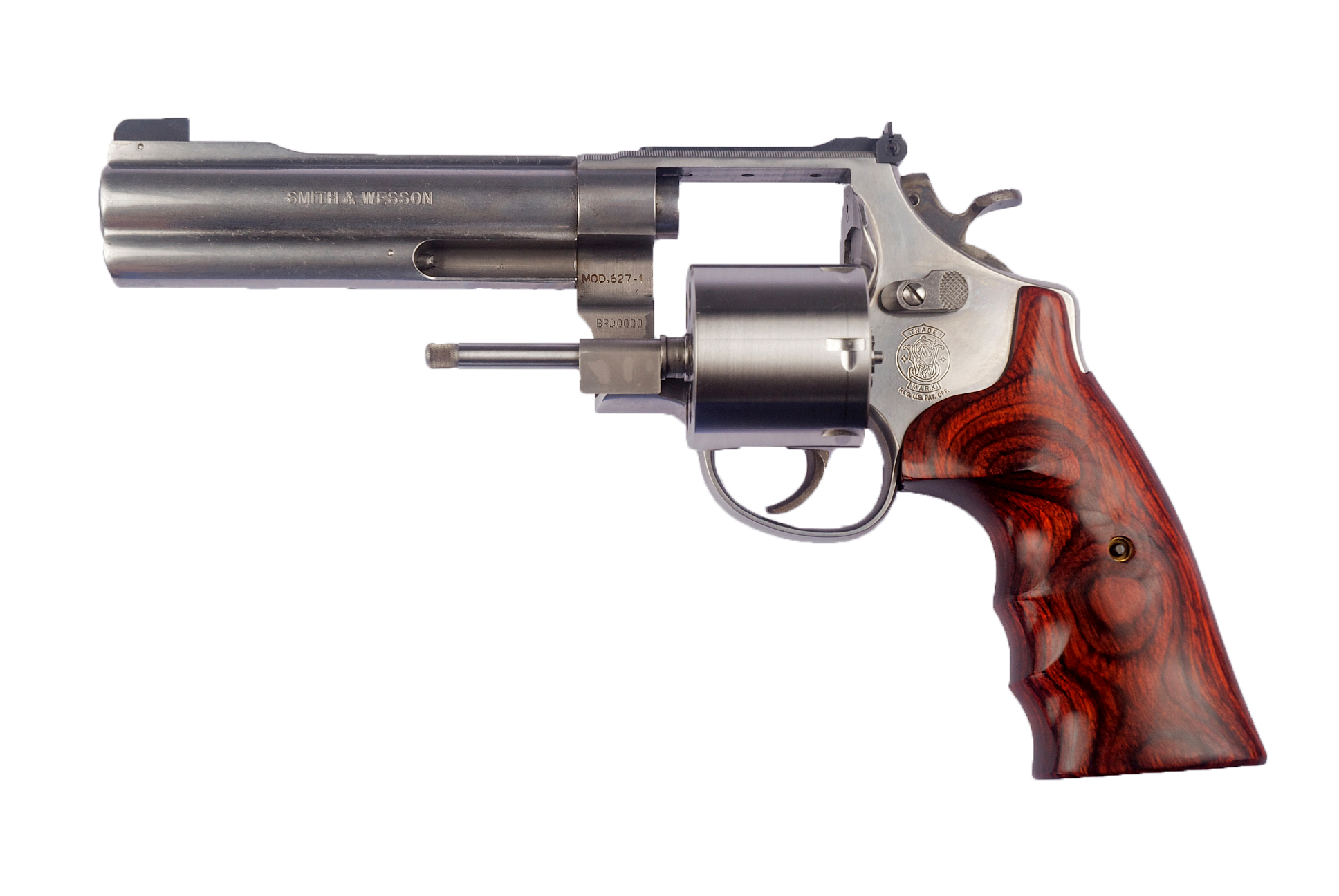
Early Chiefs Specials used a rounded grip frame that favored concealment and made the revolver easy to carry beneath clothing. Experience revealed a compromise: larger-handed officers sometimes found the small grip harder to control during rapid fire. In 1952, Smith & Wesson added a square-butt version, giving users a fuller gripping surface at the cost of some concealability. This seemingly small revision shows how the design evolved through practical feedback. The revolver was compact by intention, but its makers still adjusted details when real police use exposed limitations.
7. Airweight Made the J-Frame Lighter
Smith & Wesson soon explored an even lighter version of the Chiefs Special concept. In 1952, the company introduced the Airweight variant, using aluminum to reduce carrying weight. The idea was especially attractive for officers who might wear a small revolver for many hours rather than merely carry it in a vehicle or on a duty belt. The Airweight line demonstrated that the J-frame was more than one fixed model. It was becoming a platform that could be adapted around weight, materials, concealment, and police preferences while retaining the familiar 5-shot format.
8. Model 36 Arrived in 1957
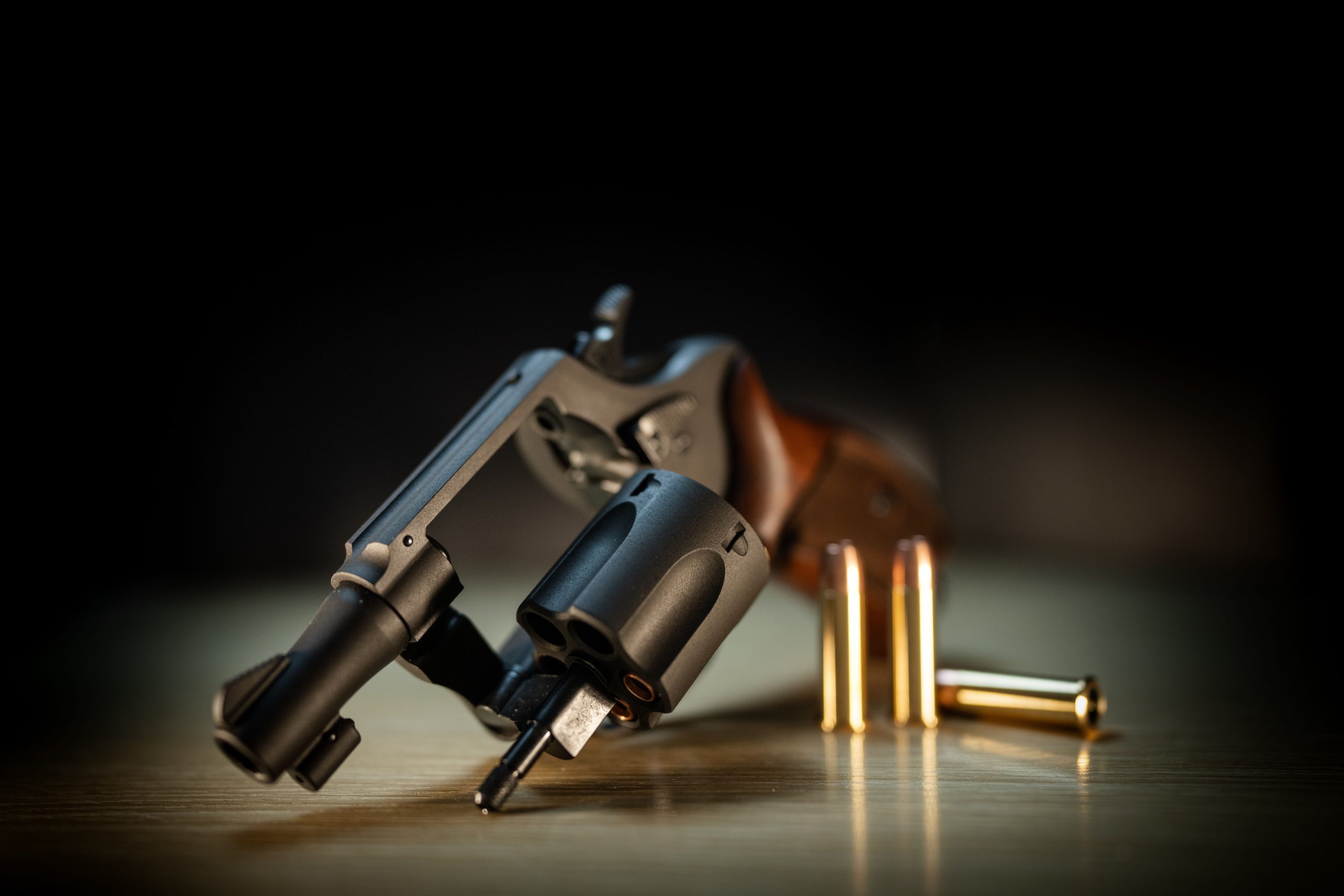
For its first years, the revolver was officially marketed as the Chiefs Special. In 1957, Smith & Wesson adopted numerical model designations, and the gun became the Model 36. The name change did not erase its earlier identity; collectors and shooters still commonly call it the Chiefs Special. The transition also places the revolver in a wider Smith & Wesson system that makes models easier to distinguish. By then, the design had already established the J-frame pattern, and its compact dimensions had made the small 5-shot revolver a recognizable part of American police equipment.
9. A Design That Outlived Its Era
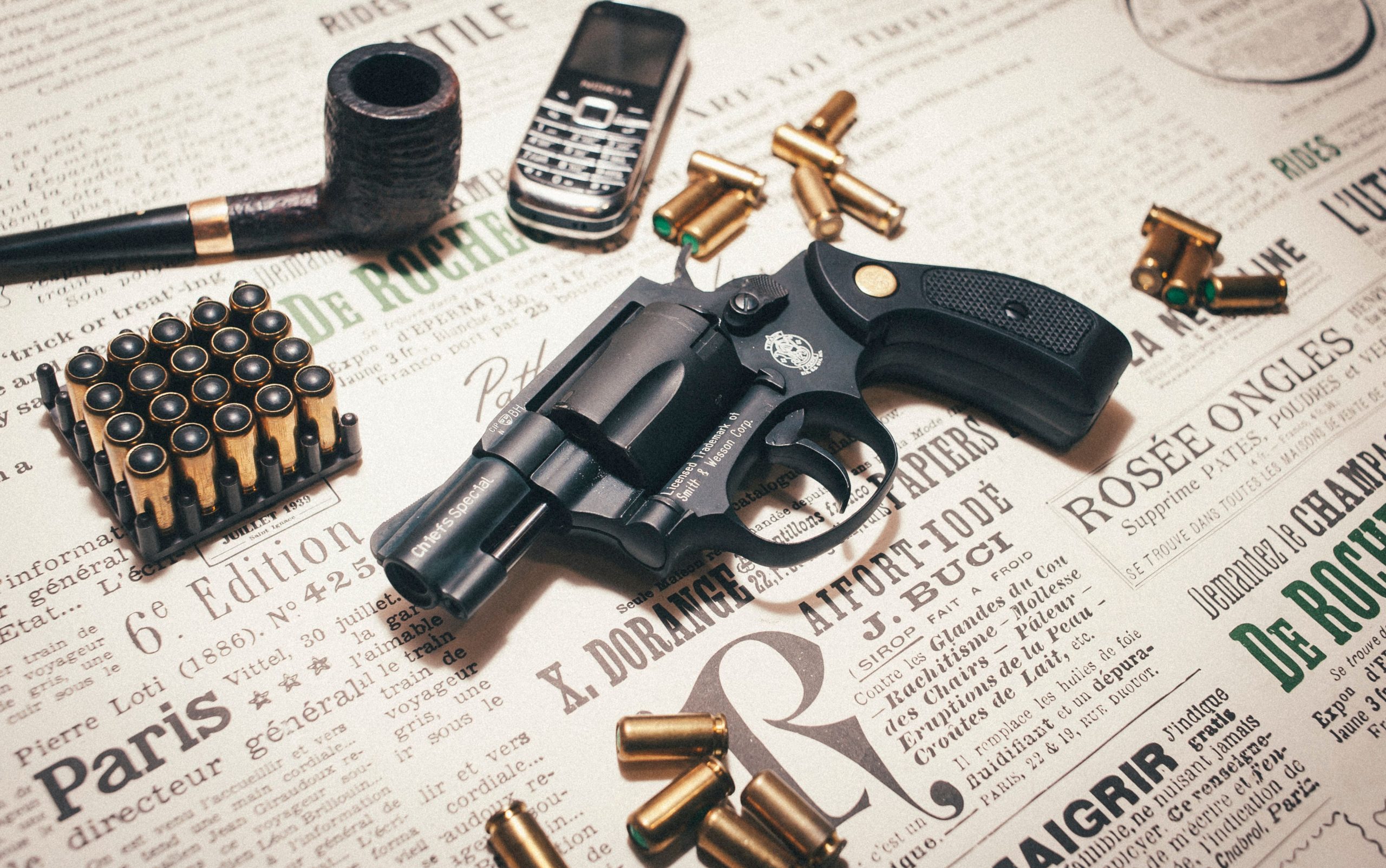
The Chiefs Special’s influence can be measured by how long its basic formula survived. The Model 36 remained associated with the classic J-frame, while related versions expanded the concept into Airweight, Bodyguard, Centennial, and stainless-steel forms. The Model 60, introduced in 1965, became the first regular-production stainless-steel revolver and carried the compact J-frame idea forward. The original Model 36 was discontinued in 1999, then returned in Smith & Wesson’s Classic Series in 2008. A 1950 police naming contest had helped launch a design lineage lasting generations.