Military surplus stores have always attracted collectors, history enthusiasts, and bargain hunters looking for equipment with a story behind it. Most items sell for modest prices, but certain objects become unexpectedly valuable because of their rarity, historical importance, unusual markings, or connection to a significant event. An ordinary-looking trunk, forgotten uniform, or discarded piece of military equipment can turn into a remarkable discovery when its origins are properly identified. These seven types of military surplus finds show how items once treated as ordinary government property can become prized collectibles worth thousands of dollars or more.
1. World War II Military Jeeps
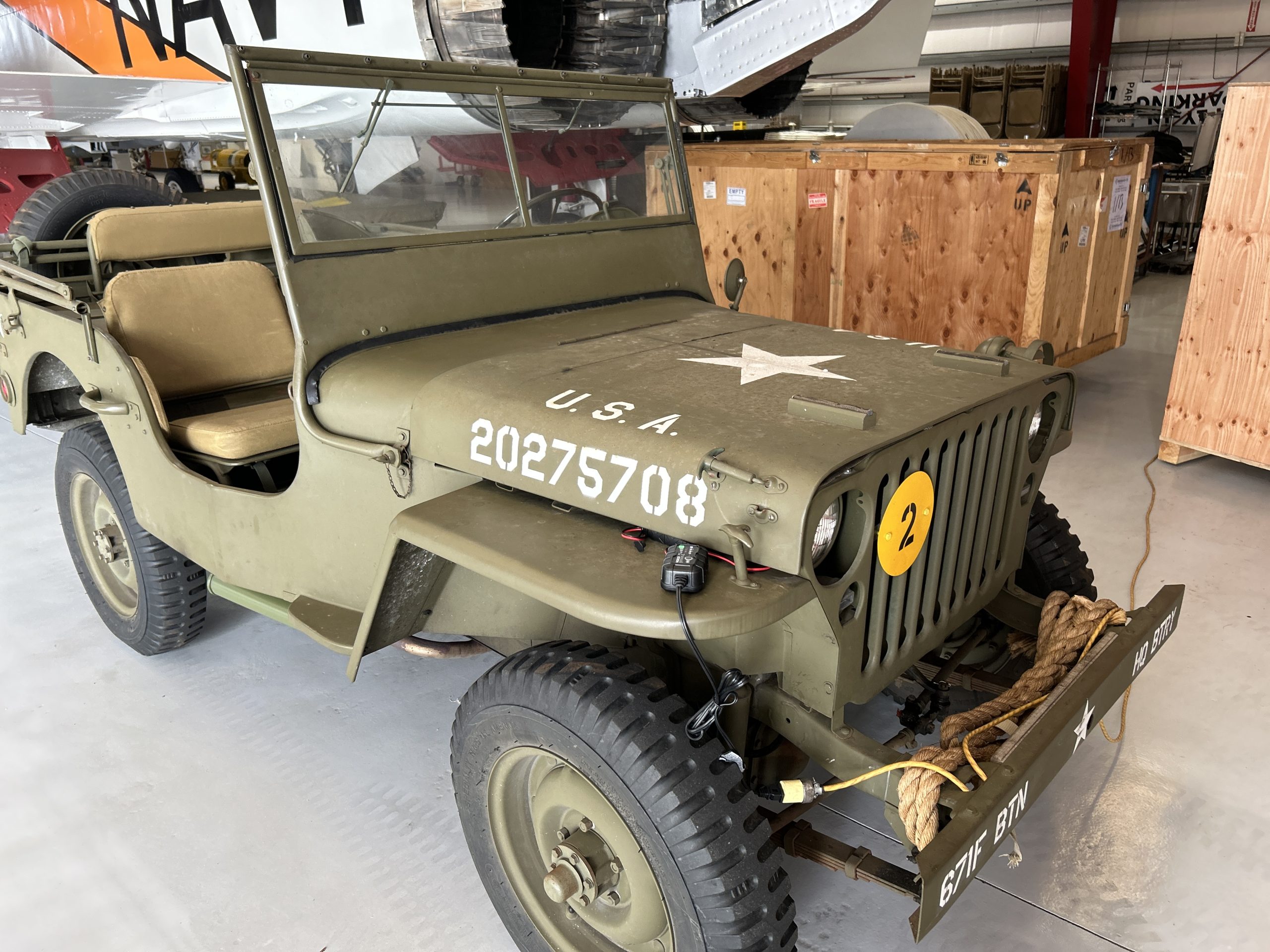
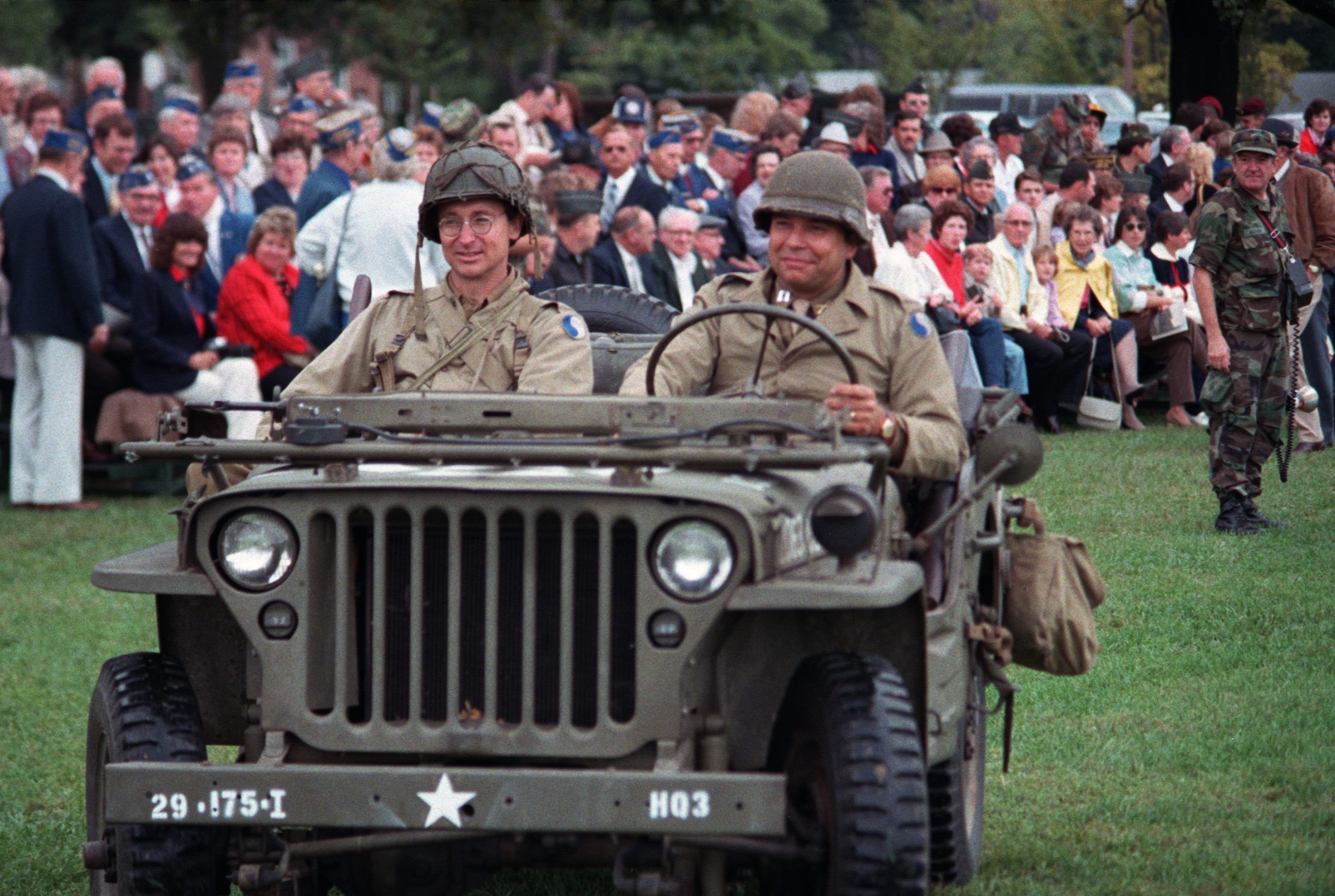
A surplus jeep might look like a battered farm vehicle, but an authentic wartime example can attract serious collectors. One 1943 Ford GPW military jeep appeared in auction results at $22,140, showing what a well-presented historic vehicle may bring. Value depends on original parts, correct serial numbers, restoration quality, and documented service history. A vehicle assembled from mismatched components may be worth far less. Before buying, check its identity plates, ownership paperwork, and local registration rules, since restoration and transport can add thousands to the final cost.
2. Hand-Painted A-2 Flight Jackets
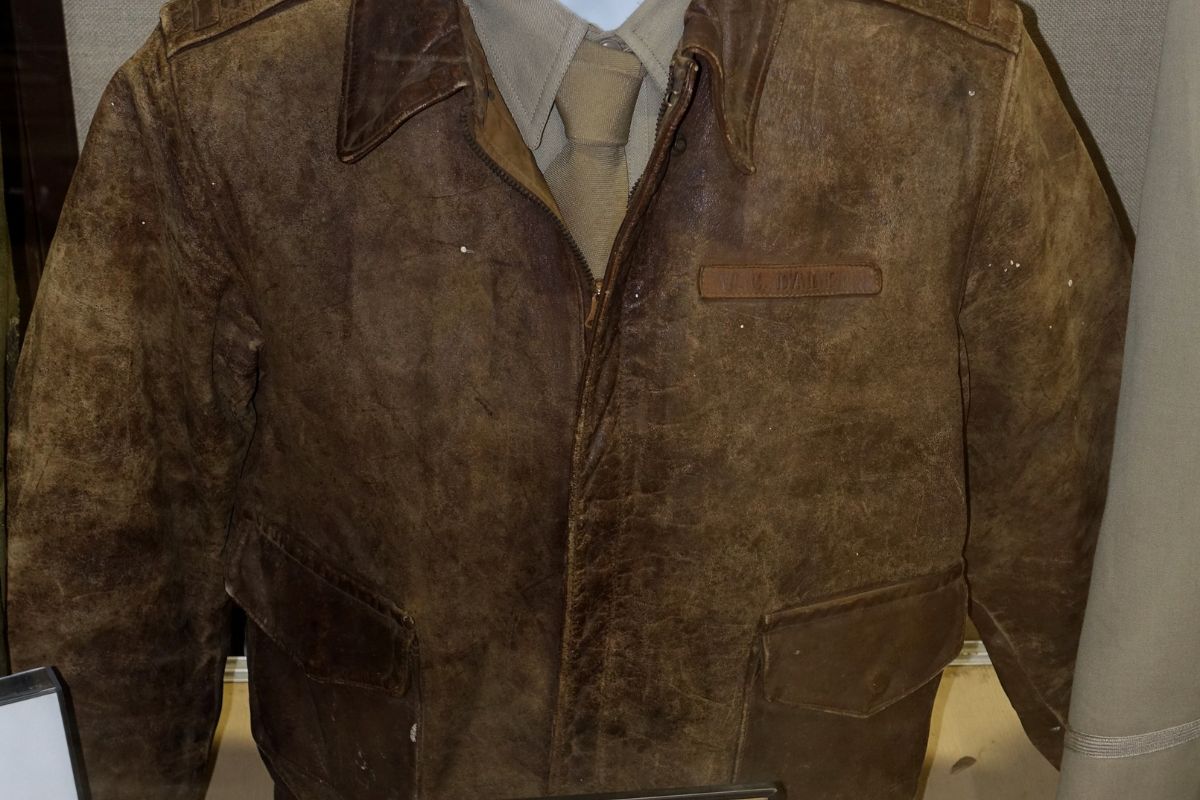
A World War II A-2 flight jacket becomes especially desirable when its artwork can be linked to a real aircrew member. In an April 2026 auction, a named jacket belonging to B-24 pilot Don Allen Duvall sold for $5,000; its back displayed a bomber and 21 mission markers. That personal history helps explain the price more than age alone. Look for period labels, original zippers, squadron markings, and service records. Repainted designs and replacement parts can reduce value, so expert authentication matters before paying a premium for a dramatic-looking jacket.
3. Rare Paratrooper Helmets
Paratrooper helmets are sought after because they were made in smaller numbers than standard infantry models. A World War II British HSAT Mk1 paratrooper helmet realized $4,287.50 in a militaria auction. Condition, original liner, chinstrap, maker details, and documented wartime use all influence the final price. Reproductions and helmets rebuilt from ordinary shells can look convincing in photographs. Compare details with trusted references and request clear images of markings. A rare model can command a strong price, but only when its authenticity is established by careful examination.
4. German Fallschirmjäger Helmets
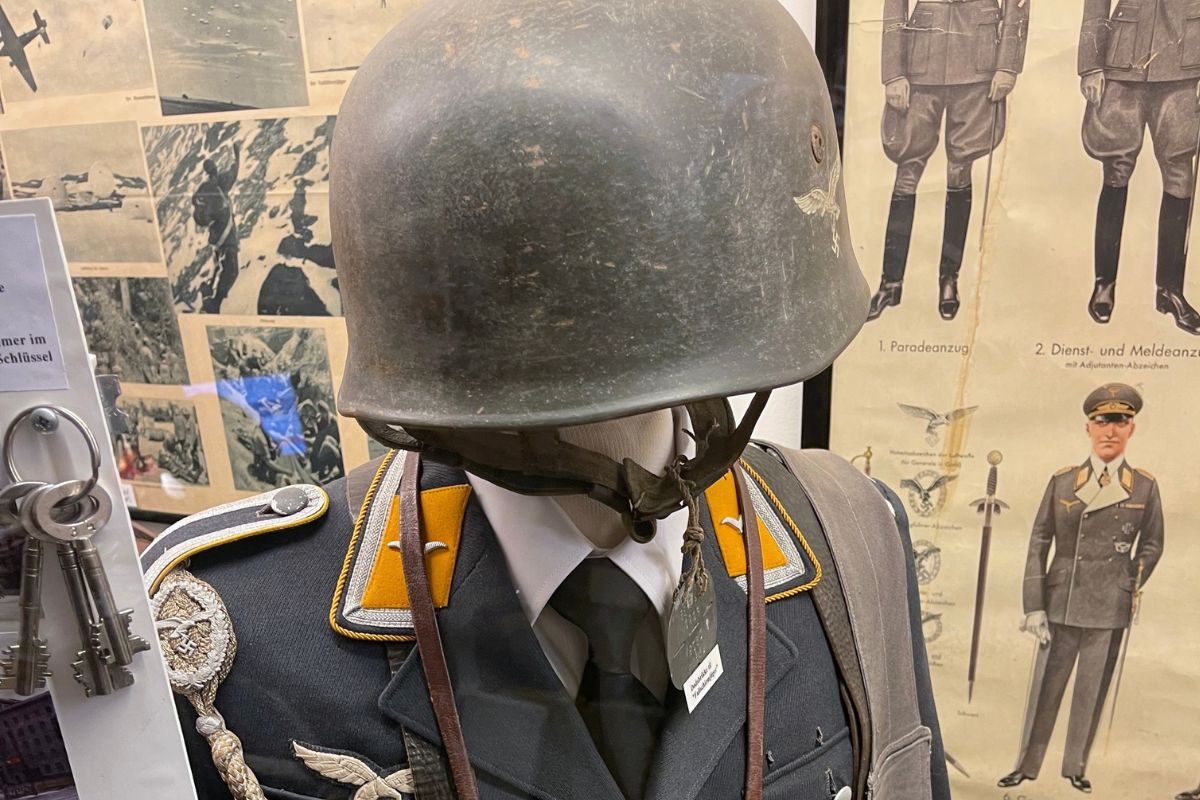
German Fallschirmjäger, or airborne, helmets are closely examined pieces of Second World War headgear. One M38 example sold for $4,410 at a militaria auction, illustrating how specialist designs can attract collectors. Original paint, liner, chinstrap fittings, and credible history matter. Aggressive cleaning or fresh paint can damage evidence and value. A high auction result is not a guaranteed resale price. Because reproductions and altered examples exist, buyers should seek independent authentication and follow applicable laws governing the sale and display of military insignia.
5. Named Army Air Forces Flight Jackets
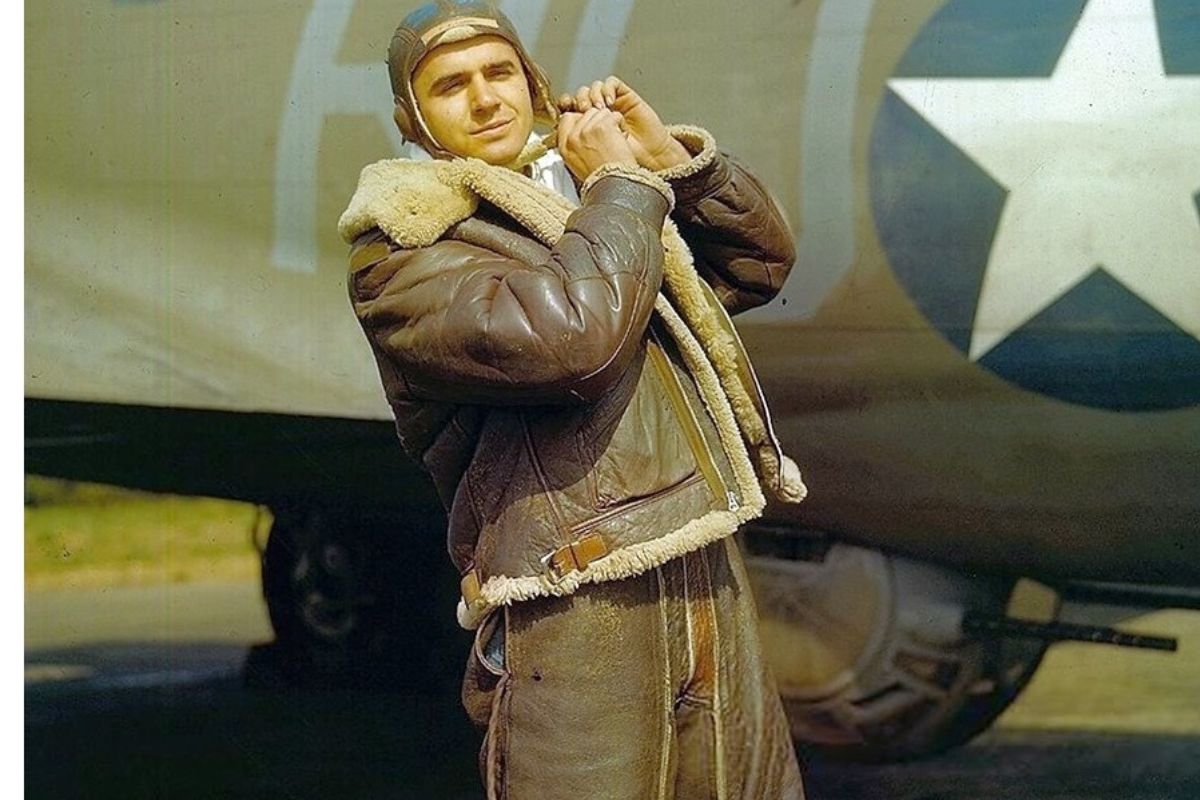
A flight jacket with a readable name and a traceable service record can be far more interesting than an anonymous garment. A World War II Army Air Forces A-2 jacket connected to the China-Burma-India theater sold for $1,599 in December 2025. Its appeal included theater patches and an original blood chit, intended to help airmen seek assistance if stranded. Inspect the label, stitching, leather aging, and paperwork together rather than trusting one feature. Original details matter, since replacing or restoring parts may weaken the historical evidence that makes a jacket collectible.
6. Double-Decal Luftwaffe Helmets
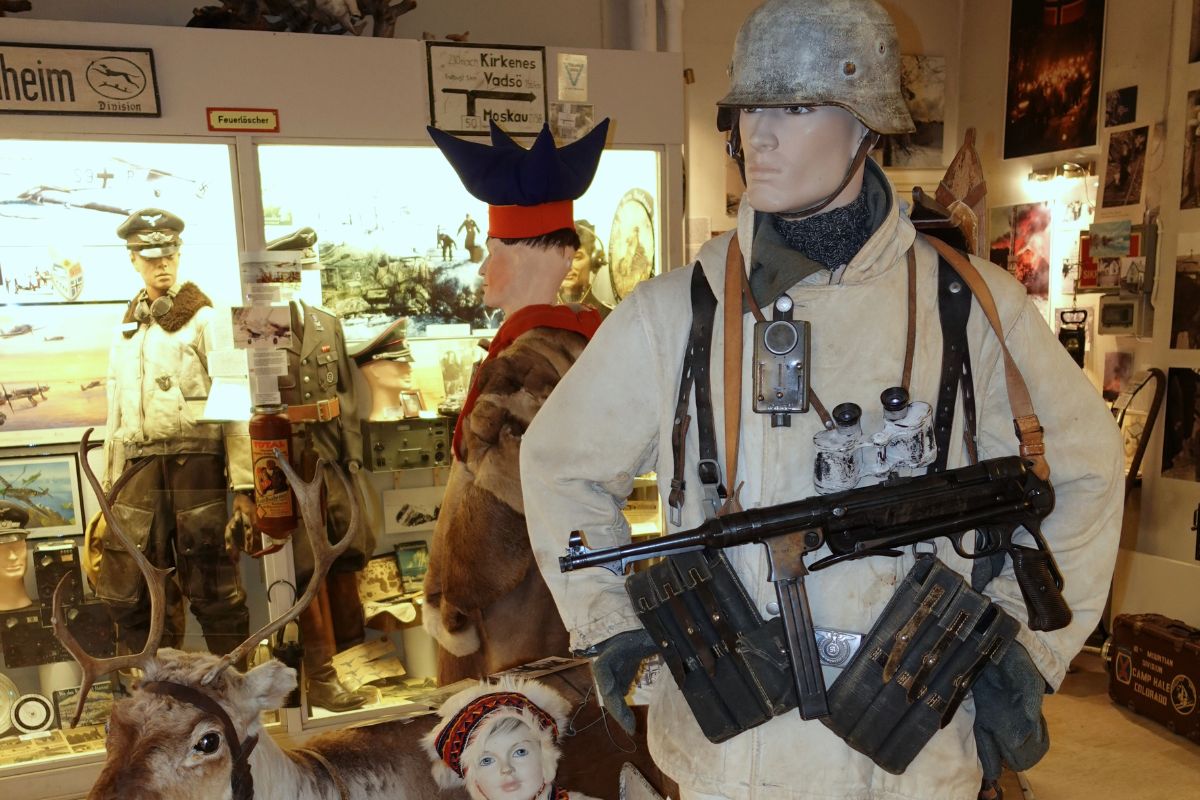
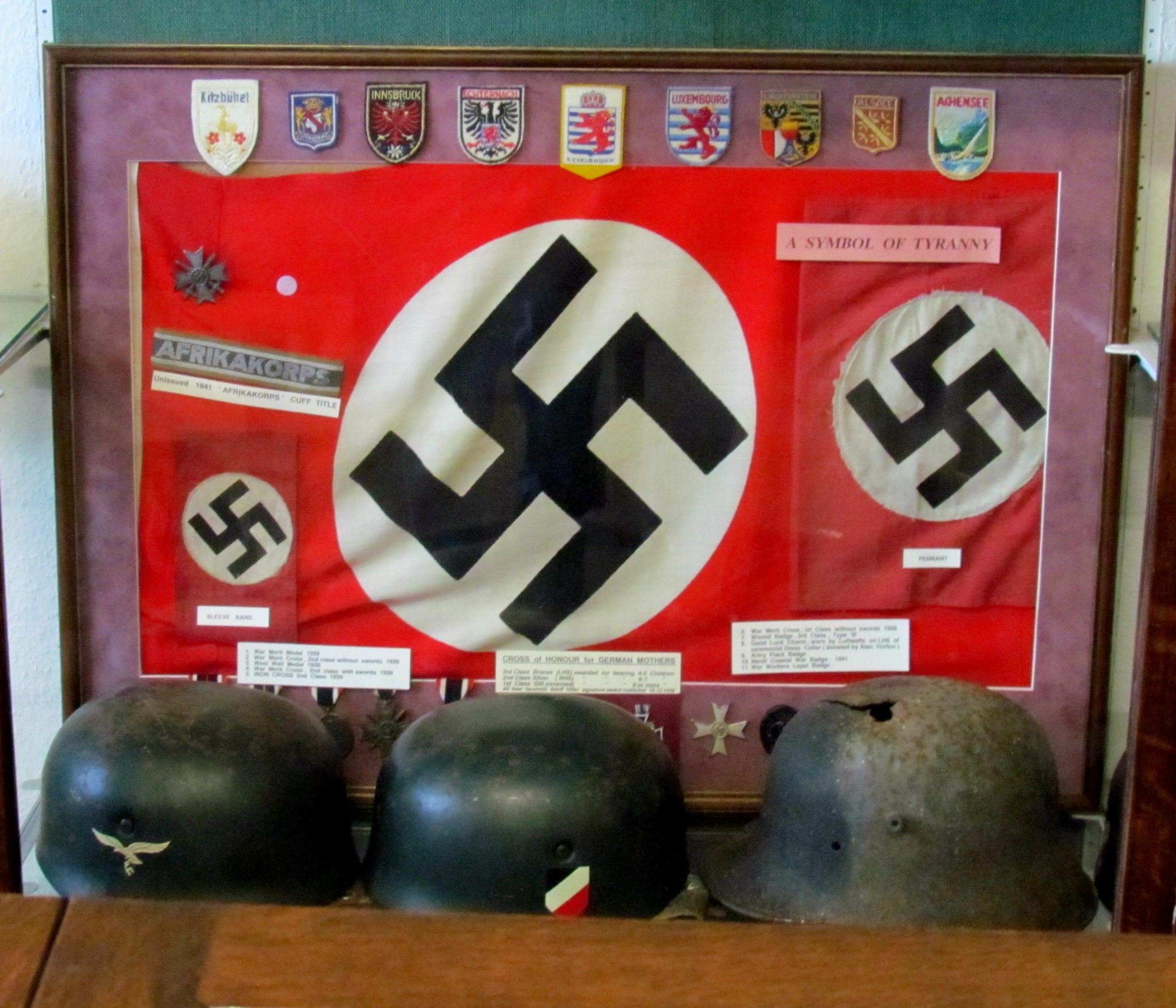
Military helmets with two original insignia can draw attention when the decals, paint, and construction match the correct production period. One World War II German Luftwaffe M35 double-decal helmet realized $1,380 in a recorded auction. That is one result, not a standard price. Condition, originality, maker stamps, liner, and signs of tampering all affect value. Reproduced decals require close inspection. Compare the helmet with specialist references and obtain an independent opinion before treating a tempting surplus-store find as a valuable original.
7. Specialist Airborne Helmets
Specialist airborne helmets can be overlooked, yet rare models attract collectors and verified records can increase their appeal. A World War II British HSAT Mk1 paratrooper helmet realized $4,287.50 at auction, while another British Mk II paratrooper helmet sold for $1,260 in a separate sale. These results show how model and condition affect prices. Check the shell, liner, chinstrap, markings, and provenance before making an offer. Missing parts, corrosion, and later alterations can reduce value, so careful identification is safer than judging an old helmet by appearance alone.