Taxidermy has become a more expensive way to preserve a hunting memory, display a prized catch, or keep a meaningful wildlife specimen. What once seemed like a manageable expense can now take a substantial bite out of a hunter’s budget. No single factor drives the increase. Skilled labor, specialized materials, workshop expenses, shipping, and changing customer expectations all contribute to the final bill. Although prices have not doubled everywhere, some mounts and premium projects have become considerably more expensive. Understanding these 8 reasons helps explain why a professional taxidermy job can cost far more than expected.
1. Skilled Taxidermists Are Charging More for Their Time
Taxidermy requires far more than attaching a hide to a prepared form. A professional may spend 20 to 40 hours or more on a detailed shoulder mount, depending on the species, condition, and finish. Sculpting facial features, positioning ears, setting glass eyes, and blending hair patterns demand patience and experience. As general labor costs rise, established taxidermists must charge enough to cover their working hours. A mount that cost $500 several years ago might now approach $900 in some workshops, although actual prices vary widely by region and animal.
2. Specialized Materials Have Become More Expensive
A quality mount depends on several materials that ordinary craft shops do not supply. These include polyurethane forms, glass eyes, tanning chemicals, adhesives, sculpting compounds, and artificial habitat components. Even a modest project may require 5 to 10 specialized items, with larger pieces needing considerably more. When suppliers increase prices or shipping charges, taxidermists must absorb those expenses or pass them to customers. For example, if materials for a mount rise from $100 to $180, that increase alone adds $80 before labor, overhead, or profit is considered.
3. Professional Hide Tanning Adds Another Layer of Expense
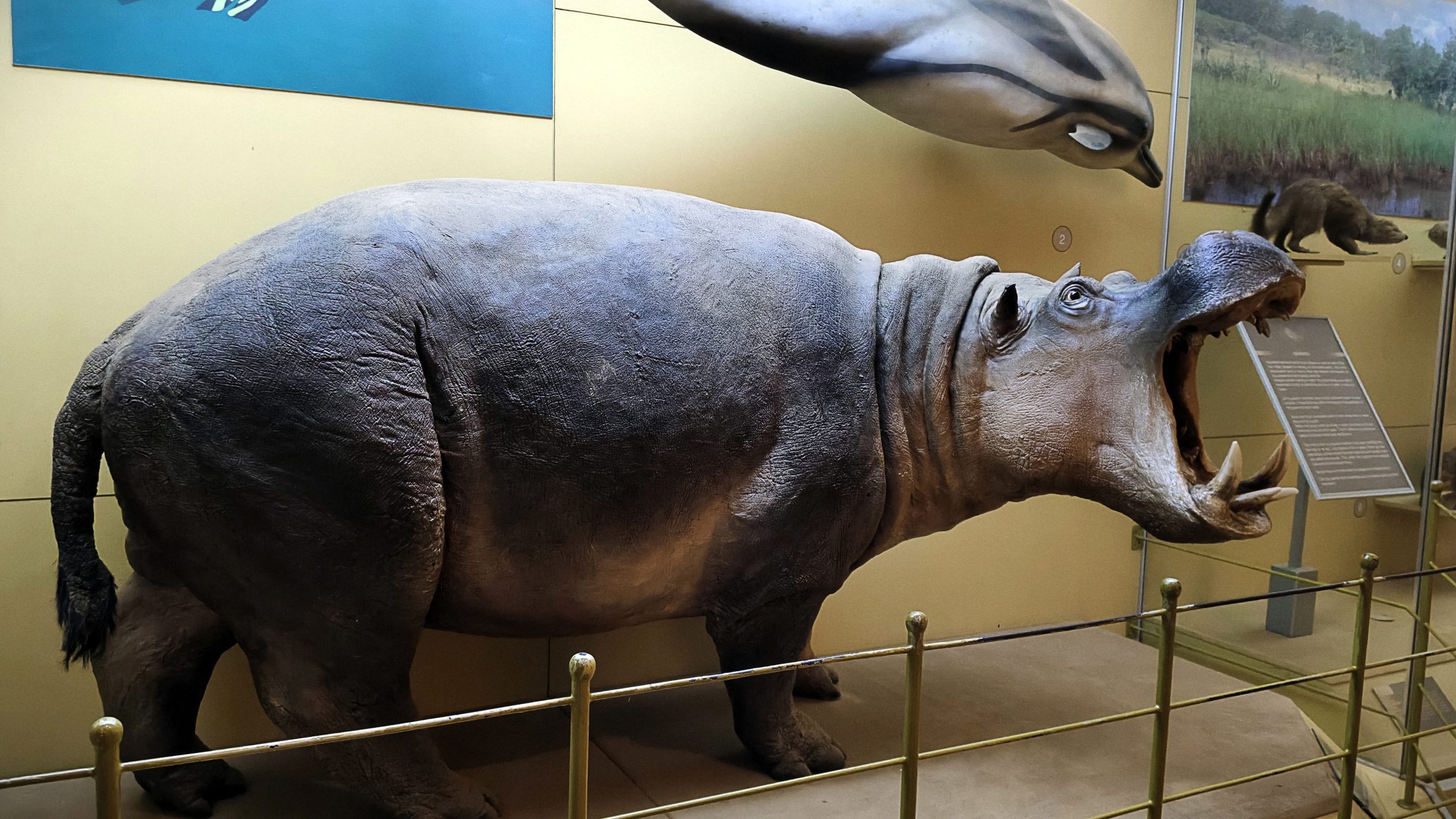
Preserving an animal’s hide properly is essential for a durable, natural-looking mount. Many taxidermists send hides to specialist tanneries rather than completing every stage themselves. The process can involve cleaning, fleshing, chemical treatment, drying, and careful preparation for mounting. A tanning bill that once came to $75 might reach $125 or more, depending on the species, size, and provider. Shipping the hide to and from a tannery can add further costs. Since tanning may account for a meaningful share of a project’s budget, even a $50 increase can noticeably affect the final price.
4. Workshop Rent, Electricity, and Insurance Keep Rising
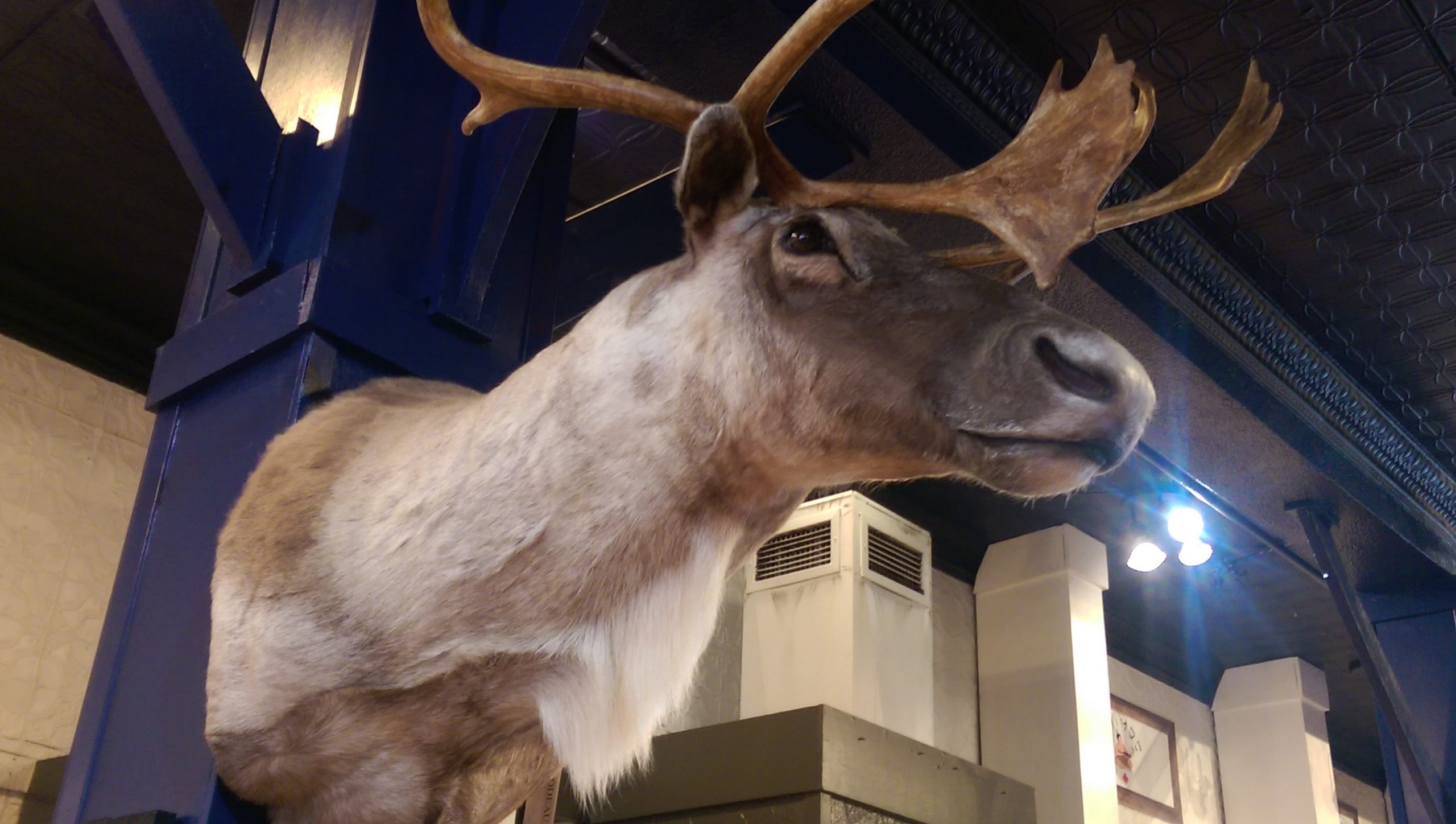
A taxidermy studio needs dependable lighting, ventilation, storage space, tools, and room to handle bulky specimens safely. These requirements make operating expenses more significant than customers may realize. A workshop paying $1,000 in monthly rent could face a $1,300 bill after a 30% increase, while electricity, insurance, equipment maintenance, and waste disposal add further pressure. Those costs continue even when customer orders slow down. To remain profitable, a taxidermist may need to increase prices across multiple projects instead of charging separately for every minor expense, making ordinary mounts more costly.
5. Shipping Large and Fragile Mounts Costs More
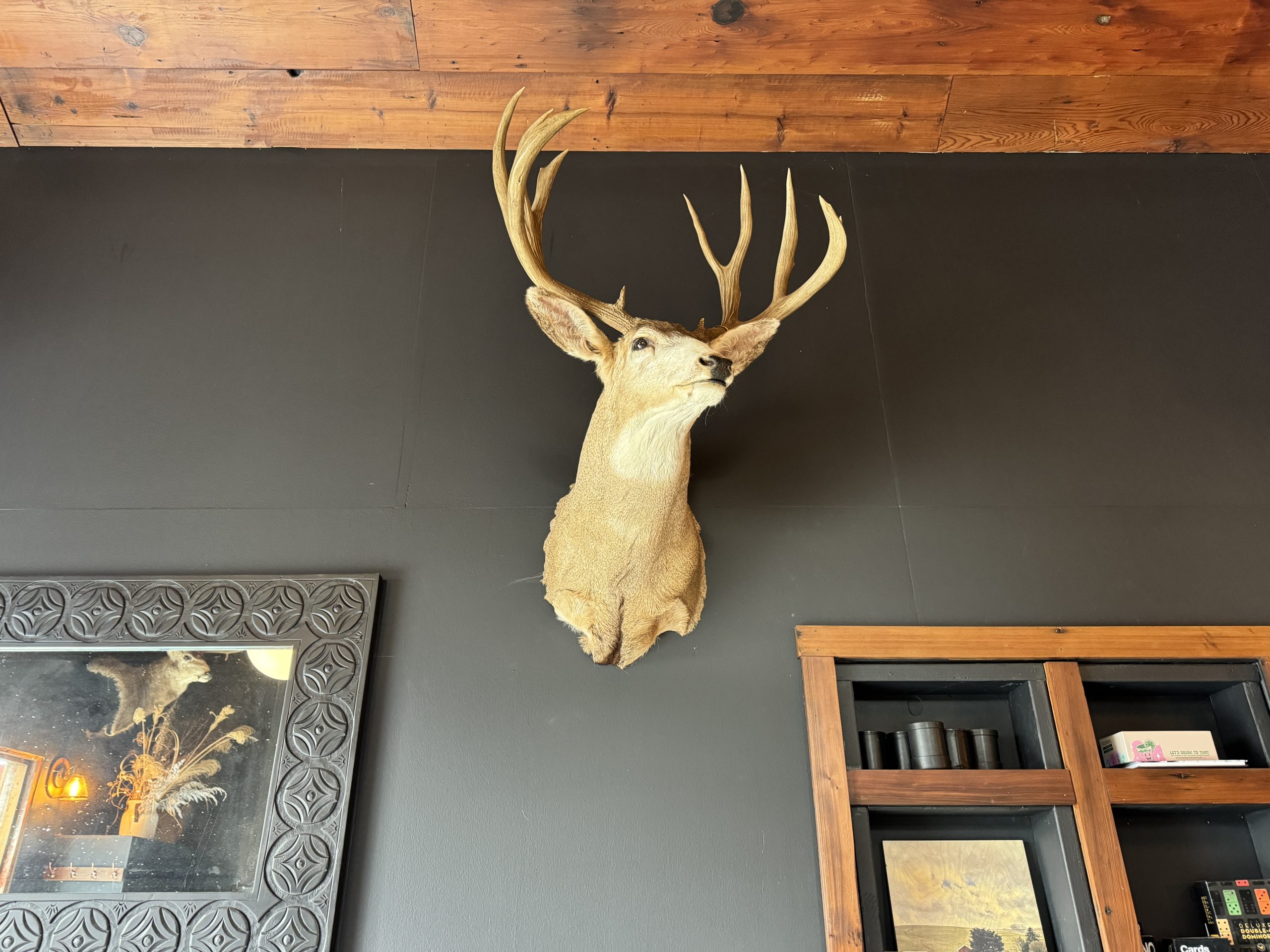
Finished taxidermy pieces are awkward to pack, easy to damage, and sometimes expensive to transport. A full-body mount or elaborate habitat display may require a custom crate, protective padding, and specialist handling. Even a smaller piece can become costly when it travels several hundred miles between a taxidermist, customer, or exhibition. For illustration, a shipment that previously cost $100 might rise to $175 after changes in freight rates, packaging, and handling fees. Oversized dimensions can also trigger additional charges. Customers ordering from distant specialists may therefore pay considerably more than the workshop’s advertised mounting price.
6. Detailed Finishing Work Has Raised Customer Expectations
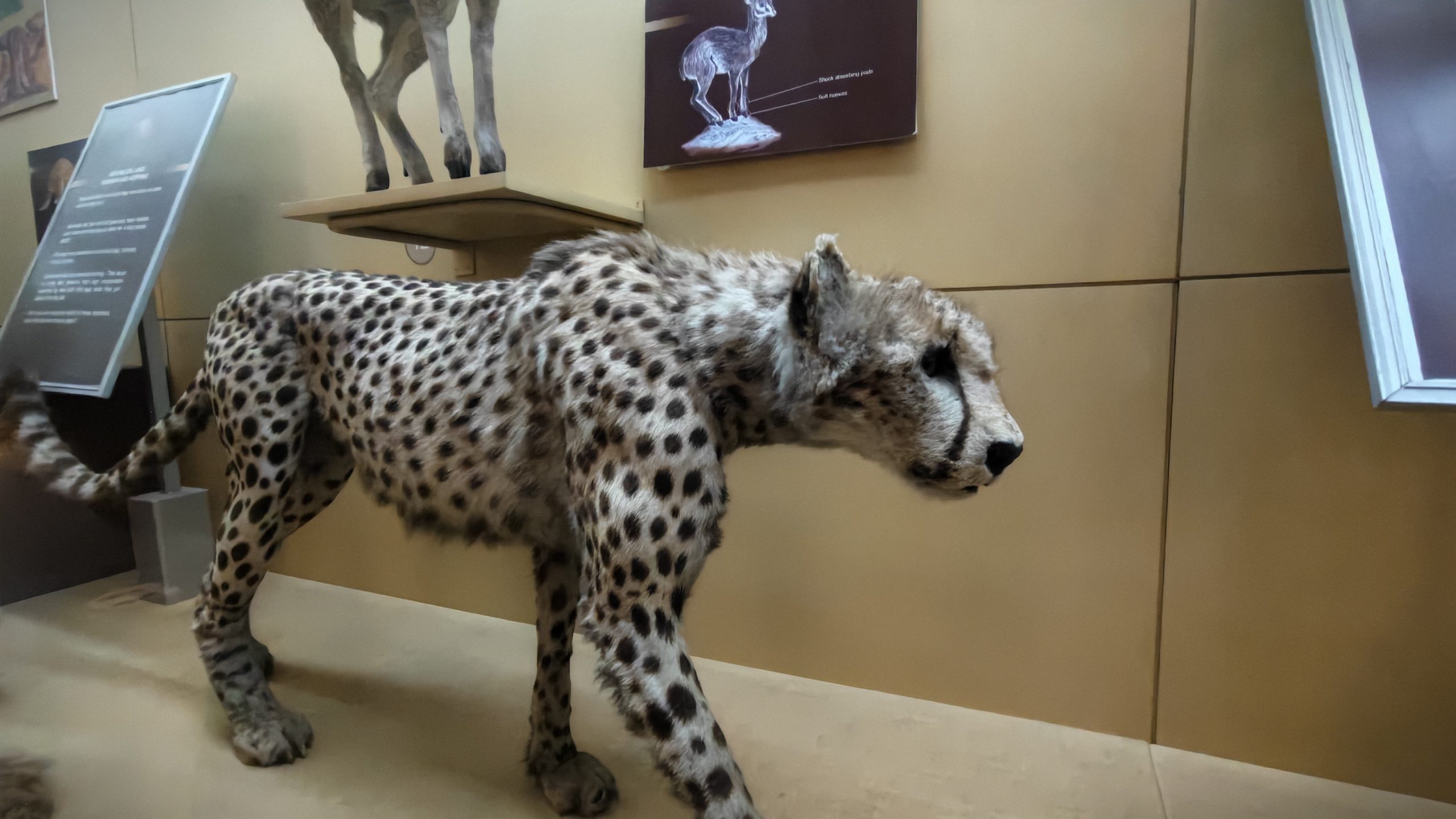
باسم, CC BY-SA 4.0/Wikimedia Commons
Many customers now want mounts that look lifelike from several angles, with convincing expressions, accurate anatomy, and carefully arranged habitat details. A basic shoulder mount and a premium presentation are not the same job. Adding a custom base, artificial rocks, realistic vegetation, or detailed sculpting can require another 5 to 15 hours of work. If a taxidermist charges $40 per hour, an additional 10 hours represents $400 in labor alone. These upgrades are optional, but they help explain why some modern projects cost nearly twice as much as simpler mounts that customers ordered years ago.
7. Complex Species and Larger Specimens Require More Work
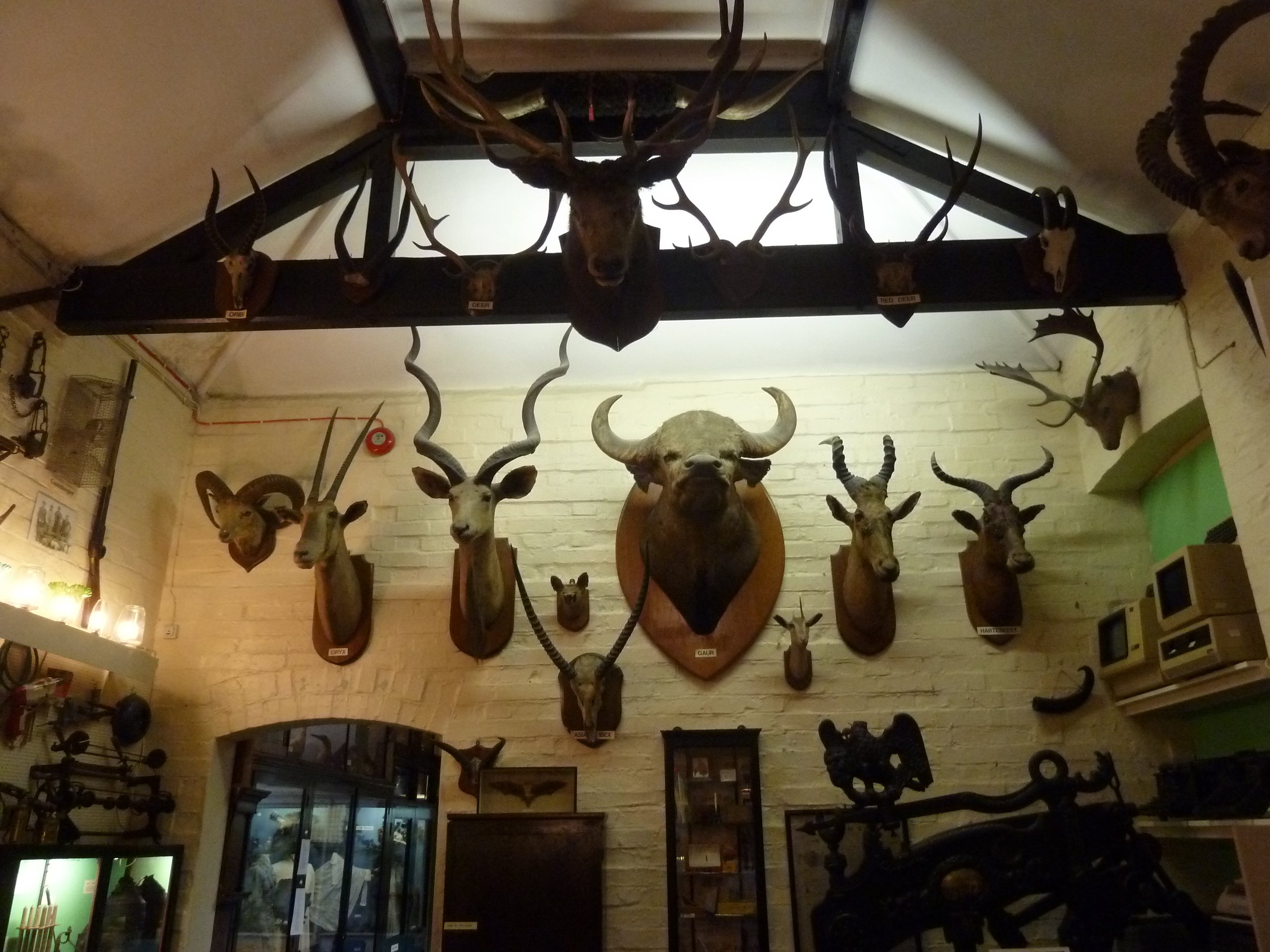
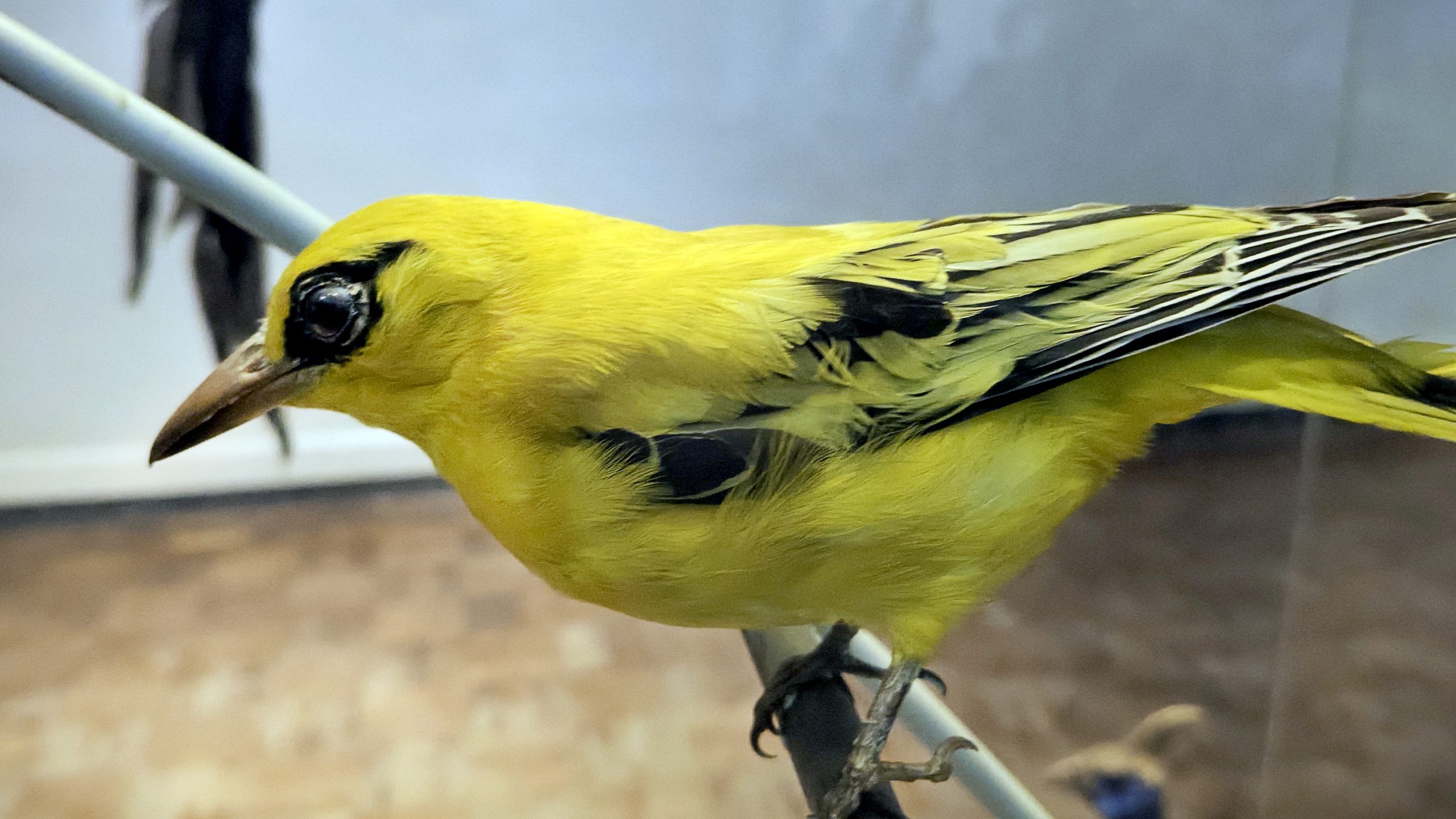
Not every animal presents the same mounting challenge. A small bird, a deer shoulder mount, and a full-body bear mount require different levels of preparation, materials, and finishing time. Larger specimens may need stronger forms, more extensive hide preparation, additional storage, and carefully planned posing. Even within one species, unusual antlers, damaged hides, or difficult anatomy can increase the workload. A project that takes 15 hours might require 30 hours when extra repairs and intricate details are involved. At $35 per hour, that difference adds $525 in labor before materials and other expenses.
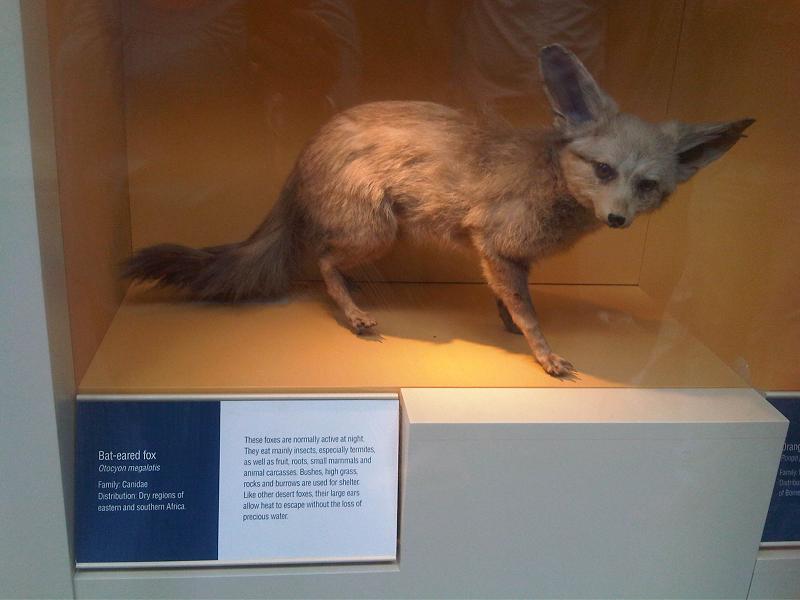
8. Experienced Specialists Have More Orders Than Available Time
A respected taxidermist cannot increase production indefinitely without risking quality. Each mount must pass through several stages, and some steps require waiting for tanning, drying, or materials to arrive. If a workshop receives 120 orders a year but can comfortably complete only 100, the backlog can stretch delivery times and make scheduling more difficult. Established specialists may raise prices to manage demand, compensate for their workload, or focus on projects that justify the time involved. This does not mean every taxidermist has doubled prices, but limited capacity can help explain why popular workshops charge substantially more than before.