Gun shows continue to attract people for several reasons, from collecting historical firearms to learning about outdoor traditions and comparing equipment in person. These events bring together collectors, hunters, sporting enthusiasts, and curious visitors under one roof. Although attendance varies by location, event size, and the wider economic climate, several factors help explain why gun shows remain relevant in an increasingly digital world. The experience offers something online shopping cannot fully reproduce: direct conversations, hands-on inspection of permitted merchandise, and access to a community with shared interests.
1. Collectors Want to Examine Historical Firearms in Person

Historical firearms remain a major attraction at many gun shows because photographs rarely reveal every detail that matters to a collector. Visitors can inspect markings, finishes, manufacturing variations, and signs of restoration before deciding whether an item deserves further research. A firearm produced 50 or 100 years ago may have a story that makes it more interesting than its condition or price alone suggests. Collectors also enjoy comparing examples from different manufacturers and production periods. With four key considerations, including authenticity, condition, provenance, and rarity, an in-person visit can provide useful observations that an online listing may leave unanswered.
2. Online Shopping Makes Price Comparisons More Informed
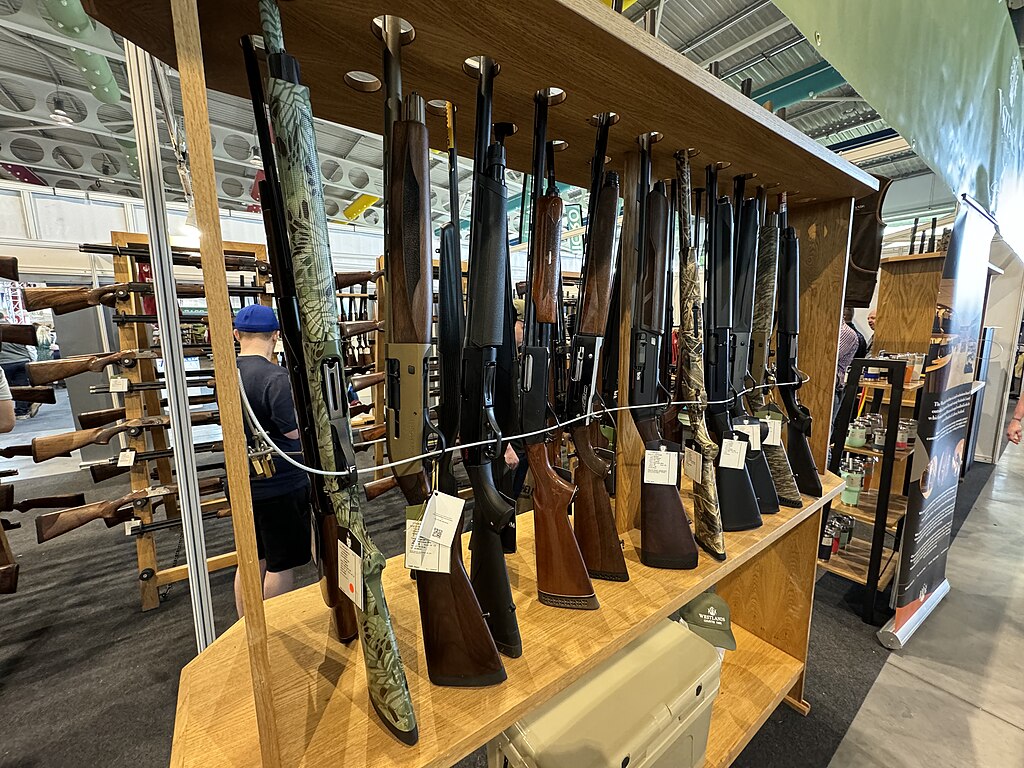
The internet has changed how visitors prepare for gun shows, allowing them to research typical prices before arriving. Buyers can compare several listings, review historical pricing information, and identify differences between standard production models and less common variations. For example, comparing prices across 3 independent listings can provide a useful starting point, although condition, location, and included accessories may affect the final value. This preparation makes the show floor more useful because visitors can ask specific questions rather than rely on advertised prices alone. The combination of online research and face-to-face discussion helps explain why physical events still have a place in a digital marketplace.
3. Face-to-Face Conversations Build Enthusiast Communities
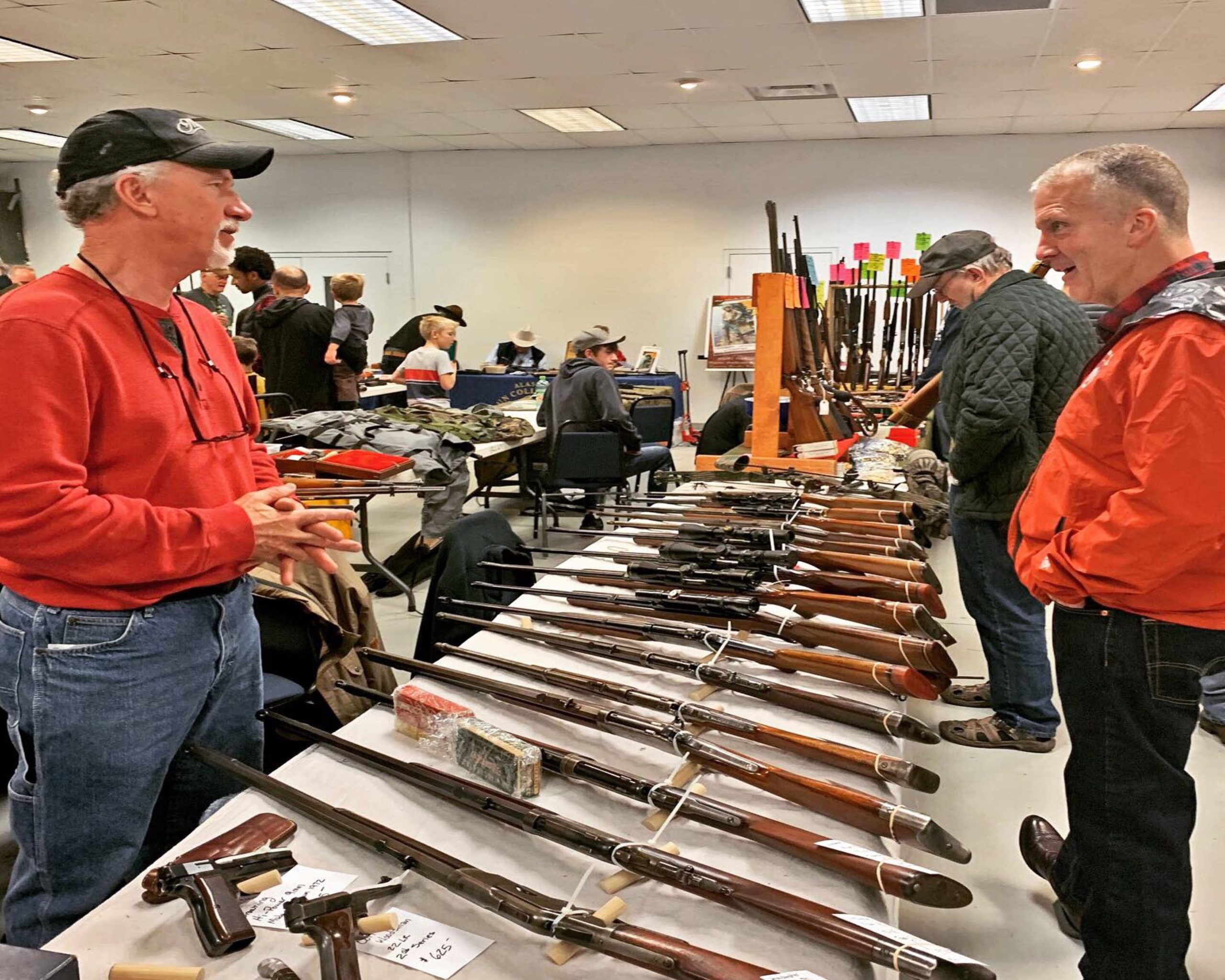
Gun shows offer opportunities to meet collectors, sporting enthusiasts, historians, and knowledgeable vendors who share an interest in firearms culture. A visitor might spend 15 minutes discussing a historical model, learning about a manufacturer, or hearing how collecting interests developed over several decades. These conversations can provide context that product descriptions rarely capture. Some visitors also attend with friends or relatives, turning the event into a shared hobby rather than a simple shopping trip. For newcomers, respectful conversations can make an unfamiliar environment easier to understand. The social experience remains one reason people return, even when they have no immediate plans to purchase anything.
4. Hunting and Outdoor Traditions Bring in New Visitors
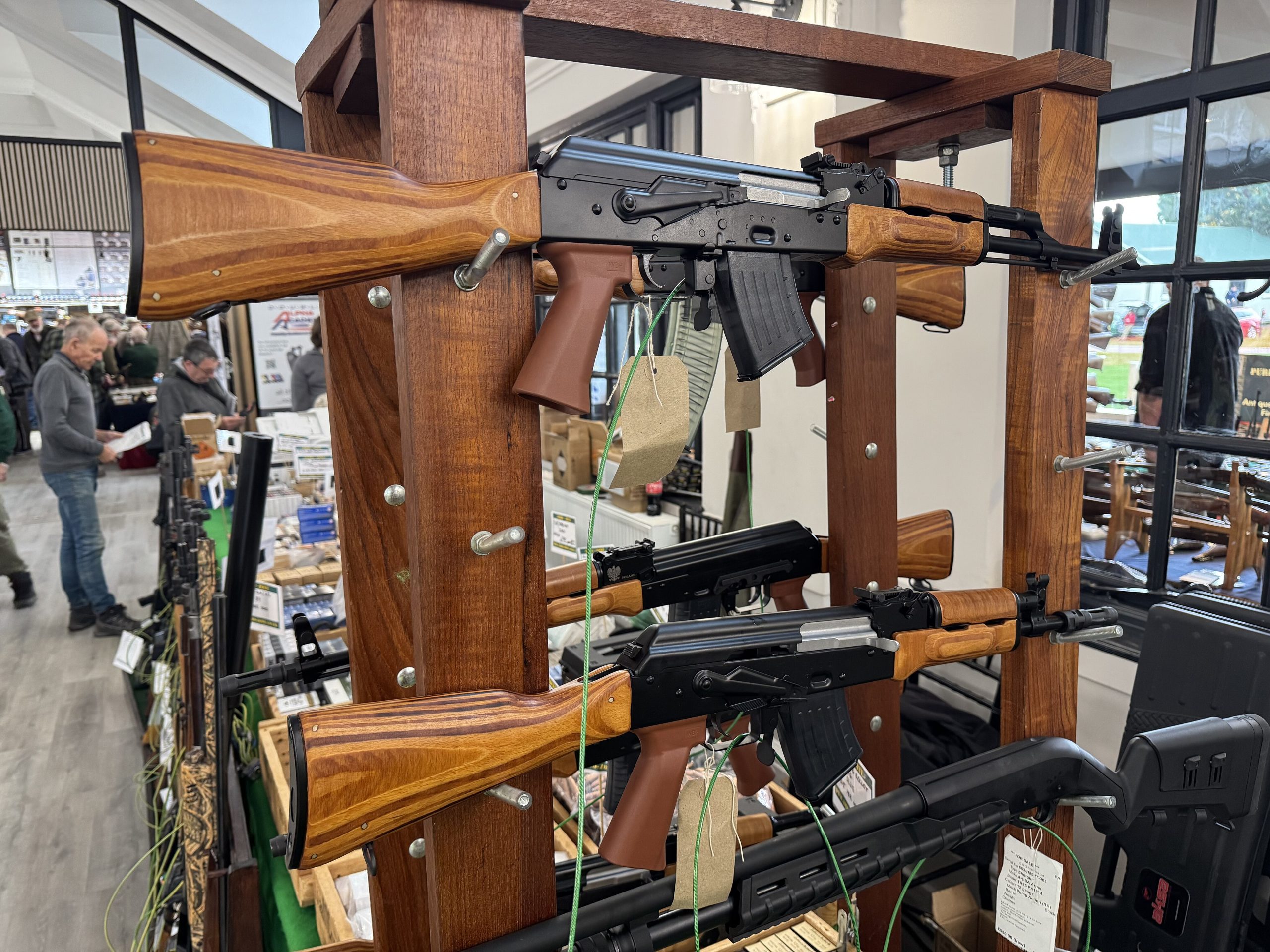
Hunting culture introduces many people to gun shows, particularly in regions where outdoor recreation has a long history. Visitors may be interested in hunting clothing, optics, camping equipment, wildlife publications, or information about local sporting clubs. A family planning its next outdoor season might spend 2 or 3 hours exploring exhibits and speaking with experienced participants. These interests extend beyond firearms themselves, giving events a broader appeal among people who enjoy rural traditions and outdoor activities. Seasonal hunting calendars, local regulations, and equipment needs can influence attendance, although the effect differs between regions. This connection to outdoor recreation helps sustain interest across generations.
5. Collectible Accessories Expand the Appeal Beyond Firearms

Not everyone attending a gun show is searching for a firearm. Depending on the event, exhibitors may display antique ammunition boxes, historical photographs, military memorabilia, vintage advertising, books, and collectible accessories. Someone interested in military history, for example, may spend an hour examining documents and artifacts without considering a firearm purchase. These items can appeal to collectors who enjoy researching manufacturing history, identifying original markings, or preserving objects from earlier periods. A show with 5 distinct categories of historical merchandise may attract a wider audience than one focused on a narrow selection of products. That variety gives visitors more reasons to explore the event.
6. Economic Uncertainty Encourages Careful Research

When household budgets feel tight, buyers often spend more time comparing prices and understanding the value of a potential purchase. Gun shows allow visitors to compare several exhibitors during one trip, ask questions about condition, and evaluate whether an asking price is reasonable. For instance, comparing 3 examples of a similar collectible may reveal meaningful differences in originality, completeness, or documented history. However, lower prices are not guaranteed, and travel costs, admission fees, taxes, and other expenses can affect the overall value of a visit. Some people attend simply to research the market before making a later decision. This practical approach can keep shows relevant even when discretionary spending slows.
7. Regional Events Give Visitors a Reason to Return
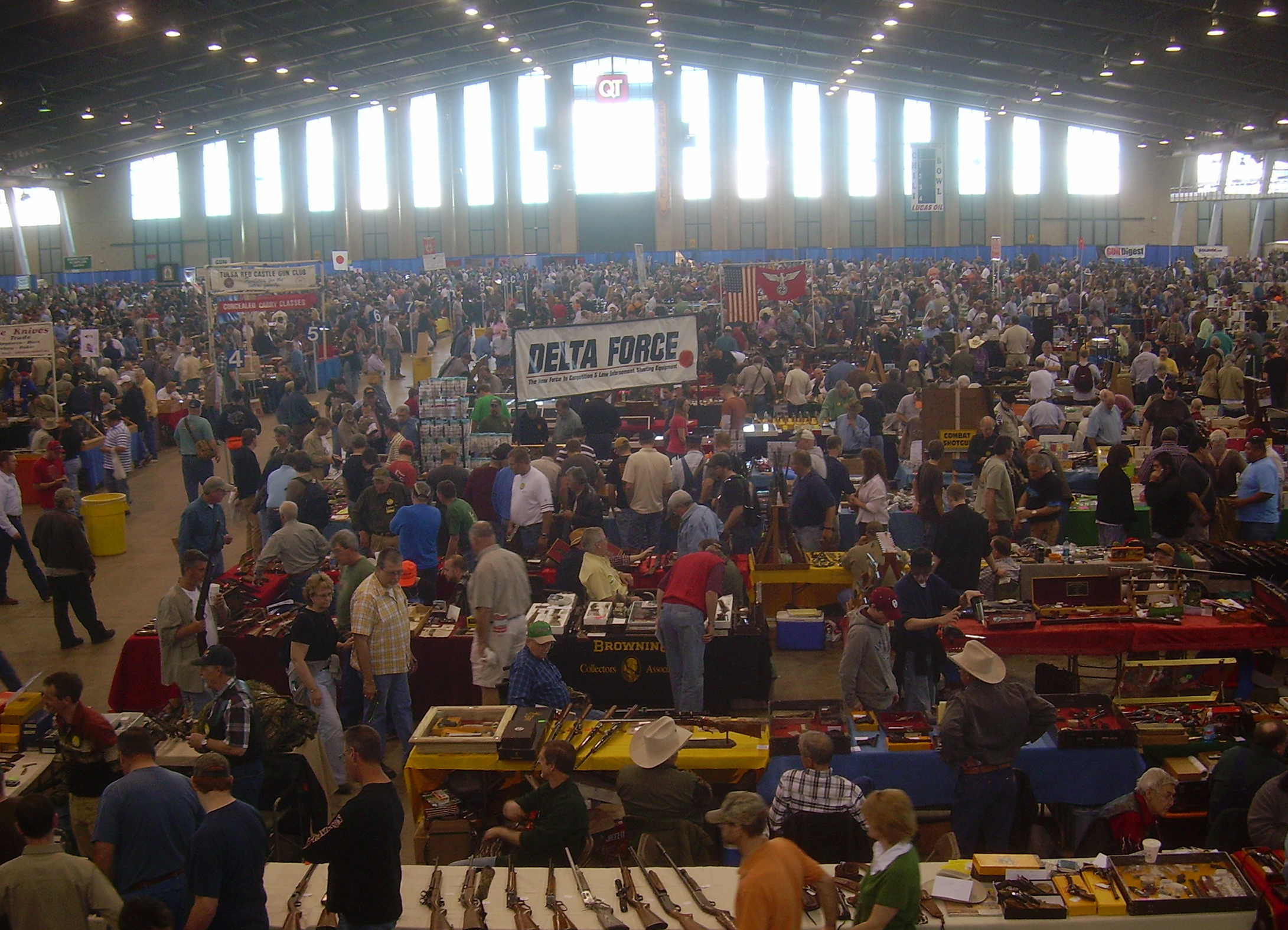
Local gun shows can develop regular audiences because familiar venues make it easier for collectors and enthusiasts to plan repeat visits. An event held 4 times a year, for example, gives returning attendees opportunities to meet vendors again, follow collecting interests, and discover merchandise that was not available at an earlier show. Exhibitor participation, venue accessibility, admission prices, and event promotion can all influence turnout. Some shows also feature educational displays or historical exhibits that appeal to visitors who are not active buyers. Still, repeat attendance should not automatically be interpreted as proof of an overall national increase. Local organizers need attendance records across multiple events to establish whether interest is genuinely growing.