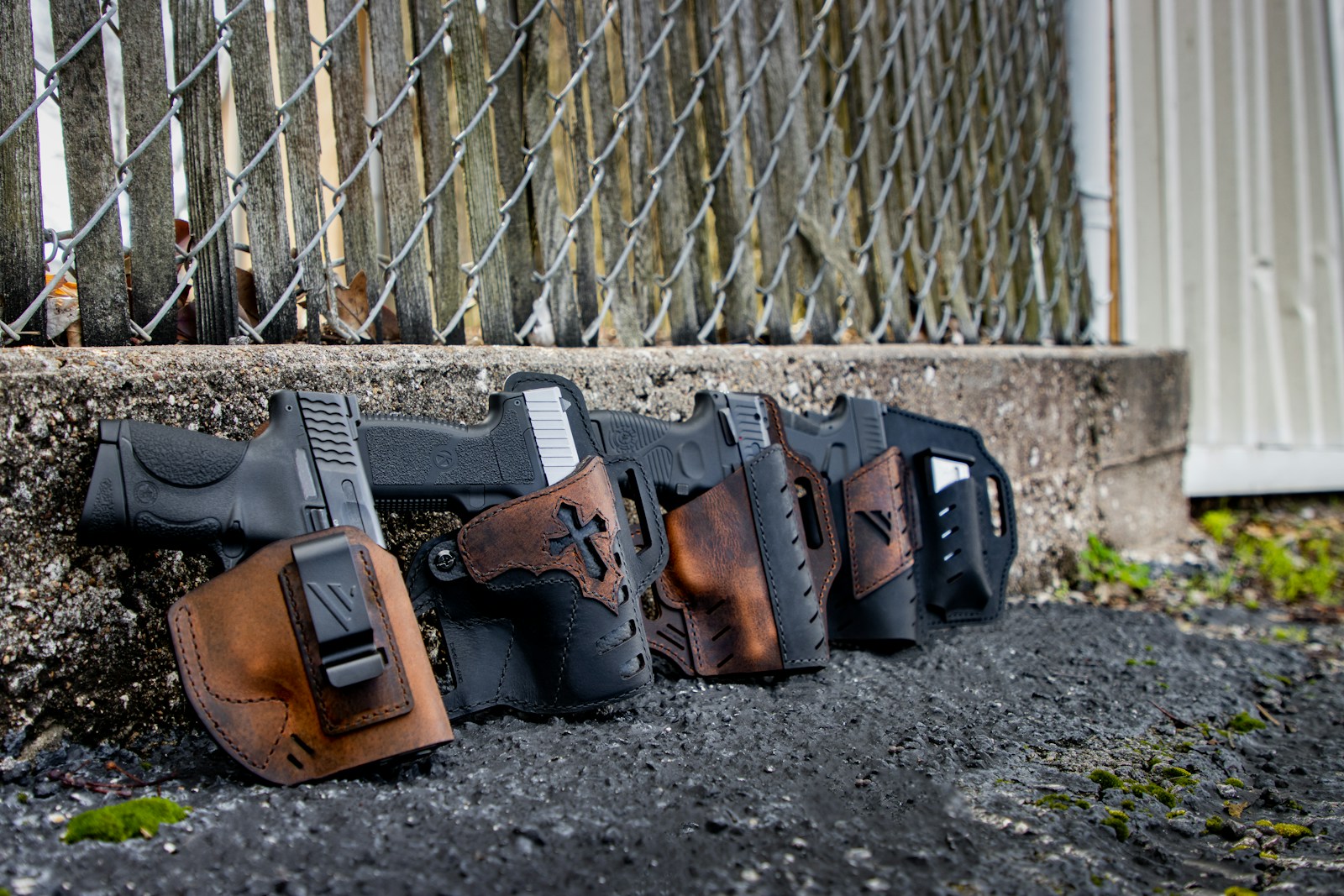
Firearm safe storage laws in the United States vary considerably from one state to another. While some states focus on preventing children from accessing guns, others impose additional responsibilities when a firearm is stolen, accessed by an unauthorized person, or left unsecured in a vehicle or home. The details matter because legal duties can depend on a child’s age, the circumstances of access, and whether the firearm was loaded. Here are 10 states with notably strict storage requirements, including the key rules, numerical details, and practical distinctions gun owners should understand.
1. California
California applies broad firearm storage requirements when a gun is not under the owner’s immediate control. State law requires reasonable steps to prevent access by a child under 18 and certain prohibited persons. Depending on the circumstances, this can mean using a locked container or an approved locking device rather than leaving a handgun accessible in a drawer or on a bedside table. A handgun such as the Glock 19 is subject to these rules just like other covered firearms. California also has specific requirements for firearms in vehicles, so owners should check the applicable law before transporting or leaving one unattended.
2. Connecticut
Connecticut imposes strict storage responsibilities when firearms are not within an owner’s direct control. Its laws address access by minors and certain prohibited individuals, making locked storage an important consideration in homes where children or other unauthorized people may be present. The relevant age threshold for child-access rules is under 18, although the exact legal consequences depend on the circumstances. Owners should not assume that hiding a handgun behind clothing or placing it on a high shelf meets their obligations. A properly secured container or locking device offers a more dependable safeguard against unauthorized handling.
3. Massachusetts
Massachusetts is particularly demanding because its law generally requires firearms to be secured in a locked container or equipped with a tamper-resistant mechanical lock or other approved safety device when not carried or under the owner’s control. The rules apply to handguns as well as other covered firearms, and the state’s licensing system adds another layer of responsibility. A pistol left unsecured in a home can therefore create legal problems even if nobody actually touches it. Owners should review the current statutory exceptions and ensure that storage arrangements comply with state requirements, rather than relying on informal precautions alone.
4. Oregon
Oregon requires firearms to be secured when they are not being carried or under the owner’s control, subject to statutory exceptions. Its framework includes locked containers and qualifying trigger or cable locks as possible ways to prevent unauthorized access. The child-access provisions cover people under 18, while other rules can apply when a firearm is accessed or used by someone who should not possess it. A handgun stored at home should therefore be treated as requiring deliberate security, not simply concealment. Owners should also check Oregon’s separate vehicle-storage provisions, since leaving a firearm in a parked car can create additional responsibilities.
5. Hawaii
Hawaii takes a broad approach to preventing unauthorized firearm access. Its storage requirements generally apply when a firearm is not in the owner’s immediate control, with protections addressing children under 18 and certain prohibited individuals. This makes secure storage important even when a gun is kept inside a private residence. Owners should use a locked container or another legally qualifying method instead of relying on a concealed location. Hawaii also regulates firearm possession and transportation separately, so a storage method that works at home should not automatically be assumed sufficient in a vehicle. Checking the applicable statutory exceptions is essential.
6. New York
New York has specific requirements for preventing children and other unauthorized people from gaining access to firearms. Its child-access rules generally cover children under 16, and certain provisions require secure storage when a child is likely to gain access. The law also addresses situations involving people legally prohibited from possessing guns. For owners of handguns, this means considering who lives in or visits the home, rather than focusing only on whether the firearm is hidden. A locked safe or suitable lock can help prevent unauthorized access, but owners must check which storage method satisfies the particular legal requirement.
7. Colorado
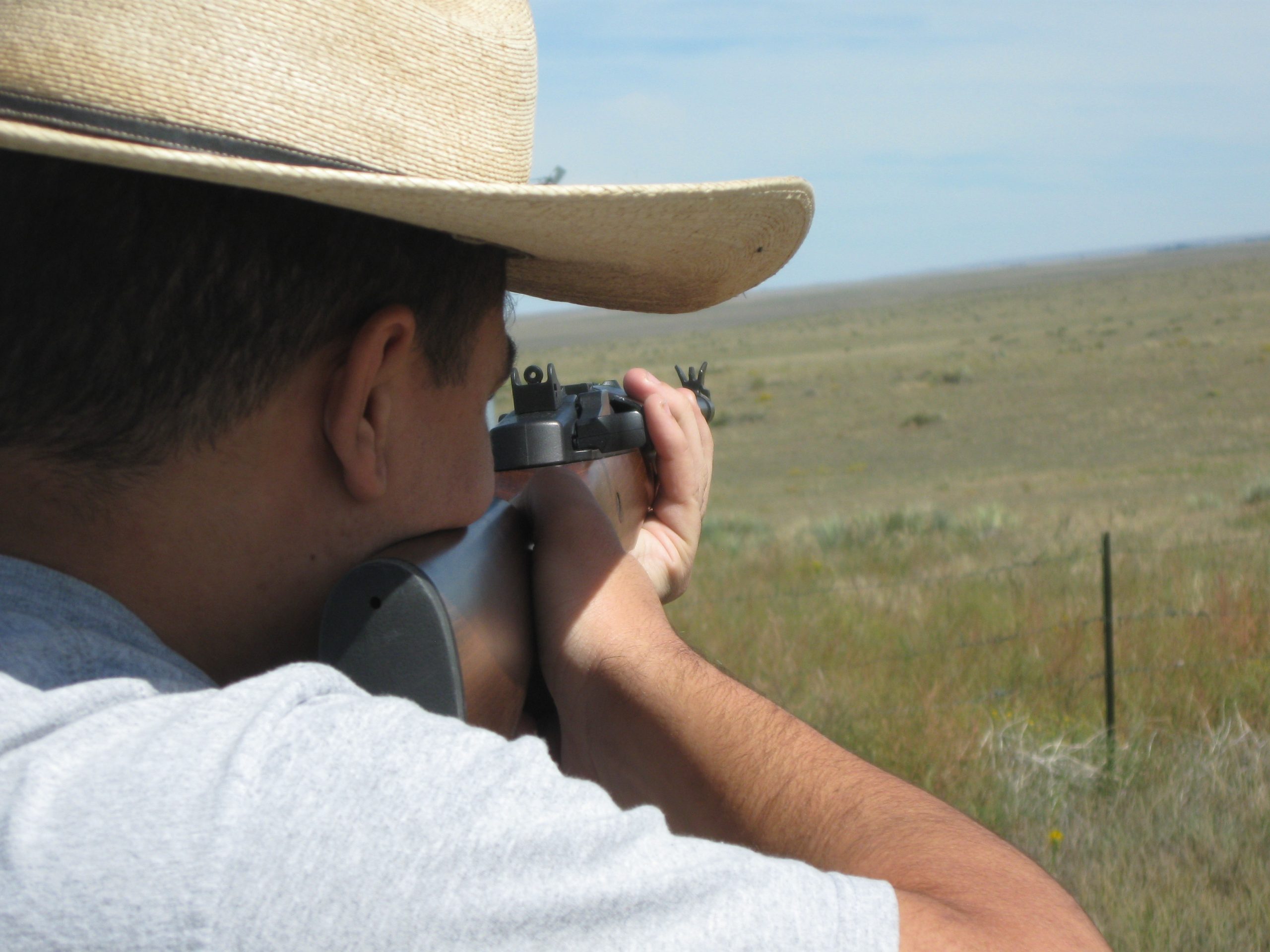
Colorado requires firearm owners to take reasonable steps to prevent access by unauthorized people, including children under 18. Its secure-storage law provides for qualifying locked containers and locking devices, with exceptions defined by statute. The legal concern is not limited to a child actually firing a gun; unauthorized access itself can have consequences under applicable provisions. Owners should therefore assess whether a firearm is genuinely inaccessible, even when stored in a bedroom, office, or other private space. Colorado also has rules addressing firearms left in vehicles, making it important to distinguish home storage from vehicle security.
8. Illinois
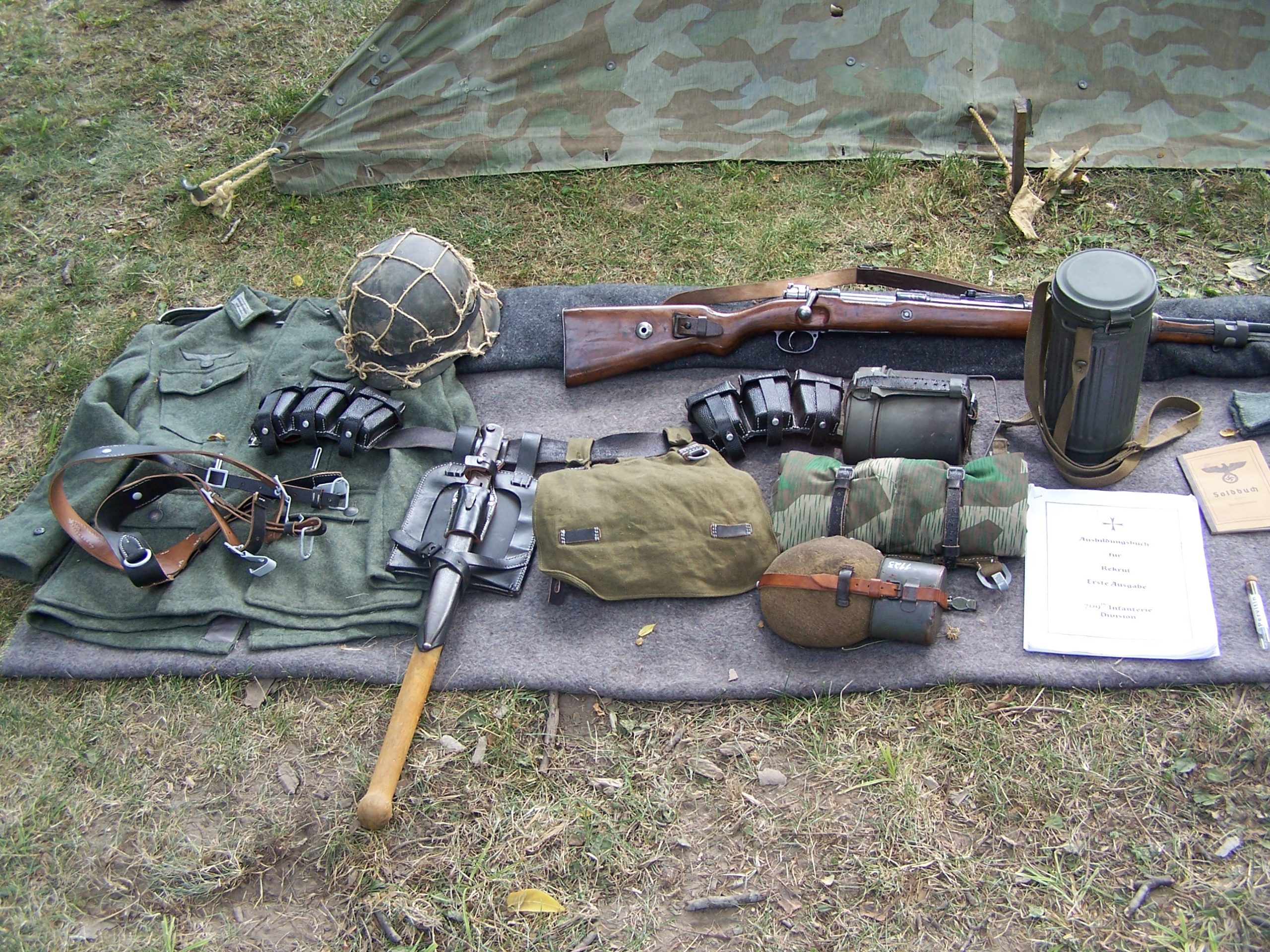
Illinois requires firearm owners to take secure-storage responsibilities seriously, particularly where a minor or prohibited person could gain access. Its child-access framework generally covers people under 18, and recent legislative changes have strengthened the state’s approach to firearm safety. Owners should examine the current requirements for locking devices, containers, and circumstances in which a firearm must be secured. Leaving a handgun accessible on furniture or inside an unlocked bedside drawer can create avoidable risks and potential legal exposure. Because Illinois rules may interact with local requirements and other firearm laws, owners should verify the provisions currently applicable to their situation.
9. Rhode Island
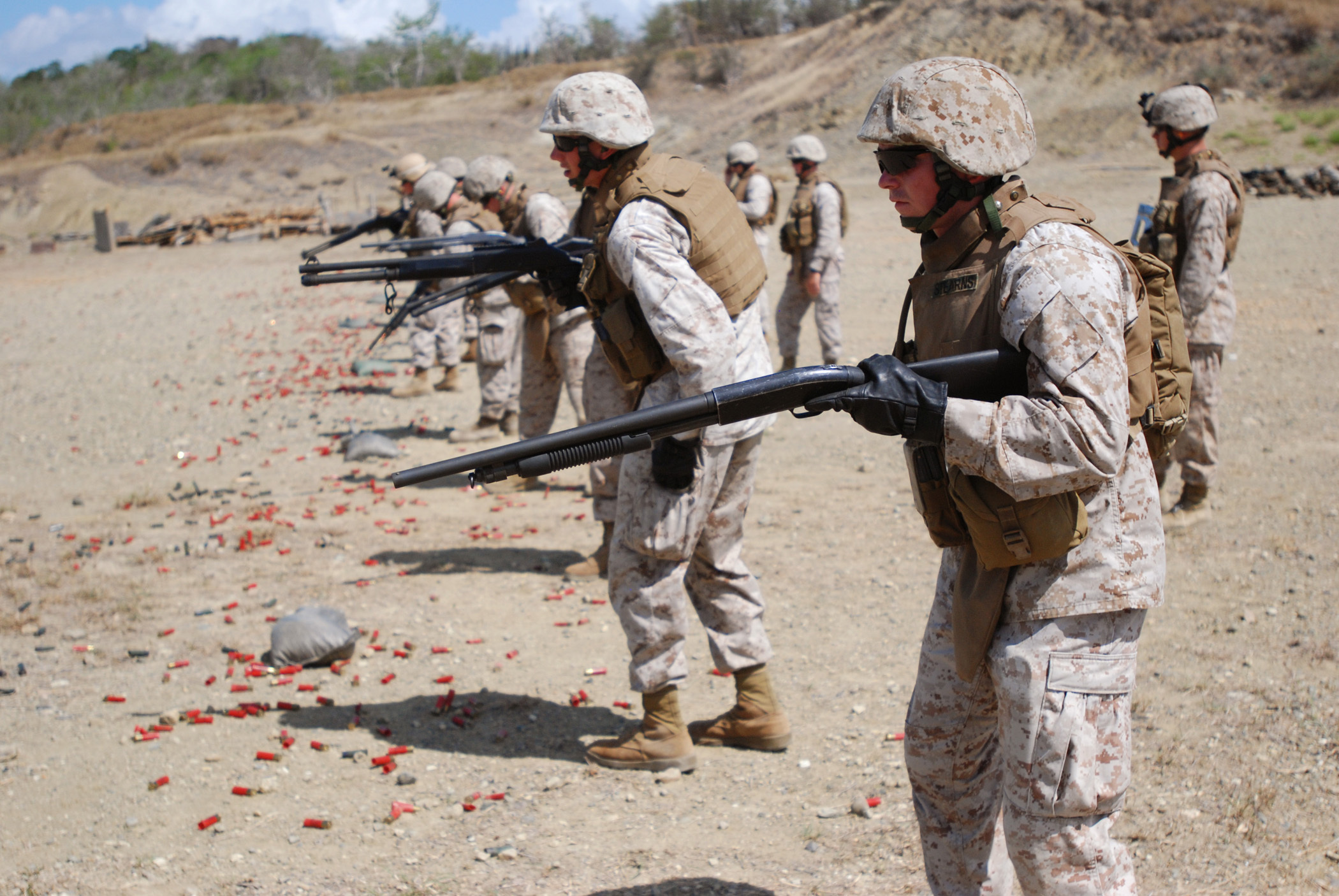
Rhode Island has storage requirements that generally apply when a firearm is not under the owner’s immediate control. The state’s framework addresses access by children under 18 and certain people prohibited from possessing firearms. This places responsibility on owners to consider how a gun is stored between uses, not just how it is handled at a shooting range. A locked safe or qualifying firearm lock can help reduce the possibility of accidental access, theft, or unauthorized handling. Owners should also review the rules governing transport and temporary storage, since the legal requirements may differ depending on where the firearm is kept.
10. Washington
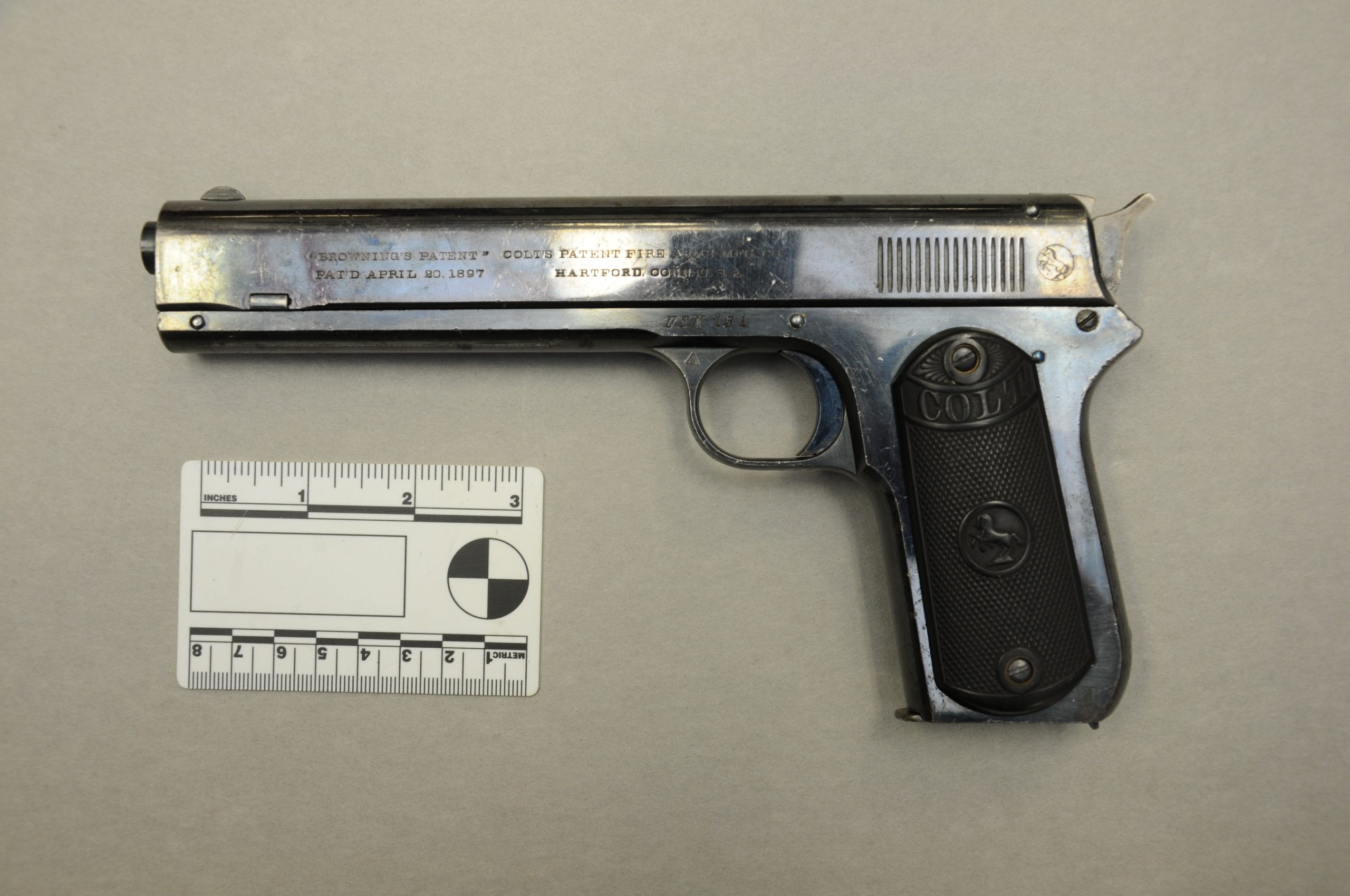
Washington combines child-access provisions with penalties that can apply when a firearm is accessed or used by an unauthorized person. Its framework generally covers children under 18 and includes circumstances in which an owner may face liability after a minor gains access. The precise consequences depend on the facts and the applicable statutory provisions. For handgun owners, responsible storage means using an appropriate lock or locked container and avoiding locations where children or visitors can readily reach the firearm. Owners should also check Washington’s rules concerning unattended firearms in vehicles, because those situations may involve additional requirements and potential penalties.