For years, food plots were treated almost like the final answer to better deer hunting. Now, some of the hunters with the deepest track records are quietly moving in the other direction.
Food plots solved a problem, until they created new ones
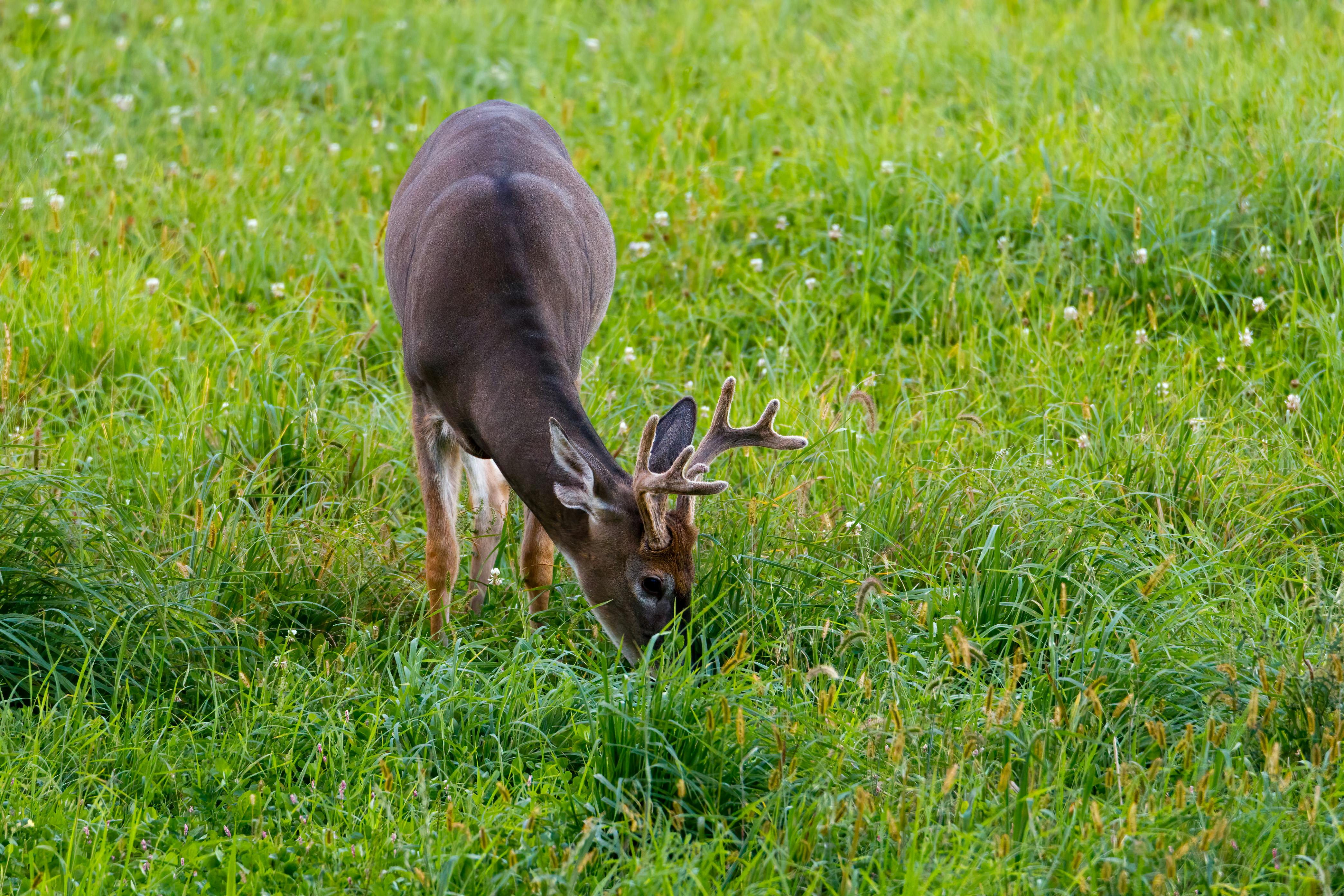
Food plots became popular for a simple reason: they worked. A well-placed patch of clover, brassicas, soybeans, or cereal grains could pull deer into daylight, improve local nutrition, and give hunters a predictable place to set up. In heavily timbered country or on properties with poor native forage, plots often changed the whole game.
But veteran hunters have learned that what works once does not always keep working under pressure. Deer are adaptable, and mature bucks are especially quick to associate concentrated food with danger. On small and midsize parcels, a plot can become the most obvious destination on the property, which also makes it the easiest place for deer to monitor with their nose and approach after dark.
Many experienced hunters now say the problem is not the food itself. It is the way plots can encourage lazy hunting. When every plan revolves around a green field and a box blind, hunters may spend less time learning bedding cover, terrain, access routes, and seasonal movement. Over time, that can make a hunter less effective, not more.
Mature bucks rarely make big mistakes twice.

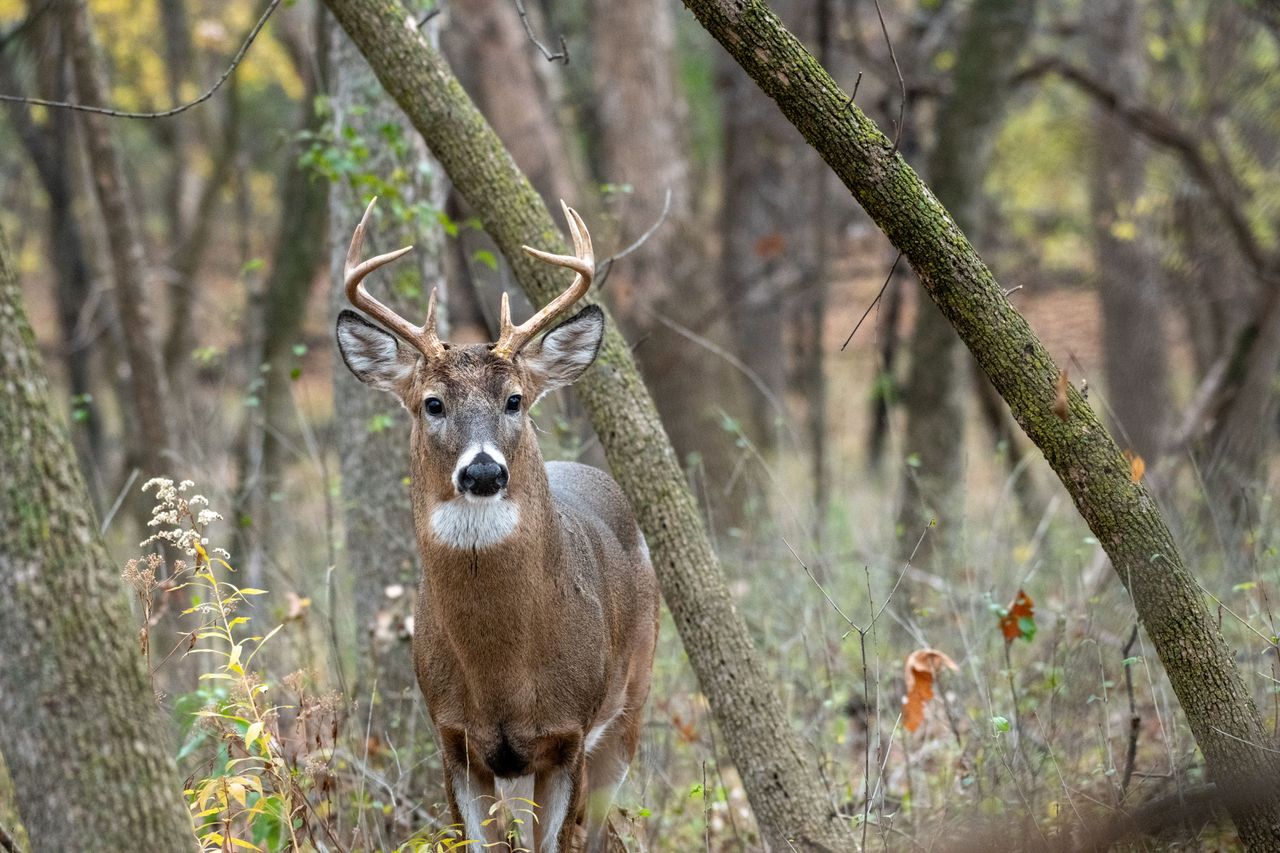
If there is one lesson longtime whitetail hunters repeat, it is that mature bucks survive by detecting patterns. A buck that lives to 4 1/2 or 5 1/2 years old has usually seen vehicles on field edges, smelled human entry routes, and watched other deer react to danger. That history matters more than any seed blend.
Trail camera data from many private-land hunters shows a familiar pattern. Younger bucks and does may hit plots in daylight consistently, while older bucks stage 40 to 80 yards back in cover, scent-check from downwind, or wait until legal shooting light is nearly gone. Hunters may feel like the plot is full of deer, yet the one deer they are targeting almost never truly commits.
That is why some veterans are abandoning the destination and focusing on the route. Rather than hunt the food source itself, they scout the last secure cover before deer emerge. The old-school logic is straightforward: kill a mature buck where he feels safe, not where he expects trouble. That approach usually means tighter setups, less margin for error, and far more attention to wind and entry.
Native habitat often outperforms planted grocerie.s
One reason skilled hunters are going back to basics is that many properties already hold enough natural food to support deer movement. Acorns, soft mast, green browse, stump sprouts, forbs, and regenerating cutovers can spread feeding activity across a much wider area than a single plot. In good mast years, a planted field may not even be the top draw on the farm.
Habitat managers have pointed out for years that native diversity often creates more consistent use than a monoculture patch. Deer do not live by protein percentages alone. They live where they can feed, bed, and escape pressure efficiently. A tangled edge with browse, thermal cover, and multiple wind options may attract older bucks more reliably than an open plot they can only enter after dark.
That does not mean food plots are useless. It means they are sometimes overrated compared with hinge-cut bedding, timber stand improvement, prescribed fire, or letting early successional cover develop. Hunters who once spent thousands on seed, lime, fertilizer, and equipment are realizing those dollars may produce better hunting if invested in security cover and access improvements instead.
Pressure has changed the way good hunters think
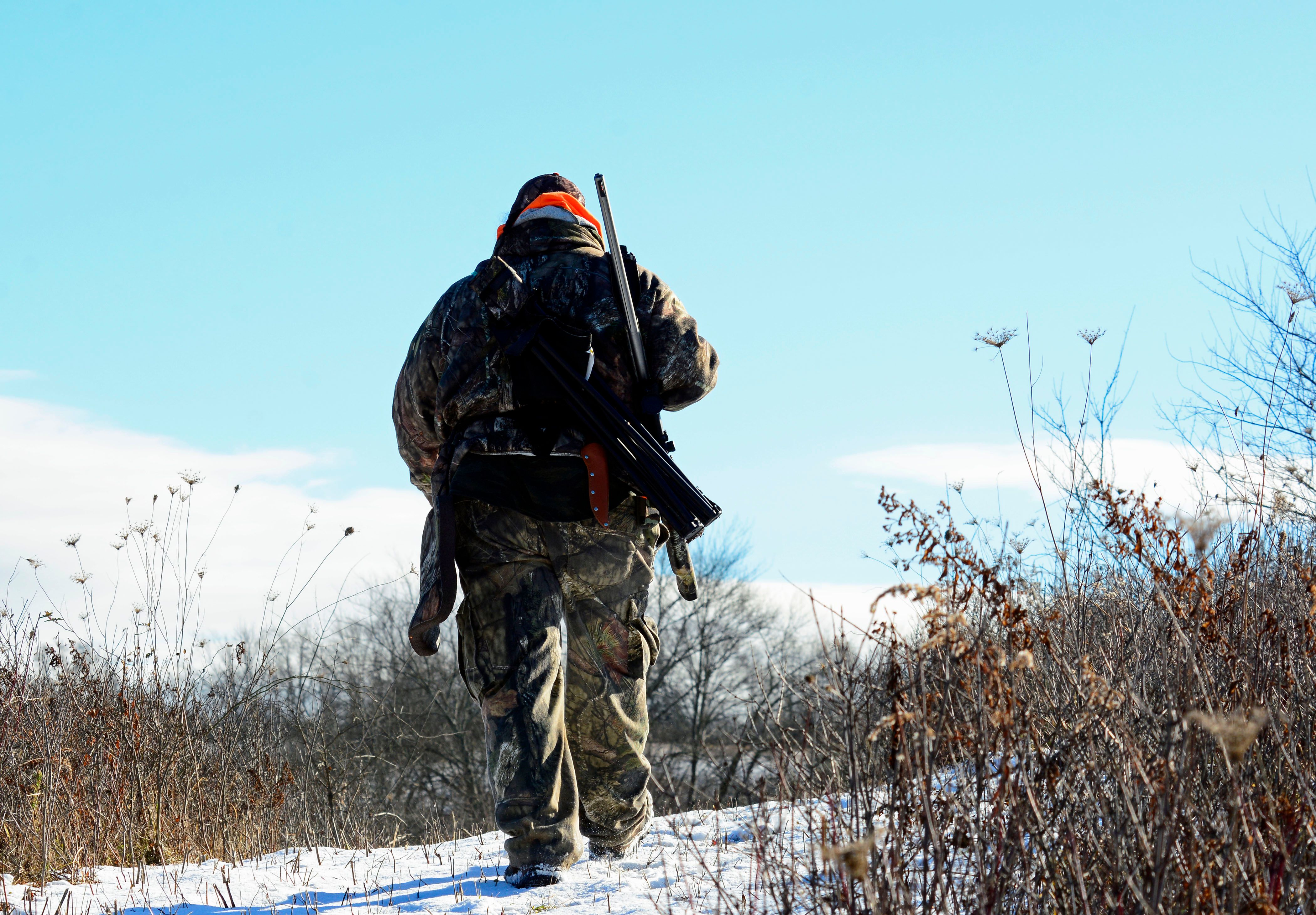
A major reason for the shift is hunting pressure, both on private ground and public land. In many regions, deer have more human contact than they did 20 years ago. They are dealing with more trail cameras, more off-season intrusion, more ATV traffic, and more stand sites near obvious food. Smart bucks respond by shrinking daylight movement and using cover with incredible discipline.
Experienced hunters tend to notice that pressure is cumulative. It is not just the shot or the bad wind on opening morning. It is every trip to refill feeders where legal, every summer camera check, every boot track along a field edge, and every evening spent educating deer from the same blind. Food plots often become the center of all that activity.
Going back to basics usually means reducing disturbance first. Hunters are parking farther away, slipping in through ditches, creeks, and low spots, and hanging mobile setups only when conditions are right. Some have cut the number of sites on a property in half. It sounds counterintuitive, but on mature bucks, hunting less often can mean hunting far more effectively.
Old-school woodsmanship is winning again.
When veteran hunters say they are going back to basics, they usually mean returning to woodsmanship. They are reading fresh tracks in mud, identifying preferred crossings, watching how wind moves through saddles, and learning where browse lines suddenly stop. They are paying attention to the little clues that tell you not just where deer are, but how they are using a place under current conditions.
This style of hunting is less photogenic than a lush food plot, but often more lethal. A rub line that tightens along a bench, a scrape cluster near a bedding point, or a faint trail skirting thick cover can reveal a mature buck’s daylight pattern more accurately than a month of field-edge observation. Hunters who trust those signs can set up closer to the first movement.
Mobile gear has helped fuel this return. Saddle systems, lightweight hang-ons, and compact climbing sticks let hunters adapt quickly to fresh sign. Instead of forcing deer to fit a permanent plot-centered setup, they move with the pattern. In many cases, the method looks modern, but the thinking behind it is as old as deer hunting itself.
The economics no longer make sense for everyone.
There is also a practical side to this trend. Food plots are expensive, time-consuming, and vulnerable to weather. Depending on the region, a hunter may need soil tests, lime, fertilizer, herbicide, diesel, seed, and equipment maintenance just to establish a productive acre or two. Then come drought, flood, overbrowsing, crop failure, or a poor germination window that wipes out the plan.
For landowners with larger budgets, those costs may be acceptable as part of a broader management strategy. But many experienced hunters are asking a harder question: Is the return on that investment actually producing more encounters with mature bucks? In plenty of cases, the answer is no. They may be seeing more deer overall without improving odds on the oldest age class.
That realization is pushing hunters toward lower-cost, higher-impact improvements. Screening cover, access trails, quiet creek crossings, invasive control, and selective cutting often improve huntability more than another half-acre of brassicas. The money saved can also go toward better optics, boots, or simply more time scouting, which many veterans consider the most valuable investment of all.
Going back to basics is not going backward.
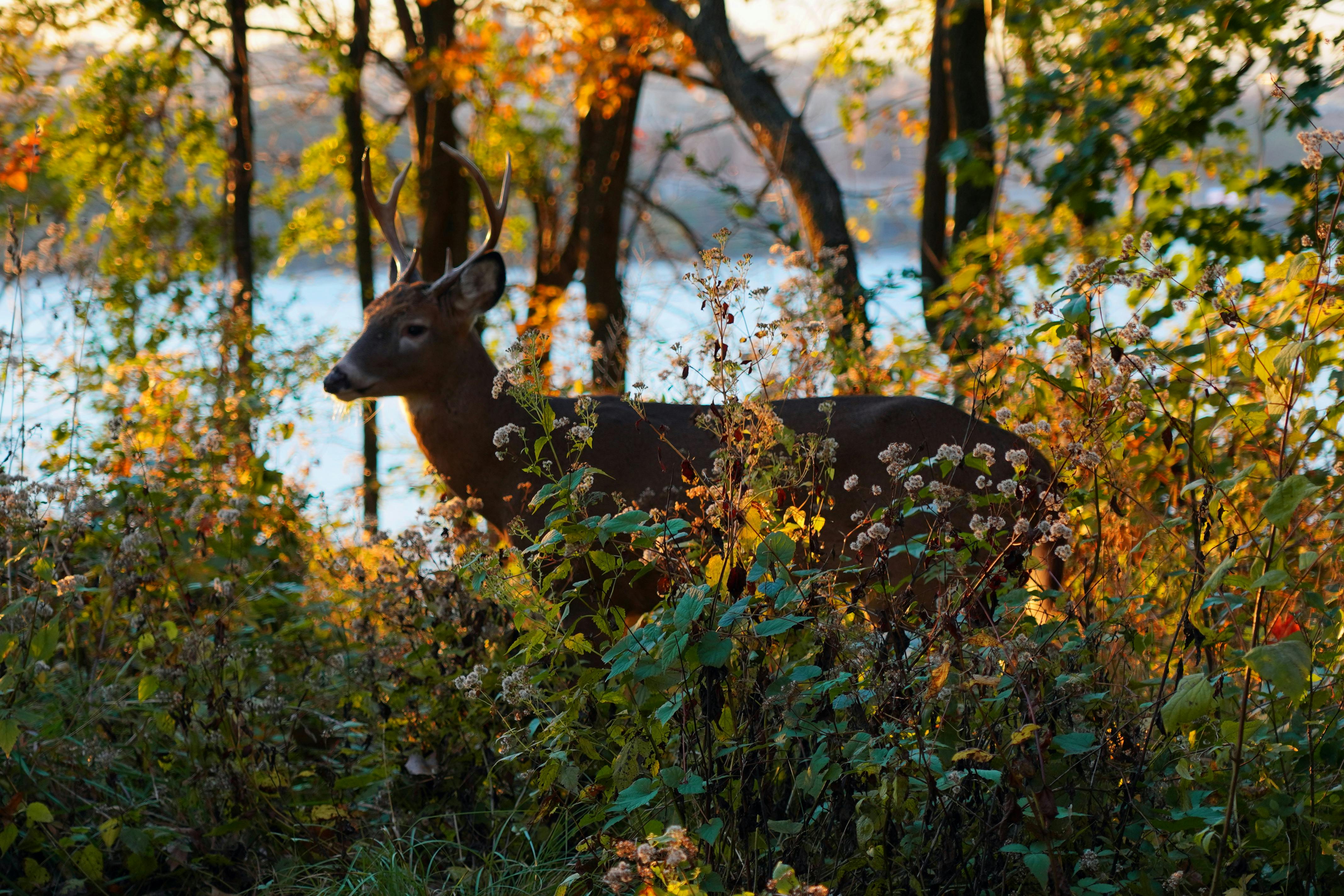
It would be a mistake to frame this shift as anti-food plot dogma. Plenty of elite whitetail hunters still use plots effectively, especially on larger farms where they can separate destination food, staging cover, and low-impact access. The real lesson is that experienced hunters are becoming more selective about when plots help and when they hurt.
In many cases, abandoning plots entirely is a way of forcing discipline. Without a planted destination to rely on, hunters must understand wind, topography, bedding, browse, and timing at a deeper level. They start hunting deer where deer actually want to be, not where humans wish they would appear. That often leads to fewer comfortable sits and more meaningful opportunities.
So the return to basics is really a return to priorities. Security beats attraction. Access beats acreage. Observation beats assumption. And for hunters chasing mature whitetails in a world full of pressure, the oldest lesson still holds up best: find the places deer trust, enter carefully, and let the woods tell you the rest.