A lot of firearm damage does not come from hard use. It comes from well-meaning cleaning routines that seem harmless but slowly create wear, corrosion, or reliability issues. This gallery breaks down nine common mistakes many owners make, and explains how a few smarter habits can help keep guns functioning and looking their best.
Using Too Much Solvent

More cleaner does not always mean a cleaner gun. When solvent is poured on heavily, it can seep into places it was never meant to go, including stocks, optics interfaces, trigger housings, and hidden recesses where it stays trapped longer than expected.
That extra liquid can soften some finishes, strip protective oils, and leave residue that attracts grime. On certain materials, especially wood, overuse can stain or swell surfaces over time. A lightly wetted patch or brush is often far more effective than soaking everything in sight.
The goal is controlled cleaning, not chemical flooding. Precision usually protects a firearm better than excess.
Over-Oiling Moving Parts

Lubrication is essential, but too much oil creates its own problems. Excess lubricant collects carbon, dust, and unburned powder, turning smooth-running parts into sticky messes that can slow cycling and increase wear in places owners rarely inspect.
Oil also migrates. It can drift into magazines, primers, wood stocks, and grip areas, causing contamination or leaving surfaces unpleasantly slick. In cold conditions, heavy lubrication can thicken and make a firearm feel sluggish when reliability matters most.
A thin film on the right contact points usually does the job. If oil is visibly pooling or dripping, there is a good chance the firearm has more than it needs.
Scrubbing the Bore With the Wrong Rod
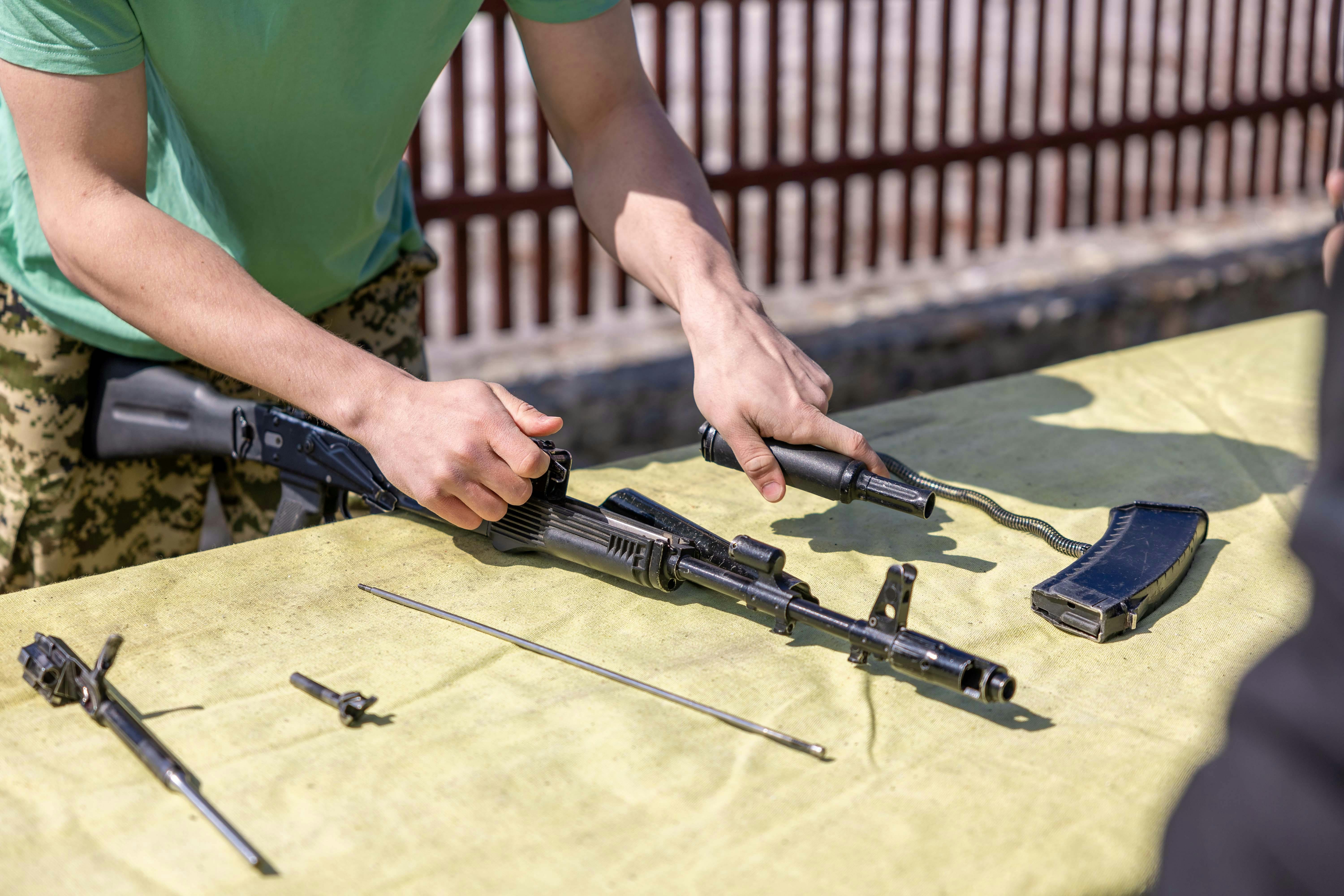
Cleaning rods seem simple, but the wrong one can quietly damage a barrel. Cheap, rough, or poorly coated rods can rub against the bore or crown and create wear that slowly affects accuracy, especially when used aggressively or from the muzzle end.
Sectioned rods can be another issue because joints may flex or pick up grit. Once debris gets embedded, the rod itself starts acting like sandpaper. That is a frustrating way to harm the very surface you are trying to preserve.
A quality one-piece rod, proper bore guide, and steady technique reduce that risk. Good cleaning tools often protect accuracy just as much as they improve cleanliness.
Ignoring the Damage Caused by Dirty Brushes and Patches

Owners often focus on the gun and forget the condition of the tools touching it. A dirty bronze brush, reused patch, or rag full of grit can drag fouling and tiny abrasive particles across metal surfaces, doing more harm with each pass.
That problem is easy to miss because the damage is gradual. A patch that looks harmless may already be holding carbon, metal flakes, or range debris. The same goes for brushes tossed loosely into a toolbox and reused without inspection.
Clean tools matter as much as clean technique. Fresh patches, well-maintained brushes, and separate cloths for different products help prevent a basic cleaning session from becoming a source of unnecessary wear.
Cleaning From the Muzzle Without Protection

When a rod enters from the muzzle without a guide, the crown is put at risk. That small edge at the end of the barrel plays a major role in accuracy, and even minor wear there can affect how consistently a bullet exits.
This mistake is common with rifles that are awkward to access from the breech. In a rush, owners may push a rod in from the front and assume a few passes cannot matter. Repeated over time, though, that contact adds up.
Using a bore guide or choosing tools that allow breech-end cleaning is a safer habit. Protecting the crown is one of those small details that can preserve performance for years.
Letting Solvent Sit Too Long

Many cleaners are designed to loosen fouling quickly, not soak indefinitely. Leaving solvent in a bore or on a finish for too long can etch, discolor, or dry out surfaces depending on the formula and the firearm’s materials.
This is especially risky when a product is used casually without reading the label. Copper removers, degreasers, and aggressive carbon cleaners may be effective, but they are not all gentle. What helps one metal part may be harsh on another finish or component nearby.
Timing matters more than many owners realize. Following product directions and wiping down surfaces promptly can prevent a routine cleaning from turning into accidental chemical damage.
Skipping the Drying Step After Cleaning

A firearm can look spotless and still be vulnerable if moisture or solvent remains hidden inside. After cleaning, liquid often lingers in screw holes, extractor cuts, magazine wells, and other tight spaces where rust can quietly begin.
That risk increases when compressed air, dry patches, or a careful wipe-down are skipped. Even stainless steel is not immune to corrosion, and leftover cleaner can dilute lubricant or leave behind residues that affect smooth function later.
Drying is not the glamorous part of maintenance, but it is one of the most protective. A few extra minutes spent removing hidden moisture can save a firearm from pitting, staining, or sluggish operation.
Taking the Gun Apart Further Than Necessary

Deep disassembly can feel thorough, but it is often where preventable damage begins. Pins get marred, springs launch across rooms, screws strip, and small parts are reinstalled incorrectly, all in the name of a cleaning job that never required full teardown.
Some owners assume every maintenance session should involve total disassembly. In reality, most routine cleaning only calls for field stripping and careful attention to fouling, lubrication points, and visible wear. Going beyond that without a clear reason can create more problems than it solves.
Restraint is part of good gun care. Unless the manual or a specific issue calls for deeper work, simpler maintenance is usually the safer choice.
Using Household Cleaners Instead of Gun-Safe Products

It is tempting to reach for whatever cleaner is already under the sink, but many household products are far too harsh for firearms. Ammonia-heavy sprays, strong degreasers, and general-purpose solvents can damage finishes, dry out protective coatings, or react badly with certain materials.
The danger is not always immediate. A gun may look fine after one cleaning, then begin showing dull spots, brittle seals, or corrosion weeks later. Plastics, wood, optics coatings, and painted surfaces are especially vulnerable when the wrong chemistry is used.
Products made for firearms are not just marketing. They are formulated with specific metals, finishes, and lubrication needs in mind, which makes them a much safer long-term choice.