Long before freezers and vacuum sealers, cooks on the frontier had to make meat last through heat, distance, and lean seasons. The methods they developed were practical, surprisingly refined, and often produced better flavor than modern packaged options. These seven techniques reveal how preservation once doubled as craftsmanship, turning necessity into an art worth revisiting.
Cold Smoking
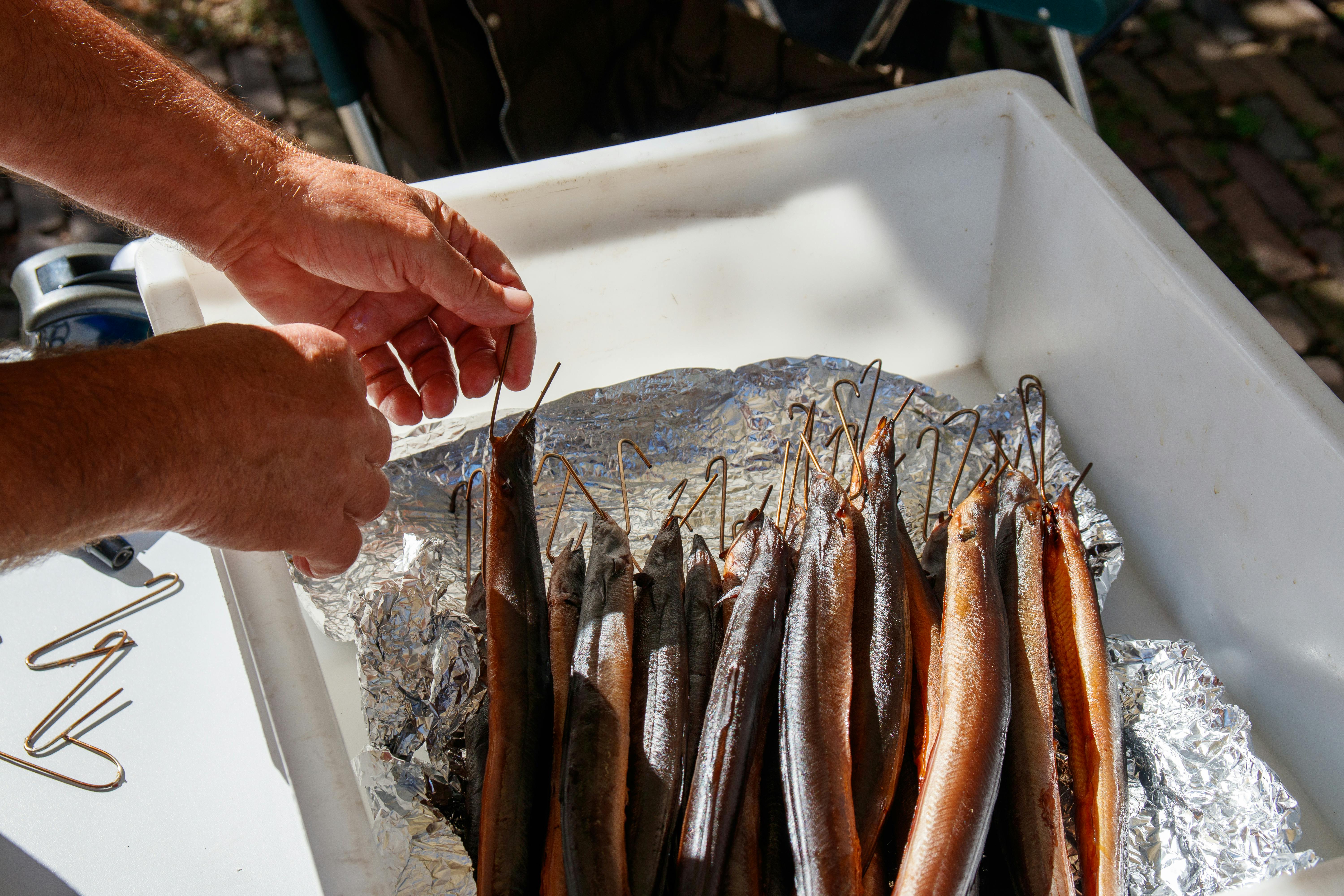
Cold smoking was less about cooking and more about surrounding meat with a steady stream of cool, fragrant smoke for hours or even days. On the frontier, that slow exposure helped dry the surface, discouraged spoilage, and laid down a deep flavor modern deli meat rarely touches.
Done well, it created meat that tasted layered rather than simply salty. Hickory, apple, and oak each brought something different, and experienced hands knew smoke flow mattered as much as wood choice.
What makes it feel superior today is the balance. Instead of tasting processed or overcured, properly cold-smoked meat keeps its texture while gaining a savory edge that feels handmade in the best possible way.
Dry Salting

Dry salting was one of the frontier’s simplest miracles. Meat was packed or rubbed with coarse salt, then left to let time and chemistry do the hard work. Salt pulled out moisture, made life difficult for bacteria, and concentrated flavor until every bite carried real intensity.
Unlike many modern brines, dry salting did not water the meat down. It firmed the flesh and created a denser, more satisfying texture that held up beautifully in storage and in cooking.
There was also an economy to it that feels almost radical now. A barrel, a cool room, and enough salt could preserve a season’s worth of protein without electricity, plastic, or anything that needed replacing every year.
Jerking
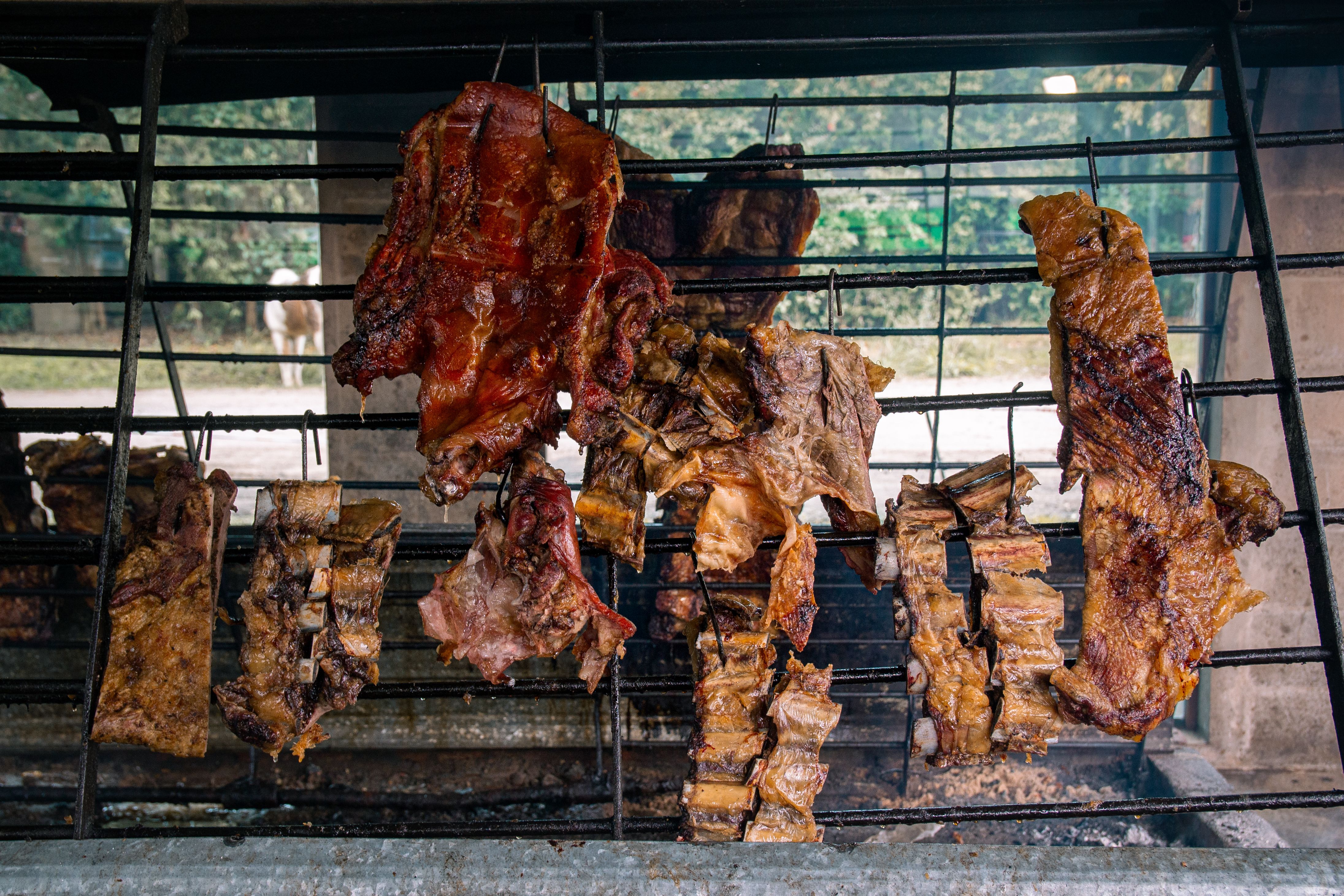
Jerking turned fresh meat into something light, portable, and astonishingly durable. Thin strips were salted, sometimes smoked, then dried by sun, wind, or low heat until they became tough enough to travel and flavorful enough to crave.
For hunters, traders, and settlers, this was survival food that did not feel like a compromise. Properly made jerked meat carried concentrated savoriness, and because water was driven off, a little went a long way.
What modern versions often miss is texture and restraint. Frontier jerking was about the meat itself, not heavy sugar or artificial flavoring. The result was cleaner, richer, and far more useful than the soft snack sticks lining convenience store shelves.
Confit in Rendered Fat
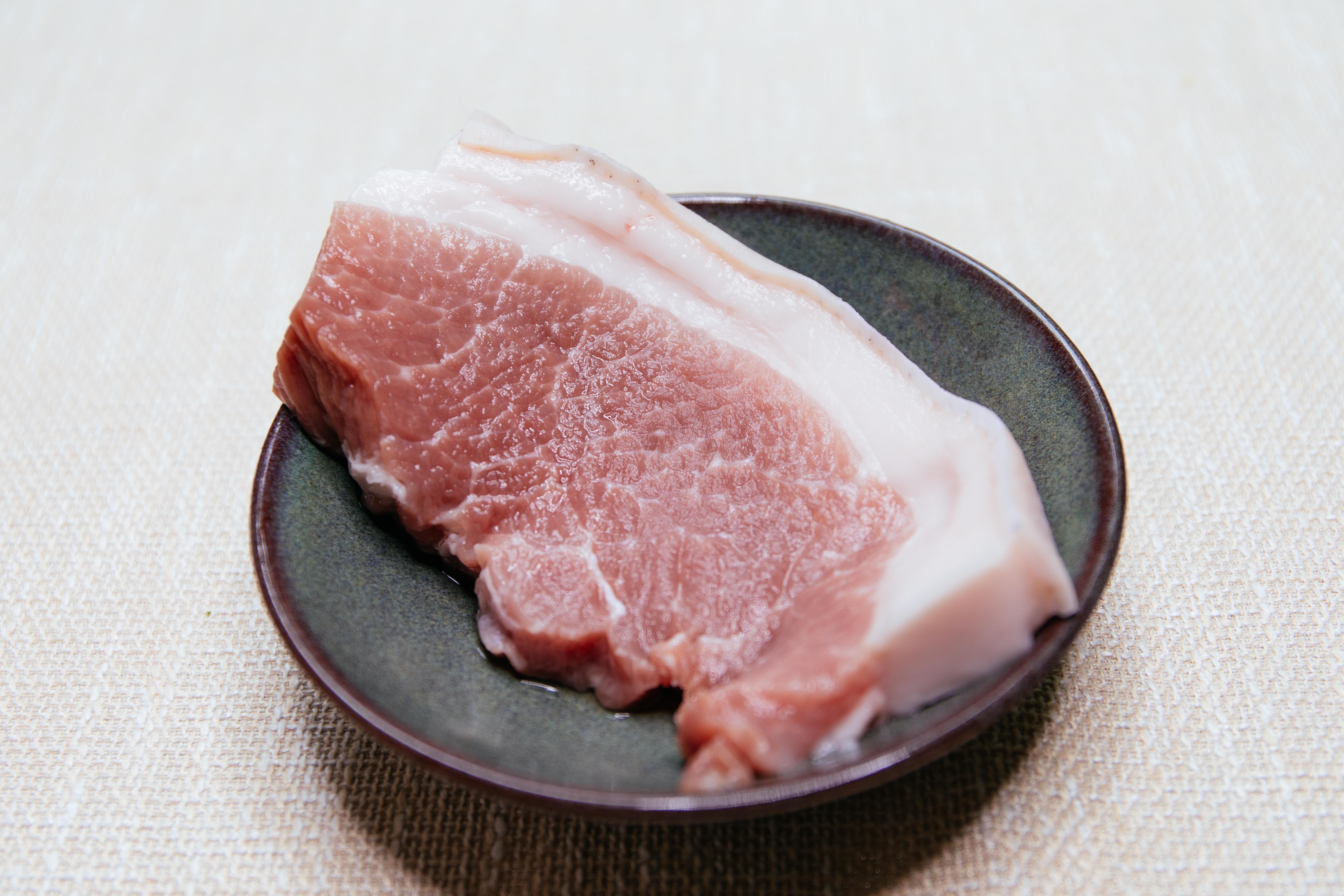
Before refrigeration, cooks understood that fat could be a seal as well as an ingredient. Meat was salted, cooked slowly until tender, then submerged under rendered fat, which blocked air and helped keep spoilage at bay in cool conditions.
The preservation was only half the story. Confit transformed tougher cuts into something silky and rich, with fibers that pulled apart effortlessly and flavor that seemed to deepen by the day.
It also offered remarkable flexibility. A crock of duck, pork, or goose preserved in fat could sit ready for quick meals, and each portion emerged tasting luxurious rather than merely stored. That is a frontier trick modern convenience foods still struggle to match.
Pemmican Making
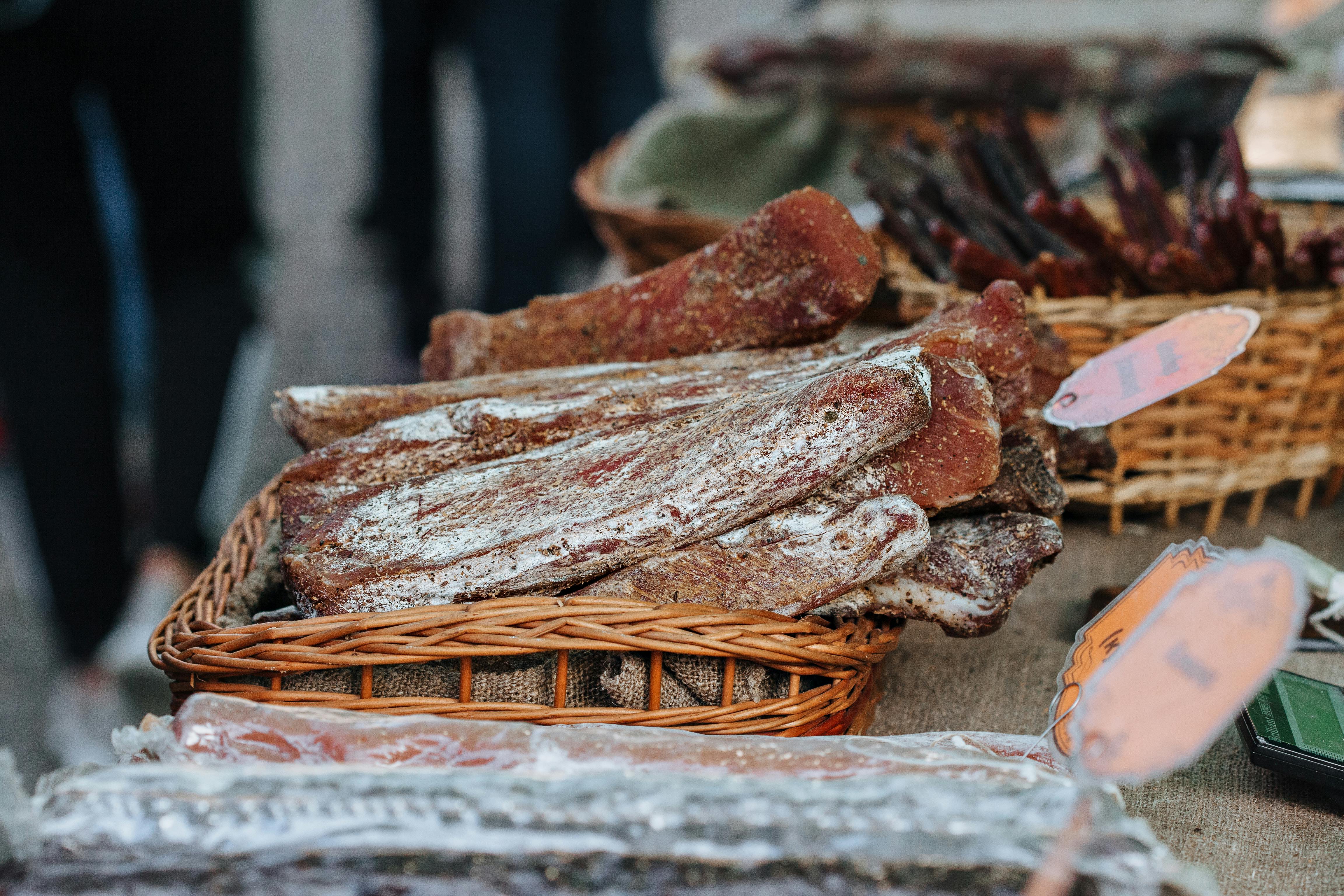
Pemmican was one of the most ingenious preservation foods ever developed in North America. Dried meat was pounded fine and mixed with rendered fat, often with dried berries, creating a dense, shelf-stable food packed with calories and protein.
It was compact enough for travel, strong enough for winter, and efficient enough to support long journeys where fresh food was uncertain. Traders and explorers depended on it because it stored well and delivered serious energy in small portions.
What sounds plain on paper was actually a masterclass in preservation science. With moisture reduced and fat sealing the mixture, pemmican could outlast many modern packaged foods while remaining nourishing, portable, and remarkably practical.
Salt Brining in Barrels

Barrel brining was the workhorse method for preserving larger quantities of meat. Cuts were submerged in a strong salt solution, often in wooden barrels stored in cool spaces, where the brine protected the meat during weeks or months of keeping.
This approach excelled at scale. A family, crew, or outpost could preserve pork, beef, or game in bulk, then pull pieces as needed for boiling, frying, or stewing. It was functional, but not crude.
A good brine seasoned from the inside out and kept meat usable through difficult stretches of weather or supply. Compared with many modern prepackaged meats, barrel-brined cuts often offered cleaner ingredients, steadier texture, and a more honest, savory flavor.
Air Curing in a Cool Room

Air curing depended on patience, weather, and a well-chosen space. In a cool, dry room with steady airflow, salted meat could slowly lose moisture and become shelf-stable while developing a flavor that grew more complex week by week.
This was preservation that rewarded attention. Too damp and the meat spoiled, too warm and it turned risky, but under the right conditions the result was concentrated, aromatic, and deeply satisfying.
What stands out now is how refined it feels. There is nothing flashy about hanging meat in a loft or cellar, yet the outcome can rival expensive charcuterie. Frontier households understood that the right room could do work no machine could fully imitate.
Potting Cooked Meat
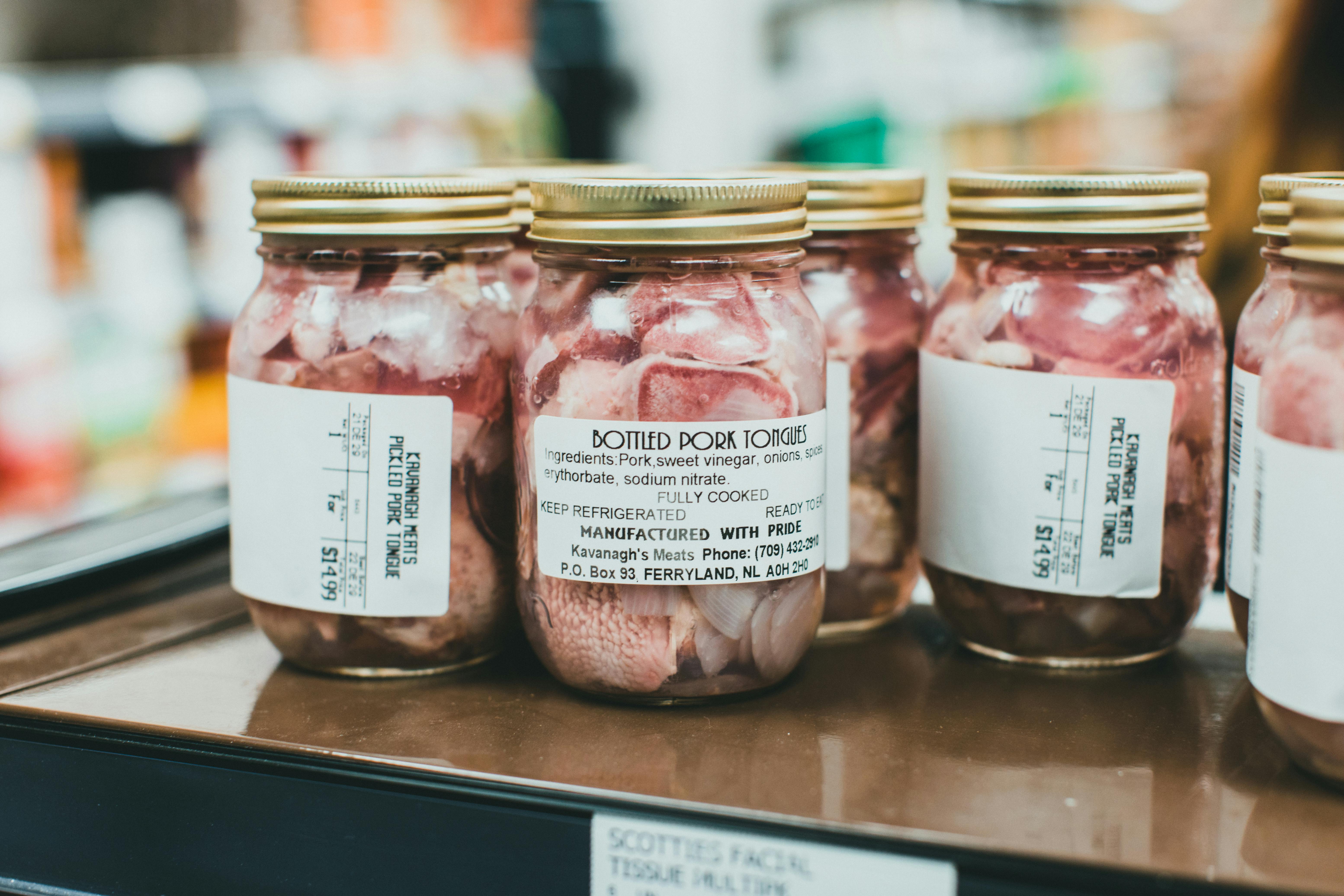
Potting was a clever way to stretch cooked meat into a preserve with real elegance. The meat was shredded or finely chopped, seasoned, packed tightly into a jar or crock, and sealed beneath a layer of clarified fat to keep air out.
The result was practical but also appealing. Potted meat spread easily on bread, turned scraps into something deliberate, and gave households a ready-to-eat reserve for busy days or sparse times.
Unlike many canned meat products today, potting could be tailored to the cook’s hand and taste. Pepper, herbs, and a bit of stock brought depth, while the fat seal preserved freshness in a way that felt both thrifty and unexpectedly luxurious.