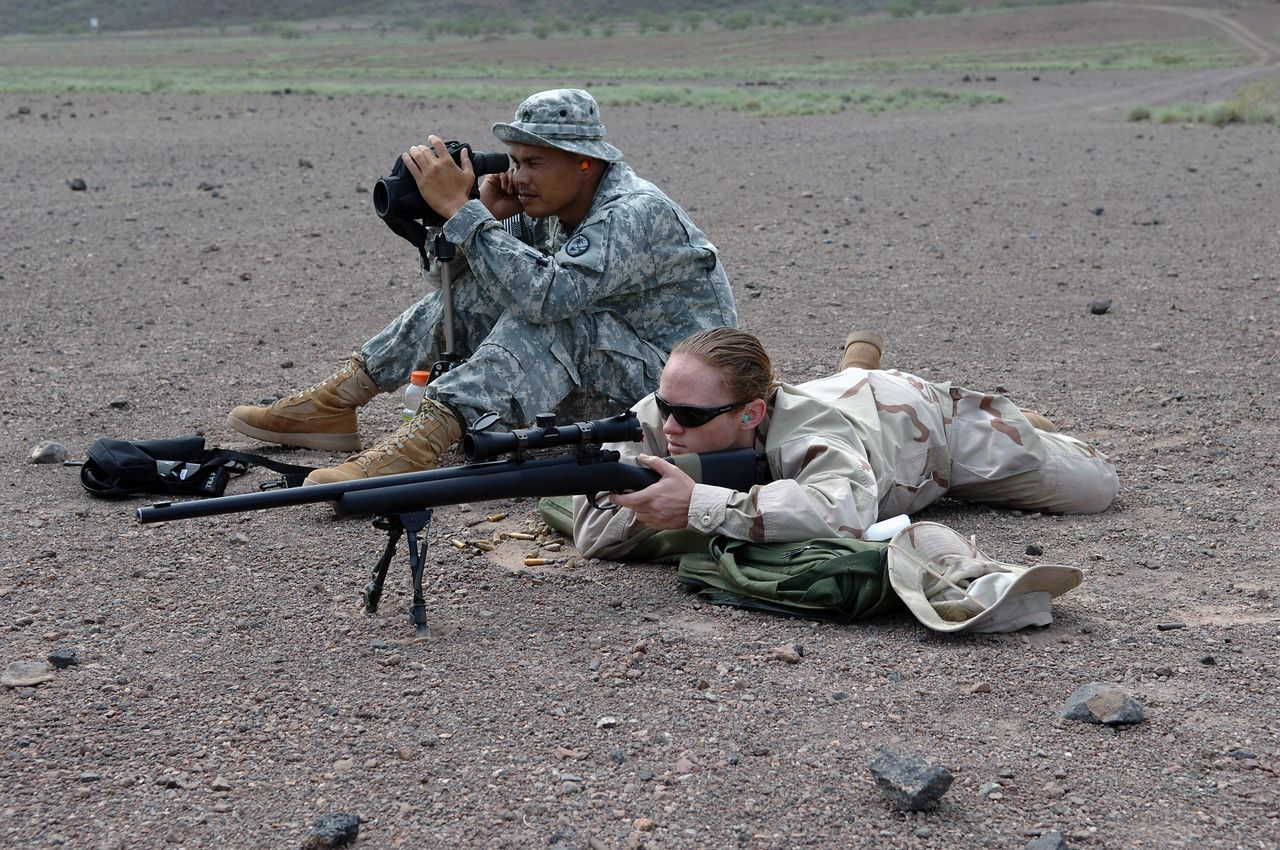
On paper, the Remington 700 looks straightforward: a famous bolt-action rifle with a long reputation and endless aftermarket support. In actual field use, though, first-time buyers often discover small details that matter a lot more than specs suggest. From carry comfort to weather behavior, these are the things many owners only truly understand after a few long days outside.
It can feel heavier by the end of the day

A Remington 700 may not seem especially heavy when you first pick it up at a counter or shoulder it for a few test seconds. Add a scope, sling, loaded magazine or internal rounds, and maybe a bipod, and the package starts to feel very different after miles of walking.
That extra weight usually shows up late in the day, when hills, brush, and awkward positions begin to matter. First-time buyers are often surprised that field comfort is less about bare rifle weight and more about how the whole setup carries hour after hour.
The bolt throw feels different under pressure

Working the action at a range bench is one thing. Running the bolt quickly while wearing gloves, kneeling in uneven ground, or trying to stay on target is where first-time owners learn how much technique matters.
Many expect every cycle to feel silky and automatic from day one, but field use exposes little hitches in hand placement and timing. A Remington 700 can run very well, yet new buyers are often surprised by how much smoother it feels once they stop babying the action and start operating it with deliberate, confident movement.
The stock matters more than they imagined

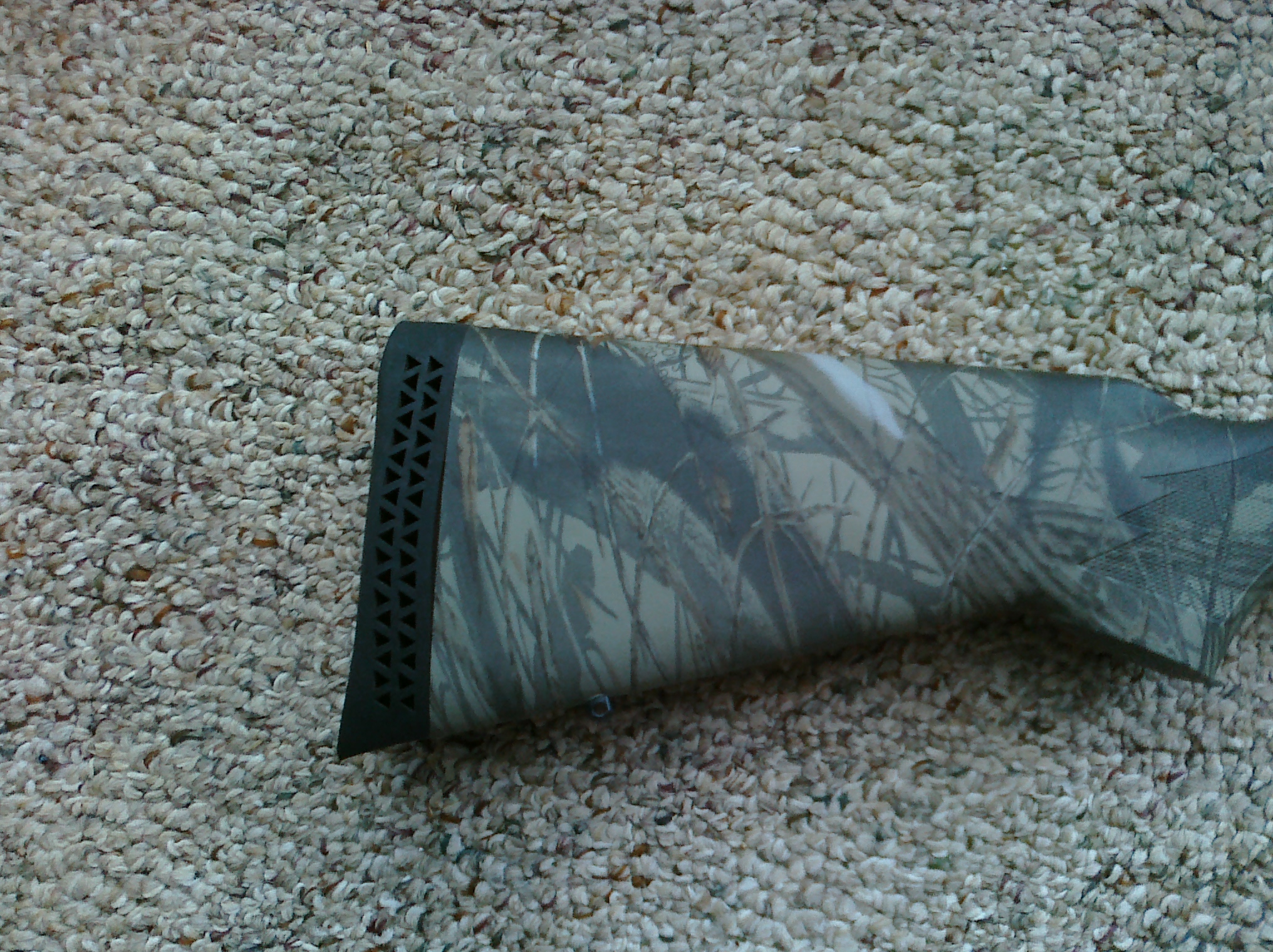
At first, many buyers focus on caliber, barrel length, and optics, assuming the stock is just part of the package. In the field, the stock quickly becomes one of the biggest factors in comfort, especially when taking offhand shots or carrying the rifle for long stretches.
Length of pull, comb height, grip shape, and how the stock handles rain or temperature changes all become very real issues outdoors. First-time users are often surprised that a rifle with solid accuracy can still feel awkward until the stock actually fits their body and shooting style.
Factory triggers feel very personal

New buyers often read generalized opinions about trigger pull and assume they will have the same reaction. Then they spend a day in the field and realize trigger feel is far more personal than internet debates make it sound.
Some shooters find the trigger perfectly usable, while others notice creep, break weight, or reset characteristics that bother them immediately. In hunting or practical field positions, those impressions become even stronger. What seemed fine during a brief store inspection can feel very different when adrenaline rises and the shot window is short.
Accuracy depends on more than the rifle’s reputation

The Remington 700 has a reputation that leads some first-time buyers to expect instant tack-driving performance with almost any ammunition. Field use usually teaches a more realistic lesson: the platform can be very capable, but ammunition choice, optic setup, and shooter consistency still matter tremendously.
Many new owners are surprised by how much groups can change from one load to another, especially once wind, cold fingers, and awkward rests enter the picture. The rifle may have the potential, but unlocking it outside the range takes patience, testing, and honest practice.
Weather changes everything fast

A calm, dry range session can make any rifle feel predictable. In the field, rain, dust, mud, frost, and sudden temperature swings introduce a level of unpredictability many first-time Remington 700 owners do not fully anticipate.
Metal gets slick, optics fog, gloves reduce feel, and moisture can make every manipulation slower. Even the way a rifle balances or settles into a rest can change in bad weather. New buyers are often surprised by how quickly ideal handling disappears once conditions turn, and how valuable simple preparation becomes.
The safety and controls take repetition to master

On a familiar range, a rifle’s controls can seem simple enough. In the field, however, using the safety quietly and confidently while managing a scope, sling, gloves, and changing body position takes more repetition than most first-time buyers expect.
The surprise is not that the controls are complicated, but that smooth handling only comes after practice. Small hesitations feel bigger when game appears briefly or when you are trying not to make unnecessary noise. A Remington 700 rewards familiarity, and new owners often discover that dry practice pays off more than they assumed.
Recoil changes with field positions
A rifle that feels manageable from a bench can feel surprisingly different when fired prone, seated, kneeling, or from improvised support in rough terrain. First-time Remington 700 buyers often assume recoil is a fixed characteristic, but field positions reveal that body alignment and support make a big difference.
Even moderate cartridges can feel sharper when your stance is cramped or unstable. Muzzle jump, sight picture recovery, and the ability to spot your own shot all become more noticeable outside controlled conditions. That reality catches many new owners off guard the first season out.
Aftermarket options can become a rabbit hole

One of the Remington 700’s big selling points is the huge aftermarket surrounding it. What first-time buyers do not always expect is how quickly a simple purchase can turn into an endless series of upgrades, comparisons, and second guesses.
A new stock leads to rings, then a trigger, then bottom metal, then a different optic, and suddenly the original budget is gone. Field use often sparks these decisions because shortcomings become more obvious outdoors. Many owners are surprised that the rifle’s flexibility is both a strength and a temptation.
Cleaning matters most after rough use

Plenty of first-time buyers understand that a rifle needs maintenance, but many underestimate how much dirt and moisture a field day can introduce. Dust in the action, plant debris around the stock, and moisture around metal surfaces all become obvious once the rifle comes home.
The surprise is how quickly neglect can affect feel and confidence, even before it affects performance. A Remington 700 that was smooth in the morning may feel gritty by evening if conditions were harsh. Field use teaches owners that cleaning is not just routine, it is part of keeping the rifle trustworthy.
Optics setup becomes as important as the rifle

First-time buyers often think of the Remington 700 as the main event and the scope as a supporting actor. After actual field use, many realize the optic setup, including mounting height, eye relief, reticle choice, and overall durability, can shape the entire experience.
A great rifle paired with an awkward or poorly matched scope becomes frustrating fast. Missed cheek weld, slow target acquisition, and reduced low-light confidence show up at exactly the wrong time. New owners are often surprised that solving practical shooting issues sometimes starts above the receiver, not inside it.
Confidence comes slower than expected

Many first-time buyers assume that once they own a respected rifle, confidence will arrive automatically. In reality, trust in a field rifle builds slowly through repeated carry, careful zero checks, weather exposure, and enough real shooting to know exactly how it behaves.
That process can be humbling, especially for owners who expected a famous platform to feel instantly second nature. The good news is that familiarity compounds. After enough time outdoors, the Remington 700 often starts to feel less like a product and more like a dependable tool, but that comfort is earned rather than bought.