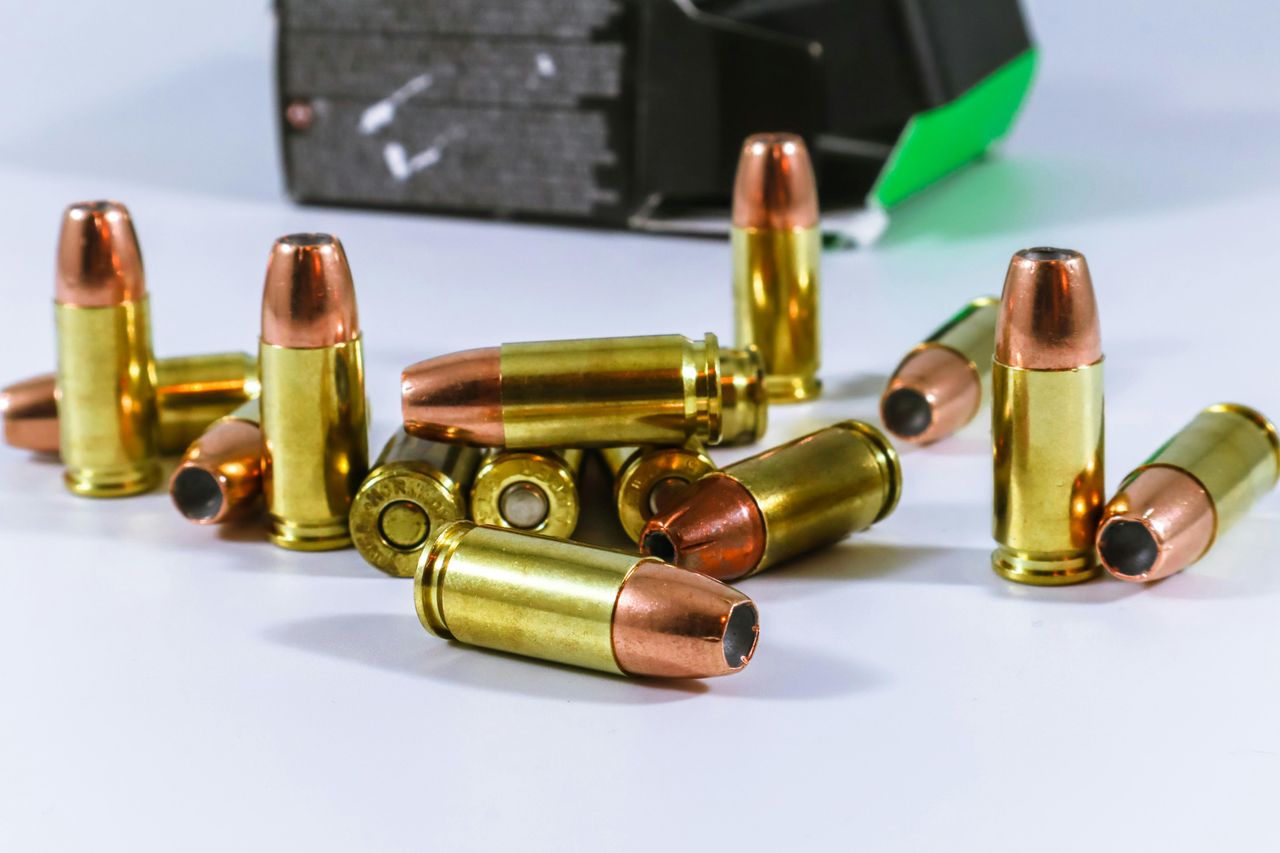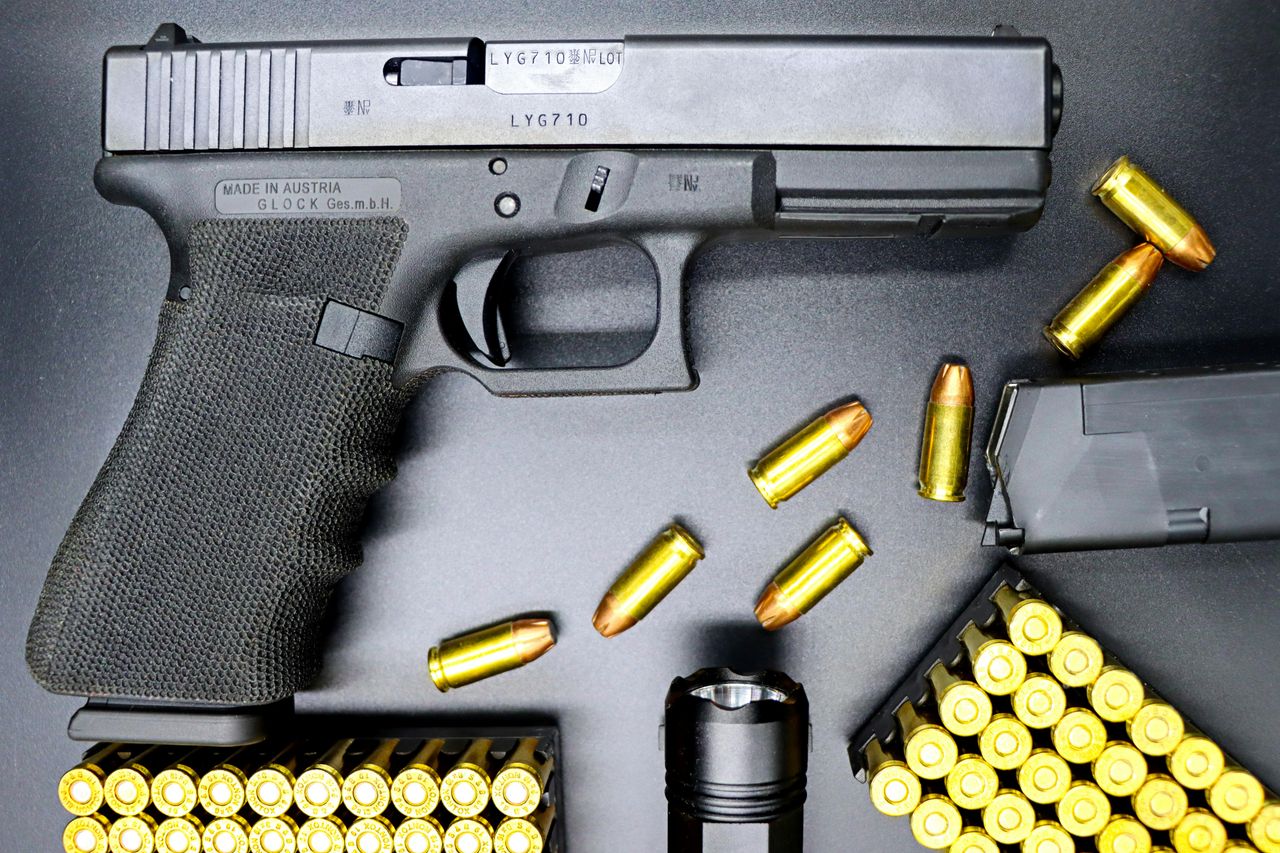
Some pistols get adopted. The Glock 17 changed the argument about what a service pistol should be.
Forty years later, people still debate it with the same intensity usually reserved for politics, cars, and rival sports teams.
It arrived looking wrong and worked too well to ignore

When the Glock 17 appeared in the early 1980s, it offended a lot of assumptions at once. Service pistols were supposed to be steel or aluminum, visibly mechanical, and rooted in older military traditions. Then came an Austrian handgun with a polymer frame, a striker-fired system, and a plain, almost industrial look that many shooters initially dismissed as a toy.
That first reaction mattered because handguns are emotional objects as much as technical ones. Police officers, soldiers, trainers, and civilian shooters often trust what feels familiar, and the Glock 17 did not feel familiar at all. It looked light, blocky, and stripped of the visual cues people associated with durability and seriousness.
But the pistol performed. Trials in Austria and later adoption cycles elsewhere showed that it was reliable, simple to maintain, and surprisingly durable under hard use. What fueled the argument from the beginning was that the gun’s success did not come from elegance or tradition. It came from challenging both, and that is exactly the kind of thing gun culture never stops arguing about.
The design is simple, and simplicity makes people suspicious
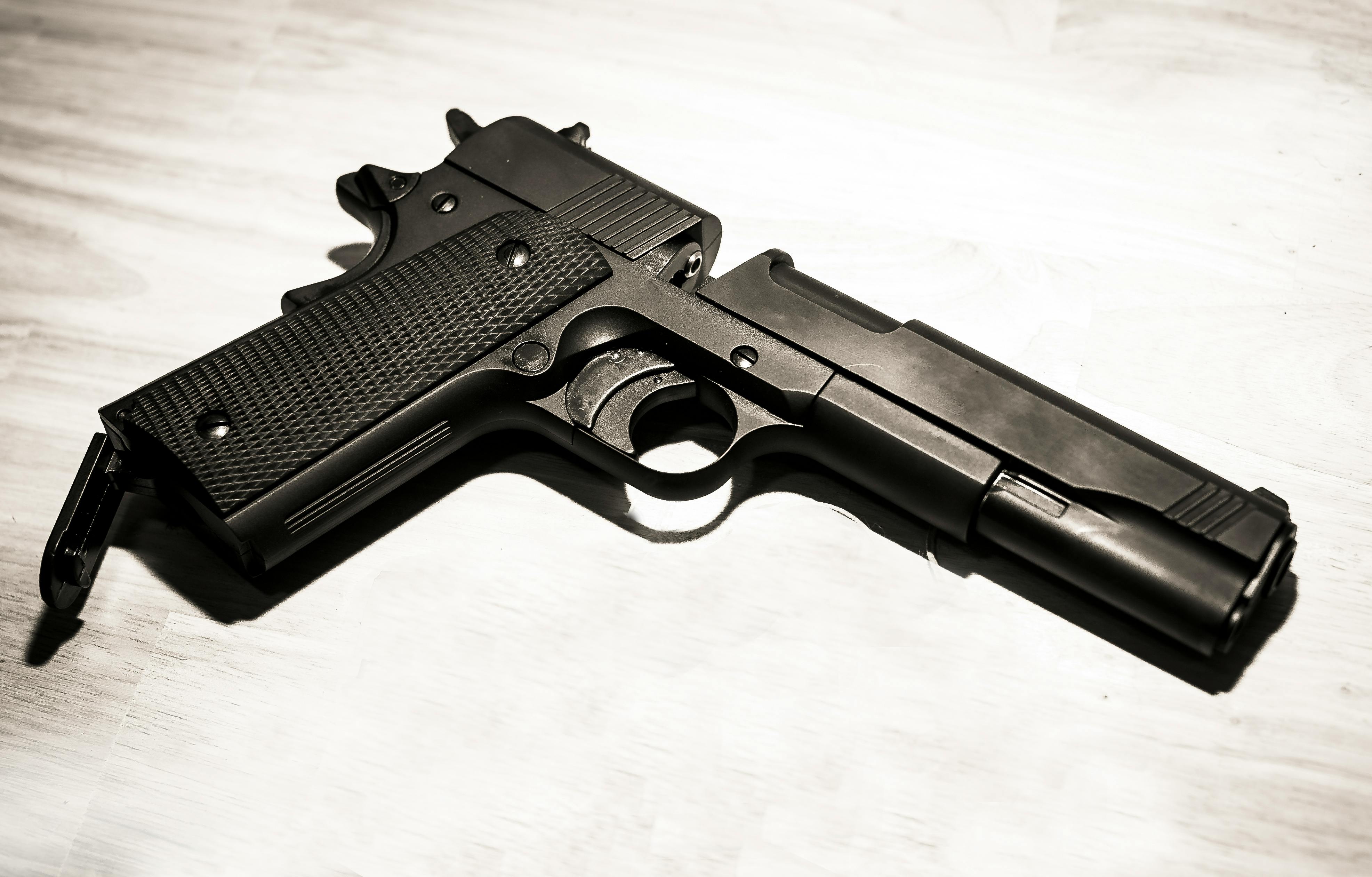
One major reason the Glock 17 remains controversial is that its operating concept seems almost too simple. Its Safe Action system combined internal safeties with a consistent trigger pull and no manual thumb safety in the style many officers had trained around. To supporters, that reduced complexity under stress. To critics, it removed a layer of insurance at the worst possible moment.
That split has never really gone away. Advocates argue that under lethal-force stress, fewer steps mean fewer mistakes. A consistent trigger from first shot to last also solved the transition problems common with many older double-action/single-action pistols, where the first trigger press felt very different from the next ones.
Opponents answer that mechanical simplicity does not automatically equal practical safety. They point to negligent discharges during holstering, poor handling, or weak training standards as evidence that a pistol without an external manual safety demands stricter discipline than many institutions actually provide. In other words, the Glock 17 became a mirror. People do not just argue about the gun itself; they argue about how much faith they place in training, habits, and human performance.
Police adoption made it famous, and fame made it controversial

The Glock 17 did not become a lightning rod only because of engineering. It became one because police departments embraced it in large numbers, especially from the late 1980s through the 1990s. Once officers began carrying Glocks visibly and routinely, the pistol moved from trade discussion into public controversy, media coverage, and political talking points.
Law enforcement agencies liked several practical advantages. The pistols were relatively lightweight, carried substantial magazine capacity for the era, and offered lower maintenance demands than some older service sidearms. Departments also appreciated a common manual of arms, easy parts replacement, and the ability to standardize training around one platform.
But broad police use created a second life for the debate. Every accidental discharge, use-of-force report, or policy dispute involving a Glock could become a national conversation about the pistol itself. Critics sometimes treated the handgun as uniquely dangerous, while defenders countered that its sheer market share guaranteed it would appear in more incidents. Once the Glock 17 became the default sidearm in so many holsters, it also became the default symbol in every argument about modern policing and handgun safety.
Capacity, weight, and durability changed what “service pistol” meant

Part of the reason the argument never ends is that the Glock 17 undeniably changed expectations. Seventeen rounds of 9mm in a full-size duty pistol was not magical on paper, but in historical context it was a major statement. Compared with many revolvers and lower-capacity semiautomatics still influential in the early 1980s, the Glock represented a clear move toward more onboard ammunition with less carried weight.
That mattered to working users. A police officer wearing a sidearm all shift notices ounces. A soldier or security professional notices reliability in mud, sweat, poor weather, and infrequent maintenance windows. Endurance tests and long-term agency experience built the Glock’s reputation as a gun that kept functioning even when cleaning schedules and ideal conditions did not.
Yet those same strengths fed resistance. Traditionalists argued that capacity and low weight were being overvalued against trigger quality, natural pointing characteristics, or the reassuring heft of metal-framed pistols. Others believed the Glock’s reputation grew into mythology, with fans treating reliability claims almost as doctrine. Once a product is praised as the benchmark, every critic becomes more motivated to puncture the legend, and that keeps the debate alive.
Its ergonomics start arguments because hands are not standardized
If reliability is the center of the Glock 17’s reputation, ergonomics are the center of many complaints. For years, shooters argued about the grip angle, the blocky frame shape on earlier generations, and a trigger feel that many described as serviceable rather than excellent. Unlike a mechanical failure, ergonomic dissatisfaction is deeply personal, which makes it perfect fuel for endless disagreement.
One shooter picks up a Glock 17 and finds it intuitive, controllable, and easy to run quickly. Another finds the grip awkward, the sights unimpressive, and the trigger uninspiring compared with competitors from SIG Sauer, Beretta, Smith & Wesson, Walther, or Heckler & Koch. Both can be telling the truth because fit and shootability vary dramatically with hand size, training background, and use case.
Glock did respond over time. Later generations added accessory rails, interchangeable backstraps, improved textures, and refinements to controls and recoil systems. Still, every update created a fresh cycle of praise and backlash. For some shooters, the company was smartly evolving a proven pistol. For others, those changes were quiet admissions that the original formula was never as universally ideal as its fans claimed.
The aftermarket turned a duty gun into a culture war object

Another reason the Glock 17 never stops attracting arguments is that it escaped its original role. It is not just a service pistol anymore; it is a platform. Few handguns have inspired such an enormous aftermarket for sights, triggers, barrels, slides, magazines, frames, holsters, and internal parts. That flexibility made the pistol even more dominant, but it also multiplied every point of dispute.
Supporters see that ecosystem as proof of success. A gun becomes a platform only when it is trusted, widely owned, and simple enough to support customization at scale. Competitive shooters, concealed carriers, armorers, and hobbyists all found ways to tailor the Glock to their needs, reinforcing the idea that it was a practical working tool rather than a delicate specialist’s gun.
Critics see a different story. They argue that if a pistol so often gets new sights, trigger parts, grip work, and cosmetic revisions, then perhaps the stock product is merely adequate rather than exceptional. There is also a serious institutional concern: heavily modified Glocks can drift away from the reliability and safety profile agencies originally approved. So even the pistol’s greatest strength, adaptability, becomes another front in the same long-running argument.
Nobody has ended the debate because the Glock 17 asks a bigger question
The enduring fight over the Glock 17 is not really about one Austrian pistol. It is about competing beliefs regarding what matters most in a service handgun. Is the ideal sidearm the one with the best trigger, the strongest safety features, the highest capacity, the lowest weight, the simplest manual of arms, or the broadest proven record under real-world duty conditions? Different users rank those priorities differently, and that guarantees disagreement.
The Glock 17 also arrived at a perfect historical moment. It entered service just as policing, military procurement, concealed carry culture, and global handgun design were all changing rapidly. Later striker-fired pistols from many major manufacturers borrowed heavily from the logic Glock helped normalize, but imitation did not settle the argument. It widened it, because now the debate included whether Glock remained best in the category it helped define.
That is why nobody has ended it after four decades. The Glock 17 has too much evidence in its favor to dismiss and too many compromises to satisfy everyone. It is influential enough to command respect, common enough to invite resentment, and effective enough that even critics must take it seriously. Very few service pistols have ever won the argument so completely that they kept it alive forever.