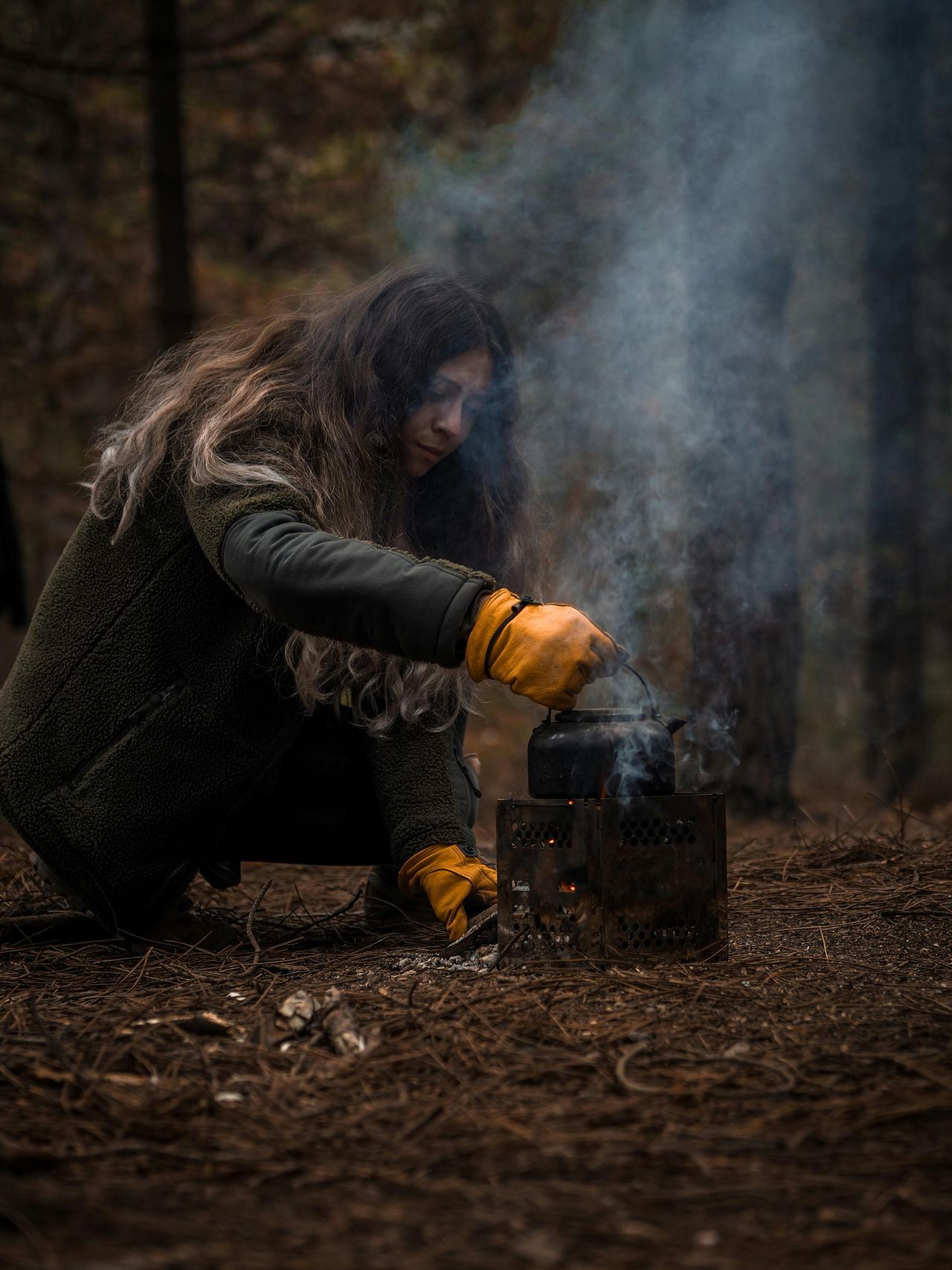
Bushcraft has long been framed as a rugged boys’ club, but that image is getting outdated fast. Across campsites, classrooms, and backcountry trails, more women are proving that skill, patience, and adaptability matter far more than stereotypes. These are the practical outdoor abilities many women are mastering quickly, and often with a level of consistency that speaks for itself.
Fire Starting
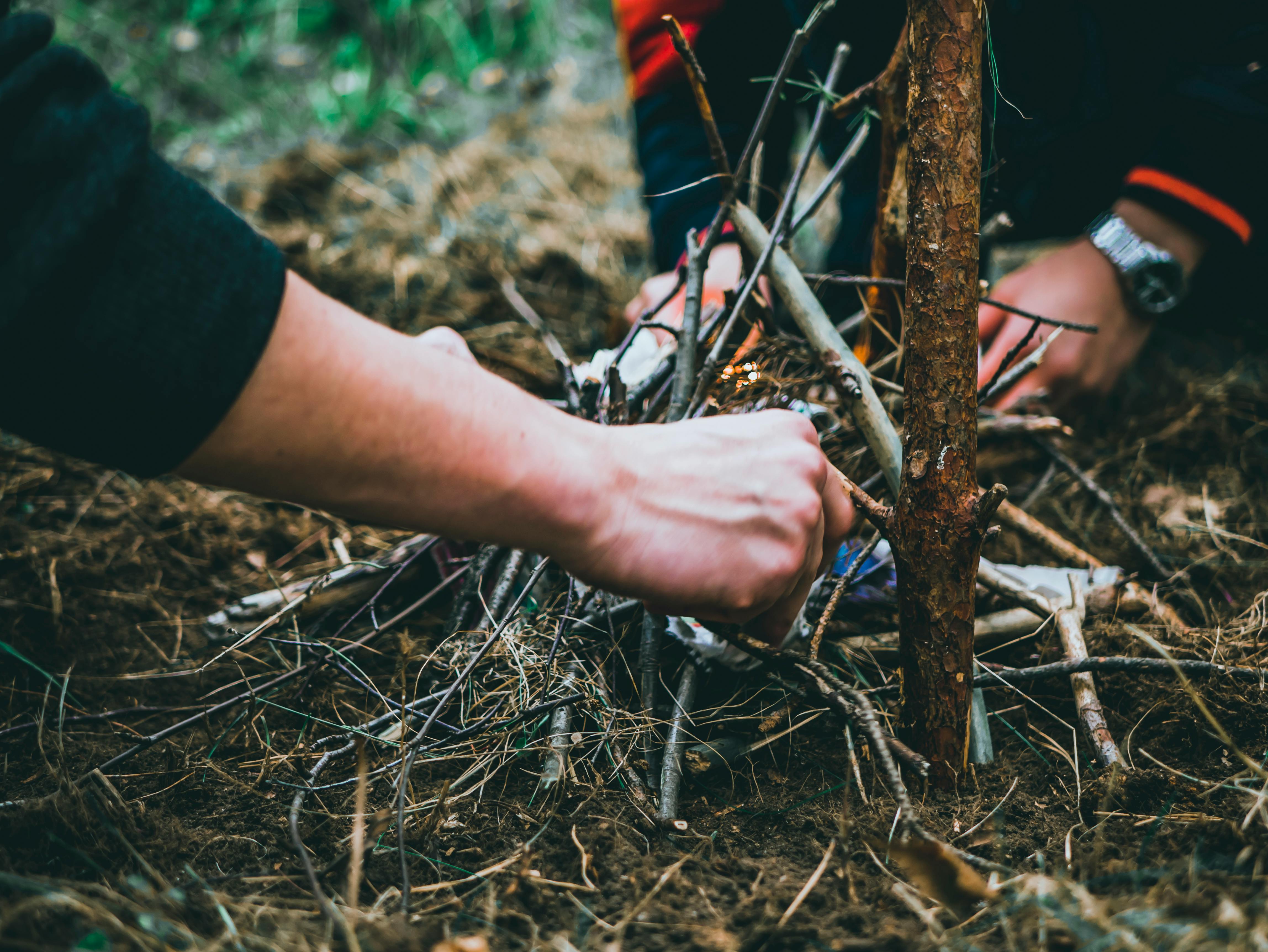
Starting a fire is often treated like the ultimate outdoor flex, but in real life it rewards calm technique more than bravado. Many women are excelling here because they tend to focus on preparation first, gathering dry tinder, sorting kindling by size, and building with airflow in mind instead of rushing to strike sparks and hope for the best.
That methodical approach pays off when conditions turn damp, windy, or frustrating. A reliable flame comes from reading materials and adjusting fast, not from forcing the moment. In classes and informal camps alike, women are showing that patience and repeatable process beat ego every single time.
Shelter Building

A good shelter is not about making something dramatic for a photo. It is about staying dry, blocking wind, holding warmth, and using limited energy wisely. Women often pick this up quickly because they assess the site carefully, notice drainage, and think through structure before cutting or dragging a single branch.
That planning mindset leads to smarter builds with less wasted effort. Lean-tos, debris huts, and tarp setups all work better when details are handled early, from ridgeline tension to ground insulation. The result is usually a shelter that looks simple, feels solid, and performs exactly the way it should through the night.
Knife Skills

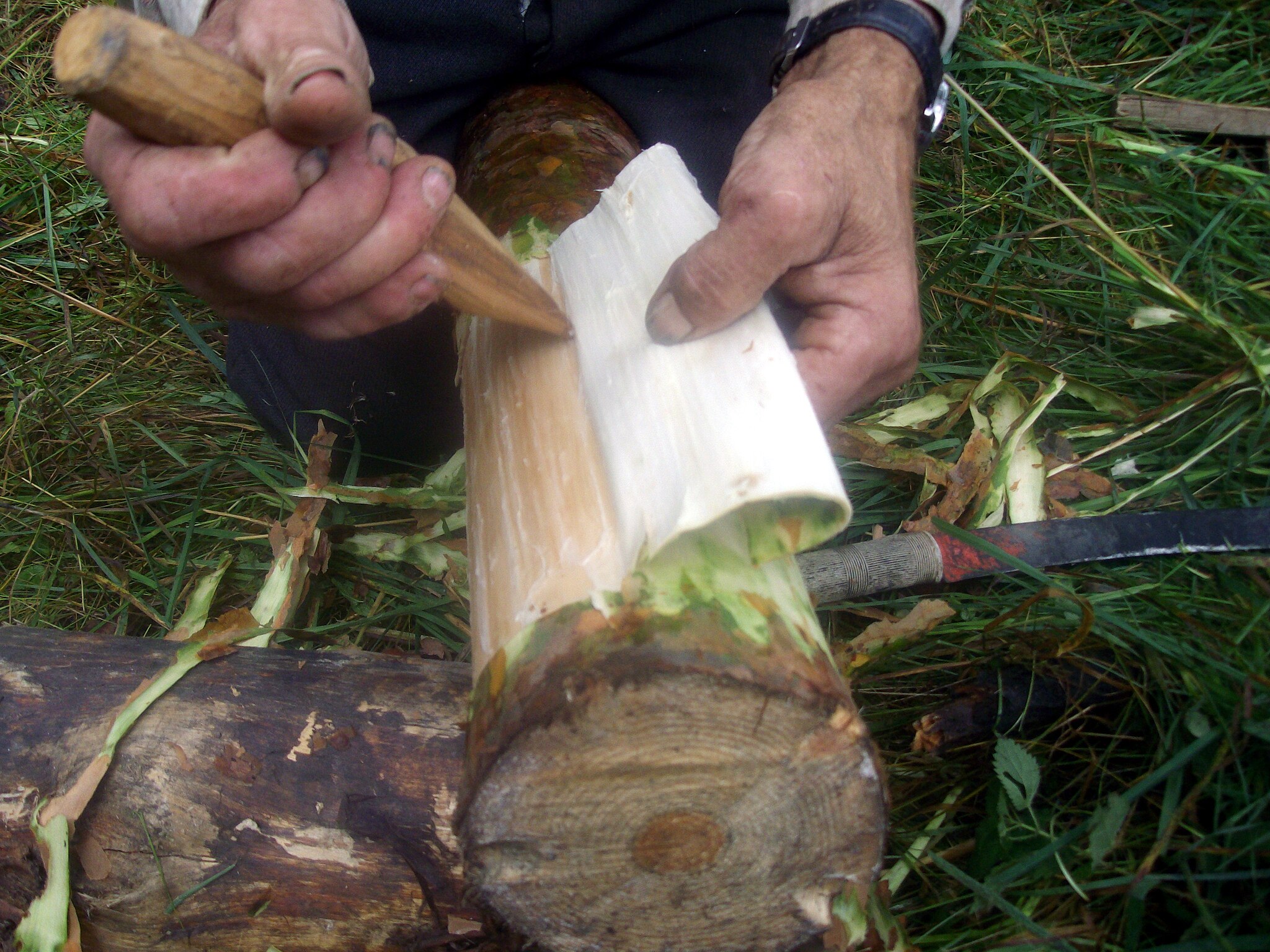
Bushcraft knife work is not about looking intimidating. It is about control, safety, and making clean, efficient cuts for real tasks like feather sticks, tent pegs, food prep, and carving notches. Women are frequently praised by instructors for approaching knife use with attention and discipline instead of treating it like a performance.
That shows up in the small things that matter most. Grip, angle, body positioning, and blade maintenance all affect outcome. When someone respects the tool and works deliberately, the results are smoother and safer. In bushcraft, precise knife skills save time, conserve energy, and reduce mistakes, which is exactly why they matter.
Navigation

Navigation has a way of exposing overconfidence fast. The people who do best are usually the ones willing to slow down, confirm landmarks, and keep checking direction before a small error becomes a major detour. Many women stand out here because they are often more comfortable verifying what they know instead of pretending they never need to double-check.
Map reading, compass work, pacing, and terrain awareness all benefit from that mindset. Good navigators notice contour changes, track time honestly, and remain flexible when the environment does not match expectation. In the woods, confidence is useful, but careful observation gets everyone home with far less drama.
Foraging Basics

Foraging is one of the clearest examples of why attention to detail matters more than swagger. Identifying edible plants, berries, and useful wild materials takes restraint, pattern recognition, and the willingness to say not yet when certainty is missing. Women often thrive here because they tend to approach wild foods with caution and curiosity in equal measure.
That combination is exactly what safe foraging demands. Leaf shape, growth habit, season, smell, and habitat all tell part of the story. The best beginners are not the boldest eaters but the most careful learners. In bushcraft, being observant enough to avoid a mistake can be more impressive than making a quick find.
Water Sourcing and Purification

Nothing in the backcountry gets serious faster than water. Finding a source is only step one. Knowing how to collect it cleanly, filter sediment, boil effectively, or use modern purification tools correctly is what keeps a manageable outing from turning into a miserable one. Women are often quick studies here because they treat water as a system, not just a task.
That means paying attention to location, runoff, animal activity, container hygiene, and backup plans. It is not flashy, but it is foundational. The people who handle water well tend to be the same ones who think ahead and make fewer assumptions, which is why they become the dependable voice in camp.
Camp Cooking
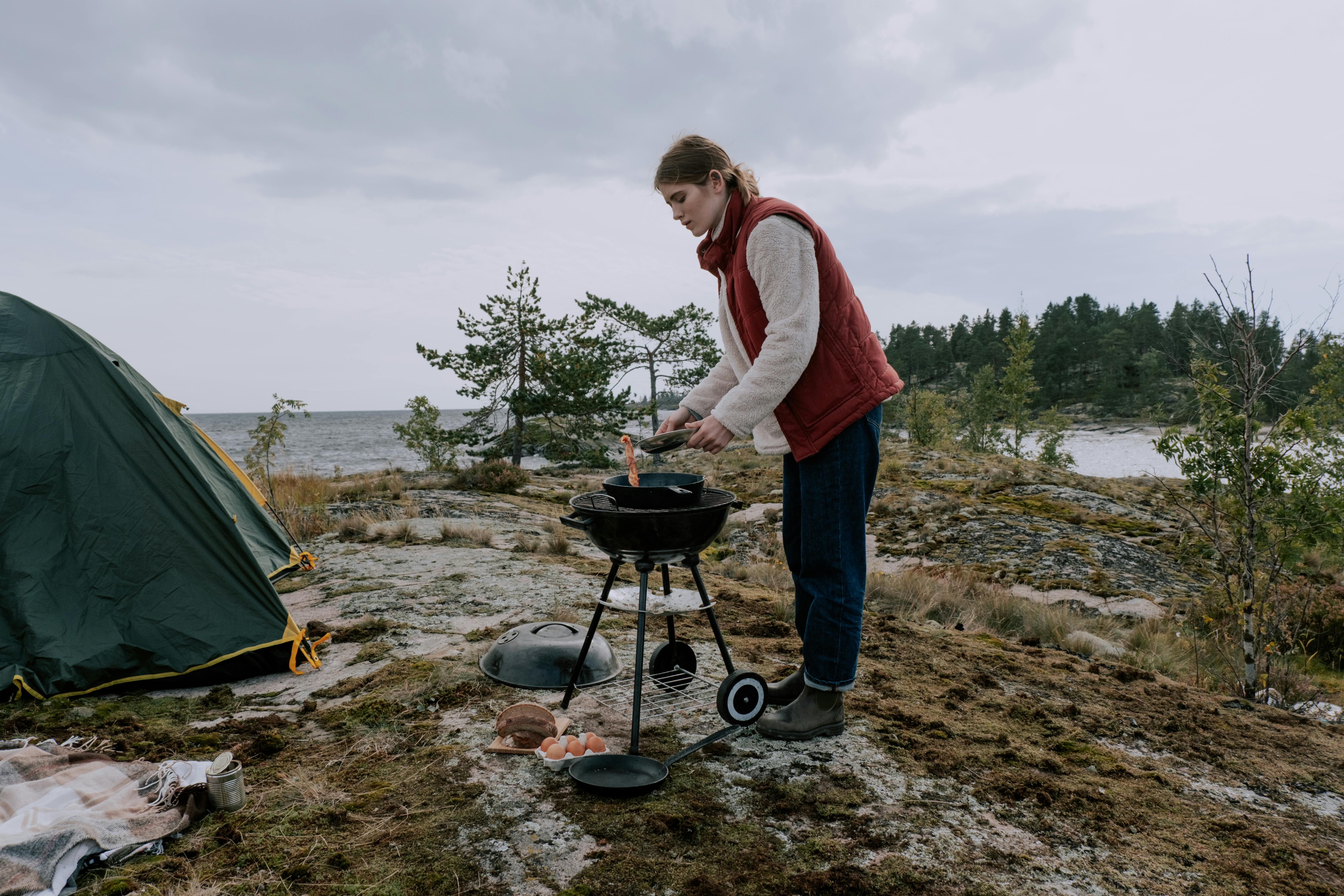
Camp cooking looks simple until weather, smoke, uneven heat, and limited gear get involved. Then it becomes a real bushcraft skill, one that rewards timing, organization, and adaptability. Many women are mastering it quickly because they treat the cooking area like a working system, managing fuel, prep, cleanup, and safety all at once.
The strongest outdoor cooks know how to stretch ingredients, regulate heat with coals, and keep utensils and surfaces functional in rough conditions. They also understand morale, which matters more than people admit. A hot, well-timed meal can reset an entire group after a hard day, and that kind of practical competence never goes unnoticed.
Cordage and Knot Tying
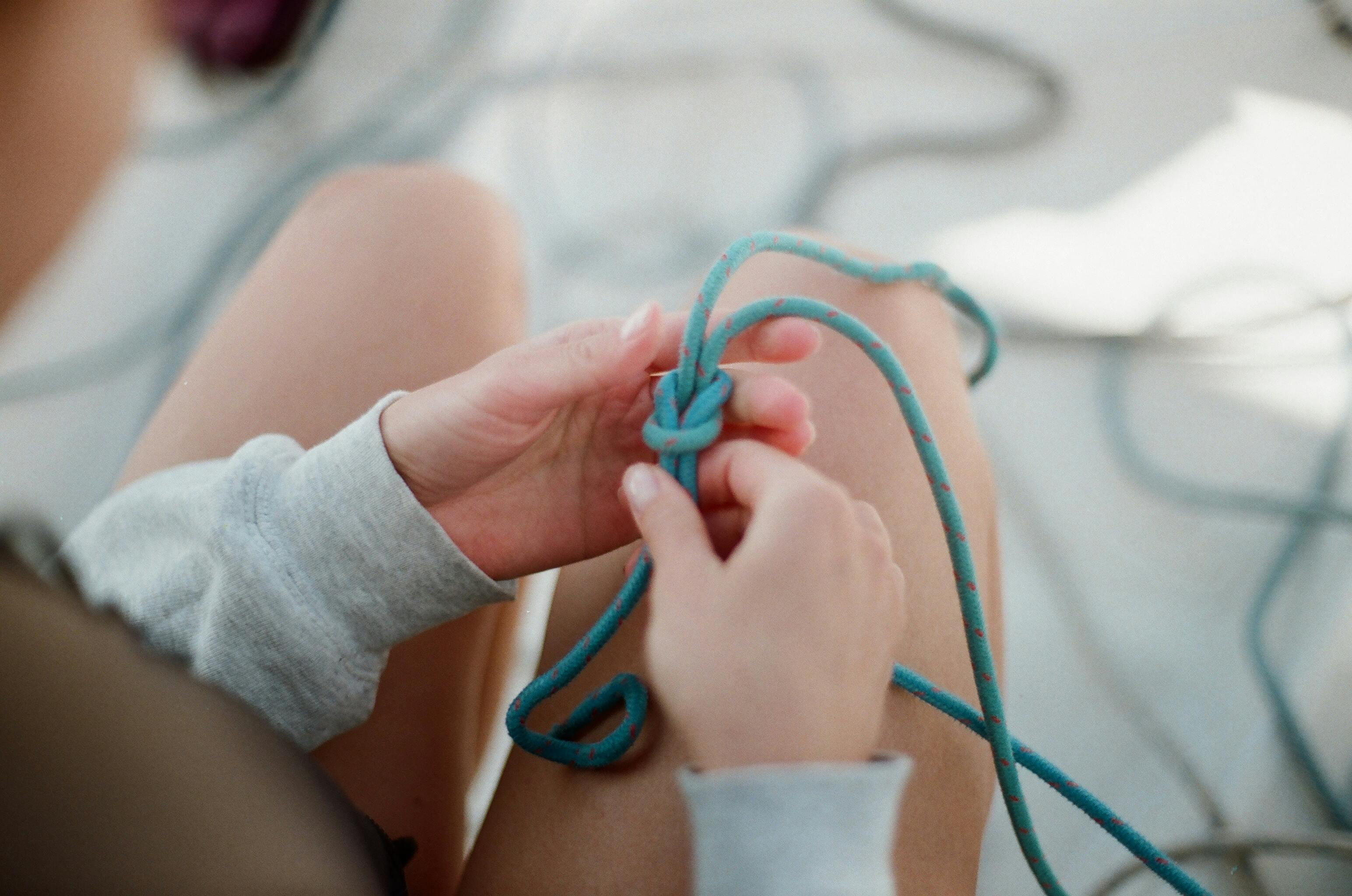
Knot tying tends to separate people who know outdoor basics from people who can actually build and secure things well. Taut-line hitches, bowlines, trucker’s hitches, and lashings all have specific jobs, and using the wrong one can make a shelter sag or a load fail. Women often get good at this fast because repetition and neat technique matter more than raw strength.
There is also something satisfying about seeing immediate proof of good work. A ridgeline holds, a tarp tightens, a bundle stays put. That feedback loop helps the skill stick. In bushcraft, strong cordage work supports almost everything else, which makes it one of the quiet skills experts always notice.
Tool Maintenance

Bushcraft is easier when tools are cared for before they become a problem. Sharpening a blade, drying gear properly, checking handles, storing cordage well, and cleaning pots may not sound glamorous, but they define whether equipment works when it counts. Women often earn respect quickly in this area because they understand that maintenance is part of the craft, not an afterthought.
That attitude creates fewer failures and less frustration in the field. A sharp knife is safer, a dry fire kit is more dependable, and a maintained axe saves effort with every swing. The best bushcrafters are rarely the ones constantly improvising around neglected gear. They are the ones whose gear is ready.
Situational Awareness

The most underrated bushcraft skill may be the ability to notice what is changing before it becomes a problem. Weather shifts, fatigue, dropping temperature, bad footing, and group morale all affect decision-making in the wild. Many women stand out here because they are often highly tuned to conditions, communication, and subtle signs that something needs to be adjusted.
That awareness improves every other skill on this list. It helps with choosing camp, managing risk, pacing the day, and knowing when to stop pushing forward. In the outdoors, prevention is always more impressive than recovery. The people who read a situation well tend to look effortless, but that ease is earned.