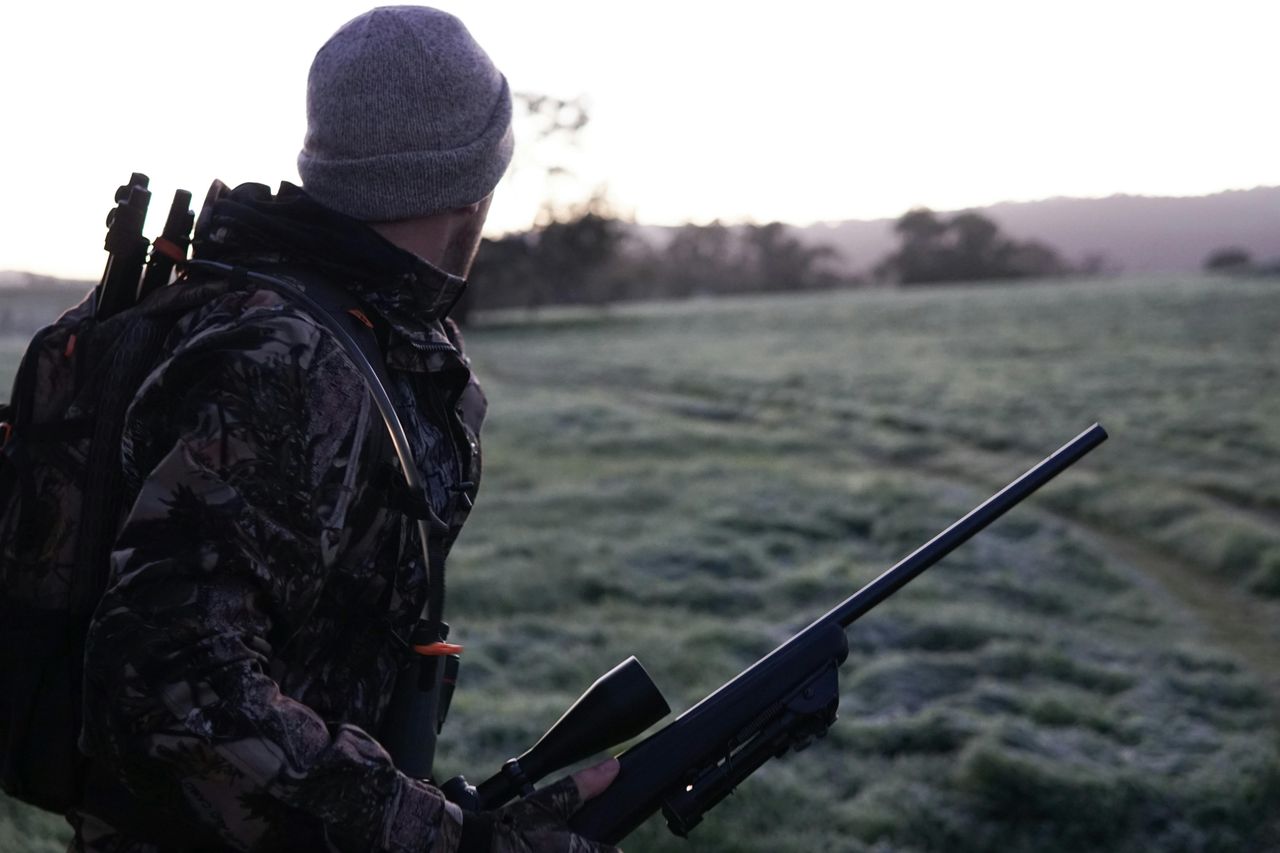
A lot of hunters talk about rifles in abstract terms. The better question is simpler: what are you really willing to carry, trust, and shoot well when the moment finally comes?
The real choice starts before you leave camp
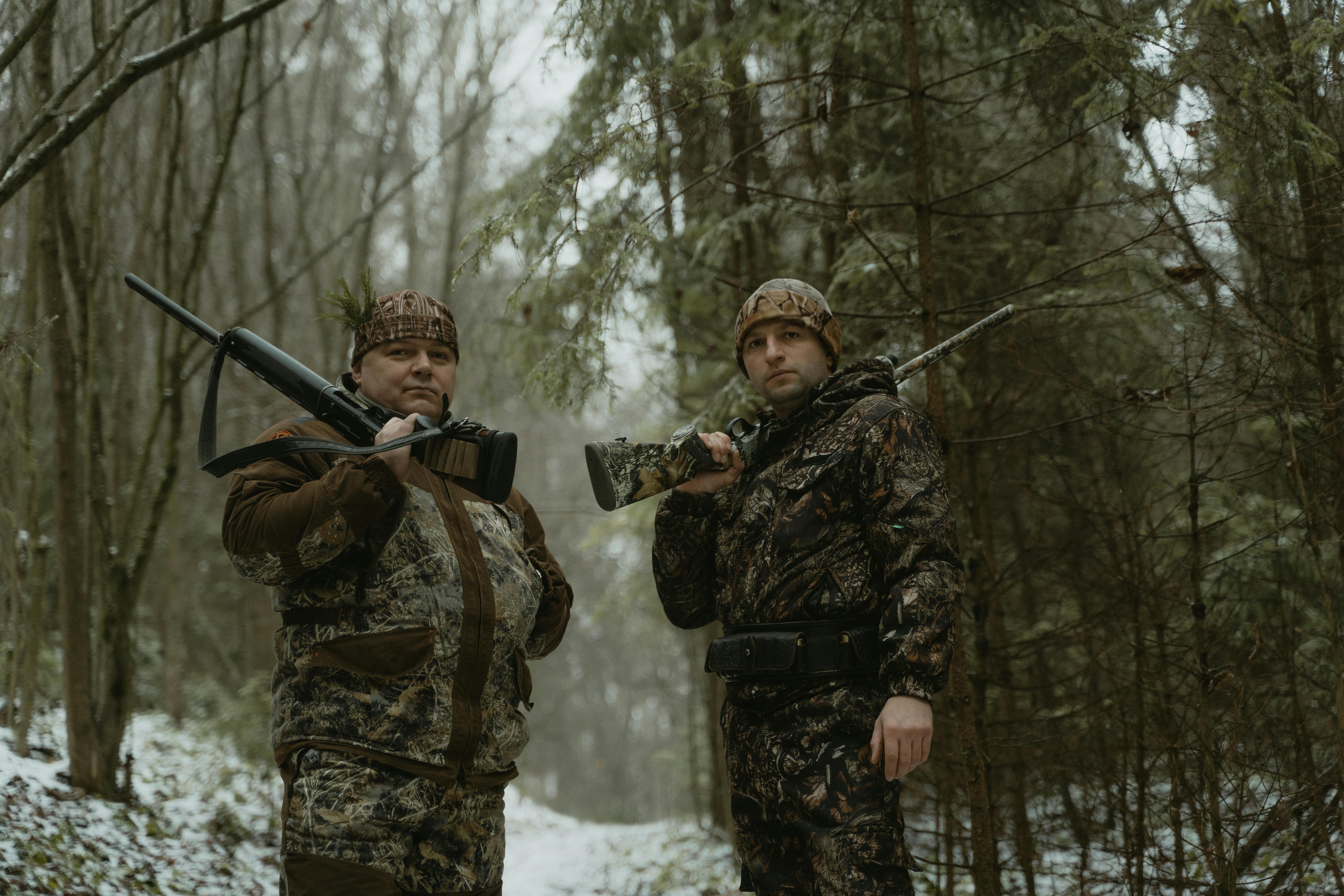
Most debates about bolt-action versus semi-auto rifles get framed around speed, power, or tradition. In real hunting, the first issue is usually much less glamorous: what the rifle feels like after hours on your shoulder. A rifle that seems perfect at the counter can become annoying by midmorning, especially in steep country or thick cover.
Bolt-actions often win the portability argument because they are typically lighter, trimmer, and easier to balance. A classic sporter with a 22-inch barrel and slim stock carries flat against the body and tends to snag less in brush. Many hunters notice this immediately when slipping through timber, climbing into a stand, or crawling into position on open ground.
Semi-autos can still be very practical, but they usually bring more bulk through the receiver and action. Add a larger magazine, a heavier barrel profile, and optics, and the package can become front-heavy. That extra weight is not always bad because it can steady the rifle, but it absolutely changes what carrying the rifle all day feels like.
This is why the honest answer starts with style of hunt. If you cover miles in mountains, cutovers, or rolling public land, a lighter bolt gun often makes more sense. If you hunt from blinds, field edges, senderos, or driven setups where the rifle spends more time ready than slung, a semi-auto’s extra mass may matter far less.
How each action behaves when the shot breaks
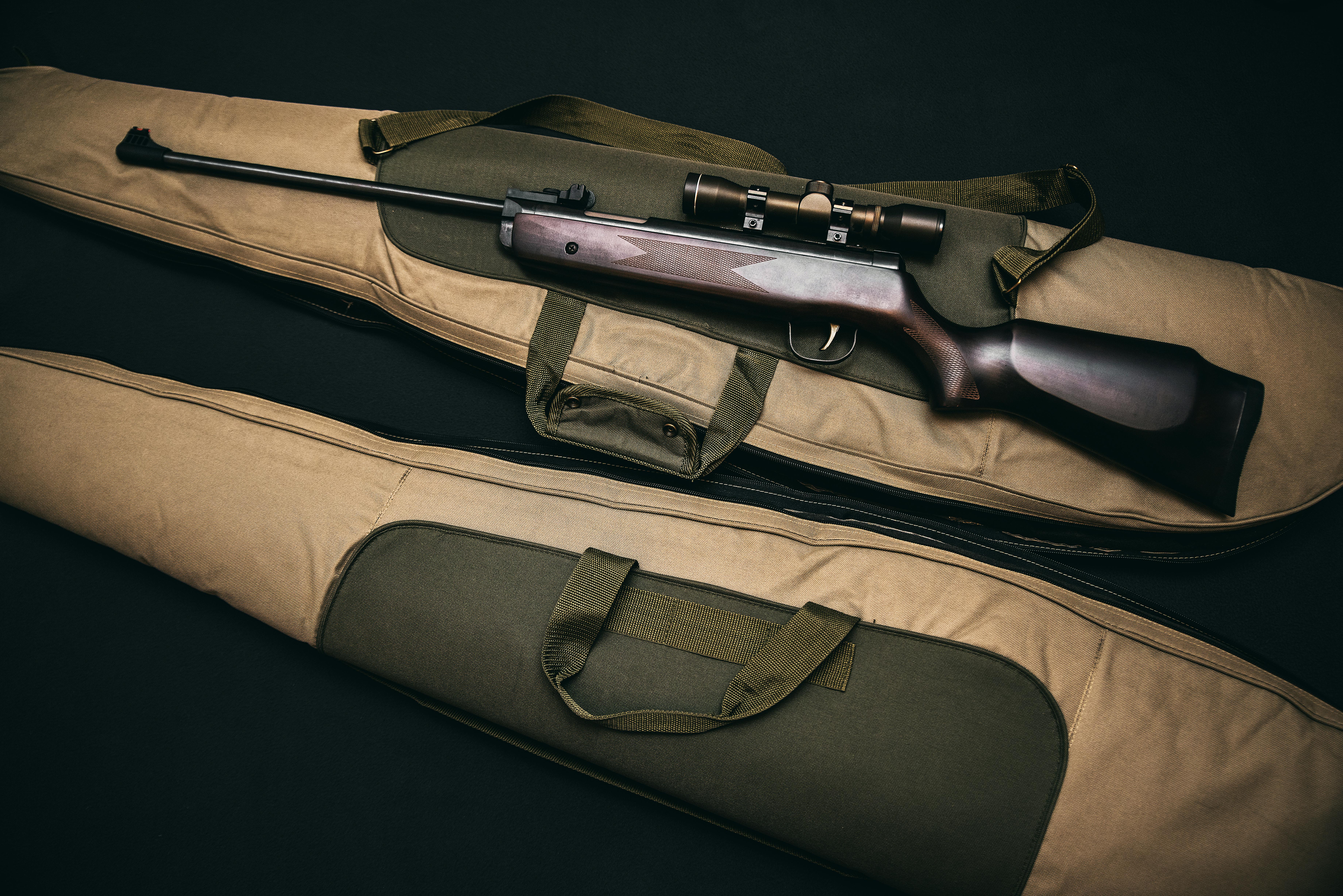
The practical shooting difference between these rifle types is easy to understand but often overstated. A bolt-action requires the shooter to manually cycle the action after each shot. A semi-auto uses the energy of firing to chamber the next round, allowing a faster follow-up without moving the firing hand from the trigger area as much.
That speed advantage is real, especially on hogs, predators, or moving deer where opportunities can disappear in seconds. In southern hog country, for example, hunters often favor semi-autos because groups can erupt from cover and scatter in multiple directions. In that specific situation, a quick second or third sight picture is more than a convenience. It can be the difference between one animal and several.
Still, the first shot remains everything. Bolt-actions have long held a reputation for mechanical simplicity, strong lockup, and excellent accuracy, and that reputation is not accidental. Many of the most respected factory hunting rifles and nearly all traditional precision hunting builds use bolt designs because they are easier to bed, tune, and chamber consistently.
Semi-autos today are more accurate than older stereotypes suggest. Modern platforms from major makers can deliver hunting-grade precision that is more than sufficient for deer, hogs, black bear, and coyotes. But if your priority is tiny groups, long-range confidence, and the cleanest possible trigger feel, the bolt gun still tends to hold the edge.
Reliability in bad weather, dirt, and rough handling

Hunters love to talk about reliability, but it helps to define what that actually means. Reliability is not just whether a rifle can fire five clean rounds at a bench. It is whether it still runs after dust in a truck, pine needles in the action, sleet on the receiver, and a full day of cold hands and rushed decisions.
Bolt-actions excel here because they are simple to understand and simple to clear. If a cartridge chambers hard or a case needs muscle to extract, the shooter has direct mechanical control. In freezing weather or filthy conditions, that matters. Guides in Alaska, western Canada, and the Rocky Mountain states have long leaned on bolt guns for exactly this reason.
Semi-autos can be highly reliable too, especially modern gas systems designed around specific loads. The caveat is ammunition sensitivity and maintenance. A semi-auto may prefer certain bullet weights, pressure levels, or magazine setups, and it usually rewards regular cleaning more than a bolt rifle does.
That does not mean semi-autos are fragile. Plenty of hunters run them season after season without issue. But if you are the kind of person who tosses a rifle in a soft case, forgets to clean it after a wet day, and expects perfect performance in November, a bolt-action is generally more forgiving of imperfect ownership.
Accuracy is not just the rifle; it is the field position
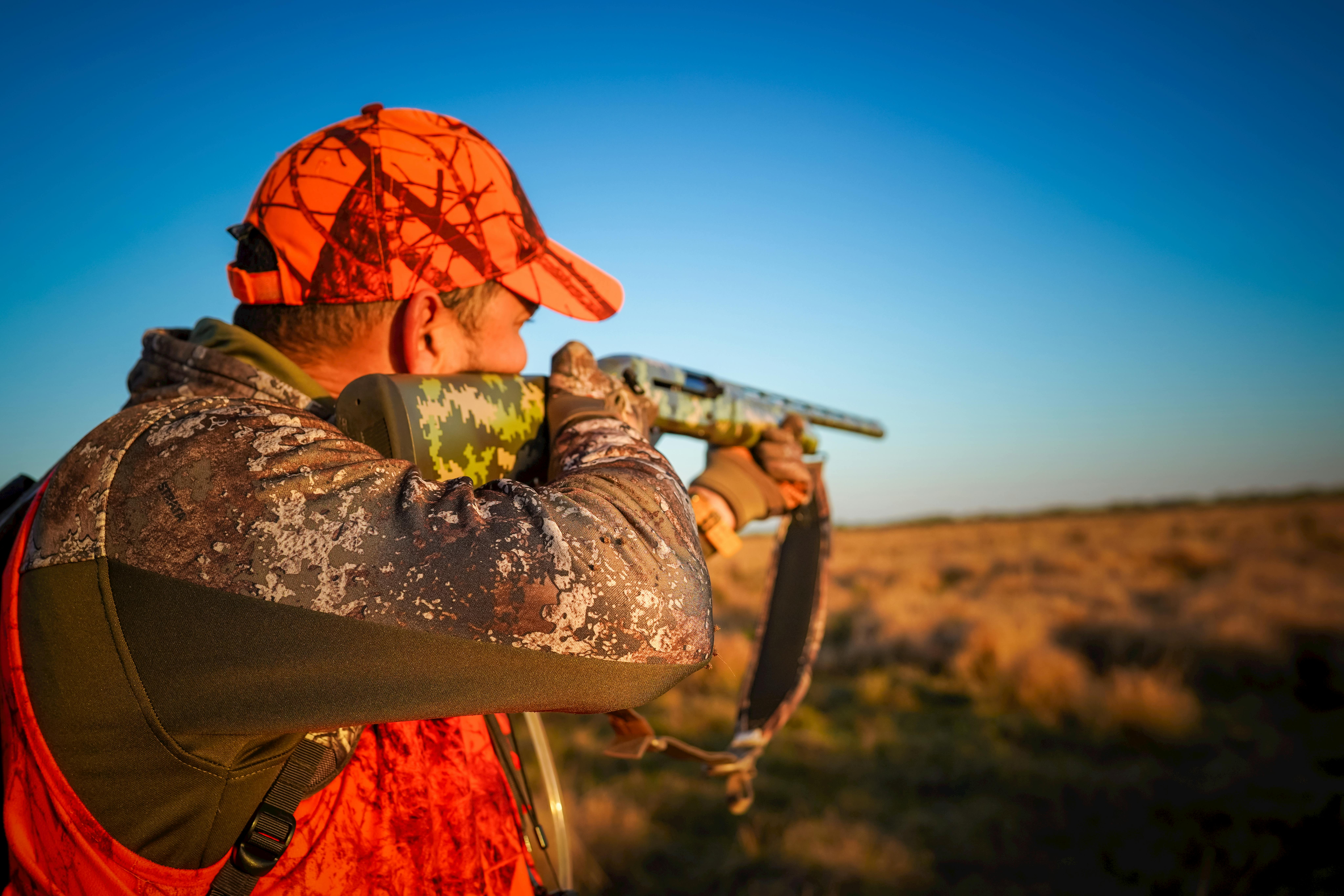
Benchrest accuracy gets too much attention in hunting conversations. The more important question is how accurately you can shoot from kneeling, from sticks, from a backpack, or from the awkward edge of a blind window. A rifle’s field manners often matter more than what it prints in a 3-shot group on paper.
Bolt-actions often feel better in these moments because they are slimmer and more straightforward. Their stocks are usually shaped with classic hunting ergonomics in mind, and their balance point often falls between the hands. That can make them easier to mount quickly and settle onto a target, especially for hunters raised on traditional deer rifles.
Semi-autos bring a different advantage: reduced felt disruption during follow-up shots. The action cycles on its own, and the shooter can stay more connected to the optic and target area. For some hunters, especially those using low-power scopes or red dots on hogs and close-range deer, that creates a faster, more confident shooting rhythm.
Recoil also enters the conversation. Semi-autos often feel softer because some of the firing energy is used to cycle the action, and their greater weight can absorb movement. For recoil-sensitive hunters, including smaller-framed adults or people stepping up in caliber, that softer impulse can translate into better practical accuracy than a theoretically more precise bolt gun.
Game, terrain, and local rules change the answer fast
The best rifle for whitetails in a hardwood stand may be a poor match for running pigs in mesquite or mule deer across wide basins. Hunting context changes everything. That is why experienced hunters rarely say one action is universally better. They usually ask where you hunt, what you hunt, and how fast things happen there.
For eastern whitetail hunters taking one calm shot at modest distance, a bolt-action often feels ideal. It is light, safe to carry, easy to unload, and usually chambered in cartridges with broad ammunition availability like .243, 6.5 Creedmoor, .270, .308, or .30-06. It also fits the rhythm of patient, deliberate hunting.
For hog control, predator calling, and places where multiple legal animals may present themselves quickly, a semi-auto makes stronger practical sense. Landowners dealing with crop damage often prefer rifles that allow fast re-engagement and generous magazine capacity where legal. In those settings, the rifle is less about heritage and more about efficient problem solving.
Regulations matter too. Some jurisdictions restrict magazine capacity, action types, or calibers for specific seasons and species. Before choosing based on internet arguments, hunters should check state wildlife agency rules and local land policies. The better rifle on paper is irrelevant if it does not fit the legal framework of the hunt.
Cost, maintenance, and the accessories that add up
Many buyers focus on the rifle’s sticker price and ignore the full ownership cost. That is a mistake. A hunting setup includes optics, mounts, sling, magazines, ammunition, case, and often aftermarket upgrades. Once you add those pieces, the price gap between bolt-actions and semi-autos can widen quickly.
Bolt-actions usually offer a lower-cost path to a very capable hunting rifle. Entry and midrange models from major manufacturers often deliver excellent barrels, solid triggers, and dependable accuracy without much modification. A hunter can buy a basic bolt gun, mount a quality 3-9x or 2.5-10x optic, sight in, and be fully field ready.
Semi-autos tend to invite accessory spending. Extra magazines, upgraded triggers, alternate stocks, handguards, muzzle devices, and tuned optics setups can turn a reasonably priced rifle into an expensive project. That modularity is a strength, but it also tempts hunters into building a rifle around ideas they admire more than real field use.
Maintenance follows a similar pattern. Bolt guns are generally faster to inspect, wipe down, and keep serviceable with minimal tools. Semi-autos are not hard to maintain, but they ask for more attention to fouling, lubrication, and parts wear. If you enjoy tinkering, that may be a plus. If not, simplicity has real value.
So which rifle are you actually carrying out?
If you want the shortest honest answer, most hunters are best served by a bolt-action unless their style of hunting clearly benefits from a semi-auto. That is not a romantic answer. It is just the practical one. Bolt guns remain lighter on average, simpler to manage, broadly legal, and easier to own well over time.
Choose a bolt-action if your hunting is built around one careful shot, long walks, mixed weather, and a desire for uncomplicated reliability. It is the better fit for mountains, hardwoods, open-country deer, and anyone who values low weight and maximum versatility. There is a reason it remains the default recommendation from guides and seasoned hunters across generations.
Choose a semi-auto if your hunting regularly involves fast follow-ups, multiple targets, recoil management, or field conditions where speed matters more than trimming ounces. For hog hunting, predator work, and certain stand or blind setups, a semi-auto can be exactly the right tool. The key is that you should need its strengths, not just admire them.
The smartest rifle is not the one that wins online arguments. It is the one you practice with, carry comfortably, maintain properly, and trust completely when an animal steps out. In other words, the rifle you are actually carrying out should match your hunt, your habits, and your ability, not someone else’s fantasy.