Overlanding promises freedom, solitude, and unforgettable scenery, but remote travel also punishes small mistakes fast. A weak plan, a neglected vehicle, or one bad decision on the trail can leave even experienced drivers stuck far from help. This gallery breaks down the most common missteps that strand travelers and explains how to avoid them before your next trip.
Skipping a full vehicle inspection
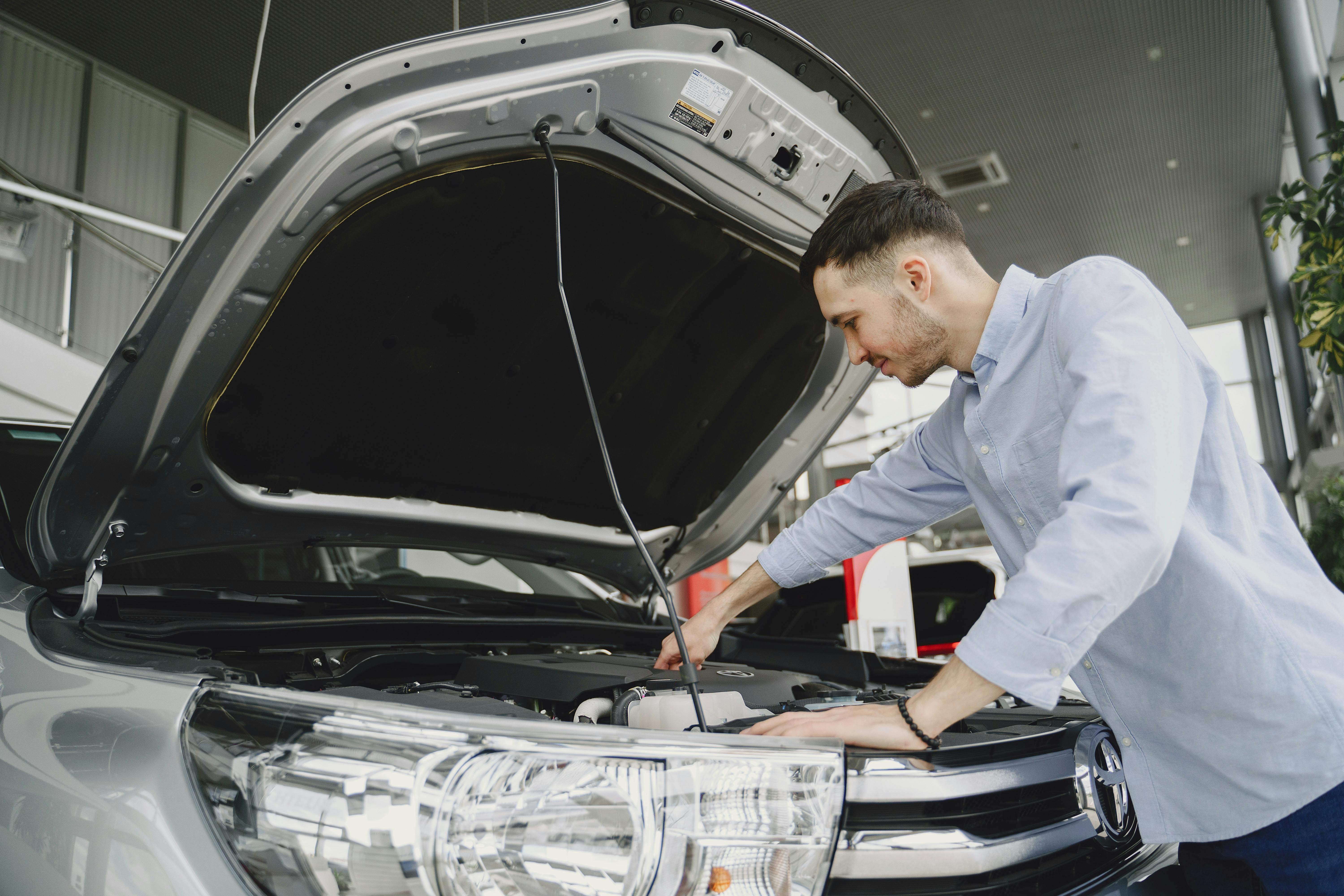
A lot of breakdowns begin before the trip even starts. Drivers get excited, load the gear, top off the tank, and assume the vehicle is ready because it ran fine around town. Remote travel exposes weaknesses that daily commuting never does, from aging hoses to tired wheel bearings and small fluid leaks.
A proper inspection is not glamorous, but it is one of the best insurance policies you have. Check belts, hoses, brakes, tires, battery health, fluids, suspension components, and any sign of seepage underneath. Catching a minor issue in the driveway is a lot better than discovering it on a lonely trail where a tow truck cannot reach you.
Running worn or improper tires
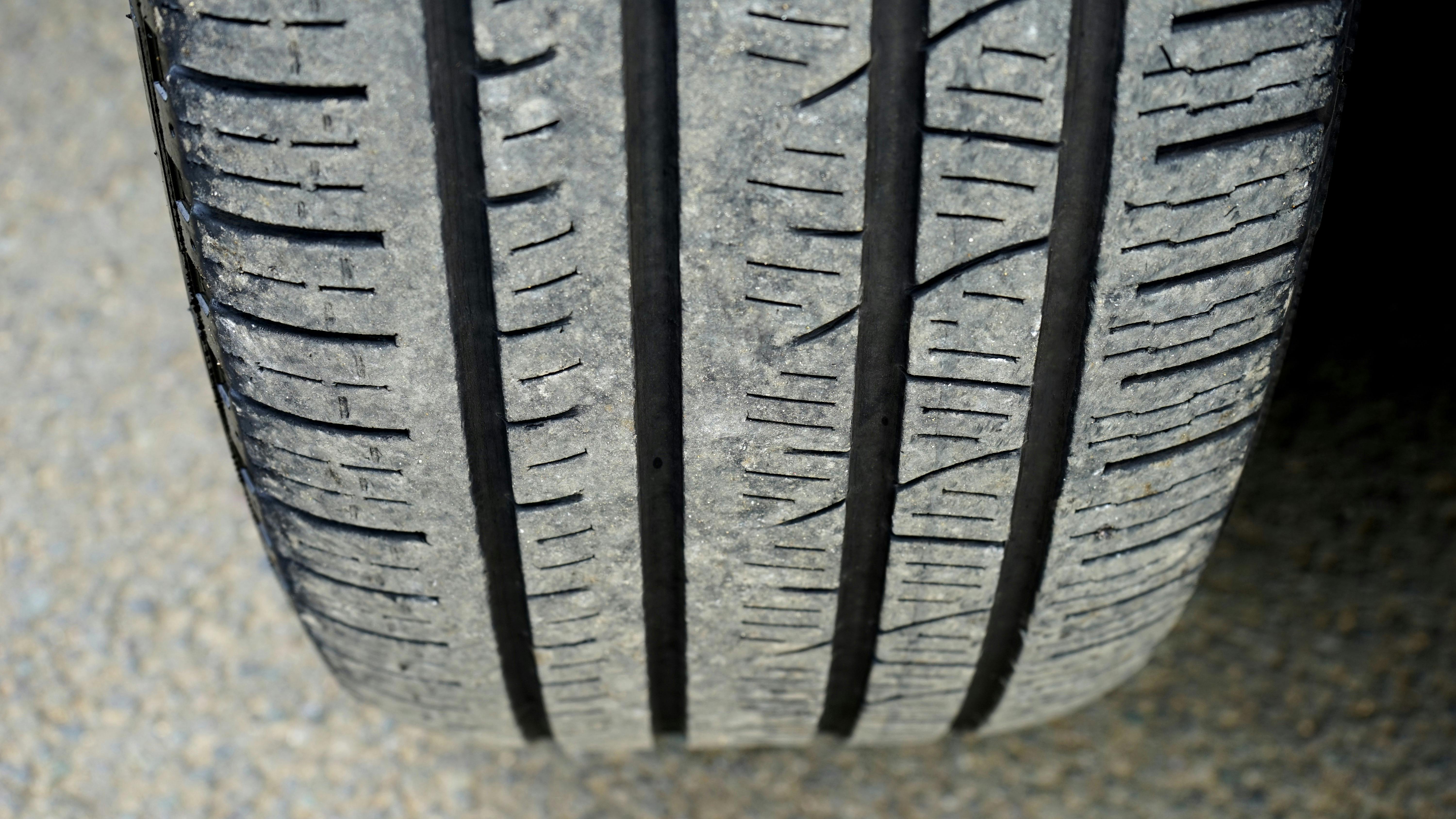
Tires are often the first weak link in overlanding, especially when people head into rough terrain on old all season rubber or highway tires with little tread left. Sharp rocks, corrugations, deep sand, and muddy climbs put far more stress on a tire than ordinary pavement ever will.
The wrong tire can mean punctures, sidewall cuts, poor traction, and getting buried where recovery is difficult. Good tread depth, strong sidewalls, and a tire suited to the terrain matter more than flashy accessories. Just as important, inspect every tire before departure, including the spare, because a perfect setup means very little if your backup is dry rotted or flat.
Ignoring tire pressure for changing terrain

Many drivers get stuck not because their vehicle lacks capability, but because they never adjust tire pressure. The same pressure that works on the highway can work against you in sand, loose gravel, washboard roads, or rocky tracks where traction and ride compliance matter more.
Airing down increases the contact patch and can transform how a vehicle handles difficult surfaces. It can also reduce punishing vibration that slowly damages gear and suspension parts. The mistake is heading into soft or uneven terrain at street pressure, then digging deeper with every throttle input. Knowing when to air down, and carrying a way to air back up, can prevent a simple obstacle from becoming an overnight problem.
Trusting fuel estimates too much
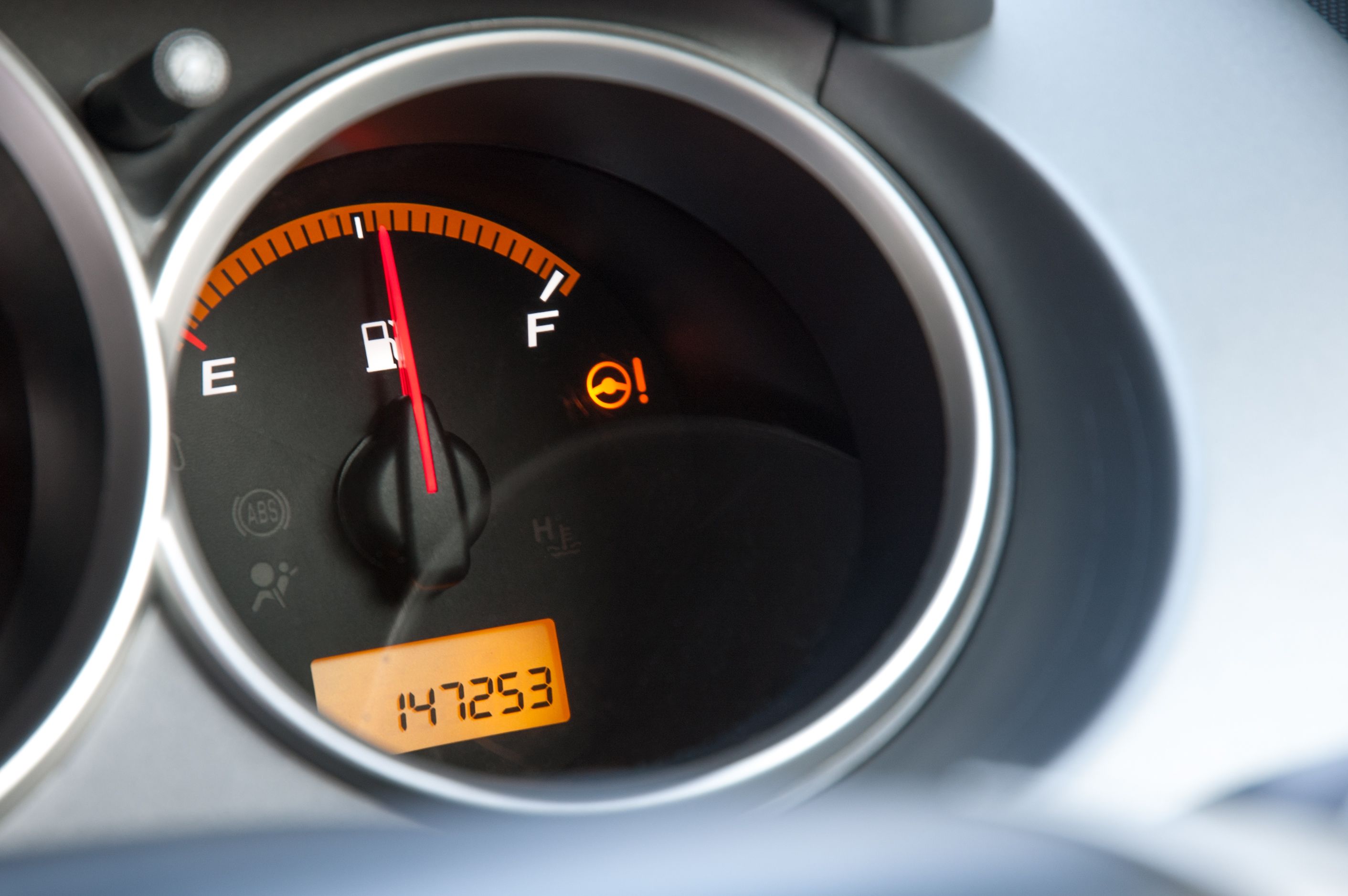
Fuel planning goes wrong when drivers assume advertised range will hold up off pavement. It rarely does. Low speeds, deep sand, steep climbs, strong headwinds, idling, and detours can slash fuel economy far below what you see on regular roads.
That is how people end up staring at the gauge miles from the nearest station, hoping the route ahead is shorter than the map suggested. Conservative planning is the smarter move. Know your real world consumption, build in a healthy buffer, and consider extra fuel when legal and safe to carry. In remote country, running low is not just inconvenient. It can trigger a chain of bad decisions that turns manageable risk into a true emergency.
Carrying water as if it were a short day trip

Water is one of the easiest essentials to underestimate because most people calculate for comfort, not delay. They bring enough for drinking and cooking under ideal conditions, then forget that a breakdown, route closure, heat wave, or recovery effort can extend the trip far beyond the original plan.
In remote travel, extra water buys time, calm, and better decision making. It helps if you get stuck, if the weather turns hotter than expected, or if you need to stay with the vehicle longer than planned. The common mistake is packing for the itinerary instead of the possibility of being delayed. Overlanding rewards redundancy, and water is one place where a generous margin really matters.
Relying on one navigation method

It is easy to trust a phone app when it has guided you everywhere else, but remote terrain is different. Signal disappears, batteries drain, maps can be outdated, and tracks that look simple on a screen can be washed out, gated, or far rougher than expected.
Depending on a single device creates a fragile plan. Smart travelers layer their navigation with downloaded maps, dedicated GPS units, paper maps, route notes, and a basic understanding of the terrain. If one tool fails, the trip does not fall apart with it. Getting lost does not always look dramatic at first. Sometimes it starts with one missed turn, one dead battery, and a lot more miles than your fuel and daylight can comfortably support.
Heading out without recovery gear or know-how

A capable vehicle is not the same as a self recovering vehicle. Sand, mud, snow, ruts, and steep ledges can trap even well built rigs, and many stranded travelers learn too late that traction boards still in the packaging or a recovery strap with no rated attachment points are not much help.
The gear matters, but the knowledge matters just as much. Practice using boards, straps, shackles, jacks, and shovels before you need them under stress. Understand safe recovery techniques and the limits of your equipment. A simple bogging can often be solved quickly with preparation. Without it, a minor delay can turn into vehicle damage, injury risk, and a long wait for outside assistance.
Overpacking until the vehicle is overloaded
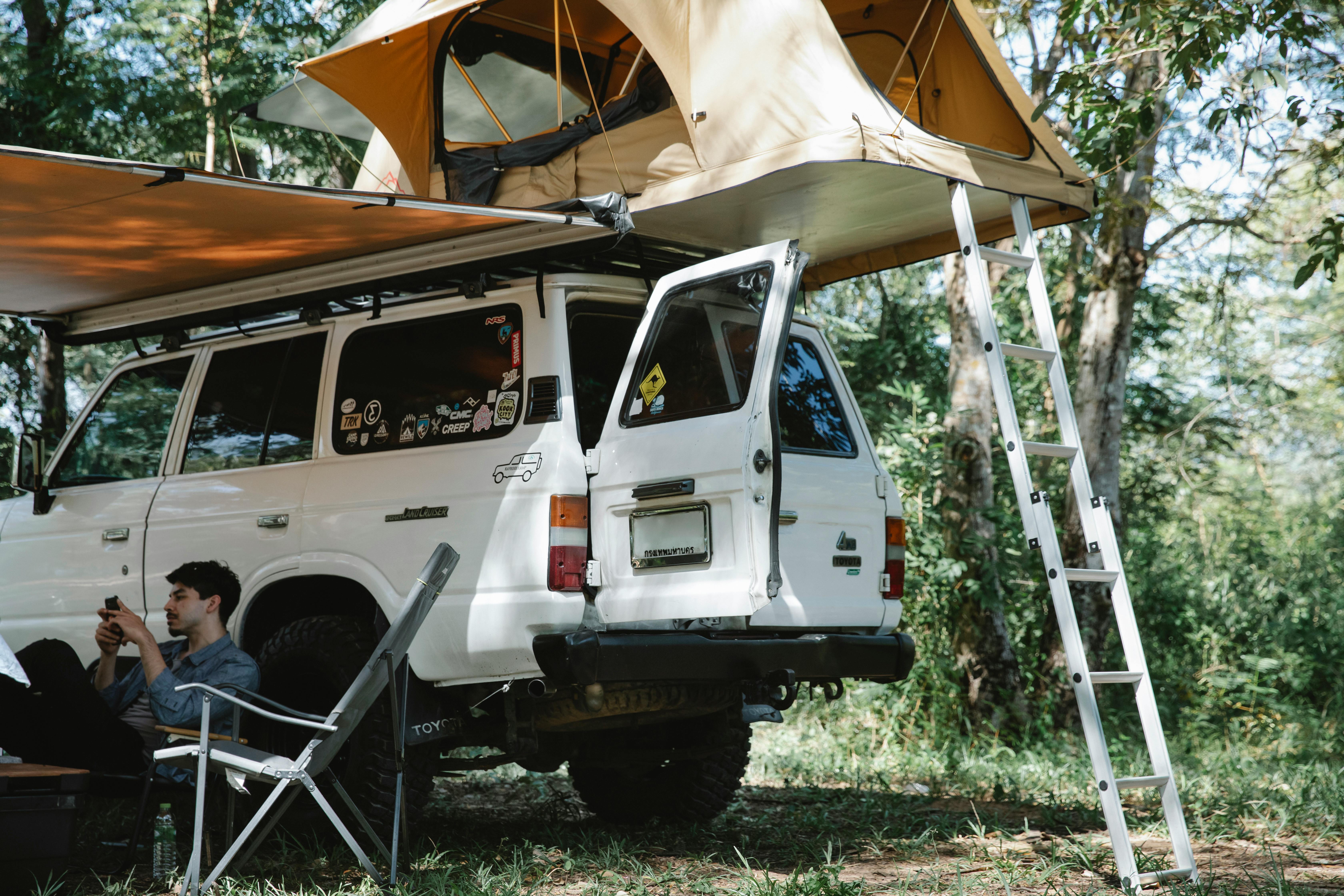
Overlanding has a way of turning every useful item into a must bring item. Before long, the vehicle is carrying extra tools, duplicate cookware, bulky storage boxes, too much fuel, too much water, and accessories mounted in every available spot. The result is often an overloaded rig that handles worse and breaks parts faster.
Excess weight affects braking, suspension, tire stress, fuel consumption, and stability on uneven ground. It can also make recovery much harder when you do get stuck. Packing thoughtfully is not about going without. It is about understanding payload and prioritizing what truly serves the trip. Remote travel is already hard on vehicles, and adding hundreds of unnecessary pounds only increases the chances of something important failing.
Driving beyond skill level or conditions

One of the fastest ways to get stranded is to treat a remote trail like a proving ground. Drivers see a climb, crossing, or washed out section and commit before they have really assessed the line, traction, clearance, or what happens if they fail halfway through.
Good overlanding is more measured than dramatic. Conditions change with weather, recent traffic, and time of day, and a trail rated manageable last month may be a different story now. Turning around is not weakness. It is good judgment. Many recoveries begin with a decision that felt bold in the moment but looked avoidable in hindsight. Knowing your limits, and your vehicle’s, often keeps the trip going longer than confidence alone ever will.
Traveling solo without a solid backup plan

Solo overlanding can be deeply rewarding, but it narrows your margin for error. There is no second vehicle to help with a recovery, no extra hands for repairs, and no immediate support if weather, injury, or mechanical trouble changes the day fast.
Going alone does not automatically mean going unprepared. It means planning more carefully. Share your route, expected timing, and check in windows with someone reliable. Carry communication tools that work without cell service, and think through what you would do if you had to wait a full day or more. Plenty of solo trips go smoothly, but the mistake is assuming independence makes backup planning optional.
Forgetting that weather changes the route
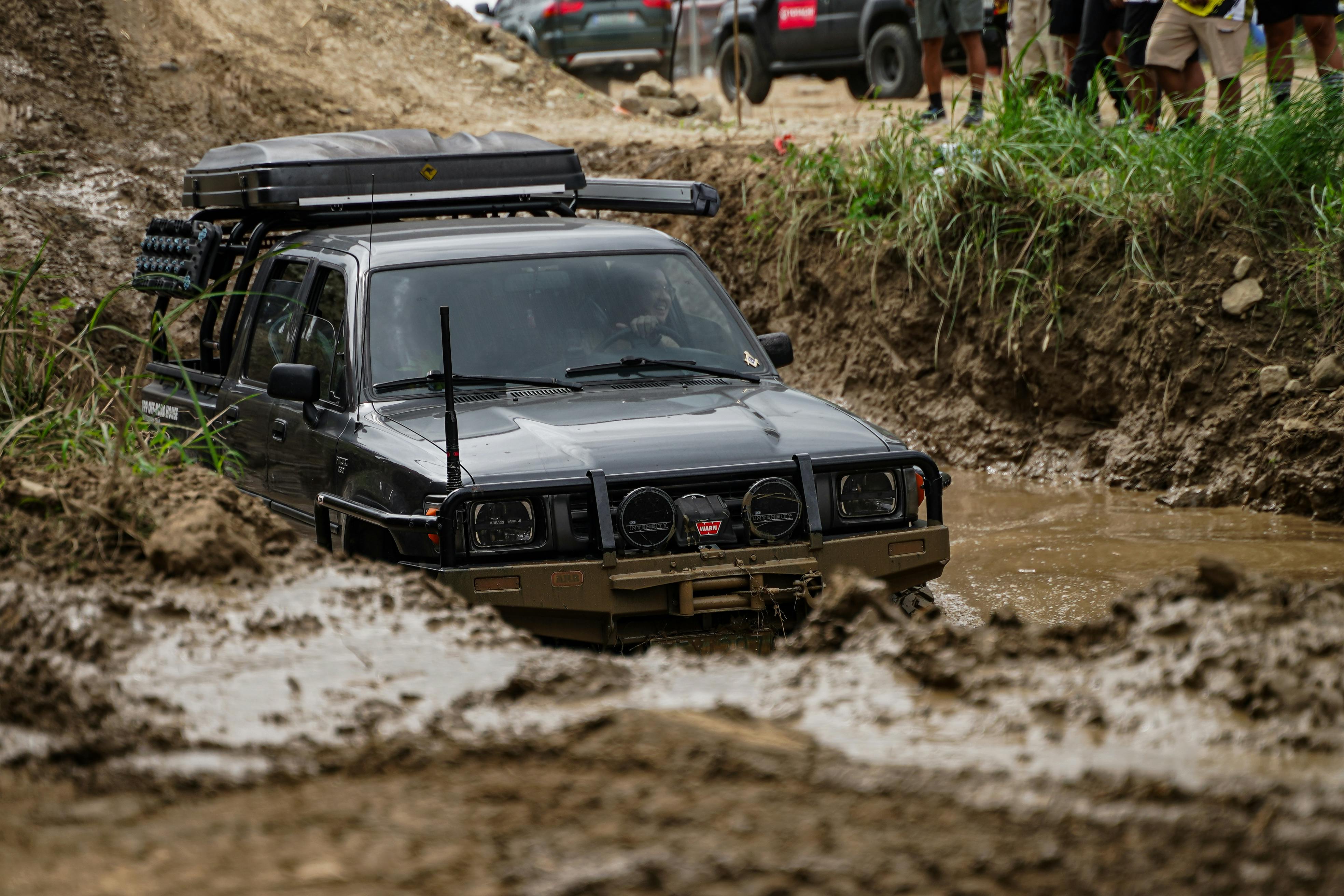
A trail that is easy when dry can become impassable after rain, snow, or rapid thaw. Water crossings rise, clay roads turn slick, sand firms up or softens, and temperatures can shift enough to affect both traction and vehicle performance. Weather is not background scenery in overlanding. It is part of the terrain.
The mistake is checking the forecast casually, or only for the nearest town, then assuming the route will behave the same all weekend. Remote areas create their own conditions, and storms can hit harder than expected. Building a route without weather flexibility can trap you between obstacles or leave you committed to roads that are suddenly unsafe. Smart travelers watch forecasts closely and keep alternate plans ready.
Neglecting communication equipment

Many people discover too late that no signal really means no signal. In remote country, a dead phone is not just inconvenient, and even a fully charged one may be useless if there is no coverage for miles. When something goes wrong, communication becomes as important as fuel or water.
A satellite messenger, personal locator beacon, or other off grid communication device can dramatically improve outcomes in an emergency. Even simple tools like handheld radios can help within a group. The mistake is assuming someone will pass by soon, or that one bar of service will appear when needed. Remote travel is safer when help can be reached deliberately, not just hopefully.