Preparing for a Colorado camping trip becomes much easier when practical bushcraft skills feel familiar and reliable, allowing the outdoors to feel more welcoming and less unpredictable. Building confidence in areas like fire making, navigation, and shelter construction creates a stronger sense of control in rugged terrain. Understanding these fundamentals also helps manage Colorado’s shifting weather and varied landscapes. With a solid foundation, each moment in the wilderness becomes safer, smoother, and far more enjoyable from start to finish.
Fire Building Basics
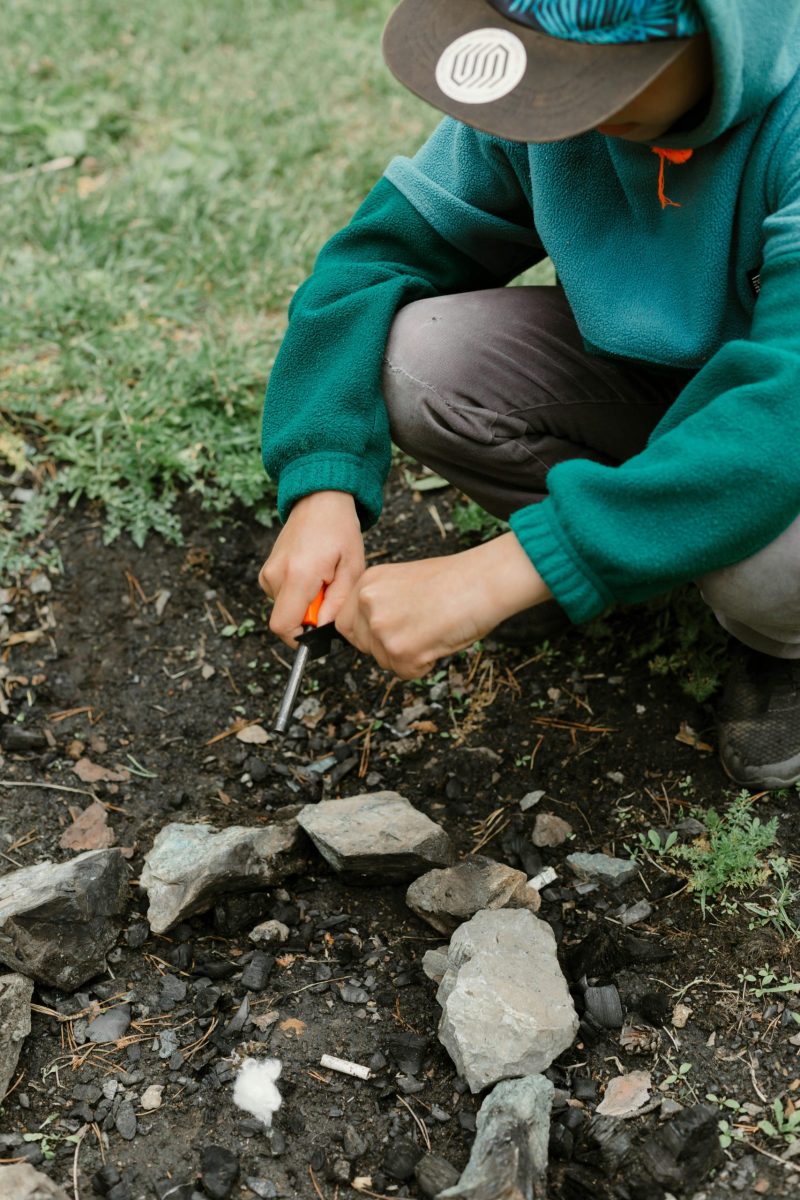
Knowing how to build a steady campfire provides warmth, cooking ability, and comfort during Colorado’s sudden temperature drops. Gathering dry materials, arranging them properly, and protecting the flame from wind helps maintain a safe and lasting burn. Practicing this skill at home prevents stress when conditions become less forgiving in the backcountry. As familiarity grows, fire making becomes an easy and dependable part of outdoor life, offering both security and a welcoming glow at the end of each day.
Safe Knife Handling
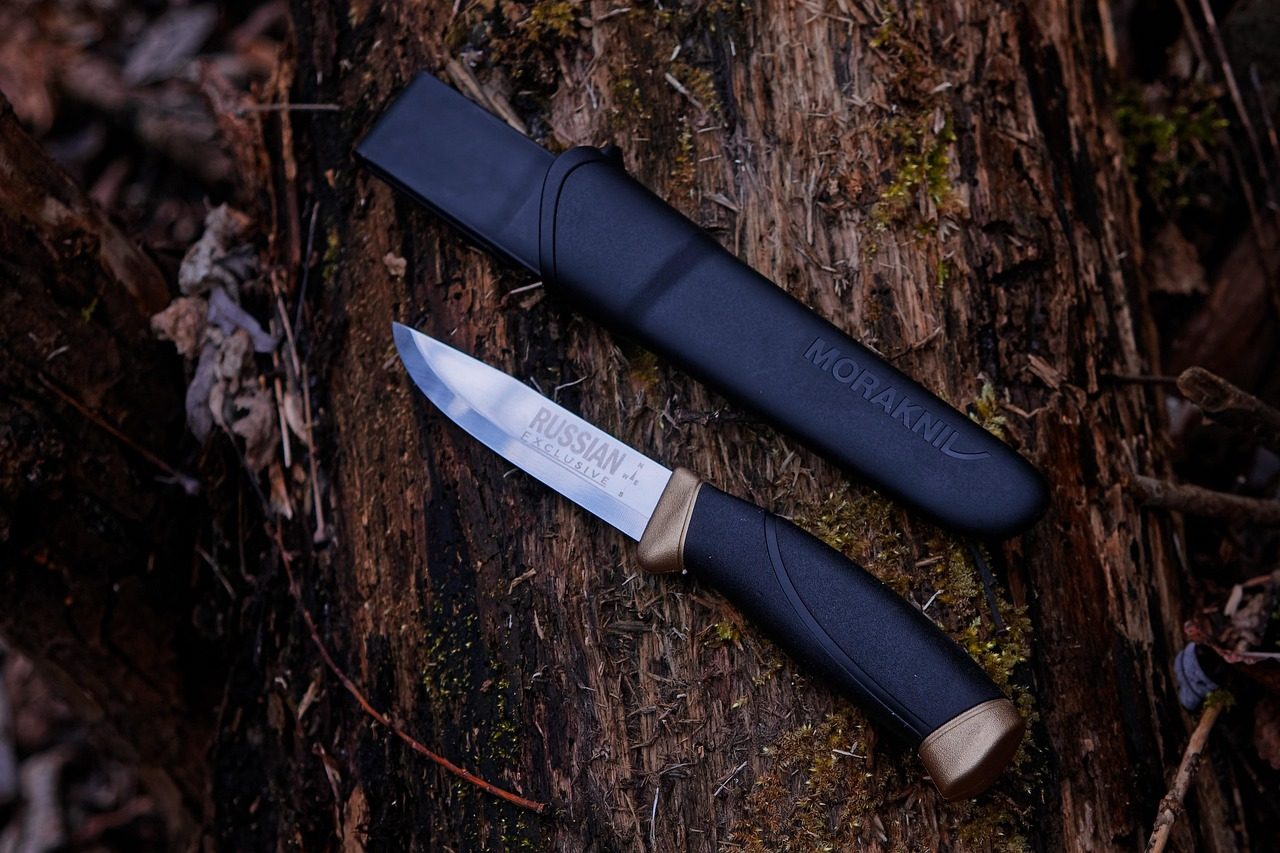
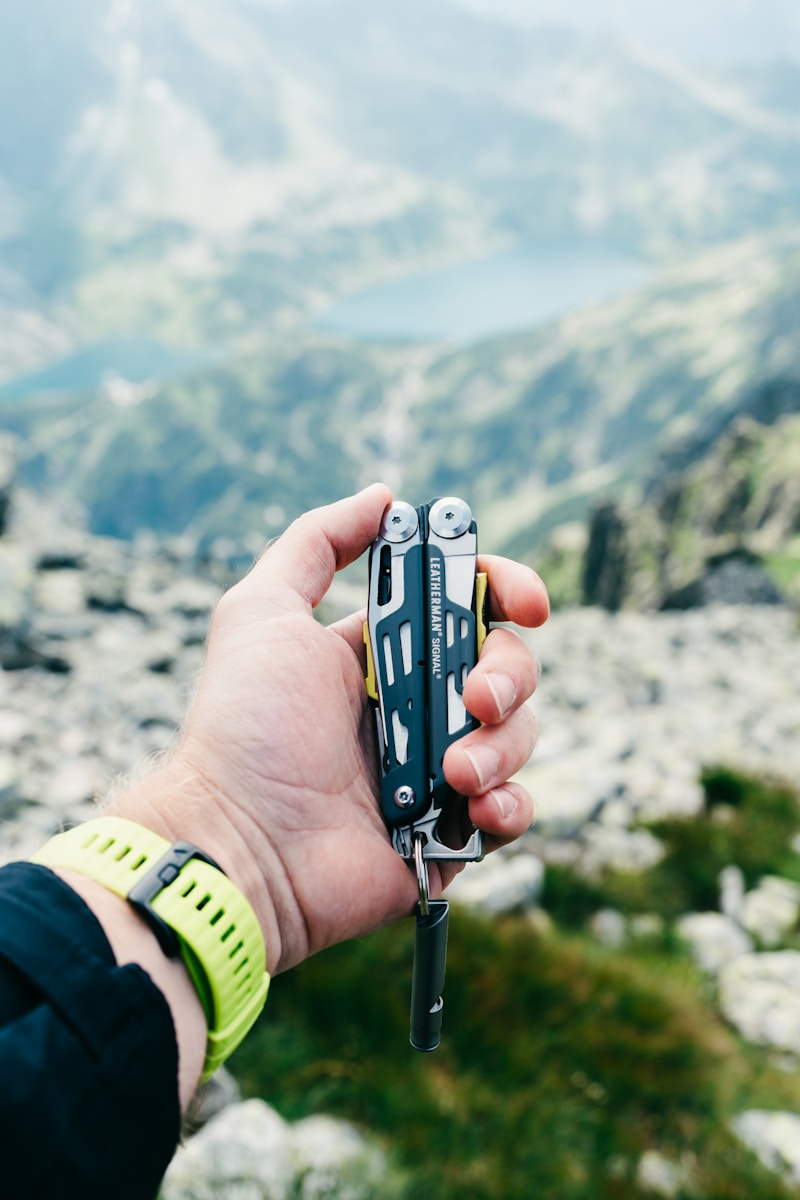
Comfort with knife handling supports nearly every bushcraft task, from carving tools to preparing food to shaping tinder. Keeping the blade sharp, maintaining steady control, and cutting away from the body reduces accidents that can complicate remote travel. Regular practice builds muscle memory and confidence, making outdoor projects smoother and more efficient. With proper technique in place, a knife becomes a helpful extension of the hand rather than a source of uncertainty or risk.
Finding and Purifying Water
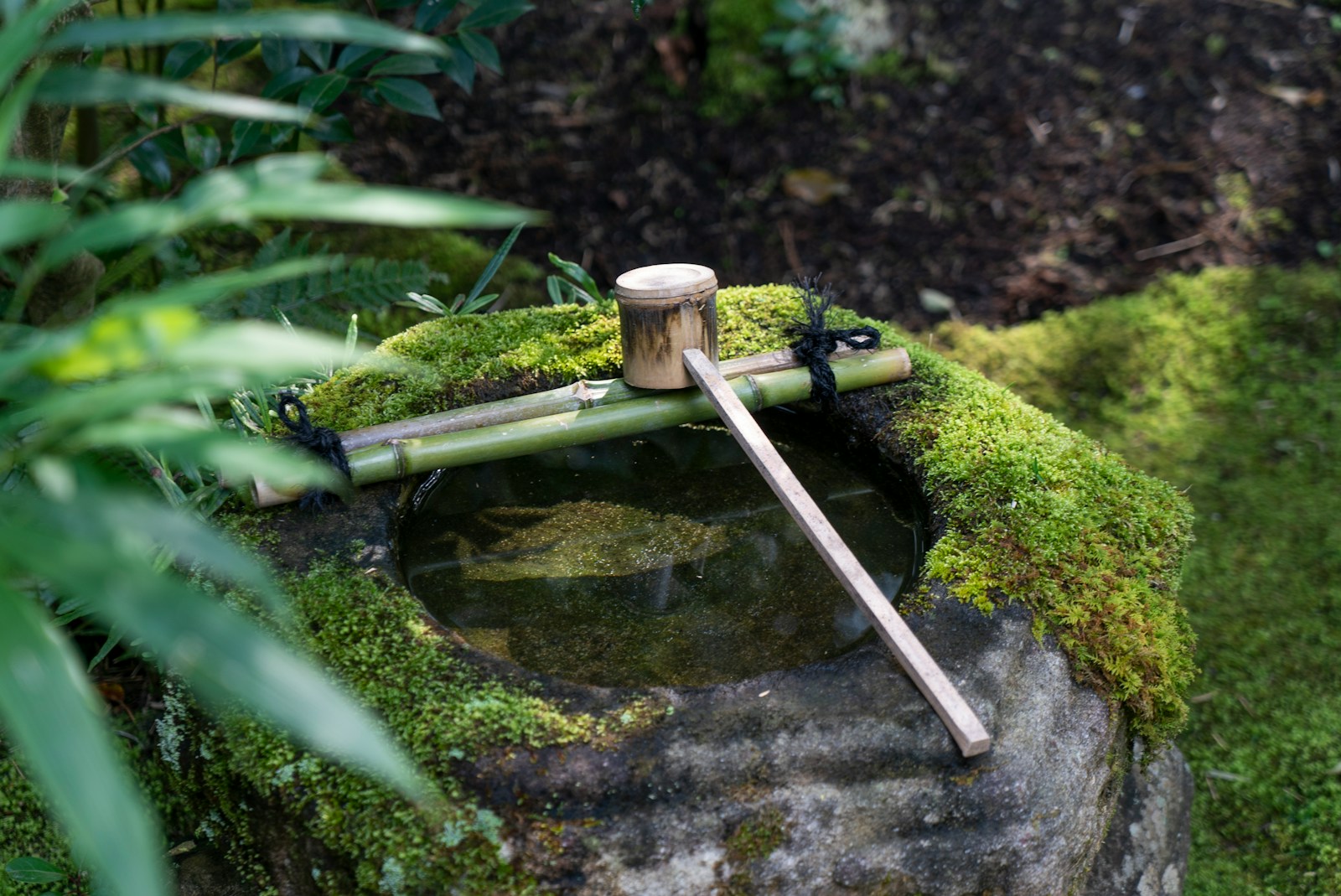
Securing clean drinking water remains essential for safe travel through Colorado’s dry and high-elevation regions. Mountain streams, snowmelt, and natural springs may appear pristine but still require proper treatment through filtration, boiling, or chemical methods. Practicing purification techniques beforehand ensures the process feels simple in remote areas. Once this skill becomes routine, long hikes and warm days feel more manageable without concern about dehydration or unsafe sources.
Basic Shelter Construction
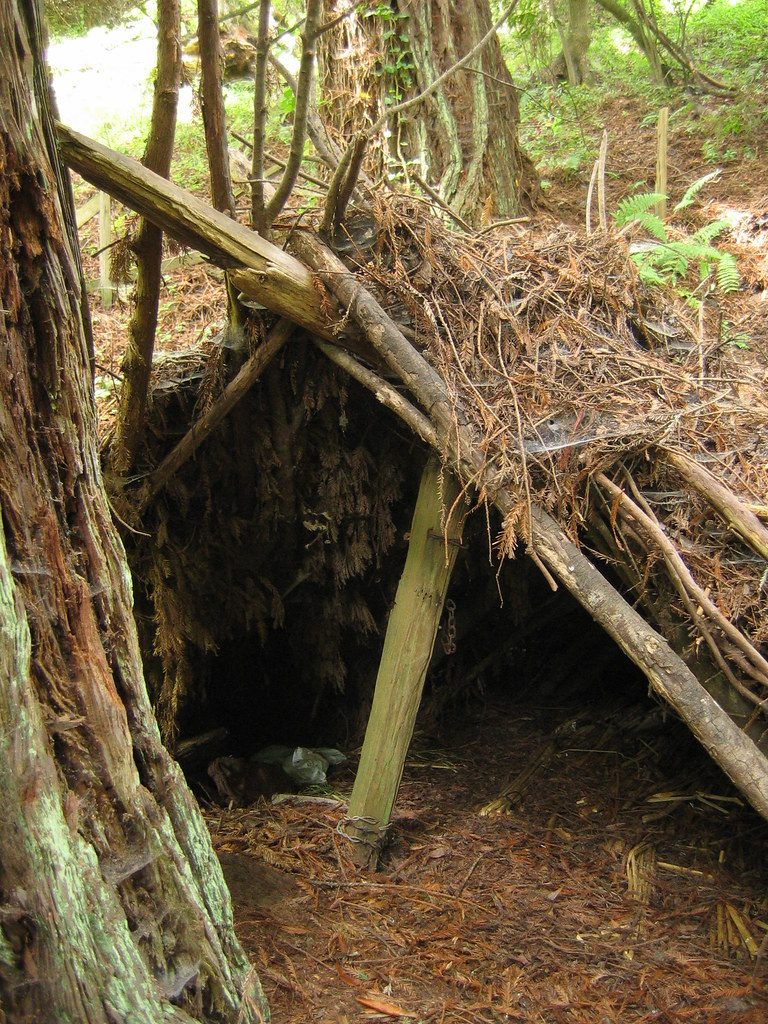
Shelter building protects campers when Colorado weather shifts quickly, bringing cold winds, strong sun, or sudden rainfall. Using branches, tarps, or natural formations can create structures that offer shade, insulation, and wind protection. Learning different shelter styles increases flexibility across changing environments. Once mastered, this skill adds comfort to long nights and provides a sense of stability in unsettled conditions, helping each outdoor day begin with renewed energy.
Map and Compass Navigation
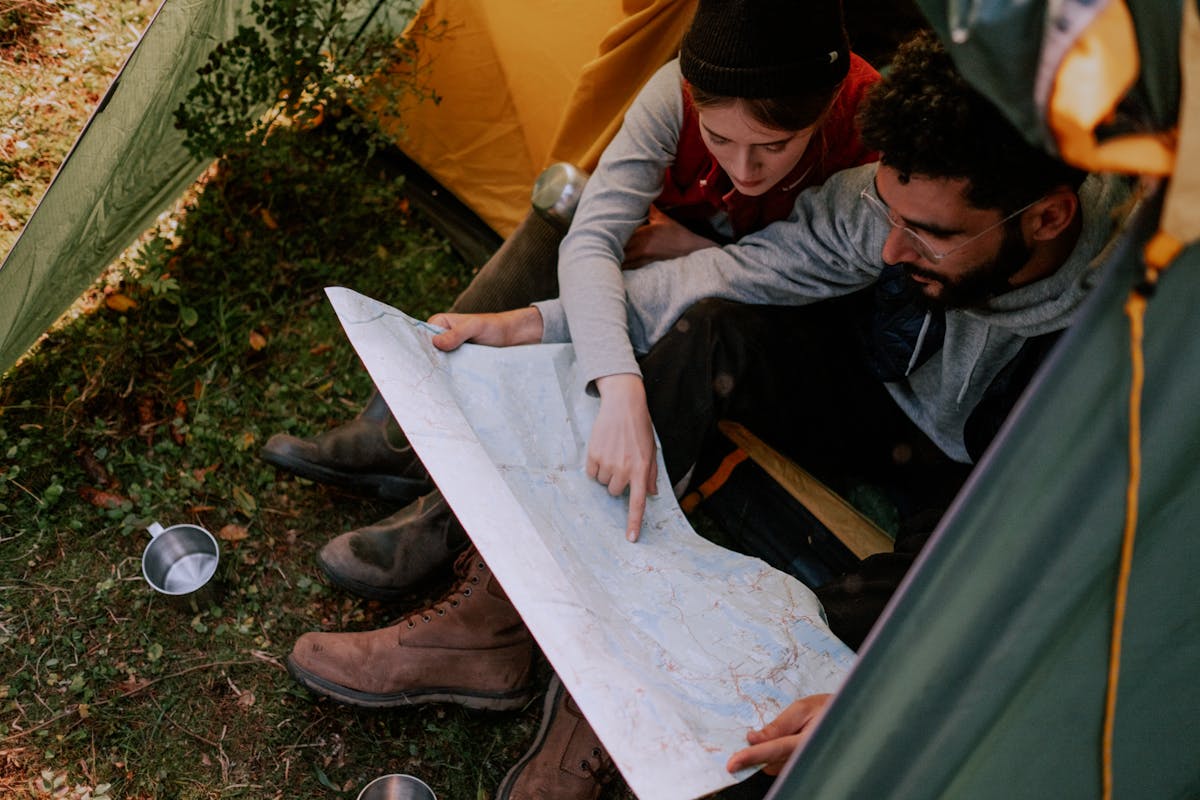
Traditional navigation helps maintain direction when cell service disappears deep in the mountains. Reading contour lines, identifying landmarks, and following bearings keeps travel steady and prevents unnecessary detours. Practicing these techniques before the trip builds confidence on unfamiliar trails. With strong navigation skills, exploring new regions becomes smoother and far less stressful, allowing more focus on the surrounding scenery and less on uncertainty.
Knot Tying Essentials
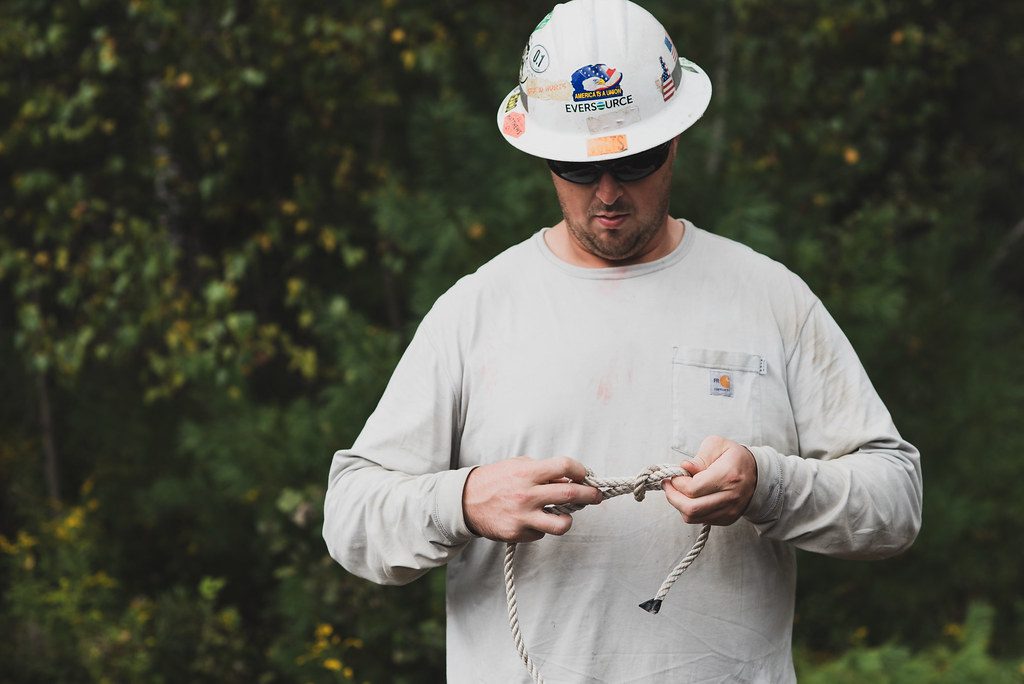
Reliable knots offer simple solutions for securing shelters, stabilizing gear, and managing food lines in Colorado’s varied conditions. Learning knots such as the bowline, clove hitch, and trucker’s hitch makes camp tasks quicker and more dependable. Good technique keeps equipment in place during windy nights or sudden weather changes. Once these knots become second nature, everyday responsibilities at camp feel more organized and efficient.
Foraging Awareness
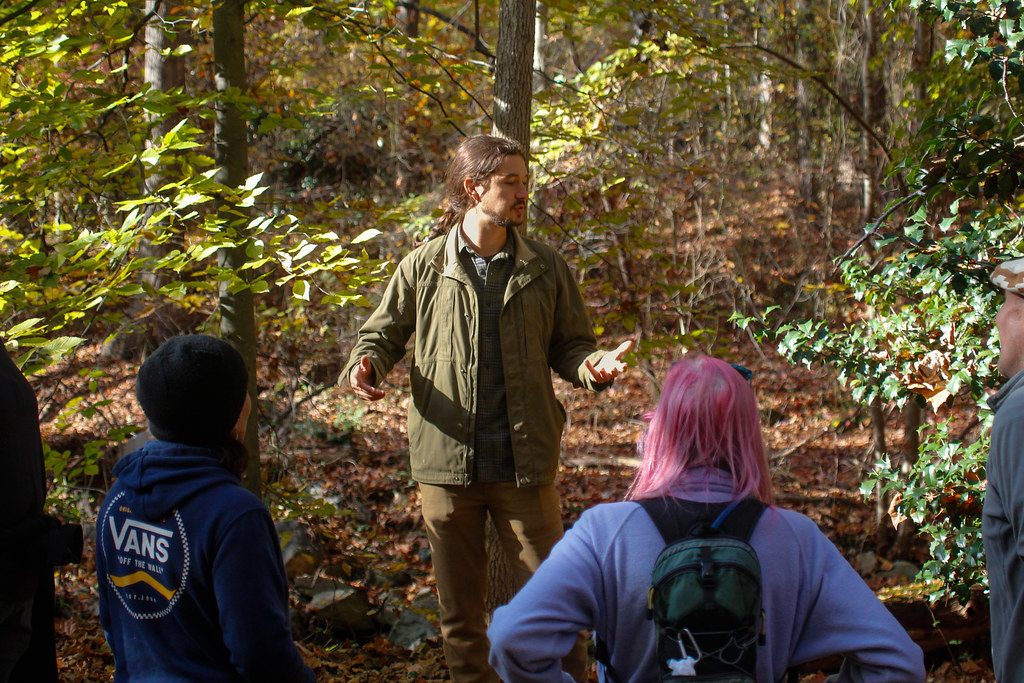
Recognizing edible plants adds interest to a trip while creating a closer connection with the landscape. Colorado’s forests and meadows contain berries, herbs, and greens that can supplement meals when properly identified. Studying safe species helps avoid harmful look-alikes and encourages thoughtful interaction with the environment. As knowledge grows, foraging becomes a rewarding way to learn more about regional ecosystems without disturbing their natural balance.
Weather Reading Skills
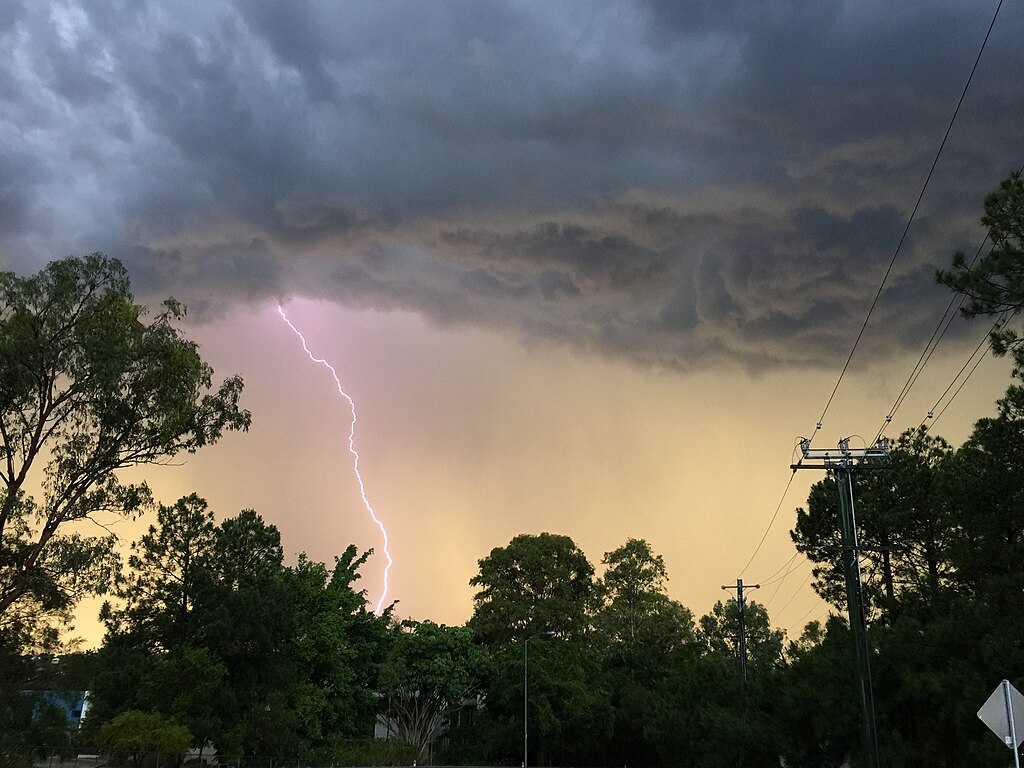
Understanding shifting weather patterns helps prevent uncomfortable or risky conditions in areas known for rapid climate changes. Observing cloud formations, wind direction, and subtle temperature adjustments offers early hints of incoming storms or high winds. Practicing this awareness builds a stronger ability to adapt daily plans before conditions worsen. With this skill, outdoor time in Colorado becomes safer and more enjoyable, even when the forecast remains uncertain.
Tracking and Wildlife Awareness
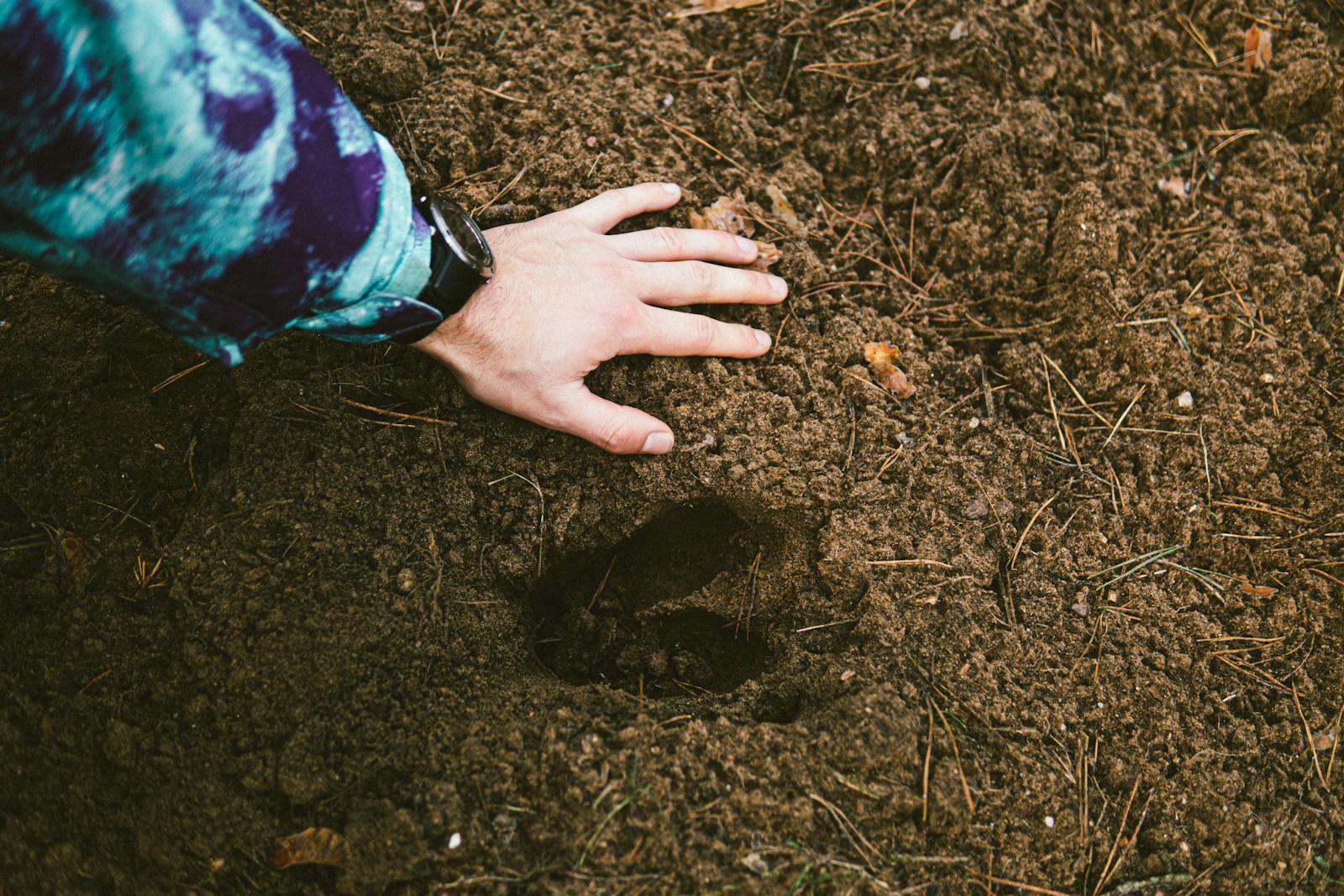
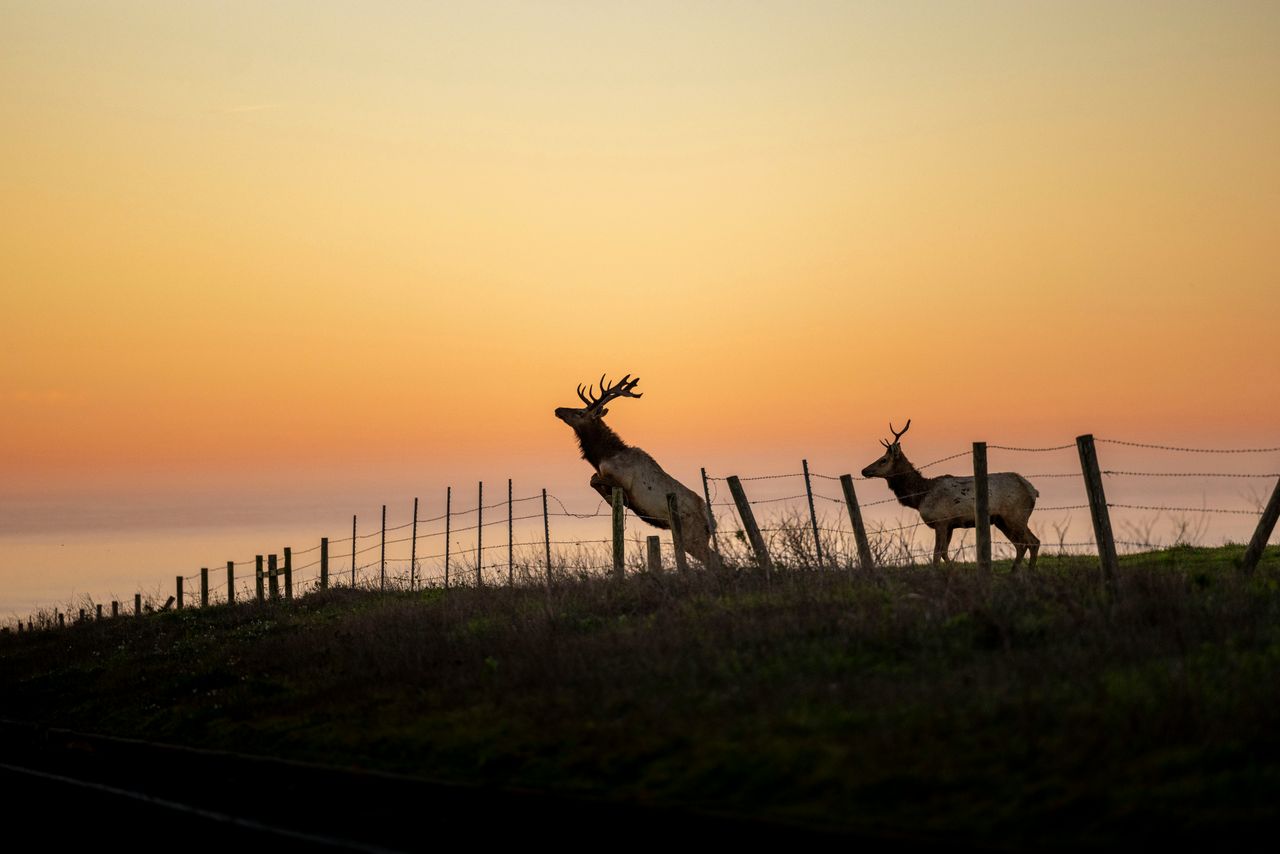
Reading animal tracks, markings, and movement patterns fosters a deeper understanding of local wildlife while supporting safe travel. Colorado’s mountains host elk, deer, bears, and smaller creatures whose signs can appear along trails and near streams. Recognizing these indicators promotes respectful distance and encourages mindful exploration. Tracking also enhances awareness of the surrounding terrain, creating a more immersive and informed outdoor experience.
Cooking Over an Open Fire
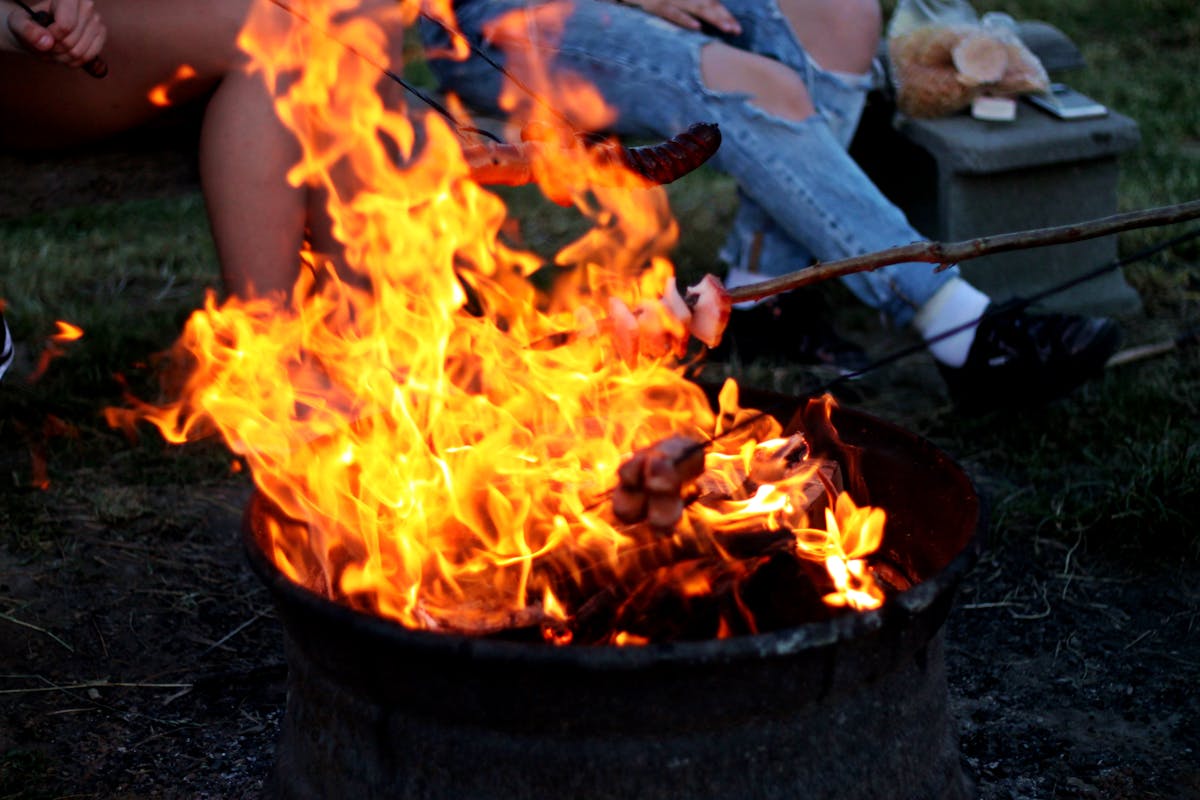
Preparing meals over a natural flame becomes easier with practice and patience. Controlling heat, selecting proper firewood, and positioning cookware correctly all influence the final result. Trying simple recipes at home builds confidence for backcountry cooking, where tools are limited. Once this technique feels natural, camp meals become an enjoyable daily ritual rather than a challenging task.
Tool Maintenance
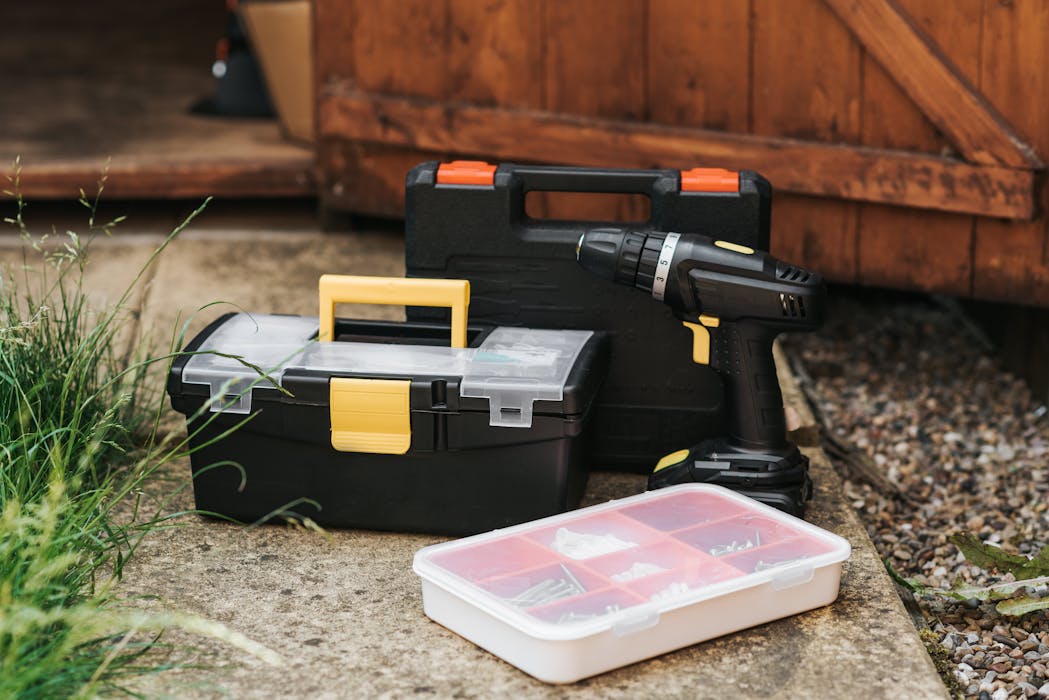
Caring for essential tools such as knives, saws, and hatchets ensures reliability during long trips. Cleaning blades, checking edges, and storing items properly prevent wear that can hinder performance in remote environments. Regular maintenance also extends the lifespan of gear and reduces the need for repairs. With well-kept tools, bushcraft tasks remain smooth and predictable throughout the journey.
Emergency Signal Knowledge
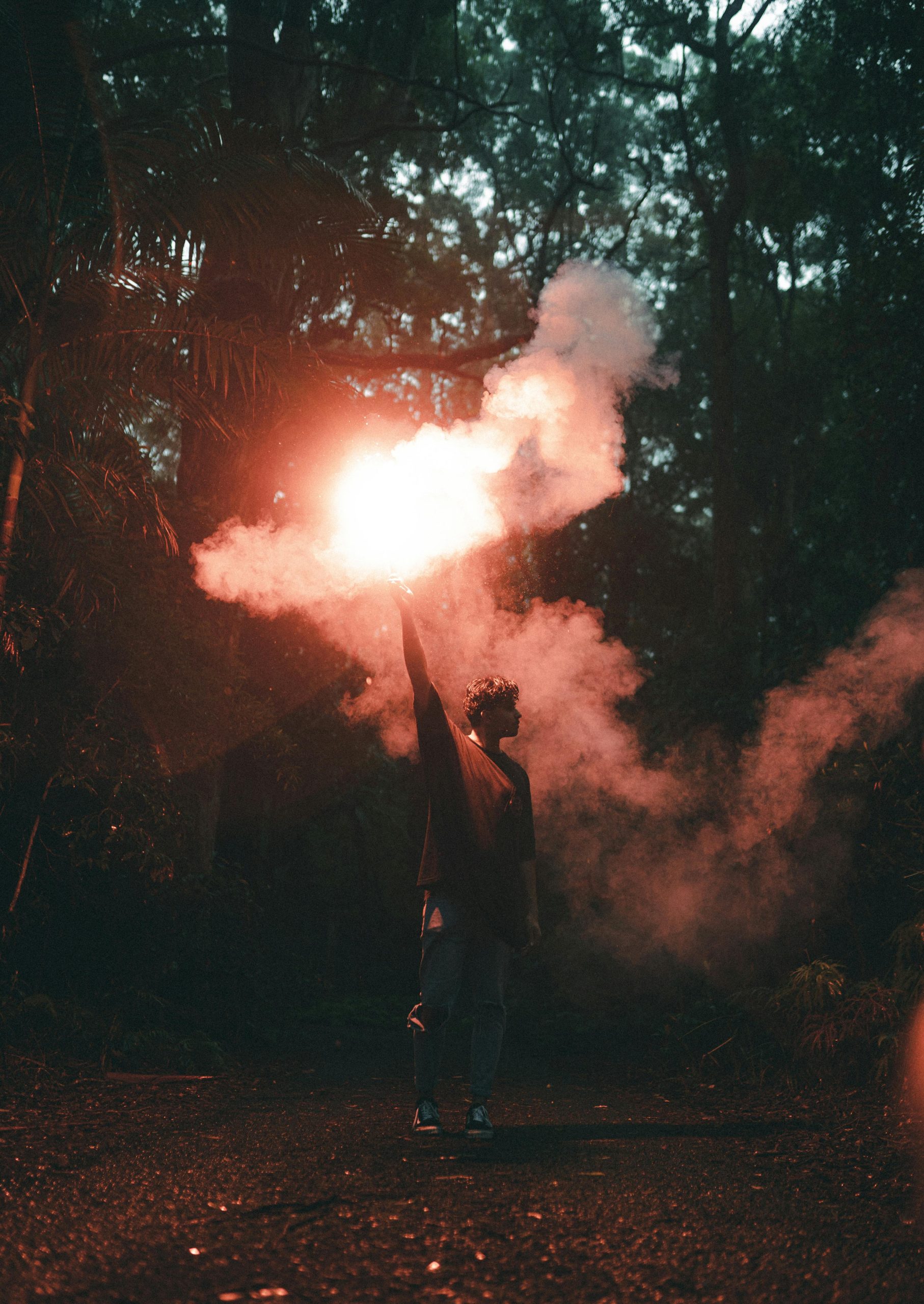
Signal techniques provide reassurance during remote travel where help may be difficult to reach. Mirrors, whistles, and ground markings all increase visibility when assistance becomes necessary. Practicing these methods prepares campers to respond quickly in urgent situations. With this knowledge, exploring Colorado’s isolated backcountry feels more secure and manageable, even when unexpected challenges arise.