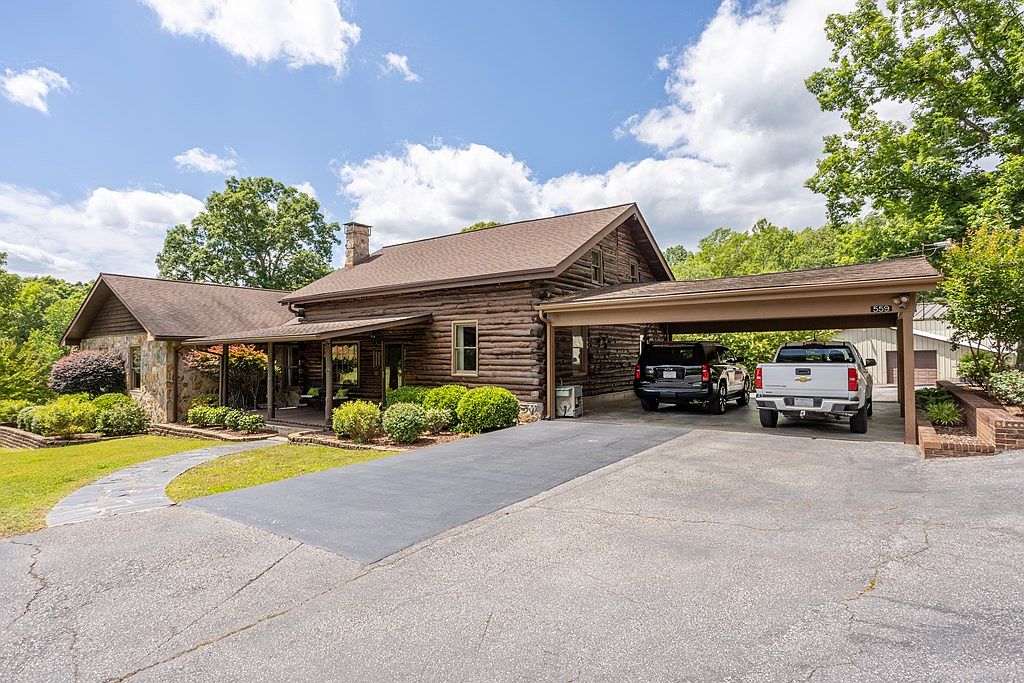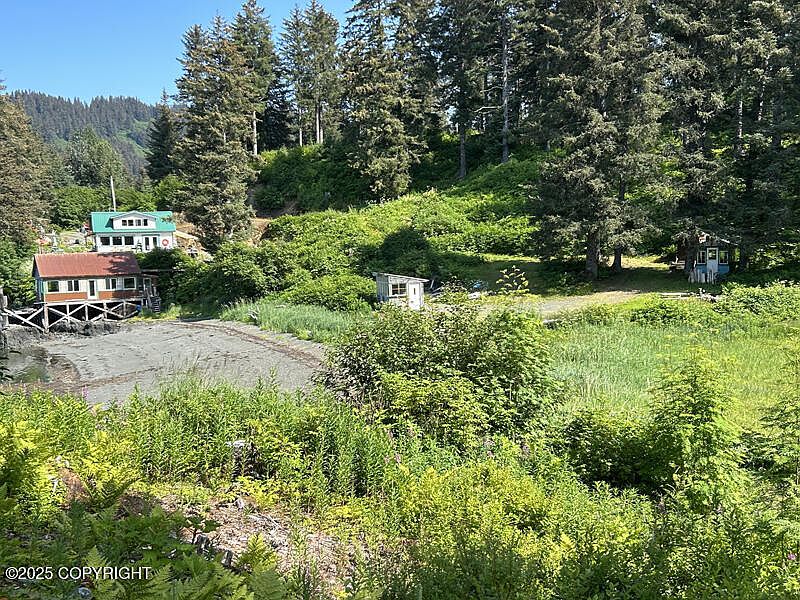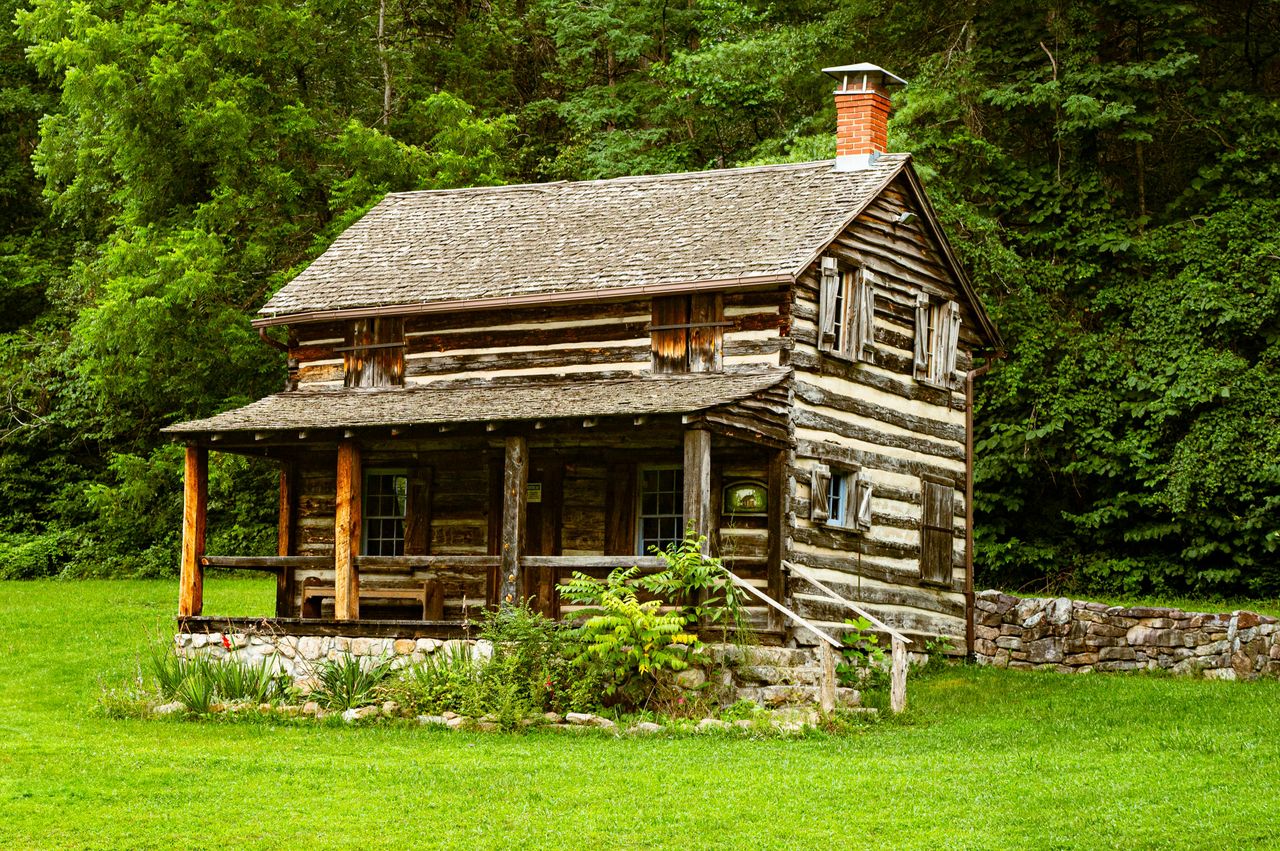
Living off the grid sounds wonderfully simple until paperwork enters the picture. Many homesteaders assume that owning rural land means they can build, dig, store water, and generate power without much oversight, but local rules often say otherwise. Before you sink posts or drill a well, these are the permits and approvals worth checking first.
Driveway and Access Permit

That quiet parcel may feel wonderfully remote, but the moment you connect it to a public road, the county or state may want a say. An access permit is often required for a new driveway, culvert, or entrance cut, especially if visibility, drainage, or traffic safety could be affected.
This catches plenty of first-time homesteaders off guard because the driveway looks like a simple DIY project. In reality, road departments may dictate width, slope, surfacing, and even where your entrance can sit. If you skip this one, you could be ordered to remove the work and start over after spending real money.
Septic or On-Site Wastewater Permit

Even the most independent homestead usually cannot just pick a spot and bury a septic tank. Most jurisdictions require an on-site wastewater permit tied to soil tests, system design, and minimum setbacks from wells, creeks, and property lines.
This matters even if you are planning a tiny cabin, composting toilet backup, or a phased build. Health departments often view wastewater as one of the least flexible parts of a property plan. A failed perc test or undersized system can delay everything else, including occupancy, financing, and future additions. For many rural builds, this permit quietly determines whether the land works at all.
Well Drilling Permit
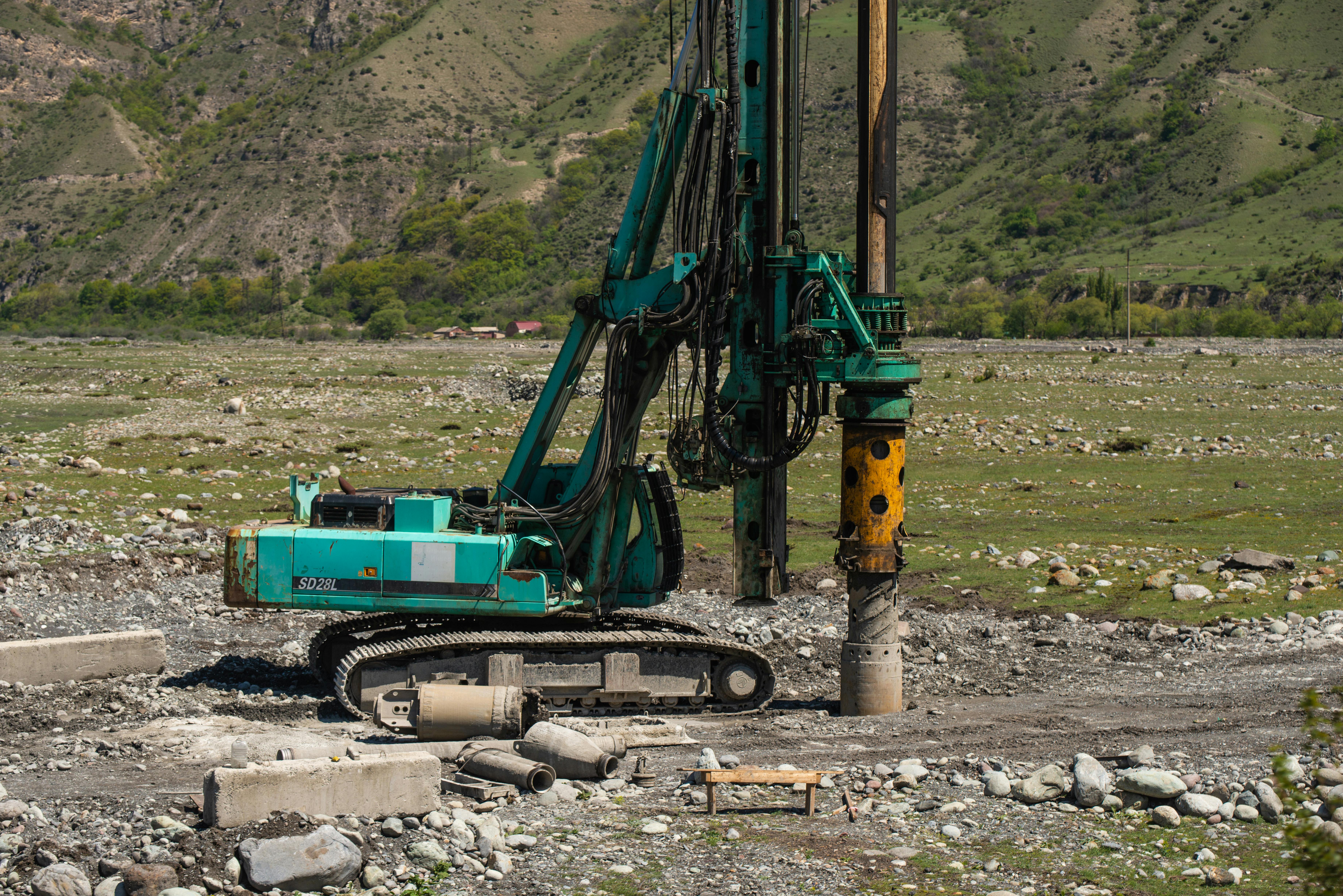
Water independence sounds straightforward until you learn that drilling a well is usually regulated long before the rig arrives. Many counties or state agencies require permits that address well depth, construction standards, setbacks, and licensed drillers.
Homesteaders sometimes assume they can hire a driller and let the contractor handle everything. Sometimes that is true, but not always, and permit responsibility can still land on the property owner. In areas with groundwater concerns, extra review may apply, and some regions restrict new wells altogether. It is not just about getting water from the ground. It is about proving the source is legal, safe, and properly documented.
Water Use or Water Rights Approval
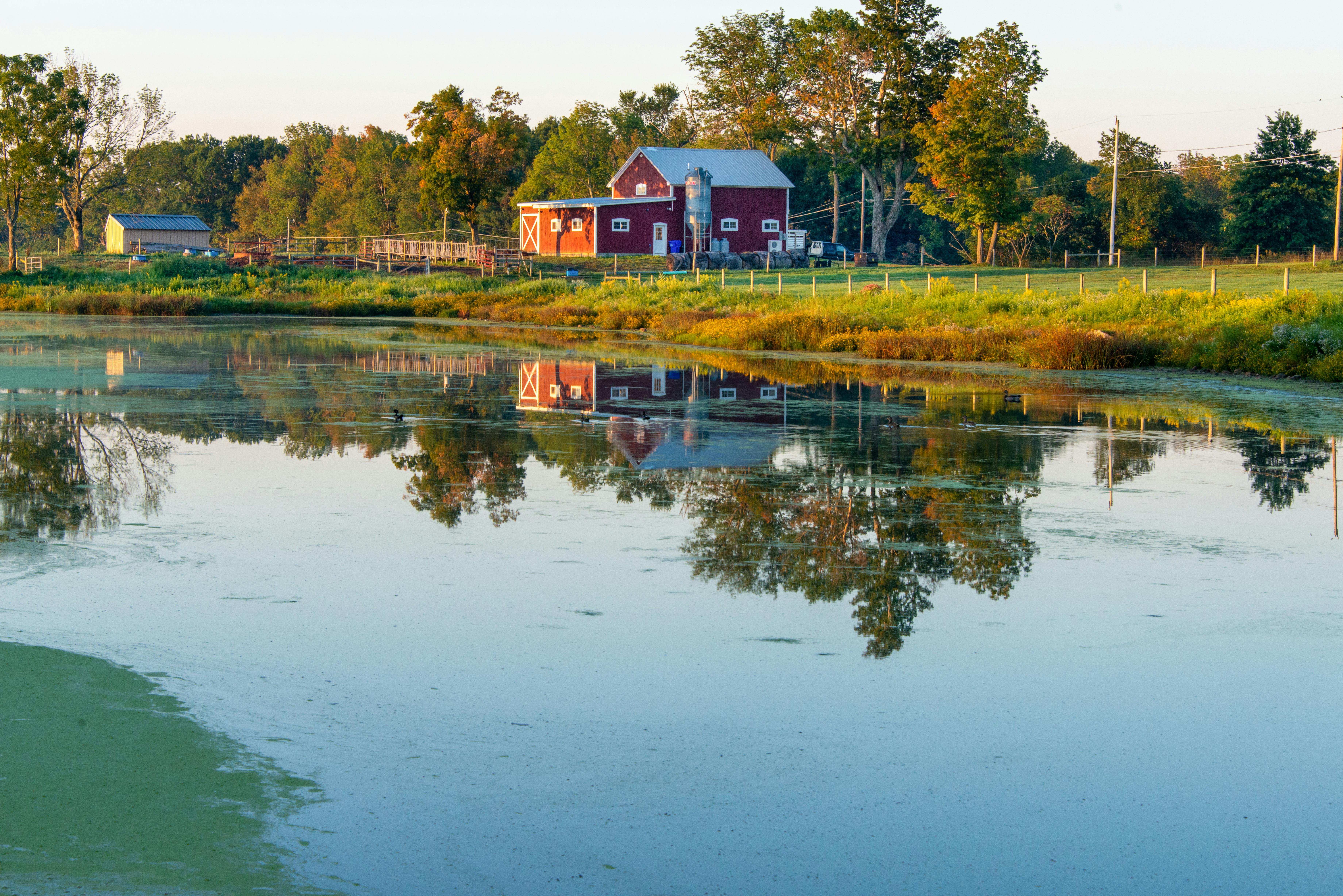
A surprising number of rural land buyers discover that access to water and the right to use water are not the same thing. In western states especially, storing, diverting, pumping, or irrigating can trigger water rights rules that go well beyond a basic well permit.
That means a pond, seasonal creek intake, or even rainwater collection setup may require registration or approval depending on local law. For off-grid homesteaders dreaming of gardens, livestock, and orchard rows, this can be a major reality check. If water use is limited, the land may support far less than expected. It is one of the most overlooked legal details in self-sufficient living.
Grading and Earthwork Permit

Moving dirt feels like the most basic part of building on raw land, yet grading permits are common when you cut roads, level homesites, dig swales, or reshape drainage. Local officials care because disturbed soil can send runoff onto neighboring property, roads, or protected waterways.
This is where ambitious homestead plans can suddenly collide with engineering rules. A simple pad for a cabin or barn may need erosion controls, slope limits, or inspections once enough cubic yards are involved. If you are creating terraces, ponds, or long access tracks with equipment, the work can cross a permit threshold faster than you expect. The machine may be yours, but the dirt still has regulations.
Floodplain Development Permit
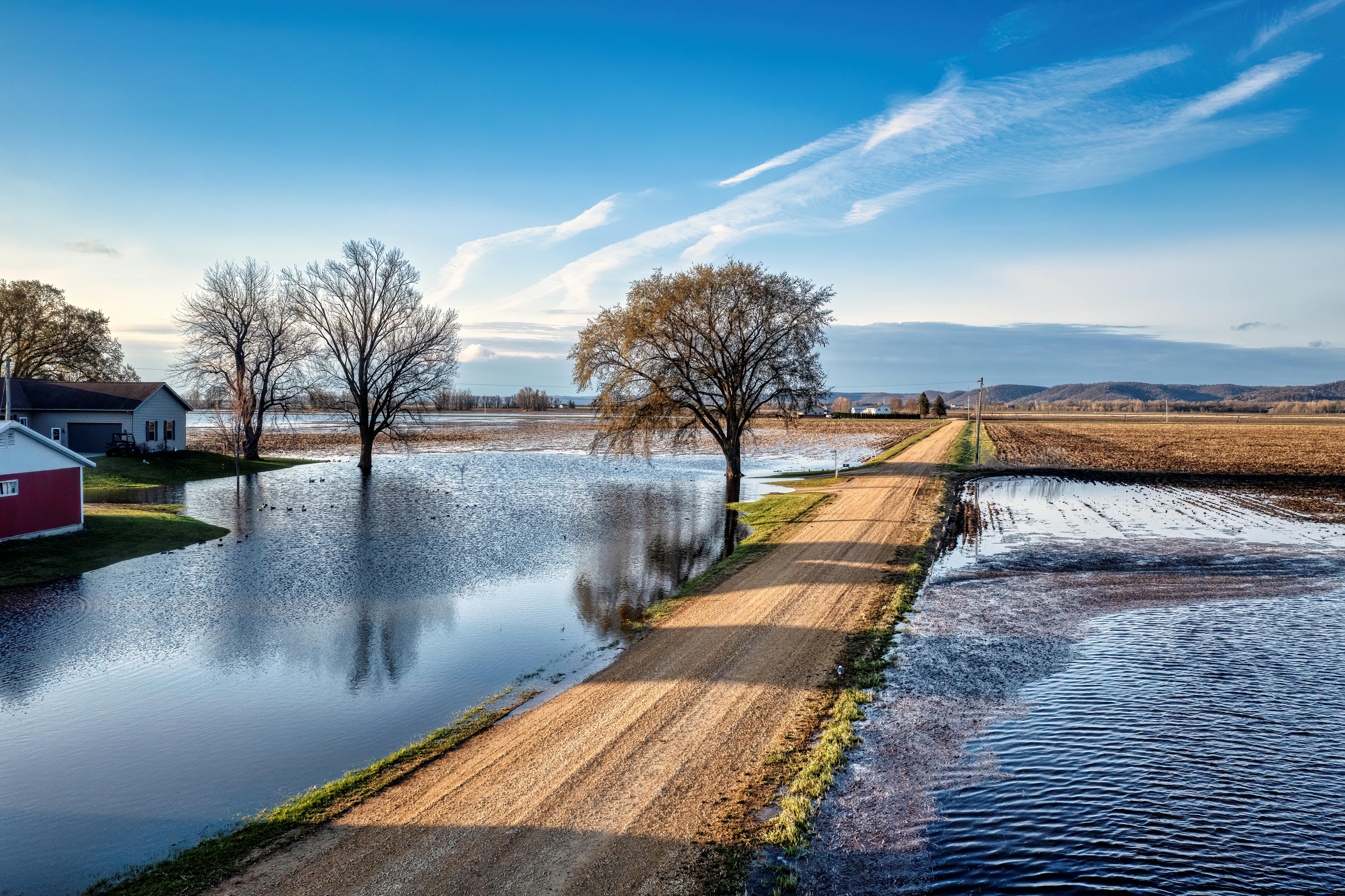
That flat, scenic patch near a creek often looks perfect for a cabin, greenhouse, or garden. It may also sit inside a regulated floodplain, where even small structures, fill dirt, and storage sheds can require a floodplain development permit.
This one surprises off-grid buyers because the land may seem dry for most of the year. Floodplain rules are based on mapped risk, not daily appearance, and the permit process can involve elevation requirements and strict limitations on where improvements go. Skipping it can create headaches with enforcement, future resale, and insurance. On rural land, the prettiest spots are not always the easiest places to legally build.
Solar Permit and Electrical Inspection

Off-grid power often starts with the romantic image of panels gleaming beside a cabin. What many people miss is that solar arrays, battery banks, inverters, and backup generators may still need permits and inspections, especially when permanent structures are involved.
The main issue is safety, not whether you are connected to the utility. Fire risk, wiring methods, grounding, and equipment placement all matter, and local building departments may require stamped plans for larger systems. Some places are flexible with portable setups, but much less so once you mount equipment on buildings. For a self-reliant homestead, this permit can be the difference between a clean install and a system that insurers or officials view as a hazard.
Agricultural Building Permit
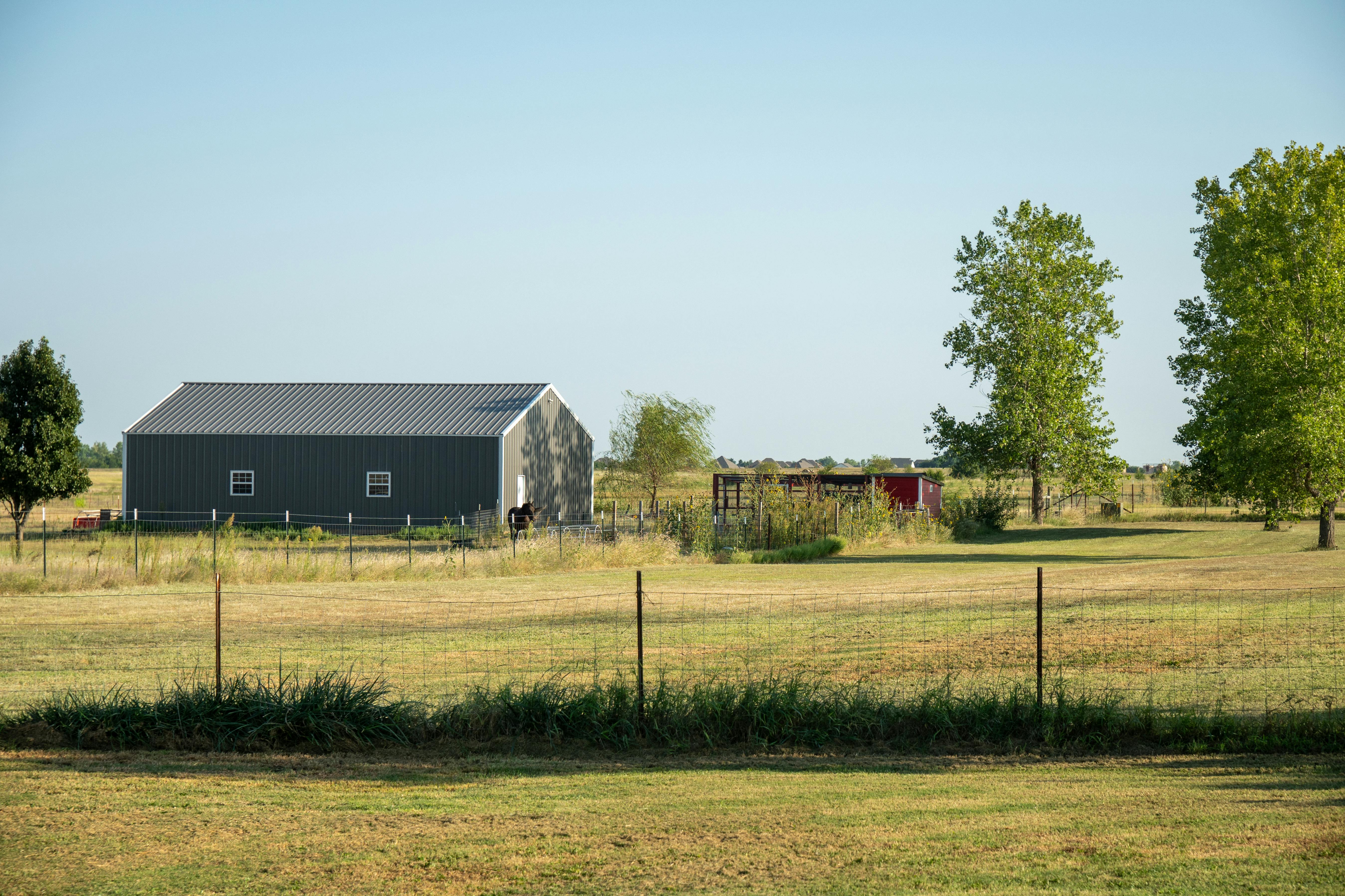
A barn, hoop house, feed shed, or workshop may seem exempt if the property is rural, but that is not always the case. Agricultural building exemptions vary widely, and many only apply if the land meets specific zoning or farm-use criteria.
That means a structure you call a barn could still be treated like a standard outbuilding if you are not actively operating under the right classification. Some jurisdictions also separate animal shelters, storage buildings, and buildings with plumbing or power. The surprise comes later, when owners try to insure, sell, or convert the structure. Assuming every farm-style building is permit-free is one of the easiest mistakes to make on a homestead.
Temporary Dwelling or RV Use Permit

A common off-grid strategy is to live in an RV, camper, or tiny temporary structure while building the main home. It sounds practical, and it often is, but many counties regulate how long you can occupy a temporary dwelling on undeveloped land.
Some areas allow it only during active construction, while others ban long-term RV living outright unless a special permit is issued. The rules may also cover sanitation, power hookups, and whether the unit can stay year-round. This catches homesteaders because the setup feels low impact and private. From the county’s perspective, though, habitation is still habitation, and they often want to know exactly what is happening on the parcel.
Tree Removal or Land Clearing Permit

Buying wooded acreage often comes with visions of opening sunny garden space, milling timber, or clearing a homesite. In some places, though, removing trees triggers permits tied to forestry rules, erosion control, scenic corridors, or habitat protection.
This can apply even on private land, especially near streams, steep slopes, or designated conservation areas. A few cut trees may not raise issues, but broader clearing for roads, defensible space, or pasture can. Homesteaders are often surprised because they assume ownership equals unrestricted control over vegetation. Local law may see the land differently. Before the chainsaws start, it is smart to learn whether clearing plans need review, mitigation, or a formal green light.