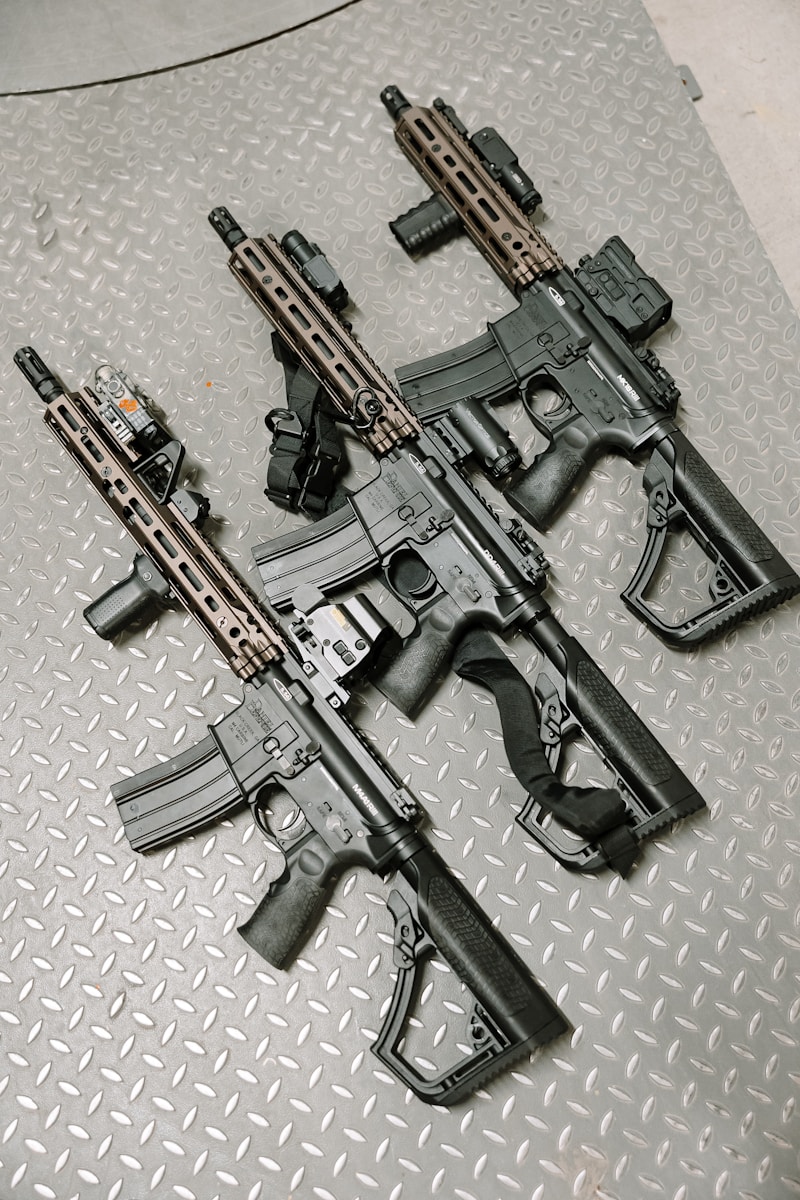
Movies have shaped how people think about firearms, but Hollywood often trades accuracy for drama. From endless ammo to impossible aim, guns in films behave more like magical tools than real weapons. Action scenes look thrilling, but they rarely reflect how firearms actually work. Whether it’s the way characters hold, reload, or even use them, filmmakers often stretch reality to create spectacle, leaving behind plenty of myths for audiences to believe.
Desert Eagle
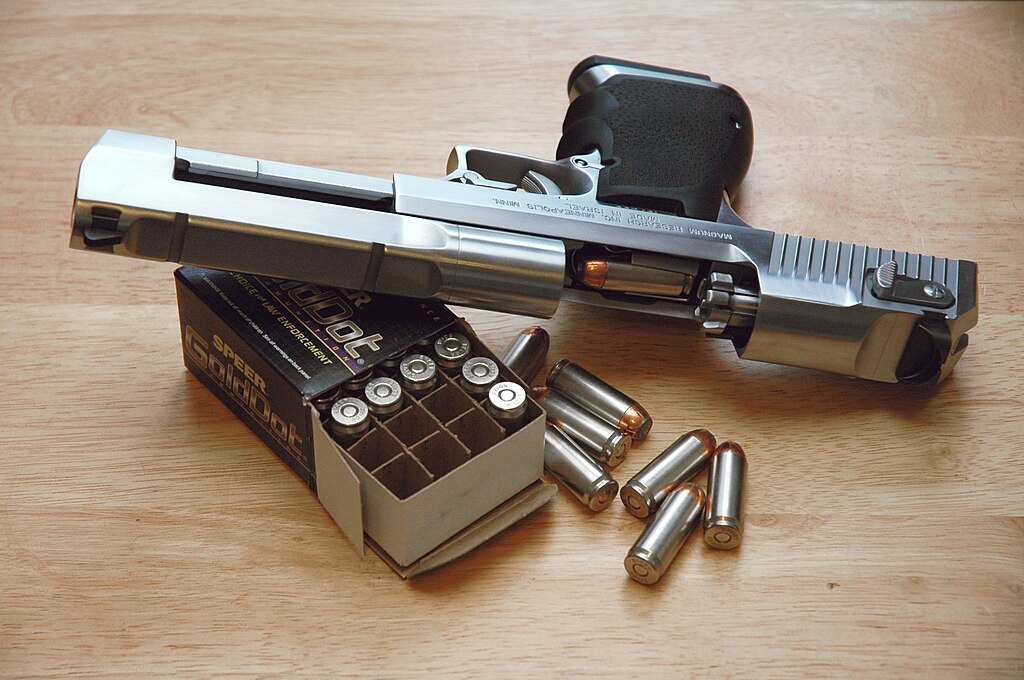
Hollywood loves the Desert Eagle for its size and flashy design, but the movies make it seem far more practical than it is. In reality, it’s heavy, hard to control, and rarely used outside of sport shooting. Characters often fire it one-handed with perfect accuracy, something nearly impossible with its recoil. The weapon looks impressive on-screen, but in real life, it’s more showpiece than a reliable sidearm.
M16 Rifle
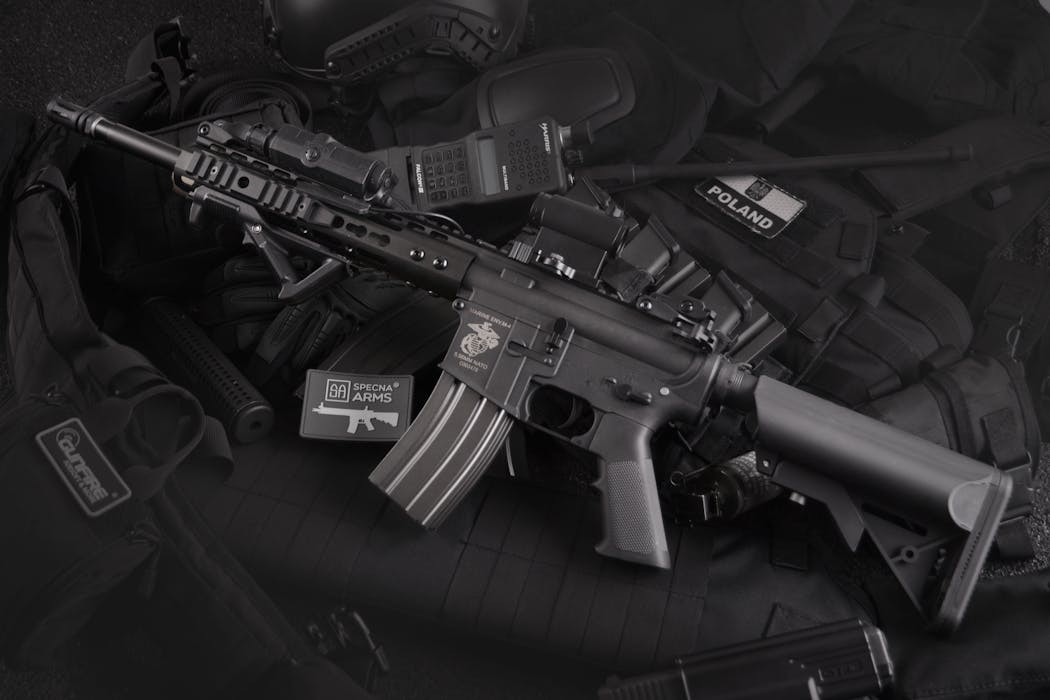
The M16 is a staple of war films, yet its portrayal often skips over realism. Characters fire long, continuous bursts without dealing with recoil or the need for precision. In truth, soldiers use controlled, short bursts to maintain accuracy and conserve ammo. Movies make it look effortless, but mastering the M16 requires discipline and steady control that most scenes ignore for visual impact.
Pump-Action Shotgun
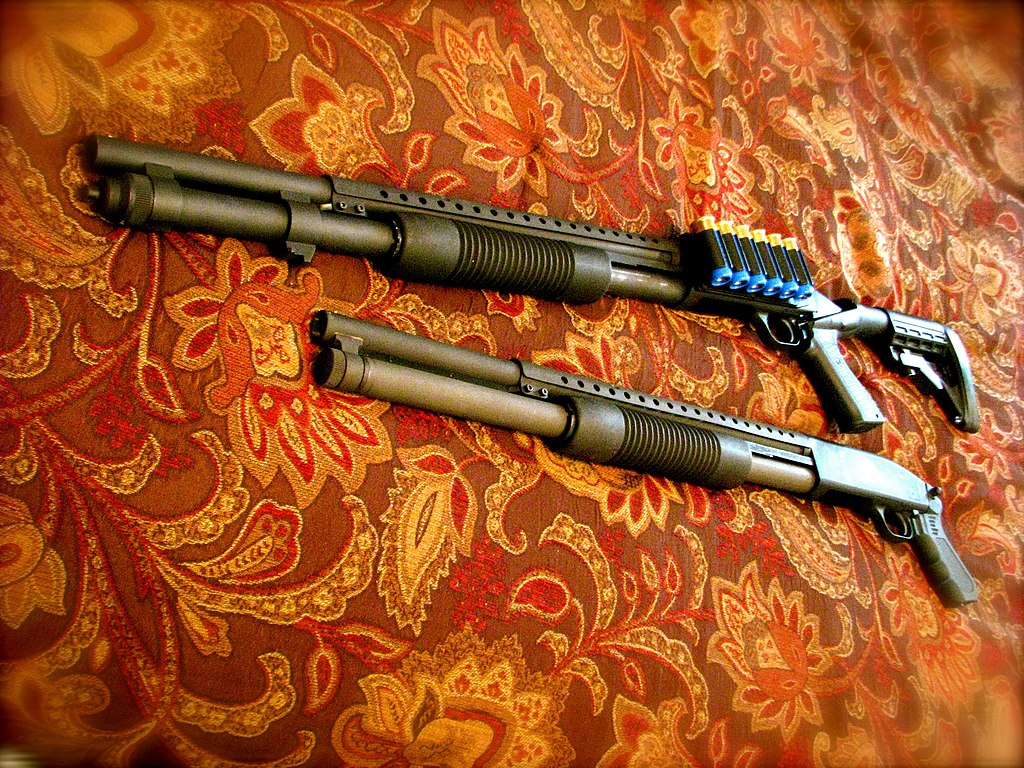
You’ve seen it countless times: a hero racking a shotgun for effect, even when it’s already loaded. Hollywood treats this sound as a symbol of power, but in real use, it wastes a shell or risks jamming. Movies also exaggerate their spread, showing it hitting multiple targets at once. In reality, shotguns are powerful but precise, demanding aim and control that action scenes rarely show.
AK-47
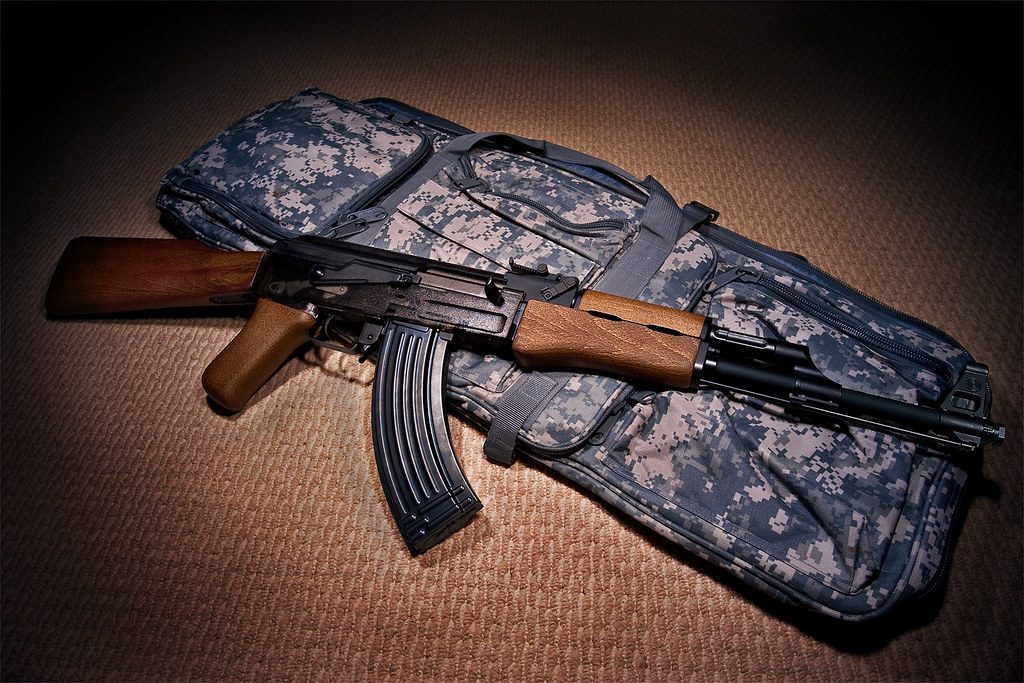
The AK-47 is often depicted as a wild, unstoppable weapon, spraying bullets endlessly with perfect reliability. While it’s famous for durability, Hollywood turns it into an uncontrollable powerhouse. Real AKs require training to handle effectively, and full-auto fire is almost never as smooth as shown. The cinematic version skips jams, recoil, and accuracy challenges for a cleaner, flashier image.
Revolvers
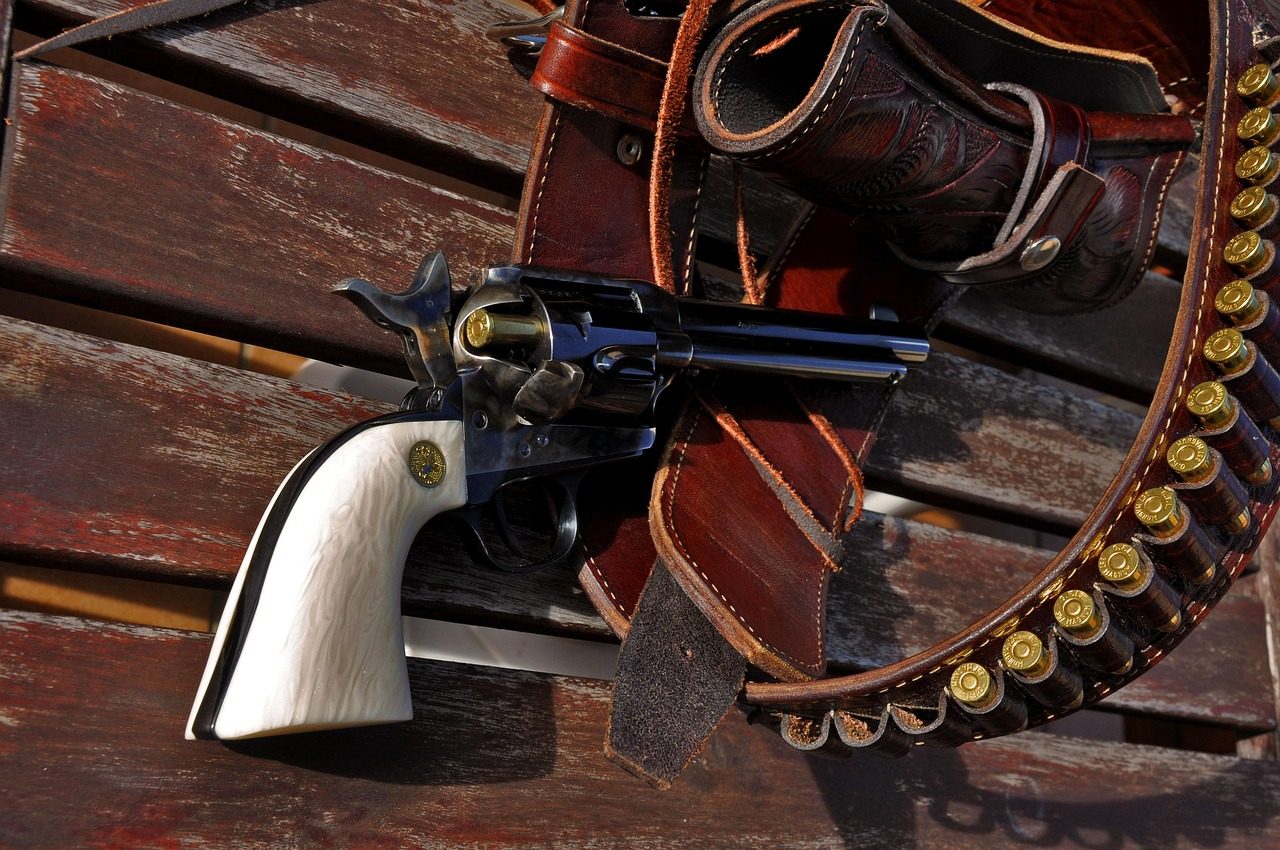
Revolvers are often romanticized as simple, flawless tools that never fail. In movies, they fire endlessly without reloading and hit targets perfectly from impossible distances. Real revolvers hold limited rounds and require precision and experience to handle effectively. Their iconic clicks and spins make for great drama, but in real life, they demand just as much care as any other firearm.
Suppressed Pistols
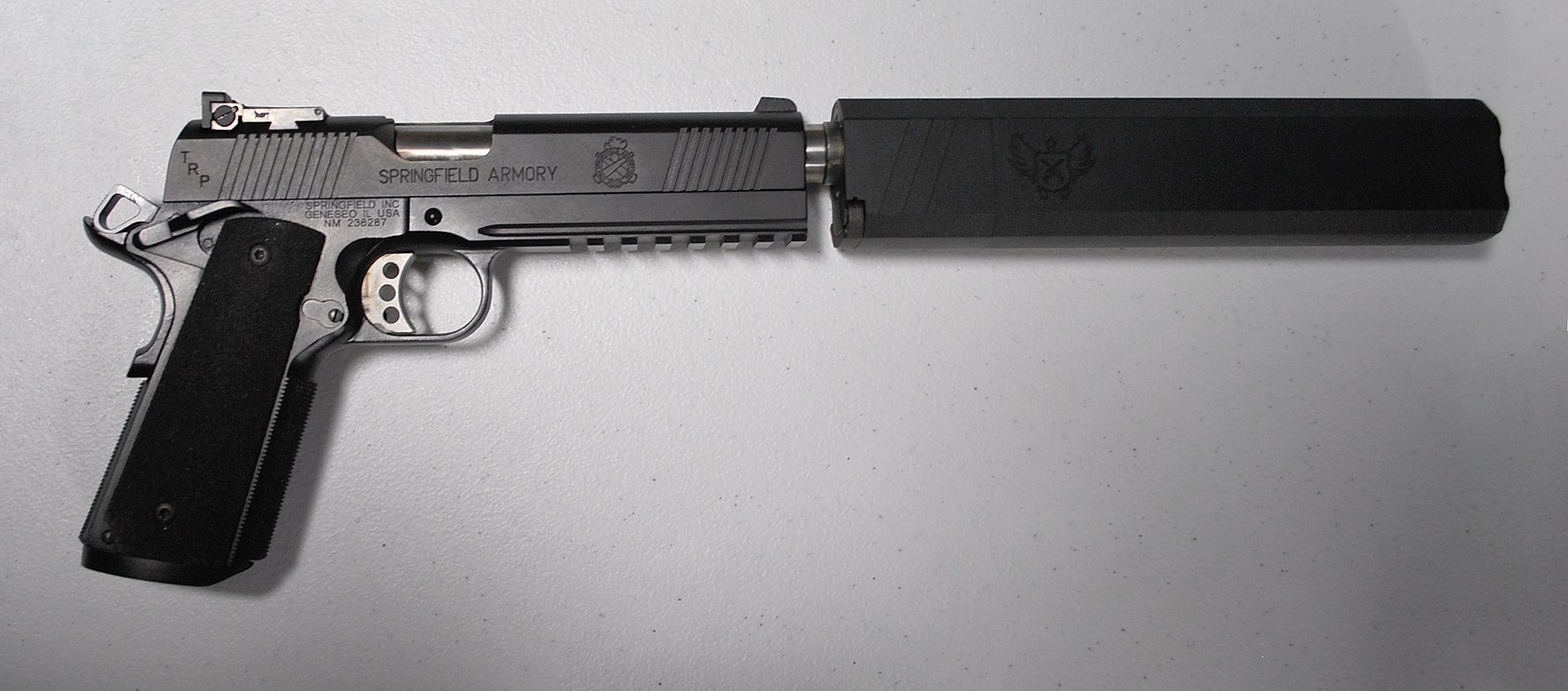
Silencers in movies reduce gunfire to a soft whisper, making stealth look effortless. In truth, suppressors only lower noise slightly and still produce a noticeable pop. They don’t make bullets invisible or harmless, either. Hollywood uses them for suspense, but real suppressors exist to reduce hearing damage and muzzle flash, not to create silent, spy-like shooting scenes.
Sniper Rifles
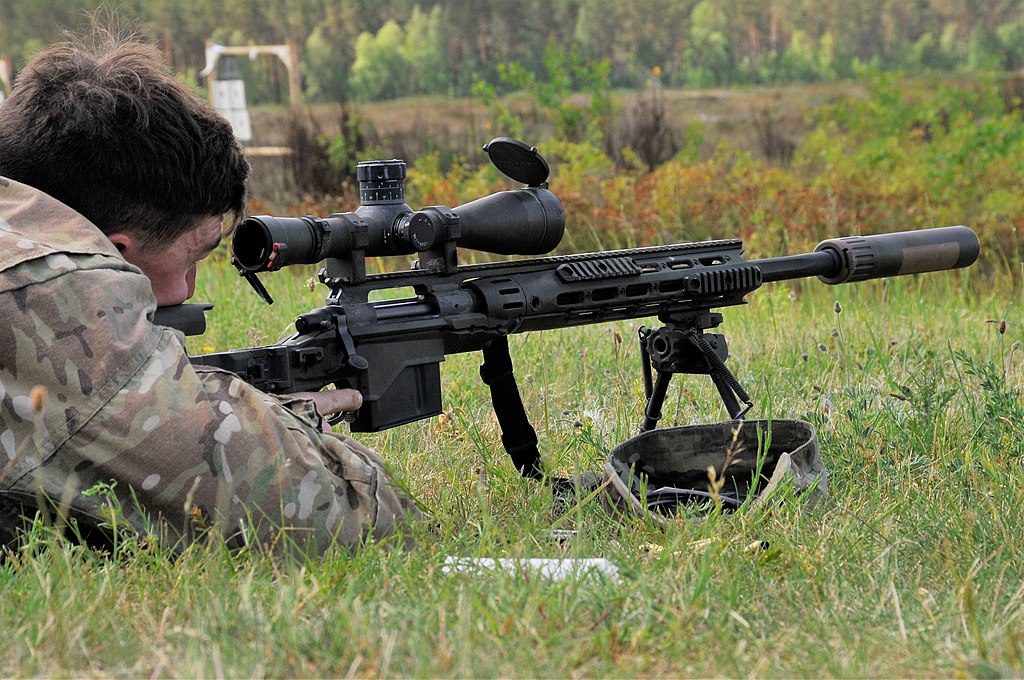
In films, snipers hit moving targets from miles away with perfect timing and no environmental effect. Real sniping involves wind, distance, and careful calculation. Each shot requires patience and precision, not cinematic quick draws. Hollywood’s clean headshots and instant kills simplify a complex skill that takes years to master. The truth is far more about focus than flair.
Uzi Submachine Gun
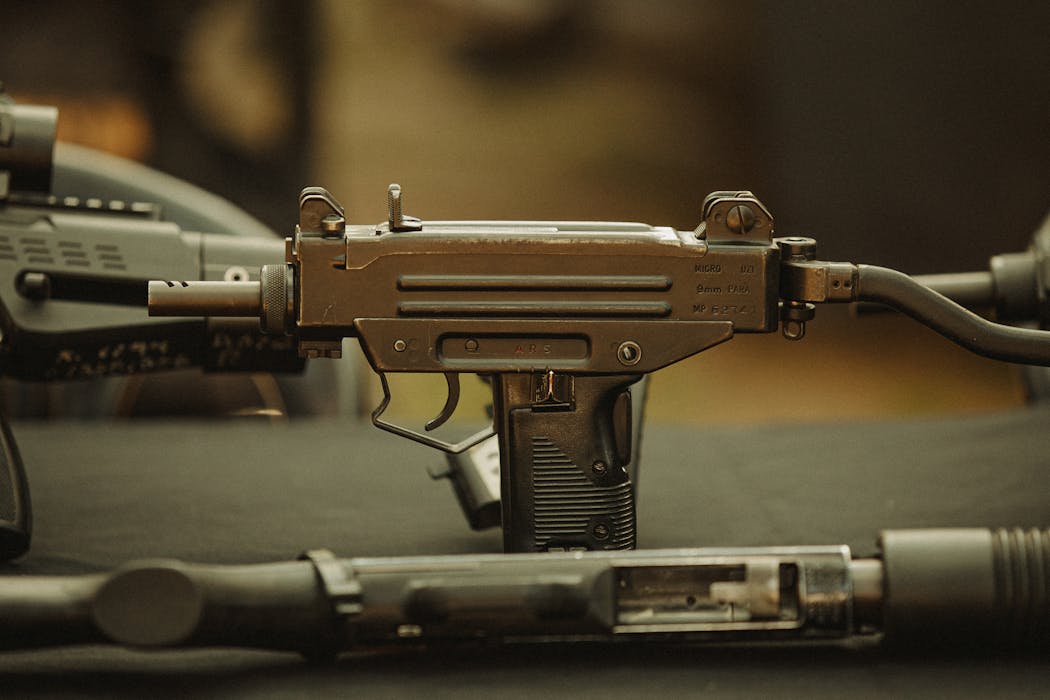
The Uzi became an action-movie favorite, shown as a compact, unstoppable weapon with endless bullets. On-screen, characters spray fire without aim or consequence. In reality, the Uzi’s high rate of fire makes it hard to control and inaccurate beyond short range. Its reputation as a movie icon overshadows its practical limits, turning it into pure cinematic fantasy.
Colt 1911
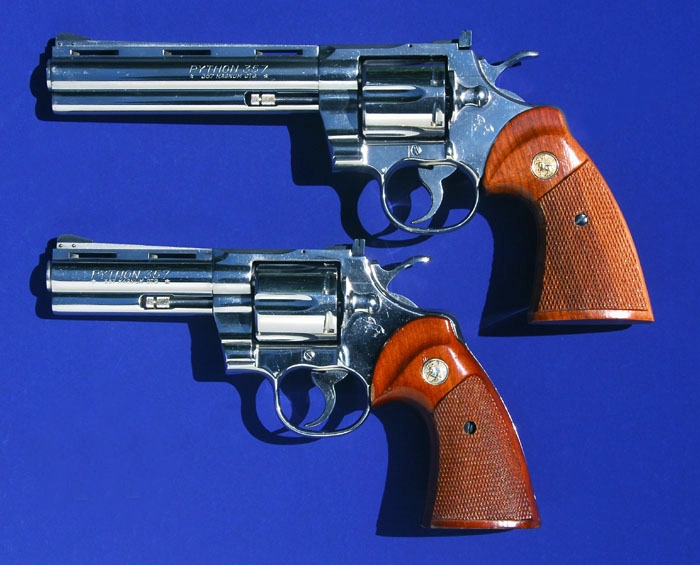
The Colt 1911 often appears in films as a perfectly reliable, endlessly firing handgun. Its iconic design makes it popular on-screen, but its real-world capacity and maintenance needs differ greatly. Reloads are rare in movies, and malfunctions never happen. In reality, it’s a classic but demanding firearm that requires care, accuracy, and proper handling to perform well.
Minigun
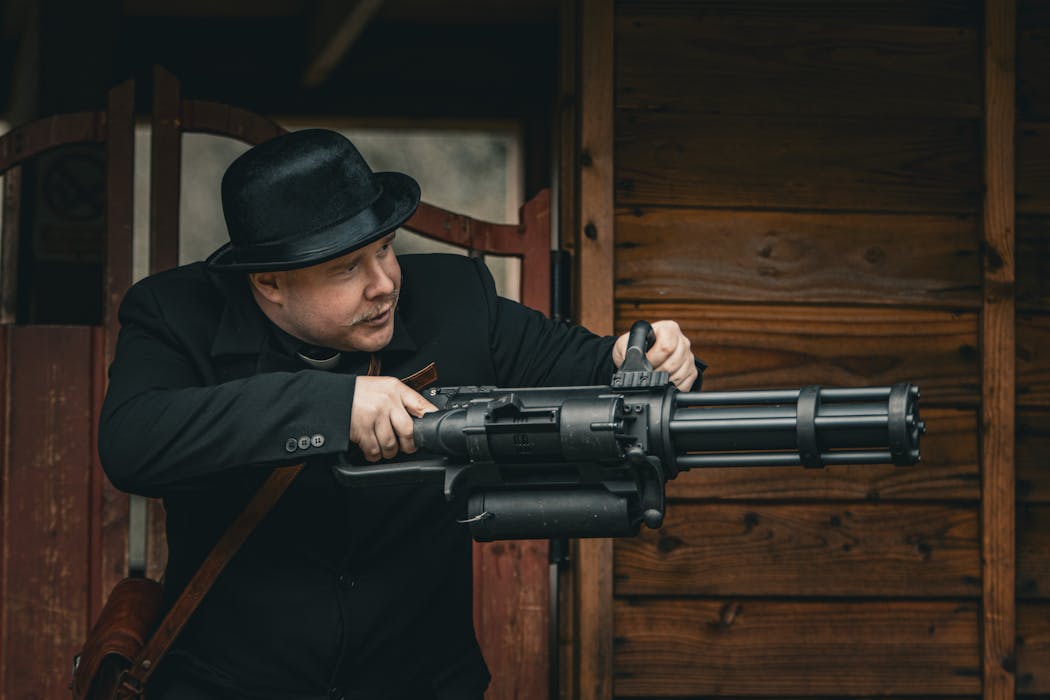
Few guns symbolize cinematic excess like the handheld minigun. Movies show characters firing hundreds of rounds effortlessly, mowing down enemies in seconds. In reality, the weapon is far too heavy and powerful to hold without support. It’s designed for vehicles or mounts, not handheld use. The movie version exists purely for spectacle, turning realism into larger-than-life action entertainment.