Buying remote land feels like freedom, until the fine print starts talking back. Many off-grid settlers assume that owning acreage means total control, but hidden rules can shape everything from where you build to how you use water, roads, and timber. This gallery breaks down the land ownership issues people overlook most often, and why those surprises can become expensive fast.
Property Lines Are Not Always Where the Fence Sits
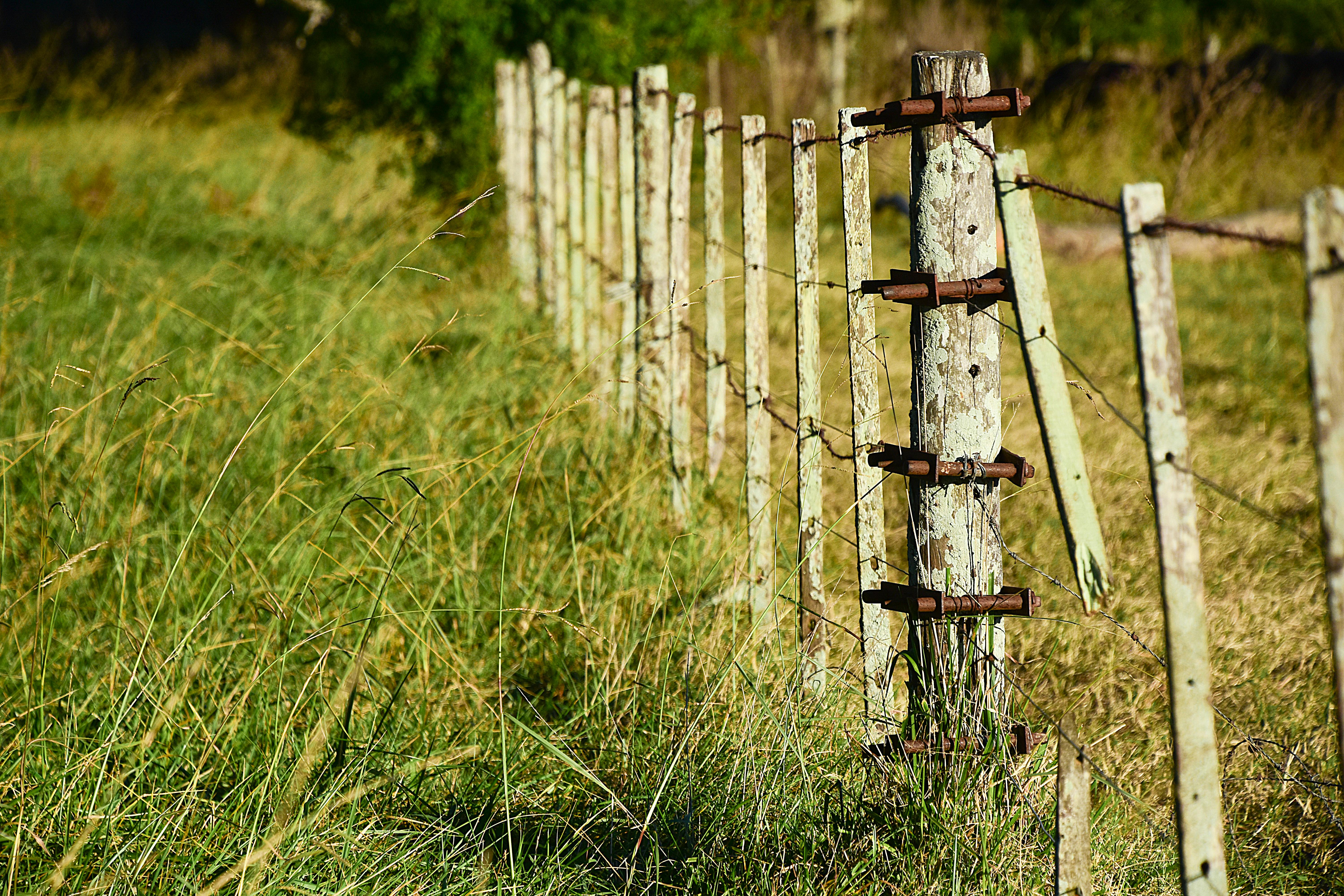
A surprising number of land disputes begin with a fence, an old tree line, or a driveway everyone assumes marks the boundary. In remote areas, those visual cues may be decades out of date, poorly placed, or based on informal agreements that never made it into a survey.
That matters because building a shed, cabin, septic field, or even a garden beyond the recorded line can trigger conflict with a neighbor or the county. A professional survey often reveals that the land you thought you controlled is not exactly the land on your deed, and correcting that mistake later is rarely cheap or simple.
Easements Can Limit What You Do on Your Own Land

Many off-grid buyers hear the word easement and think it only applies to utility corridors in suburbia. In reality, rural land often carries recorded easements for road access, pipelines, drainage, conservation, or neighboring entry, and those rights stay attached to the property even after it changes hands.
You might own the parcel, but that does not always mean you can block a path, reroute a road, or build over a strip someone else has legal rights to use. Settlers who skip the title work often discover too late that a perfect building site sits directly on top of a long-standing access easement.
Landlocked Parcels Are More Common Than Buyers Realize

A remote parcel can look ideal on a map and still be a logistical nightmare in real life. If your land has no legal access to a public road, owning it does not automatically give you the right to cross a neighbor’s field, timber track, or private lane just because that route seems obvious.
This is where buyers get burned. Physical access and legal access are not the same thing, and counties usually care about the second one. Without a recorded right of way, financing, permitting, emergency services, and future resale all become harder, turning a bargain property into a headache that follows you for years.
Water Rights Do Not Automatically Come With the Acreage
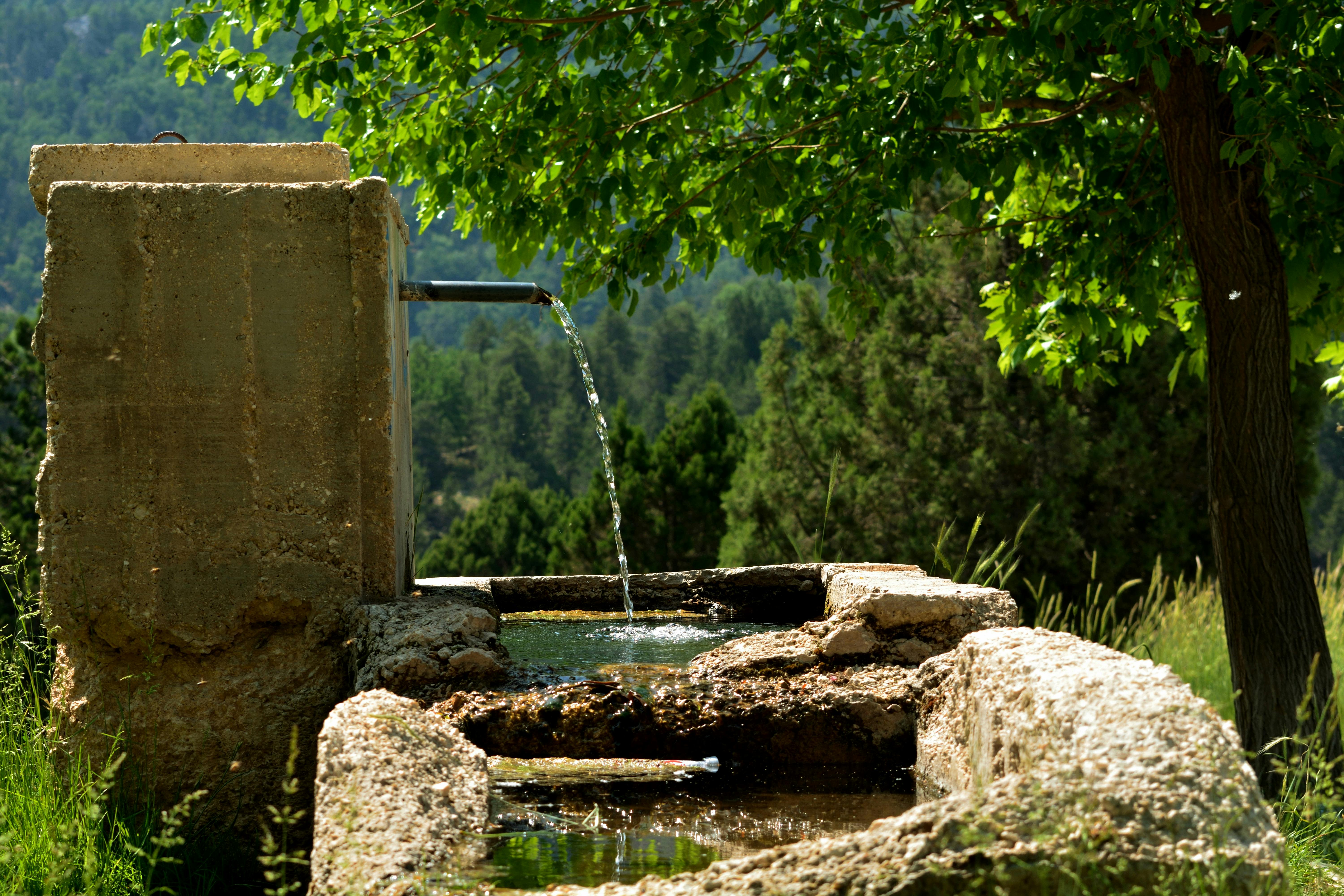
People often assume that a creek, pond, spring, or well site on the property means unrestricted use. That is not how many states handle water. Surface water and groundwater can be regulated separately, and rights to use them may depend on permits, historical use, watershed rules, or prior appropriation systems.
For off-grid settlers, this becomes a major surprise when plans for irrigation, livestock, or year-round household supply hit legal limits. Owning land beside water can feel reassuring, but legal access to that water may be narrower than expected. The difference between seeing water and being allowed to use it is where many dreams run into reality.
Zoning Still Applies Even in Very Rural Places
Remote does not always mean unregulated. Counties and townships may still control land use through zoning rules that govern residential density, agricultural activity, commercial uses, minimum dwelling sizes, and whether you can live full-time in an RV, yurt, or accessory structure.
That catches many off-grid settlers off guard because the land looks empty and unrestricted. Then the notices arrive. A parcel marketed as perfect for homesteading may still forbid certain structures or require a permitted primary residence before other improvements. Rural zoning can be looser than city zoning, but looser is not the same as nonexistent.
Setback Rules Can Shrink Your Usable Building Area
A property may have enough acreage on paper, yet far less room to build than expected once setbacks enter the picture. Counties often require minimum distances from roads, property lines, waterways, septic systems, wells, and sometimes steep slopes or utility corridors.
This becomes a real problem on narrow, oddly shaped, or heavily wooded parcels. Off-grid settlers may clear a site and sketch out a cabin plan, only to learn the legal buildable area is much smaller than it looked from the road. Those spacing rules are rarely glamorous, but they can determine whether your dream layout actually fits on the land at all.
Septic and Waste Rules Can Override Cabin Plans
One of the biggest myths in off-grid living is that waste disposal becomes your private business once you’re far enough from town. In most places, it does not. Counties and health departments still regulate septic systems, soil testing, composting toilets, gray water handling, and minimum distances from wells and streams.
That matters because a beautiful cabin site may fail a perc test or require a system far more expensive than expected. Some areas permit alternatives, while others do not. Settlers who build first and ask later can end up with code violations that make occupancy, resale, or insurance difficult, even if the structure itself looks perfectly sound.
Timber and Mineral Rights May Have Been Split Off Long Ago
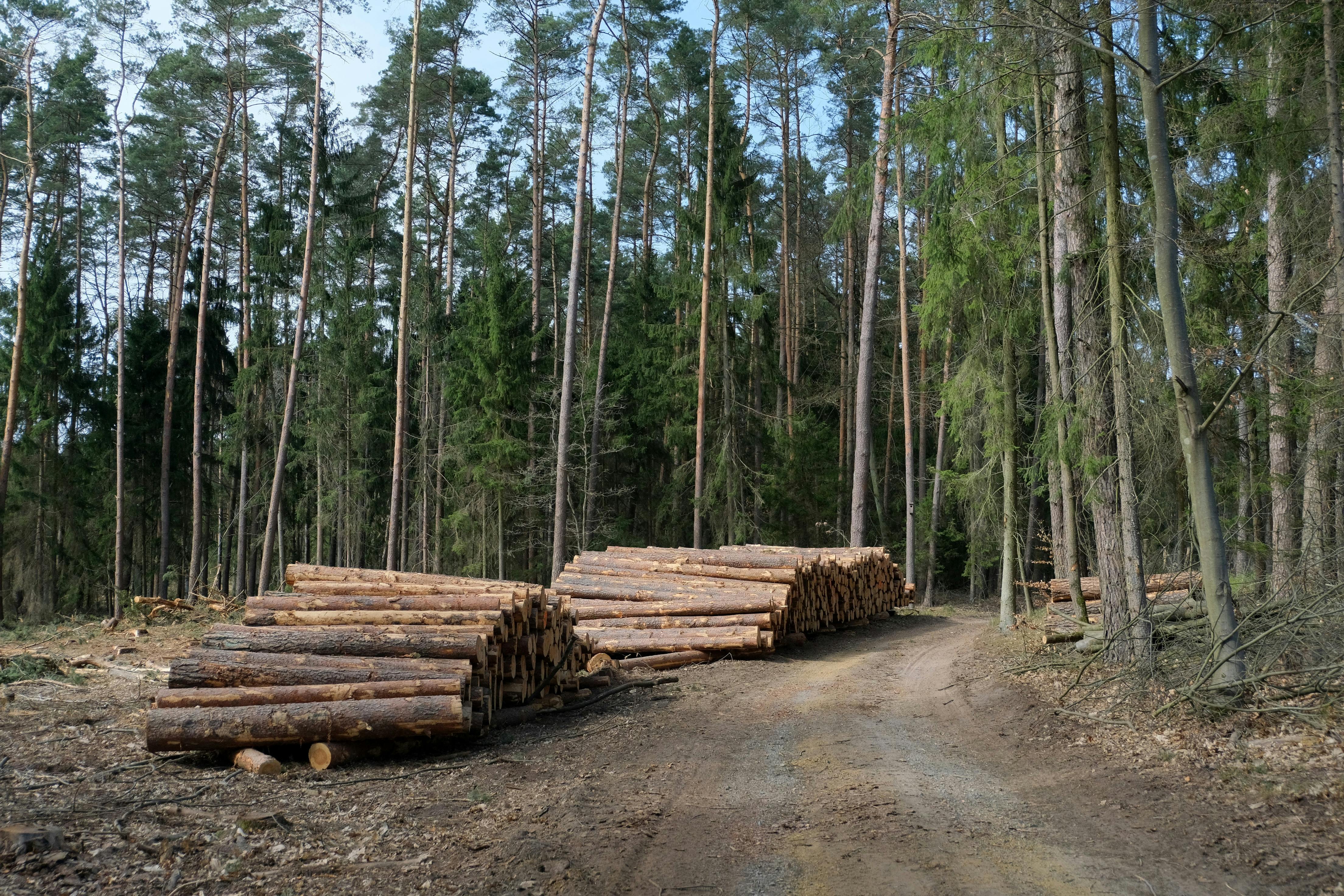
Many buyers assume the deed gives them everything above and below the surface. Rural property history is often messier. In some places, prior owners sold or reserved timber, oil, gas, gravel, or mineral rights years earlier, leaving current landowners with far less control than they imagined.
That can create a rude surprise when logging access, extraction activity, or subsurface leases become part of the conversation. Even if nothing is happening now, separated rights can affect value, financing, and future use. Owning the surface is not always the same as owning the resources attached to it, and that distinction can reshape long-term plans.
Seasonal Roads and Maintenance Duties Can Become Your Problem

A dirt road leading to a remote parcel can feel charming until the thaw hits, the ruts deepen, and nobody agrees on who pays to fix it. Some private roads come with shared maintenance agreements, while others have vague expectations that only surface after a storm, washout, or snow season.
This matters more than many settlers expect. If your access road becomes impassable, deliveries, emergency response, and basic daily travel all suffer. In some counties, occupancy permits or building approvals may also depend on all-weather access. The road to your dream property is not just scenery, it is part of the legal and practical reality of owning it.
Tax Status Can Change When You Stop Using Land as Before
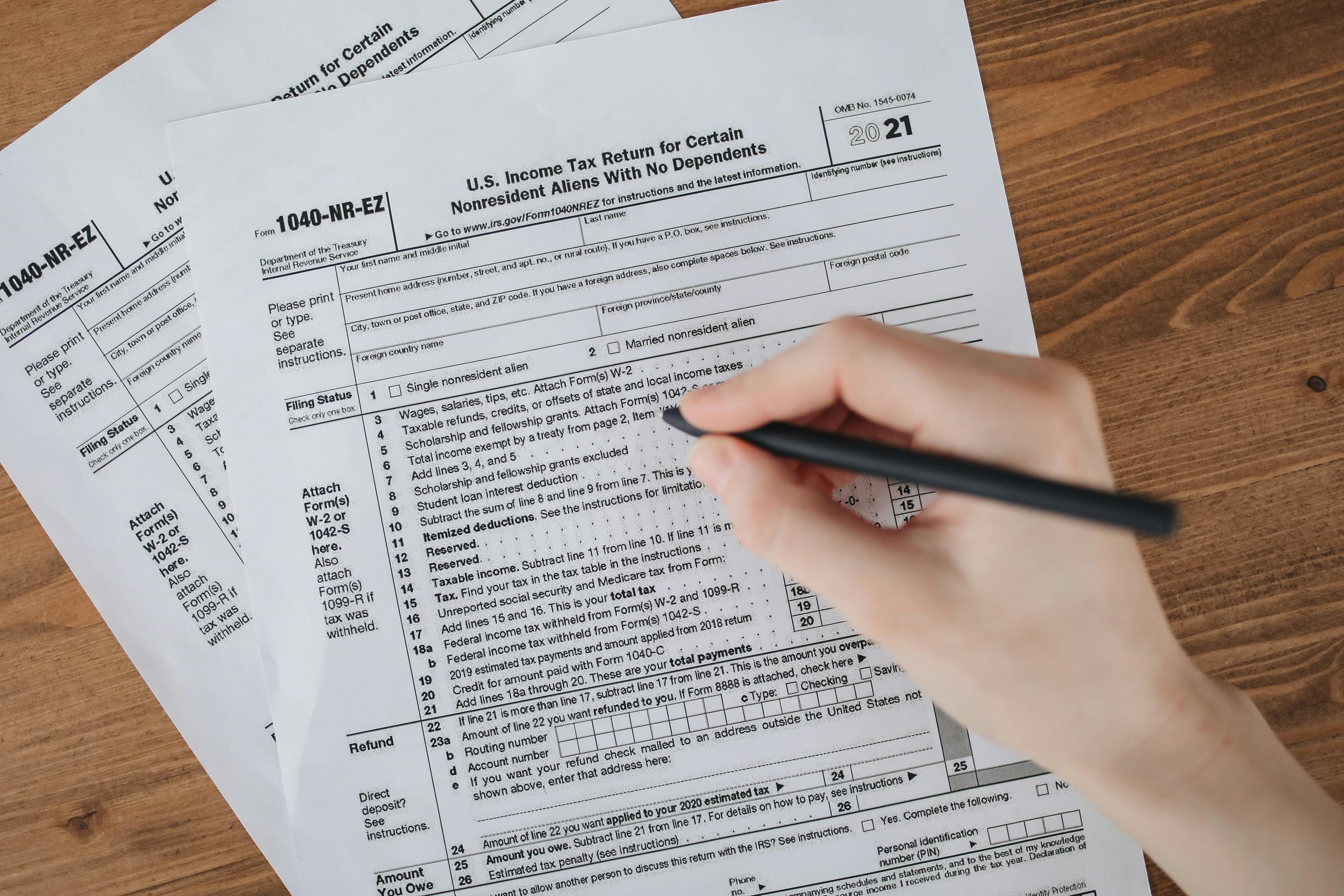
Rural land sometimes carries favorable tax treatment because it is classified as agricultural, timber, open space, or wildlife use. New owners who change how the property is used may accidentally trigger reassessment, rollback taxes, or higher annual bills without realizing it.
That means a parcel that looked affordable under the previous owner’s setup may cost more once you clear fields, stop grazing, remove timber production, or shift the land to residential use. Off-grid settlers often focus on purchase price and overlook tax classification, but local assessors definitely do not. A lifestyle change on the land can also become a tax event on paper.
Conservation Restrictions Can Ban More Than Development
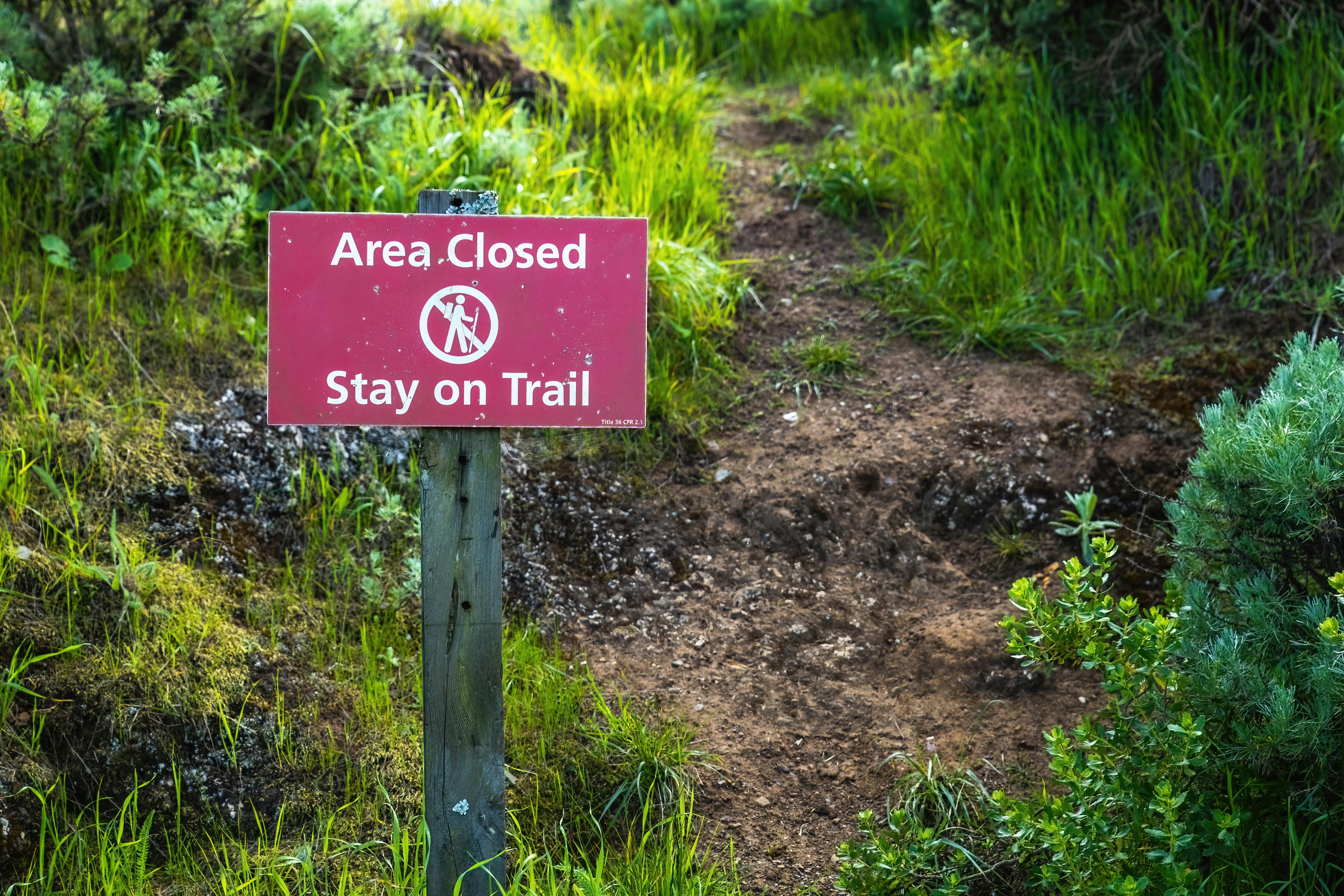
Conservation easements and environmental restrictions are often described in broad, feel-good terms, which can make them sound less limiting than they are. Depending on the property, they may affect tree cutting, road building, subdivision, shoreline changes, livestock activity, hunting infrastructure, or even where a house can be placed.
These protections may preserve the landscape, but they also shape daily use in ways many buyers fail to investigate. A parcel can be legally buildable and still heavily constrained. For off-grid settlers hoping to create a fully customized homestead, those restrictions may define the project long before the first post goes into the ground.
Building Off Grid Does Not Mean Building Without Permits
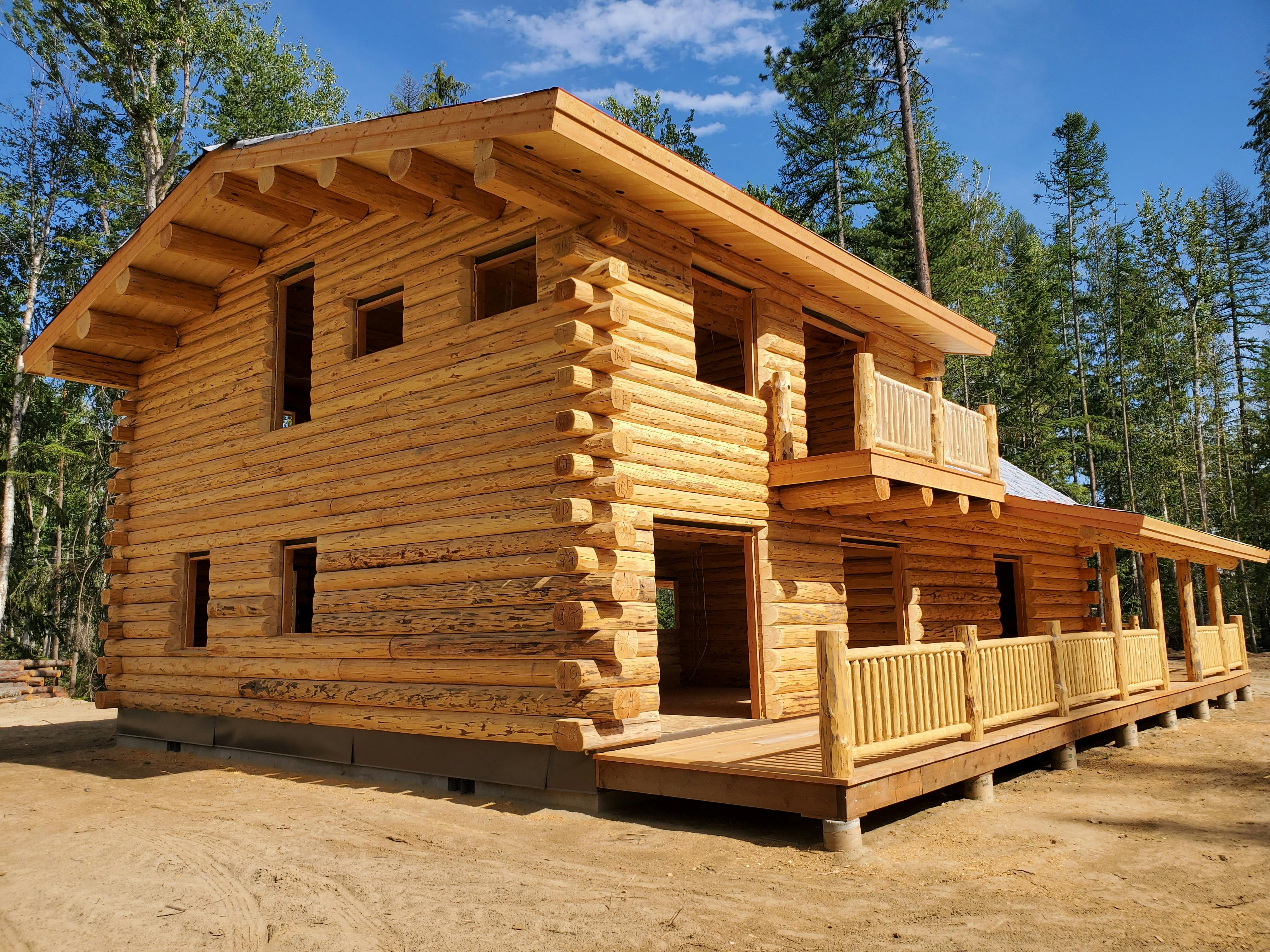
There is a persistent fantasy that distance from town equals freedom from paperwork. In many counties, permit rules still apply to cabins, decks, wells, septic systems, electrical setups, grading, and even tiny homes or accessory buildings, whether or not the property is connected to public utilities.
The risk is not just a fine. Unpermitted work can create insurance problems, stall future sales, and trigger corrections that cost more than doing it properly the first time. Off-grid living may reduce some dependencies, but it does not automatically erase local authority. When settlers ignore permits, they are often not escaping the system, just postponing a collision with it.