Great outdoor gear does not stay great by accident. The people who get years of dependable use from boots, packs, knives, tents, and tools usually follow a handful of smart maintenance habits long after everyone else has tossed dirty equipment in a garage corner. These everyday routines are not flashy, but they are the difference between gear that performs when conditions turn rough and gear that quits when you need it most.
They clean gear before storing it
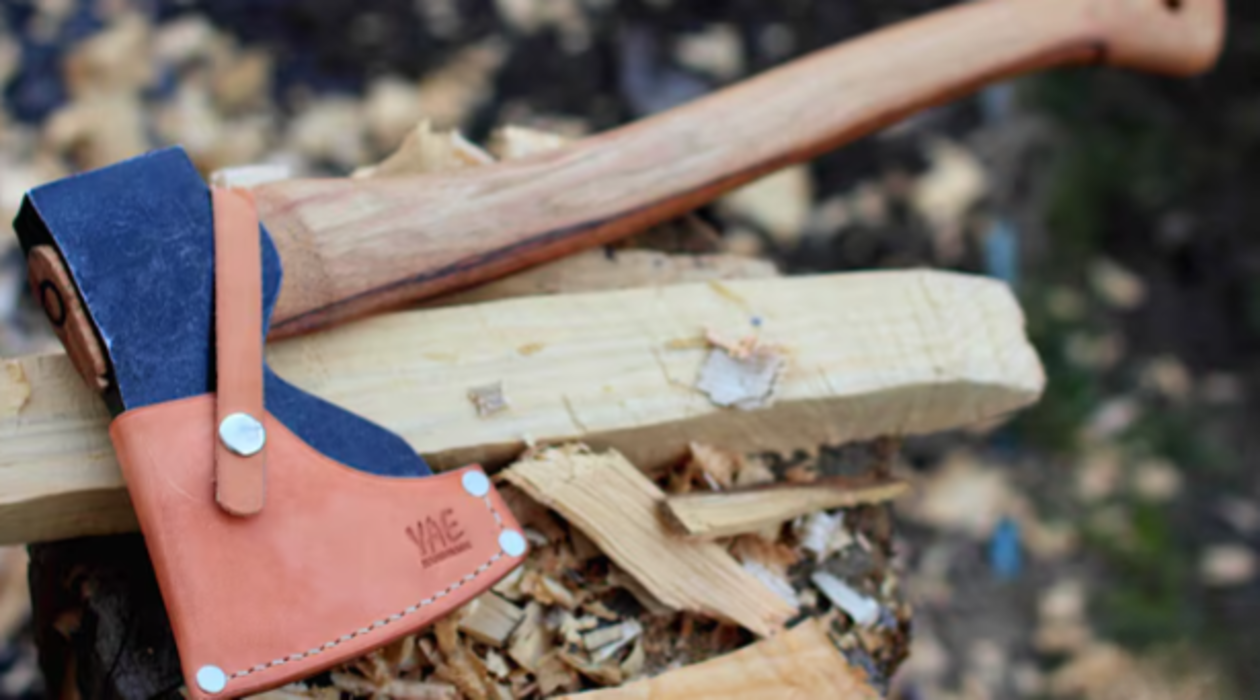
Serious outdoorsmen rarely come home from a trip and leave mud, sweat, pine sap, and trail dust sitting on their equipment. Dirt works like sandpaper over time, and moisture trapped under grime can quietly speed up mildew, corrosion, and fabric breakdown.
A quick cleaning session after each outing keeps small issues from becoming expensive ones. Boots last longer, zippers move better, and packs do not develop that stale smell that says they were shoved in a closet still damp.
It is not about making gear look pretty. It is about resetting every piece to a reliable baseline before the next hunt, hike, or camp.
They dry everything completely
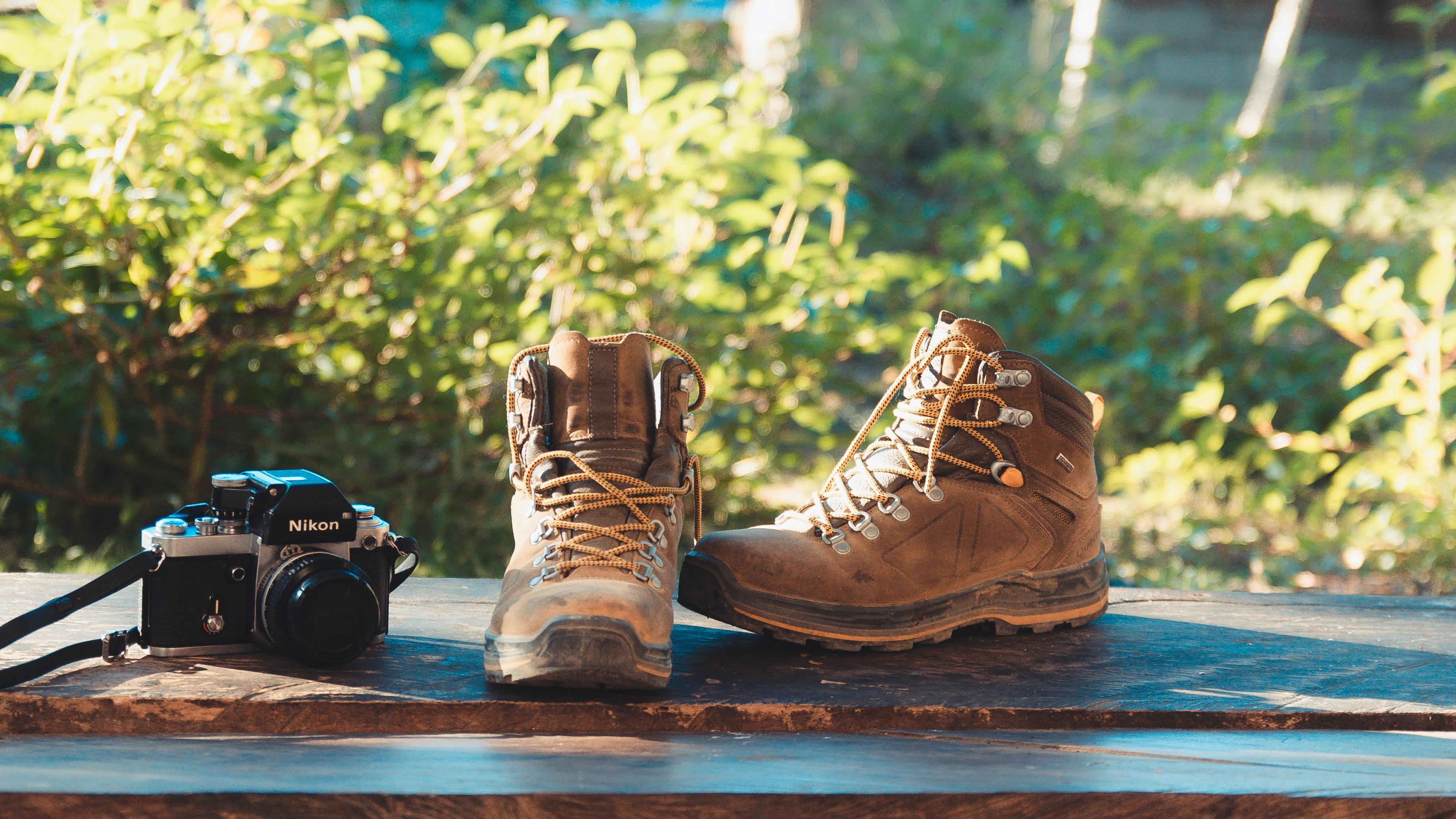
Weekend users often hang gear for an hour and call it done. Experienced outdoorsmen know hidden moisture lingers in boot liners, tent seams, sleeping bags, and backpack padding long after the surface feels dry.
That leftover dampness is where odors, mold, and delamination start. It can also weaken insulation and turn a premium piece of gear into something that feels permanently clammy and tired.
The habit is simple but disciplined. Open every compartment, loosen every insole, spread out every layer, and give air enough time to do its job before anything goes back into storage.
They inspect gear after every trip

The most reliable gear kits are usually owned by people who notice problems early. After a trip, they check stitching, buckles, soles, zippers, straps, and poles while the memory of how everything performed is still fresh.
That post-trip inspection is when a small fray gets trimmed and sealed, or a loose screw gets tightened before it disappears entirely. Little repairs are easier, cheaper, and far less stressful when they happen at home instead of miles from the trailhead.
This habit also builds familiarity. The more you know your equipment, the faster you notice when something feels off.
They sharpen blades before they get dull
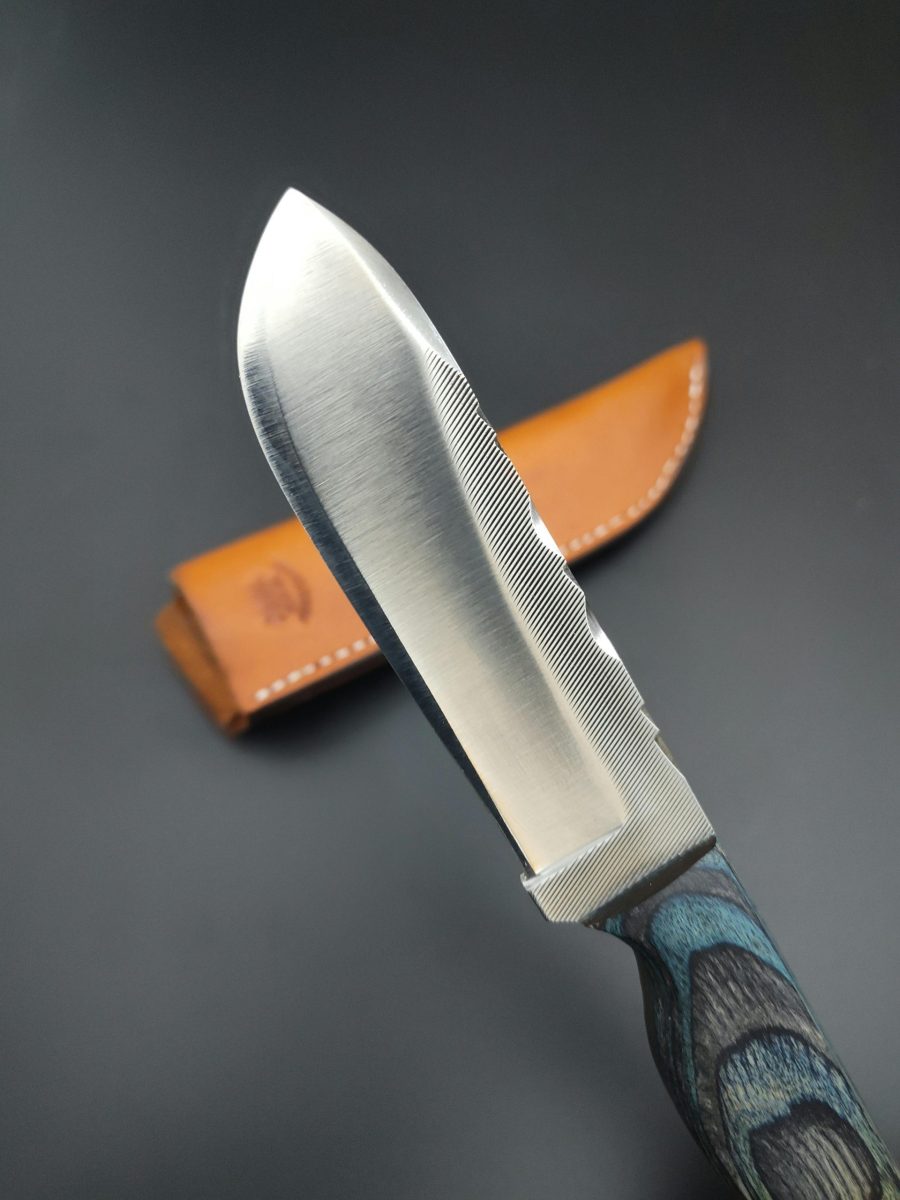
A serious outdoorsman does not wait until a knife is struggling through rope, food prep, or field tasks. By then, the edge usually needs more work and the blade has already become less safe because extra force leads to sloppy cuts.
Regular touch-ups keep a knife ready with less effort and less metal removed over time. That means better performance and a longer working life for blades that often cost real money.
The key is consistency, not drama. A few minutes with a stone, strop, or sharpener on a regular schedule beats a desperate overhaul the night before a trip.
They condition leather and waterproof materials

Boots and gloves take a beating from water, dirt, sun, and repeated flexing. People who spend real time outside understand that leather dries out, cracks, and stiffens when it is ignored, while waterproof finishes gradually wear down without refreshment.
Conditioners, waxes, and fabric treatments help preserve flexibility and weather resistance, but timing matters. Applying the right product after cleaning and drying keeps materials from aging faster than they should.
This is one of those habits that seems optional until a soaked boot or brittle glove ruins a cold morning. Then it suddenly feels essential.
They store gear loosely and in the right environment
Stuffing sleeping bags, tents, and insulated layers into tight sacks for months is a classic amateur move. Compression saves space in the field, but long-term storage can flatten loft, stress seams, and trap stale moisture in all the wrong places.
More experienced owners think about temperature, airflow, and light. They keep gear in cool, dry spaces and avoid hot attics, damp basements, and sun-flooded corners that quietly age materials.
Good storage looks almost boring, and that is the point. The less your gear has to survive between trips, the better it will perform when it finally heads back outside.
They maintain zippers, buckles, and moving parts

Outdoor gear usually fails at the small mechanical points first. A gritty zipper, a sticky tent pole joint, or a cracked buckle can turn an otherwise solid piece of equipment into a frustrating liability in bad weather.
Serious outdoorsmen clean debris from these parts and replace worn hardware before it becomes an emergency. They know smooth operation is not a luxury. It is part of basic field reliability.
A zipper that glides, a buckle that locks cleanly, and poles that assemble without force all signal that the gear has been looked after. That confidence matters when conditions get rushed or cold.
They refresh water filters and fuel systems
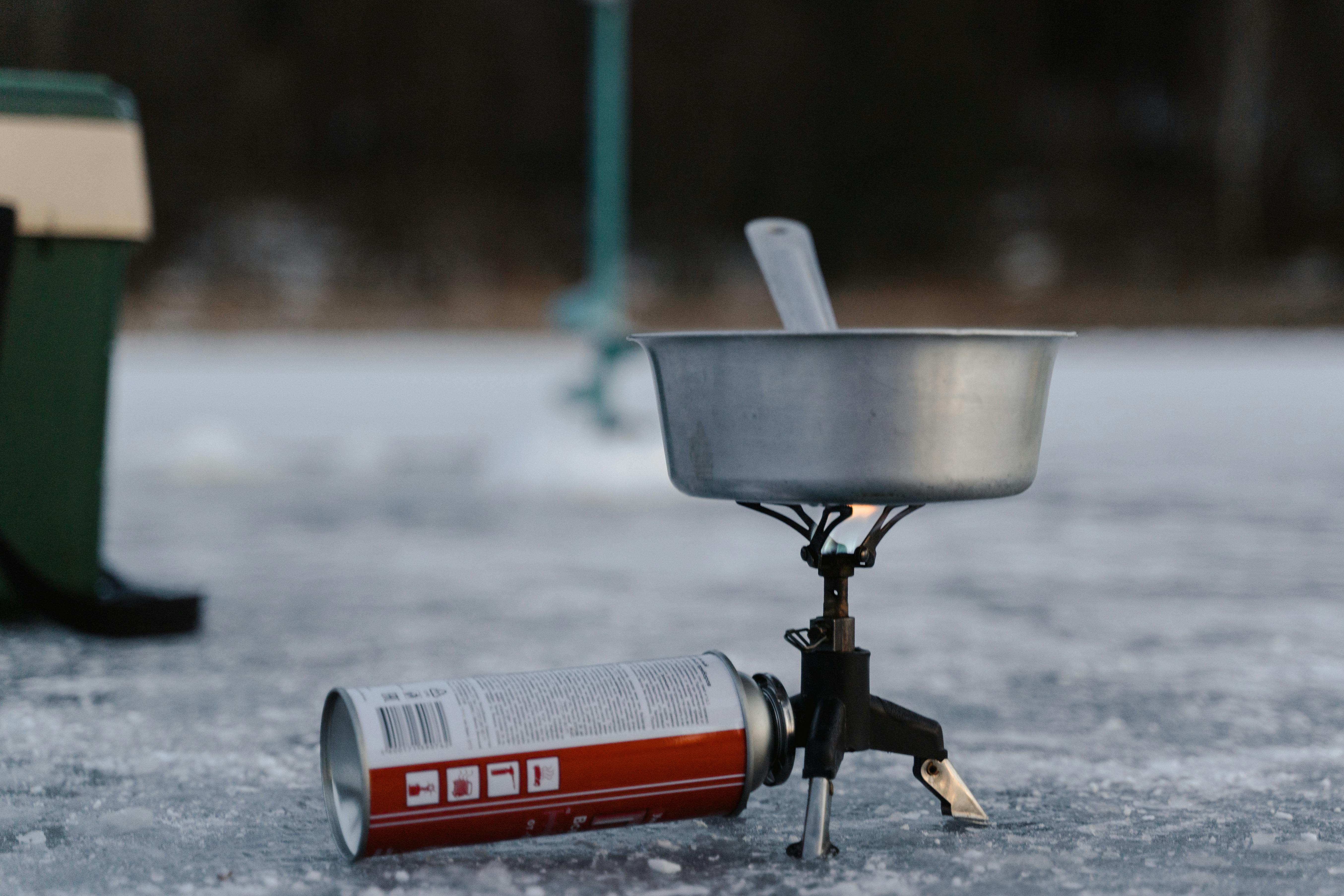
The glamorous purchases get attention, but the systems that keep water drinkable and stoves burning deserve just as much care. Filters clog, seals dry out, hoses age, and residue can build up when fuel equipment sits too long between trips.
Experienced outdoorsmen follow maintenance intervals even when a filter or stove seems fine at first glance. They know these are exactly the items that fail when the weather shifts or the day runs longer than planned.
A little preventive care keeps water tasting clean and burners lighting fast. It also removes one more source of uncertainty from the backcountry equation.
They rotate consumables and replace them on schedule
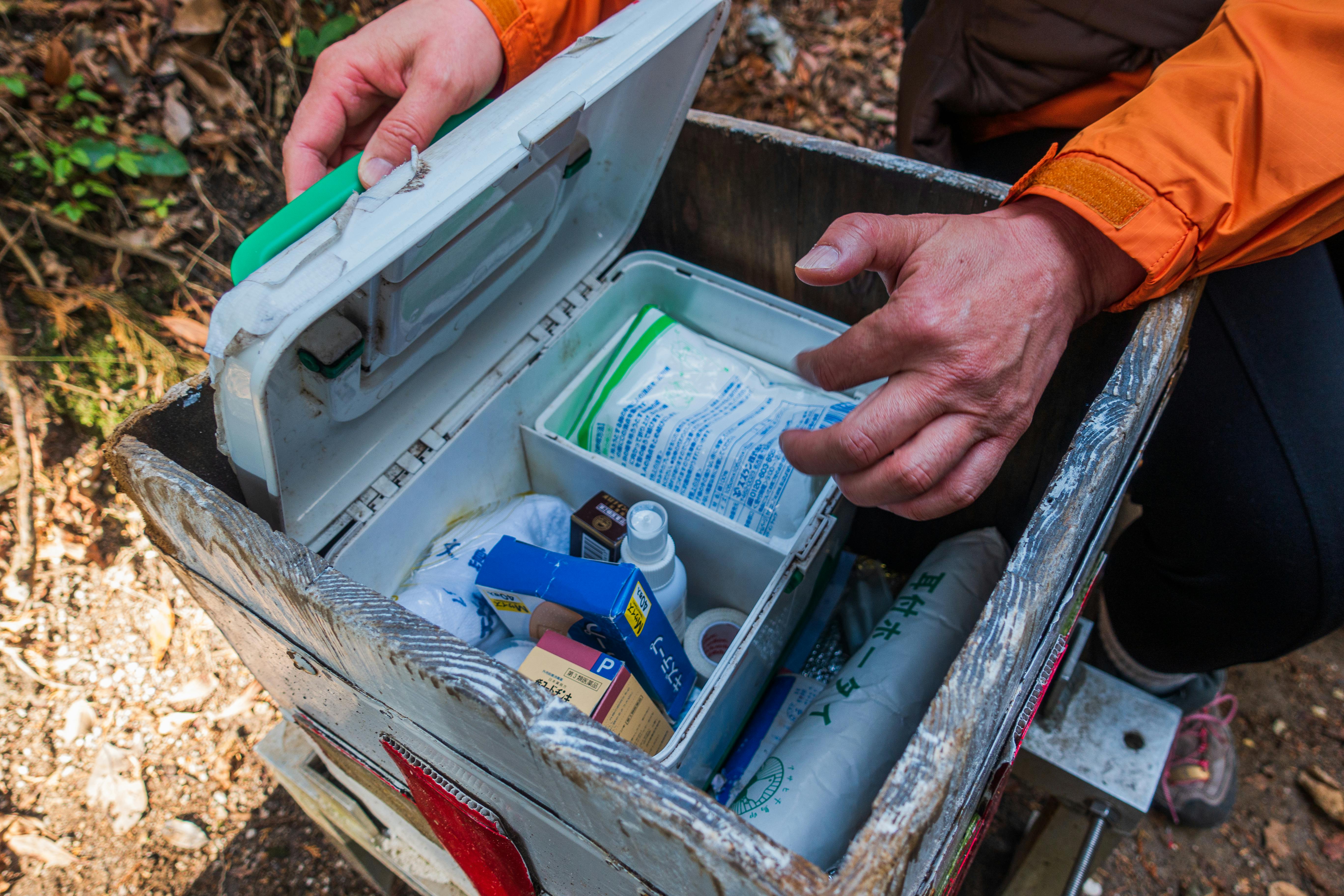
Batteries, headlamp cells, first aid supplies, fire starters, water treatment tablets, and sunscreen all have a shelf life. Weekend warriors often assume these items are fine because they were packed once and forgotten in a bin.
Serious outdoorsmen check dates, test charge levels, and swap out aging consumables before they become weak links. This is especially important for safety gear, where failure is not inconvenient so much as potentially dangerous.
The habit is less about being obsessive and more about respecting reality. Time degrades useful things, even when they look untouched from the outside.
They keep a dedicated maintenance routine

The biggest difference is not one miracle product or secret technique. It is that serious outdoorsmen treat maintenance as part of the outing, not as an optional chore they will get to someday.
They build small routines around the calendar and the season. Maybe gear gets cleaned the day after every trip, deep-checked once a month, and reconditioned before winter or hunting season begins.
That rhythm makes every other habit easier to keep. More important, it means fewer ugly surprises when a trip is already underway and the margin for mistakes gets painfully thin.
They know when to retire gear before it fails

There is a fine line between getting full value from equipment and pushing it past its safe working life. Experienced outdoorsmen respect that line, especially with climbing gear, heavily worn boots, compromised rainwear, and packs with structural fatigue.
Retiring gear is not wasteful when the alternative is trusting damaged equipment in serious conditions. The smartest users look for loss of support, thinning materials, failing waterproof membranes, and repairs that no longer hold with confidence.
This habit says a lot about judgment. Real expertise is not just knowing how to maintain gear. It is knowing when maintenance is no longer enough.