Long before radar apps and handheld forecasts, hunters learned to read the sky, wind, and animal behavior for clues about changing conditions. These signs are not magic, but they can offer a remarkably useful read on what the weather may do next. Here are eight classic signals experienced hunters often notice without relying on any equipment.
Shifting Wind Direction
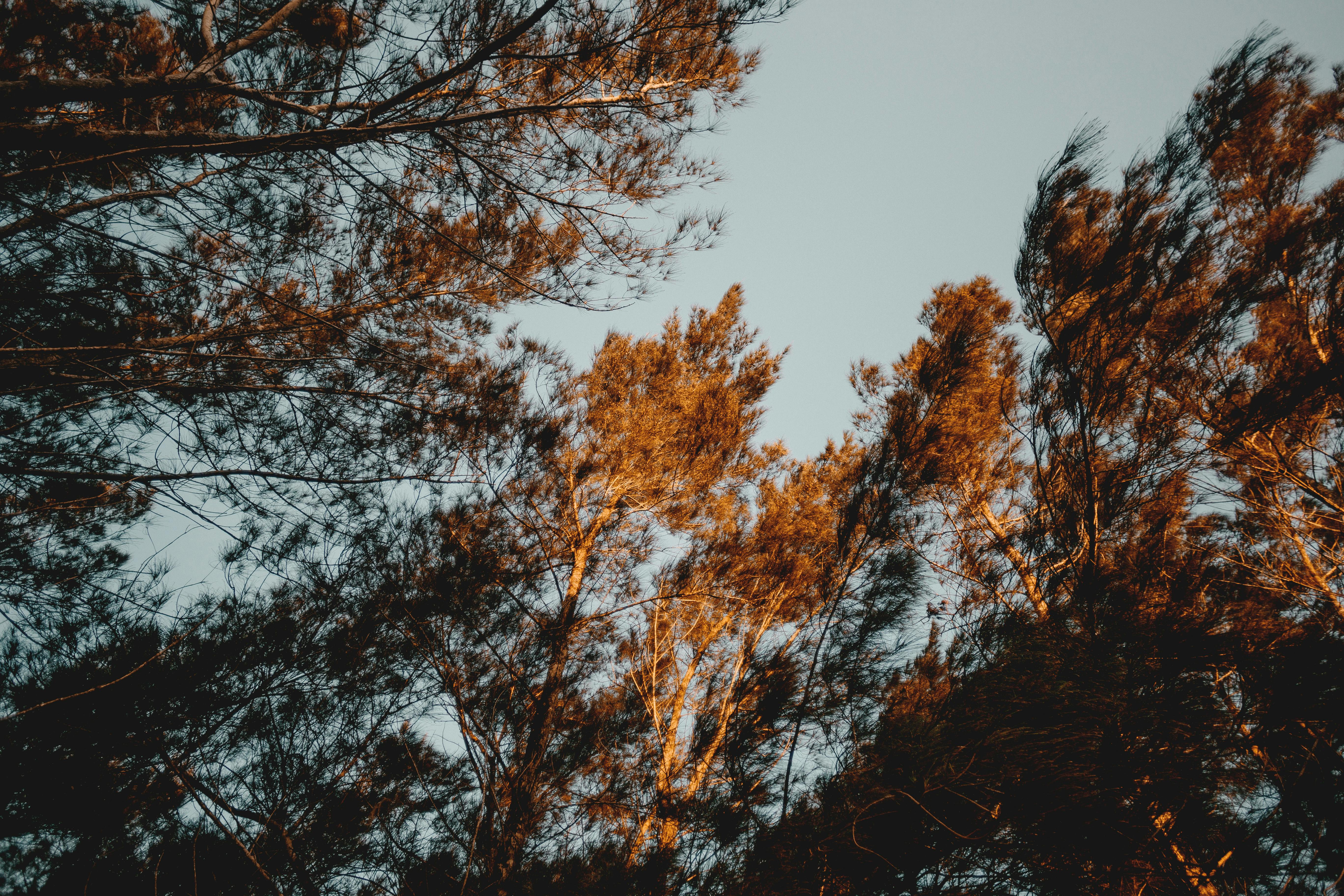
Experienced hunters pay close attention to wind because it often changes before the rest of the weather feels different. A steady breeze that suddenly swings direction can hint at a front moving in, especially when the air starts to feel less settled than it did an hour earlier.
In the field, this is more than a comfort issue. Wind shifts can alter scent travel, animal movement, and the feel of the entire landscape. Many hunters learn to notice when the breeze stops being consistent and starts acting restless.
That kind of change does not guarantee rain or a temperature drop, but it often signals transition. For hunters, transition is usually worth noticing.
Low Clouds Moving In
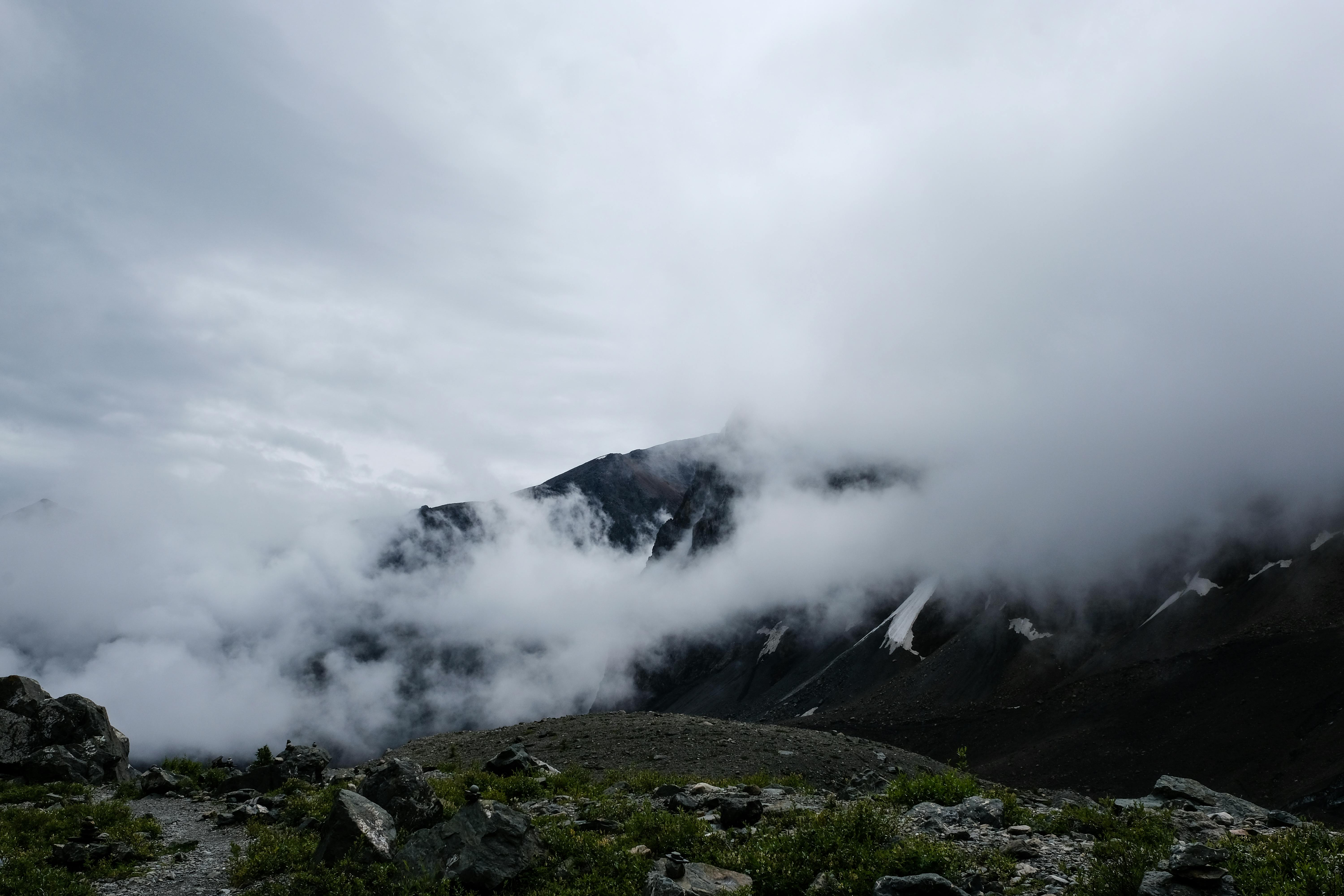
When clouds begin to lower and thicken, hunters often read that as a sign the weather is becoming more active. High, scattered clouds can feel harmless, but a sky that gradually compresses and darkens tends to get attention fast.
Low cloud cover can make the woods feel quieter and smaller, with less contrast and flatter light across the ground. Seasoned outdoorspeople often notice this mood shift before any rain actually starts.
It is the steady build that matters most. If the ceiling keeps dropping and the horizon looks increasingly blurred, many hunters will assume a damp, unsettled stretch is close behind.
A Sudden Drop in Temperature
Hunters spend enough time outside to feel small temperature changes that others might ignore. A quick cool-down, especially when it arrives over a short window, can suggest a front is pushing through and changing conditions quickly.
This kind of temperature drop often comes with a different feel in the air. The breeze may sharpen, humidity may change, and the landscape can seem to wake up or go still depending on the season.
It is one of those signs that is easy to dismiss at first. But veteran hunters know that when warmth gives way abruptly, the weather pattern may be shifting more seriously than the sky alone suggests.
Unusual Stillness Before Rain
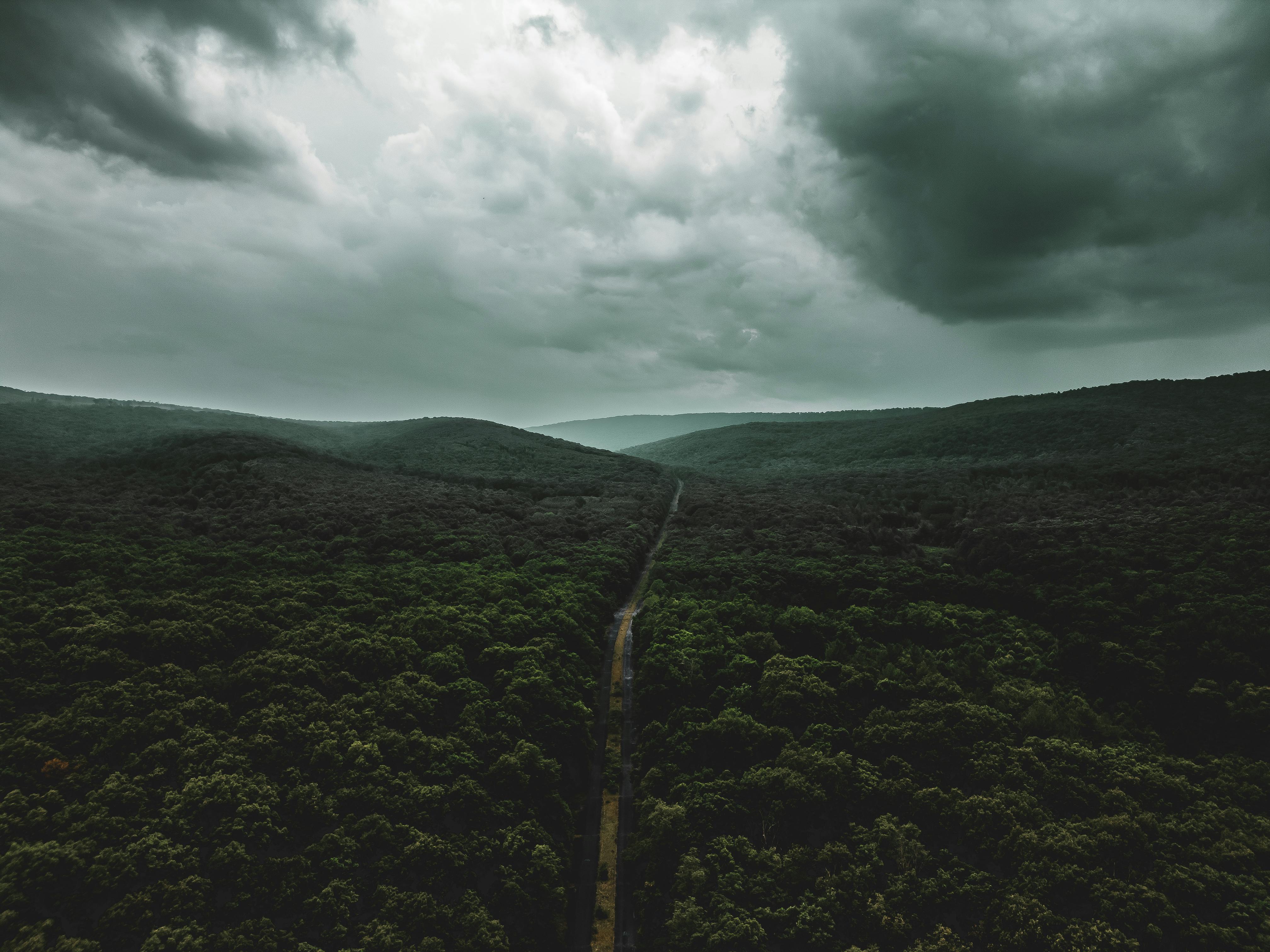
One of the oldest weather observations is the eerie calm that can settle in before rain. In hunting country, that stillness stands out because the woods usually have some constant motion, whether from leaves, grass, or a light crosswind.
When that motion fades, experienced hunters often take notice. The air can feel heavy and strangely quiet, as if everything is waiting. Even familiar places can seem different when the normal texture of sound and movement suddenly disappears.
That hush does not always mean a storm is imminent, but it often points to moisture and changing pressure nearby. For people who spend long hours outdoors, that kind of pause can be hard to miss.
Birds Flying Lower Than Usual

Bird behavior has long been part of field observation, and hunters often mention birds flying lower when weather is shifting. The common explanation is that changing air pressure and wind conditions affect how birds move and feed, especially before rain.
You might notice swallows skimming lower over open ground or other birds staying beneath their usual height. Even without naming species, hunters often recognize when the flight pattern across a familiar area suddenly looks off.
It is not a standalone forecast, but it becomes meaningful when paired with cloud buildup or sticky air. In the field, several small clues together usually matter more than one dramatic sign.
Stronger Scents in Damp Air

Many hunters say the woods smell different before wet weather arrives. Earth, leaves, water, and even distant vegetation can seem more pronounced when humidity rises and the air starts holding scent more heavily than usual.
This is not just poetic language from people who like being outdoors. Damp air can make odors feel richer and more noticeable, and seasoned hunters often use that sensory change as a subtle clue that rain or fog may be developing.
It is the kind of sign that rarely gets discussed in formal forecasts, yet people in the field trust it because they experience it repeatedly. Sometimes your nose notices the weather before your eyes do.
Leaves Showing Their Undersides
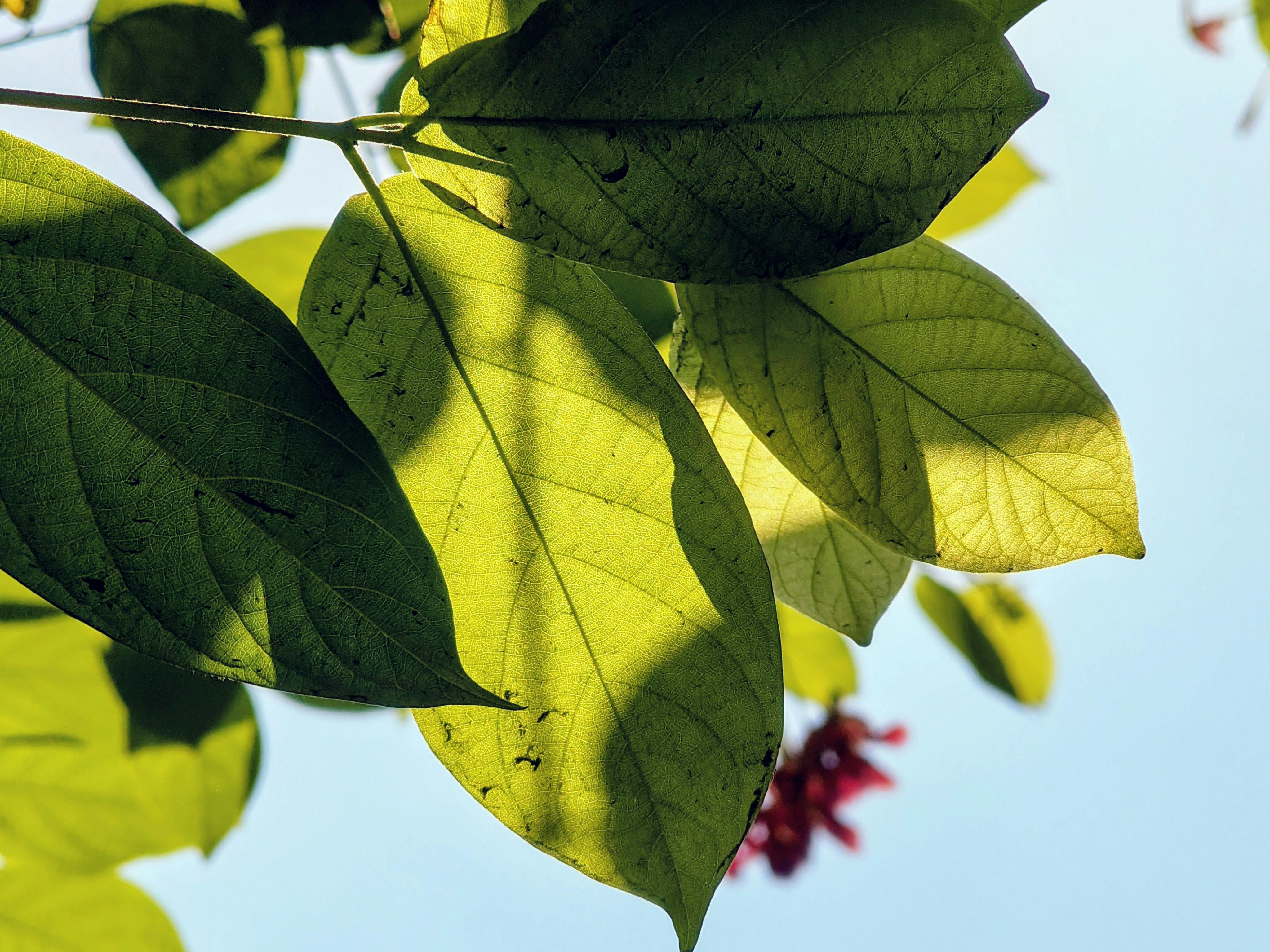
A breezy day does not mean much by itself, but hunters often watch for trees and shrubs whose leaves begin to flip and expose their paler undersides. That visual change can suggest winds are strengthening or becoming more erratic ahead of a storm system.
In many landscapes, it is surprisingly obvious once you know to look for it. A hillside that looked deep green an hour ago may suddenly appear silvered or washed out as the foliage turns and trembles.
This sign works best as part of a bigger picture. If leaves are flipping while clouds build and the wind starts shifting, many hunters will read that as a strong hint that rougher weather is approaching.
Distant Thunder and Building Humidity
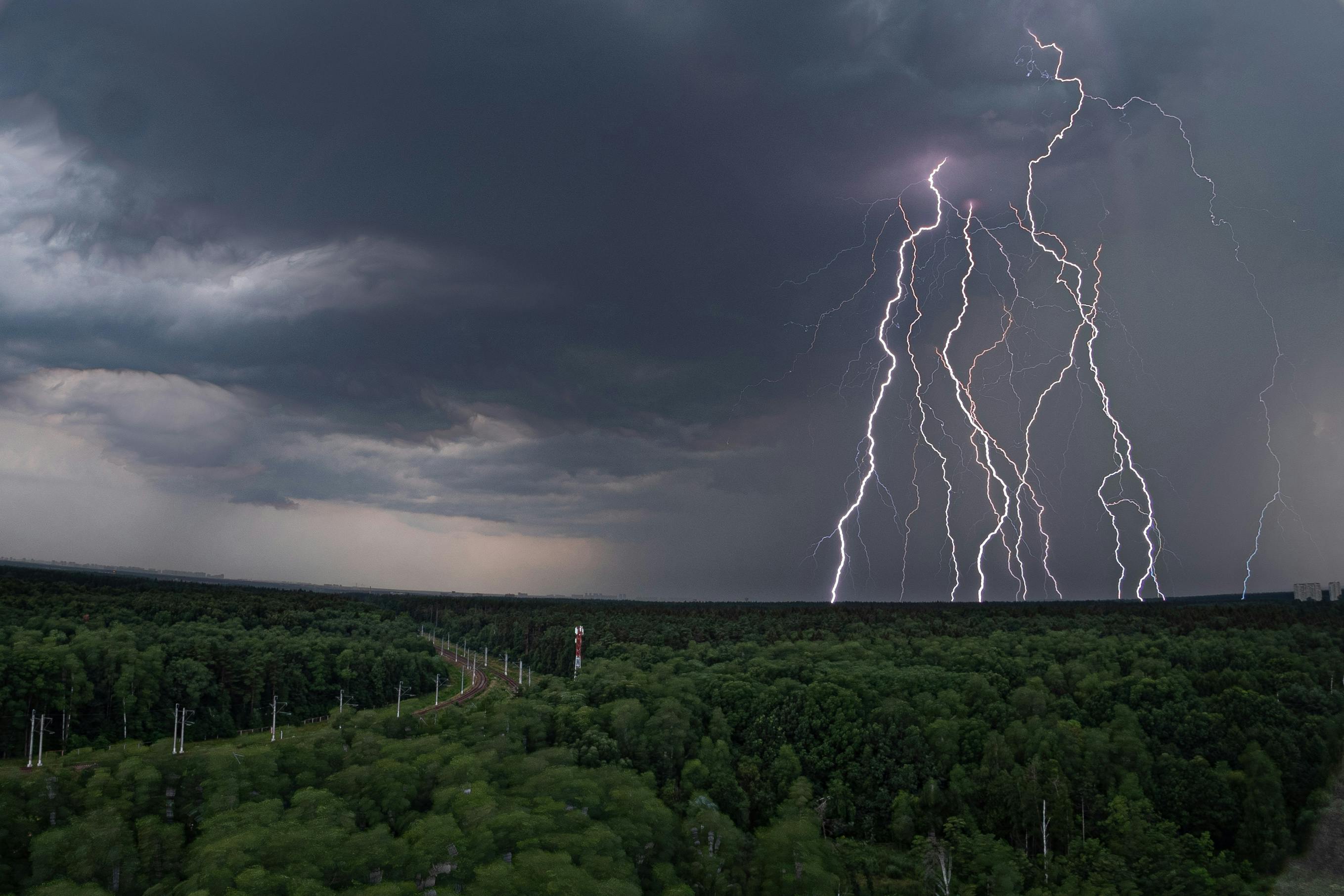
Few signs are easier to understand than thunder rolling far off across the landscape. Hunters know that even when the sky overhead still looks manageable, distant thunder means unstable weather may be closer than it appears.
Humidity often builds alongside that threat. The air can feel thick on the skin, breathing may feel slightly heavier, and clothing can start to cling. Those subtle discomforts are often part of the story before a storm fully develops.
Together, thunder and rising humidity create a strong field warning. Seasoned hunters may not know the exact timing, but they know enough to expect lightning, rain, or sudden wind to become a real possibility.