In the wild, useful food sources are often hiding in plain sight. Many common plants and parts of plants get ignored because they look ordinary, weedy, or too familiar to seem important. This gallery highlights 11 edible finds that survivalists and casual hikers alike may walk past every day, along with what makes each one worth a closer look.
Dandelion

Dandelions are so common that many people stop seeing them at all. That is exactly why they are one of the easiest wild edibles to overlook. The leaves, flowers, and roots all have culinary value, and the plant shows up in lawns, trailsides, vacant lots, and open fields across huge parts of the world.
Young leaves can be eaten raw, while older ones are often better cooked because the bitterness softens. The petals can brighten salads or fritters, and the roots are sometimes roasted for a coffee-like drink. The key is making sure the patch has not been treated with chemicals or growing in contaminated soil.
Wood Sorrel

Wood sorrel is frequently mistaken for clover, which makes it easy to dismiss. Its heart-shaped leaflets and delicate yellow, white, or pink flowers are common in yards, forest edges, and shaded paths. Once you know what to look for, you start noticing it almost everywhere.
It has a bright, lemony flavor that can wake up a bland trail snack or salad. People often nibble the leaves and flowers raw, but moderation matters because it contains oxalic acid. That means it is more of a flavorful accent than a plant most people would want to eat in large amounts every day.
Purslane
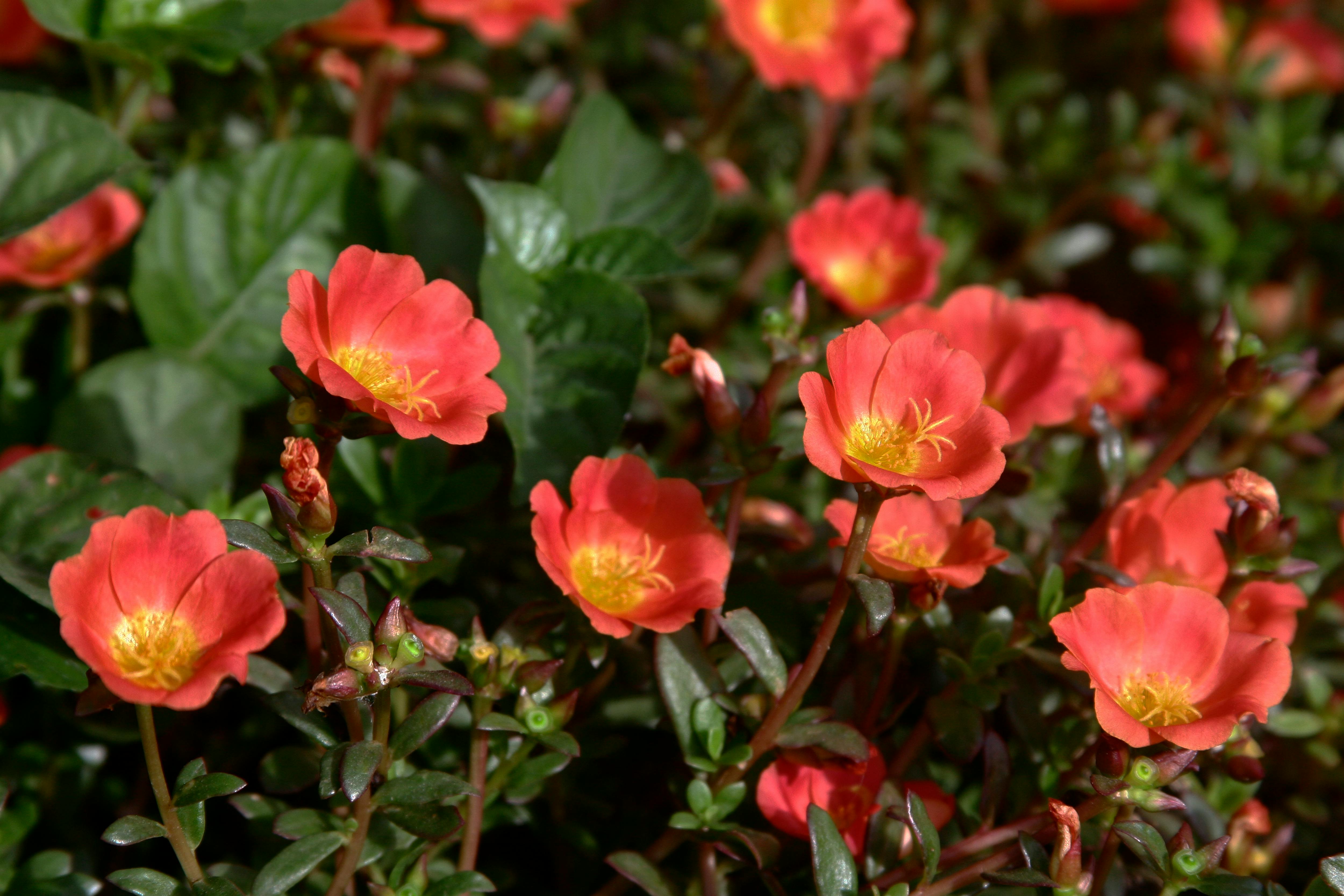
Purslane often gets pulled as a garden weed before anyone realizes it is edible. It grows low to the ground with reddish stems and thick, succulent leaves, thriving in sidewalks, gardens, and disturbed soil. Because it looks so ordinary, many survivalists pass it by without a second glance.
The leaves have a crisp texture and a slightly tangy, salty taste that works well raw or cooked. Purslane is especially useful because it can be juicy and refreshing in hot weather when tender greens are harder to find. Proper identification matters, since some lookalikes are not edible, so noticing the fleshy leaves and smooth sprawling habit is important.
Lamb’s Quarters

Lamb’s quarters is one of those plants people see as background greenery and ignore. It can grow waist high in empty lots, gardens, and field edges, with leaves that often have a dusty or silvery coating underneath. That pale, powdery look is one of its most helpful clues.
In the kitchen, it behaves a lot like spinach. The young leaves and tender tops can be steamed, sauteed, or stirred into soups, and the seeds are also edible with more effort. It is one of the more rewarding wild greens because it is often abundant, mild tasting, and easier to enjoy than many bitter roadside weeds.
Plantain

Not the banana relative, but the humble lawn weed with broad or narrow ribbed leaves. Plantain hugs the ground in compact rosettes, so it is easy to literally step over it all day long. It shows up in footpaths, parks, yards, and packed soil where other plants struggle.
The youngest leaves are the best eating, especially before the fibers toughen. They can be added to salads or cooked like greens, while the seeds are also edible and sometimes compared to a tiny grain. Many people know plantain as a traditional first-aid herb, but forget that it can also serve as a useful food in a pinch.
Cattail

Cattails are famous for their brown cigar-shaped seed heads, but plenty of people never connect the plant with food. Found around marshes, ponds, and slow-moving water, they are one of the more versatile wild edibles when harvested at the right stage. Different parts are useful in different seasons, which is part of their survival appeal.
Young shoots can be peeled and eaten, immature flower spikes can be cooked like corn on the cob, and the rhizomes contain starch. The catch is location. Wetlands can collect pollution, so clean water matters as much as correct identification. With that caveat, cattail is one of the classic examples of edible abundance hiding in plain sight.
Chickweed

Chickweed has a delicate look that makes it easy to underestimate. It forms low mats of tender stems and small pointed leaves, often in cool, moist places such as garden beds, shady edges, and early spring lawns. Tiny white star-like flowers are another giveaway once you learn its pattern.
Its flavor is mild and fresh, which is one reason foragers enjoy it raw. It works in salads, sandwiches, and quick sautés without the aggressive bitterness of tougher wild greens. Because it grows in dense patches, a little attention can yield a useful handful fast. That makes it especially handy when you need something edible and do not want to spend all day searching.
Red Clover
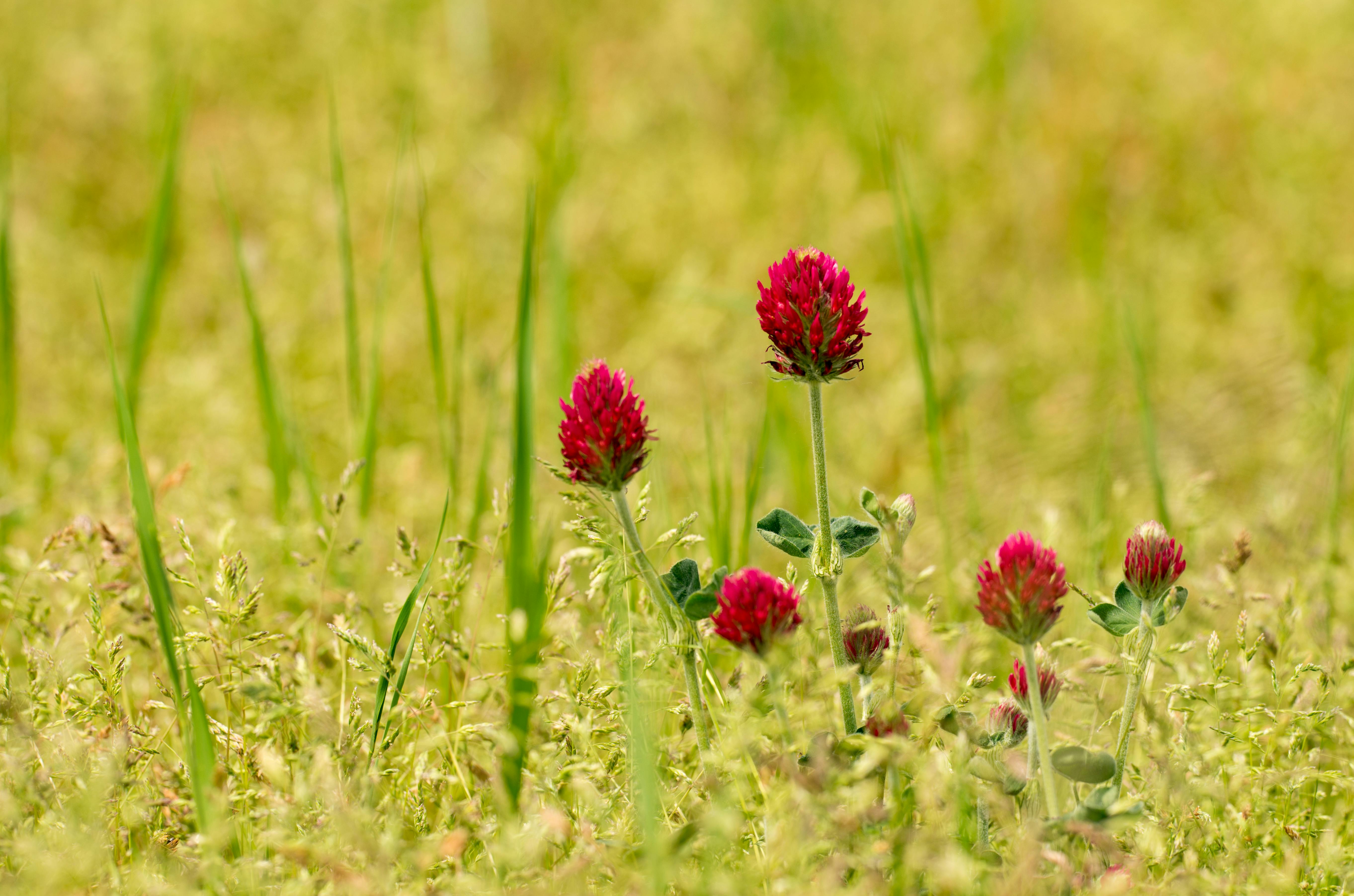
Red clover gets noticed as a flower and ignored as food. Its pinkish purple blossoms stand out in meadows and roadsides, but many people never think beyond the pretty field view. Survival-minded hikers may recognize it as common, yet still overlook how useful it can be.
The blossoms are the part most often eaten, fresh or dried, and they can bring a mild sweetness to teas, baked goods, or simple trail nibbling. Leaves are edible too, though often less exciting in texture. As with many roadside plants, clean growing conditions are essential. A patch far from traffic and chemical spraying is much more appealing than one beside a busy shoulder.
Wild Violet

Wild violets are easy to admire and easier still to forget as food. They pop up in lawns, woodland edges, and damp shaded spots, with heart-shaped leaves and purple, blue, or sometimes white flowers. Because they look ornamental, they often do not register as a survival resource.
Both the leaves and flowers are edible, and they have a mild flavor that works best in fresh preparations. The blossoms can decorate salads or desserts, while the leaves can be added to greens mixes and soups. They are not a heavy calorie source, but they are approachable, recognizable, and often available where people least expect to find something useful to eat.
Pine Needles
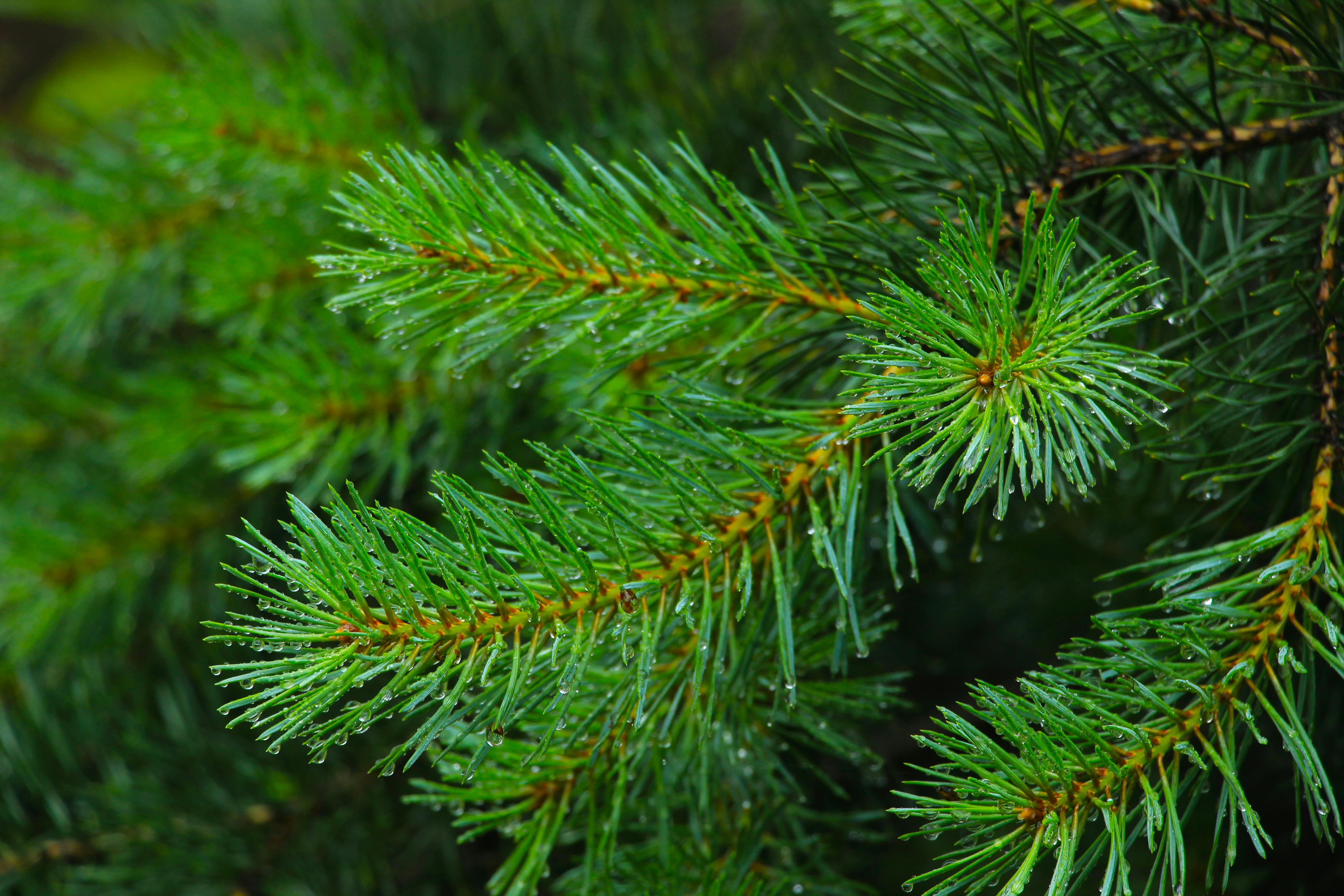
Many people think of trees as shelter or fuel first, and food second if at all. Pine is a good example. While you are not eating the woody parts, the needles from certain pine species can be steeped for tea and used as a surprisingly practical wild ingredient.
The flavor is resinous, bright, and often citrusy depending on the species and age of the needles. Newer growth is usually more pleasant. Identification matters here more than ever, because not every needle-bearing tree is safe to use the same way. Done correctly, pine needle tea can feel like a small luxury in cold weather rather than just a desperate survival measure.
Daylily
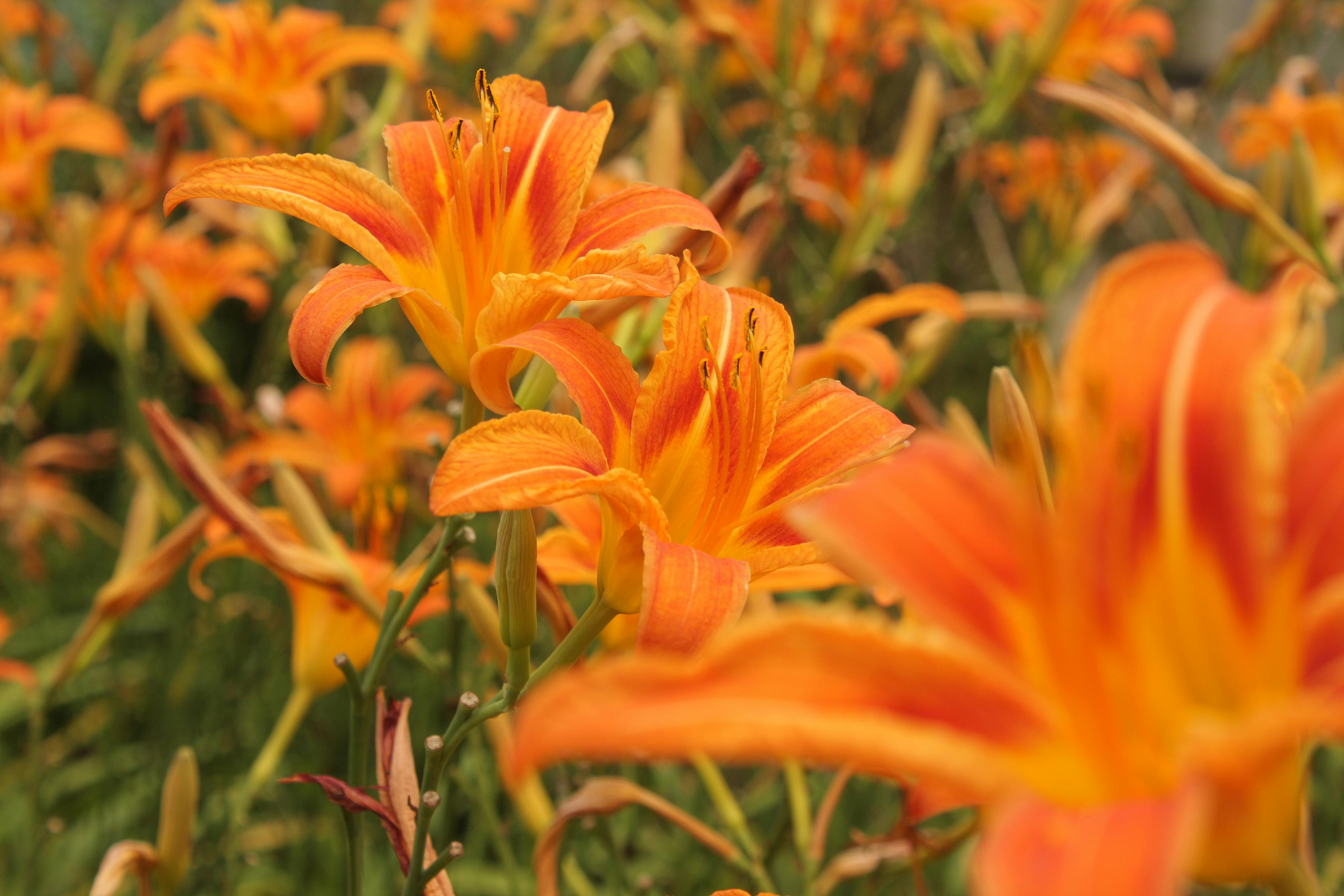
Daylilies grow in gardens, old home sites, and roadsides, so people often assume they are purely decorative. The plant’s strappy leaves and bright trumpet-shaped flowers are familiar enough that many never stop to ask whether it is useful beyond looks. In the right context, parts of it are edible.
Buds and flowers are the parts most commonly used, sometimes fresh and sometimes cooked, with a flavor that can be mildly sweet or vegetal. The important caution is correct identification, because daylily is not the same as every lily, and confusion can be risky. This is one of those plants that proves ornamental and edible categories overlap more often than most people think.