The word tactical has become one of the easiest ways to inflate a rifle’s price tag. For many buyers, that label promises rugged performance, versatility, and serious capability, but the real-world value often falls short. This gallery looks at 11 rifles that tend to be overpriced, overhyped, or poorly matched to what most owners actually need.
Budget tactical AK variants with cosmetic upgrades

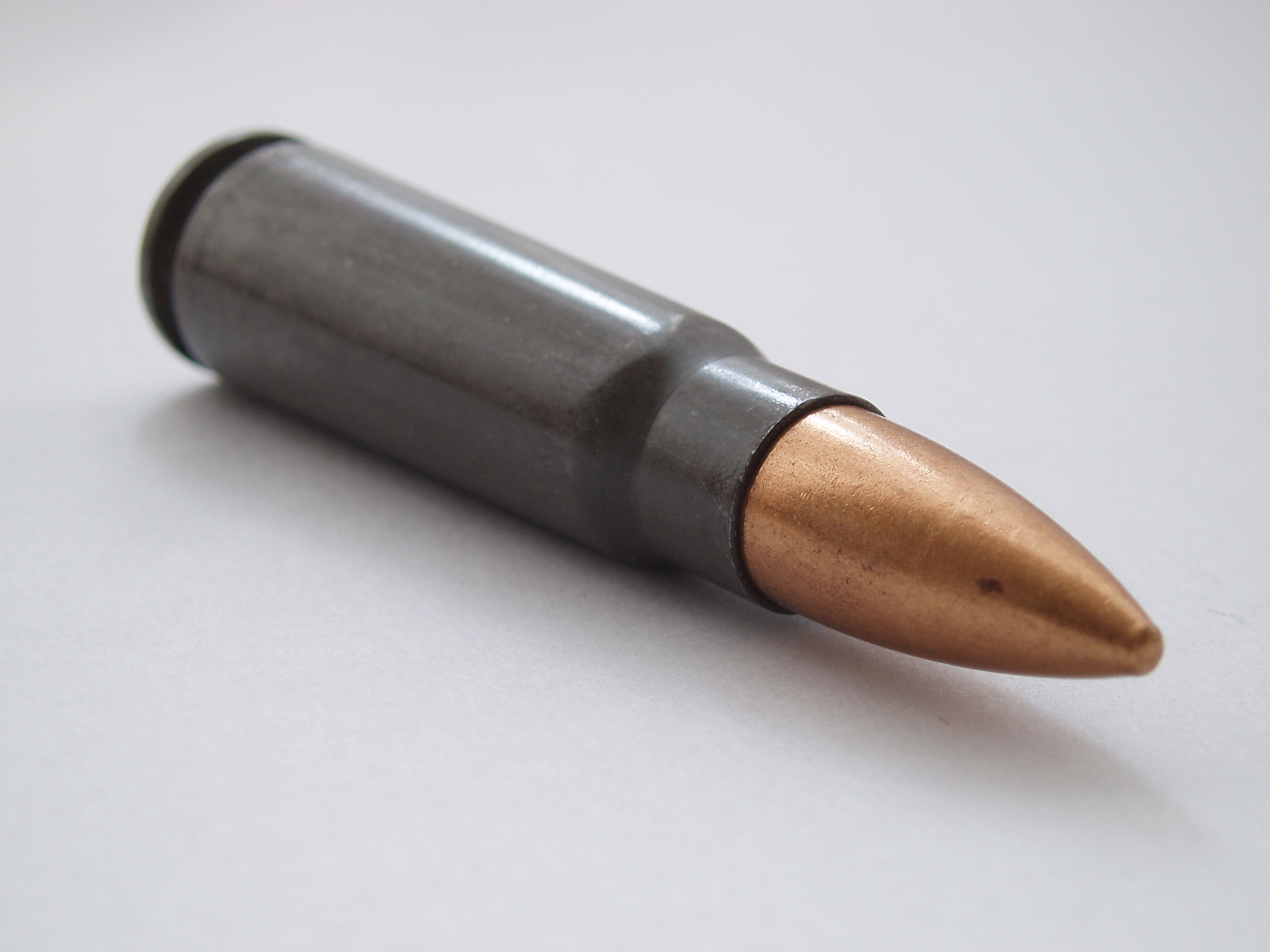
Some budget AK variants wear tactical furniture like a costume. Folding stocks, railed handguards, and aggressive finishes can make a rifle look more capable, but those visual upgrades do not fix rough assembly, uneven quality control, or mediocre barrels. Buyers often pay extra for the appearance of performance rather than the real thing.
That is especially frustrating because the AK’s traditional appeal is durability and simplicity. When a manufacturer piles on accessories to chase the tactical market, the result can be a heavier, clumsier rifle that abandons the platform’s strengths. If the core rifle is average, no amount of rails and polymer trim will turn it into a smart buy.
Bullpup rifles sold on compactness alone

Bullpup rifles attract attention because they look futuristic and save length without sacrificing barrel size. That sounds great on paper, and in a narrow set of use cases it can be genuinely useful. But many buyers discover that the unusual balance, controls, trigger feel, and manual of arms are much less intuitive than expected.
For the same money, a conventional rifle often offers easier maintenance, wider parts support, and a more familiar shooting experience. Bullpups also tend to carry a premium simply because they are different. If compactness is the only reason you are interested, you may be paying a lot for novelty while giving up comfort and practicality in return.
Heavy precision tactical rifles for casual shooters

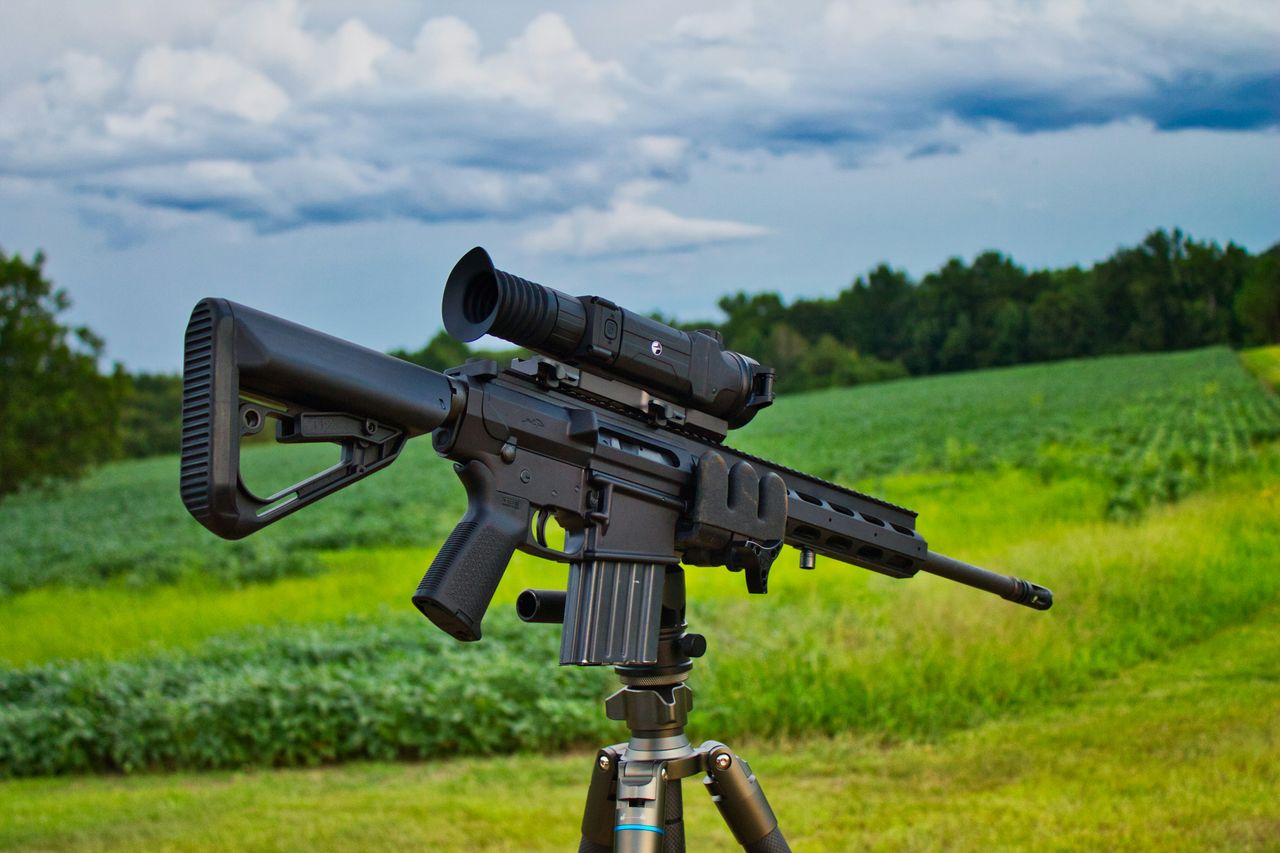
Precision tactical rifles have a real purpose, but many are marketed to people who simply like the image of long-range capability. These rifles are often large, expensive, and specialized, with heavy barrels, adjustable chassis systems, and optics setups that quickly push the total cost to an intimidating level.
For someone who visits an ordinary range a few times a year, that investment rarely makes sense. The rifle can be cumbersome to transport, tiring to shoot from unsupported positions, and excessive for realistic distances. A more modest bolt action often delivers plenty of accuracy for far less money. Buying the full tactical precision package can feel impressive at first, but practical ownership tends to expose how narrow its value really is.
Short barreled tactical rifles built for image

Short-barreled rifles have legitimate uses, especially where maneuverability matters, but many civilian buyers are drawn in by the compact, high-speed look more than any realistic need. Once the tax stamp, specialized parts, muzzle blast management, and accessory choices are factored in, the final price can be surprisingly steep.
There is also the reality of compromise. Shorter barrels can mean louder report, harsher concussion, and reduced ballistic performance depending on caliber. For a lot of owners, a standard carbine would be easier to own, less expensive to configure, and more pleasant to shoot. The tactical short rifle often sells a sleek fantasy, while the day-to-day experience is louder, pricier, and less versatile than expected.
Factory camouflage rifles with inflated prices
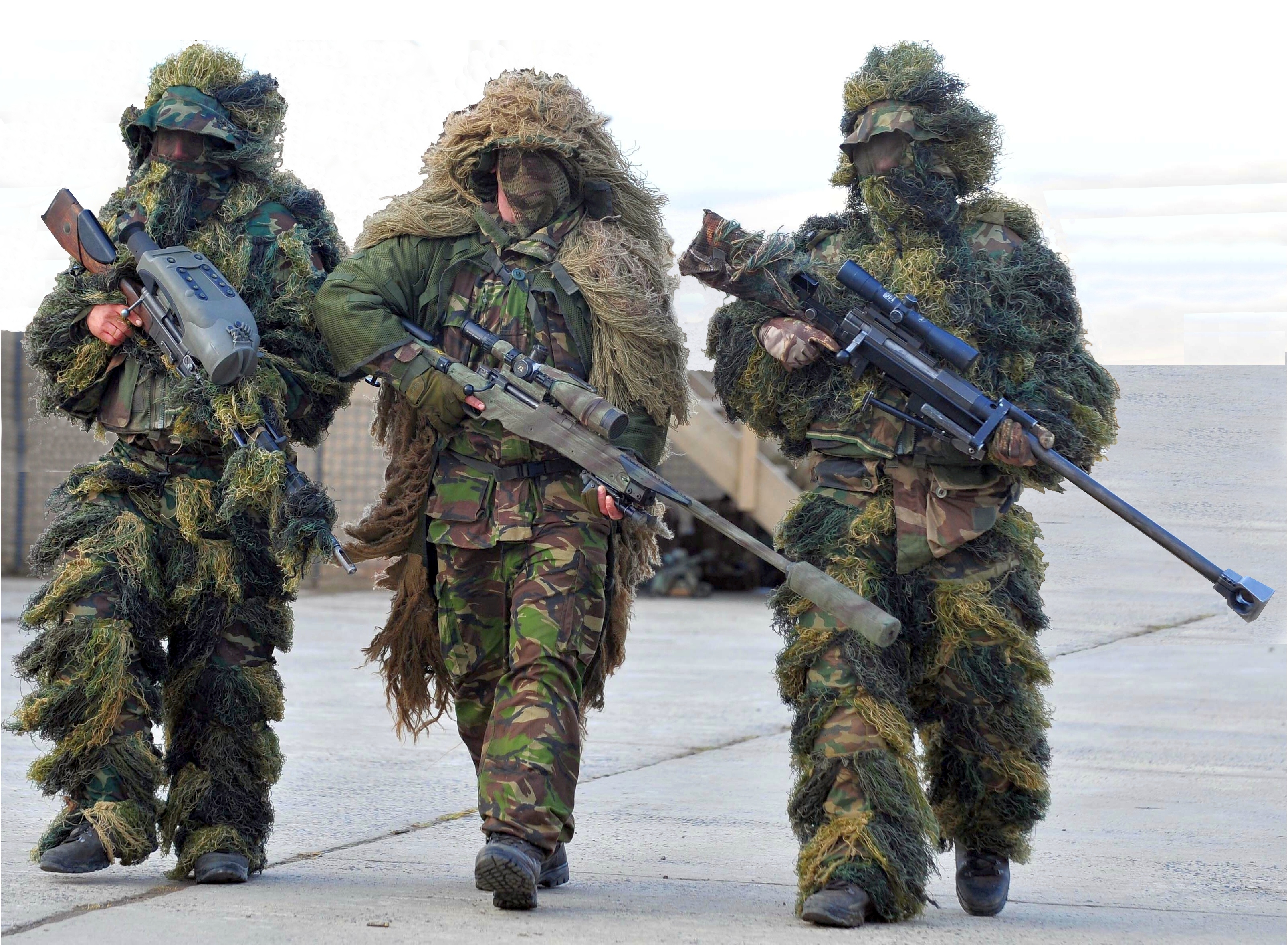
derivative work: User:Pittigrilli/Wikimedia Commons
A camouflage finish can be practical in some hunting and field environments, but on many tactical rifles it functions mostly as a premium cosmetic package. Manufacturers know that a distinctive pattern can make an otherwise ordinary rifle seem exclusive, and that visual difference often arrives with a noticeably higher sticker price.
The problem is that finish alone rarely improves performance, reliability, or durability in a meaningful way for most users. If you already like the rifle, paying a small premium for appearance is one thing. Building the entire purchase around a finish is another. Too often, camouflage tactical rifles ask buyers to spend extra on style while offering the same core mechanics available in a cheaper standard version.
Imported tactical rifles with weak parts support

Imported rifles can be appealing because they look distinctive and promise something outside the usual domestic lineup. The trouble starts when replacement parts, magazines, or service support become hard to find. A rifle may seem like a bargain at the counter, but ownership gets more expensive when basic upkeep depends on a thin supply chain.
That risk is easy to overlook during the excitement of purchase. If regulations change, import patterns shift, or the manufacturer leaves the market, you could be left with an expensive curiosity instead of a dependable shooter. Tactical styling cannot make up for uncertain long-term support. A rifle that is difficult to maintain is often a poor value no matter how impressive it looks in the safe.
Rifles marketed around rare calibers

A tactical rifle in a less common caliber can sound exciting because it promises unique performance or niche superiority. In practice, rare chamberings often bring higher ammunition costs, fewer local options, and more frustration whenever shelves run thin. The rifle itself may be fine, but the ownership experience becomes expensive in ways many first-time buyers do not fully anticipate.
That matters more than marketing suggests. A rifle you cannot afford to feed regularly becomes a poor training tool and an even worse impulse buy. Common calibers may seem less glamorous, but they usually win on availability, affordability, and long-term practicality. Tactical branding often tries to make rarity feel elite, when in reality it can simply make the rifle inconvenient and costly.