Some firearms become popular, and some become the standard everyone else gets compared to. The guns in this gallery earned that status the hard way, through years of hard use, simple maintenance, and reputations that spread from soldiers and police to hunters and civilian shooters. Whether admired for rugged design or sheer staying power, these are the names that came to define reliability.
Glock 17

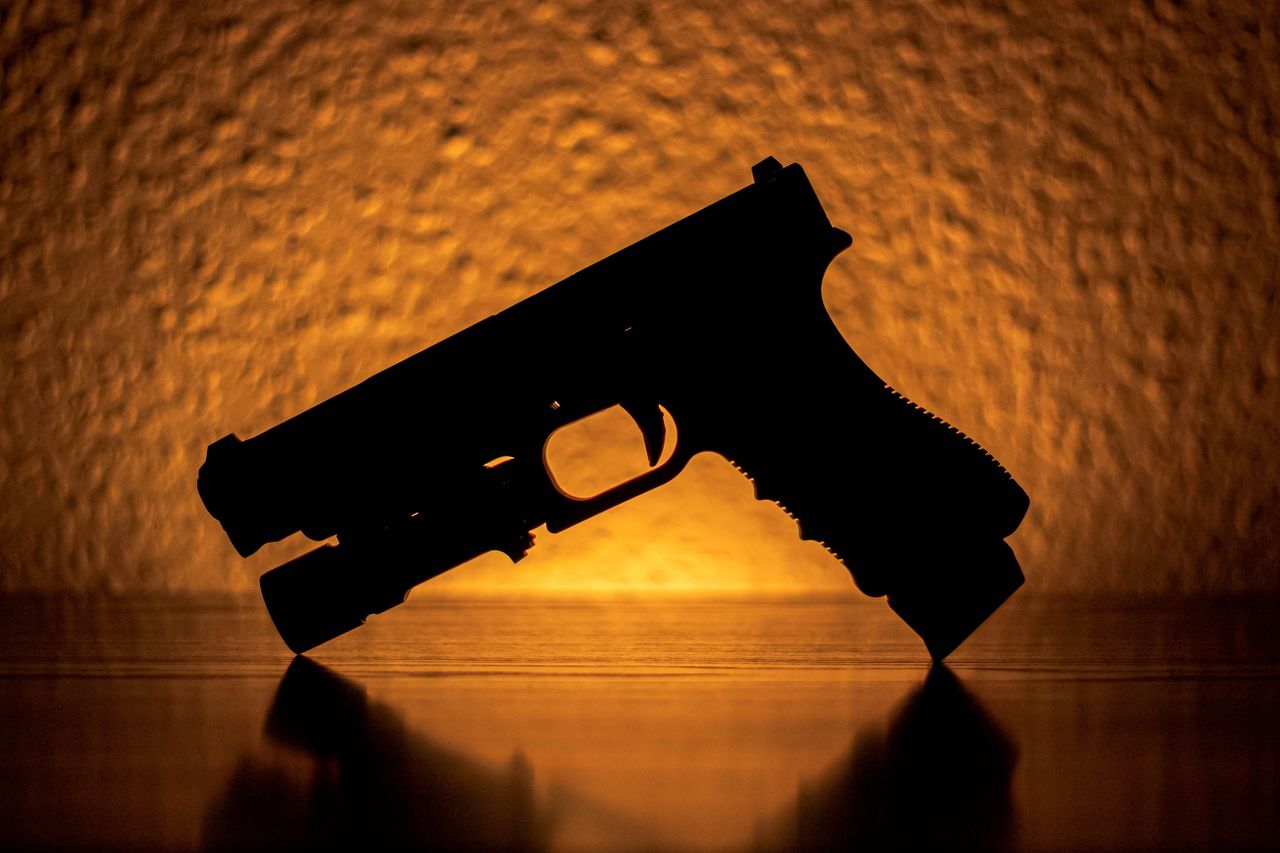
The Glock 17 changed the service pistol conversation by making reliability feel almost boring, in the best possible way. Its polymer frame, striker-fired action, and low parts count gave agencies and civilian shooters a handgun that was easy to carry, easy to maintain, and very hard to stop.
What made it the default was consistency. Police departments around the world adopted it because it kept running with minimal fuss and straightforward training. The pistol also proved adaptable, with a size and design that worked for duty use, home defense, and competition. Once Glock established that reputation, every new service pistol was judged against the standard it had set.
Remington 870

There is a reason the Remington 870 has been in police cruisers, duck blinds, and home closets for generations. This pump shotgun earned trust the old-fashioned way, by being simple, durable, and ready for just about any role a shotgun can fill. It became a familiar sight because it rarely gave owners a reason to doubt it.
The steel receiver and straightforward pump action gave the 870 a workhorse feel that appealed to everyone from hunters to security professionals. It handles abuse, varied ammunition, and years of regular use with admirable ease. For many Americans, when someone says pump shotgun, the mental image is still an 870, which says everything about how deeply it became the default.
AR-15

The AR-15 did not begin life with a universal reputation for rugged dependability, but decades of refinement changed that story dramatically. In modern form, a quality AR is reliable, modular, and easy to keep running, which helps explain why it became the default rifle platform for so many shooters in the United States.
Part of its staying power comes from how adaptable it is. The design works for home defense, competition, ranch use, and recreational shooting, all while benefiting from huge parts support and widespread armorer knowledge. When a platform is easy to service, easy to customize, and proven in countless configurations, it naturally becomes the baseline others have to answer to.
M1911

More than a century after its adoption, the M1911 still carries an aura that few handguns can match. John Browning’s design earned loyalty through battlefield service, mechanical elegance, and a reputation for dependable operation when built and maintained well. It became the standard by surviving long enough to prove it belonged.
Its slim profile, crisp trigger, and solid steel construction helped generations of military personnel and civilian shooters trust it implicitly. While modern versions vary in quality, the classic formula remains deeply respected because it worked in war, competition, and personal defense. Even people who prefer newer pistols often measure trigger feel, ergonomics, and practical shootability against the old 1911 benchmark.
Mossberg 500

The Mossberg 500 became a default shotgun by doing exactly what owners needed and very little they did not. It is rugged, affordable, and famously practical, with controls that many users find intuitive under stress. That combination made it a natural fit for hunting camps, patrol cars, and home defense plans.
Its aluminum receiver helps keep weight manageable, while the twin action bars and simple manual of arms contribute to a reputation for dependable cycling. The tang safety also gave it broad appeal, especially for shooters who wanted straightforward operation from either shoulder. In the real world, where reliability often matters more than polish, the Mossberg 500 earned its place by just continuing to work.
Beretta 92
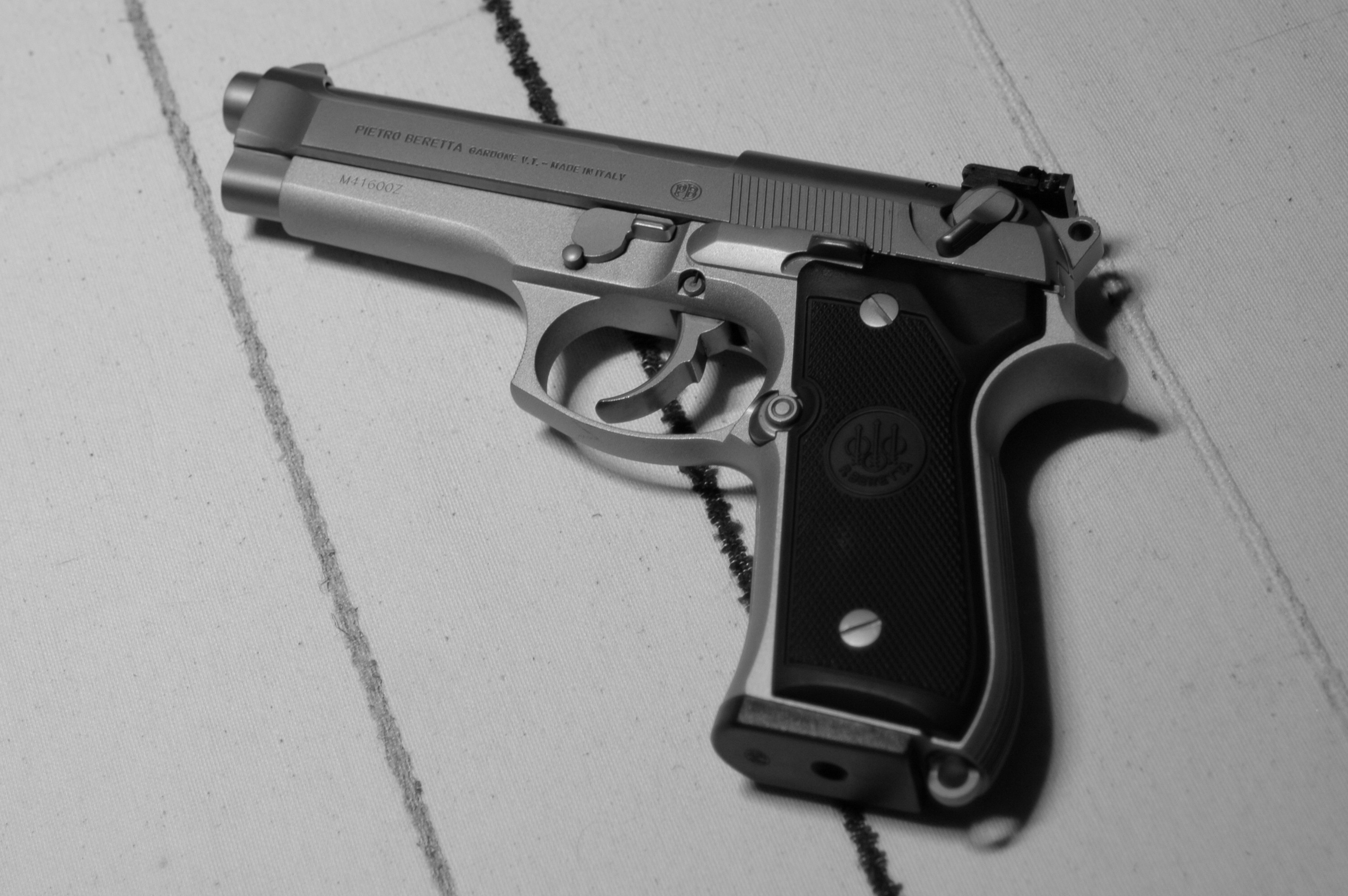
The Beretta 92 built its reputation on smooth shooting manners and impressive service reliability. With its open-slide design and solid military pedigree, it became one of those pistols people associate with dependable function almost immediately. For years, it was the sidearm that defined what a full-size duty pistol looked and felt like.
Its widespread adoption by armed forces and police gave the design global visibility, but the real strength was how comfortably it handled hard use. Shooters appreciated its mild recoil impulse, generous magazine capacity, and durable construction. Even as polymer pistols surged ahead, the Beretta 92 remained a trusted reference point, a handgun that proved reliability and shootability could come in the same package.
Smith & Wesson Model 10

Before the high-capacity semi-automatic era fully took over, the Smith & Wesson Model 10 was the revolver that seemed to be everywhere. Police officers carried it, homeowners trusted it, and generations of shooters learned on its simple, dependable mechanism. It became the default sidearm because it was honest, durable, and easy to understand.
A good revolver has a comforting directness, and the Model 10 delivered exactly that. With a long production history and broad institutional use, it earned the kind of reputation that only comes from decades of routine service. It was not flashy, and that was the point. When reliability meant six shots and a trigger that kept cycling, the Model 10 defined the category.
Lee-Enfield

The Lee-Enfield became legendary by proving a bolt-action rifle could be fast, forgiving, and remarkably dependable under wartime conditions. British and Commonwealth forces relied on it across continents and climates, and its smooth action helped set it apart from many contemporaries. It was the kind of rifle that built trust through repetition and survival.
Its generous magazine capacity and quick cycling made it unusually effective in trained hands, while the overall design handled mud, grime, and rough military life with impressive resilience. Long after its front-line years ended, shooters and collectors continued to praise how lively and capable it feels. In the history of military bolt guns, the Lee-Enfield became a standard others are still measured against.
SIG Sauer P226
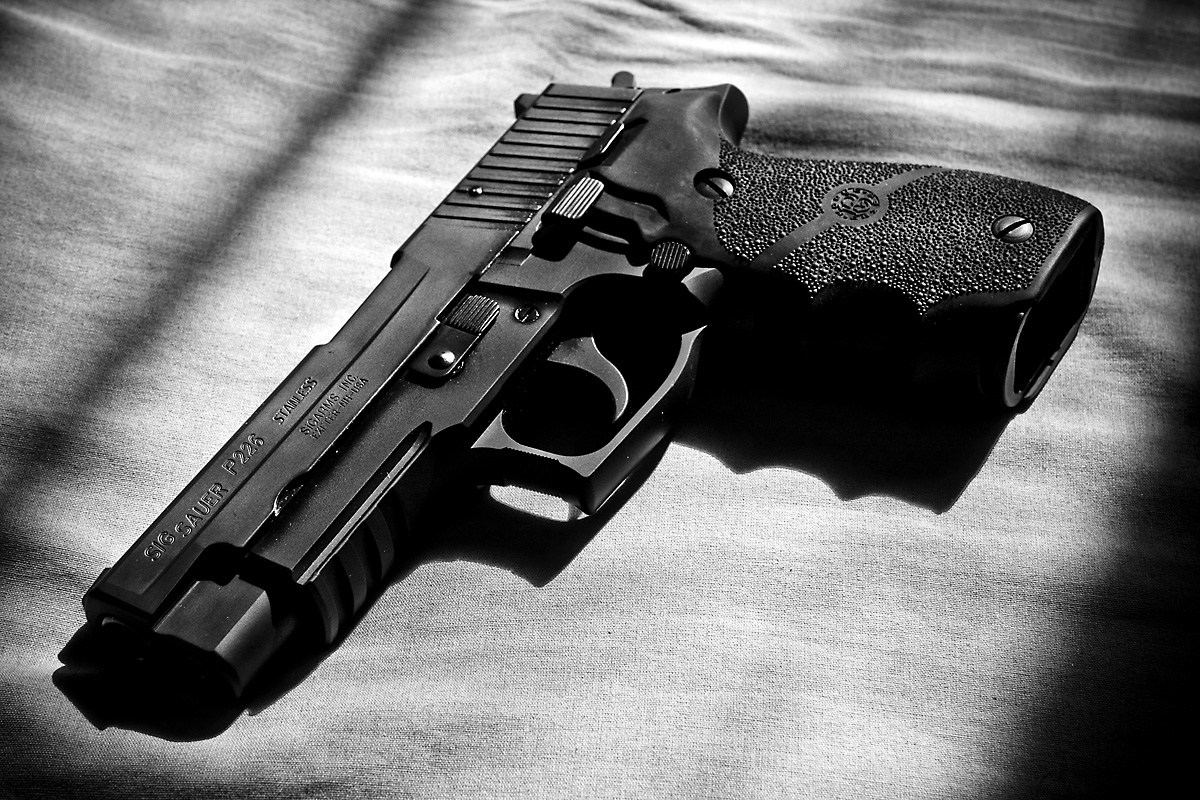
The SIG Sauer P226 earned its reputation in the world of serious duty pistols, where reliability is not a marketing phrase but a job requirement. Built with robust materials and a reputation for excellent out-of-the-box performance, it became a trusted choice for military units, law enforcement agencies, and shooters who valued confidence above trends.
Its double-action/single-action system, durable frame, and smooth handling gave it a refined feel without sacrificing practical toughness. The pistol developed a reputation for feeding reliably, shooting accurately, and holding up under heavy training schedules. That combination made it more than just respected. It became one of those handguns people name instinctively when the conversation turns to proven service weapons that simply do their work.