Some shotguns do more than fill a game bag. They become camp legends, passed from one season to the next because they simply work when the weather turns rough and the stakes feel real. These seven models earned their place the old-fashioned way: through reliability, familiarity, and years of use in duck blinds, grouse covers, and deer woods across America.
Winchester Model 12

The Winchester Model 12 became the kind of pump gun hunters judged every other shotgun against. Introduced in the early 20th century, it earned a reputation for slick operation, solid steel construction, and the sort of balance that made quick shots feel natural instead of forced.
In American camps, the Model 12 was admired because it handled almost any task a hunter could throw at it. Waterfowlers trusted it in wet blinds, upland hunters carried it for long miles, and generations learned that if you kept one clean and fed it quality shells, it would likely outlast you.
Remington 870

If one shotgun represents practical American dependability, it may be the Remington 870. Since its debut in 1950, this pump has built a following on toughness, affordability, and a no-nonsense design that made it just as welcome in a duck boat as it was in the back corner of a deer camp cabin.
Hunters loved the 870 because it was easy to live with. It pointed well, cycled with authority, and came in enough versions to suit just about any pursuit. For many families, it became the shotgun a parent bought, a son borrowed, and eventually a grandson claimed as his own.
Browning Auto-5
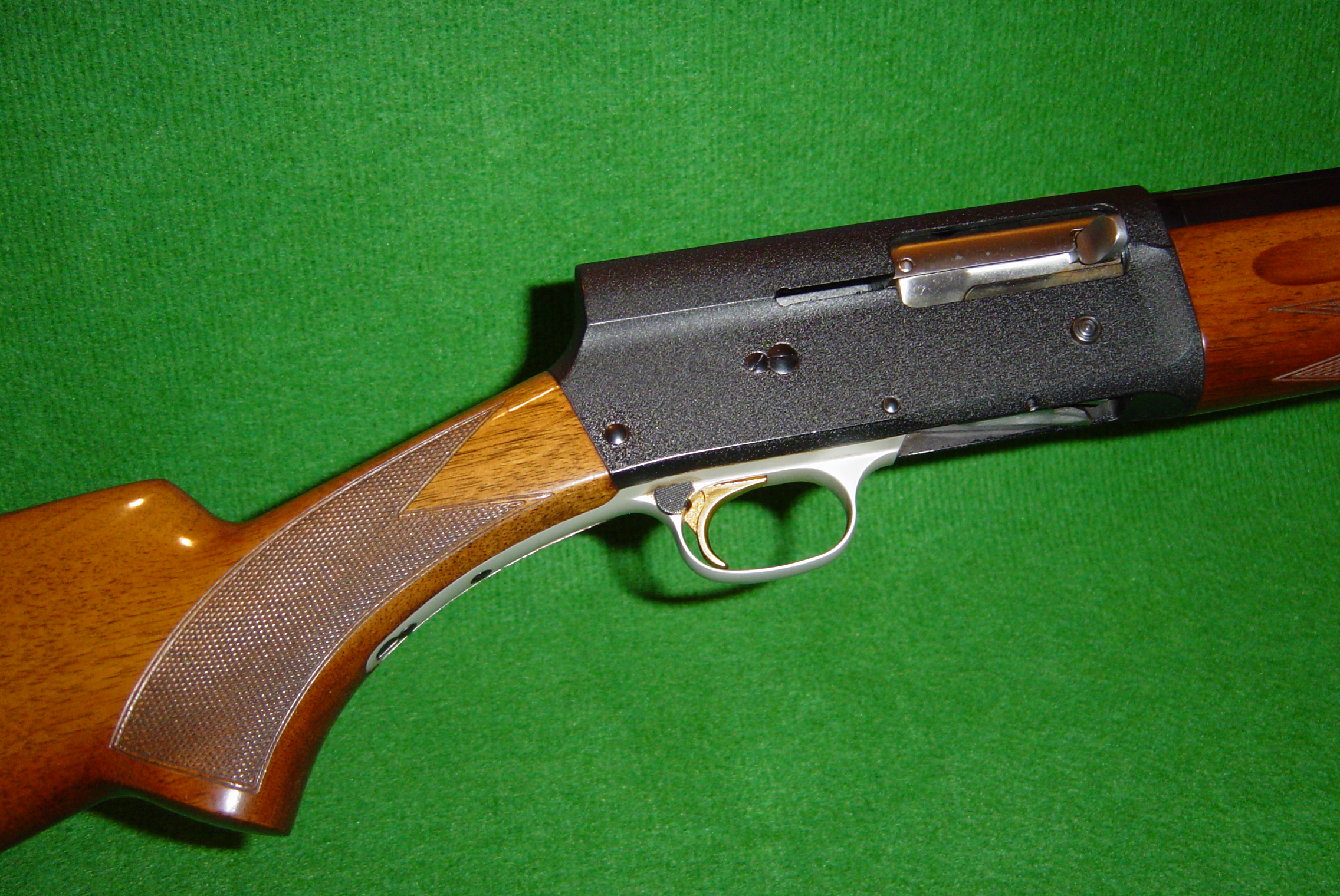
The Browning Auto-5 brought a little mechanical magic to hunting camp. Its distinctive humpback profile made it instantly recognizable, but what kept hunters loyal was the long-recoil action and a proven ability to keep running season after season in the hands of people who depended on their gear.
In camp, the Auto-5 carried a certain personality. It felt like a serious shotgun, a step up in both style and ambition, yet it was far from delicate. From marsh blinds to pheasant fields, it gave hunters fast follow-up shots and a sense that they were carrying one of the true classics of the American sporting world.
Ithaca 37
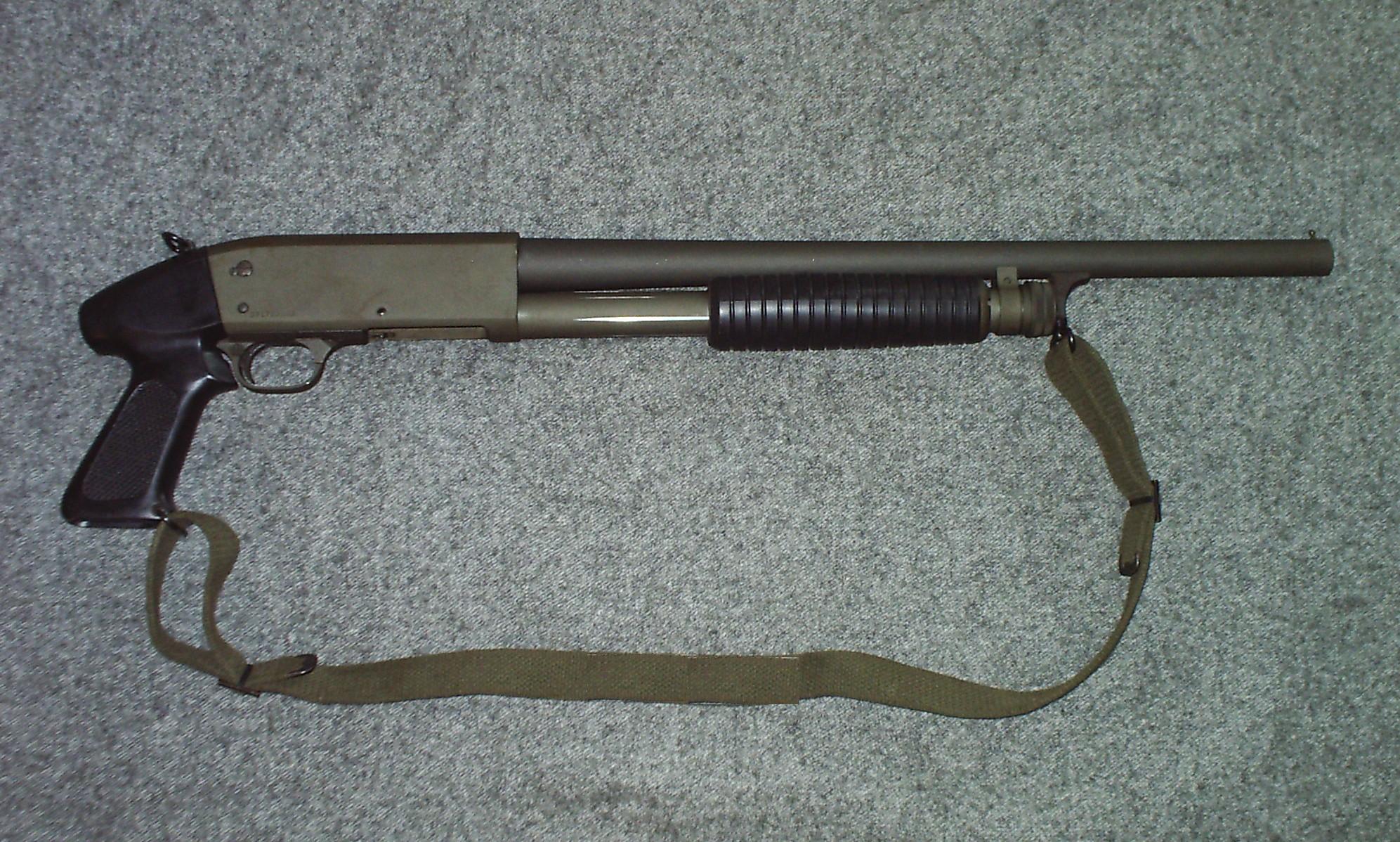
The Ithaca 37 has long been cherished by hunters who appreciate a trim, fast-handling pump. Its bottom-eject design helped keep debris out of the action and made it especially appealing to left-handed shooters, a practical advantage that earned real loyalty around campfires and tailgates.
What really sealed its reputation was how lively it felt in hand. The Ithaca 37 carried easily through thick cover and came to the shoulder with very little wasted motion. In grouse country and rabbit woods especially, it developed the sort of following that only comes from years of clean kills, easy carry, and trusted familiarity.
Remington 1100

The Remington 1100 changed expectations for the everyday autoloader. Introduced in the 1960s, it offered soft recoil, smooth shooting manners, and a level of comfort that made long days in the field easier on the shoulder and more enjoyable for hunters who valued repeatable performance.
In many camps, the 1100 became the shotgun that welcomed people into serious bird hunting. It was friendly to shoot, handsome to look at, and accurate enough to inspire confidence. Plenty of hunters stayed with it for life, not because it was flashy, but because it did exactly what a good camp gun should do: make hard shooting feel simple.
Mossberg 500

The Mossberg 500 earned its place through straightforward utility. It was the shotgun many hunters could actually afford, and that mattered. A camp favorite is not always the fanciest firearm in the rack. More often, it is the one that keeps showing up on opening morning, ready for another cold, muddy, wet day.
Hunters appreciated the 500 for its ruggedness and simple controls, especially the tang safety that felt intuitive with gloves on. It became a dependable companion for everything from turkey season to ducks and small game. That broad usefulness helped turn it from a budget buy into a genuine American standby.
Winchester Model 97

Few old pumps carry more frontier character than the Winchester Model 97. Designed in another era, it still held on in hunting camps because it was rugged, familiar, and backed by the kind of folklore that gives a firearm a life beyond its mechanics. Hunters respected it as a hard-working tool from a tougher age.
Even when newer designs arrived, the Model 97 retained loyal fans who liked its exposed hammer and unmistakable feel. It may not have been refined by modern standards, but that was part of the appeal. In camp, it represented continuity, the old gun in the corner that still had stories left to tell.