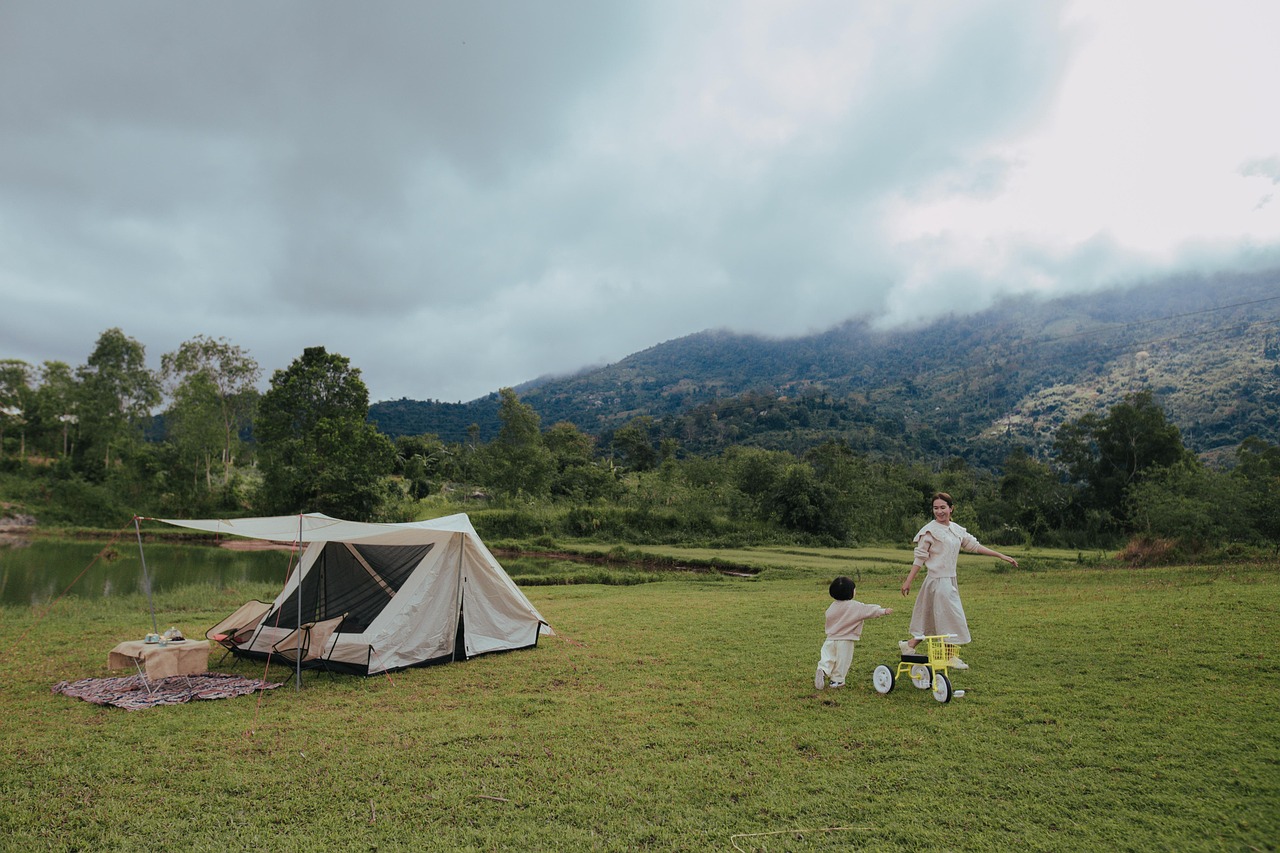
A great campsite does not happen by accident. Seasoned outdoorsmen follow a handful of setup rules that make the difference between a smooth night outside and a miserable one. From picking the right patch of ground to managing food, fire, and weather, these are the habits that keep camp safe, comfortable, and ready for whatever the outdoors brings.
Choose Ground That Stays Dry
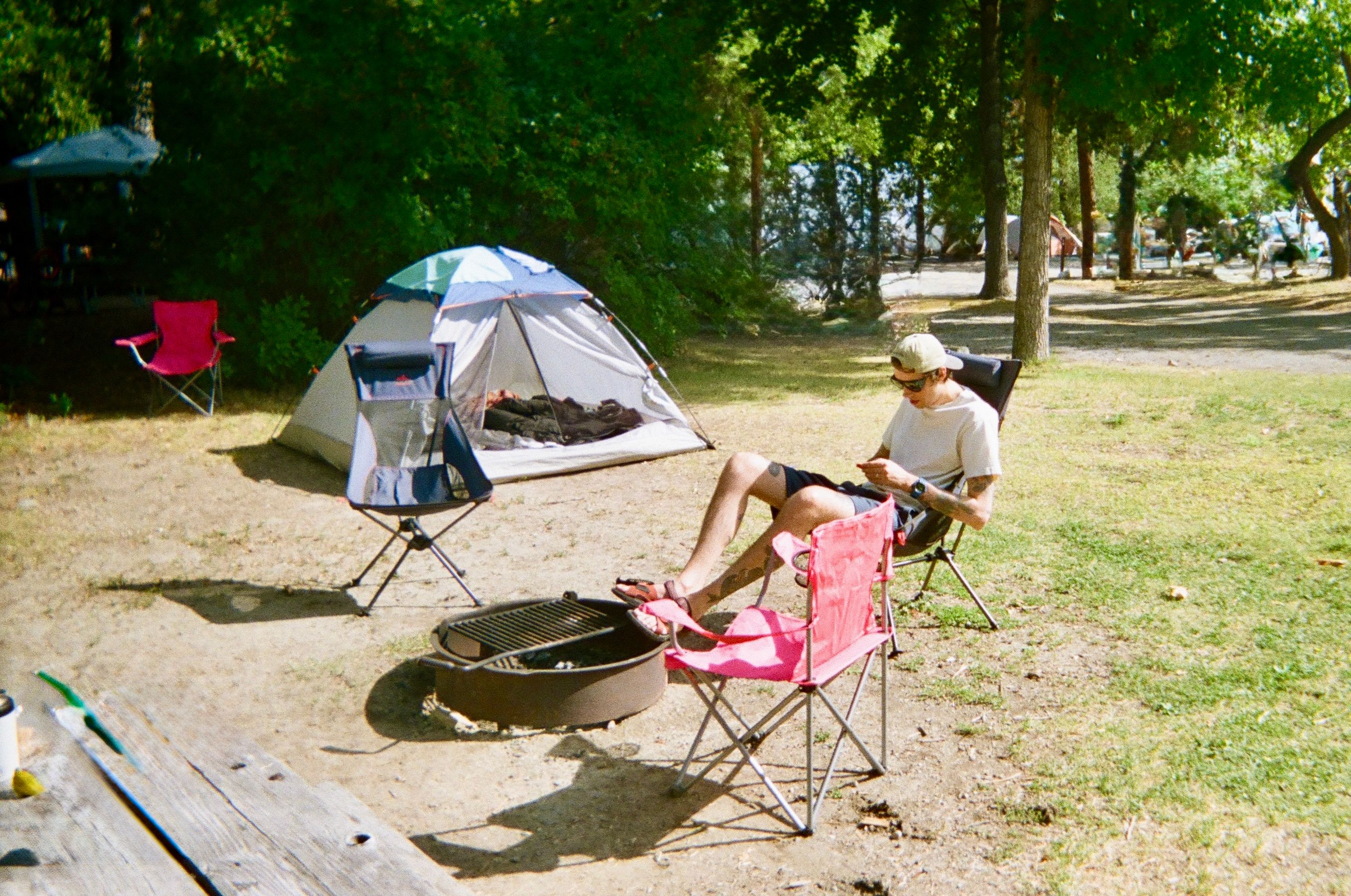
Experienced campers know that the best looking spot is not always the best sleeping spot. A flat patch of earth can still become a puddle if it sits in a low area, near a drainage path, or at the bottom of a slope. Dry ground matters more than convenience when the weather shifts overnight.
They look for slightly elevated terrain with firm soil and natural runoff away from camp. Even in clear conditions, dew, surprise rain, and morning moisture can turn a bad site into a soggy headache. Picking dry ground first saves effort, protects gear, and often leads to a much better night of sleep.
Look Up Before You Pitch

Veteran outdoorsmen do not just study the ground under their boots. They also scan the trees overhead for dead branches, leaning trunks, and anything that could come down in wind or rain. A perfect tent pad loses all appeal if it sits beneath a widowmaker.
This quick check becomes even more important after storms, in heavily wooded areas, or during cold weather when brittle limbs are more likely to snap. Safe campsites have clear space above them, not just room on the ground. That extra minute spent looking up can prevent damaged gear, ruined sleep, or a very dangerous night.
Set Up Away From Water, Not Right Beside It
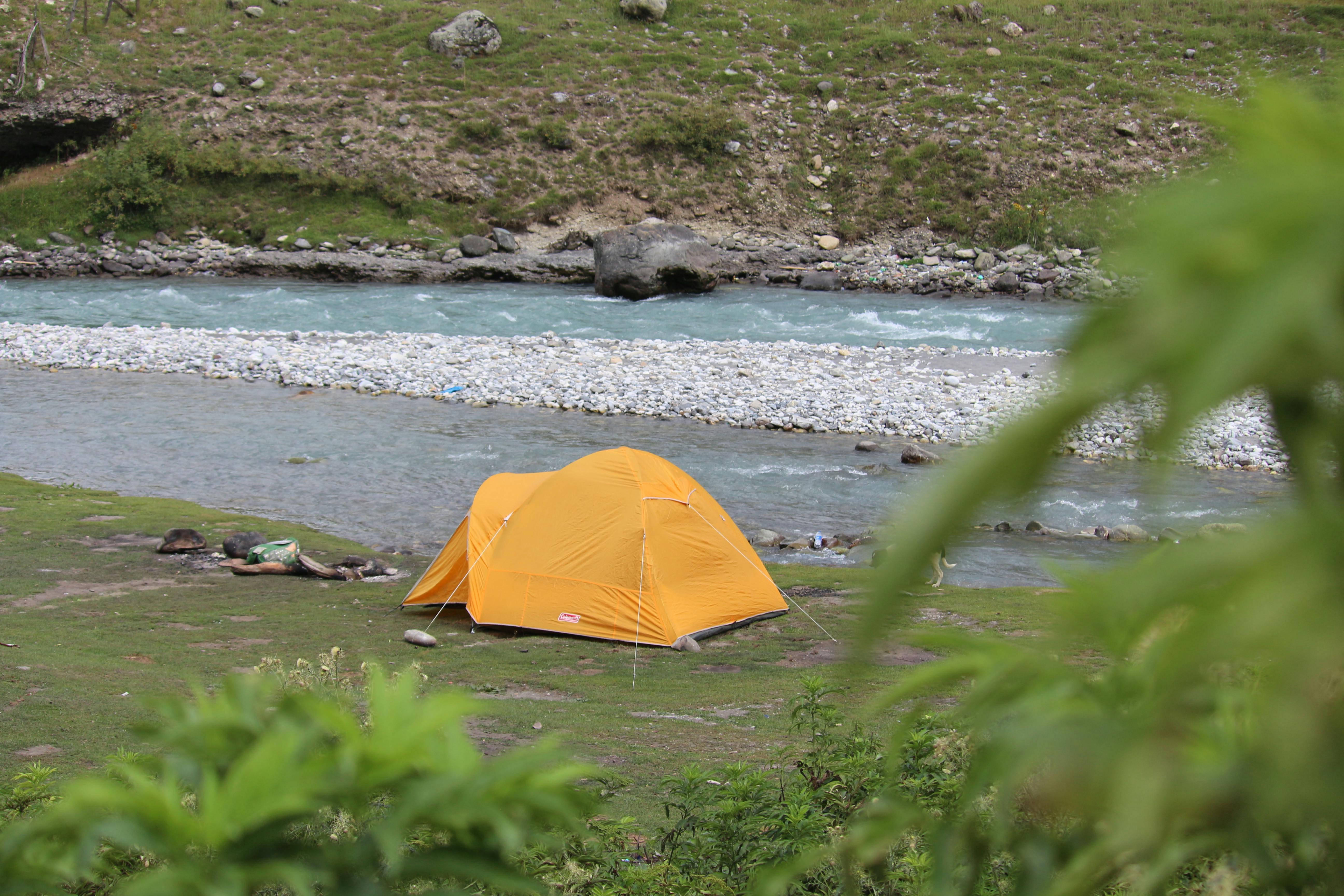
Camping next to a lake or stream sounds ideal, and visually it often is. But experienced campers usually give water more distance than beginners expect. Shorelines attract bugs, shifting winds, curious wildlife, and moisture that can settle into everything from sleeping bags to firewood.
There is also the issue of rising water and soft ground, especially after rain upstream or overnight weather changes. A slightly removed campsite tends to be quieter, drier, and less disruptive to the natural area. You still get access to the view and the water source without inviting every drawback directly into camp.
Face the Tent With Wind and Weather in Mind
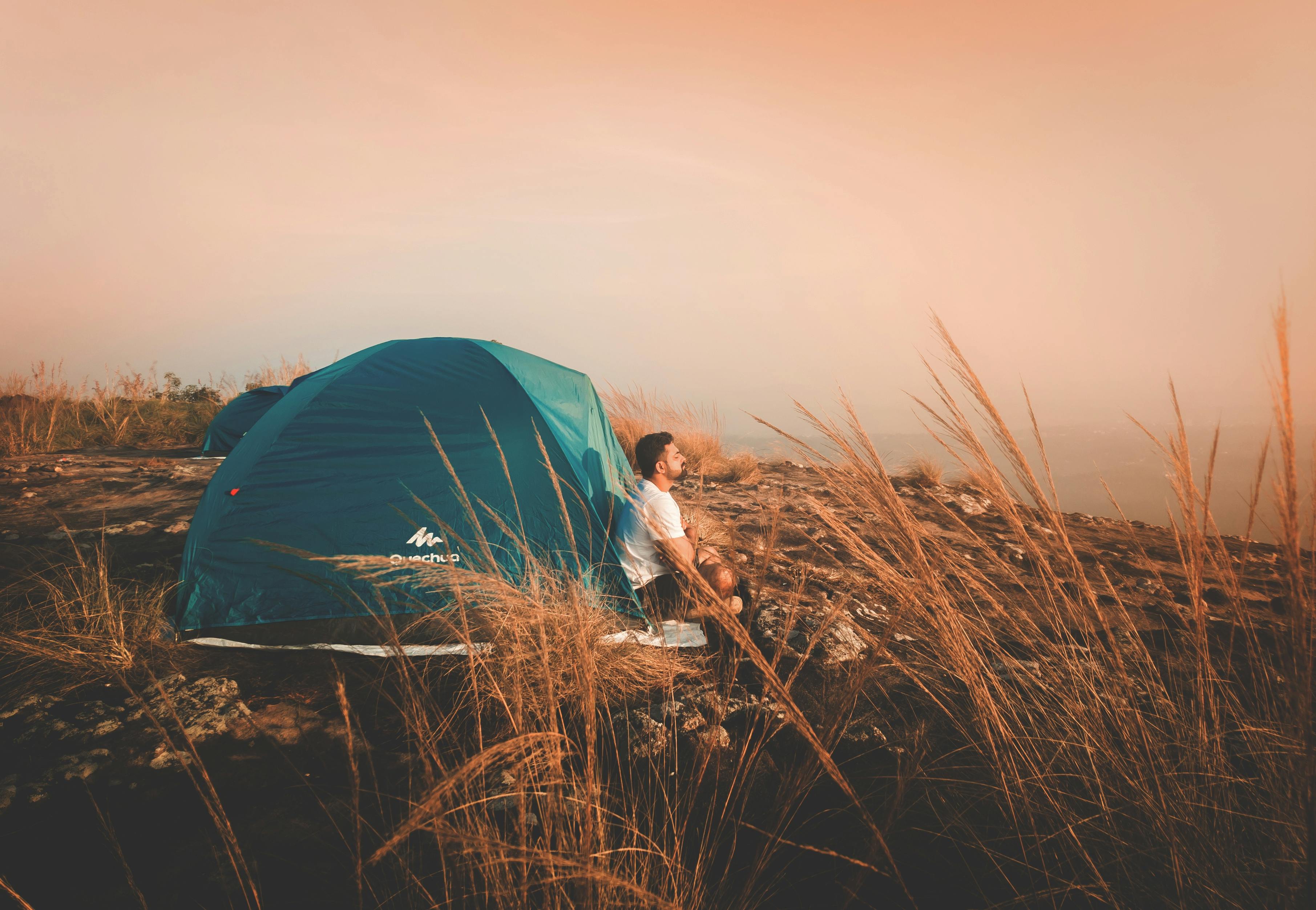
Tent placement is not random when experienced outdoorsmen are involved. They pay attention to prevailing wind, incoming weather, and where the morning sun will hit. A tent door facing the strongest gusts can make entry miserable and turn a peaceful night into a noisy, flapping mess.
Smart orientation can also improve ventilation and reduce condensation inside the shelter. In cooler conditions, a little early sunlight helps dry moisture and warm the tent faster. In hot weather, the opposite approach may be more comfortable. Reading the conditions before staking out camp is one of those quiet skills that pays off all night long.
Keep the Cooking Area Separate
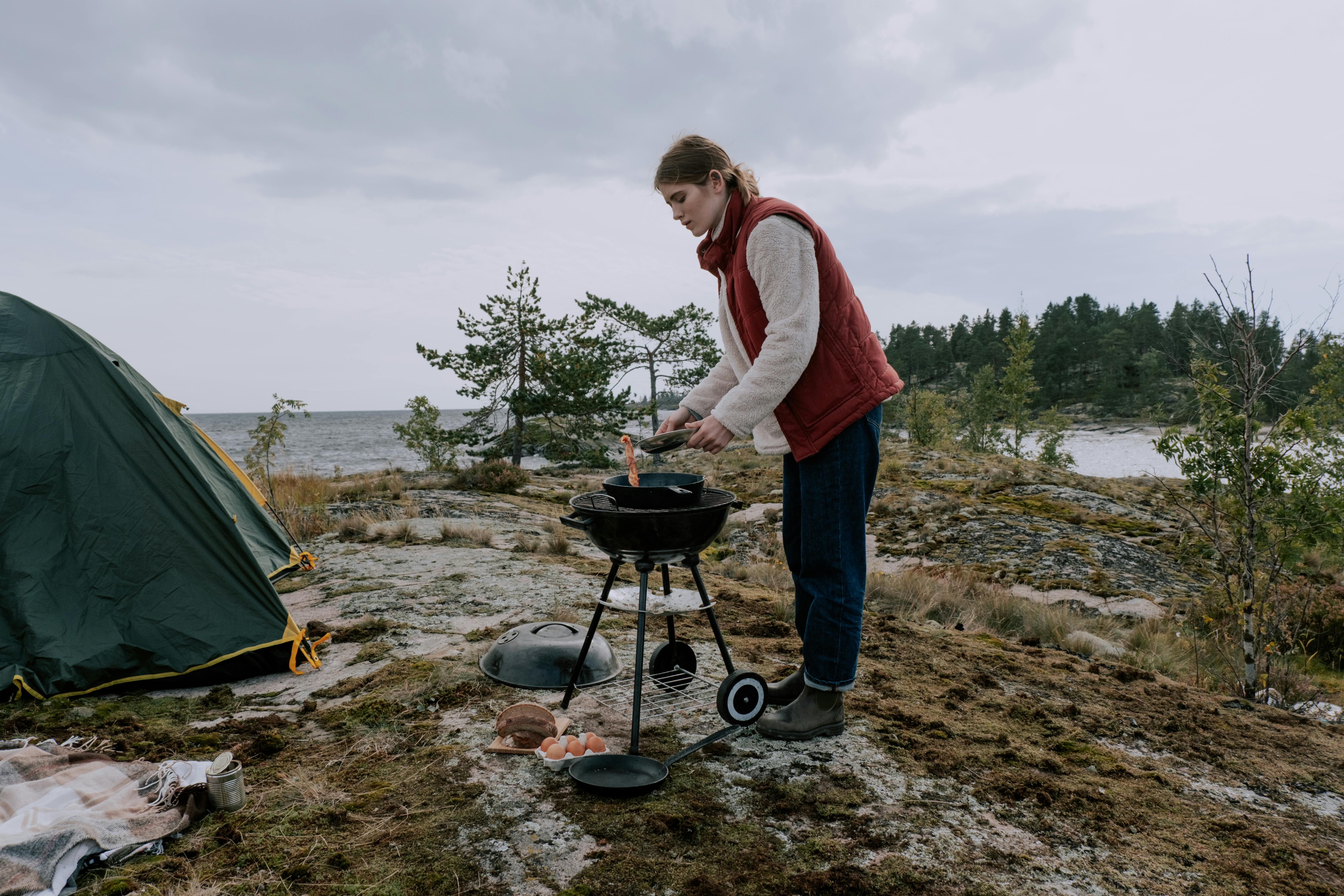
One of the oldest camp rules is simple: do not make your sleeping area smell like dinner. Experienced campers establish a cooking space away from the tent, especially in places where animals are active. Food scraps, grease, and scented items can linger longer than people think.
This separation also keeps camp more organized and safer for everyone moving around after dark. Stoves, hot pans, and boiling water need room, not crowded ground beside sleeping gear. A distinct kitchen area helps reduce spills, limits attractants, and creates a camp routine that is cleaner and easier to manage from the first meal to the last.
Store Food and Trash Like Wildlife Is Watching

Seasoned outdoorsmen assume animals will notice camp long before people notice them. That is why food, trash, toiletries, and anything scented get stored carefully and consistently. In some places that means bear canisters or lockers. In others, it means proper hanging systems or secure vehicles where allowed.
The point is not just protecting snacks. Good storage protects wildlife from learning bad habits and keeps campsites safer for the next group too. A forgotten wrapper or open cooler can create problems far bigger than one messy night. Experienced campers treat scent control as part of responsible camping, not an optional extra.
Build a Camp Layout That Works in the Dark
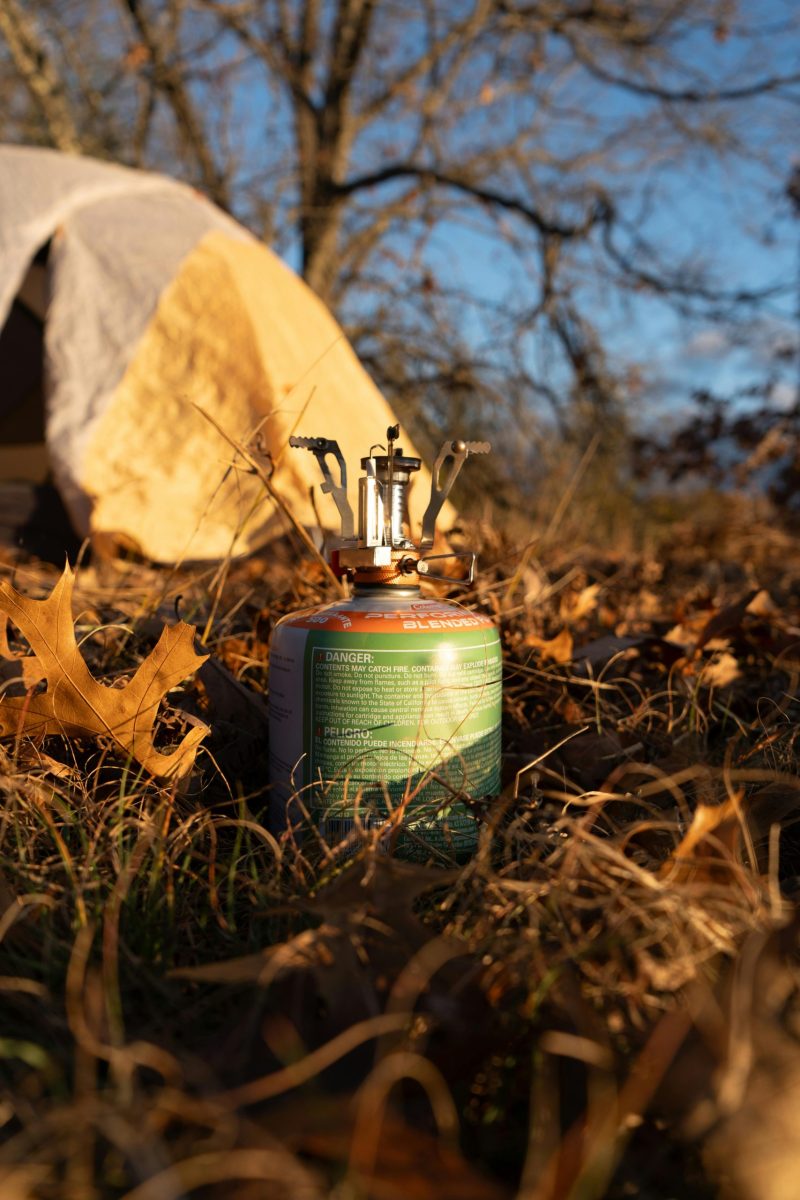
A campsite may feel obvious in daylight, but it changes completely after sunset. Experienced campers set up with nighttime movement in mind, creating clear paths between the tent, chairs, kitchen, and bathroom route. The goal is to avoid stumbles, spills, and late-night confusion when visibility drops.
They keep headlamps handy, move trip hazards out of walkways, and avoid scattering gear everywhere. Shoes have a place. Water has a place. Tools and lanterns have a place. This kind of order may seem fussy at first, but it turns camp into a smoother, calmer space when everyone is tired and the woods have gone fully dark.
Stake and Guy Out the Tent Properly

Many campers skip full tent setup when the weather looks calm, but experienced outdoorsmen rarely do. Stakes and guy lines are not just for storms. They help a tent hold its shape, improve ventilation, reduce fabric slap, and keep stress off poles and seams over the course of the night.
Weather can change quickly, especially in mountains, forests, and open country. A lazy setup at sunset can become a frantic repair job after midnight. Taking a few extra minutes to tension the shelter correctly makes camp quieter, stronger, and more reliable. It is one of the simplest habits that separates practiced campers from rushed ones.
Keep Fire Small, Legal, and Controlled
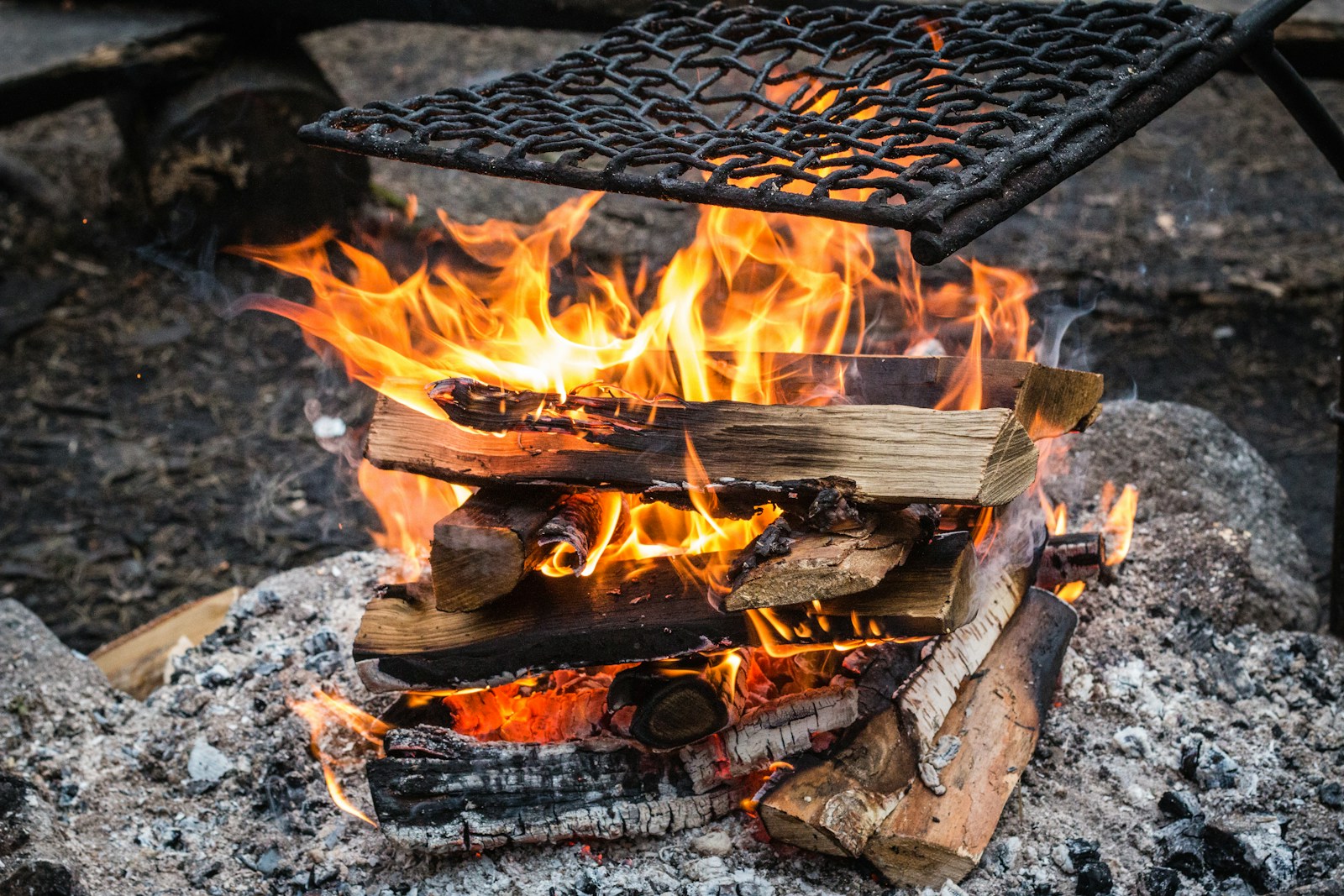
Experienced campers respect fire because they understand how quickly it can become a problem. They use established fire rings where permitted, check local restrictions, and keep flames modest enough to manage easily. A campfire should provide warmth and atmosphere, not become the main event.
They also keep water or dirt nearby, avoid leaving the fire unattended, and burn only appropriate wood. Oversized fires waste fuel, throw sparks farther, and create unnecessary risk to people and landscapes. The best campsite fires are the ones that leave no drama behind. Small, steady, and fully extinguished beats impressive every single time.
Leave Room for Weather to Change

Outdoorsmen with experience plan their camps as if conditions might worsen, because they often do. They secure loose gear, cover items that should stay dry, and avoid setting equipment where wind can grab it or rain can pool beneath it. Camp is arranged for the forecast they hope for and the one they might actually get.
This mindset is less about paranoia and more about efficiency. If a storm rolls in, the campsite is already prepared instead of scrambling at the first thunderclap. Dry layers stay dry, tools are easy to reach, and important items are protected. A little foresight keeps bad weather from turning into preventable misery.
Respect Distance, Noise, and Shared Space
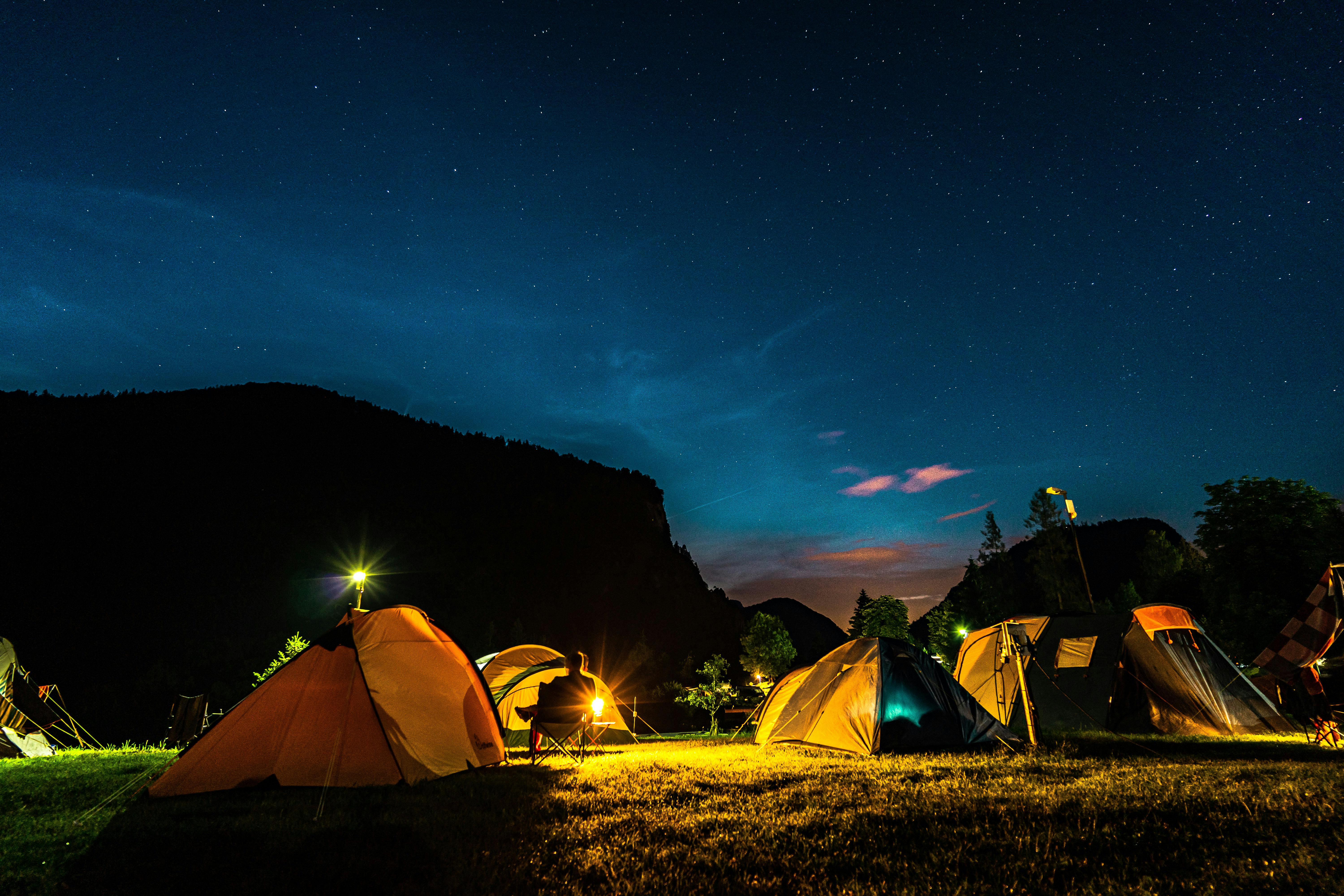
Even in big landscapes, a campsite is part of a shared environment. Experienced campers avoid crowding neighboring sites, blasting music, or letting lantern glare spill everywhere after dark. Good camp etiquette is not just politeness. It helps everyone enjoy the same quiet, open feeling they came outside to find.
This rule matters in developed campgrounds and in dispersed areas where sound travels farther than people expect. Keeping voices lower, dogs under control, and pathways unobstructed creates a better atmosphere for everyone. The most skilled outdoorsmen often leave the lightest social footprint too, making camp feel calm instead of cluttered or intrusive.
Leave the Site Better Than You Found It
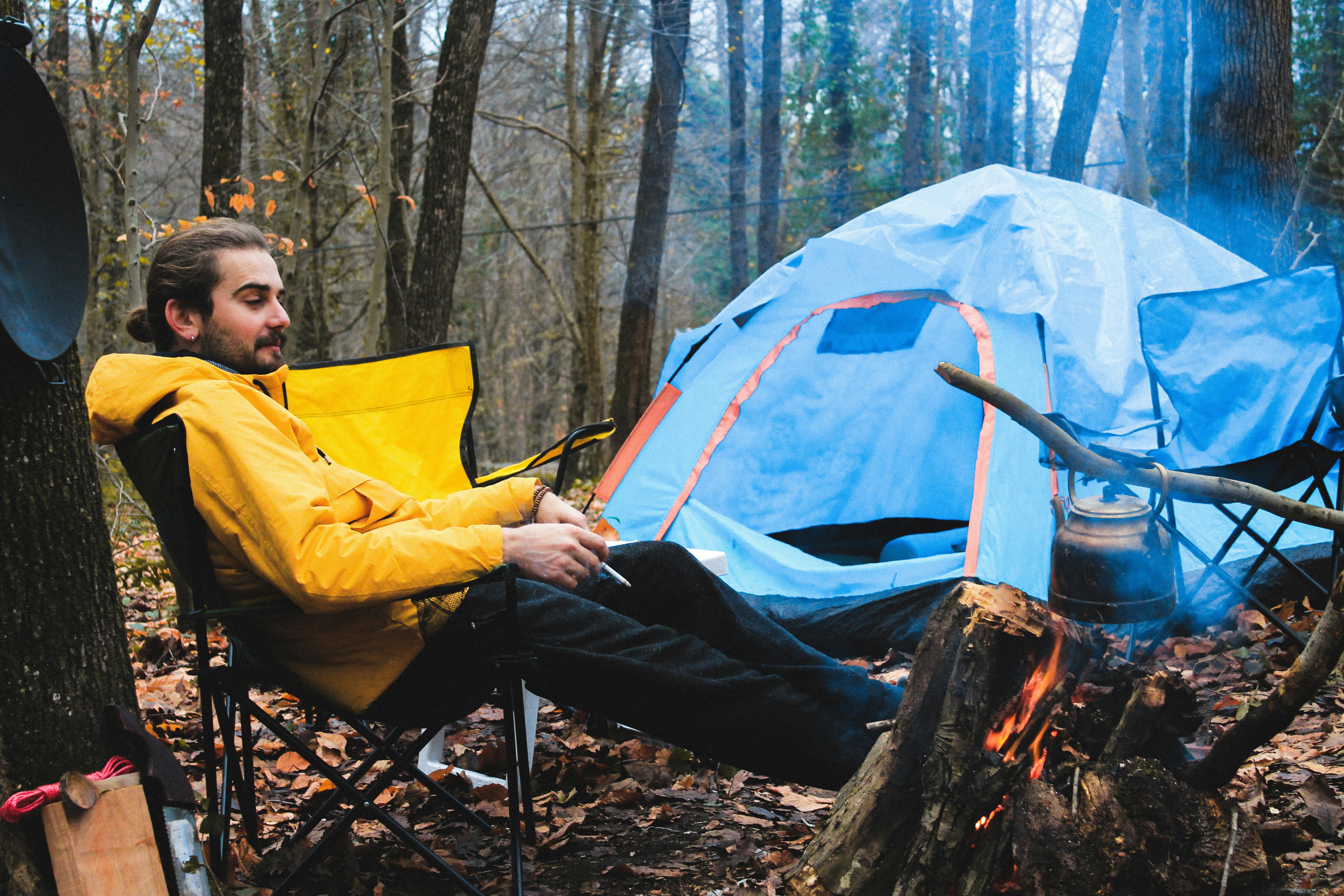
The final rule begins the moment camp is set up and ends only when the last person leaves. Experienced outdoorsmen avoid trenching, cutting live branches, scattering trash, or expanding impacted areas just for convenience. They think ahead so breakdown is simple and the site can recover quickly.
Before leaving, they scan for micro-trash, cold ash, food scraps, and forgotten gear. A good campsite should look as though someone cared for it, not used it up. That mindset protects the landscape and preserves the experience for the next camper. In many ways, the cleanest camp is the clearest sign of real outdoor skill.