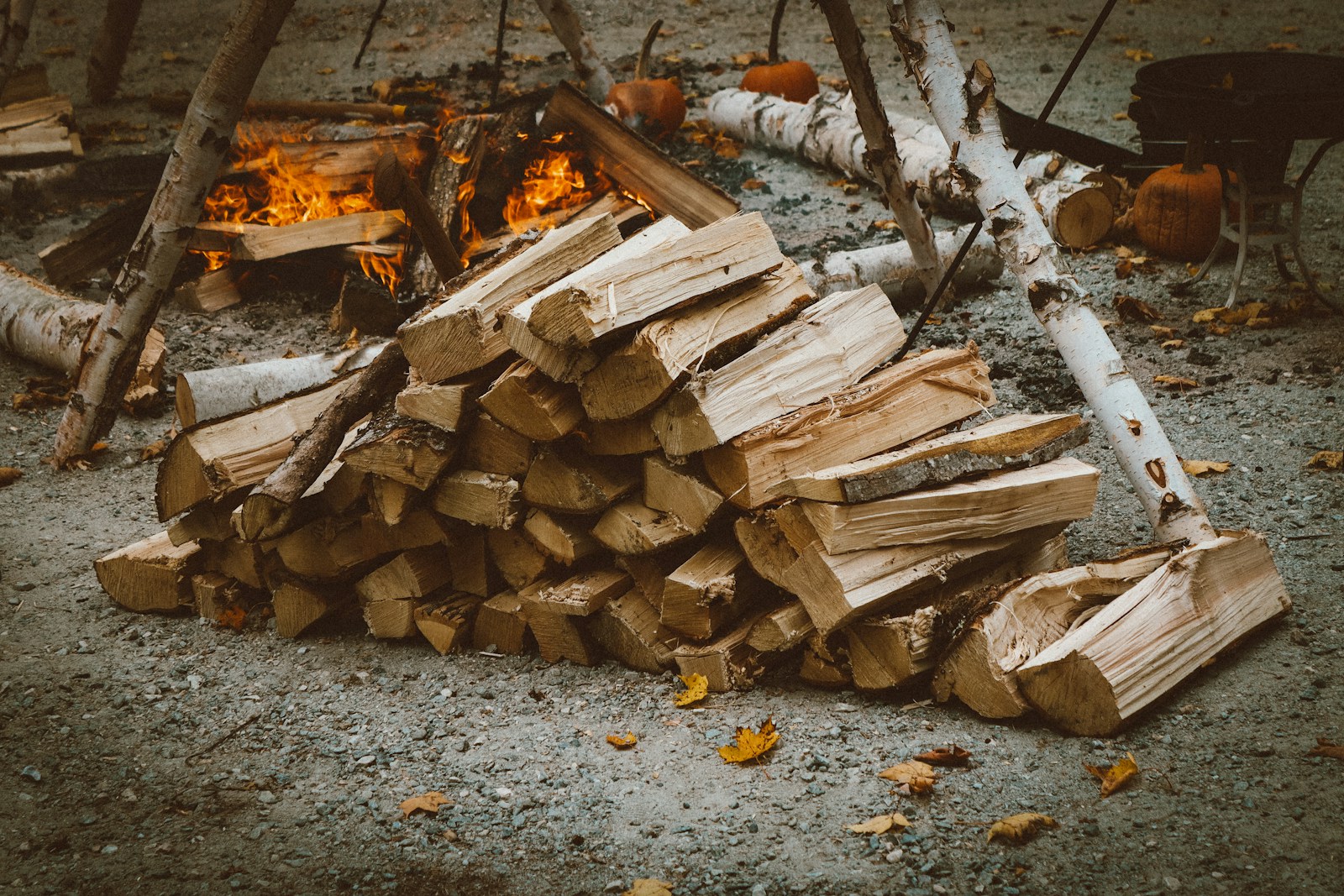
You know that a campfire is the heart of every outdoor adventure, bringing warmth, light, and connection under the stars. Gathering firewood efficiently helps you save time, energy, and keeps your campsite safe and eco-friendly. Whether you’re deep in the forest or setting up near a lake, learning smart techniques for collecting and preparing firewood turns a simple fire into a stress-free and satisfying part of your camping experience.
Choose the Right Location
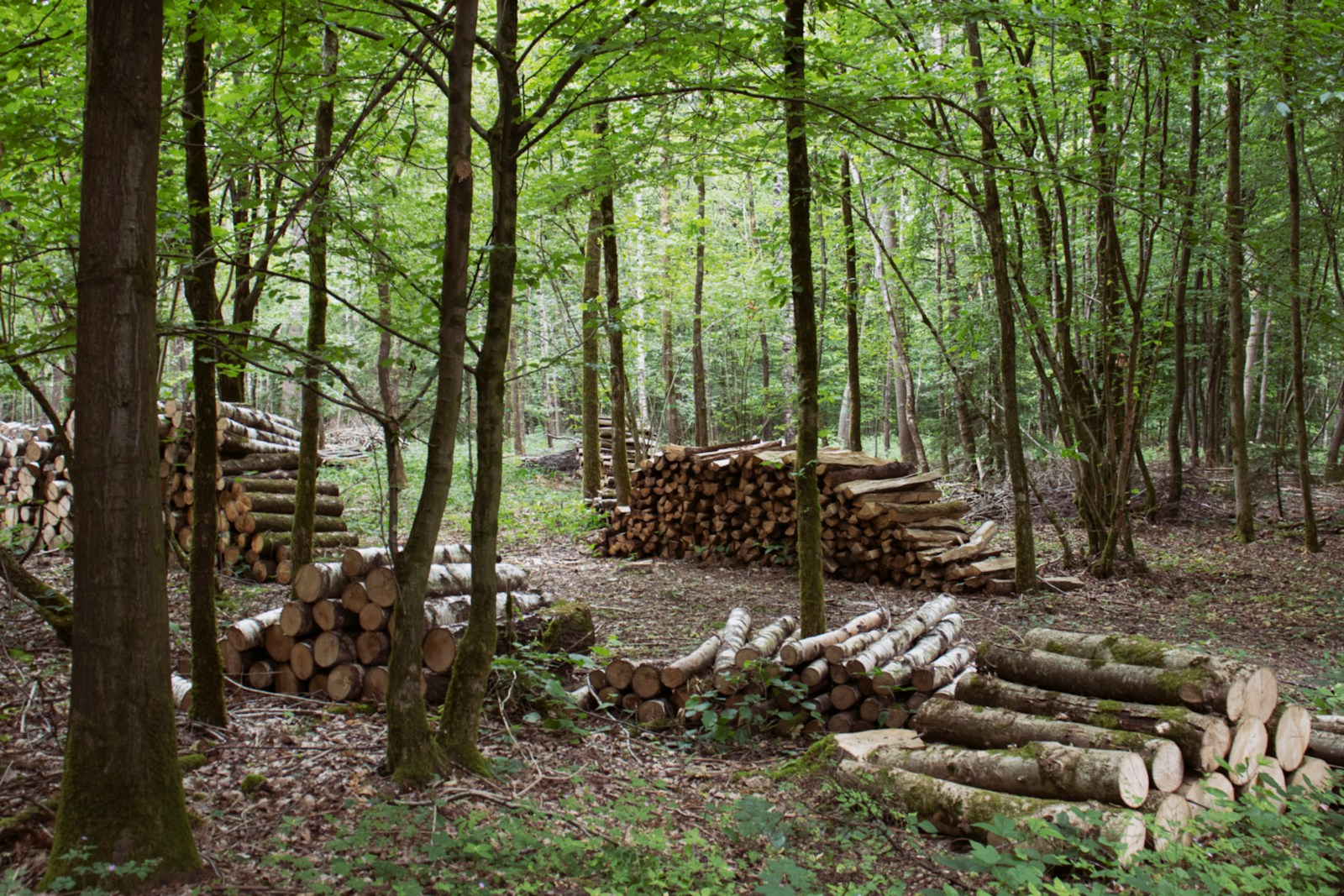
You should start by scanning your surroundings for dry wood, avoiding damp or shaded spots where moisture lingers. Staying within your campsite area prevents overharvesting and helps maintain the ecosystem. Look for fallen branches and twigs rather than cutting live trees. Gathering near your camp also keeps trips short and efficient, letting you focus more on the fire and less on hauling wood from afar.
Identify the Best Wood Types
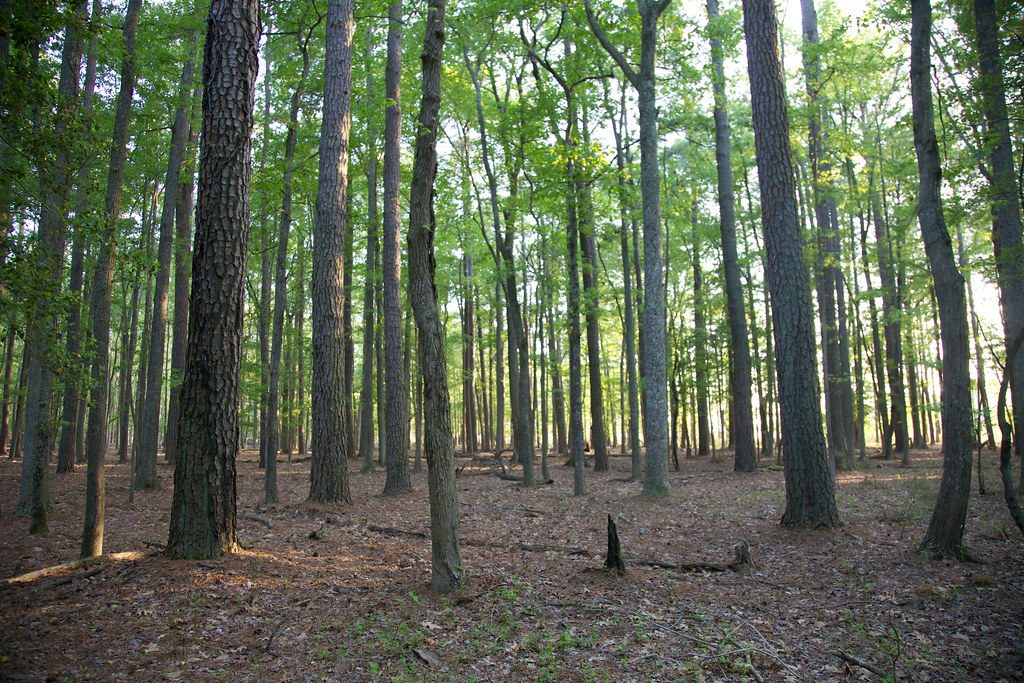
You’ll find that not all wood burns the same, so understanding the difference between hardwood and softwood makes a big difference. Hardwoods like oak and maple burn longer and hotter, ideal for cooking and warmth, while softwoods like pine ignite quickly for kindling. Collecting a mix gives you flexibility as your fire develops. Always choose dry, seasoned wood that snaps easily instead of bending.
Gather Different Wood Sizes
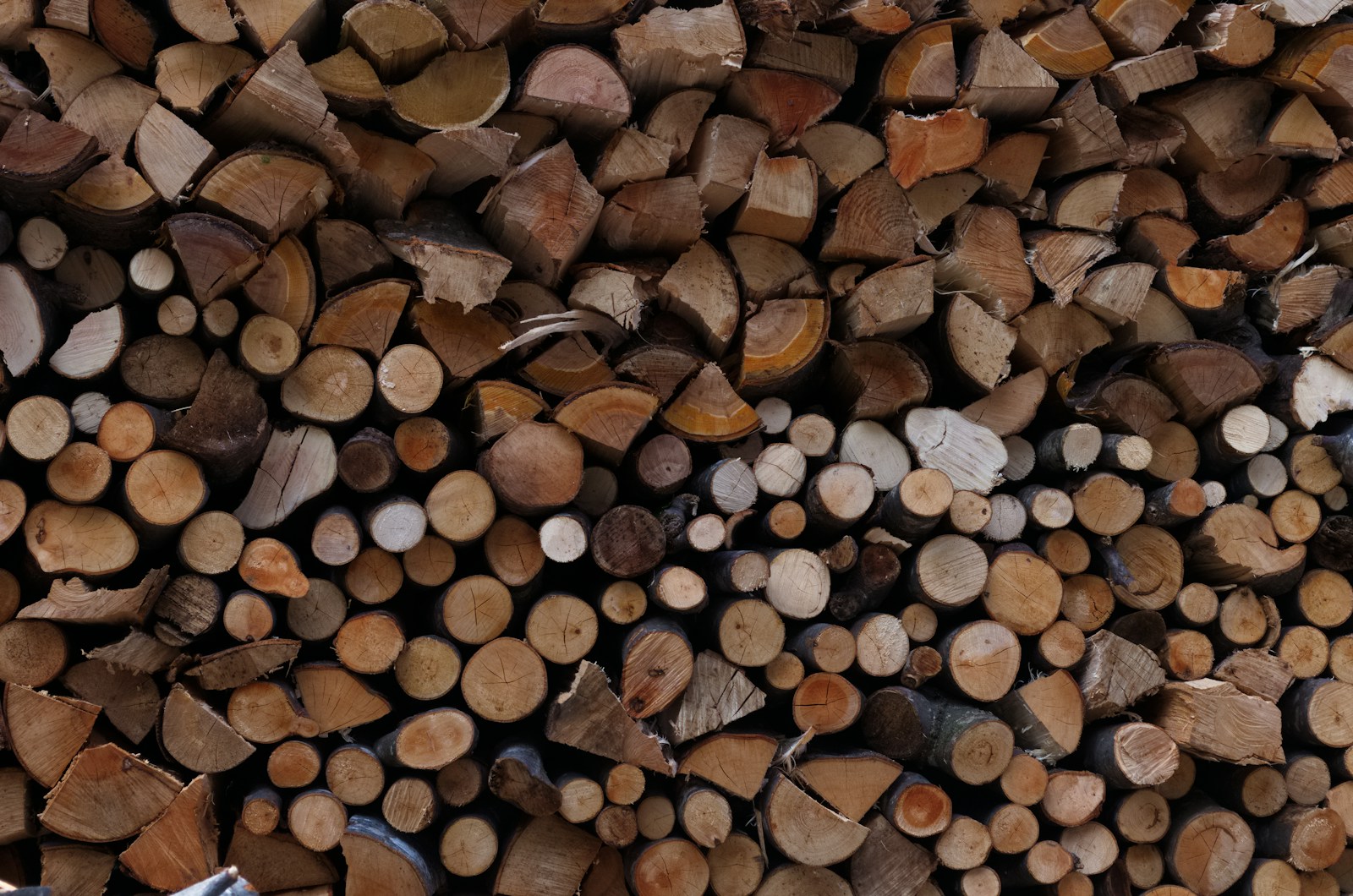
You can make your fire burn steadily by collecting wood in three sizes: tinder, kindling, and logs. Tinder includes small, dry materials like pine needles or bark that catch sparks easily. Kindling consists of sticks as thick as your thumb, and logs are the main fuel. Organizing these piles before lighting ensures your fire builds smoothly and stays strong through the night without constant tending.
Keep Wood Dry and Accessible
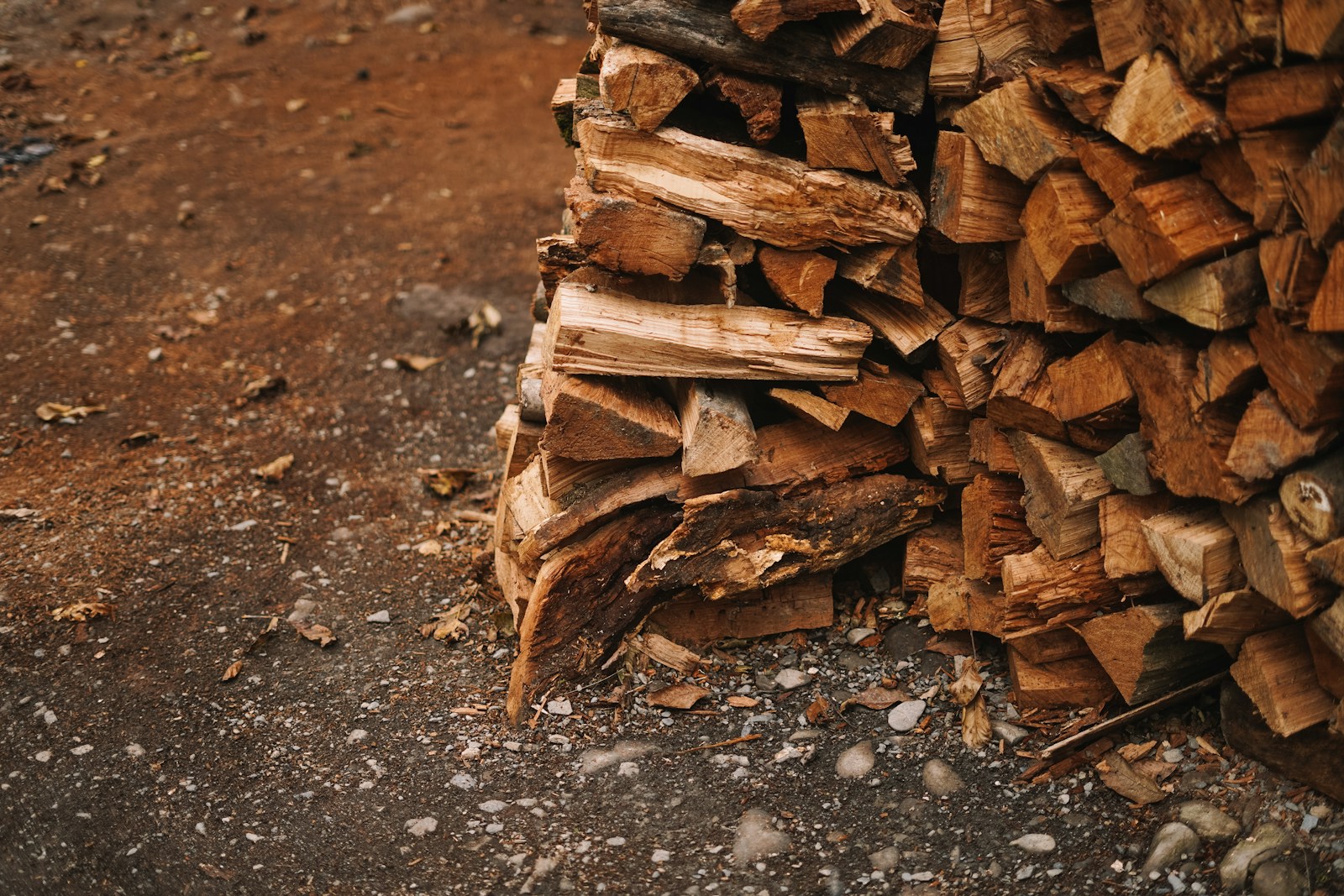
You should always store your gathered wood off the ground, especially if rain is expected. Stacking it near your tent but away from open flames keeps it easy to reach. Using a tarp or a large rock as cover prevents moisture from seeping in. Dry wood burns cleaner and faster, so a bit of care in storage can save you from struggling with smoke or sputtering flames later.
Respect Local Firewood Rules
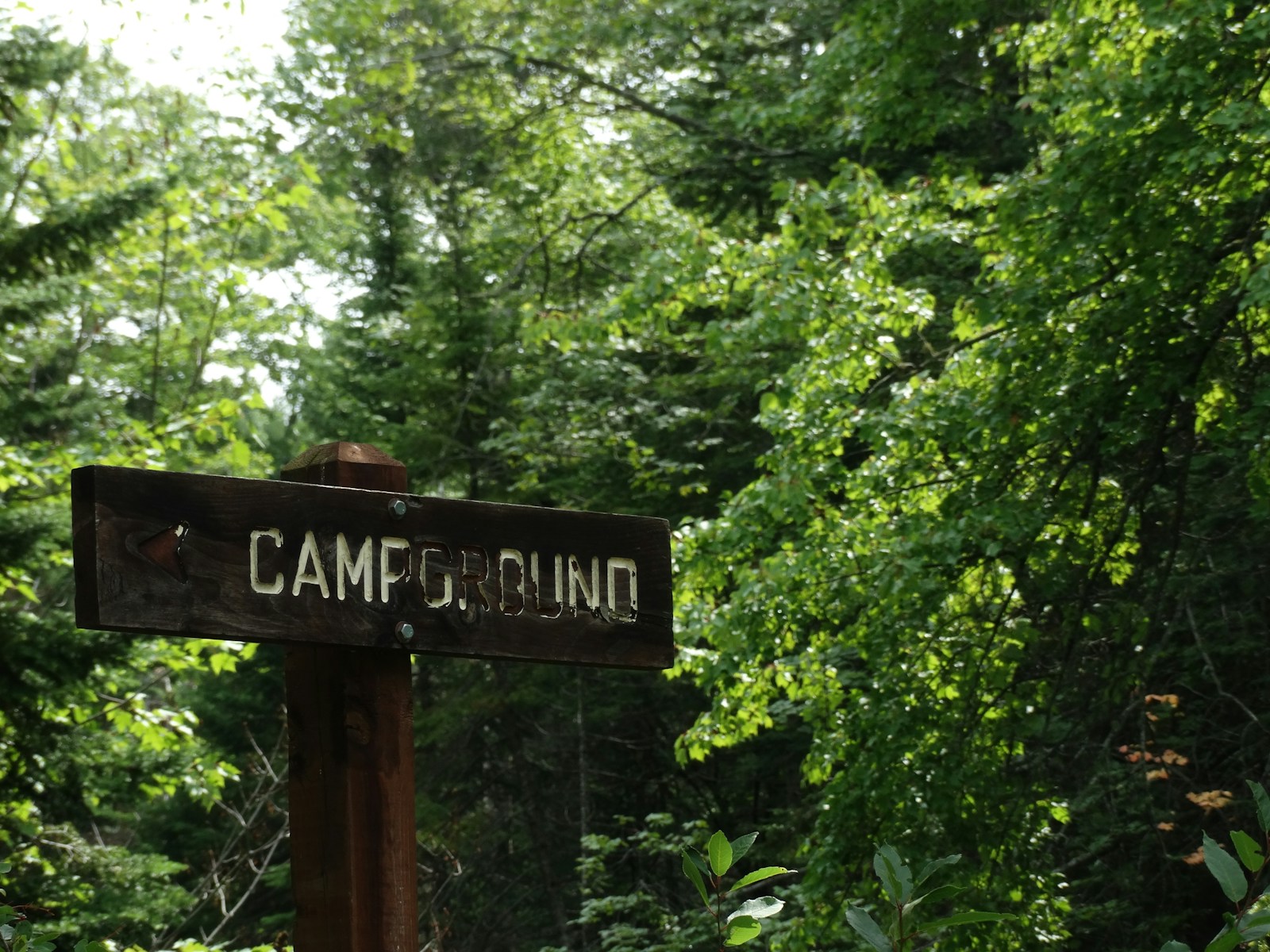
You’ll want to check local firewood regulations before gathering, since many parks and forests limit what you can collect. Bringing firewood from other regions can introduce harmful insects or diseases to native trees. Always follow posted guidelines or ask a ranger if unsure. Gathering responsibly ensures the forest stays healthy and future campers enjoy the same beauty you do today.
Use Efficient Gathering Tools
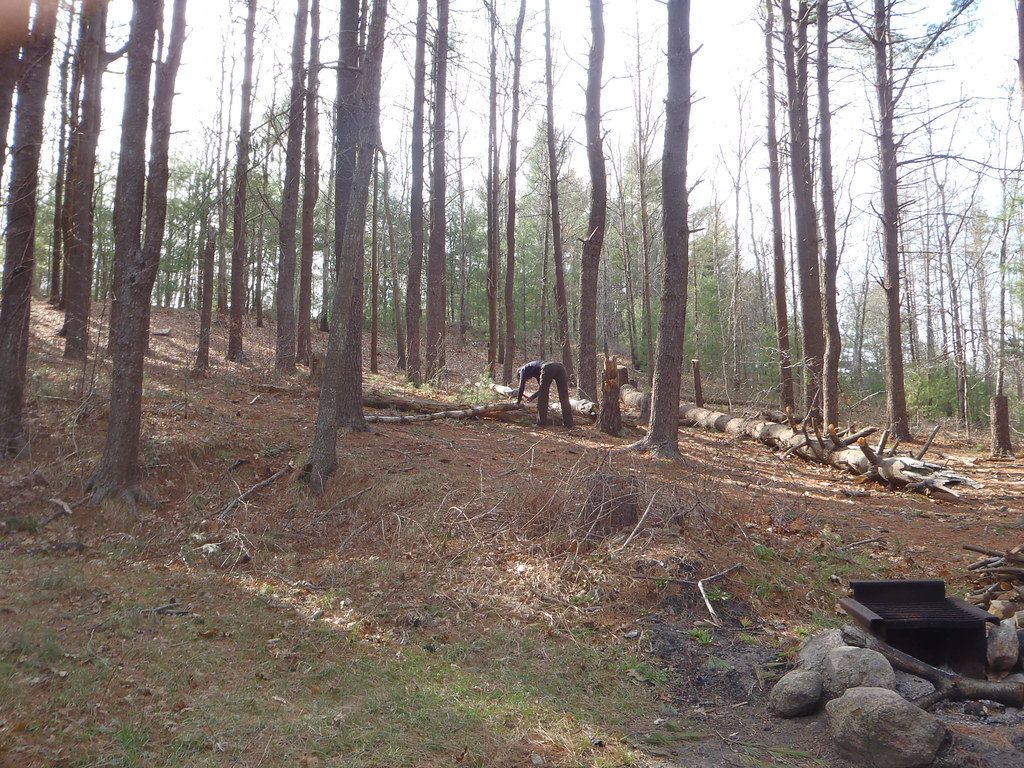
You can make firewood collection easier by packing simple tools like a hatchet, folding saw, or gloves. A saw helps you cut manageable pieces without wasting effort, and gloves protect your hands from splinters. Using tools safely reduces fatigue and keeps your gathering process quick and organized. A little preparation makes the difference between frustration and a smooth setup.
Prioritize Safety While Collecting
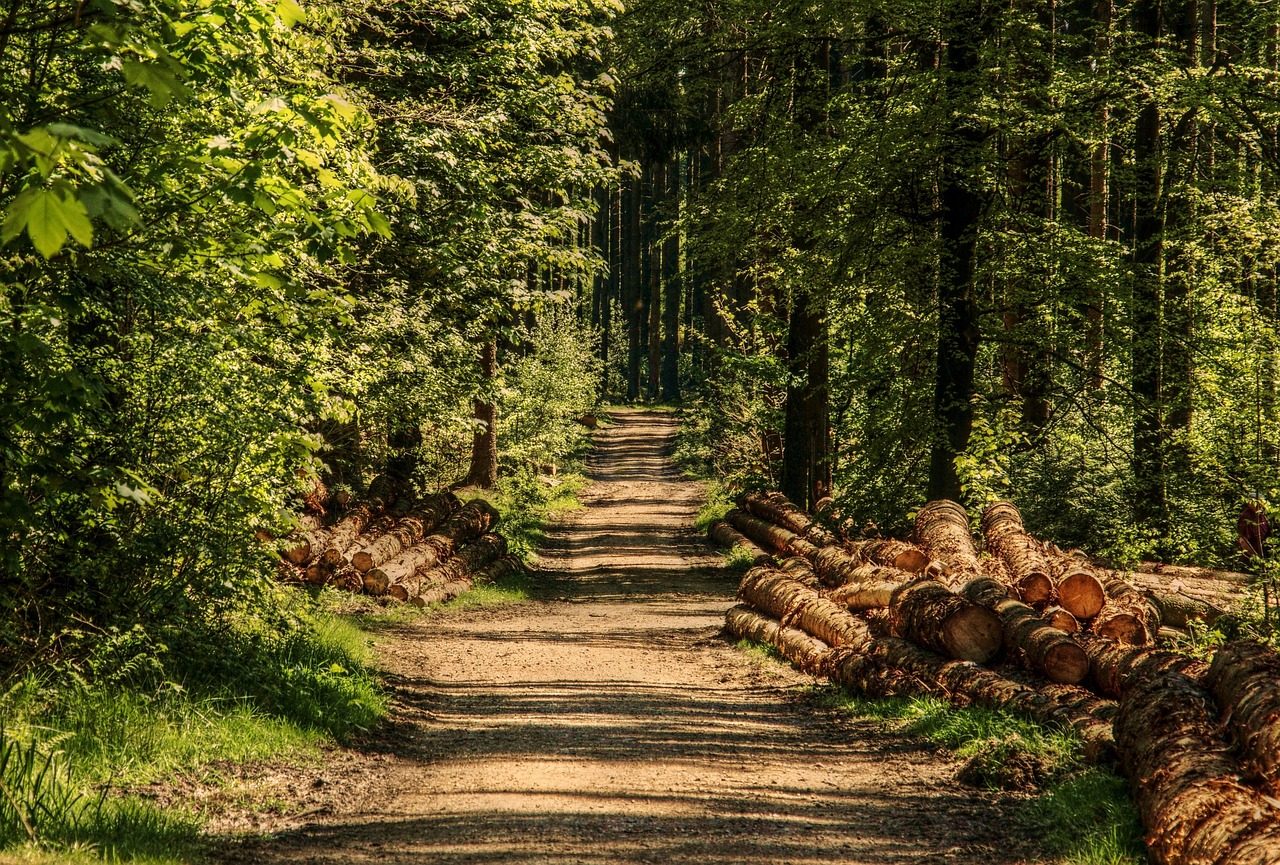
You should always stay aware of your footing and surroundings while gathering wood. Avoid climbing unstable logs or venturing into thick brush where snakes or insects may hide. Wear sturdy shoes to prevent injury and never swing tools near others. Keeping your actions deliberate and calm makes firewood collection safer for you and your group, especially in unfamiliar terrain.
Practice Leave No Trace
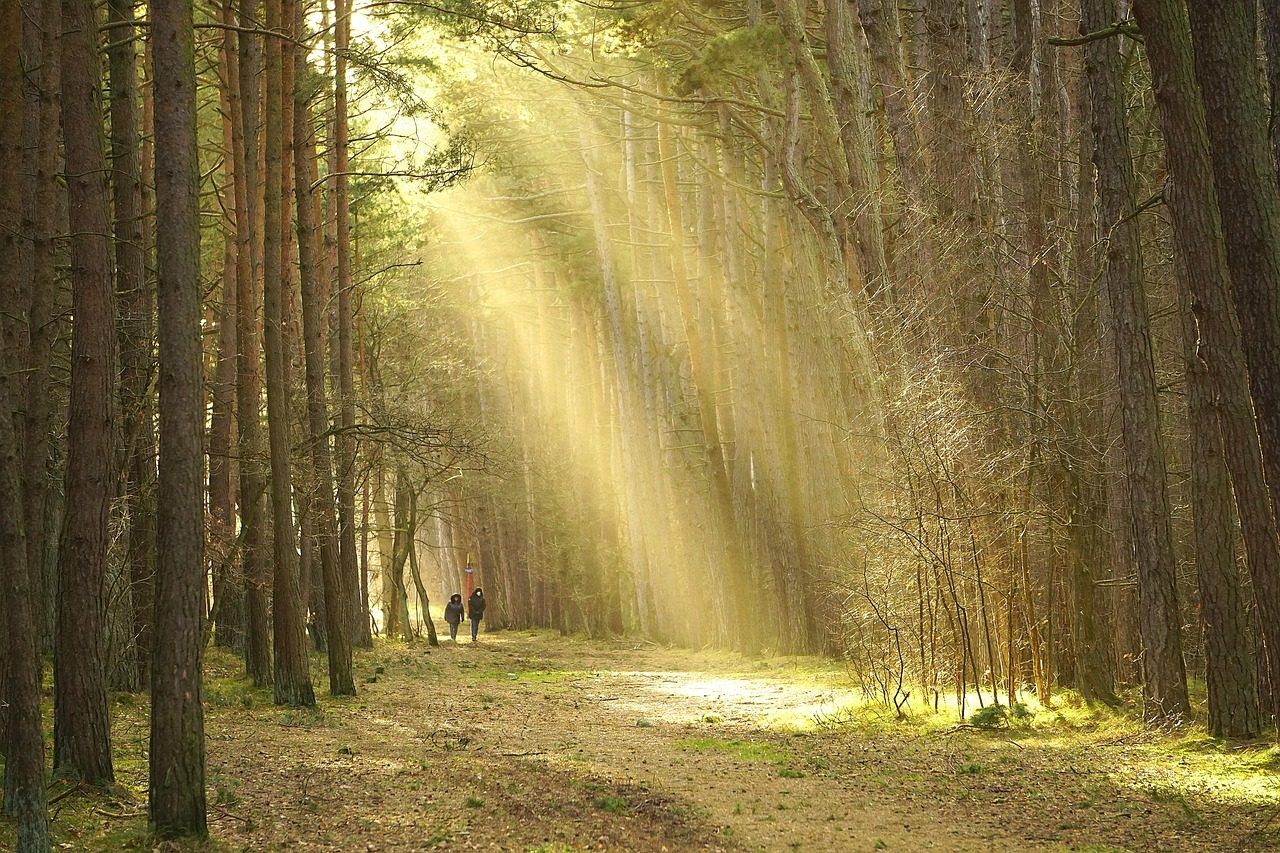
You can help protect nature by taking only what you need and leaving the area as you found it. Avoid stripping bark or damaging living trees, and scatter unused wood before leaving your campsite. Practicing this simple habit preserves the environment and keeps it beautiful for the next campers. With care and mindfulness, your fire stays warm while the forest stays thriving.