Some rifles dominate an era, then quietly give way to new technology, changing tactics, or shifting tastes. This gallery revisits 10 once-popular long guns that were widely admired in their time but are now mostly remembered by collectors, historians, and enthusiasts. Their stories reveal how quickly “cutting edge” can become a chapter in the past.
Springfield Model 1903

The Springfield Model 1903 was once the American rifle, a beautifully made bolt-action that earned a serious reputation for accuracy and rugged field performance. It served through major conflicts and became a benchmark for what a disciplined marksman could do with iron sights and careful training.
But history moved fast. Semi-automatic service rifles changed expectations almost overnight, and the 1903 began to look like a relic of an earlier battlefield. It never truly disappeared from memory, especially among collectors and target shooters, yet its days as a mainstream rifle were over once newer military and civilian designs took center stage.
Lee-Enfield SMLE
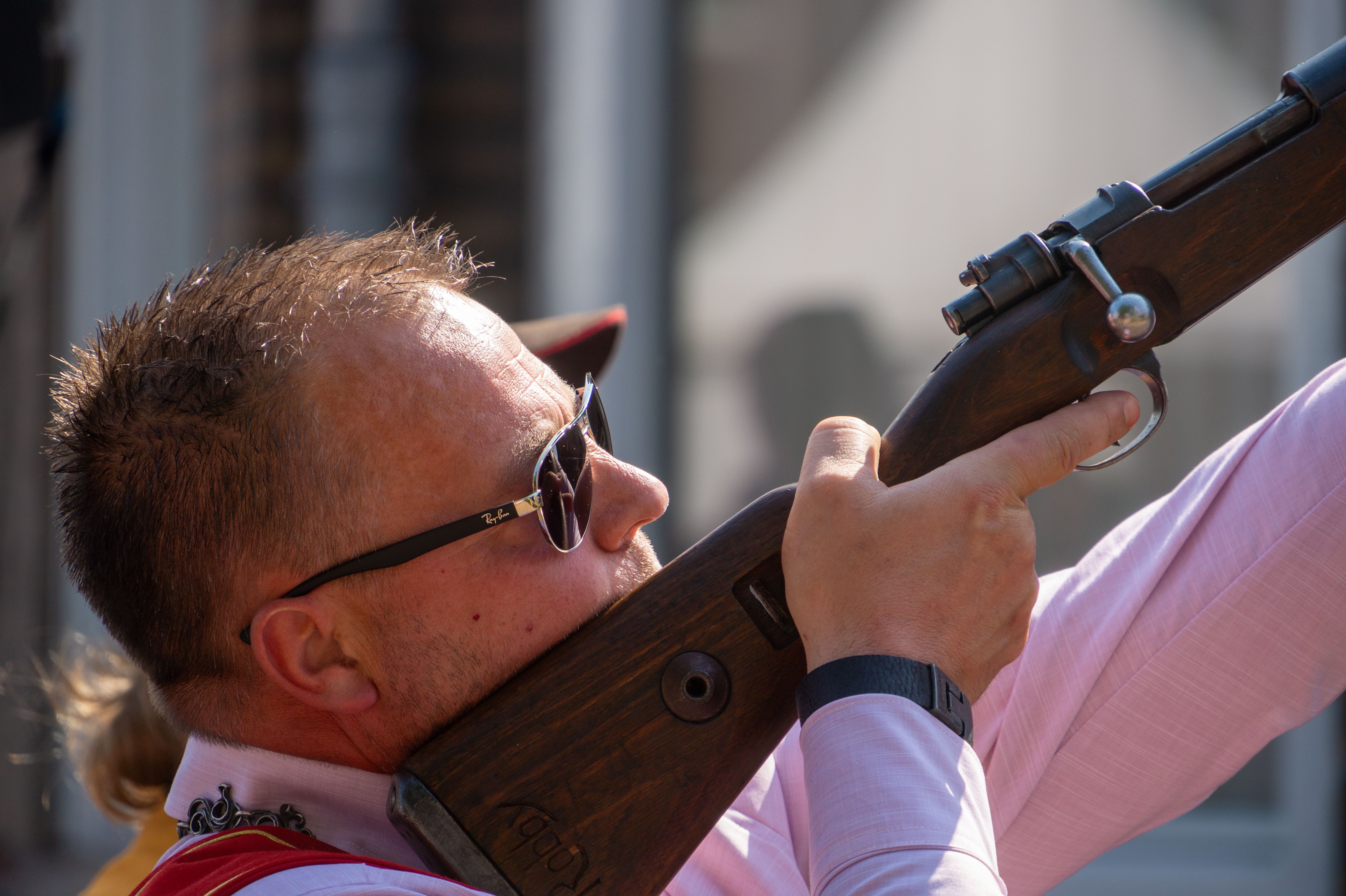
For generations of British and Commonwealth soldiers, the Lee-Enfield SMLE was more than standard issue. Its smooth bolt throw, respectable magazine capacity, and battle-proven reliability made it one of the most admired military rifles of its age. In trained hands, it delivered speed that surprised anyone who thought bolt-actions had to be slow.
Even so, no rifle stays on top forever. As assault rifles and self-loading platforms became the global standard, the SMLE drifted from frontline relevance to ceremonial use, surplus racks, and collector circles. It remains beloved, but mostly as a symbol of a military tradition that modern warfare eventually left behind.
M1 Garand

The M1 Garand changed the conversation about infantry firepower, giving American forces a dependable semi-automatic rifle at a time when many armies still leaned on bolt-actions. It carried enormous prestige, and for decades its profile, distinctive en bloc clip, and battlefield legacy made it one of the most recognizable rifles in the world.
Its decline had less to do with failure than with evolution. Lighter rifles, detachable box magazines, and smaller high-velocity cartridges reshaped military doctrine and shooter preferences alike. The Garand remains iconic and deeply respected, but as a practical mainstream rifle, it slowly ceded ground to more adaptable platforms.
M14

The M14 arrived with big ambitions, combining the Garand lineage with a detachable magazine and the 7.62×51mm NATO cartridge. On paper, it looked like the ideal bridge between old-school battle rifles and modern service weapons. For a brief moment, it seemed poised to define an era.
Instead, that era proved short. Its weight, recoil, and full-power cartridge made it less suited to the changing realities of infantry combat than lighter rifles that followed. The M14 found second lives as a designated marksman rifle and ceremonial arm, but its time as a dominant general-issue rifle faded surprisingly quickly.
Arisaka Type 99
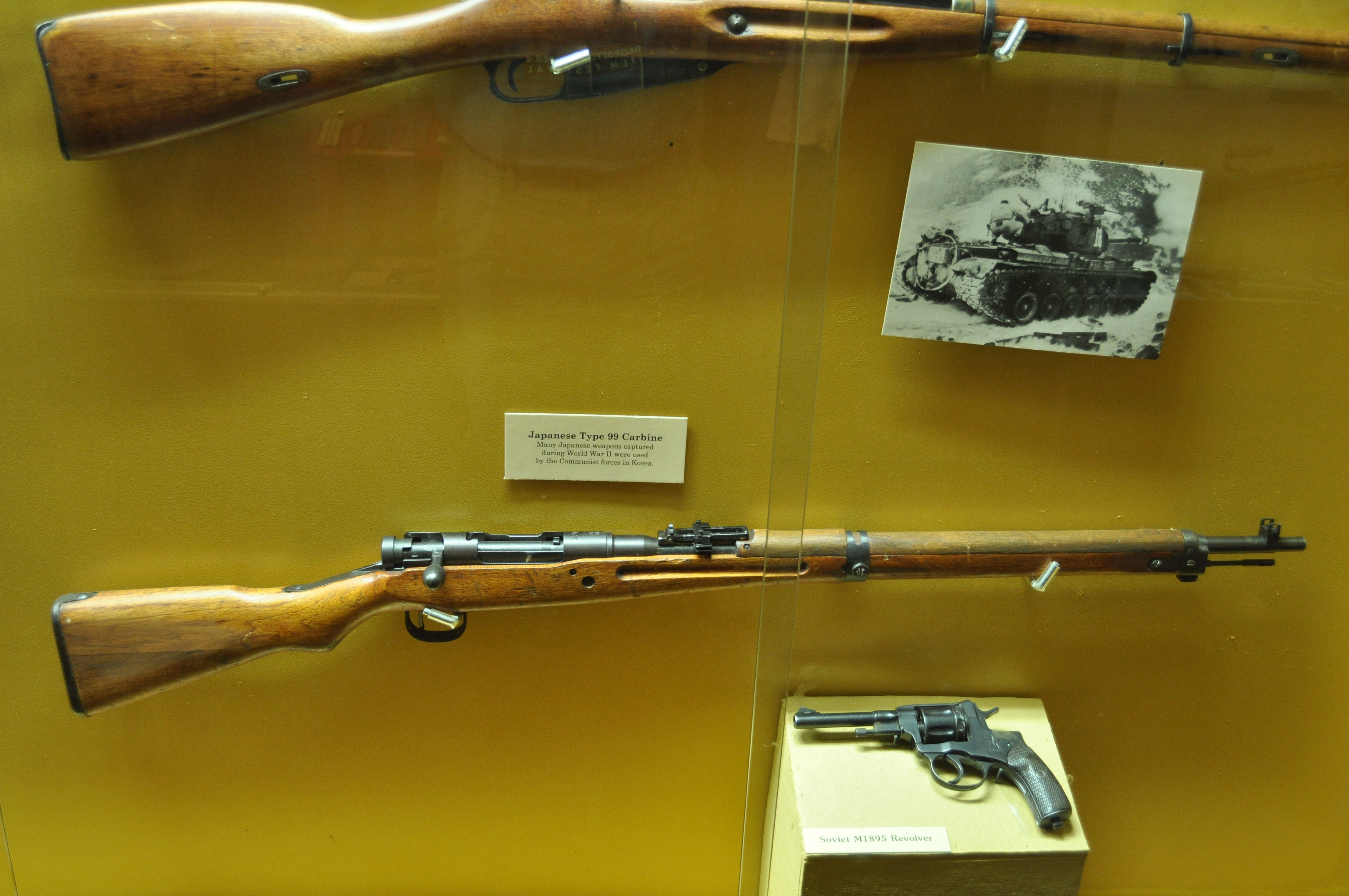
Japan’s Arisaka Type 99 was once a major service rifle of the Pacific War, known for robust construction and design features that still attract historical interest today. Early examples showed impressive manufacturing quality, and the rifle earned a reputation for being stronger than many outsiders first assumed.
After the war, though, its path narrowed fast. Defeat, occupation, and the flood of newer surplus firearms pushed the Type 99 to the edges of public attention outside collector communities. Today it is remembered far more as a wartime artifact than as a rifle with any lingering place in popular shooting culture.
Mosin-Nagant M91/30

For years, the Mosin-Nagant M91/30 seemed almost impossible to avoid. Surplus imports made it cheap, plentiful, and appealing to first-time collectors who wanted a real military rifle with a real battlefield story. Its rough-hewn charm, hard recoil, and simple durability gave it a personality all its own.
What faded was not its legend, but its everyday popularity. As surplus supplies dried up and prices climbed, the Mosin lost much of the bargain appeal that had fueled its modern comeback. It still has a loyal following, yet it no longer occupies the center of the entry-level surplus world the way it once did.
Winchester Model 1894

The Winchester Model 1894 helped define the American sporting rifle, especially in deer camps and ranch country where lever-actions were as familiar as pickup trucks and fence lines. Slim, handy, and chambered for cartridges like .30-30 Winchester, it became part firearm and part folk memory.
Its decline was gradual rather than dramatic. Bolt-actions, scopes, and modern hunting preferences shifted buyers toward rifles that promised longer range and easier optics mounting. The Model 1894 never vanished from the cultural imagination, but from a mainstream market standpoint, it moved from everyday staple to nostalgic classic.
Savage Model 99
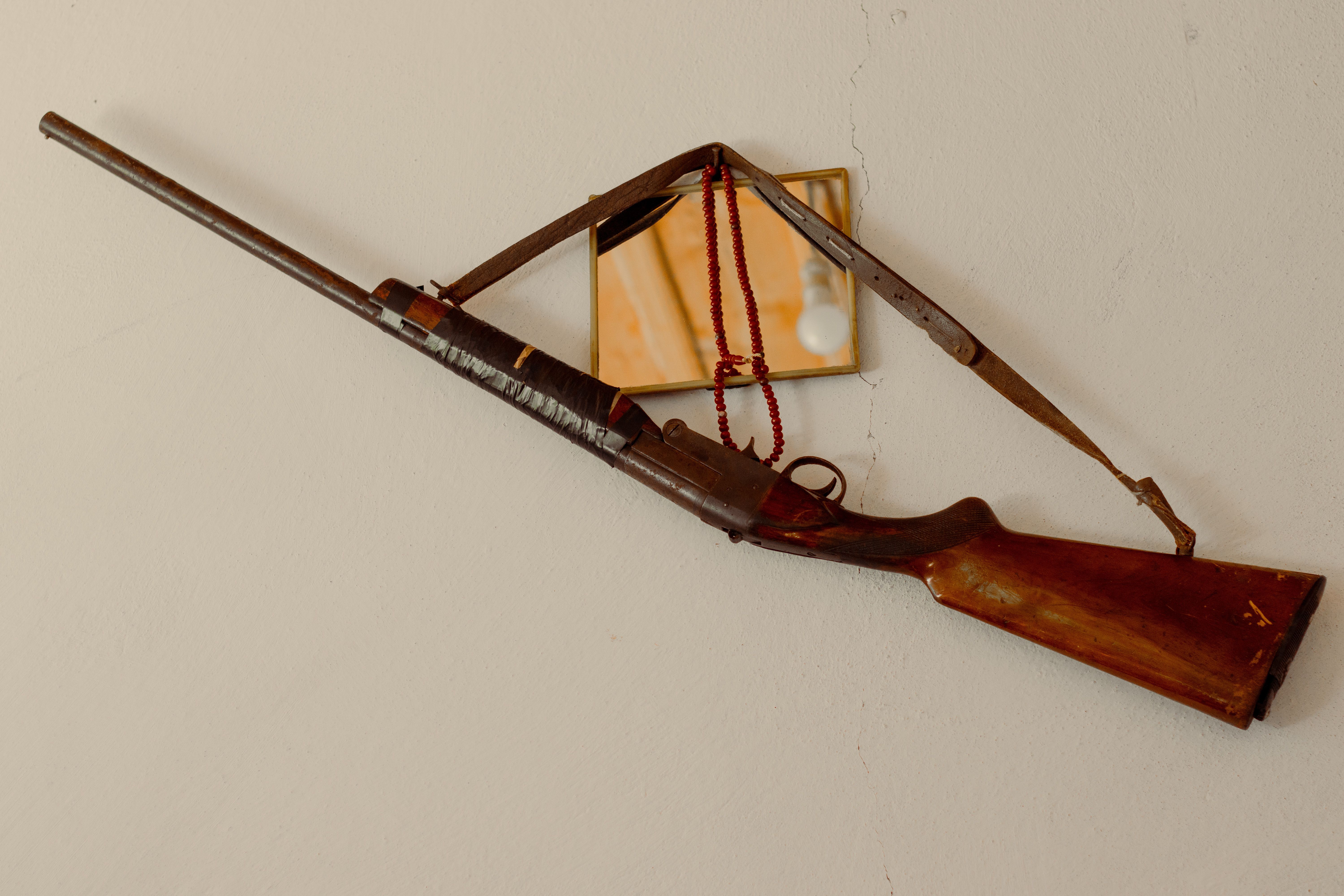
The Savage Model 99 was a remarkably forward-thinking lever-action, offering sleek lines and features that set it apart from its rivals. It built a loyal following among hunters who appreciated its balance, craftsmanship, and the sense that it represented a smarter, more modern branch of traditional rifle design.
Yet smart design does not always guarantee long-term market dominance. As cheaper production methods, simpler actions, and different buyer tastes took over, the Model 99 became harder to justify as an everyday choice. It is still admired for its elegance and engineering, but its heyday passed with the hunting culture that first embraced it.
Remington Model 8
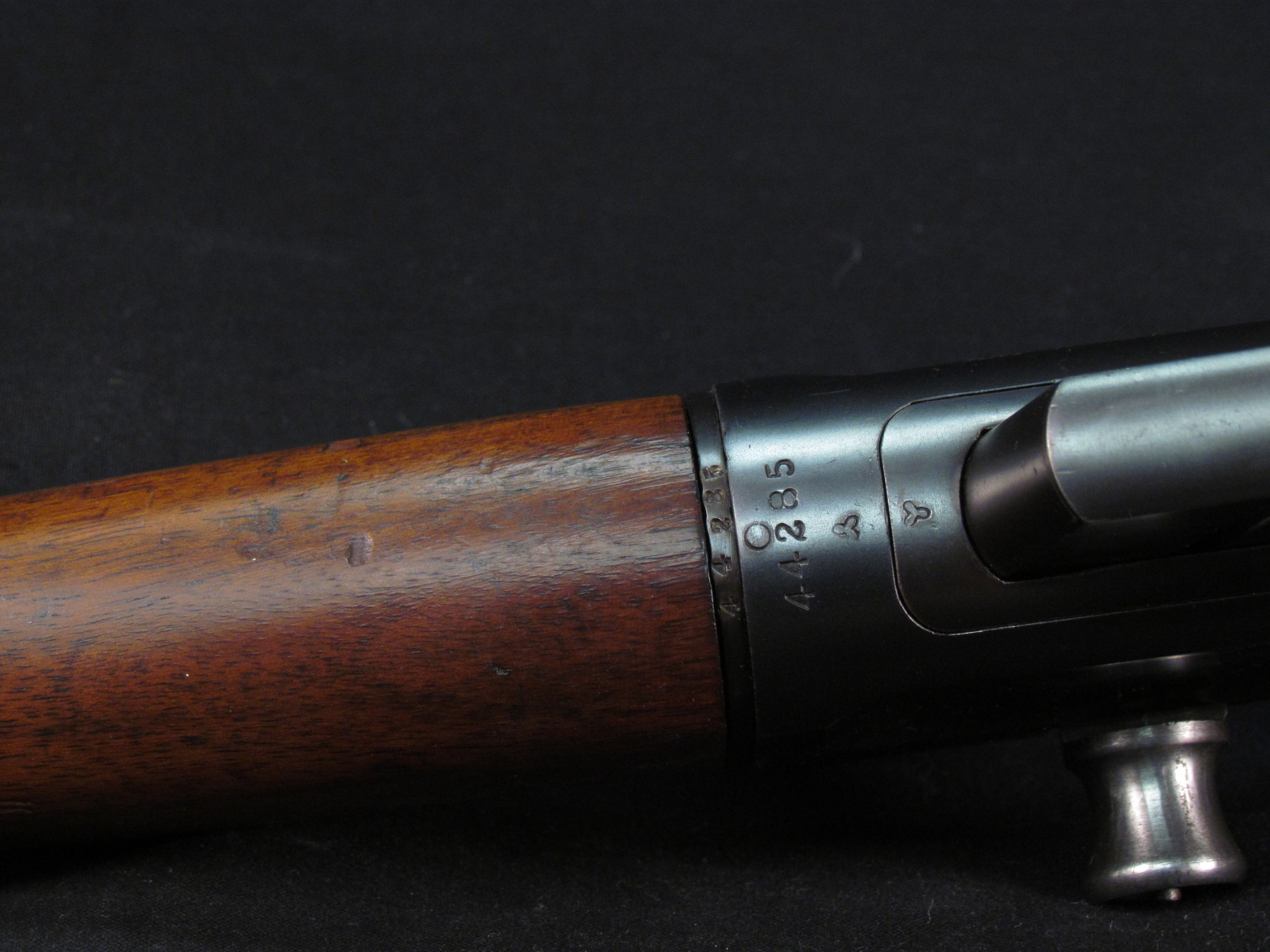
The Remington Model 8 feels almost like a glimpse into an alternate firearms timeline. Designed by John Browning, it brought semi-automatic fire to sporting rifles long before that concept felt ordinary, and it developed a reputation as a serious, distinctive arm for hunters and lawmen alike.
Still, being ahead of your time can be a mixed blessing. Its unusual profile, specialized appeal, and changing market trends meant it never held the broad cultural footprint of later semi-automatic rifles. Over time, it slipped from common recognition, surviving mostly as a fascinating collector piece with a surprisingly modern story.
Schmidt-Rubin K31
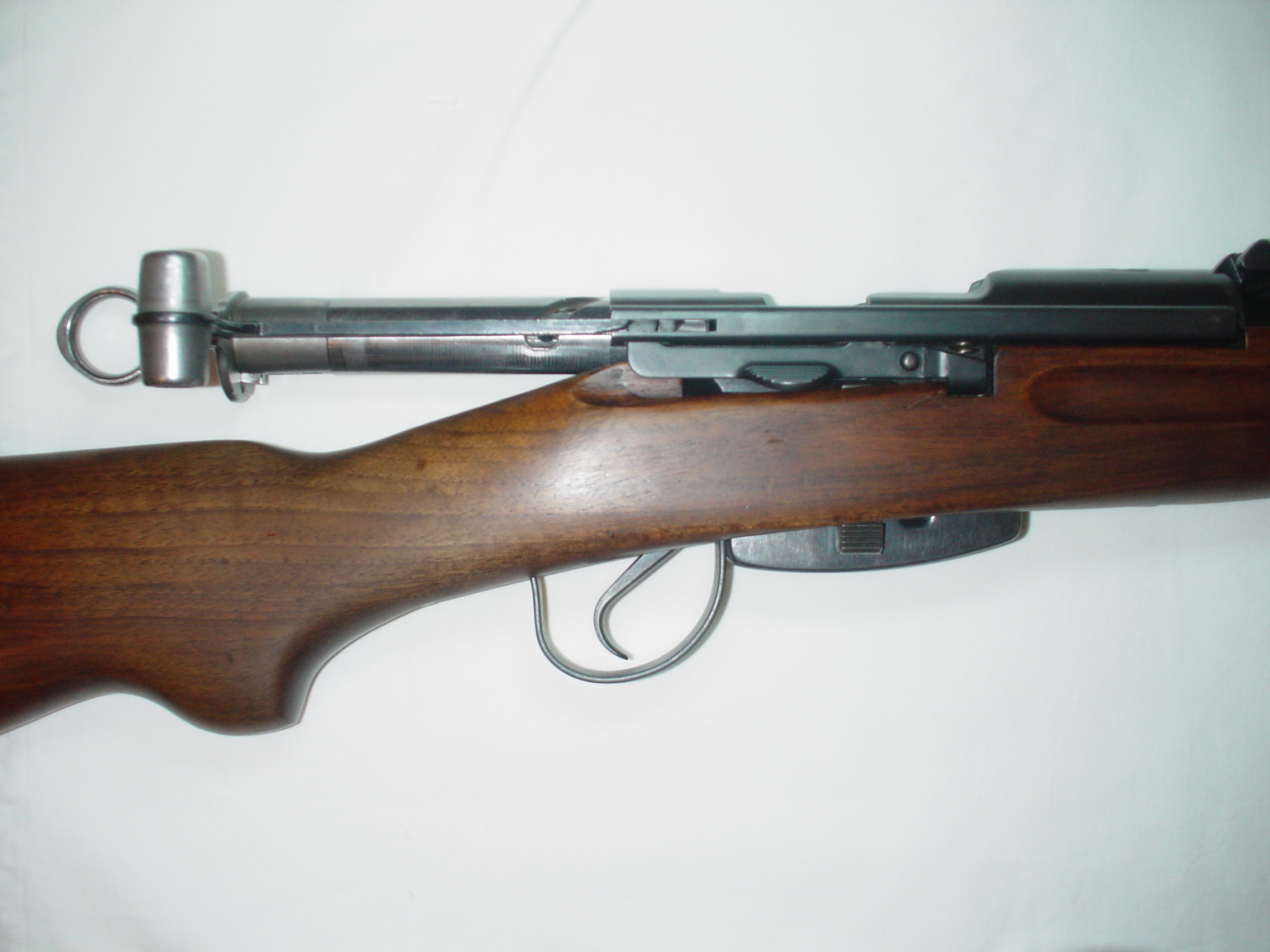
The Swiss K31 earned admiration far beyond Switzerland thanks to its precision, superb machining, and straight-pull action that feels wonderfully different from more familiar military rifles. For surplus fans, it became one of those thrilling discoveries that seemed too well made to stay underappreciated for long.
And yet, in a broad public sense, it still faded. The K31 never achieved the household-name status of other surplus rifles, and as supply tightened, its moment in the spotlight remained limited. Today it enjoys a strong reputation among enthusiasts, but it belongs more to the world of connoisseurs than to mainstream gun culture.