Some pistols were designed simply to improve an existing formula. Others tried to answer problems that manufacturers had barely considered, using unusual actions, ammunition, materials, or layouts. The 8 pistols below stand out because each approached a specific limitation from a completely different direction. Some became influential, while others became fascinating dead ends. Together, they show how far handgun designers were willing to go when conventional solutions were not enough.
1. Heckler & Koch P7
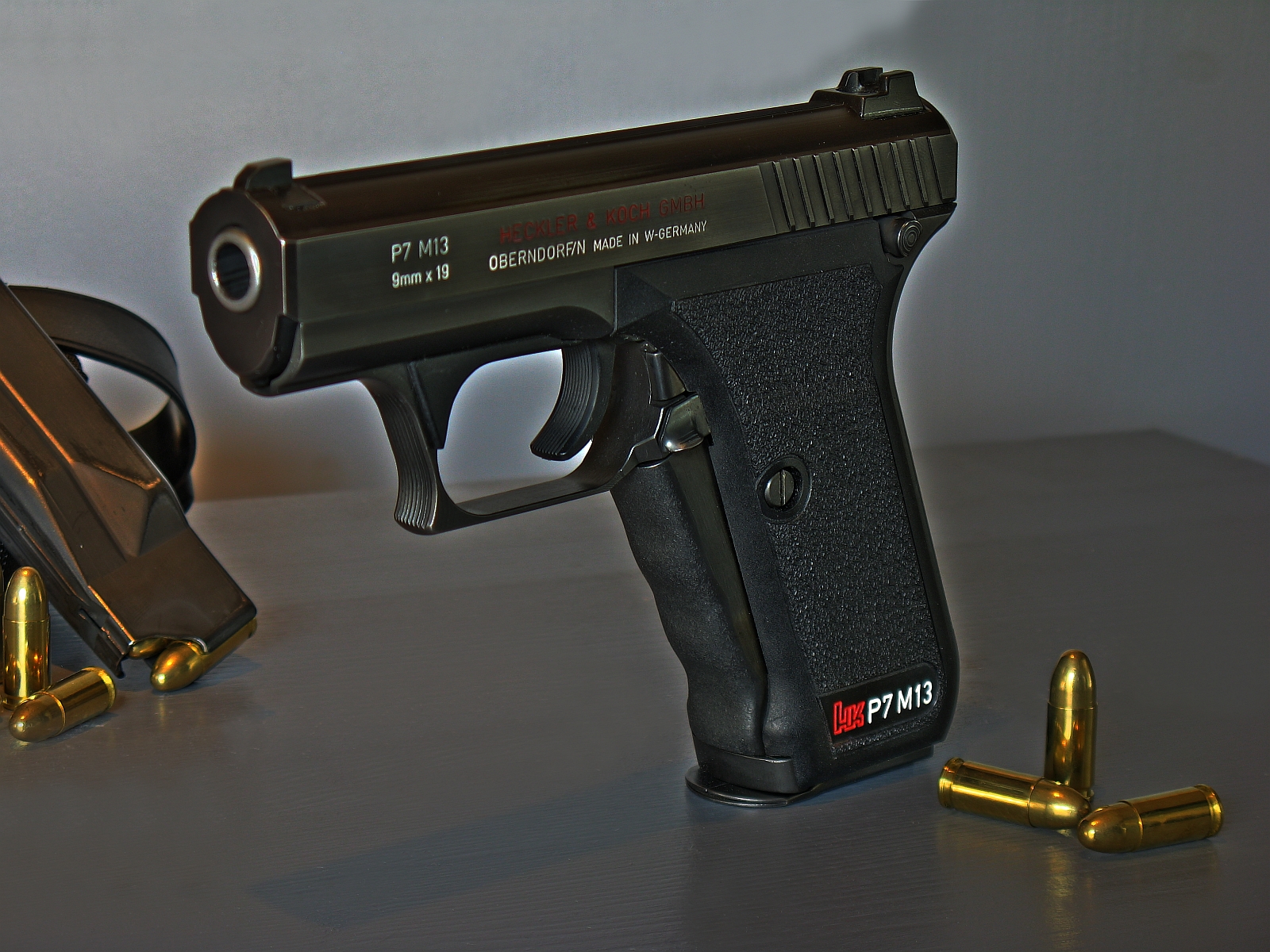
The Heckler & Koch P7 tackled a specific carry problem: how to make a compact pistol safe to draw, ready to fire, and easy to control without a conventional manual safety. Introduced in 1979, it used a squeeze-cocking lever on the front strap. Releasing the lever decocked the pistol, while squeezing it cocked the striker. The 9×19 mm P7 held 8 rounds in its original form. Its gas-delayed system also kept the slide relatively light, creating an unusually slim package for its era. That combination made the P7 one of the most distinctive compact service pistols of its generation.
2. Mauser C96
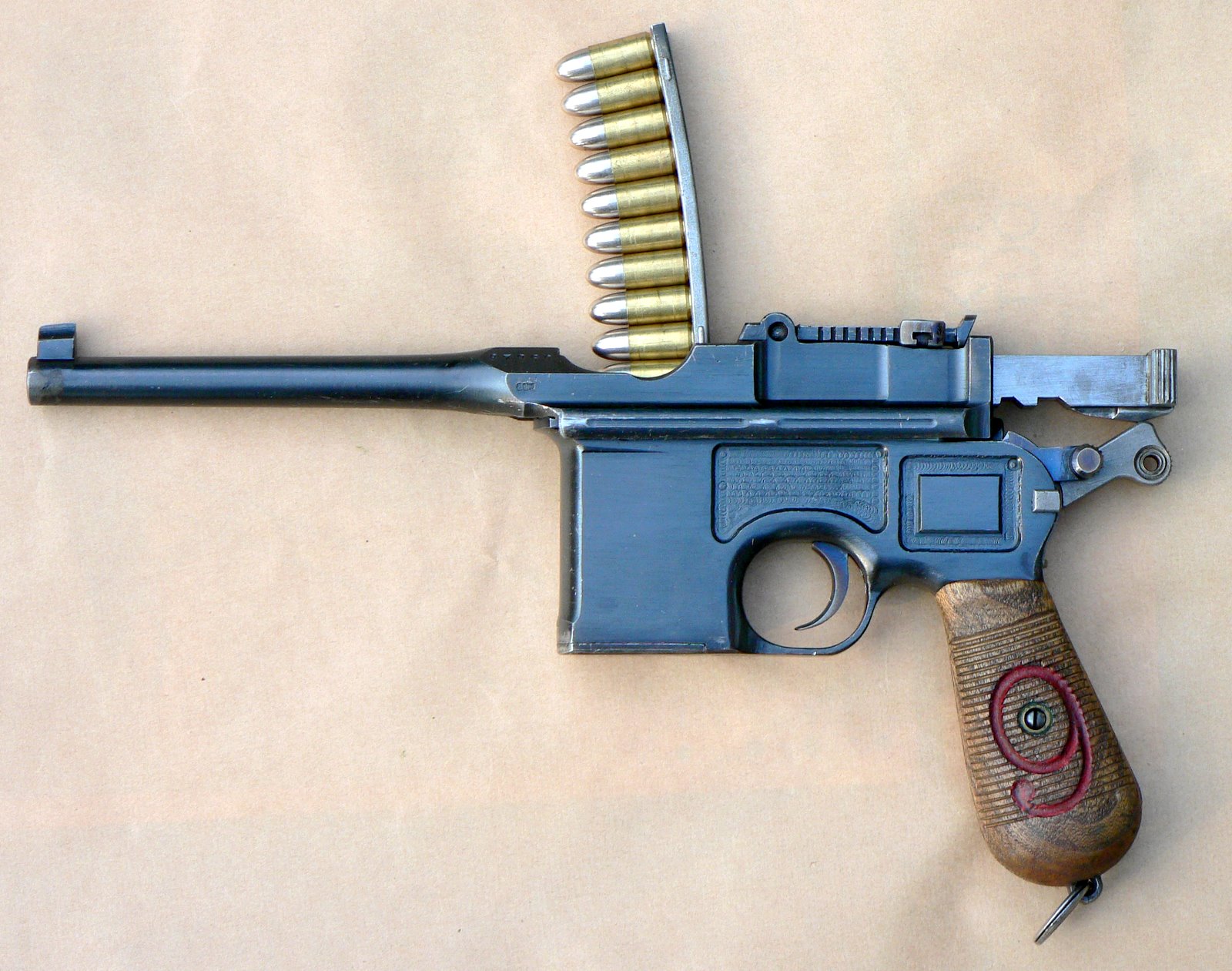
The Mauser C96 addressed a problem that ordinary early-20th-century pistols largely ignored: giving a handgun useful reach and a more substantial shooting platform. Introduced in 1896, the distinctive 7.63×25 mm model used a 10-round fixed magazine loaded from stripper clips. Its wooden shoulder stock could also serve as a holster, turning the pistol into a crude carbine. That combination of 10-shot capacity, a long barrel, and a detachable stock made the C96 unusually versatile when most service pistols were much simpler. Few handguns of its period offered that combination.
3. HK VP70
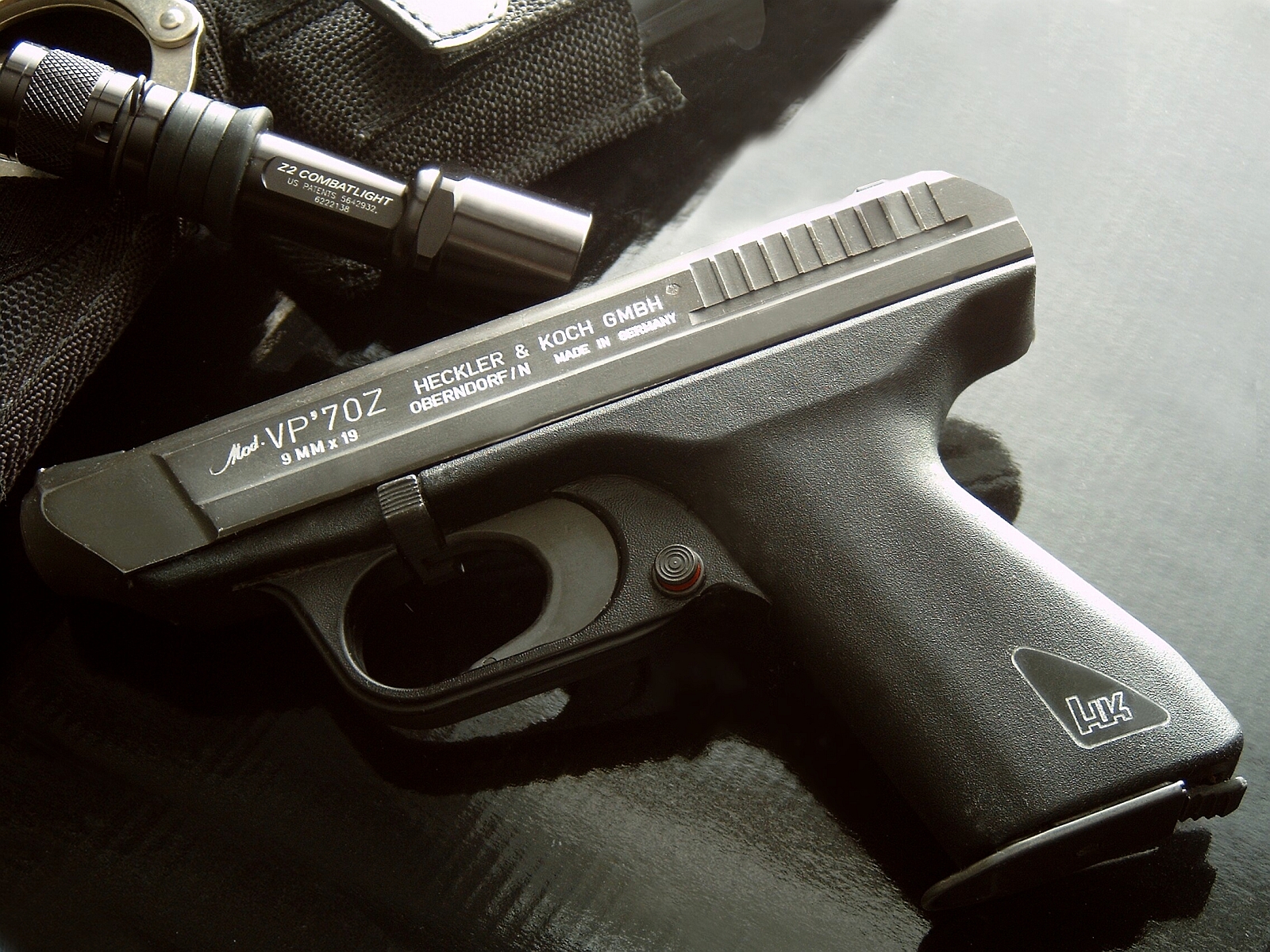
The Heckler & Koch VP70 was built around an unusual idea: one firearm could provide both compact carry and controlled rapid fire. Introduced in 1970, it fired 9×19 mm ammunition from an 18-round magazine, a large capacity for its period. With its shoulder stock attached, the select-fire version could fire 3-round bursts at roughly 2,200 rounds per minute. The polymer-framed VP70 was ahead of many competitors in materials and capacity, even though its bulky stock and heavy trigger limited commercial success. Its concept blended pistol dimensions with a burst-fire role.
4. Gyrojet Pistol
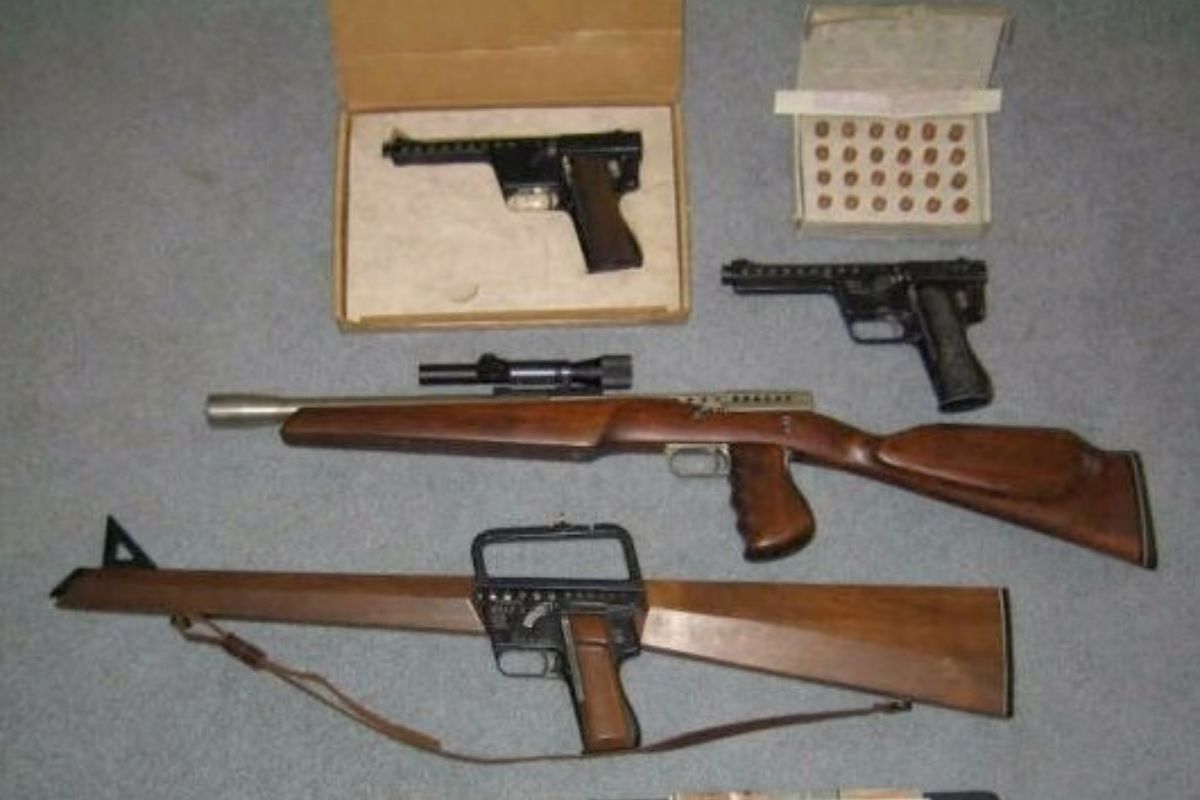
The MBA Gyrojet pistol tried to solve a problem conventional handguns could not: launching ammunition without relying on a normal bullet propelled by expanding gases inside the barrel. Introduced in the 1960s, it fired 13 mm self-propelled rocket rounds that accelerated after leaving the barrel. The pistol’s 6-round magazine fed ammunition that behaved more like miniature rockets than conventional cartridges. Velocity increased downrange rather than peaking at the muzzle, offering an unusual answer to recoil. Accuracy, reliability, cost, and scarce ammunition kept it impractical.
5. COP .357
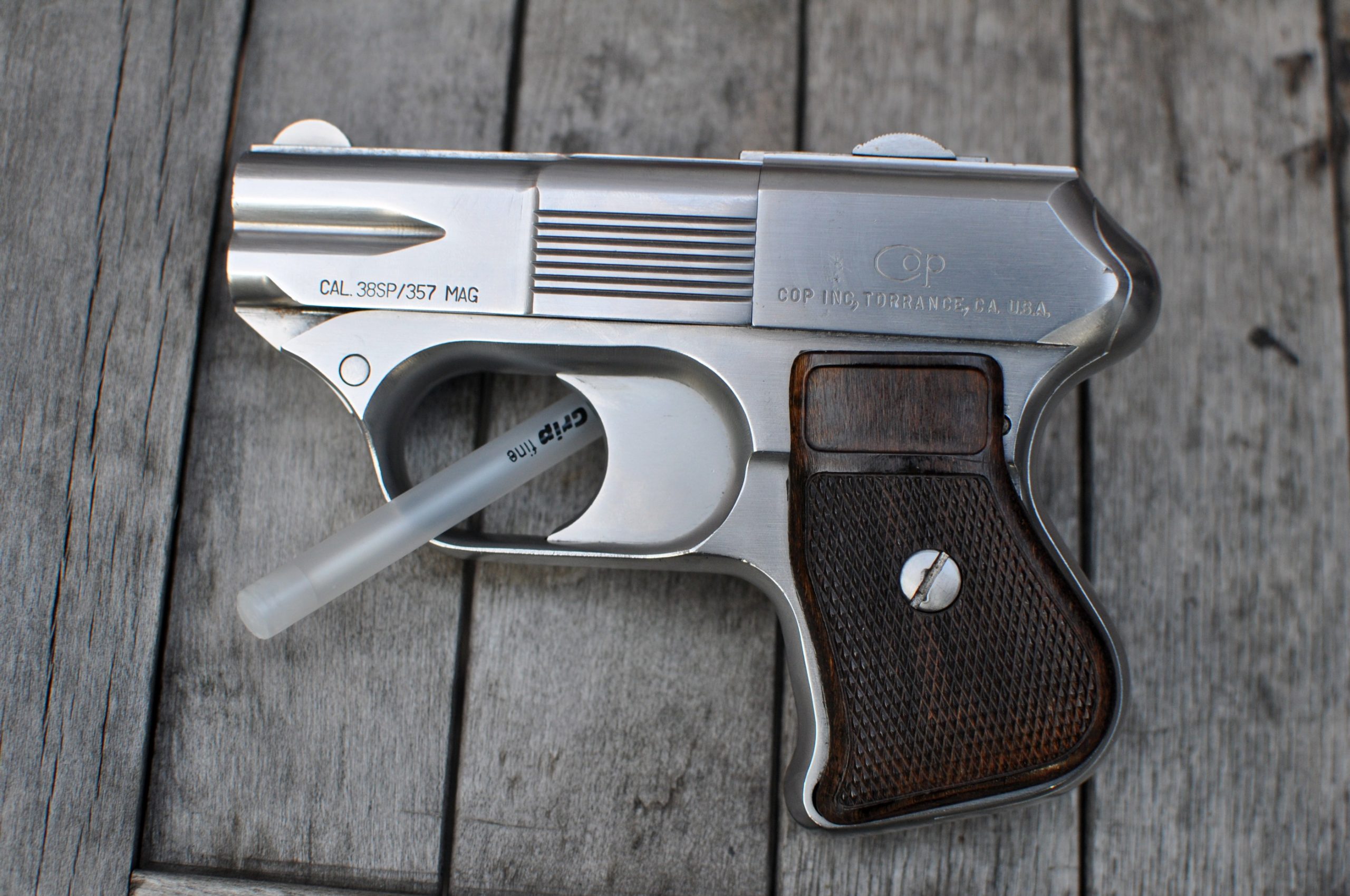
The COP .357 was created for a specific concern: offering .357 Magnum power without the long cylinder of a conventional revolver. Introduced in 1983, it used 4 parallel barrels and fired one round at a time through a rotating internal firing mechanism. Its compact design held 4 cartridges, giving it a flat, blocky profile that was easy to conceal. The tradeoff was substantial weight and a complicated action. It never became a mainstream success, but it directly attacked the size problem surrounding powerful concealed-carry revolvers. Its 4-barrel layout was the key to that solution.
6. S&W Model 60
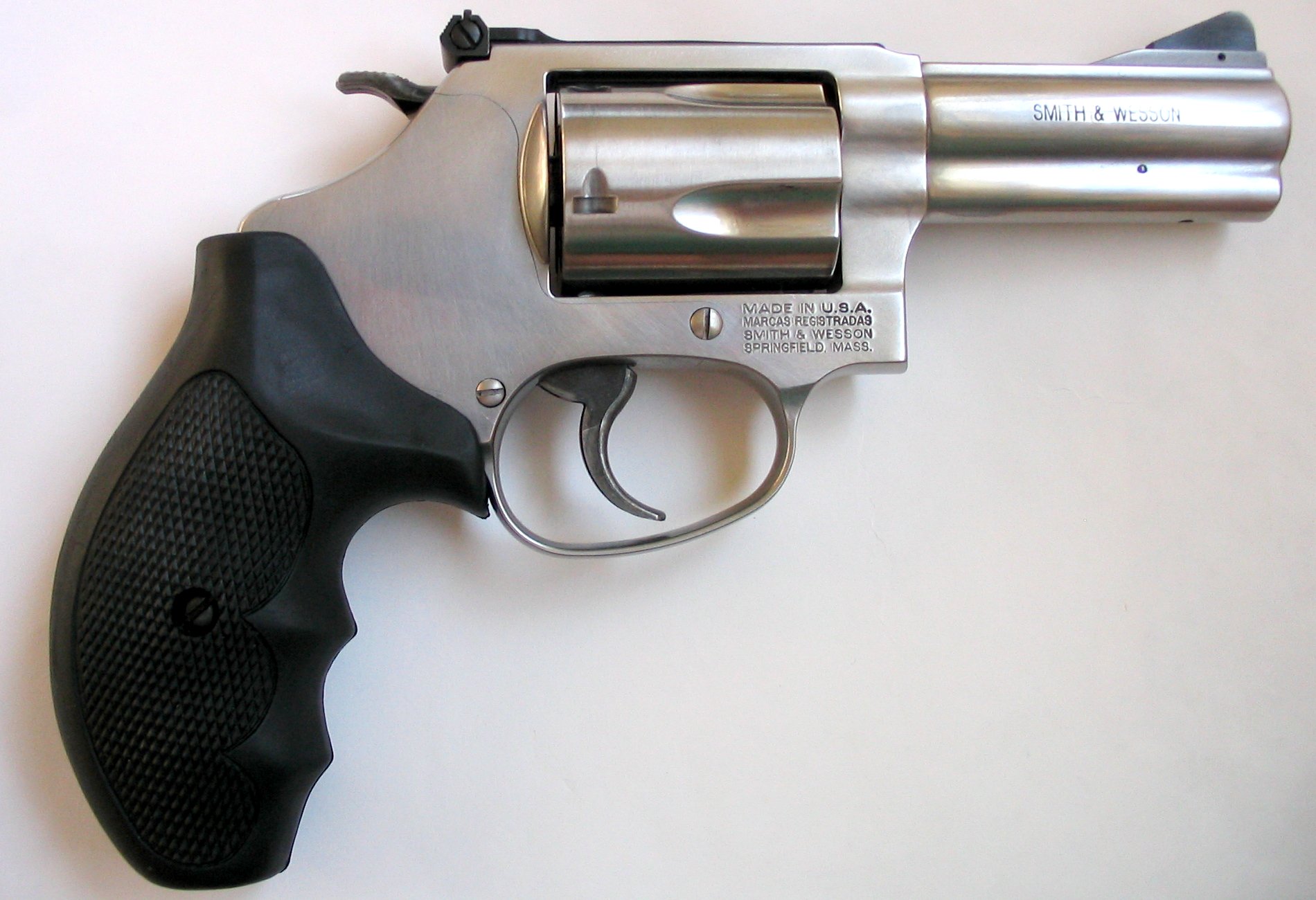
The Smith & Wesson Model 60 solved a practical problem that many small revolvers had not: combining genuinely compact dimensions with the ability to fire .357 Magnum ammunition. Introduced in 1965 as a stainless-steel J-frame, it began as a 5-shot .38 Special and later gained .357 Magnum capability. That made the 5-round revolver more resistant to corrosion than blued alternatives while remaining small enough for pocket or backup carry. The powerful chambering also exposed a compromise: recoil became severe in such a light handgun. It was a clever answer, but not a painless one.
7. LeMat Revolver
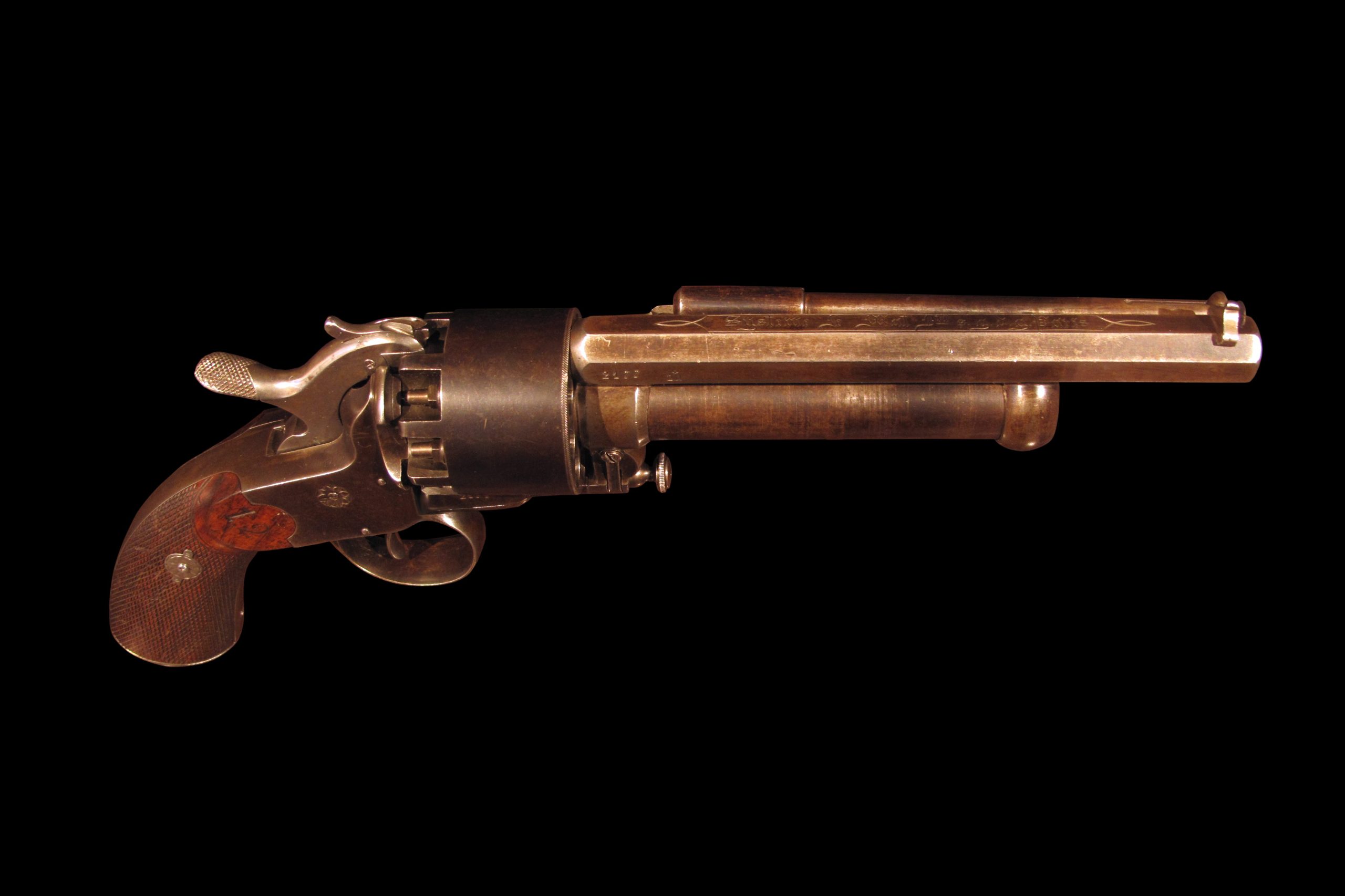
The LeMat revolver answered an unusual 19th-century battlefield problem by putting 2 different types of ammunition into one handgun. Patented in 1856, its 9-shot cylinder held 9 pistol cartridges while a separate central barrel fired a shotgun shell, commonly described as roughly .60 caliber. A hammer arrangement allowed the shooter to select the center barrel or a cylinder chamber. That gave one sidearm both repeating fire and a close-range shotgun capability, something ordinary single-caliber revolvers could not offer. For its time, that was an extraordinary amount of firepower in one gun.
8. Glock 18
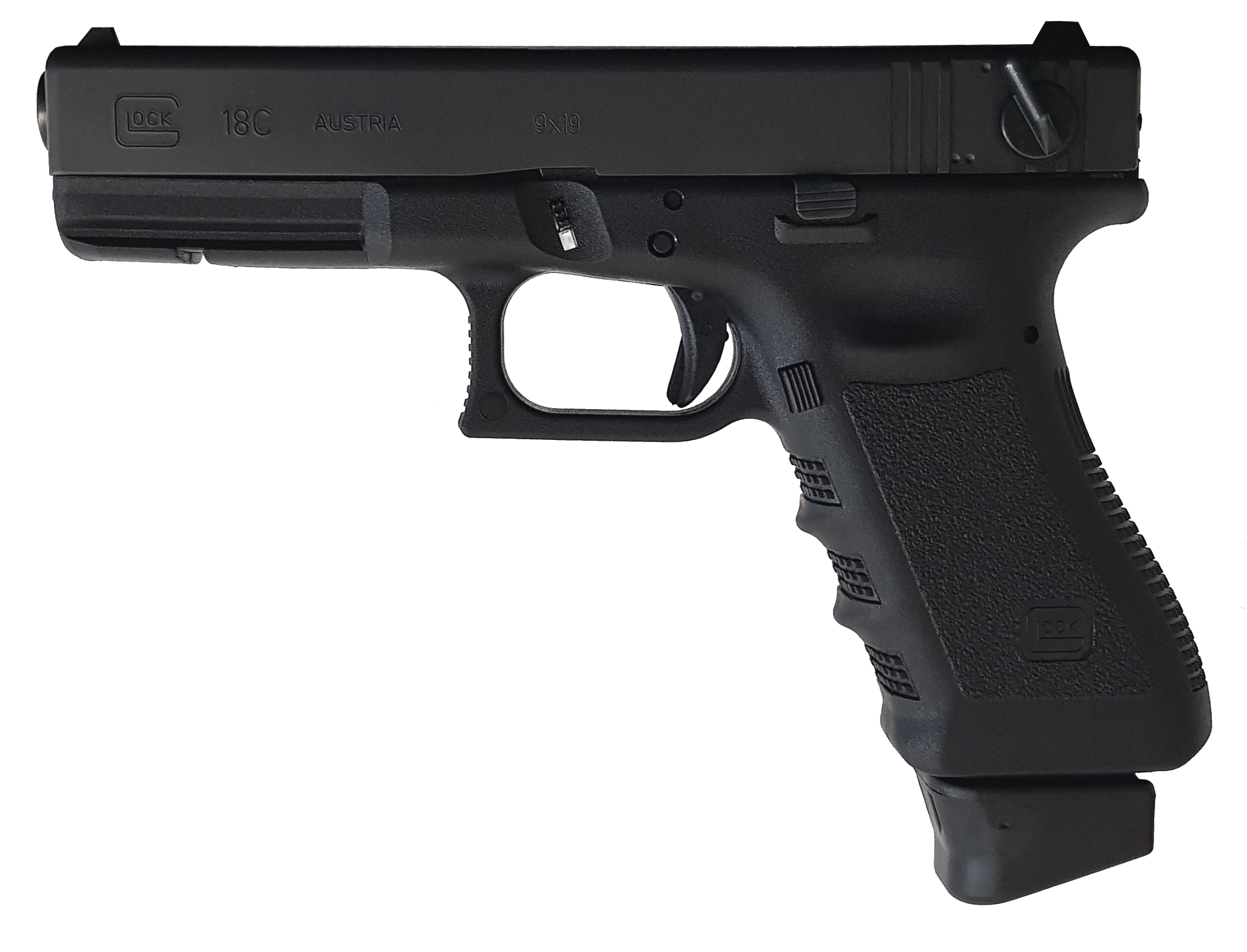
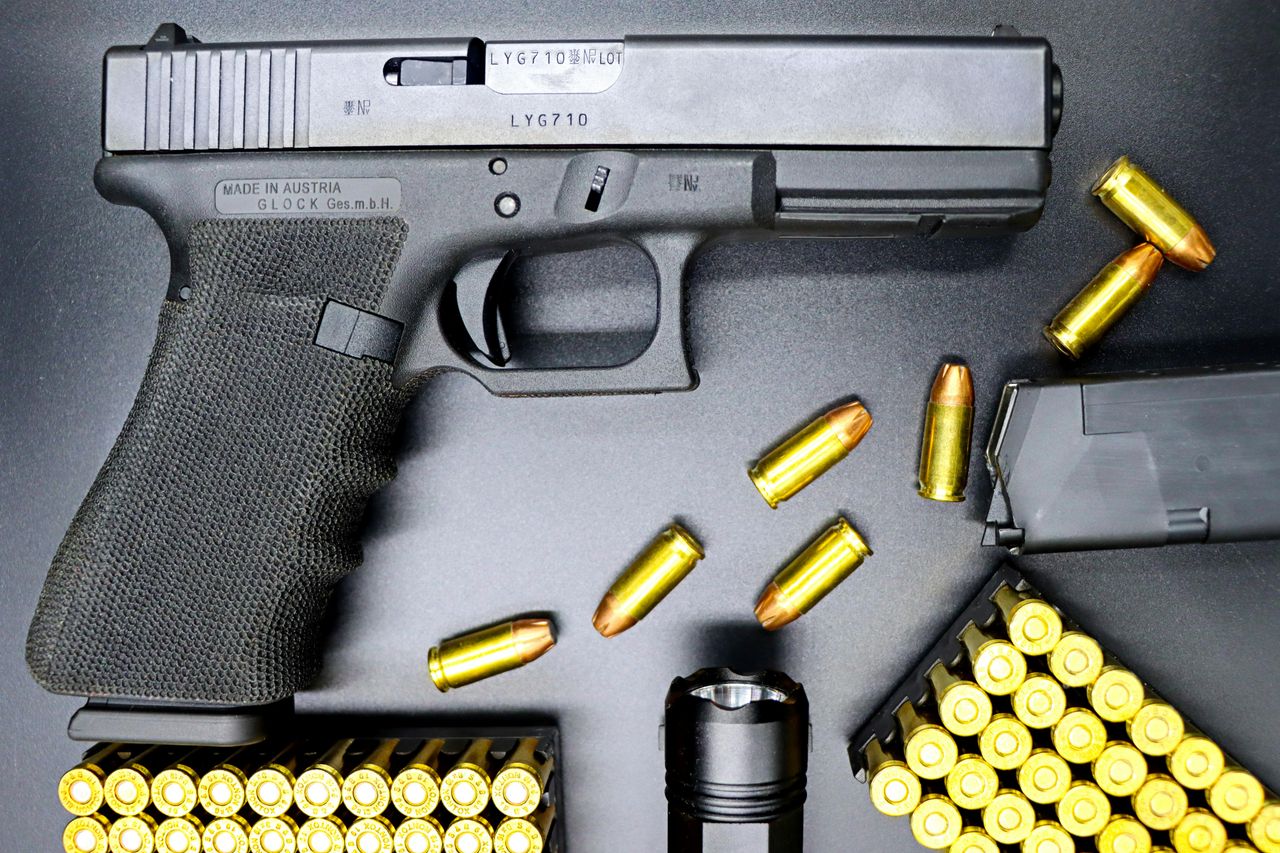
The Glock 18 addressed a niche problem that conventional service pistols did not: providing automatic fire from a handgun-sized platform. Introduced in 1986, it was derived from the Glock 17 and chambered in 9×19 mm. A selector allowed semiautomatic or fully automatic fire, with a cyclic rate commonly cited around 1,100 rounds per minute. Its 17-round standard magazine could be supplemented by larger magazines. That gave specialized users compact automatic firepower, although rapid ammunition use and muzzle rise limited practicality. The Glock 18 therefore occupied a narrow role.