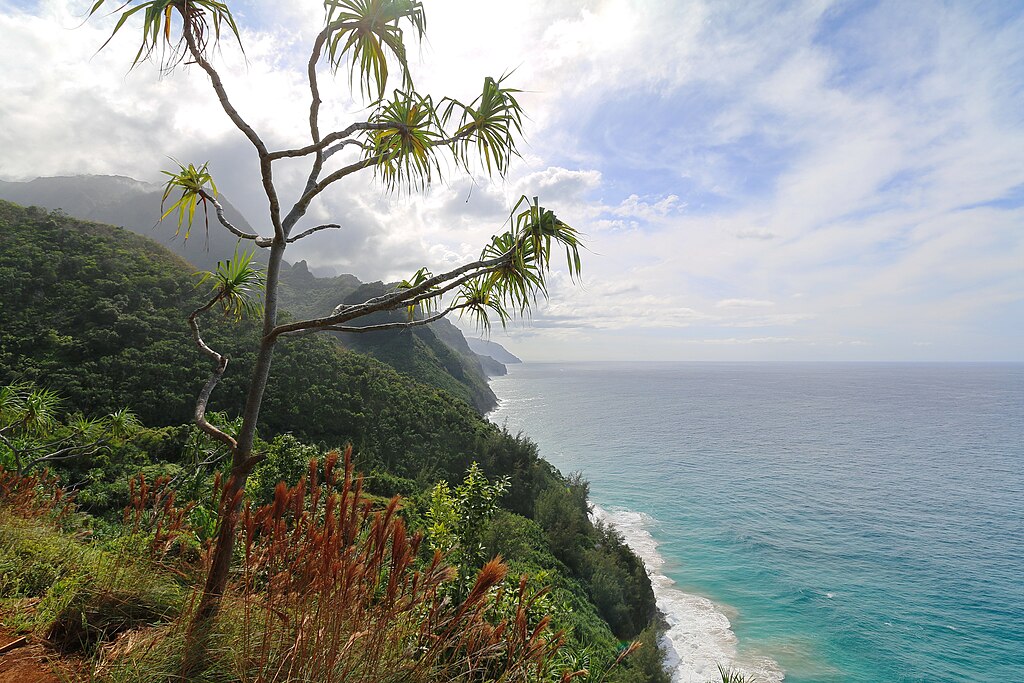
The Kalalau Trail on the island of Kauaʻi isn’t just another scenic hike; it’s a serious backcountry challenge wrapped in paradise. With deep canyons, slippery cliffs, and sudden weather shifts, the trail has seen dozens of rescues in a single year. For every breathtaking vista and cascading waterfall, there’s a hidden risk waiting for the unprepared. If you’re thinking of taking on this route, it’s not just a stroll; it demands skill, stamina, and respect for the terrain.
Heat and Humidity That Wear You Down
Even seasoned hikers face surprises when Hawaiʻi’s midday sun and tropical humidity collude on the Kalalau Trail. Sweat pours freely, water sources disappear, and exhaustion sets in quickly. Many rescue calls stem from heat-related injuries, cramps, disorientation, and nausea when hikers push on without proper hydration or rest. If your body isn’t ready for persistent humidity under a heavy pack, the trail will humble you before you reach the coast.
Unforgiving Terrain and Slick Slopes
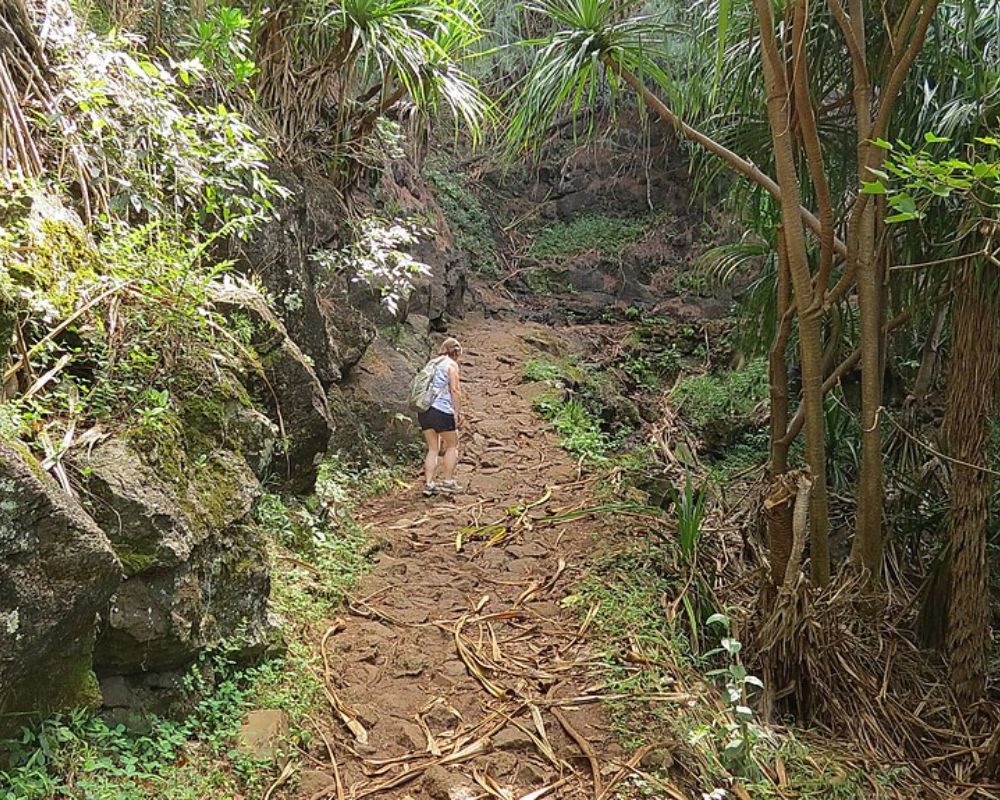
Kalalau’s reward is wild beauty, but getting there demands negotiating narrow ridges, muddy switchbacks, and stone steps carved by torrents. A single slip can lead to serious ankle or hip injury, and that often means a long carry out or helicopter extraction. Even experienced trekkers stumble here because the footings are unpredictable, and no handrail to save you. Move deliberately, wear good boots, and treat every wet rock like a challenge.
Isolated Access and Limited Emergency Response
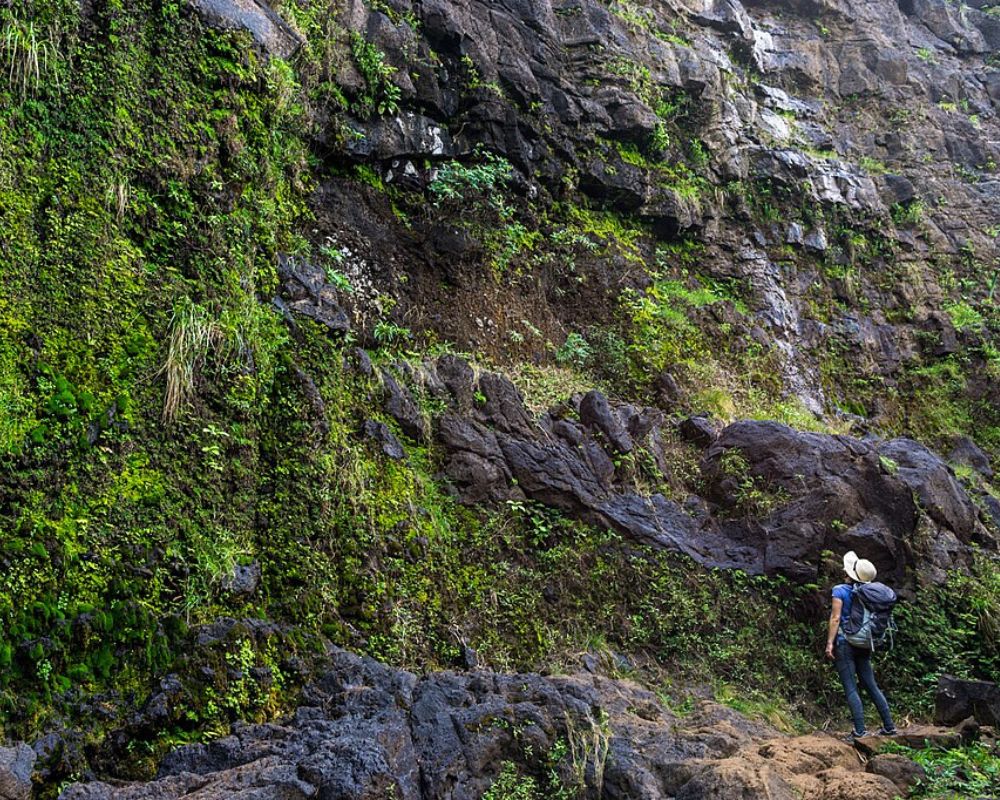
Rescues on Kauaʻi’s north shore aren’t fast. Helicopters and first responders must navigate steep terrain, dense vegetation, and uncertain weather. In one ten-month span, 69 rescues were logged. With limited cell coverage, long response times, and costly airlifts, a simple mistake can turn serious. If you have an accident here, self-sufficiency matters; a broken leg or dehydration isn’t just a setback, it becomes a full-on emergency.
Rapid Weather Shifts and Unseen Dangers
On this trail, the sky can flip in minutes from warm sun to driving rain to thick mist that conceals drop-offs. Heavy downpours send water rushing through side canyons and muddy the path to treacherous levels. Rock falls and slippery surfaces follow. Some hikers underestimate the tropical microclimate and press on, only to call for rescue when visibility disappears and footing fails. In Kalalau, weather isn’t a footnote; it’s a major player.
Oceanfront Exposure and Coastal Hazards
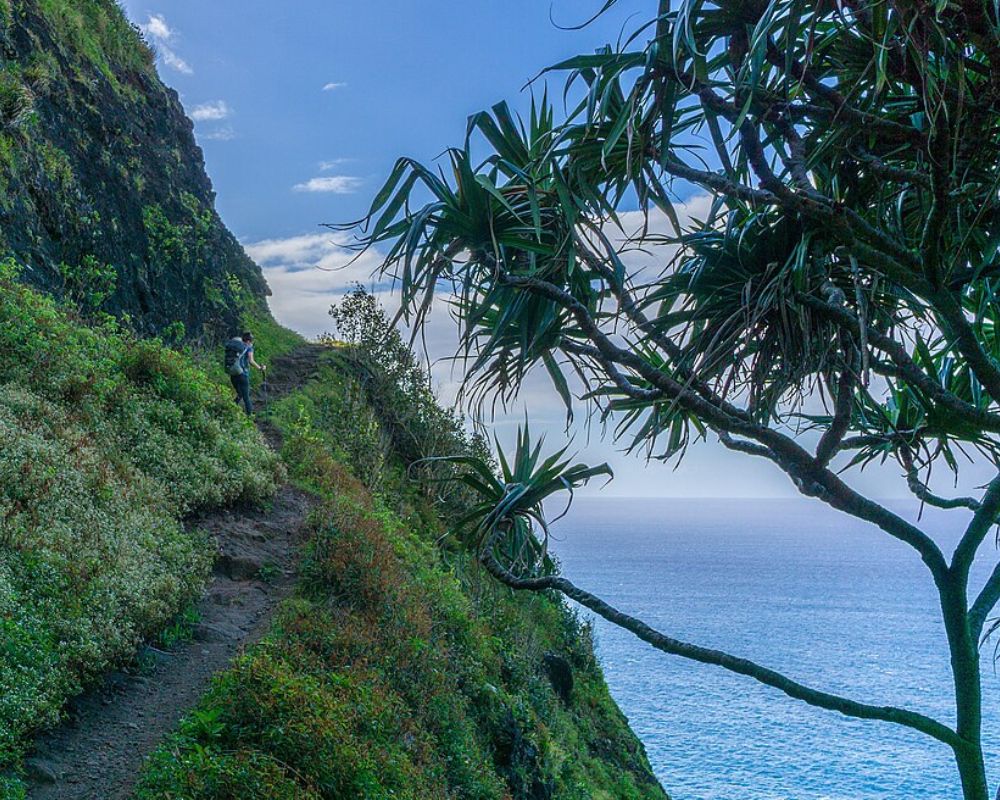
Reaching Kalalau Beach may feel like an achievement, but staying safe includes dealing with coastal hazards. Strong surf, unexpected high tides, and tsunami risk mean that even the endpoint has danger. The shoreline trail can end abruptly when waves crash higher than expected, and sea spray makes the rocks slick. Hikers come unprepared for the ocean’s mood swings, and sometimes it’s the majestic coast that gets them into trouble first.
Overpacked Itineraries and Underprepared Bodies
Posting a “hiker’s best days” photo online doesn’t capture the exhaustion behind the scenes. Many visitors attempt to cram the full trail and back in a single day or arrive without training or proper gear. Some start strong only to falter mid-trail when muscle fatigue, heavy backpacks, or blisters set in. When your body fails earlier than expected, the route doesn’t wait. Rescue often begins when fatigue overtakes caution.
Inadequate Gear and Wildlife Surprises
Kalalau demands more than water and sneakers, yet many hikers skip essentials. Without boots suited for mud, waterproof bags, or at least a snack stash, you’re already at a disadvantage. Combine gear gaps with unexpected wildlife like slippery crabs on wet rocks or wild goats interfering mid-descent and things get tricky. A surprise slip or bad gear choice quickly morphs into a call for help. Respect the wilderness and outfit accordingly.
Group Mindset and Solo Vulnerability
Hikers often feel invincible in groups, but the Kalalau Trail humbles that mindset fast. One person slips, cramps, or slows; the group keeps going. That decision can lead to a delayed rescue once the slower member can’t keep pace. On the opposite end, solo hikers face the ultimate risk with no one to assist. Whether in a duo or alone, the trail demands accountability, pacing, and ensuring every member is ready for the journey.
Misreading the Trail’s Appeal: Confidence vs. Reality
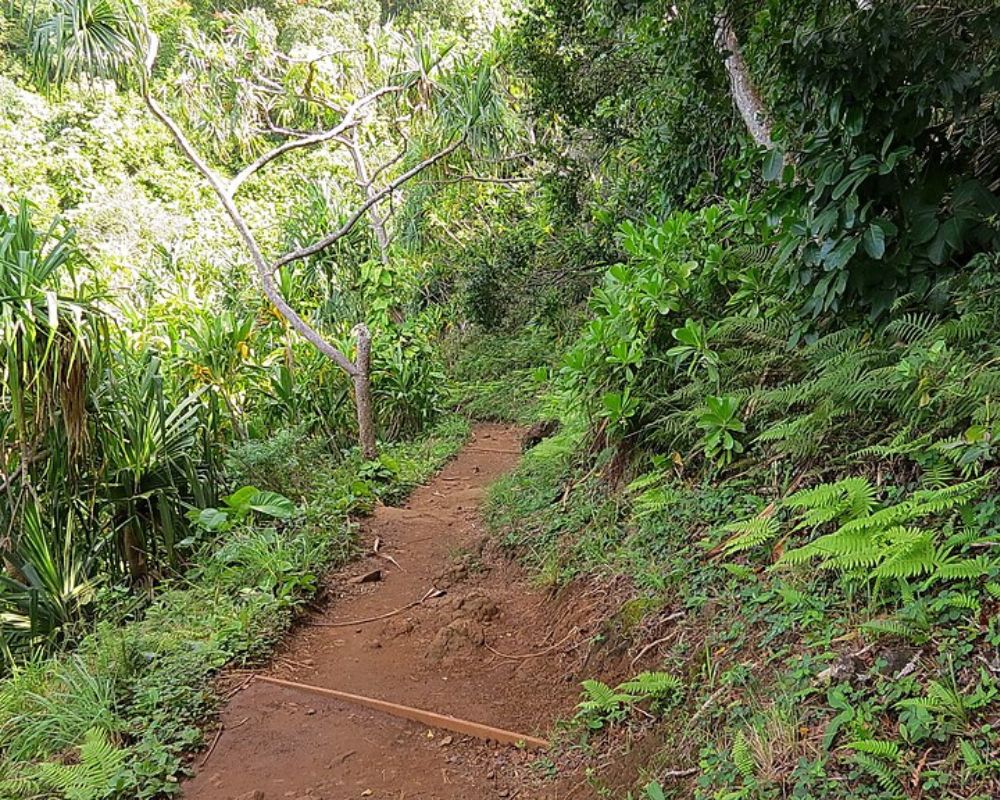
Photos of lush green cliffs and ocean views give the impression of a “beautiful but easy” walk, but Kalalau is neither easy nor casual. Visitors underestimate the physical demand, changing conditions, and skills required. Helicopters took dozens of hikers expecting a light coastal hike instead of a major wilderness route. The trail tests your devotion: to the view, your pace, and your preparation. Confidence is valuable, but overconfidence kills.