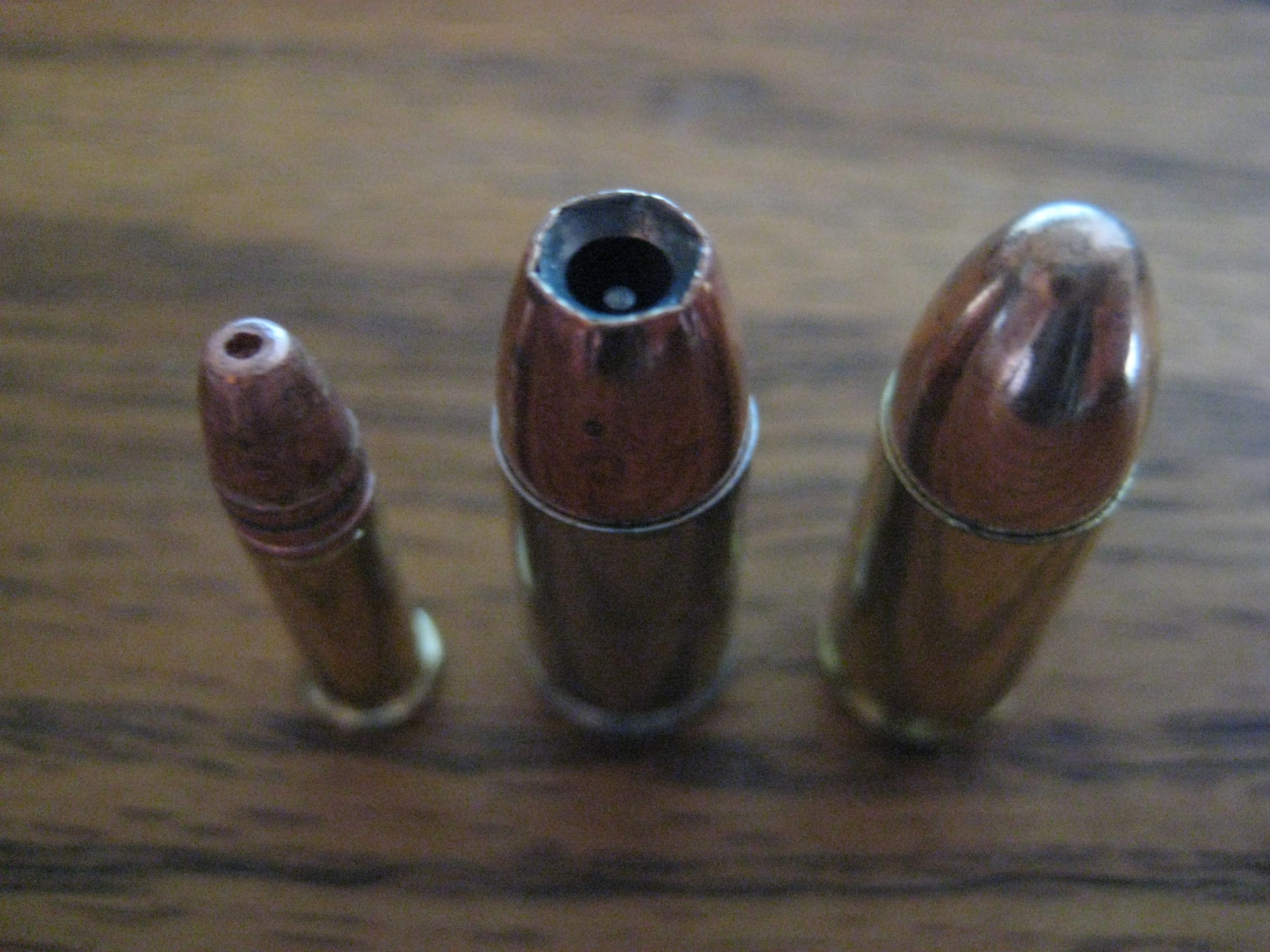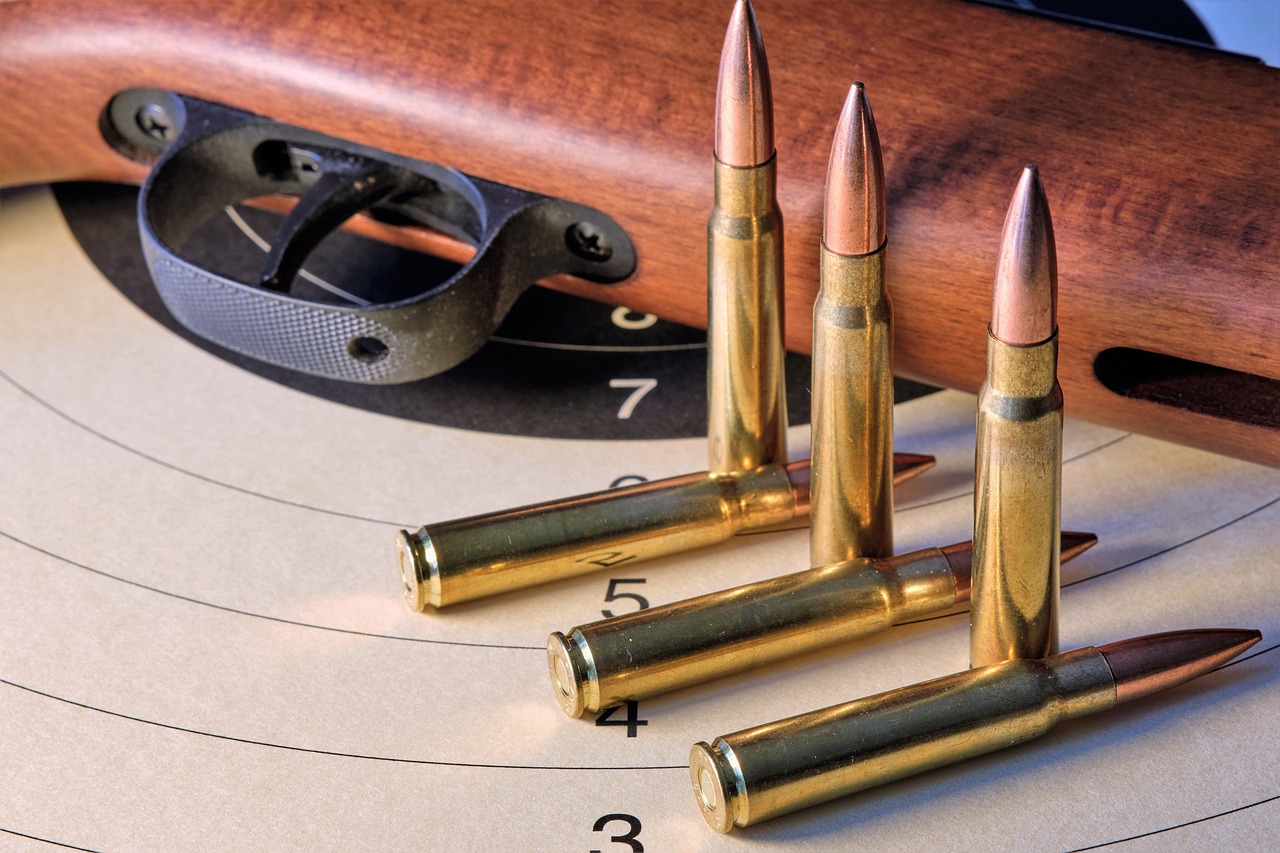
The AR platform has always been about options. Lately, one of the biggest choices owners are weighing is whether 5.56 still fits their needs better than .300 Blackout.
Why this caliber debate has picked up so much steam
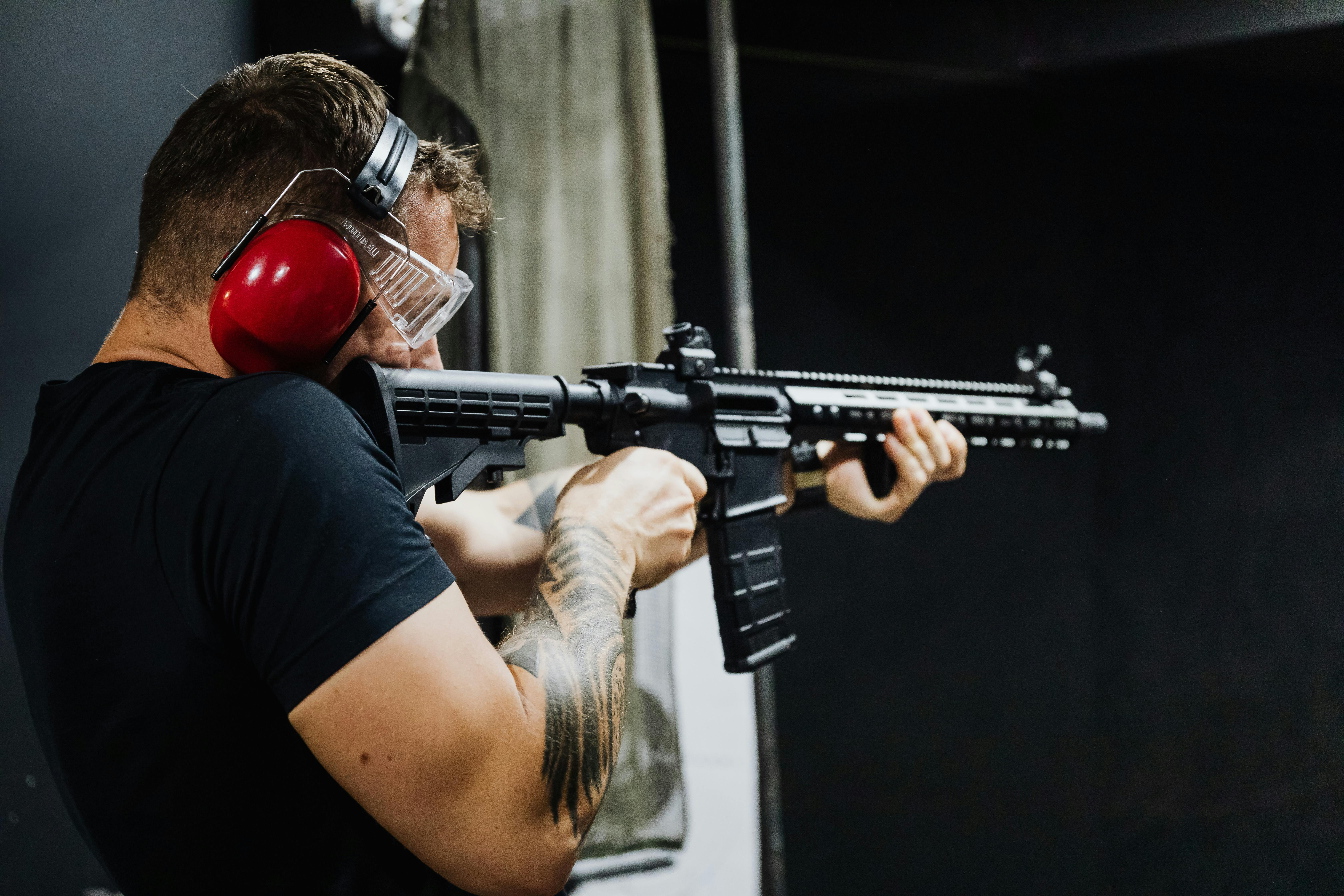
For years, 5.56 NATO was the default answer for AR-15 owners because it was affordable, common, and easy to shoot well. It built its reputation on speed, flat trajectory, and low recoil, which made it ideal for training, competition, and general-purpose use. If you bought one AR and wanted it to do almost everything reasonably well, 5.56 was the safe bet. That logic still holds for many shooters today.
What changed is that .300 Blackout matured from a niche option into a well-supported mainstream caliber. Ammunition makers expanded loads, barrel makers standardized offerings, and suppressor ownership became far more common. As more owners looked for short-barrel performance and quieter suppressed shooting, .300 Blackout started solving problems that 5.56 never handled especially well. The shift was practical, not trendy.
Another major reason is how easy the conversion can be. On a standard AR-15, switching from 5.56 to .300 Blackout typically requires only a barrel change or a complete upper swap, while keeping the same lower receiver, bolt, and magazines. That makes experimentation inexpensive compared with adopting an entirely new rifle system. For many owners, it feels less like abandoning 5.56 and more like adding a second personality to the same gun.
What 5.56 still does better than almost anything else

The biggest advantage of 5.56 is efficiency. It delivers light recoil, fast follow-up shots, and excellent magazine capacity in a compact rifle, all while remaining one of the most available centerfire rifle cartridges on the market. Training volume matters, and 5.56 still lets shooters practice more for the same money in most cases. That matters more than caliber debates often admit.
The cartridge also shines once distances stretch. Typical 55-grain, 62-grain, and 77-grain loads leave the muzzle fast, and that velocity supports a flatter trajectory than .300 Blackout. For range use, practical rifle classes, and varmint-style applications, that flatter path makes hits simpler with fewer holdovers. Shooters who spend time beyond 200 yards usually notice the difference immediately.
There is also the issue of fragmentation and terminal performance from quality loads. With the right barrel length and ammunition, 5.56 can be highly effective while limiting recoil and maintaining excellent controllability. Law enforcement, military use, and decades of field experience gave the caliber a deep pool of data and confidence. Even with the rise of alternatives, 5.56 remains the benchmark because it still covers the broadest set of tasks well.
Where .300 Blackout changes the game

.300 Blackout was built around a different mission set. Instead of chasing velocity, it was designed to provide strong performance from short barrels while remaining compatible with standard AR-15 bolts and magazines. That matters because 5.56 often gives up considerable effectiveness as barrel length drops, especially in very compact builds. In an era of pistols, SBRs, and suppressors, .300 Blackout arrived at exactly the right time.
Its biggest selling point is flexibility across supers and subs. Supersonic .300 Blackout loads can hit hard at close to moderate ranges, making them popular for hog hunting, deer in many states, and defensive roles inside realistic distances. Subsonic loads, especially through a suppressor, offer a shooting experience that 5.56 simply cannot replicate. The reduced blast and lower sound signature are the main draws.
That does not mean .300 Blackout is magic. It drops more at distance, carries less velocity, and generally costs more per round than 5.56. But inside the ranges where many civilian owners actually use their rifles, those tradeoffs are often acceptable. For the shooter who prioritizes compactness, suppressor performance, and close-range punch, .300 Blackout fills a lane that 5.56 never truly owned.
The real-world differences in recoil, noise, and handling
Shooters often assume .300 Blackout recoils dramatically more than 5.56, but the reality is more nuanced. Most supersonic .300 Blackout loads do produce a different impulse, often described as a softer push rather than a sharp snap. It is noticeable, but rarely punishing in a properly tuned AR. The platform still remains very manageable for average shooters.
Noise is where the split becomes more obvious. Unsuppressed 5.56, particularly from short barrels, is famously loud and concussive. Anyone who has stood next to a short 5.56 rifle on an indoor range understands why blast becomes part of the decision. .300 Blackout, especially in subsonic suppressed form, is far more pleasant and less disruptive to the shooter and bystanders.
Handling also changes because caliber choice influences barrel length and accessory setup. A 9-inch .300 Blackout can be practical in ways a 10.3-inch or 11.5-inch 5.56 may struggle to match for flash, blast, and terminal consistency. Meanwhile, a 16-inch 5.56 remains lighter-shooting, flatter, and often simpler as a do-everything rifle. In other words, the cartridge affects not just ballistics, but how the entire gun feels and behaves.
Cost, ammo availability, and the ownership reality check

This is where many caliber debates get grounded quickly. 5.56 is usually easier to find in quantity, offered by more manufacturers, and sold in a wider range of training and premium defensive loads. Bulk practice ammo keeps it relevant because owners who shoot often tend to gravitate toward whatever supports repetition. Skill is expensive, and 5.56 lowers the bill.
.300 Blackout has become far more available than it was a decade ago, but it still tends to cost more across the board. That includes basic range ammunition, quality hunting loads, and especially niche subsonic offerings. If a shooter only fires a few magazines every few months, the price gap may not feel severe. For high-volume training, it adds up fast.
There is also a safety and logistics issue unique to this comparison. Because .300 Blackout and 5.56 can share magazines and look similar in an AR ecosystem, careless ammo mixing can create dangerous problems. Experienced owners often use clearly marked magazines and separate storage systems to avoid chambering the wrong round. The convenience of the platform is real, but it demands disciplined ammunition management.
Which caliber makes more sense for home defense and hunting
For home defense, both calibers can work well with the right load and a responsible setup. The better question is what matters most in your environment: recoil control, blast, barrier behavior, short-barrel performance, or suppressor use. A 16-inch 5.56 with proven defensive ammunition is highly capable, but a short suppressed .300 Blackout can be easier to manage in confined spaces. That is a major reason some owners are switching.
In hunting, .300 Blackout often earns attention because it throws heavier bullets and performs well within typical woods distances. For hogs and deer at modest ranges, especially from short rifles, many hunters appreciate its energy delivery and bullet selection. 5.56 can also be effective where legal and with proper loads, especially on varmints and predators. Local game laws often shape this decision more than internet arguments do.
Use case really drives the answer. If someone wants one rifle for classes, range time, farm use, and occasional defense, 5.56 is still the strongest all-around pick. If the rifle is being optimized for suppressed shooting, compact carry, and closer-range hunting or defense, .300 Blackout starts to look very compelling. Neither cartridge wins every category, but each wins clearly in specific roles.
Why do many owners end up choosing both instead of on.e
The smartest takeaway is that this is not always an either-or decision. Many AR owners keep a 5.56 rifle or upper for training, general use, and longer-range shooting, then add a .300 Blackout upper for specialized work. Because the lower receiver, magazines, and many controls remain familiar, the transition is easy. It is one of the most modular decisions in the firearms world.
That modularity helps explain why the switch is growing. Owners are not necessarily replacing 5.56 because it failed them. They are expanding their capabilities without learning a completely new platform. A shooter can run inexpensive 5.56 at the range most of the year, then swap to .300 Blackout when suppressor use, short-barrel efficiency, or hunting season makes it the better tool.
If there is a bottom line, it is this: 5.56 remains the king of value, versatility, and high-volume practice, while.300 Blackout dominates in compact suppressed roles and close-range authority. The switch more owners are making is really a shift in priorities. Once people identify what they actually want their AR to do, the caliber choice becomes much less emotional and much more practical.