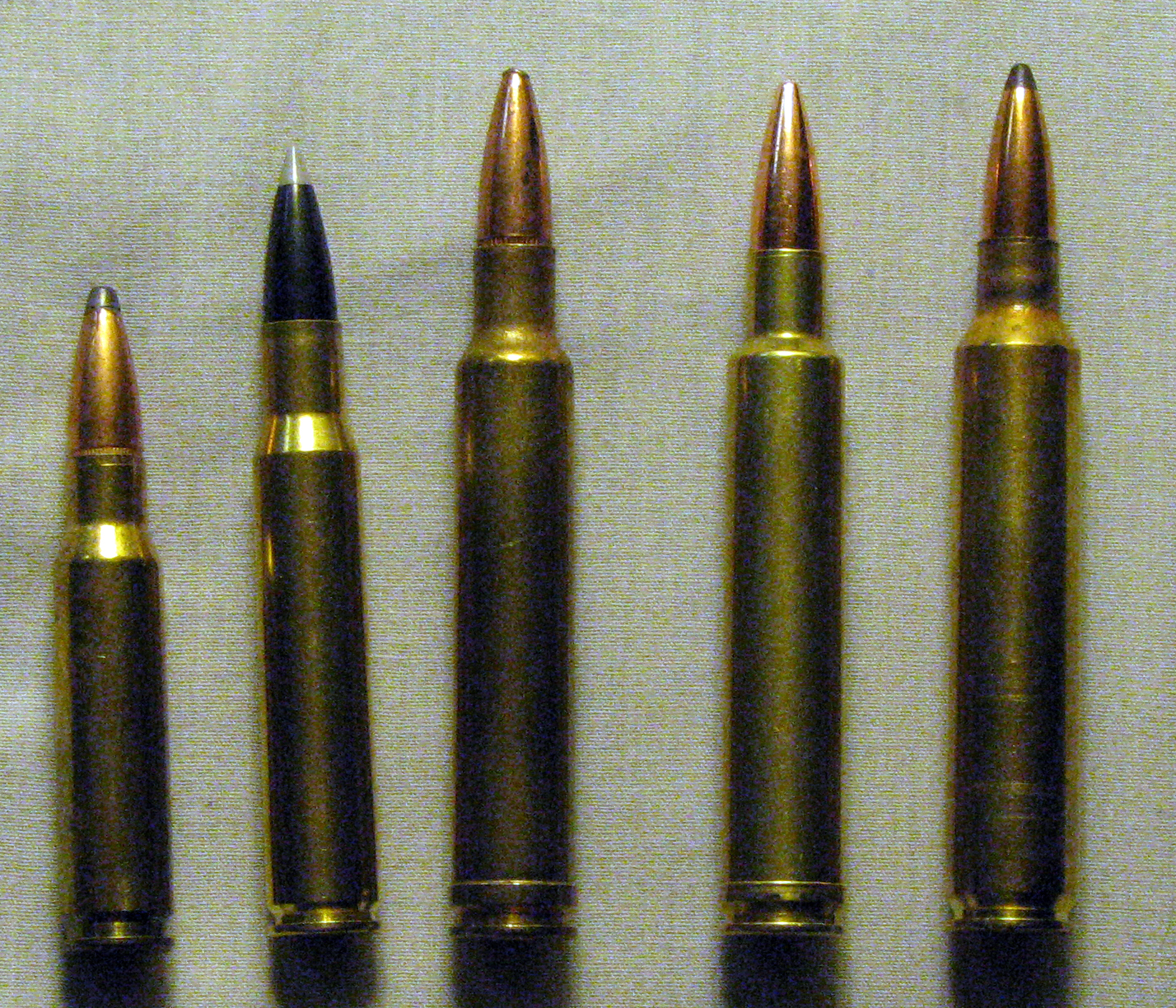
The .22-250 Remington has one of the more unusual success stories in modern cartridge history. Long before it appeared in factory catalogs, it was a favorite among experimenters, gunsmiths, and serious varmint shooters who recognized its remarkable speed and accuracy. It spent about 28 years as a wildcat before Remington finally standardized it in 1965. What followed was a transformation from an enthusiast’s specialty into one of America’s best-known high-velocity .22-caliber sporting cartridges.
1. It Was Born From the .250 Savage
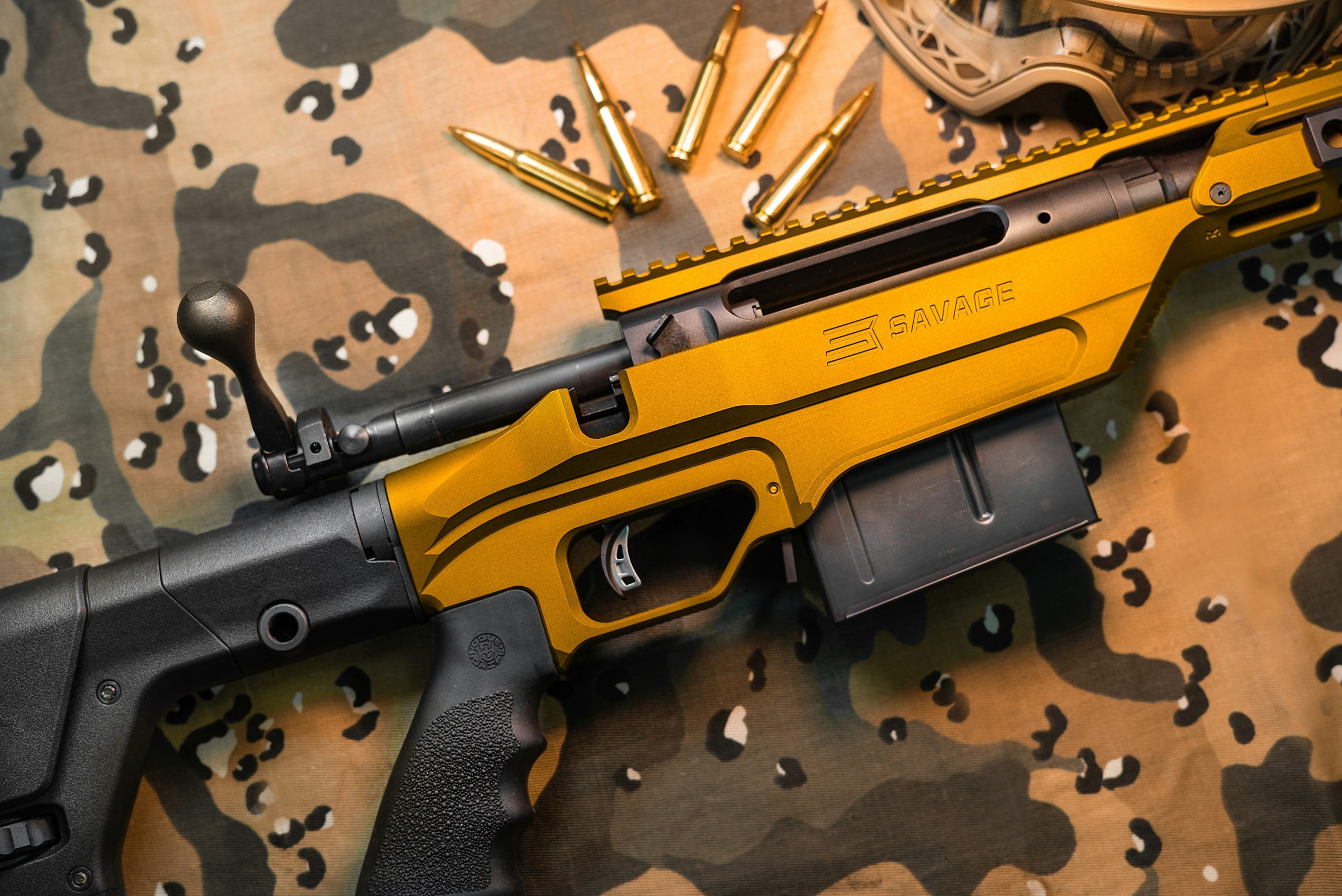
The .22-250’s story begins with the .250-3000 Savage, introduced in 1915. Experimenters necked that case down to accept a .224-inch bullet, creating a fast small-caliber cartridge for varmint work. By 1937, Grosvenor Wotkyns, J.E. Gebby,y and J.B. Smith had refined the concept into the .22 Varminter. The case retained its 1.912-inch length, but the shoulder was set at about 28 degrees. That combination gave the wildcat its distinctive balance of capacity, speed and accuracy, while reflecting the era’s fascination with getting more performance from compact sporting rifles.
2. Nearly Three Decades as a Wildcat
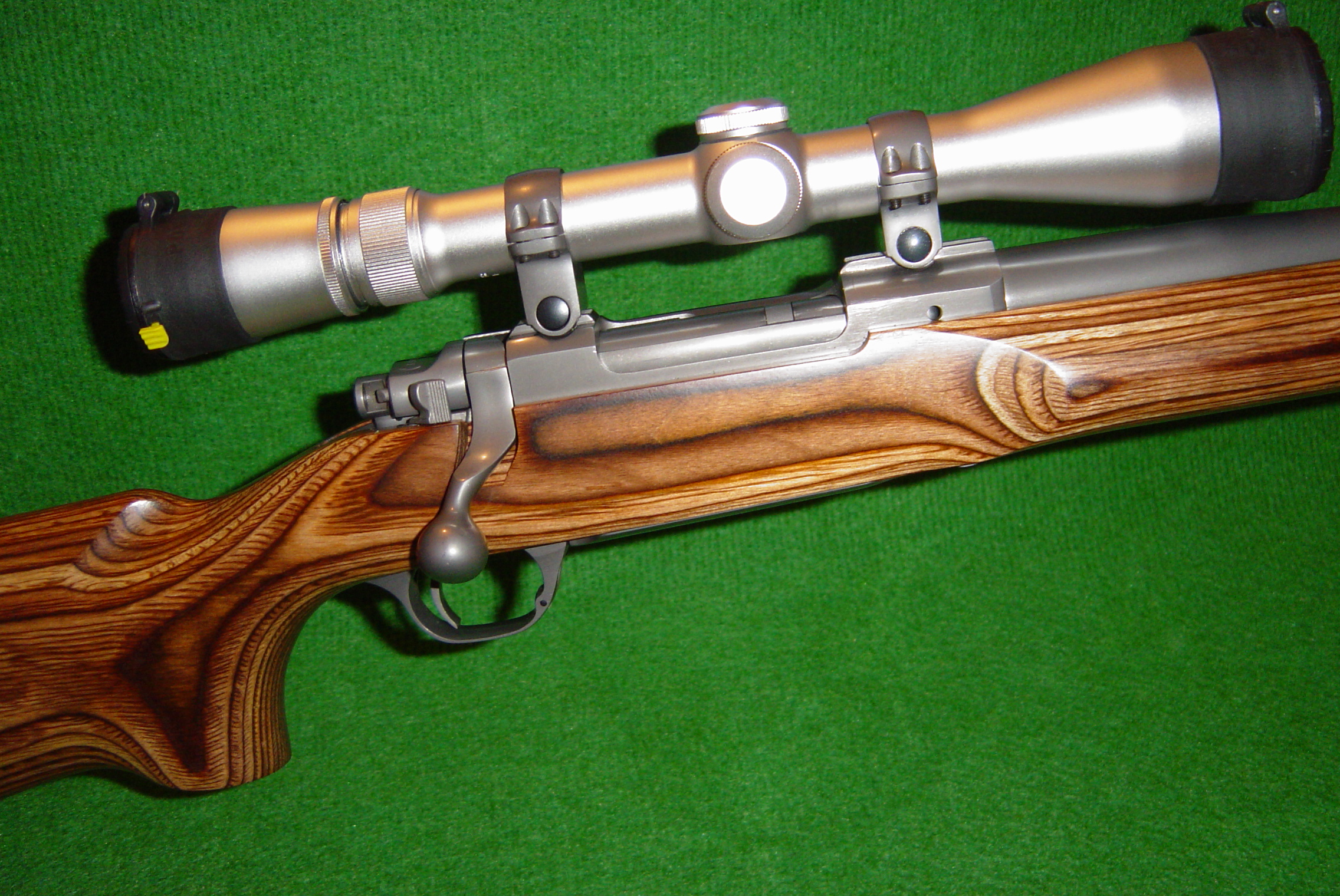
For roughly 28 years, the .22-250 existed outside normal factory ammunition catalogs. Shooters who wanted one generally depended on custom rifles, gunsmithing,ng and hand-loaded ammunition. That sounds obscure today, but the cartridge became remarkably popular among serious varmint shooters during the 1930s, 1940s, and 1950s. Its reputation spread because it could produce spectacular velocity without requiring the larger, hotter case of the .220 Swift. By the late 1950s, some writers already called it the most popular wildcat. Its following grew largely through word of mouth.
3. The Name Was Not Always .22-250
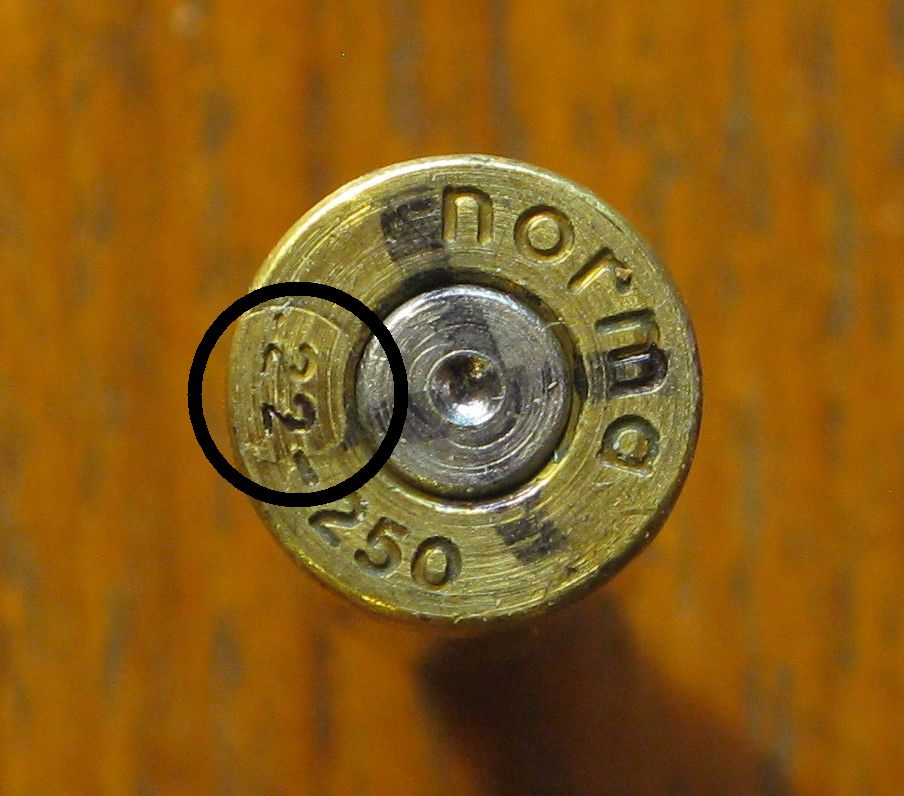
Before Remington standardized it, the cartridge went by several names. J.E. Gebby promoted the term .22 Varminter, while other builders simply marked barrels .22-250 to avoid using a protected name. Early experimenters also produced closely related versions, so dimensions were not always identical. That naming confusion is part of the cartridge’s underground history. In 1965, Remington gave the design a consistent commercial identity, turning a family of shop-built variations into the familiar .22-250 Remington. The competing labels captured the loose, experimental character of the period.
4. Browning Took the First Factory-Rifle Gamble
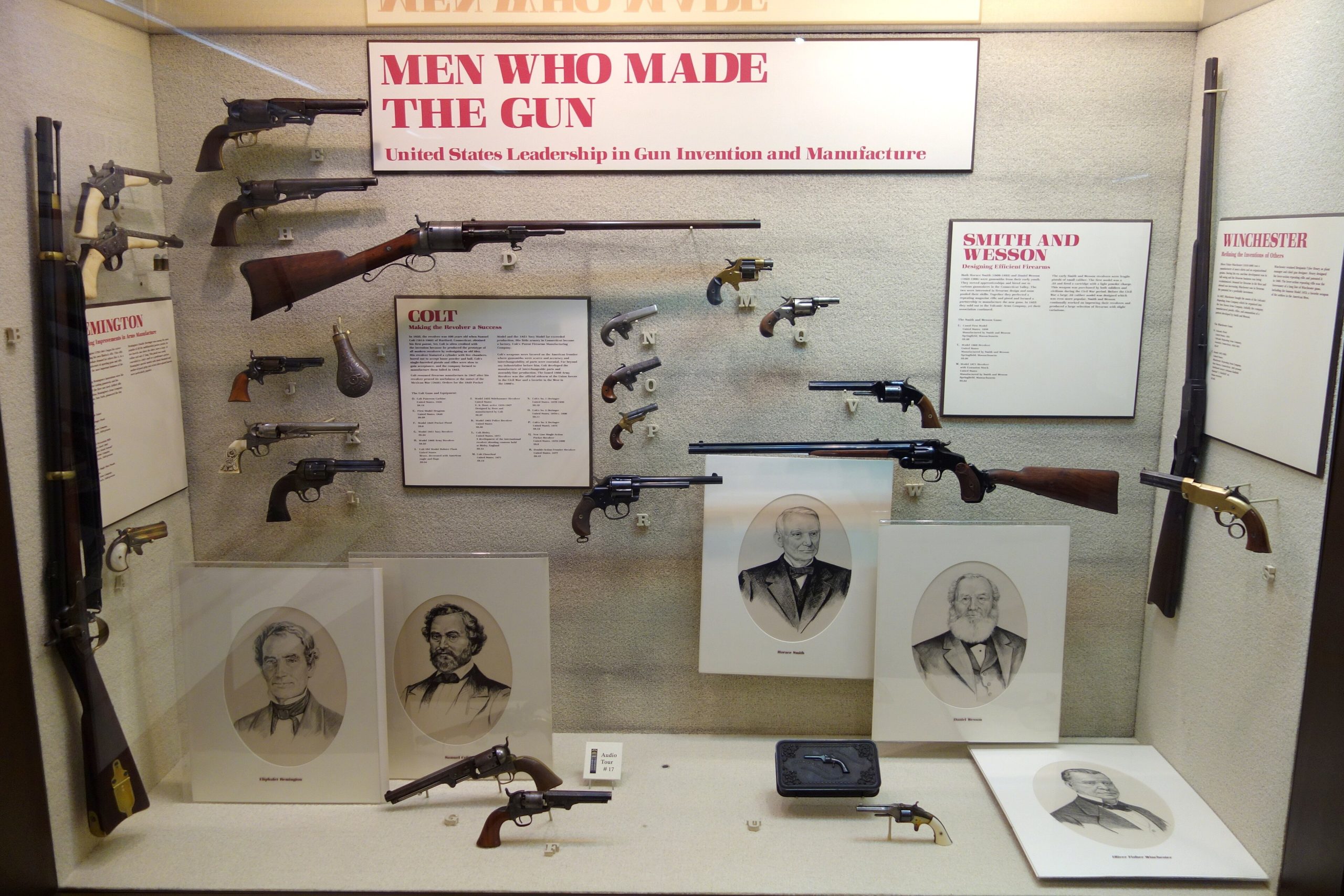
Remington gets the credit for making the cartridge legitimate, but Browning moved first with a production rifle. In 1963, Browning offered its High Power rifle chambered for the .22-250 wildcat, even though factory ammunition was not yet available. That was an unusual commercial gamble. Shooters had to rely on the established wildcat community for ammunition. Two years later, Remington changed the situation by offering both rifles and factory-loaded cartridges, giving the .22-250 the support system it had lacked. Browning’s move showed that demand already existed.
5. Remington Made It Official in 1965
The decisive year was 1965. Remington adopted the cartridge, standardized its commercial dimensions, and began selling factory ammunition alongside rifles, including the Model 700. The company also chambered the 40XB match rifle, showing that the round was not being treated merely as a novelty. Its factory arrival effectively ended 28 years of wildcat status. Once shooters could buy properly standardized ammunition over the counter, the .22-250 moved from specialist circles into the mainstream varmint market. It finally had the consistency expected of a factory cartridge.
6. Its Speed Made the Reputation
Velocity became the .22-250’s calling card. Depending on bullet weight and ammunition, published figures can place a 40-grain bullet above 4,000 feet per second, while 55-grain loads can exceed 3,600 feet per second. Those numbers explain its long-standing appeal to varmint hunters who value a flat trajectory. Yet raw speed was never the entire story. The cartridge also became respected for its accuracy, efficient case design, and a useful balance between velocity and practical rifle performance. Such speed also brings considerable blast and can accelerate throat wear during heavy use.
7. It Challenged the Famous .220 Swift
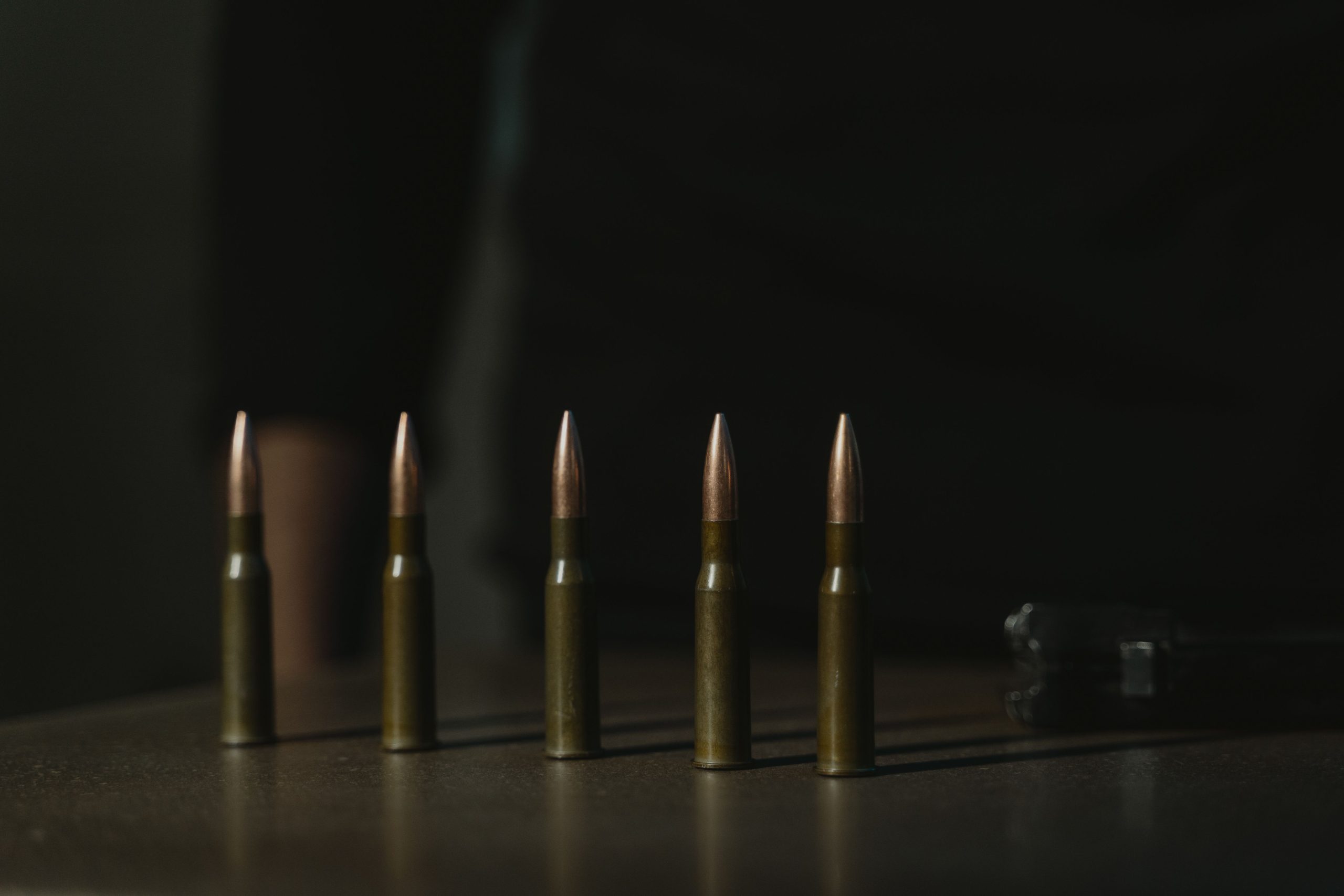
The .22-250 spent much of its career being compared with the .220 Swift, introduced by Winchester in 1935. The Swift could claim a modest velocity advantage, but the .22-250 offered a rimless case, widespread rifle compatibility and a reputation for being somewhat easier on barrels and throats. Its case head measures about .473 inch, a dimension shared by several familiar cartridges. That practical compatibility helped the .22-250 become the more enduring choice for many varmint shooters. Both rounds filled a similar high-velocity niche, but their designs encouraged different preferences.
8. Its Dimensions Help Explain the Success
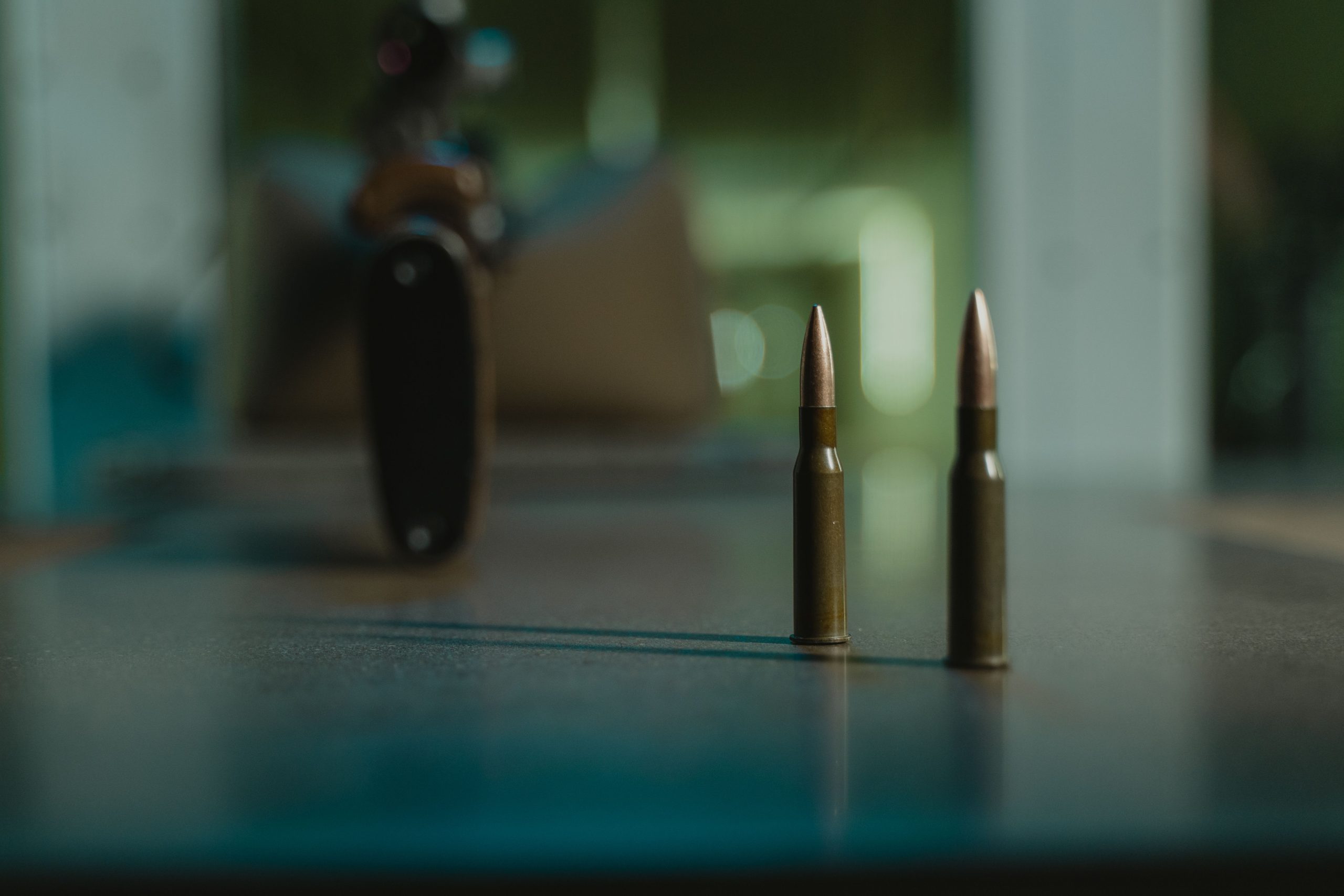
Several numbers reveal why the cartridge became so adaptable. The case is 1.912 inches long; the overall cartridge length is about 2.350 inches, and the bullet diameter is nominally .224 inches. The commercial design also uses a 28-degree shoulder, a feature associated with its efficient shape. SAAMI drawings provide standardized chamber and cartridge dimensions, giving manufacturers a common specification. That consistency mattered because wildcat rifles could differ slightly from one builder to another. The standardized version fits short-action bolt rifles while retaining strong performance.
9. The Underground Cartridge Became a Classic
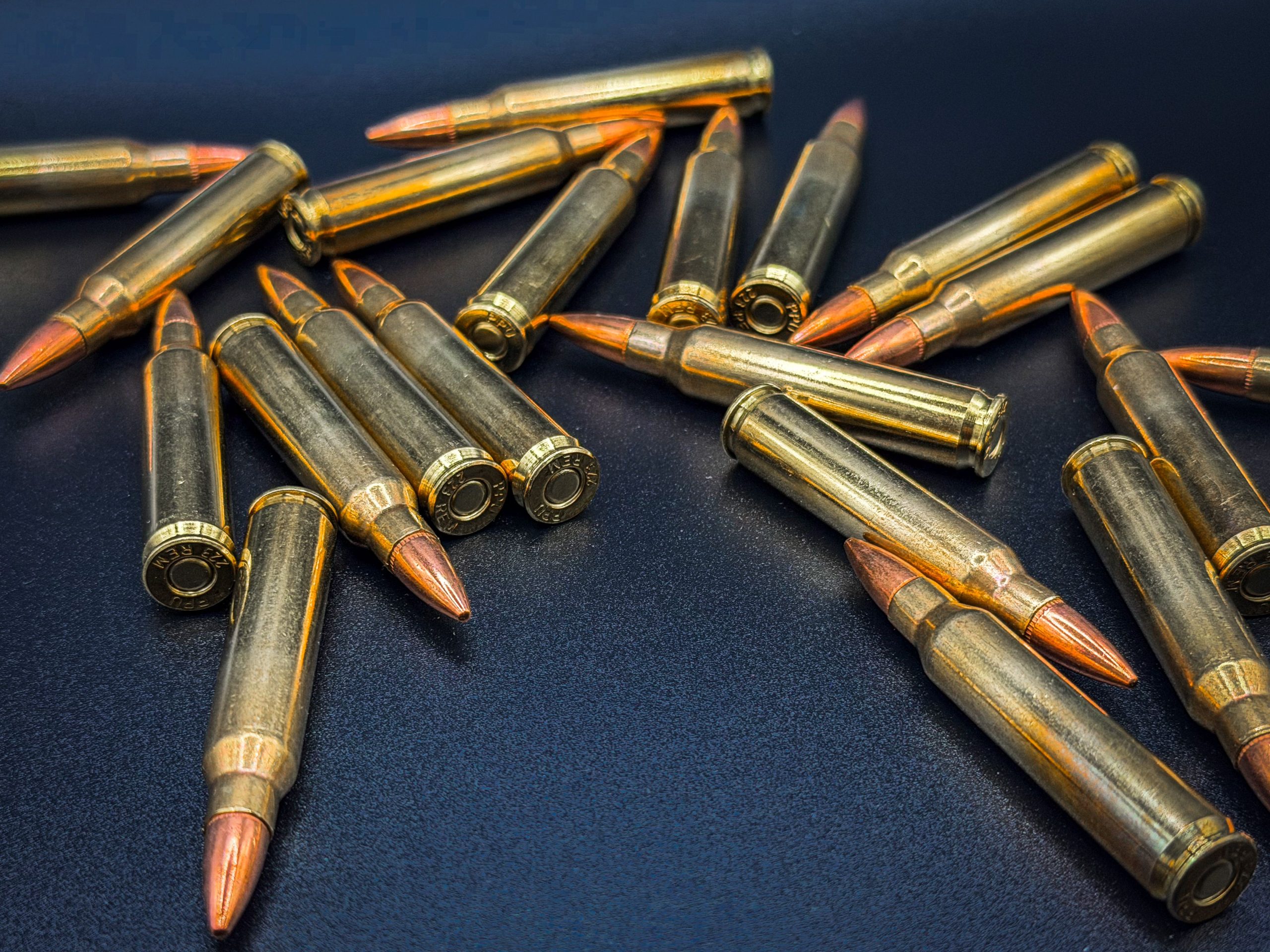
The biggest achievement of the .22-250 is not simply its speed, but its survival. After arriving commercially in 1965, it remained relevant through changing bullet designs, powders, rifles, and shooting trends. It became a familiar choice for prairie dogs, woodchucks, and coyotes, while its accuracy kept it attractive to target shooters. Nearly 90 years after the 1937 wildcat milestone, its formula remains recognizable: a .250 Savage case, a .224-inch bullet and an unusually successful blend of velocity and precision. Its longevity proves that useful engineering can outlast fashion.