Some gun debates never really die. They just get more expensive, more opinionated, and more interesting with time.
Why This Comparison Still Matters in 2026

The Ruger GP100 and Colt Python occupy the same broad space on paper: both are premium double-action .357 Magnum revolvers with strong reputations, broad aftermarket support, and loyal followings. Yet in actual ownership, they appeal to different instincts. One is usually framed as the hard-use workhorse, while the other is treated as the refined icon.
That split is exactly why the comparison remains relevant in 2026. Revolvers are no longer the default sidearm for police, military, or most civilian carriers, but they still matter deeply to enthusiasts, hunters, collectors, and shooters who value mechanical simplicity. According to recent retail trends across major firearms dealers, interest in full-size .357 revolvers has remained steady because buyers increasingly want guns that are durable, enjoyable at the range, and likely to hold long-term value.
The GP100 and Python also sit at a revealing crossroads between utility and prestige. Buyers are not just asking which gun shoots better. They are asking which one makes more sense with today’s prices, today’s manufacturing standards, and today’s expectations for reliability. In that context, the old myths are not enough.
In 2026, the winner depends less on brand romance than on what kind of owner you are. If you are buying one revolver to run hard for years, your answer may differ sharply from the person buying a revolver that feels special every time the case opens. That distinction shapes everything else.
Build Quality, Fit, and Mechanical Design
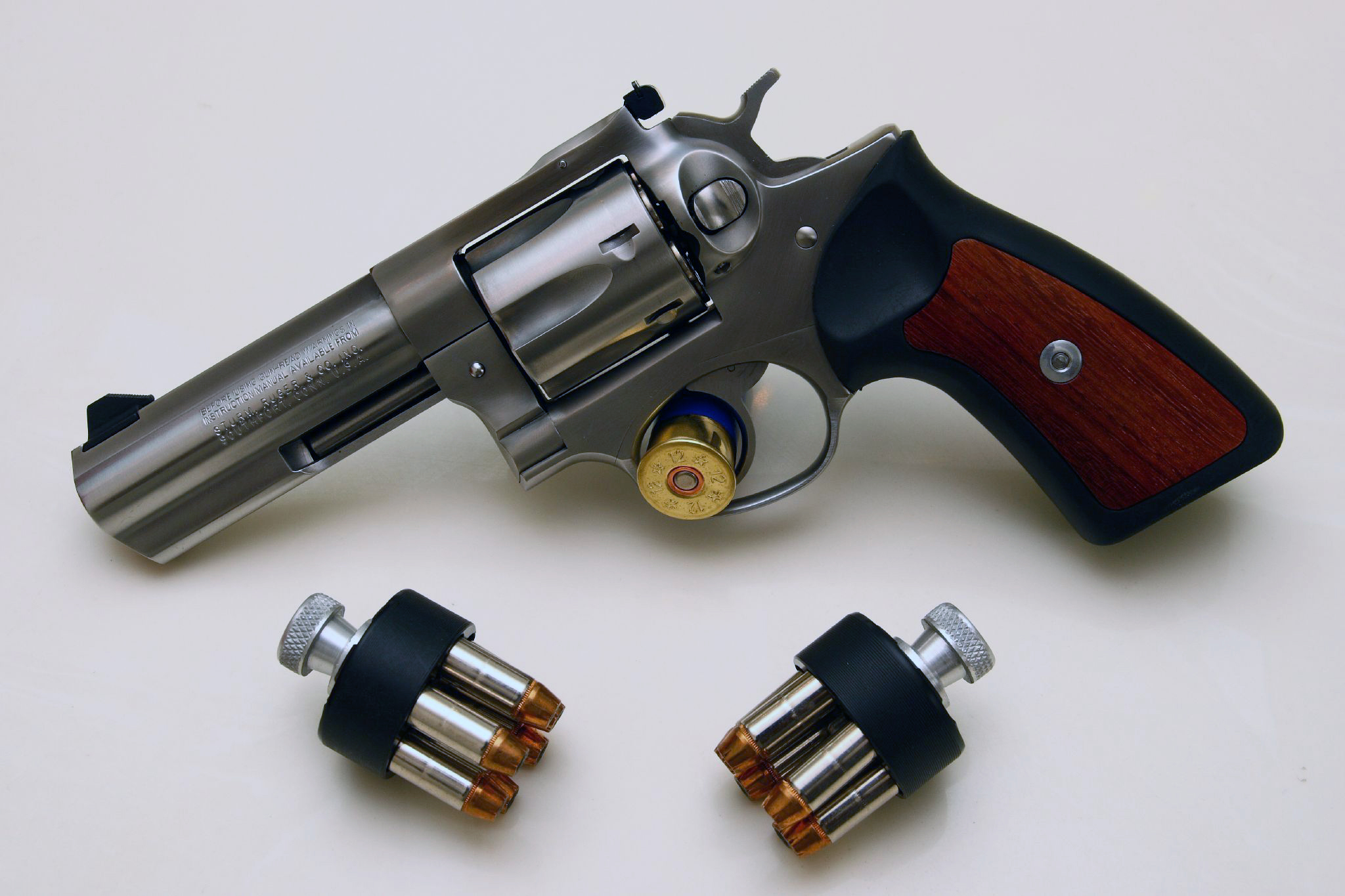
The Ruger GP100 has long earned praise for brute strength. Its frame design, robust lockwork, and reputation for digesting heavy .357 Magnum loads without complaint make it one of the safest recommendations in the revolver market. Gunsmiths have often pointed to the GP100 as a revolver built with a margin of durability that exceeds what most shooters will ever demand.
The Colt Python, especially in its modern production form, approaches quality from a different angle. It is strong enough for normal .357 use, but its identity has always leaned toward refinement rather than overbuilt ruggedness. The Python’s fit, polish, contouring, and general sense of finish still stand out in a market where many production guns can feel merely adequate rather than exceptional.
Mechanically, the GP100 is simpler to live with. Ruger’s modular approach, practical internals, and easy maintenance give it a real advantage for owners who actually shoot thousands of rounds. The Python’s action can feel smoother and more elegant, particularly in single action and in well-sorted examples, but it remains a more emotionally driven machine.
If the question is which one feels more like a precision luxury revolver, the Python wins. If the question is which one inspires more confidence as a long-term working gun with less fuss, the GP100 still has the edge. Those are both meaningful victories, but they are not the same kind.
Trigger Feel and Real-World Shooting Performance
Trigger quality is where this debate gets heated fast. The modern Colt Python often impresses shooters immediately with a smooth, controlled pull that feels carefully tuned even from the factory. In deliberate range shooting, that refinement can translate into excellent practical accuracy, especially for shooters who value cadence and trigger consistency over outright speed.
The GP100, by contrast, tends to be judged more honestly after extended use. Out of the box, its double-action trigger may feel less polished than the Python’s, but many examples smooth out with wear, spring tuning, or light gunsmithing. What emerges is a trigger that may never feel as glamorous as the Colt’s, yet often becomes very predictable and easy to run under stress.
On the range, both revolvers are capable of excellent accuracy with .38 Special and .357 Magnum loads. In multiple test reports from firearm publications and experienced trainers, the Python frequently shines in slow-fire groups, while the GP100 is praised for controllability, durability, and a no-drama shooting rhythm over long sessions. Barrel options, grips, and individual gun variation matter, but the pattern is consistent.
If you are chasing the most satisfying trigger feel, the Python usually takes the point. If you want a revolver that rewards repetition, tolerates hard use, and remains forgiving when your hands are tired, the GP100 often proves to be the more practical shooter. That practical advantage matters more than many buyers expect.
Reliability, Maintenance, and Heavy-Use Ownership

Reliability is one of the main reasons the GP100 continues to command respect. Ruger built its reputation by making firearms that are not delicate, and the GP100 reflects that philosophy perfectly. It handles neglect better than many premium handguns, shrugs off steady diets of magnum ammunition, and has a track record that gives high-volume shooters real peace of mind.
The Colt Python is not unreliable, and that needs to be said clearly. Modern examples are generally far more consistent than internet folklore sometimes suggests, and many owners report excellent function over substantial round counts. Still, the Python is less commonly described as a revolver you buy specifically to abuse, and that distinction affects how people use it in the real world.
Maintenance also leans in Ruger’s favor. The GP100 is comparatively straightforward to service, parts support is broad, and many shooters are comfortable performing basic spring and grip changes themselves. With the Python, owners are often more cautious, partly because of the revolver’s cost and partly because Colt carries an aura of mechanical sophistication that discourages casual tinkering.
For range regulars, outdoorsmen, and anyone who expects a revolver to be a tool first, the GP100 remains the safer bet. The Python can certainly be shot often, but the ownership psychology is different. One invites use without worry; the other often invites admiration alongside use.
Price, Value, and What Your Money Really Buys
This is where the contest becomes brutally practical. In 2026, the Ruger GP100 usually sits in a significantly more accessible price band than the Colt Python, and that gap changes the buying equation immediately. The Ruger often leaves room in the budget for holsters, speed loaders, better sights, ammunition, and even a trigger tune, all of which may improve the ownership experience more than prestige alone.
The Colt Python commands its price because it sells more than function. Buyers are paying for design heritage, brand cachet, strong finish quality, and the emotional reward of owning a revolver that still means something in American gun culture. That may sound intangible, but intangible value is still real when the product consistently delivers pride of ownership.
Resale and collectibility also complicate the picture. A Python is more likely to retain premium-market appeal, especially if kept in excellent condition, while the GP100 generally behaves more like a durable user gun with stable but less dramatic resale energy. For some buyers, that makes the Colt easier to justify despite the higher upfront cost.
Still, if the question is value rather than glamour, the GP100 is hard to beat. It delivers a very high percentage of the experience for substantially less money and often exceeds the Python in the categories that practical shooters care about most. For pure cost-to-performance, Ruger wins decisively.
Carry, Field Use, and Everyday Practicality

Neither of these revolvers is an ideal concealed-carry choice by modern standards, but both still have serious practical roles. The GP100 is widely appreciated as a trail gun, camp gun, home-defense revolver, and all-weather companion. Its reputation for strength gives users confidence when carrying heavy hunting or defensive loads in remote settings.
The Python is absolutely usable in the field, especially in 4.25-inch and 6-inch configurations, but it often feels too polished for rough treatment. Many owners hesitate to expose its finish to hard holster wear, bad weather, or the kind of knocks that come with truck consoles, fences, and rocky terrain. That hesitation may not be rational in every case, but it is common.
Grip shape, balance, and recoil management also affect daily usability. The GP100’s heft and practical ergonomics often make full-power magnum shooting more tolerable across longer sessions, while the Python’s balance can feel livelier and more elegant in the hand. Some shooters adore that liveliness; others prefer the Ruger’s planted, businesslike feel.
For actual field duty, the GP100 gets the nod because it encourages use without anxiety. The Python can do the same jobs, but it more often feels like a revolver you choose because you love it, not because it is the easiest answer. That distinction keeps appearing for a reason.
So Which One Actually Wins?
If you strip away romance, collector energy, and brand mythology, the Ruger GP100 wins the all-around contest in 2026. It is tougher on a practical level, easier to maintain, easier to afford, and easier to recommend to the average buyer who wants one .357 Magnum revolver that can do nearly everything. It is the revolver most likely to satisfy after the novelty phase wears off.
But that is not the same as saying the Colt Python loses. The Python wins on emotional appeal, finish quality, trigger charm, and the sense that you are handling something more special than ordinary production hardware. For buyers who care about elegance as much as function, that matters enormously, and no spreadsheet can fully cancel it out.
The honest answer is that these revolvers do not compete on equal terms psychologically. The GP100 is the better tool. The Python is the better experience. One excels in ownership logic, the other in ownership pleasure.
So which one actually wins in 2026? For most people, the Ruger GP100. For the buyer who wants beauty, heritage, and a revolver that still feels like an event every time it comes out of the box, the Colt Python remains undefeated in its own lane.