Gun design is usually a story of compromise, not perfection. A new mechanism might boost firepower, improve safety, or make a weapon easier to carry, but every fix tends to bring a new weakness along for the ride. These ten designs show how some of the smartest ideas in firearms history solved one headache and created another just as memorable.
Revolver

The revolver answered one of the earliest problems in repeating handguns: speed. Instead of reloading after every shot, shooters could fire multiple rounds in sequence with a design that was rugged, intuitive, and far less fussy than many early semi-automatic pistols. For soldiers, lawmen, and civilians, that was a genuine leap forward.
But the cylinder that made it reliable also made it bulky. Revolvers are typically wider than pistols, carry fewer rounds, and can be slower to reload under pressure. The gap between cylinder and barrel also releases hot gas, which is part of the design’s normal function but limits efficiency and creates its own handling quirks.
Lever-Action Rifle
Lever-action rifles helped solve the problem of slow follow-up shots in the black powder era. They let shooters cycle rounds much faster than many single-shot arms, giving hunters and frontiersmen a real advantage when speed mattered. In the 19th century, that felt close to revolutionary.
The tradeoff came from the tubular magazine and the action itself. Many lever guns were limited in the kinds of ammunition they could safely use, especially sharply pointed bullets in tube magazines. The mechanism could also be less suited to very high-pressure modern cartridges, which meant a design celebrated for speed eventually faced limits as firearms technology moved on.
Bolt-Action Rifle
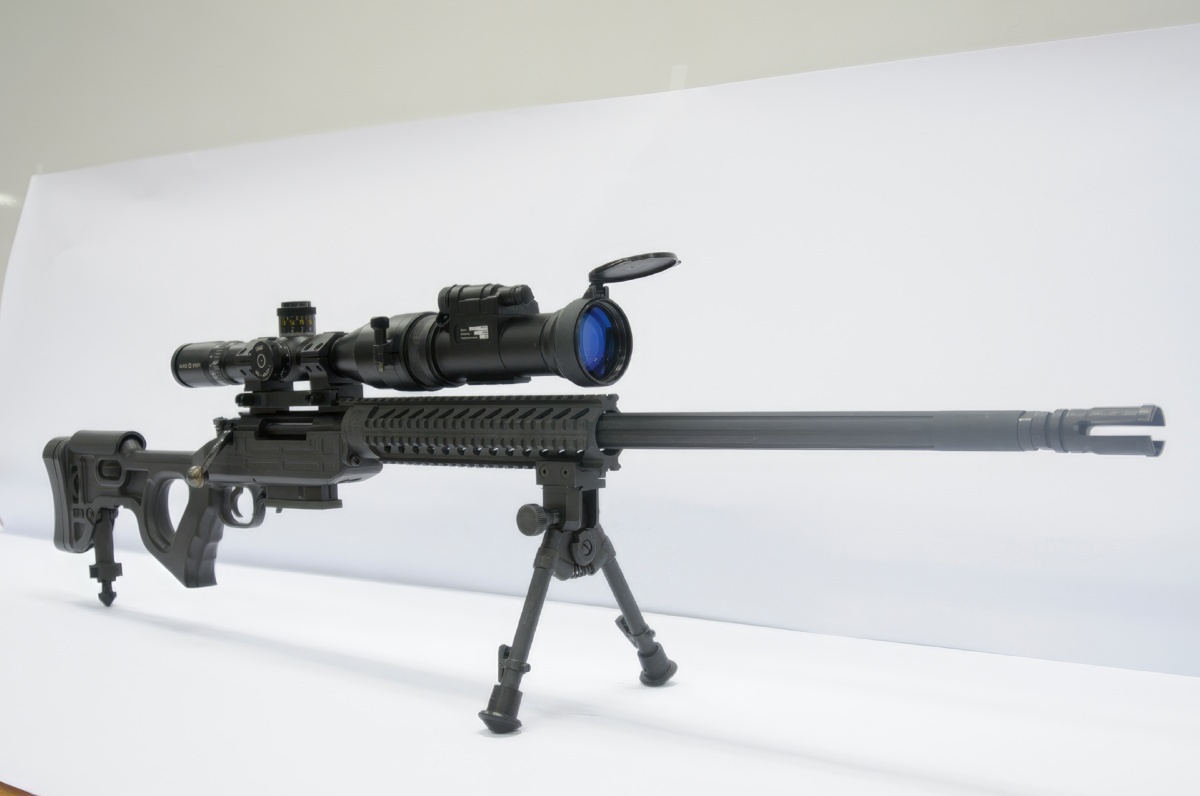
Bolt-action rifles solved a major military problem by offering strong lockup, better accuracy, and dependable feeding. Armies loved the formula because it handled powerful cartridges and worked in filthy field conditions. For precision shooting, the design earned a reputation that still holds today.
Its drawback was obvious the moment combat tempo increased. Cycling the bolt breaks the shooter’s position and slows the rate of fire compared with self-loading rifles. What made the bolt gun stable and robust also made it feel increasingly old-fashioned once battlefields began demanding more rounds on target in less time.
Semi-Automatic Pistol
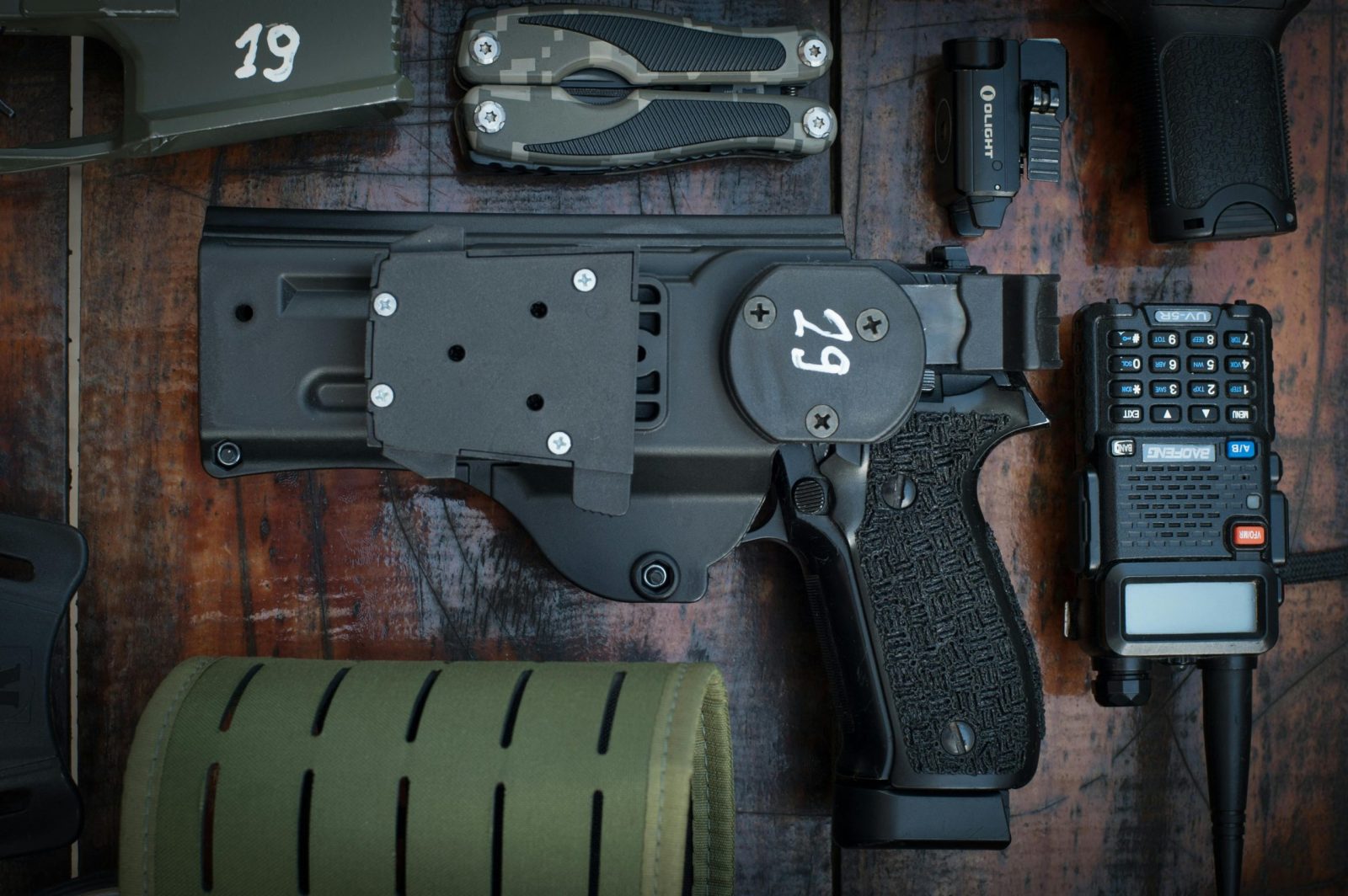
The semi-automatic pistol tackled the revolver’s main weakness: capacity and reload speed. Detachable box magazines and self-loading operation gave users more rounds and quicker recovery between shots. As sidearms modernized, this became the dominant answer for military, police, and civilian carry.
That extra efficiency introduced a fresh set of concerns. Semi-autos depend on magazines, recoil energy, and ammunition compatibility in ways revolvers generally do not. A poorly maintained magazine or underpowered round can create stoppages, and the flatter, more complex design can demand more training from new shooters who must master safeties, slide operation, and malfunction clearing.
Submachine Gun
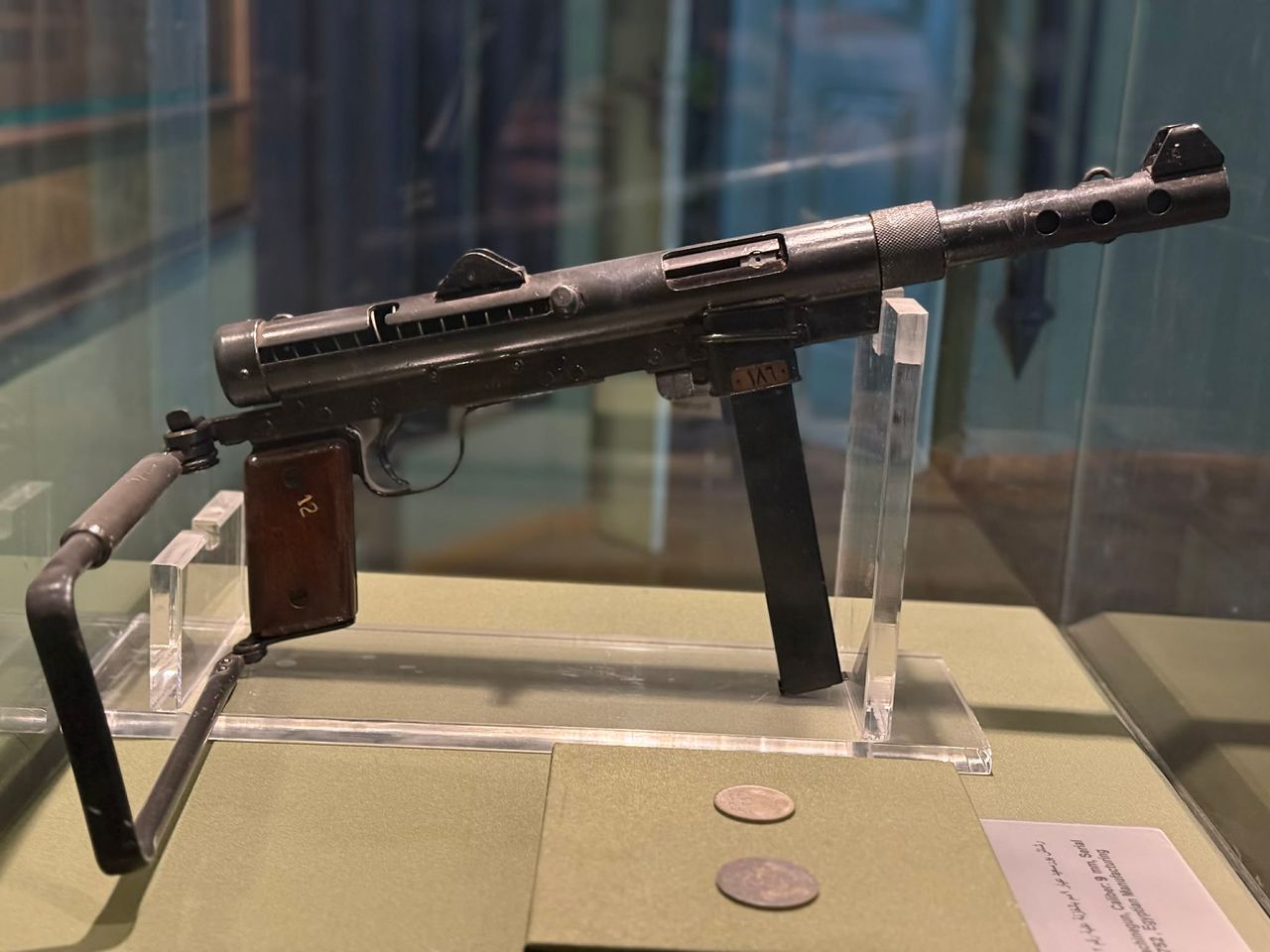
Submachine guns were built around a simple battlefield need: lots of firepower in a compact package. Firing pistol cartridges at high rates, they were ideal for trench raids, vehicle crews, and close-quarters fighting. In cramped spaces, they offered a level of control and volume that full-size rifles struggled to match.
The problem was reach. Pistol rounds lose steam quickly, so the same gun that felt formidable indoors could seem underpowered at longer distances. Many submachine guns also had fierce muzzle climb in automatic fire, which meant their headline feature, high rate of fire, could burn through ammunition fast without delivering the precision users hoped for.
Bullpup Rifle
The bullpup layout solved a packaging problem that armies have wrestled with for decades. By placing the action and magazine behind the trigger, designers could keep a full-length barrel while shortening the weapon’s overall size. That made bullpups appealing for mechanized troops and urban operations where every inch counts.
Yet the same layout can create ergonomic headaches. Triggers often feel less crisp because of the long linkage, and magazine changes happen closer to the shooter’s face and shoulder. Left-handed use can also be complicated, especially on older models, turning an elegant space-saving idea into a design people either swear by or avoid entirely.
Double-Barreled Shotgun

The double-barreled shotgun addressed a timeless sporting and defensive problem: immediate second-shot capability. With two barrels ready to go, shooters could fire again without working a pump or bolt, and the design remained mechanically straightforward. For hunting fast-moving birds, that speed and simplicity made perfect sense.
But simplicity only goes so far when capacity is just two rounds. Once both barrels are empty, the shooter is reloading from scratch, which is a serious limitation in prolonged encounters. The design also tends to be expensive to build well, so the elegance that attracts enthusiasts can come with practical limits in both firepower and cost.
Pump-Action Shotgun

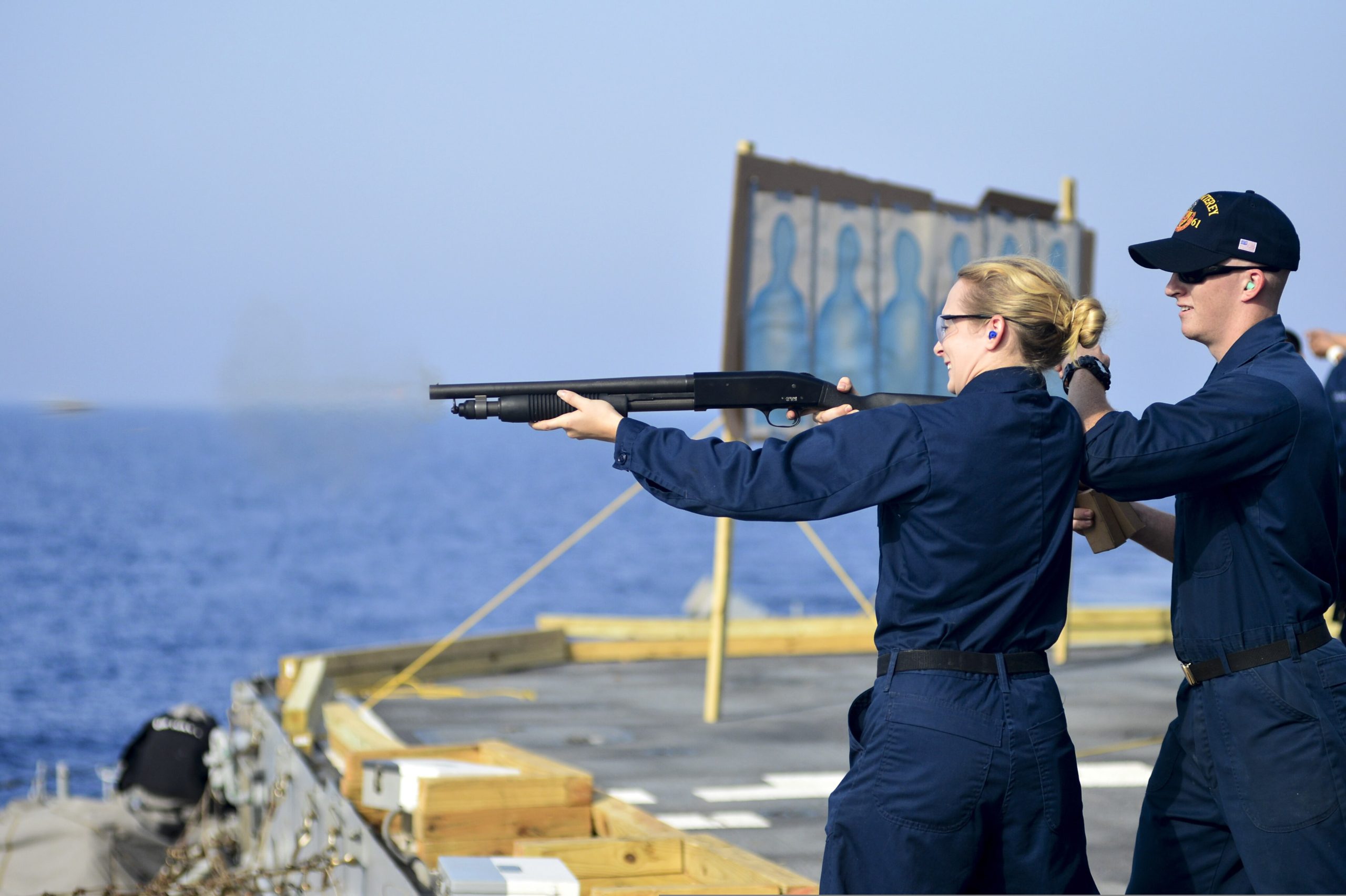
Pump-action shotguns solved the capacity issue that held double guns back. They gave users more shells on board, flexibility with different loads, and the ability to run reliably without depending on gas systems or recoil tuning. For police, hunters, and home defenders, that versatility became a huge selling point.
The tradeoff is that the shooter has to cycle the action manually every time. Under stress, short-stroking can cause a malfunction that is entirely human-made. The design is durable and trusted, but it asks for rhythm and practice, which means its biggest strength, user control, is also the source of its most common problem.
Assault Rifle
The assault rifle was a direct answer to changing combat realities. Military planners realized that most firefights happened at moderate ranges, where a lighter cartridge and selective-fire capability made more sense than a heavy full-power rifle round. The result was a weapon that balanced controllable fire, portability, and useful range better than many earlier service rifles.
That balance came with controversy and compromise. Intermediate cartridges are lighter and easier to handle, but critics have long argued about terminal performance versus larger rounds. Selective fire also tempts users to burn through ammunition rapidly, so the very flexibility that made assault rifles effective can become a logistical and tactical burden if discipline slips.
Personal Defense Weapon

Personal defense weapons were designed to solve a niche but important problem: giving support troops, vehicle crews, and security personnel something more effective than a pistol without handing them a full rifle. Compact size, low recoil, and high-capacity magazines made the concept appealing, especially in tight spaces where a standard long gun felt awkward.
The complication was that the category never became universally convincing. PDWs often rely on specialized ammunition and sit in an awkward middle ground between submachine guns and carbines. They promise portability with improved armor penetration, but that same specialization can create supply headaches, higher costs, and endless debate over whether the concept solves enough to justify itself.