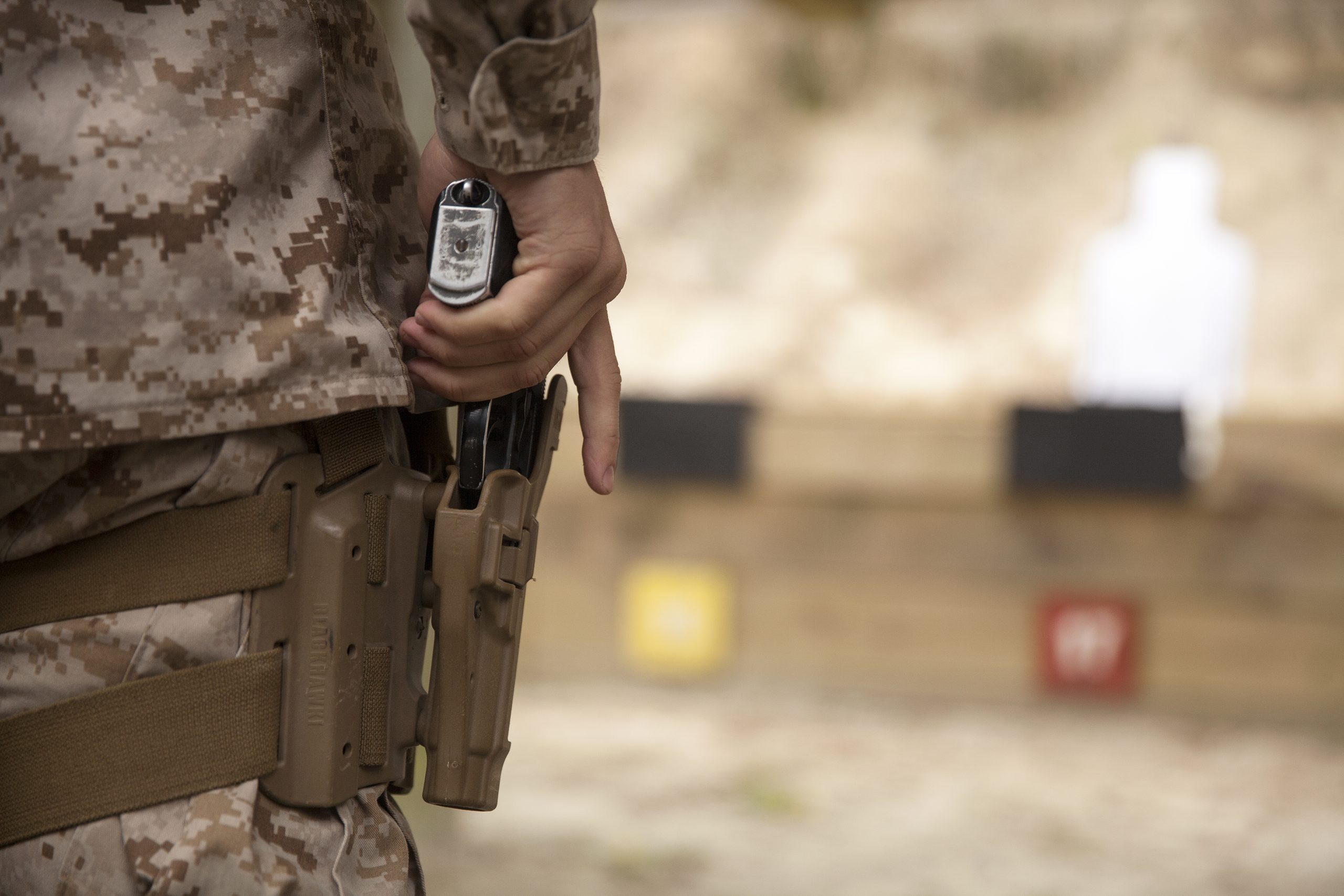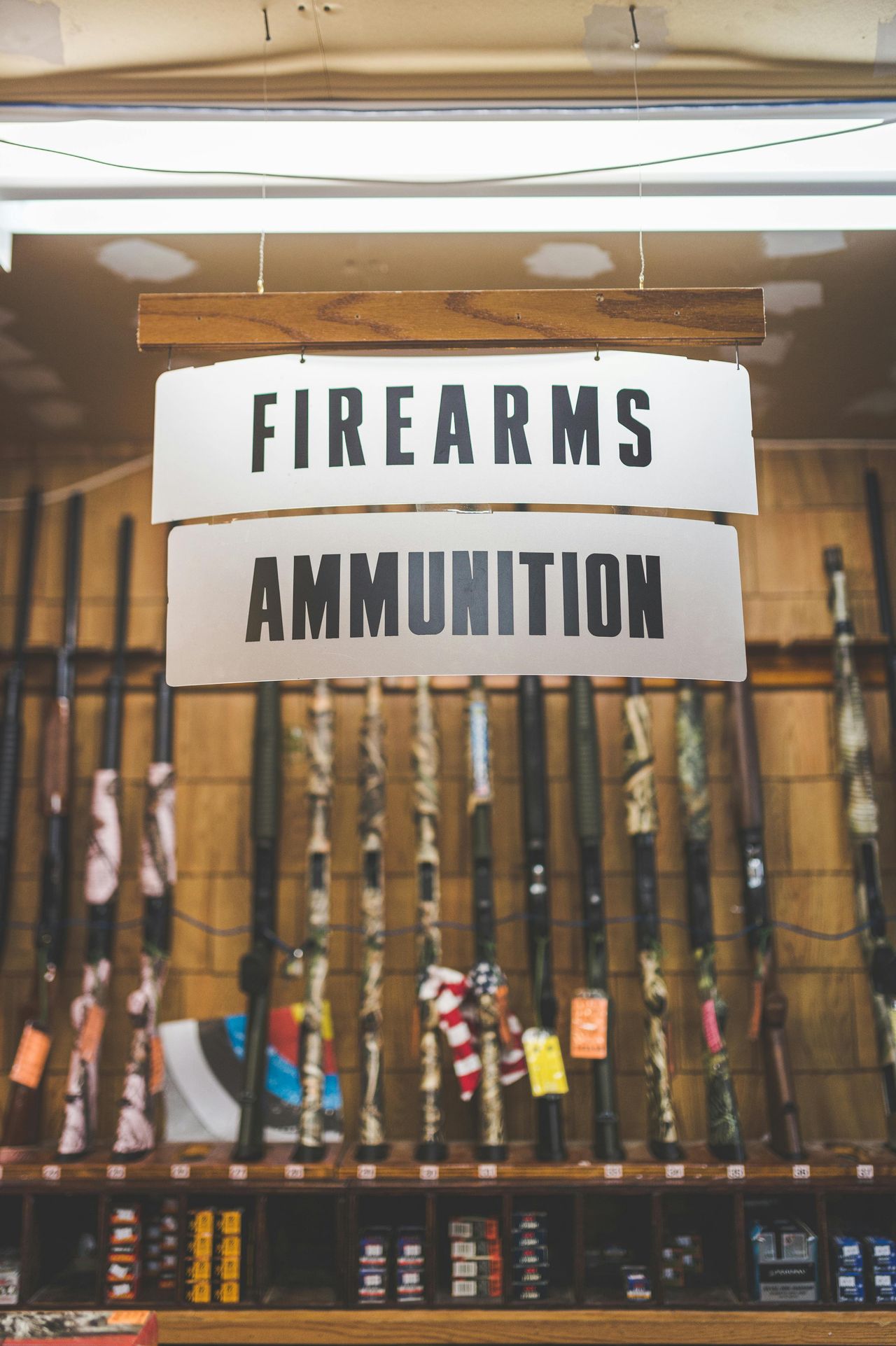
When ammunition became scarce, many shooters discovered that skill and gear were only part of the equation. Empty shelves, rising prices, and rationed boxes turned everyday range habits into hard choices. The shortage exposed weak spots in planning, but it also pushed serious gun owners to become more disciplined, adaptable, and intentional.
Ammo on the Shelf Is Never Guaranteed
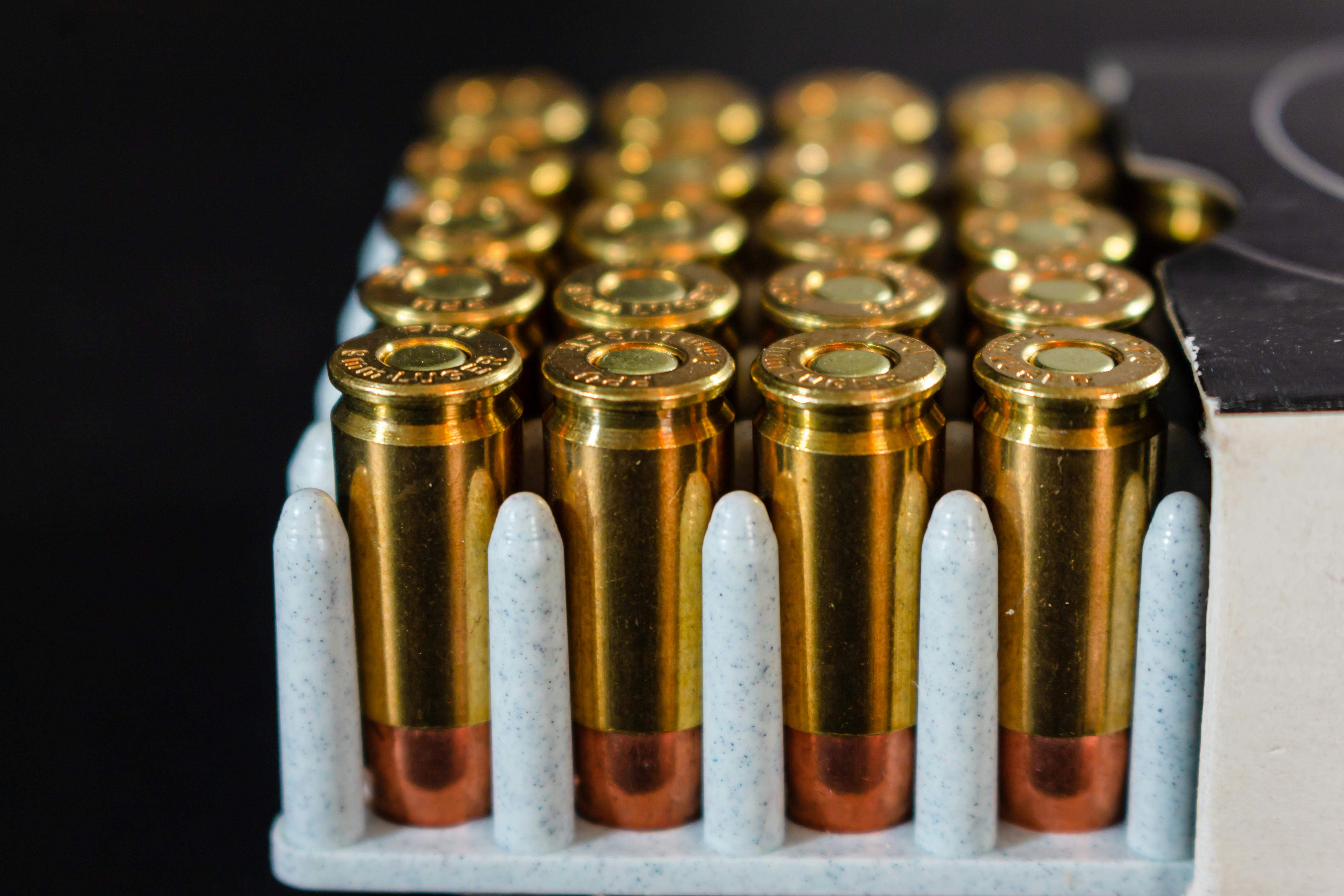
For years, plenty of shooters treated ammunition like groceries. If supplies ran low, they assumed a quick stop at the local shop would solve the problem. The shortage shattered that mindset almost overnight, replacing convenience with uncertainty and long waits.
What looked like a stable retail pipeline turned out to be fragile under pressure. Demand spikes, panic buying, shipping delays, and production bottlenecks all hit at once. Serious shooters learned that availability is not the same thing as security, and the difference matters when training plans depend on a steady supply.
The real lesson was simple but uncomfortable. If you rely on something, you cannot assume the market will always provide it exactly when you need it.
Stocking Deep Beats Buying Late
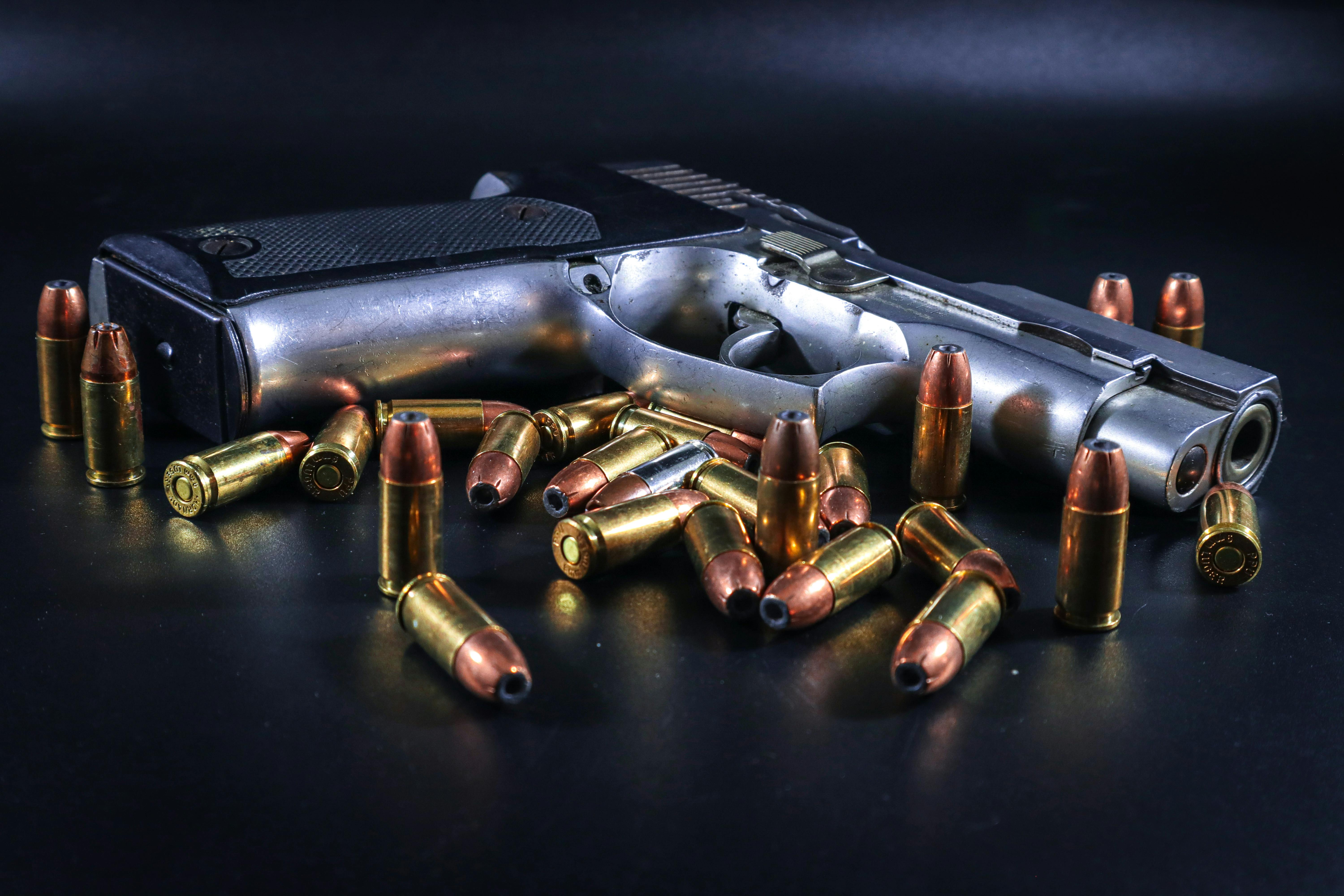
The shortage rewarded people who bought steadily before the panic and punished those who waited for a warning sign. Once shelves started thinning out, prices climbed fast and selection shrank even faster. Suddenly, being late by a few weeks felt like being late by a year.
That shifted the way many serious shooters think about buying habits. Instead of grabbing a box or two before a weekend range trip, they began building a cushion during normal times. Not out of fear, but out of practicality.
A modest reserve creates breathing room. It lets shooters train, hunt, or carry without having every decision dictated by whatever happens to be left on the shelf that week.
One Caliber Can Become a Liability
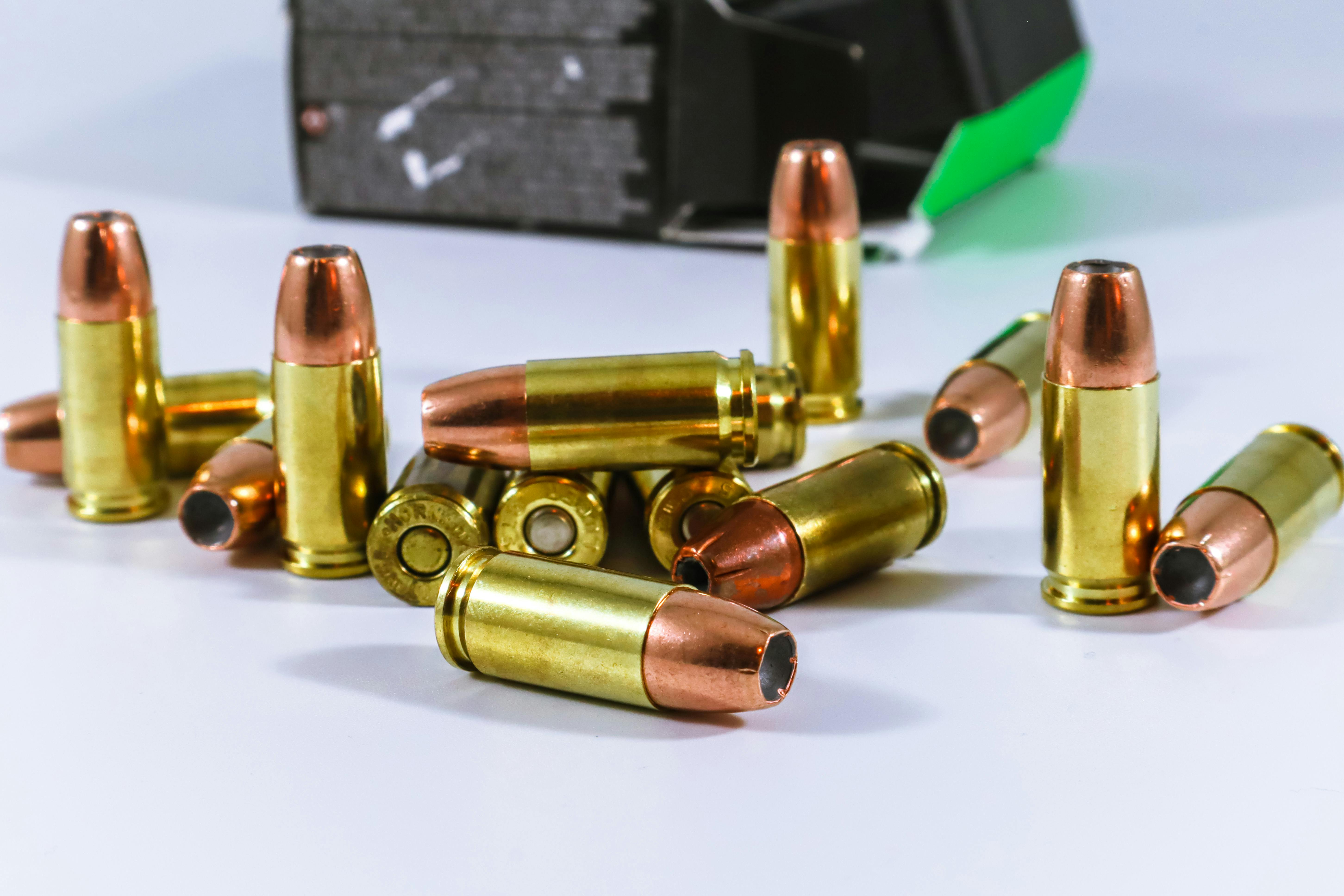
A lot of gun owners found themselves trapped by specialization. If all their training, carry, and recreational shooting revolved around one caliber, they were at the mercy of that market. When it disappeared, so did options.
This did not mean every shooter needed a safe full of alternatives. It meant flexibility suddenly had real value. A second firearm in another common chambering, or even a rimfire trainer, could keep skills sharp when preferred ammunition was too expensive or impossible to find.
The shortage reminded people that simplicity has limits. Standardization is efficient, but total dependence on a single caliber can turn efficiency into vulnerability when supply gets tight.
Training Needs a Plan, Not Just a Habit
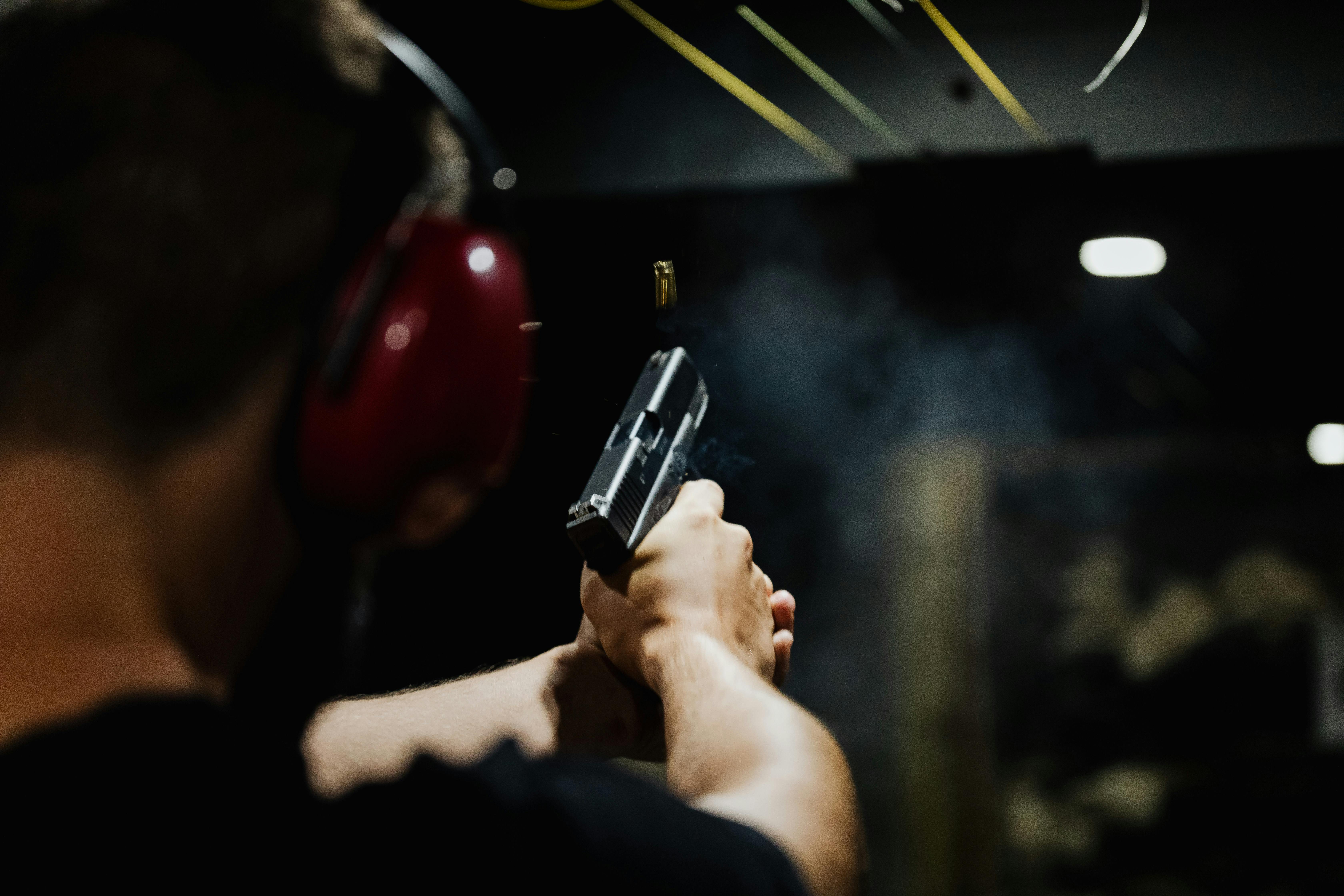
When ammo was cheap and available, many shooters could afford to be casual. A range session might involve generous round counts, repetitive drills, and plenty of improvisation. Once every box became precious, wasted rounds started to feel like wasted opportunity.
That pressure forced a smarter approach. Shooters began showing up with specific goals, tighter drill structures, and a clearer sense of what each string of fire was supposed to accomplish. The quality of practice mattered more than the quantity.
In many cases, this was a useful correction. Good training is not about burning through ammunition. It is about measurable progress, intentional repetition, and making each shot serve a purpose.
Cheap Practice Is Better Than No Practice
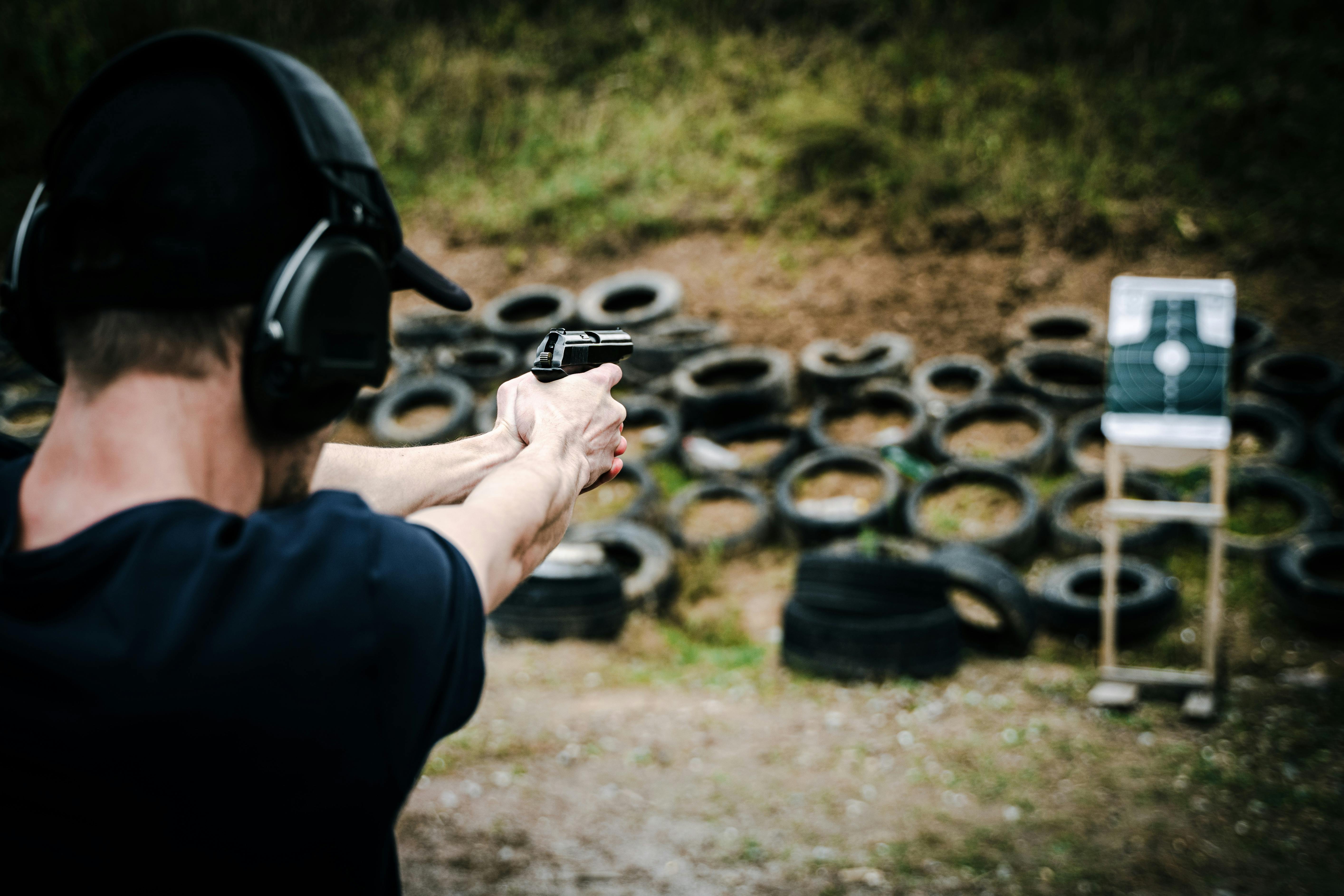
As centerfire prices surged, some shooters discovered that pride can be expensive. Refusing to adapt meant skipping range time entirely, and long layoffs have a way of eroding confidence and consistency. The people who kept training often did so by changing what practice looked like.
Rimfire rifles, .22 pistols, airguns, and scaled-back drills suddenly made a lot more sense. They were not perfect stand-ins for every use case, but they preserved timing, discipline, and familiarity with core mechanics. That counted for plenty.
The deeper lesson was about humility. Training does not have to look glamorous to be effective. Affordable repetitions can keep sharp skills from getting dull when premium options dry up.
Panic Buying Has Consequences for Everyone

The shortage did not only reveal individual bad habits. It also showed how quickly collective anxiety can distort an entire market. When buyers rushed to hoard whatever they could find, shelves emptied faster, rumors spread wider, and ordinary shooters were left competing in a frenzy.
That environment rewarded speed and deep pockets, not patience or planning. New gun owners, casual range users, and people trying to buy modest amounts for legitimate needs often got squeezed hardest. The atmosphere became tense and transactional.
For serious shooters, the takeaway was not moralizing. It was realism. Your own choices sit inside a bigger ecosystem, and when enough people act on fear, everyone pays for it in price, access, and trust.
Budgeting Matters as Much as Marksmanship

Ammunition shortages turned shooting from a straightforward hobby expense into a budgeting exercise. People who never tracked cost per round suddenly knew exactly what a training day would do to their monthly finances. That kind of math changed behavior fast.
Serious shooters started thinking in case quantities, replacement schedules, and reserve levels. They weighed whether to train today, save for tomorrow, or redirect money toward gear, classes, or reloading components. Financial discipline became part of staying capable.
It was a useful reminder that enthusiasm alone does not sustain a demanding hobby. Good marksmanship depends on consistency, and consistency is easier to maintain when spending is deliberate rather than reactive.
Community Knowledge Can Save Time and Money
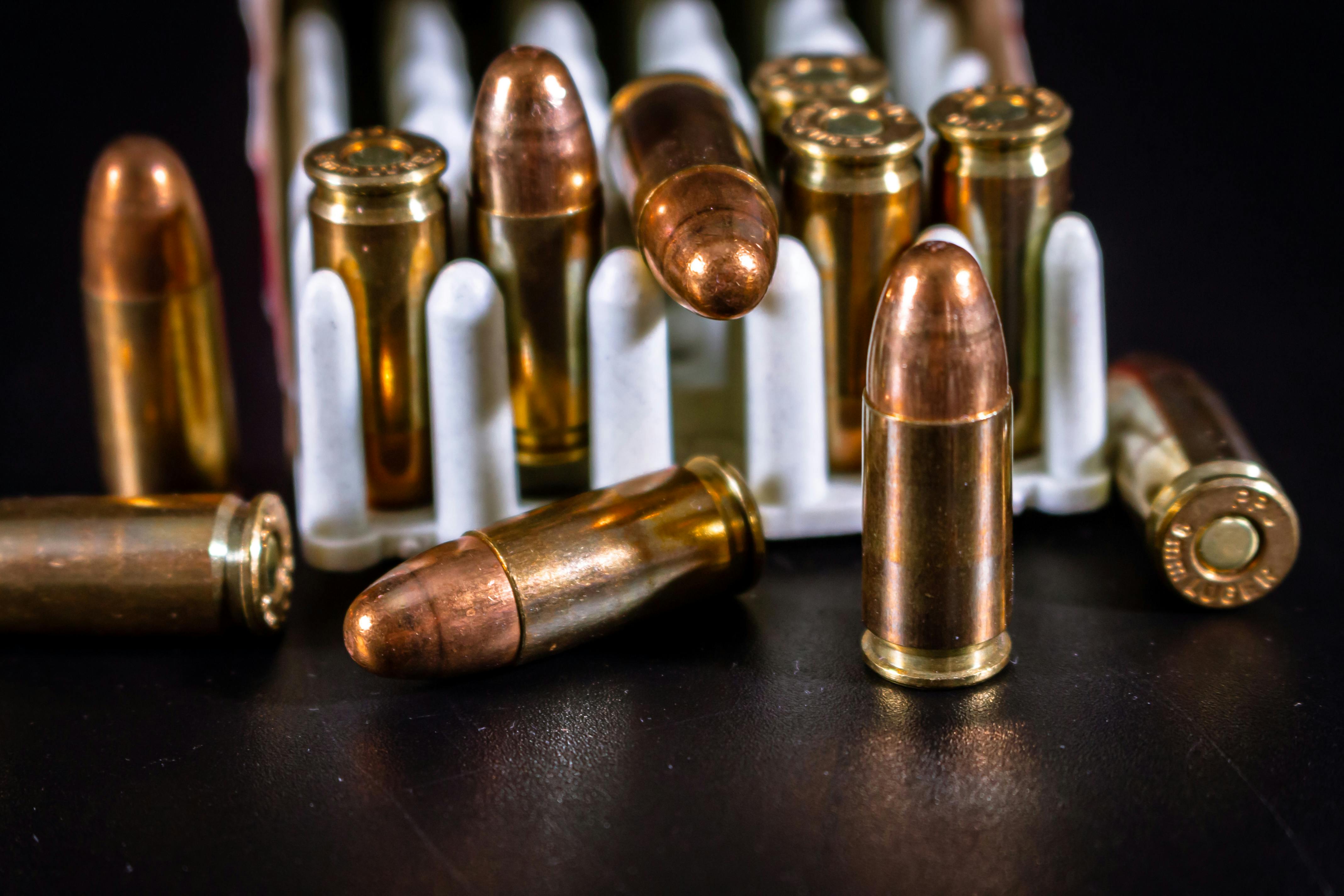
When supplies got tight, information became nearly as valuable as the ammunition itself. Shooters who stayed connected through clubs, local ranges, and trusted friends often found better leads, fairer prices, and smarter alternatives than people trying to navigate the shortage alone.
That kind of community also helped separate signal from noise. Instead of chasing every rumor, shooters could compare notes on availability, quality, and worthwhile substitutes. Advice about training methods, caliber swaps, and conservation strategies spread quickly through those networks.
The shortage highlighted something easy to overlook in a solitary sport. A strong shooting community is not just social. It is practical, and in lean times it can make the difference between frustration and resilience.
Preparedness Is a Lifestyle, Not a Last-Minute Purchase
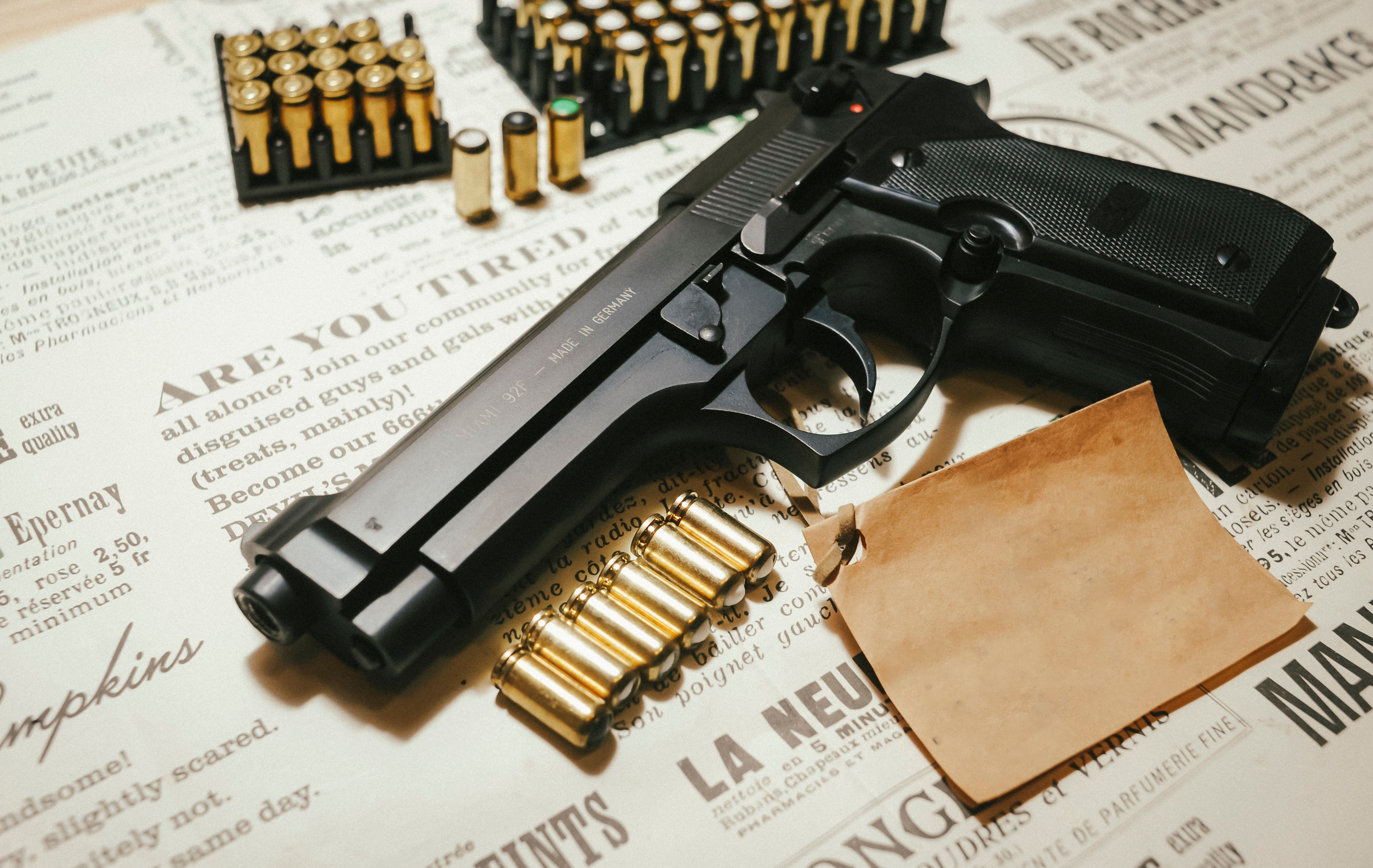
The biggest lesson reached beyond ammunition itself. The shortage showed that preparedness is less about dramatic stockpiling and more about steady, boring habits repeated over time. Buying a little ahead, training intelligently, storing properly, and rotating supplies all matter more than a single panic-driven shopping trip.
For serious shooters, that mindset often carried into other areas. Maintenance got more consistent, records got cleaner, and range time became more purposeful. The shortage sharpened the difference between reacting and preparing.
In the end, the hardest lesson may have been the healthiest one. Readiness is not built in the middle of a crisis. It is built quietly beforehand, long before everyone else notices there is a problem.