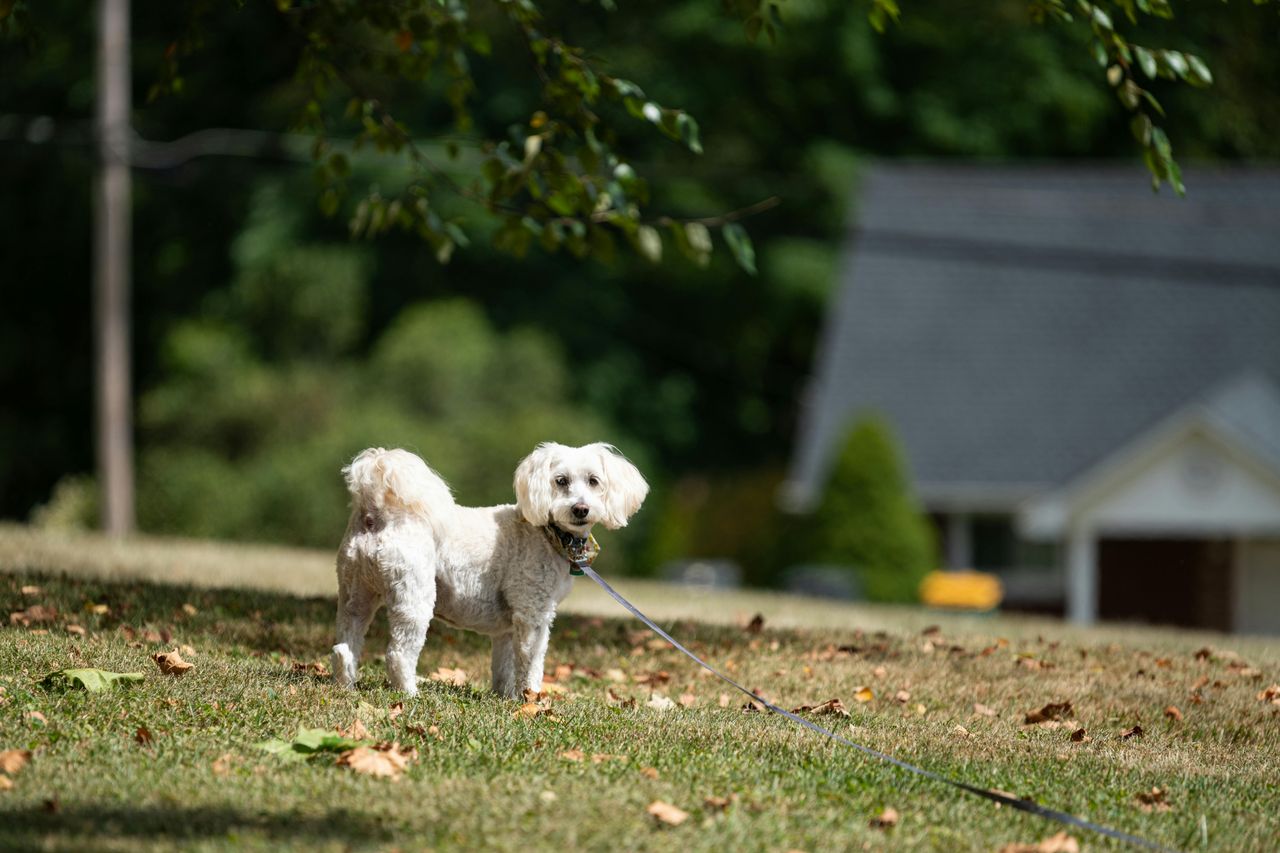
Many wild predators do not charge in blindly. They study yards, fences, and feeding areas, often waiting for the exact moment a pet darts, wanders, or turns its back before making a move. This gallery explores the animals most likely to use patience and motion-triggered hunting behavior, along with the situations that can put cats and small dogs at risk.
Coyote
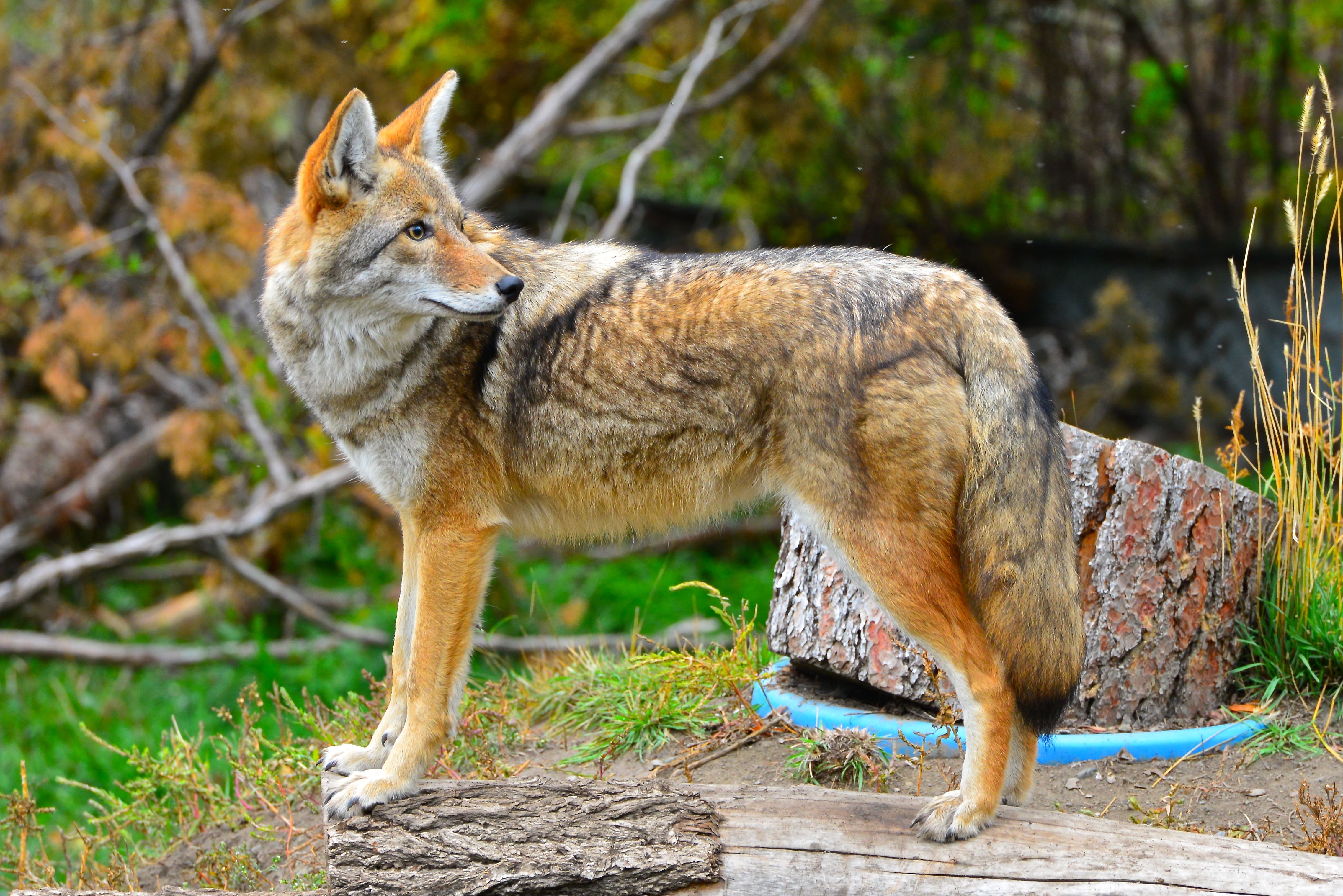
Coyotes are masters of hesitation and timing. In neighborhoods, they often linger at the edge of a yard or slip along fence lines, watching for a cat to sprint or a small dog to break into a run. That burst of motion can flip a switch, turning curiosity into pursuit almost instantly.
They are especially bold at dawn, dusk, and overnight, when pets are harder to supervise and yards feel quieter. A pet left outside alone, even for a few minutes, can seem like an easy opportunity. Their patience is part of what makes them so effective around homes.
What makes coyotes tricky is how normal they can look at first. They may trot casually, pause, and act uninterested before circling back once a pet moves again.
Bobcat
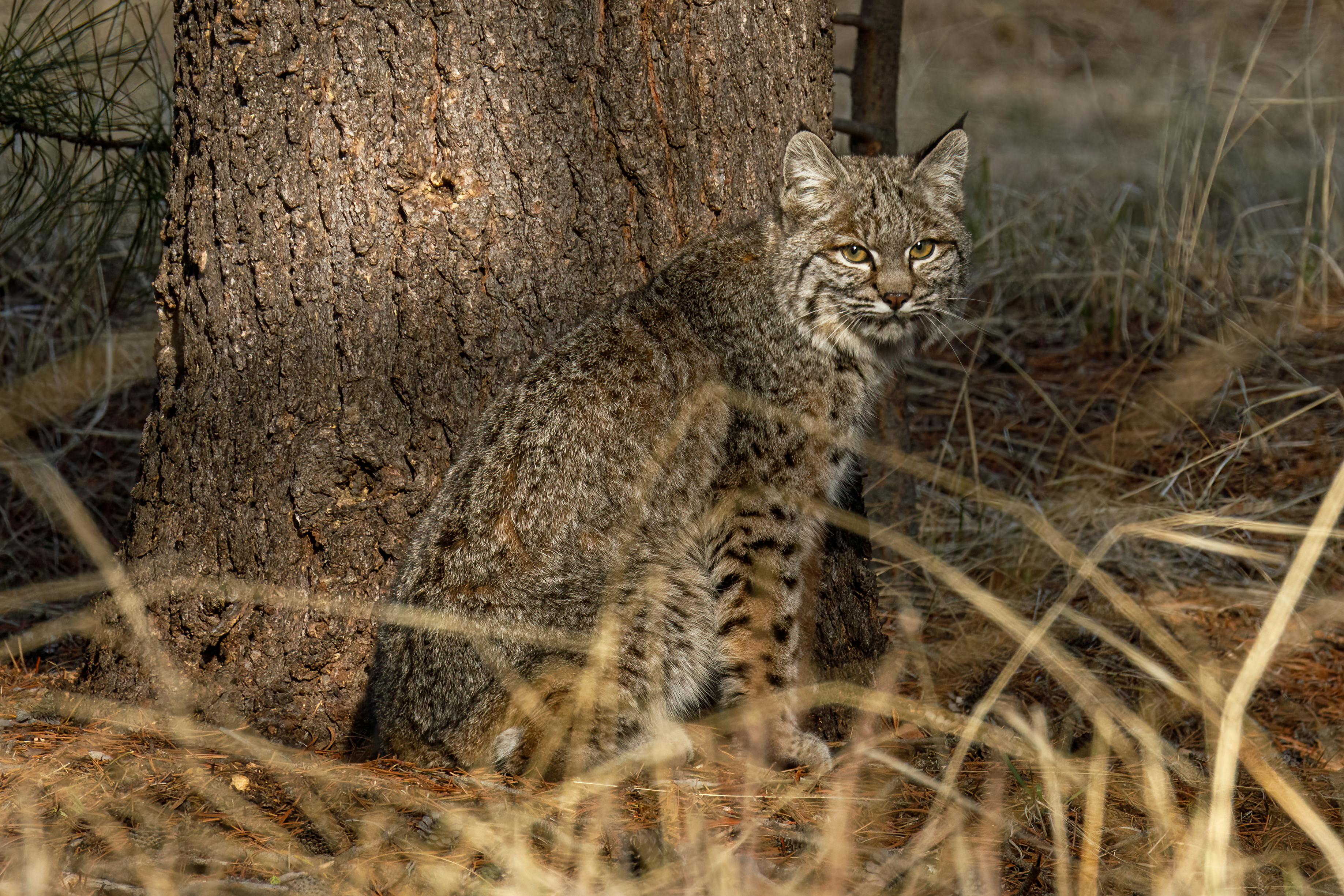
Bobcats are built for ambush, and they do not waste energy unless a target gives them a clear opening. A pet crouching still may not trigger the same immediate response as one that bolts across a lawn. Once movement starts, the bobcat’s stalking style becomes a serious advantage.
These cats blend into brush, decorative landscaping, and rocky edges surprisingly well. In exurban neighborhoods, they may watch from just beyond a property line, staying hidden until a rabbit, cat, or toy-sized dog breaks cover. Their attacks are usually fast, close-range, and over in seconds.
Because bobcats rely on stealth, people often do not realize one has been nearby until after an incident. Dense shrubs and low visibility make that waiting game easier for them.
Red Fox
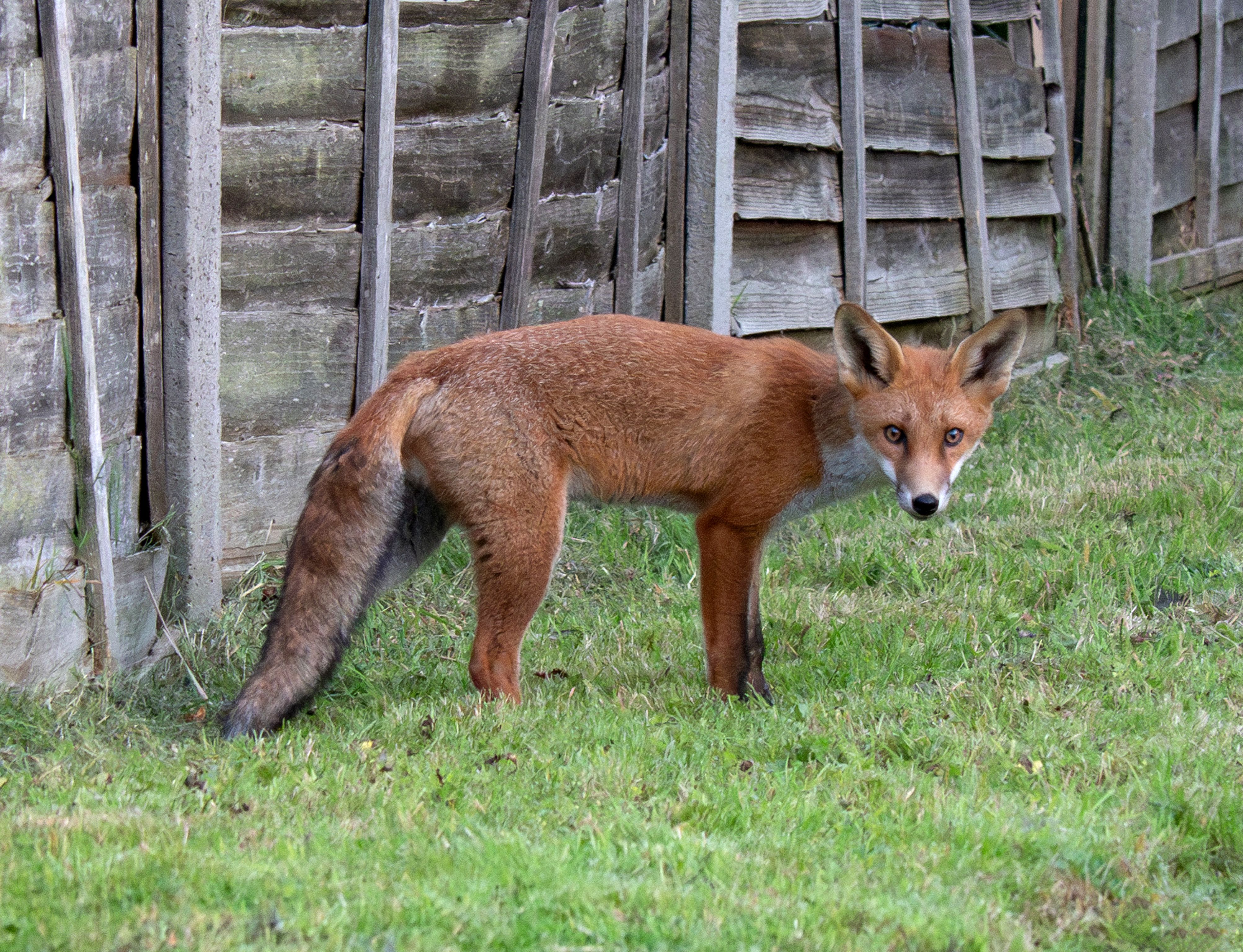
Red foxes may look delicate compared with larger predators, but they are opportunistic hunters that pay close attention to movement. A kitten, a small pet rabbit, or a very tiny dog can draw interest, especially if it runs unpredictably. The fox’s quick, spring-loaded style works best when prey gives itself away.
Foxes are often most active in the dim hours when a yard seems peaceful and people are less alert. They may patrol along hedges, sheds, or garden edges, freezing in place until a pet stirs. That stillness is part of the hunt, not a sign the animal has moved on.
In some neighborhoods, foxes also become comfortable around pet food or unsecured trash. Those food cues can keep them close until a moving pet presents a second opportunity.
Great Horned Owl
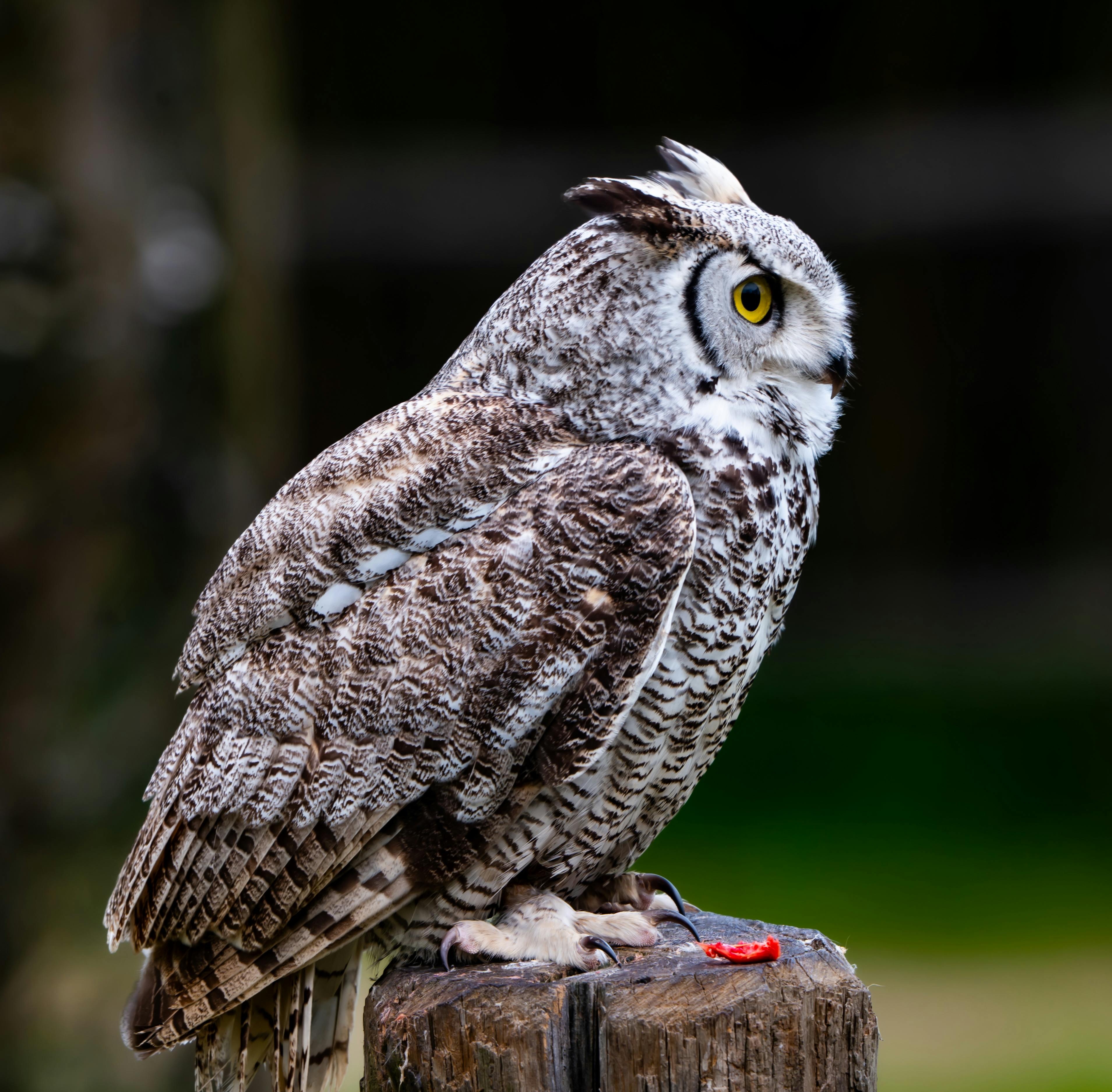
Great horned owls are silent hunters, and that silence is exactly what makes them so unnerving around small pets. They can perch for long stretches, barely moving, while scanning for a kitten, small dog, or backyard bird to shift position. Once a target scurries or changes direction, the strike can come with almost no warning.
These owls are strongest after dark, when toy breeds and cats may be let out for a last bathroom break. Open yards, low fences, and isolated patios can give them a clean flight path. A pet’s sudden motion in a pool of porch light is often all the invitation they need.
Because the attack comes from above, many owners are focused on ground threats and miss the risk entirely. That vertical surprise is part of the owl’s hunting edge.
Hawk
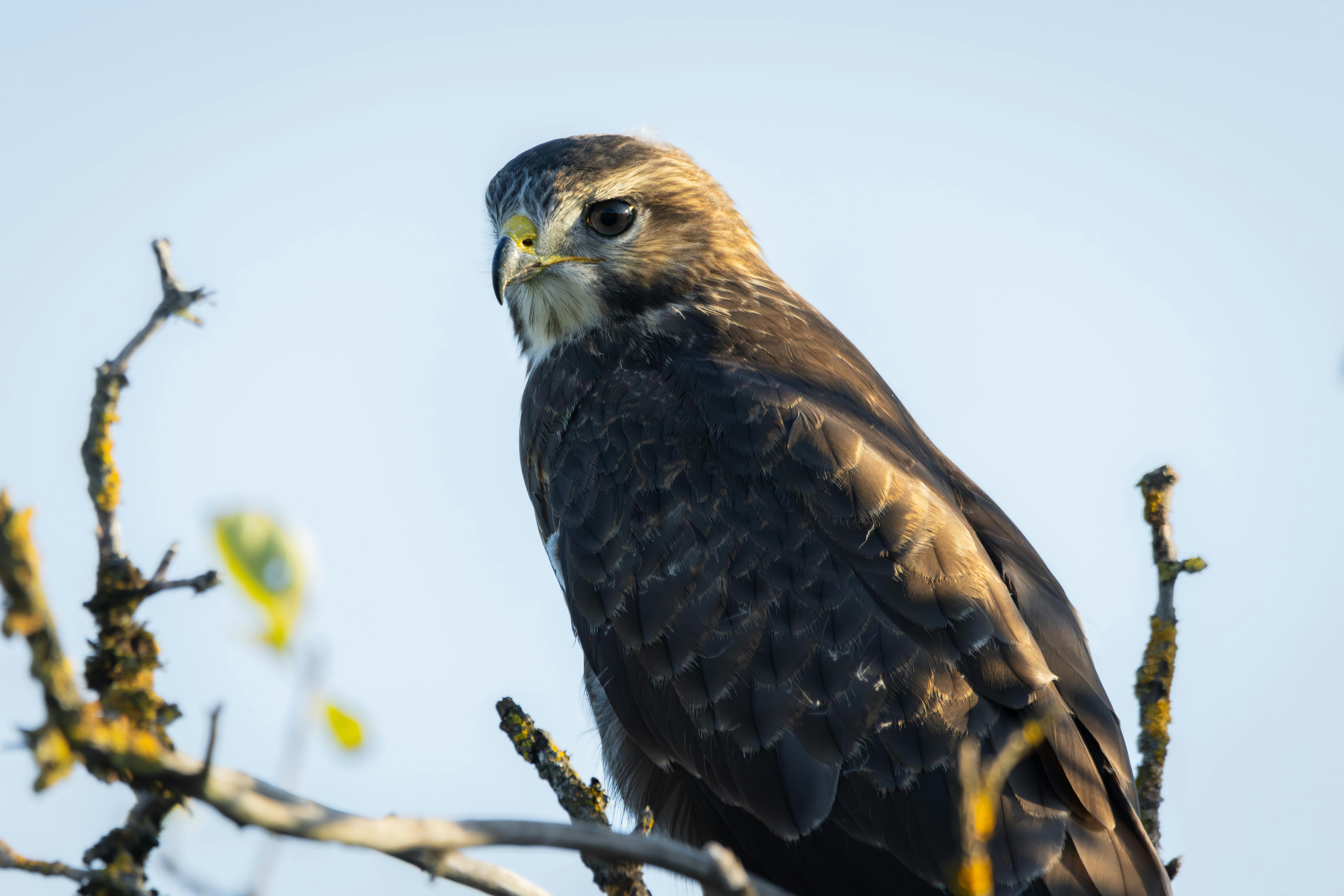
Large hawks are visual predators, and motion is what sharpens their attention. A tiny dog trotting across open grass or a cat weaving through a bare yard can stand out from high above in seconds. They may circle, perch nearby, and wait for the right angle before dropping.
Not every hawk is capable of carrying off a pet, but very small animals can still be injured in an attack. The danger is highest in open spaces with little overhead cover, especially during the day when hawks are actively scanning fields, parks, and suburban greenbelts.
People often assume a busy neighborhood is too exposed for a raptor to hunt. In reality, a quiet midday yard can look a lot like a natural hunting ground from the sky.
Mountain Lion
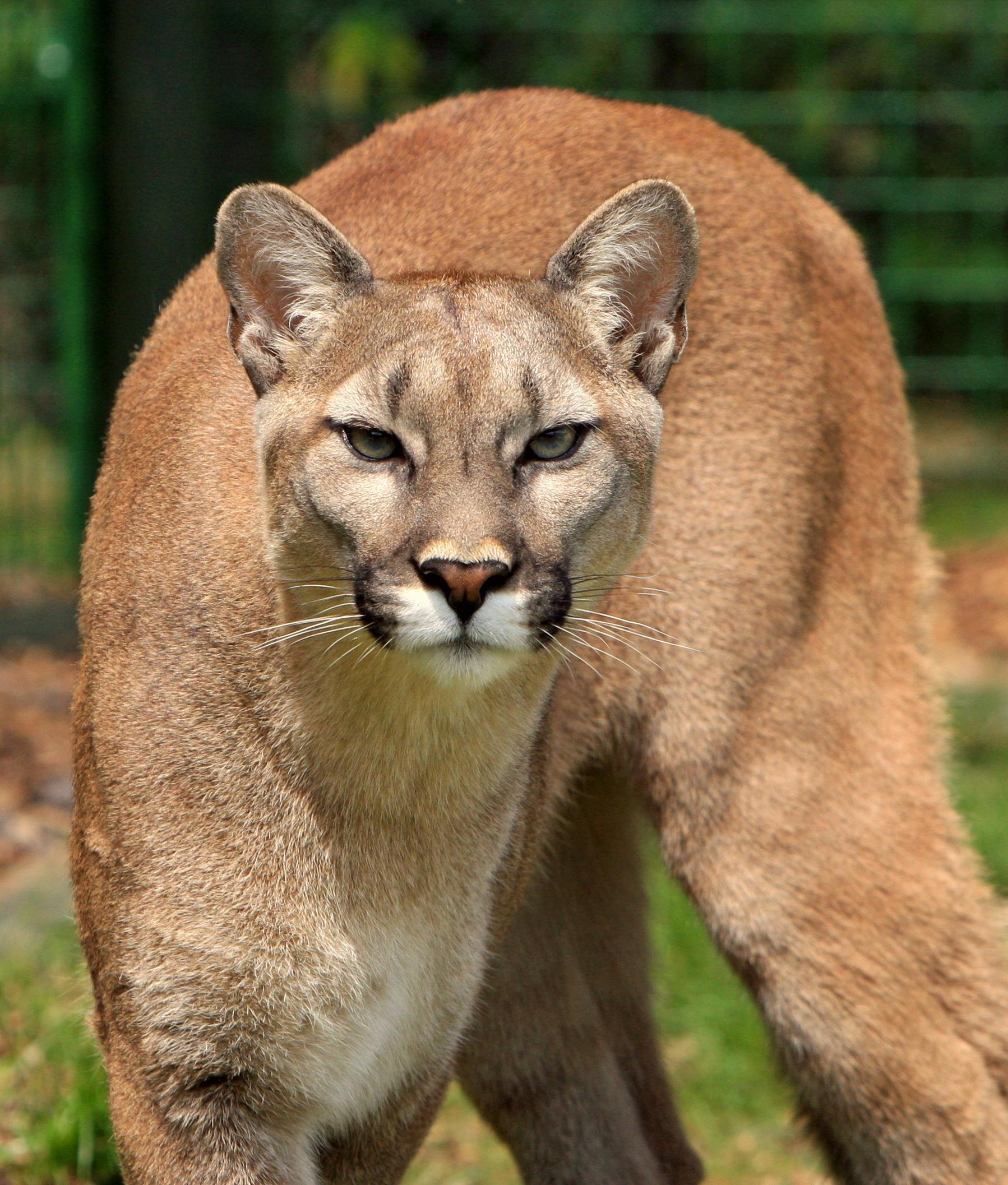
Mountain lions are the definition of patient predators. In areas where neighborhoods press against foothills or open wildland, they may watch trails, fences, and pet routes with remarkable restraint. A pet that suddenly runs can trigger the same chase response they use on deer and other wild prey.
These cats depend on cover, surprise, and a short explosive rush. Shrubs, retaining walls, and dark corners near homes can all help them stay concealed until movement gives them a target. Small pets are especially vulnerable, but even larger dogs can be at risk in lion country.
Sightings are often brief and unsettling because lions prefer not to be noticed. By the time one is clearly visible, it may already have spent several minutes observing the area.
Raccoon

Raccoons are not classic pursuit predators in the same way as coyotes or cats, but they are highly reactive and can become aggressive when a pet moves into the wrong space. A curious cat or small dog that darts toward a raccoon may trigger a sudden defensive attack. That waiting posture can fool owners into thinking the animal is harmless.
Around porches, trash cans, and pet food bowls, raccoons often hold their ground rather than flee. They watch, assess distance, and respond fast if cornered or challenged. Small pets can suffer serious injuries from claws and bites, especially during nighttime encounters.
The risk rises when people accidentally attract raccoons with food sources. Once they are comfortable visiting a yard, the chances of a tense standoff with a moving pet go up.
Fisher
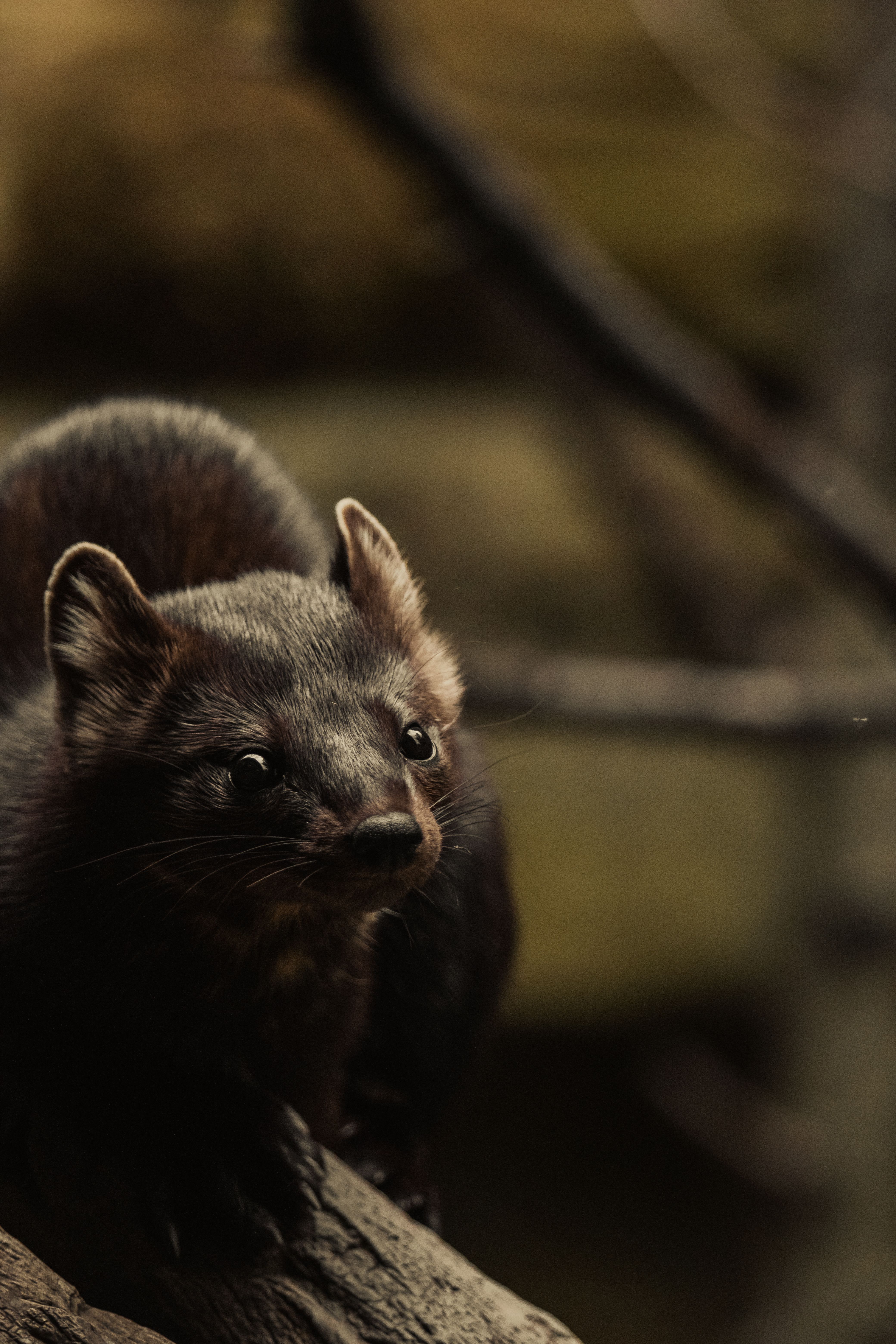
Fishers are elusive, muscular members of the weasel family, and in the right regions they can be a real threat to outdoor cats and other small animals. They move through wooded edges and suburban lots with a low, deliberate gait, often pausing to assess before closing distance. A pet that bolts can make itself much more noticeable.
Their reputation comes partly from how quietly they travel. You may never hear one approach, especially near tree lines, woodpiles, or overgrown property borders. They are agile, persistent, and comfortable hunting in the same kinds of transitional spaces where pets like to roam.
Because fishers are rarely seen clearly, they can be overlooked as a danger. But where they are established, unsupervised pets near forest cover face a very real risk.
Domestic Dog Pack
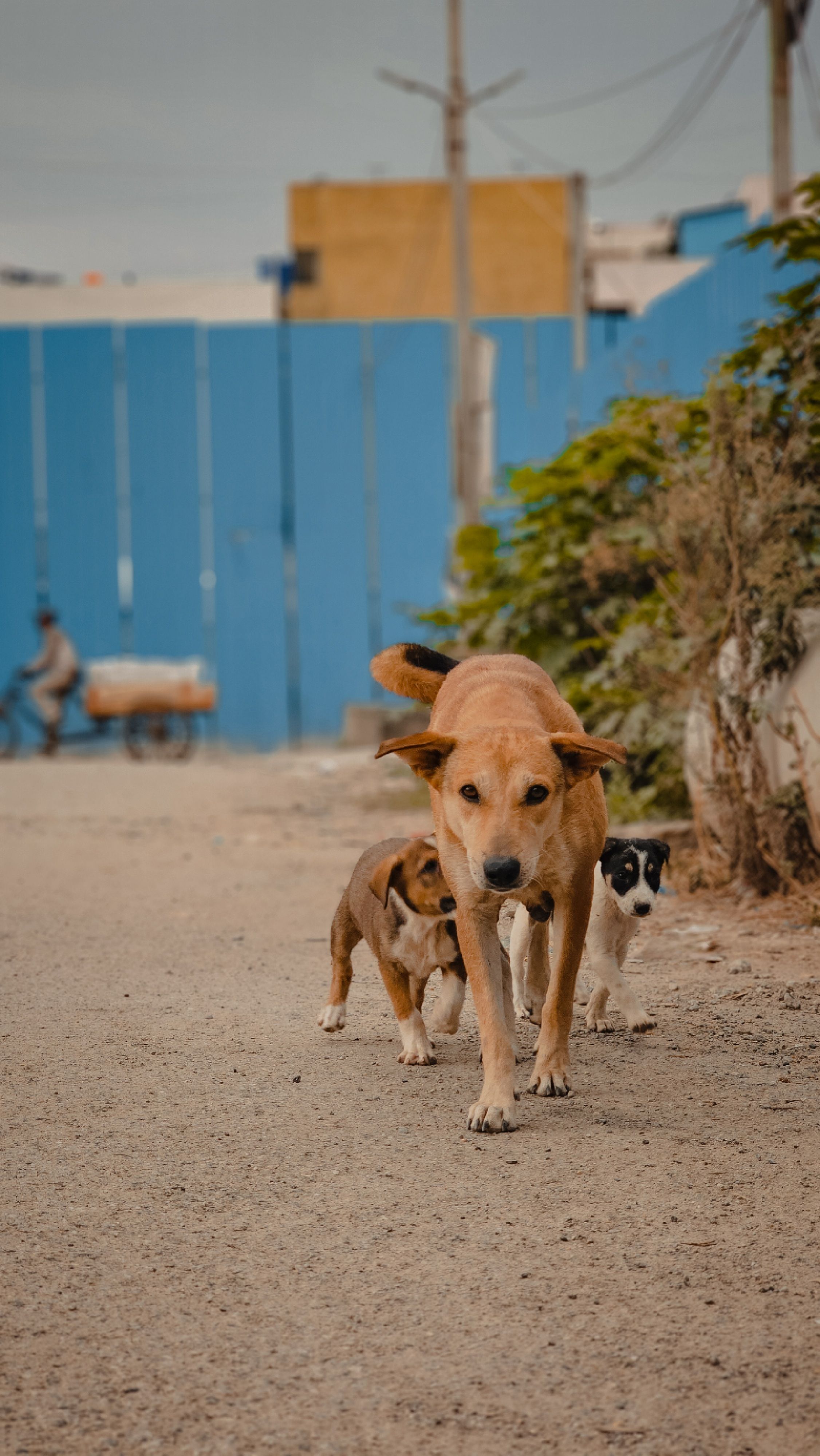
Not every predator is wild. Loose dogs, especially when roaming in pairs or groups, can shift into pack behavior that looks a lot like predation. They may fixate on a running cat or small dog, follow at a distance, and escalate the moment the pet panics and tries to flee.
This is one of the most overlooked risks in suburban and rural areas because the animals involved may belong to someone nearby. But a chase response can overwhelm training fast, particularly when excitement spreads from one dog to another. The movement of the pet is often what turns interest into pursuit.
These encounters can happen in broad daylight and in familiar places like sidewalks, driveways, or front yards. That sense of normalcy is exactly why they catch people off guard.
Snake
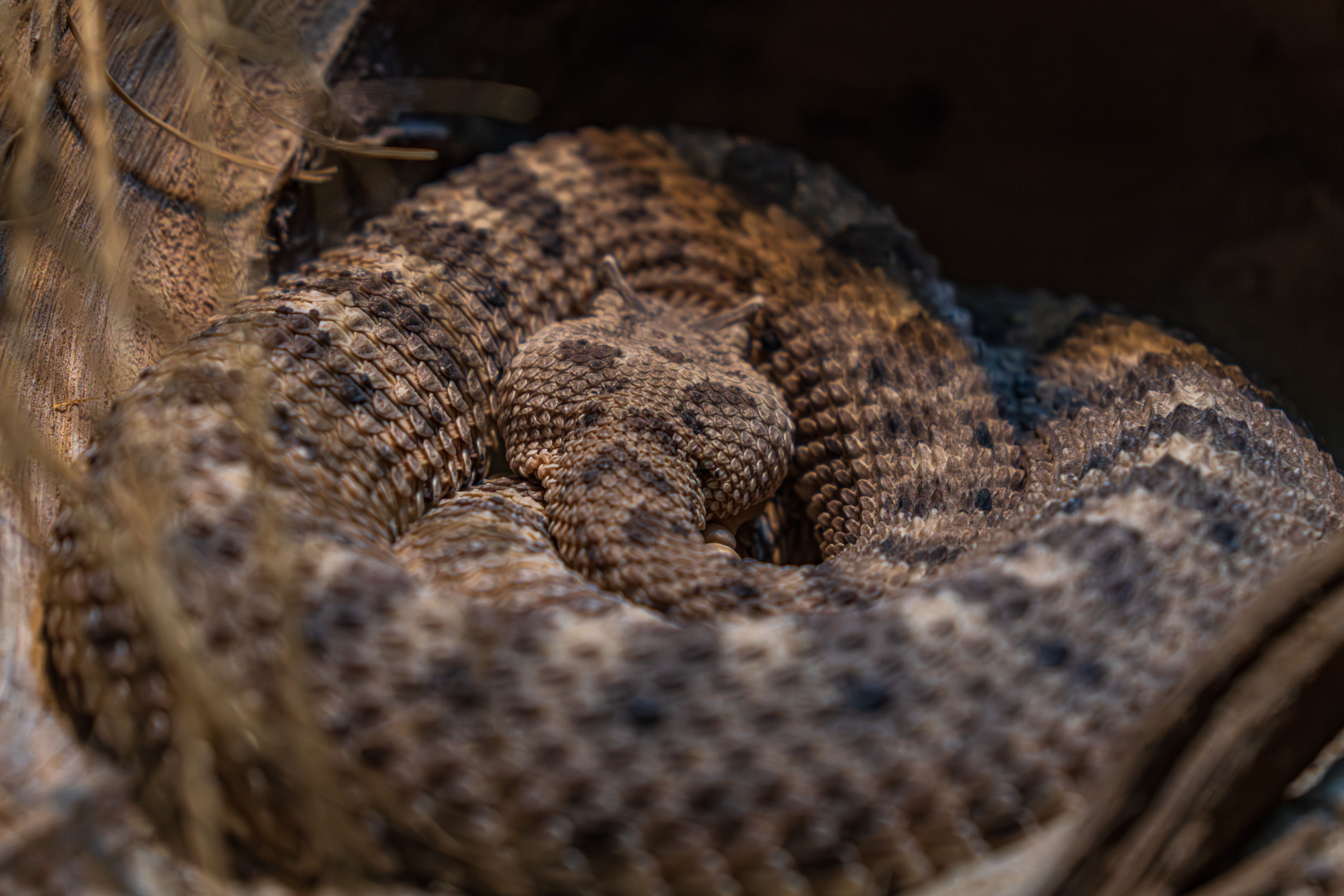
Snakes do not hunt pets in the same dramatic way as larger mammals, but many rely on stillness and timing. A coiled snake under a shrub, deck, or warm patio stone may remain motionless until a pet noses closer or pounces. That last-second movement from the pet can trigger a strike almost instantly.
Cats and dogs often get into trouble because they investigate with their face and paws. The danger is highest in warm months, especially in yards with rock piles, dense ground cover, or rodent activity that attracts snakes in the first place. A curious pet supplies the motion the snake has been waiting on.
Even nonvenomous bites can be painful and traumatic. In regions with venomous species, a single encounter can become an emergency within minutes.
Alligator
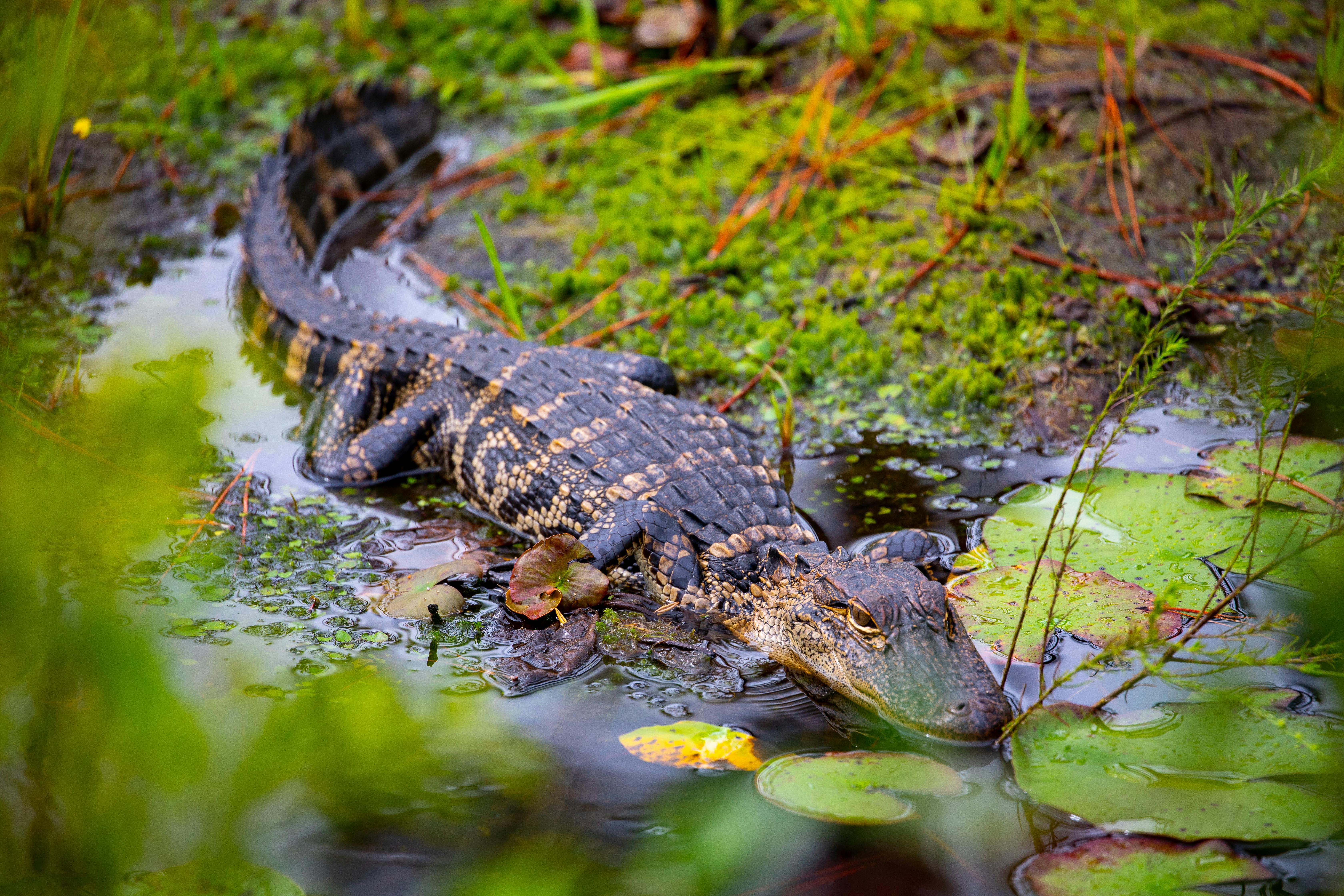
In the Southeast and other alligator country, the water’s edge is where patience becomes dangerous. Alligators often float almost invisibly or rest along banks, waiting for the telltale splash, step, or quick movement of a pet approaching the shoreline. A dog on a retractable leash can close that gap before an owner realizes the risk.
Their ambush style is all about timing and distance. Retention ponds, canals, golf course lakes, and neighborhood waterways may look calm, but they can function like perfect hunting sites. Pets that drink, sniff, or lunge at ripples are especially vulnerable.
What makes alligators deceptive is how little they need to show. Sometimes only the eyes and snout break the surface, and by then the animal may already be tracking movement on land.
Wolf

Where wolves live near rural communities, they can pose a threat to unattended pets, particularly small dogs and free-roaming animals near wooded corridors. Wolves are cautious and often observe from cover before approaching. A pet that runs, wanders, or vocalizes can provide the cue they need to investigate more aggressively.
Unlike some urban-adapted predators, wolves tend to avoid heavy human activity, which means risk often rises at the edges of properties and in quieter hours. Their intelligence and teamwork make them especially effective when they are testing boundaries around farms, cabins, or remote homes.
Encounters are uncommon in many places, but that rarity can breed complacency. In wolf country, movement and distance from people matter more than many owners realize.