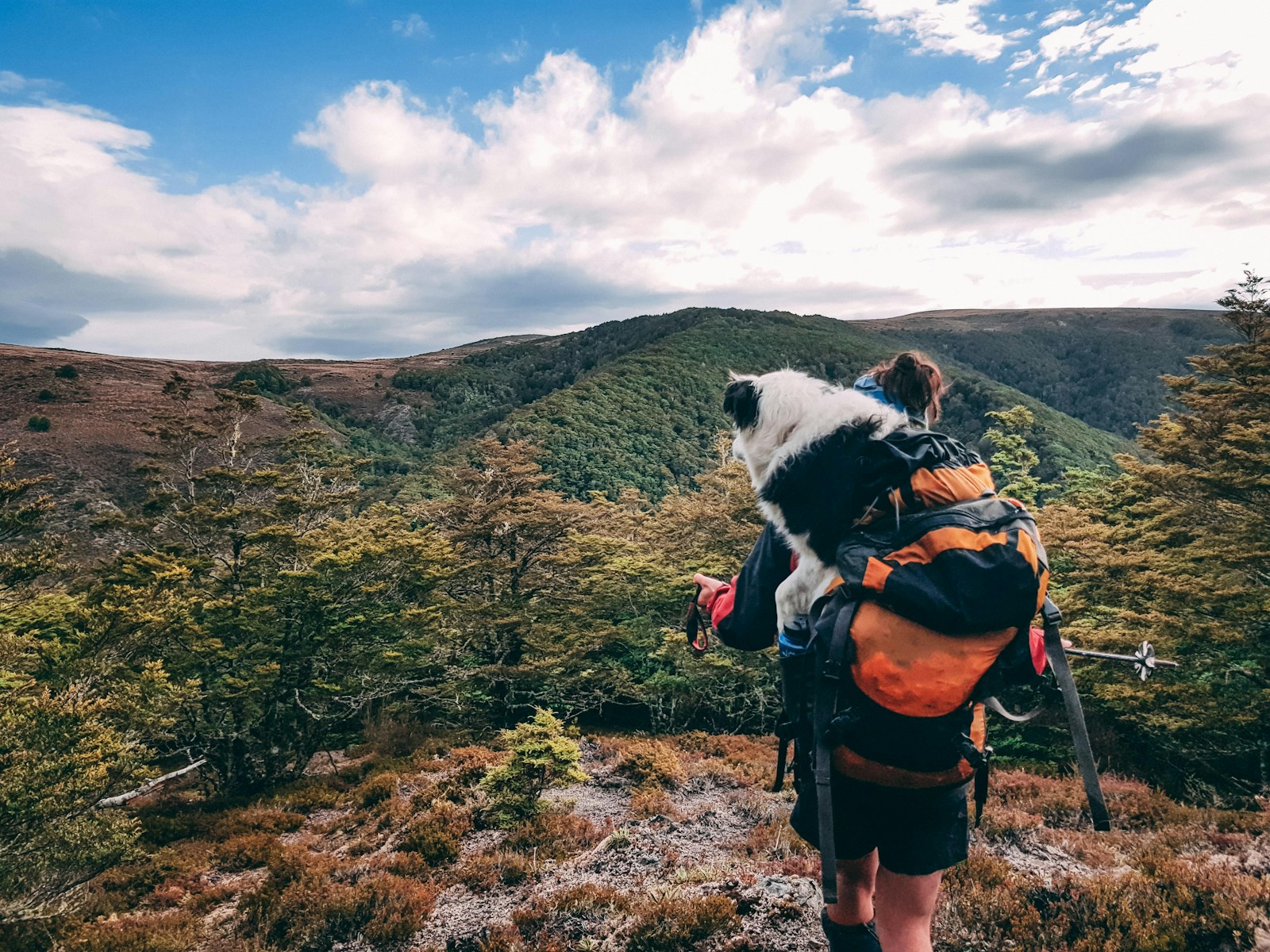
Early Maine trappers relied on practical bushcraft knowledge shaped by remote forest environments, unpredictable weather, and months spent far from settlements. These skills supported daily tasks such as finding shelter, navigating wetlands, and preserving materials needed through winter. Many techniques faded as modern tools replaced older methods once central to frontier life. Understanding these overlooked practices offers insight into the resilience, adaptation, and resourcefulness that allowed trappers to work successfully across the harsh northern landscape. Their legacy remains visible in traditional outdoor skills that continue to influence modern wilderness education.
Reading Animal Sign

Reading animal sign served as a core tracking method for early Maine trappers who followed subtle indicators across forest floors, riverbanks, and snowfields. Distinct footprints revealed gait, weight distribution, and species identity, while patterns in scat indicated seasonal diets. Scratches on bark, crushed vegetation, and disturbed leaf litter helped determine the direction and timing of movement. Trappers assessed these cues to locate feeding grounds and travel corridors. The technique demanded patience, strong observational habits, and continuous familiarity with local wildlife behavior patterns shaped by weather, altitude, and seasonal cycles.
Building Spruce Bough Shelters
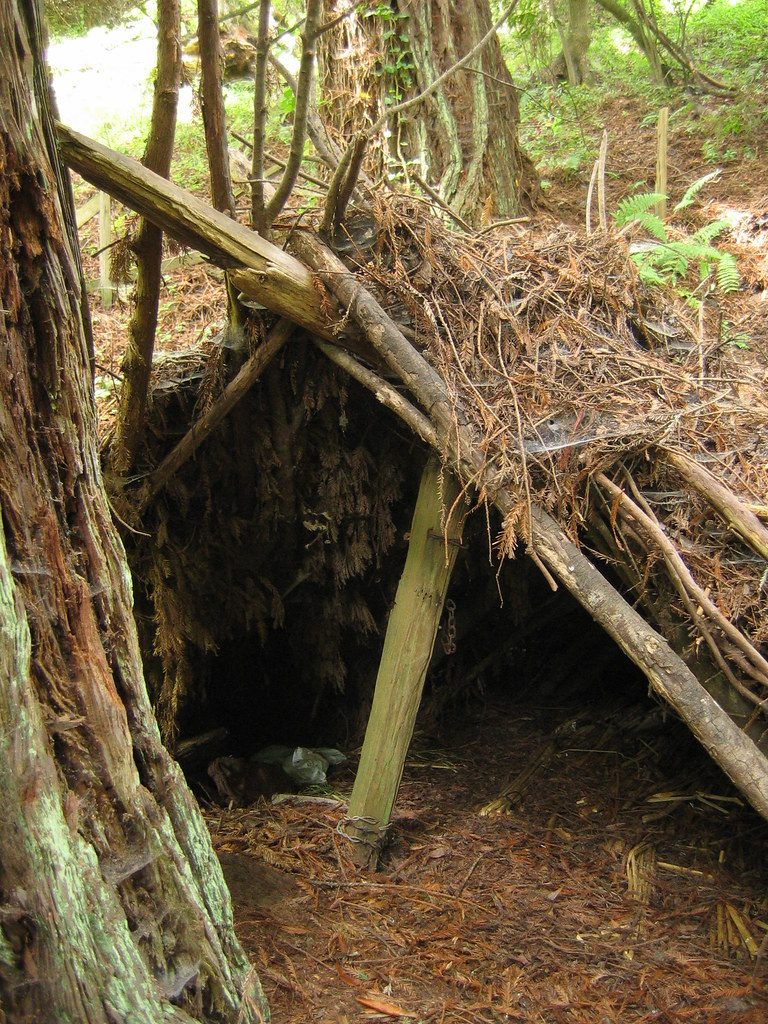
Spruce bough shelters provided quick, reliable protection from wind, snow, and heavy rain in remote Maine forests. Trappers layered fresh boughs to insulate against cold air and built angled roofs that directed moisture away from bedding areas. Floors lined with compacted needles reduced ground chill and limited exposure to melting snow. These shelters could be constructed rapidly with an axe or knife, making them suitable for winter travel. Their design blended naturally with the surroundings and showcased the practical use of abundant materials found across northern spruce stands.
Crafting Deadfall Traps

Deadfall traps allowed early trappers to secure small game by placing a weighted log above a carved trigger that collapsed when disturbed by baited movement. Successful construction required a firm understanding of animal size, behavior, and preferred food sources. Properly balancing the mechanism ensured instantaneous impact. Materials such as hardwood branches and flat stones increased effectiveness in varied terrain. This technique offered a dependable food supply during long expeditions and demonstrated mechanical skill combined with an intimate understanding of environmental patterns and local wildlife activity.
Making Birchbark Containers

Birchbark containers served as durable, lightweight storage for dried foods, medicines, and fire-starting materials. Trappers harvested bark carefully to avoid long-term tree damage, then folded and stitched panels using spruce roots or plant fibers. Natural oils in birch made the containers water-resistant and suitable for wet climates. Some held rendered fat, while others carried powdered materials or seeds needed along remote routes. Birchbark remained a preferred material due to its strength-to-weight ratio and availability across Maine’s mixed hardwood forests, supporting essential daily tasks throughout trapping seasons.
Navigating by River Drainages
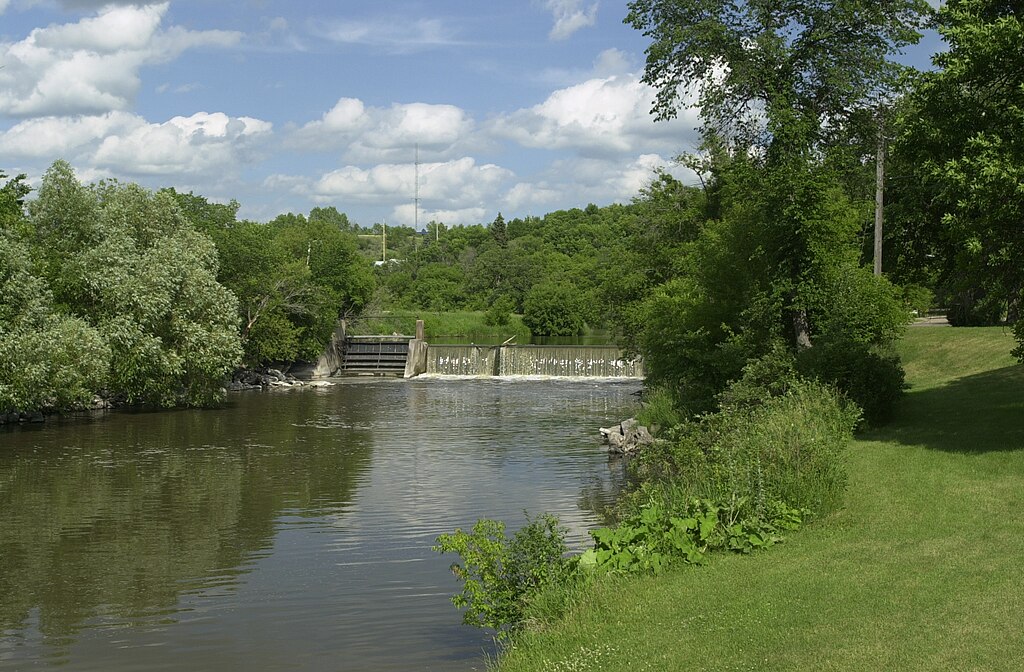
River drainages formed natural travel corridors for Maine trappers moving through dense woodland or marsh terrain. Landmarks such as current speed, rock patterns, and river junctions guided orientation without reliance on maps. Seasonal water levels influenced route selection, as spring melt created rapid flows while late-summer drought exposed gravel bars. Reading bends and tributary angles helped determine direction and distance to known trading posts. This approach required a strong understanding of watershed networks shaped by glacial history and allowed efficient movement across large wilderness areas.
Preparing Animal Fat for Fuel

Preparing animal fat for fuel ensured dependable heat and light during extended stays in remote trapping camps. Trappers rendered fat slowly over low heat to separate impurities and produce tallow that burned cleanly in tin lanterns or improvised vessels. Finished tallow resisted spoilage, making it suitable for long-term storage in cold conditions. It also served as a lubricant for tools and a preservative for leather goods. Rendering techniques maximized resource efficiency, allowing trappers to utilize every part of harvested animals for survival needs in harsh winter landscapes.
Crafting Snowshoes from Ash and Rawhide
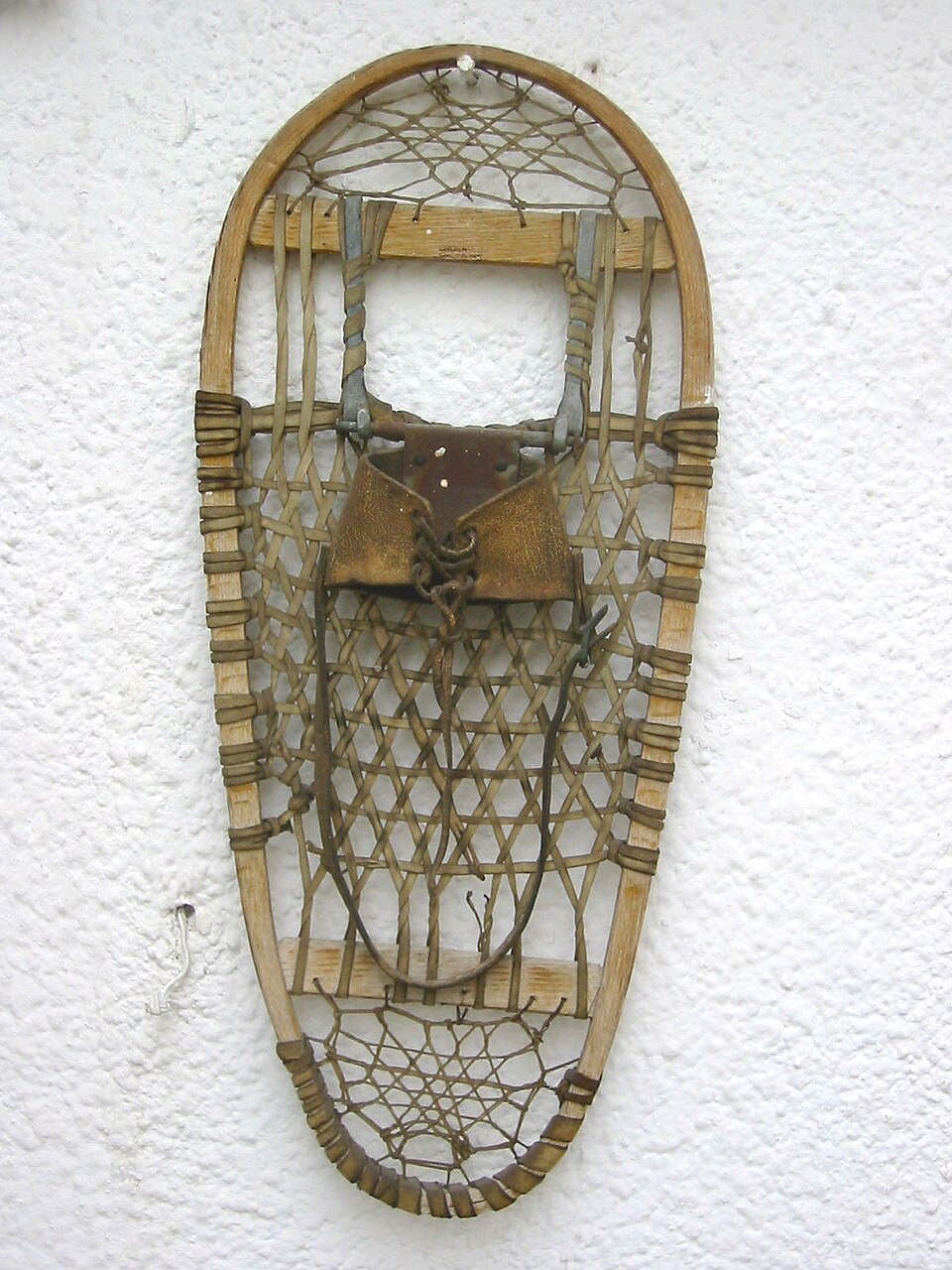
Crafting snowshoes from ash and rawhide enabled travel across deep snowfields that otherwise hindered winter mobility. Ash provided flexible strength for frames, while rawhide lacing distributed weight evenly and prevented sinking. Trappers steamed wood to shape frames, drilled lash points, and stretched rawhide to create tight webbing. Designs varied based on terrain, with longer snowshoes preferred for open areas and shorter versions suited for dense forest travel. These handmade tools allowed reliable movement across remote winter routes and influenced later snowshoe construction used throughout northern climates.