Choosing the right survival knife can make a big difference when you’re out in the wild. It’s more than a tool; it’s your lifeline for cutting, carving, cooking, and protection. Yet, many people pick knives based on looks or trends instead of practicality. A good survival knife should feel natural in your hand and perform under pressure. Understanding what to avoid helps you find one that truly works when you need it most.
Ignoring the Blade Material
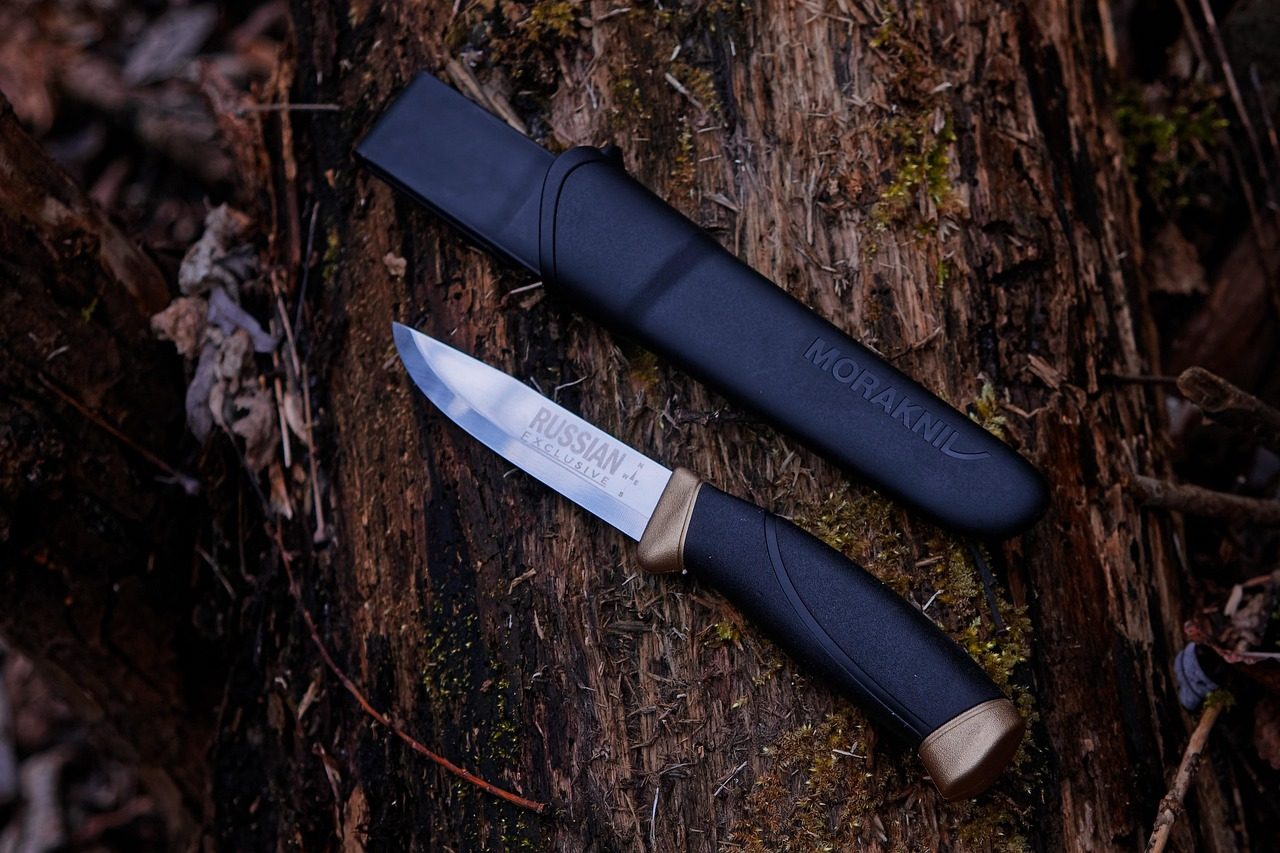
Many overlook blade material, but it directly affects performance and durability. Stainless steel resists rust and suits humid environments, while high-carbon steel holds a sharper edge for longer. Choosing the wrong one can lead to dullness, corrosion, or extra maintenance. When you understand how the metal behaves in different conditions, you can pick a knife that matches your environment and survival style.
Choosing the Wrong Blade Type
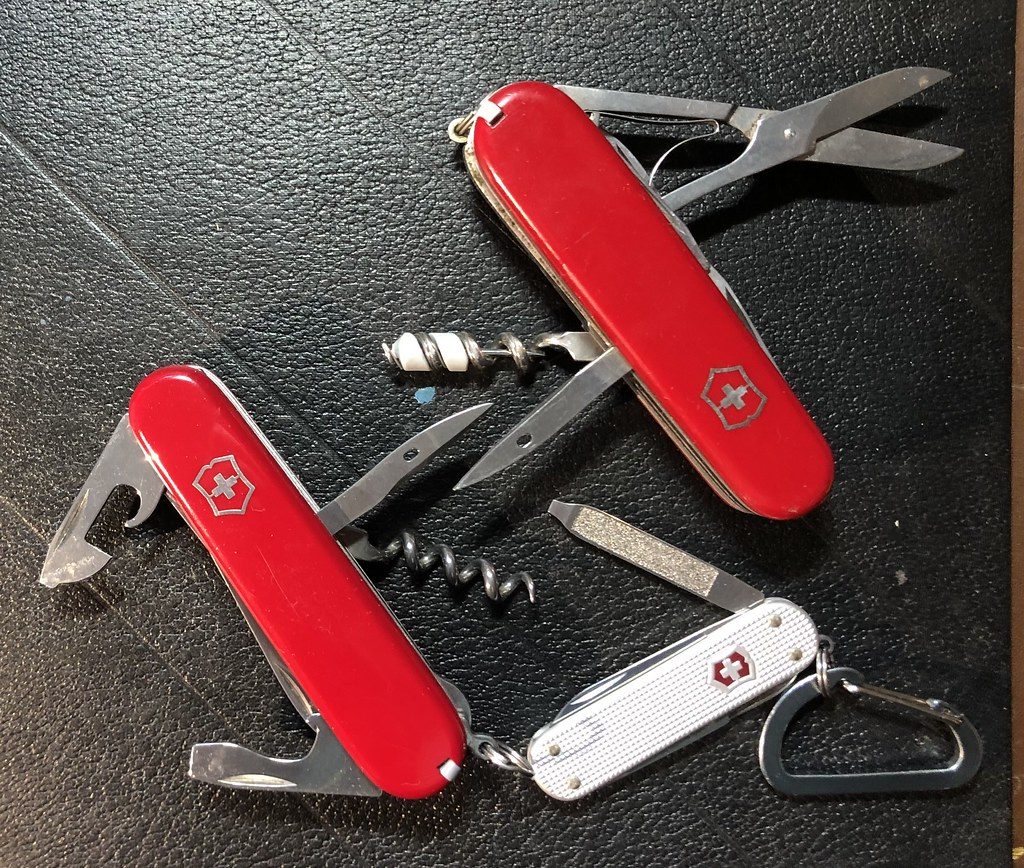
A knife’s shape influences how well it handles various tasks. Some choose serrated edges, thinking they cut better, but they’re hard to sharpen in the field. Others go for oversized blades that look impressive but lack control for precision work. A simple drop-point blade offers balance, versatility, and reliability. Picking the right shape ensures smoother cutting, carving, and slicing without extra effort.
Overlooking Handle Design
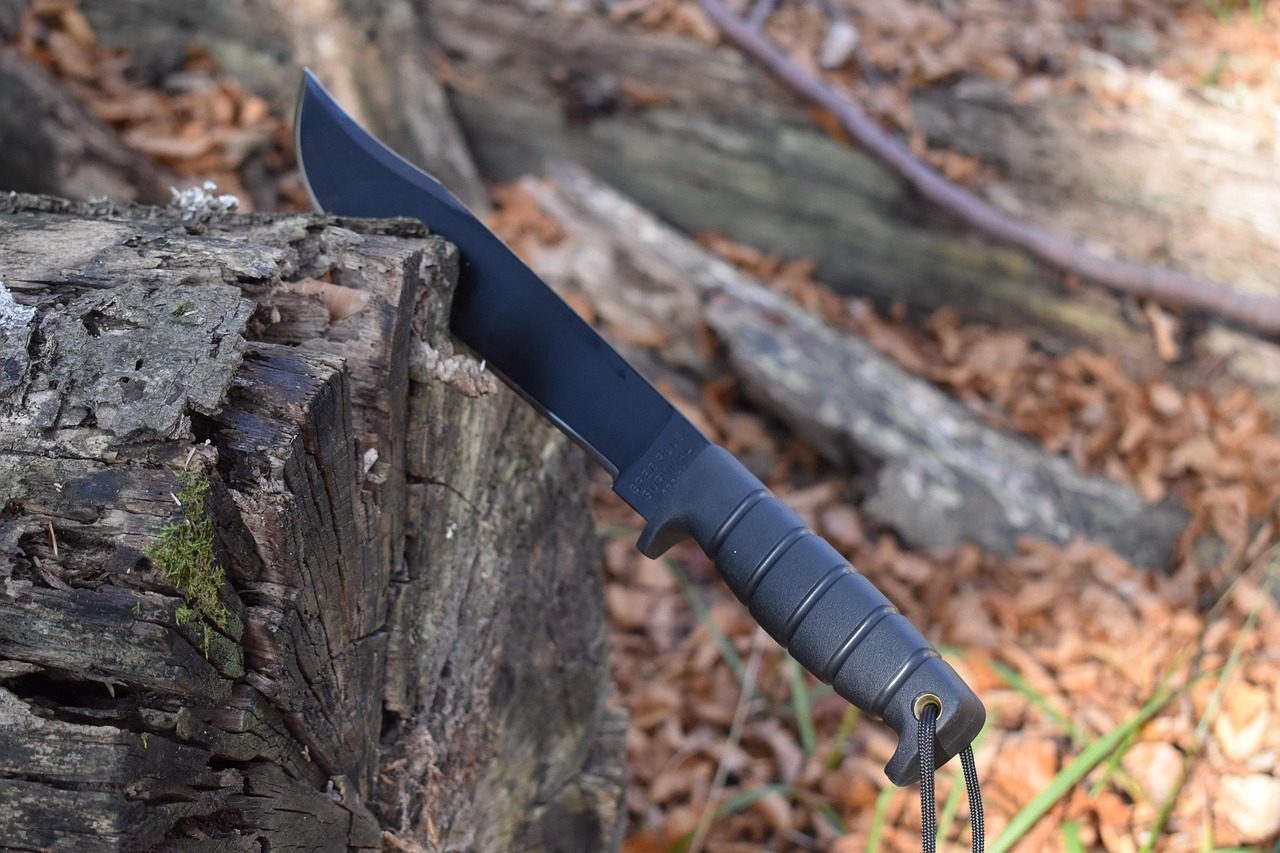
Comfort and grip matter as much as the blade itself. Many people focus on aesthetics and ignore how a handle feels after long use. A poor grip can cause fatigue or even injury during repetitive tasks. Look for materials that stay secure when wet and designs that fit your hand naturally. A well-balanced handle keeps control steady and boosts efficiency in every motion.
Forgetting About Full Tang Construction
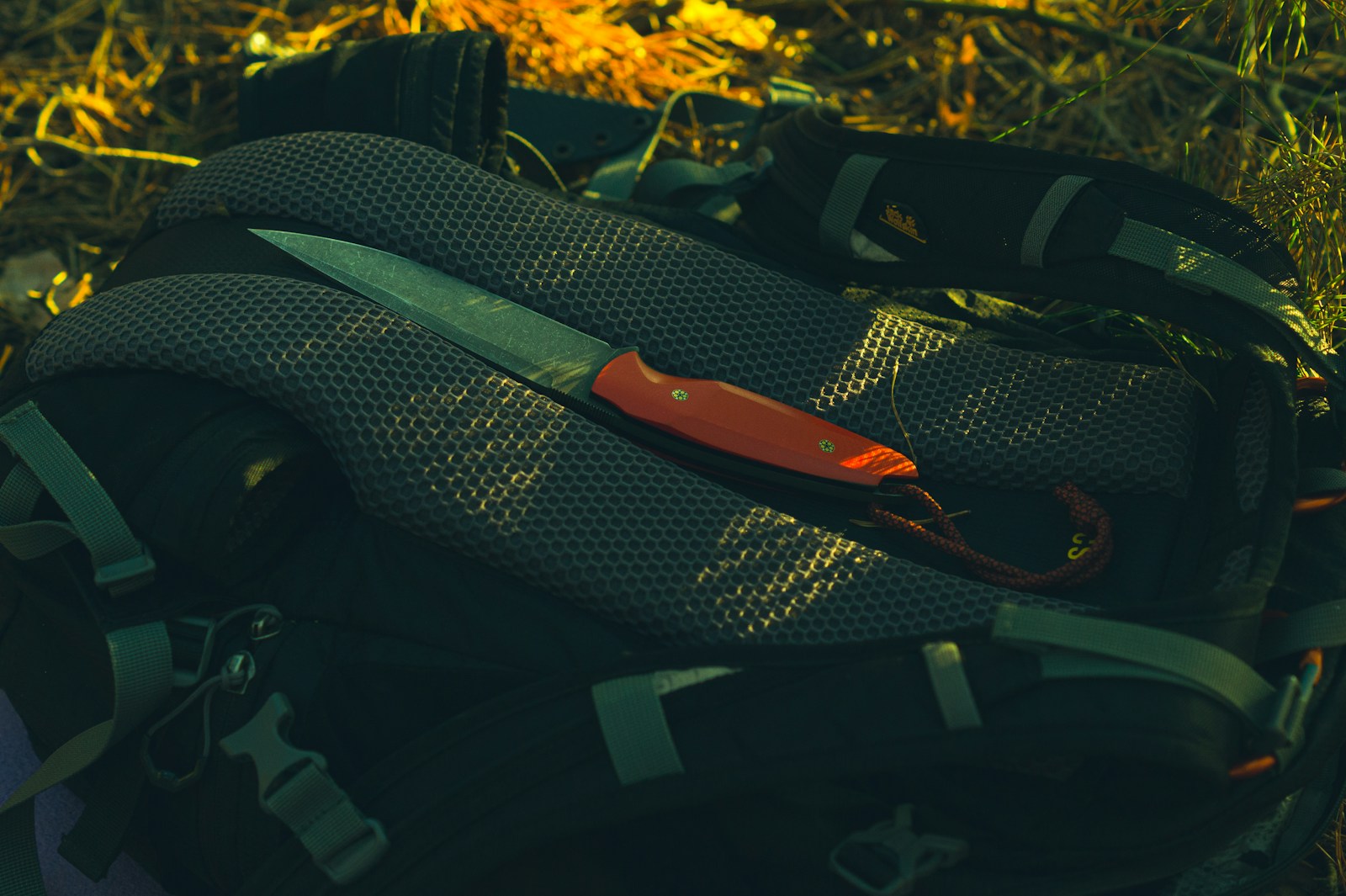
A knife’s tang, the extension of the blade into the handle, determines strength and stability. Partial tang knives may break or loosen under stress, especially during heavy-duty work. A full tang design, where the metal runs through the entire handle, provides superior durability. It might add a bit of weight, but it’s a small trade-off for reliability in challenging conditions.
Ignoring the Sheath Quality
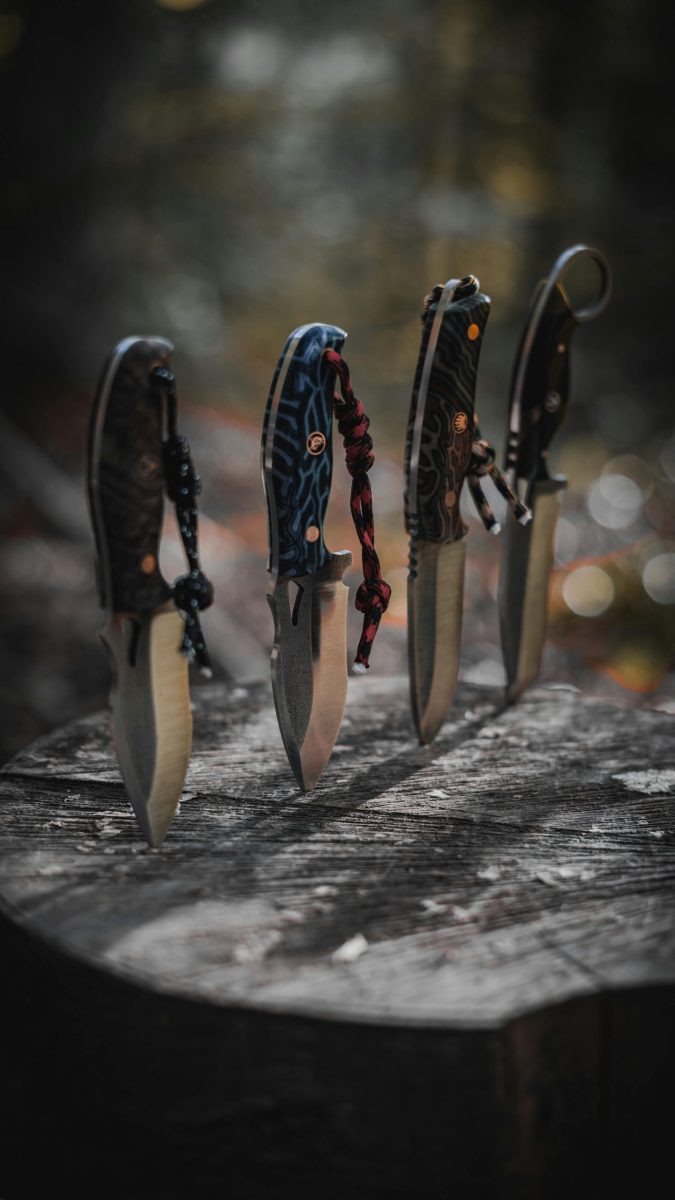
A good knife deserves a secure, well-fitted sheath, yet many underestimate its importance. Cheap or poorly designed sheaths can cause accidents or make access difficult when speed matters. Choose one that holds the knife snugly and allows for easy draw and re-sheathing. Durable materials like leather or reinforced nylon offer both safety and convenience in rugged environments.
Prioritizing Style Over Function
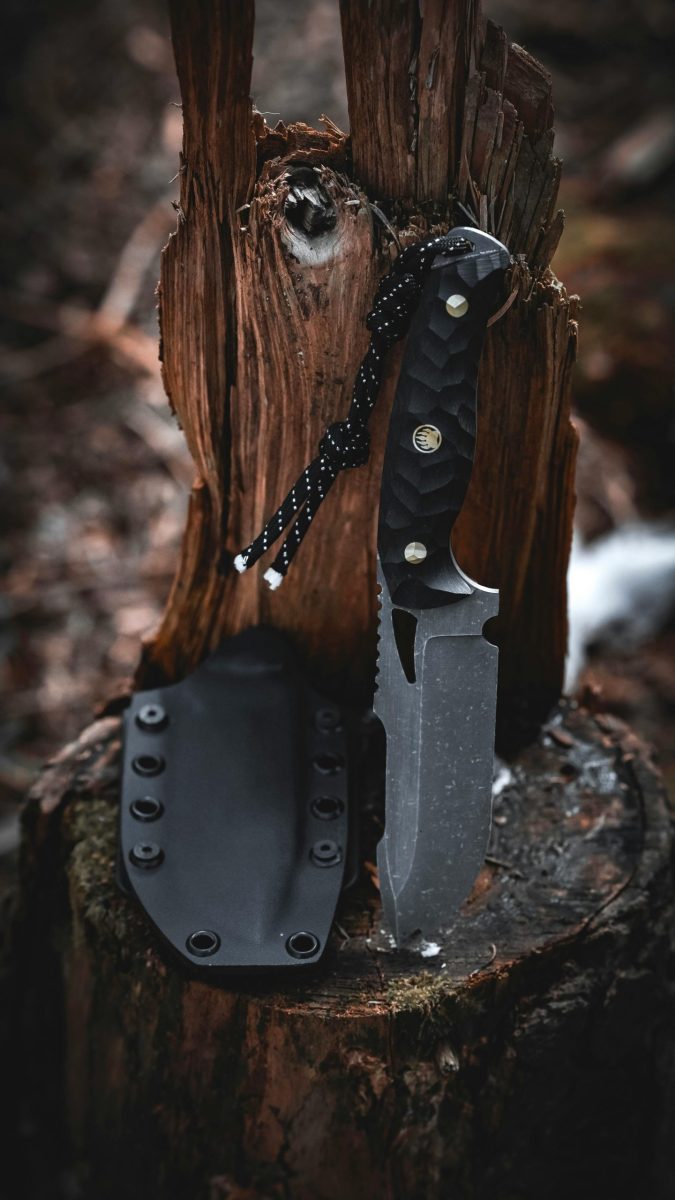
It’s easy to be drawn to flashy designs, coated blades, or tactical looks, but those don’t guarantee performance. Some knives marketed as “survival-grade” lack practical use in real outdoor situations. Function should always come before appearance. A plain, sturdy knife with a thoughtful design outperforms decorative models every time. When survival is at stake, practicality always wins over presentation.