Getting lost in the backcountry is not just a beginner’s problem. Experienced hikers often run into trouble because confidence, routine, and changing conditions can hide small navigation errors until they become serious. This gallery breaks down the common mistakes that lead people off route every year, and explains why solid habits matter as much as fancy gear.
Starting With Too Much Confidence

Experience can be a gift, but it can also create blind spots. Hikers who know their local terrain or have logged years on trail sometimes stop doing the basics because they assume they will recognize every turn, ridge, or drainage when they get there.
That confidence often holds up until weather shifts, daylight fades, or the trail looks different than expected. A route that felt familiar on a summer morning can become surprisingly hard to read in snow, rain, smoke, or low light.
The problem is rarely a total lack of skill. It is the quiet decision to skip simple checks because everything feels manageable, right up until it suddenly is not.
Relying on One Device for Everything

Phones and GPS units have transformed backcountry travel, and for good reason. They can show your exact position in seconds, store offline maps, and calm nerves when a trail becomes faint or confusing.
But a single device is still a single point of failure. Batteries drain faster in cold weather, screens crack, charging cables fail, and downloaded maps sometimes turn out to be incomplete or out of date when you need them most.
Strong navigators treat electronics as part of a system, not the system itself. A paper map, a compass, and the habit of checking terrain features can keep a routine glitch from turning into a full rescue scenario.
Skipping the Map Study Before the Hike

Many route problems begin long before boots hit dirt. Hikers often glance at mileage, parking details, and a downloaded track, then assume they understand the route without really studying junctions, terrain traps, water crossings, or bailout options.
That lack of preparation shows up later when a decision point appears faster than expected. Suddenly the trail forks, the ridge bends, or an unofficial path looks more traveled than the correct one, and there is no mental picture to compare against reality.
A map is more than a backup. It is a preview of what the day should feel like, where mistakes are likely, and which landmarks can confirm that you are still moving in the right direction.
Ignoring Terrain Instead of Reading It

Good navigation is not just following a line on a screen. It is reading the landscape and noticing whether the real world matches the route you intended to travel, from the shape of a valley to the direction a creek should be running.
Experienced hikers get into trouble when they focus so tightly on a track that they stop asking basic questions. If the slope aspect feels wrong, the drainage is deeper than expected, or the ridgeline never appears, those are not minor details. They are warnings.
Terrain awareness gives you constant feedback, even when signs are missing and trails are faint. When hikers stop listening to that feedback, they can stay confidently wrong for a very long time.
Missing the Turn and Continuing Too Far

This is one of the most common mistakes because it feels so ordinary. A hiker falls into a steady rhythm, chats with a partner, or focuses on making time, then walks straight past a junction, a faint split, or a marked turnoff without noticing.
The error grows with every step. By the time something feels off, people often keep going because turning around feels inconvenient, or because they expect the correct landmark to appear just a little farther ahead.
That hesitation can add miles and confusion quickly. The smartest move after a missed turn is usually the simplest one: stop early, verify your location, and backtrack before uncertainty compounds.
Following the Most Obvious Path

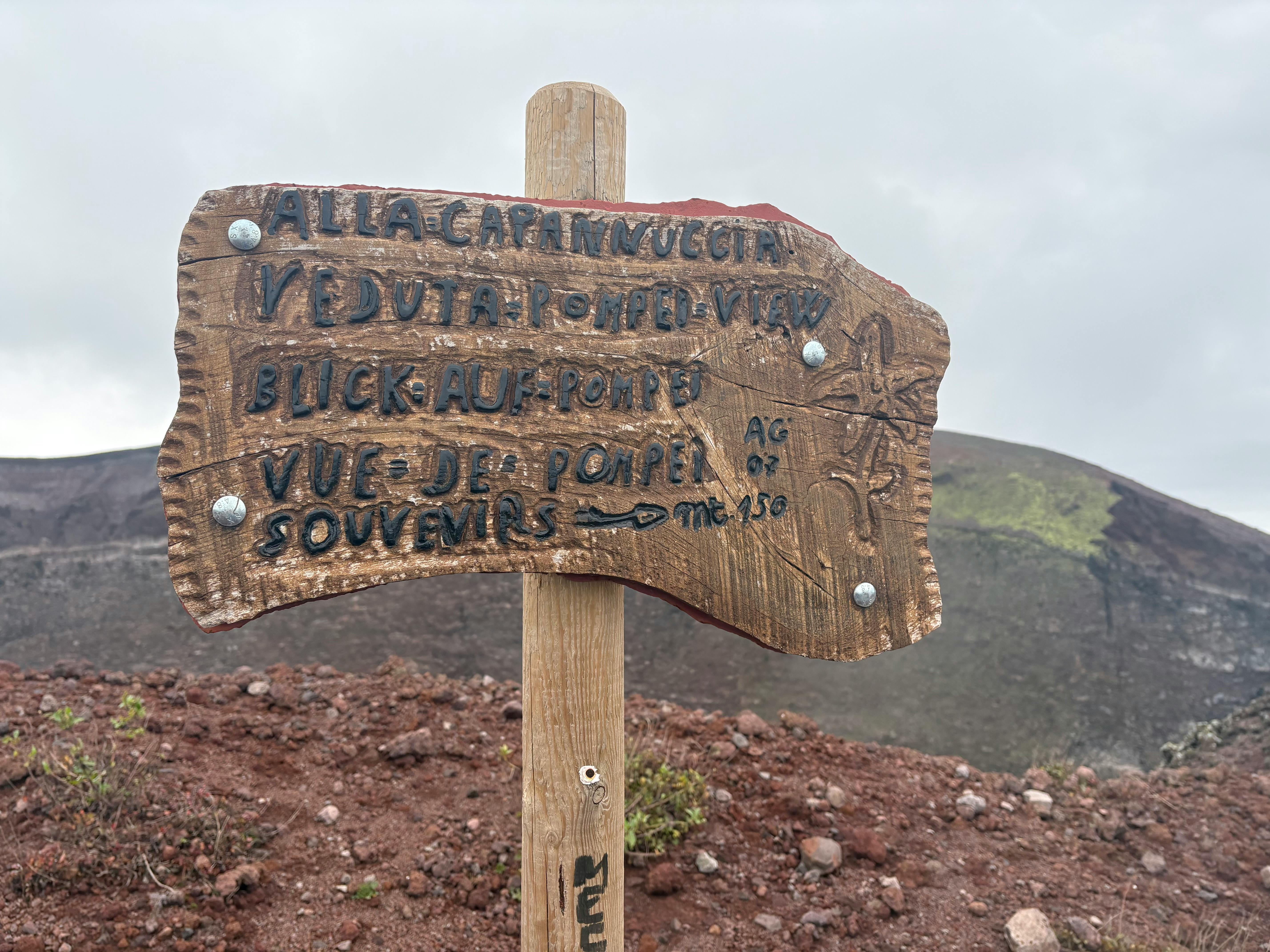
Not every clear path is the right path. In popular areas, social trails branch toward overlooks, campsites, water sources, and shortcuts, creating a web of tracks that can look more established than the official route.
That is especially true in dry landscapes, alpine zones, and heavily used forests where many feet have worn multiple options into the ground. The trail that seems most direct or most traveled can quietly pull hikers in the wrong direction.
Experienced people are vulnerable here because the wrong choice can look reasonable at first. A quick pause at every ambiguous junction, paired with map confirmation, is often what separates a minor detour from a full off-route problem.
Letting Weather Erase Familiar Landmarks
A route that feels obvious in clear weather can become disorienting fast when fog rolls in, rain flattens contrast, or snow covers tread and signs. Familiar peaks disappear, distant saddles blend together, and even nearby junctions can be easy to miss.
That shift catches experienced hikers because they often know the area well enough to move quickly. But when visibility drops, speed becomes a liability. The cues that normally support fast movement are suddenly gone.
Poor weather also changes how terrain feels underfoot and how far things appear to be. Slowing down, checking bearings, and resetting expectations is not overcautious. It is what keeps a known route from becoming a maze.
Trusting Old Tracks and Outdated Apps

A saved route can feel reassuring, especially one you used before or downloaded from a popular app. But trails move, bridges wash out, closures happen, and user-generated tracks may reflect detours, mistakes, or conditions that no longer exist.
The danger is subtle because the technology still appears polished and authoritative. A neat line on a screen can make people assume the information is current, official, and precise even when it is none of those things.
Seasoned hikers avoid treating digital tracks like gospel. They compare sources, check current conditions, and stay ready to adapt if the route on the ground no longer matches the route in the app.
Not Marking Key Decision Points

Many hikers navigate well on the way out, then struggle on the return because they never noted the places that would matter later. A nondescript creek crossing, a hidden turn into trees, or a gap in a rocky ridge can be obvious from one direction and almost invisible from the other.
That problem gets worse on out-and-back routes with weak tread, in desert washes, and on snow-covered approaches where footprints vanish. Without markers in your memory, every feature starts looking a little too similar.
You do not need to leave physical markers to navigate better. Taking a mental snapshot, checking a bearing, or dropping a waypoint at crucial spots can make the return trip dramatically easier and safer.
Pushing On When Something Feels Off

One of the biggest errors in the backcountry is emotional, not technical. A hiker senses that the route is not quite right but keeps moving anyway, hoping the next bend will resolve the doubt and save the hassle of stopping.
That instinct is deeply human. Nobody wants to admit they may have made a wrong turn, especially after years of hiking or in front of a group that expects confident decisions.
But uncertainty usually gets more expensive with distance. When the trail, terrain, or timing starts to feel wrong, that is the moment to pause, eat, look around, and reassess. A five-minute reset can prevent hours of wandering.
Underestimating How Fatigue Changes Judgment

Navigation mistakes often happen late in the day, after a long climb, during a rushed descent, or when hunger and dehydration have started to dull concentration. Even experienced hikers become less observant when they are tired and eager to be done.
That mental narrowing makes shortcuts seem smarter, map checks feel unnecessary, and obvious questions easier to ignore. The route may still be manageable, but your ability to notice trouble early is no longer at its best.
This is why strong trip planning includes margins for time, weather, and energy. The goal is not just reaching the destination. It is reaching the final miles with enough focus left to keep making good decisions.