A peaceful campsite can turn risky when small setup mistakes invite the wrong kind of attention after dark. From food odors to where you pitch your tent, seemingly harmless choices can attract curious predators looking for an easy opportunity. This gallery breaks down the most common errors and shows why a smarter setup matters before you zip up for the night.
Cooking Too Close to Your Tent
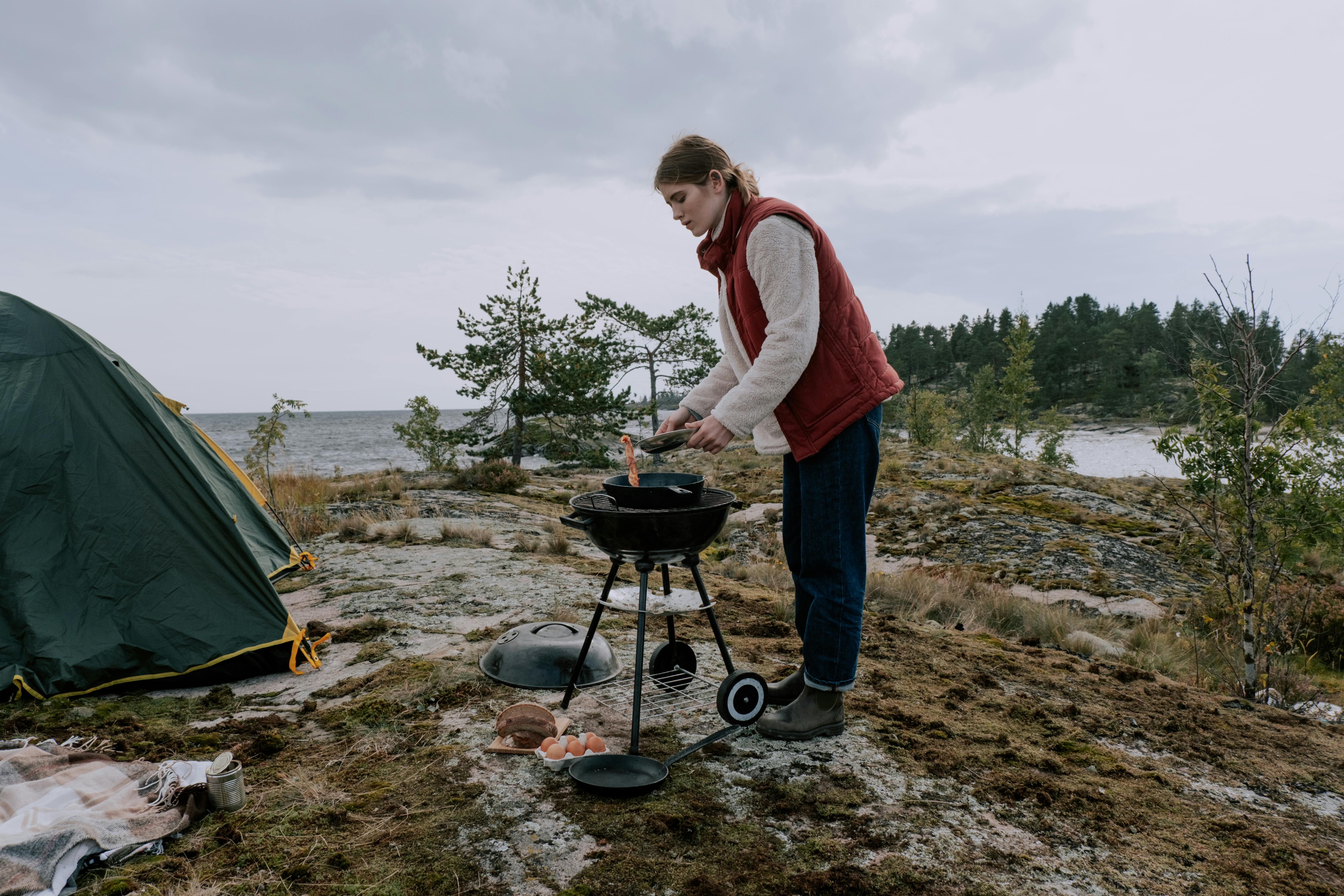
It feels convenient to boil water and make dinner right beside your sleeping area, especially after a long hike. But that shortcut can leave food splatter, grease, and lingering smells exactly where you plan to spend the night. To a predator with a powerful sense of smell, your tent can start to read like the place where dinner happened.
Even if you wipe things down, fabric, gear, and soil can hold onto odors for hours. A safer setup puts the kitchen well away from where you sleep, giving animals less reason to investigate your shelter after dark.
Leaving Food Out After Dark

A half-empty snack bag, a forgotten cooler, or marshmallows left on the picnic table can be enough to draw nighttime visitors. Predators and scavengers do not need a feast to come looking. They follow scent, and even small scraps can signal an easy meal.
This mistake often happens because campers assume they will clean up in a minute and then get distracted by the fire or sunset. By the time everyone turns in, the site still smells active and rewarding. Storing all food promptly in approved containers or locked vehicles helps remove that invitation before animals begin their nightly search.
Sleeping in Clothes That Smell Like Dinner
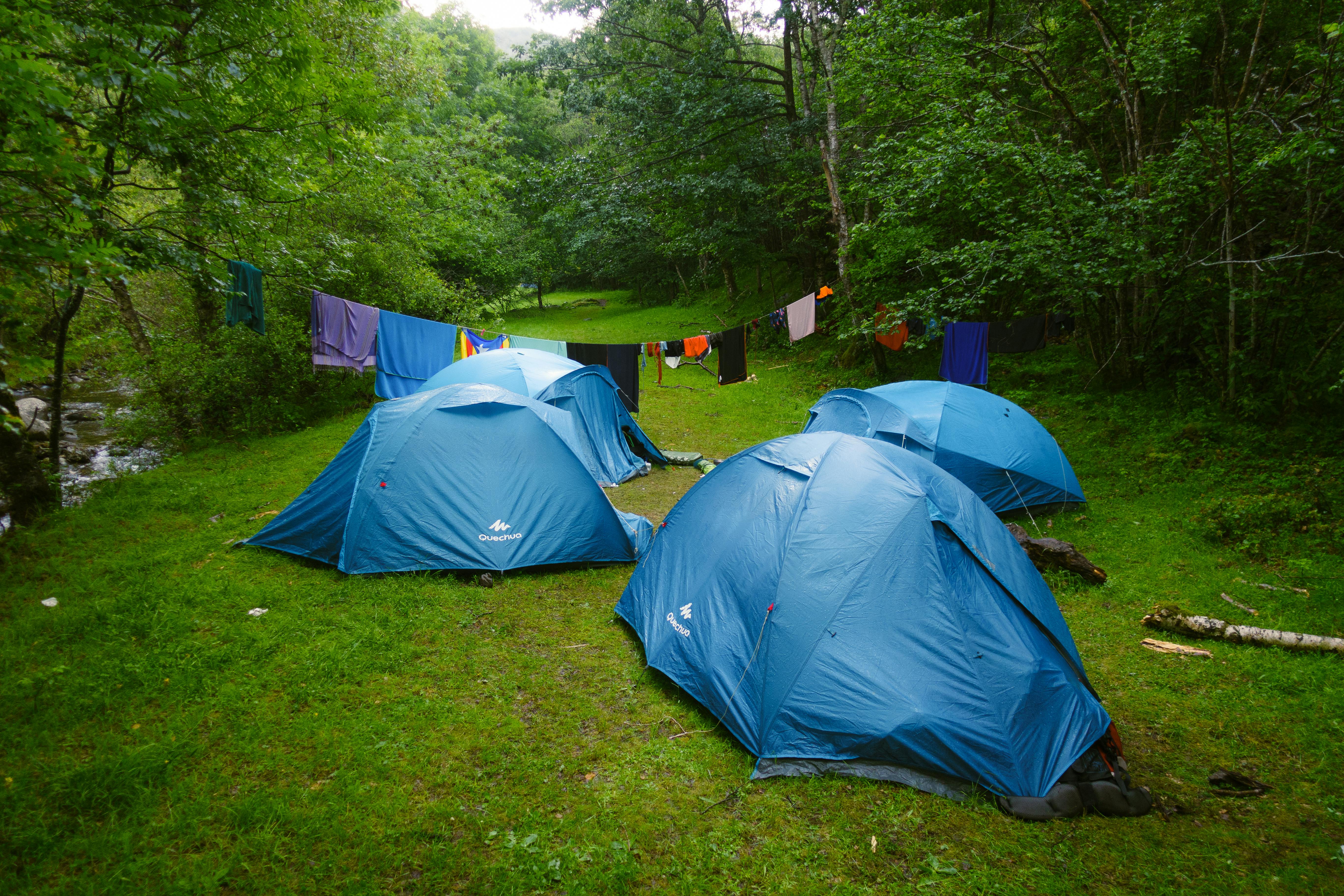
After cooking over a fire, your jacket and pants can absorb smoke, grease, and food aromas more than you realize. Crawling into your sleeping bag in those same clothes means bringing every scent right into the tent. To wildlife, that odor trail can make your shelter stand out from everything else in camp.
This is one of the easiest mistakes to overlook because people think only stored food matters. In reality, worn clothing, aprons, and even gloves can carry enough scent to attract curious animals. Changing into clean sleep clothes and storing cooking layers away from the tent is a much smarter move.
Pitching Camp on an Animal Travel Route

A flat clearing near water may look like the perfect spot, but animals often use those same easy paths to move at dawn, dusk, and overnight. Game trails, riverbanks, and narrow openings in dense brush can act like natural highways. If you set up there, wildlife may pass through whether your camp is in the way or not.
The danger is not always that a predator is hunting you. Sometimes it is simply surprised by your presence at close range. Looking for tracks, scat, trampled vegetation, and worn paths can help you avoid placing your tent where animals already expect a clear route.
Tossing Trash in a Loose Bag
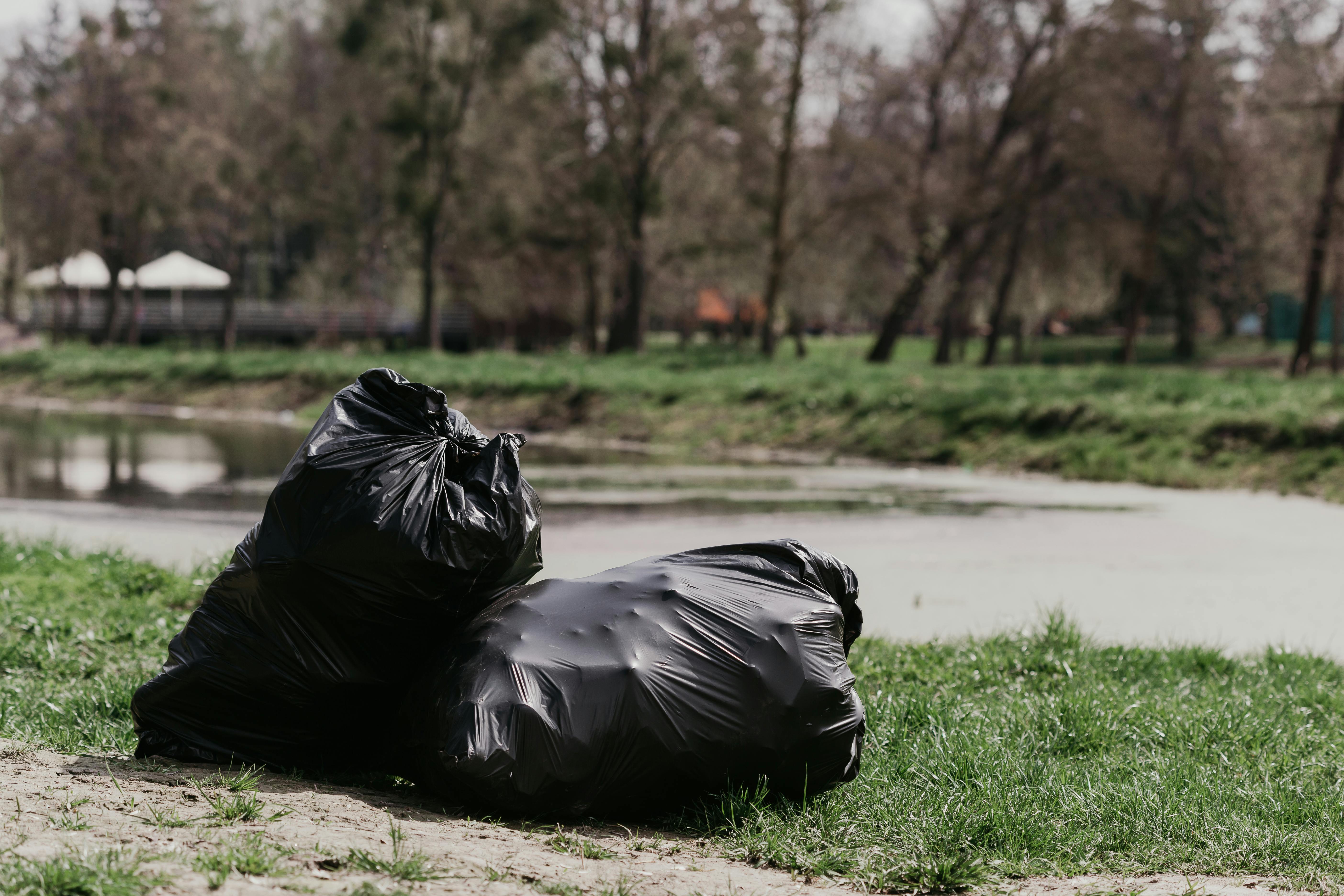
Camp garbage is often even smellier than the meal itself. Empty cans, greasy foil, food wrappers, and paper towels soaked with sauce create a strong scent cloud that can carry surprisingly far in still night air. A loose bag tied to a tree or left near camp is not much of a barrier.
Once an animal learns that trash means easy calories, your site becomes far more interesting. That is why clean camps treat garbage with the same care as food. Sealed storage, prompt disposal, and keeping waste away from sleeping areas reduce the odds that rustling outside your tent turns into a real problem.
Keeping Toiletries Inside the Tent
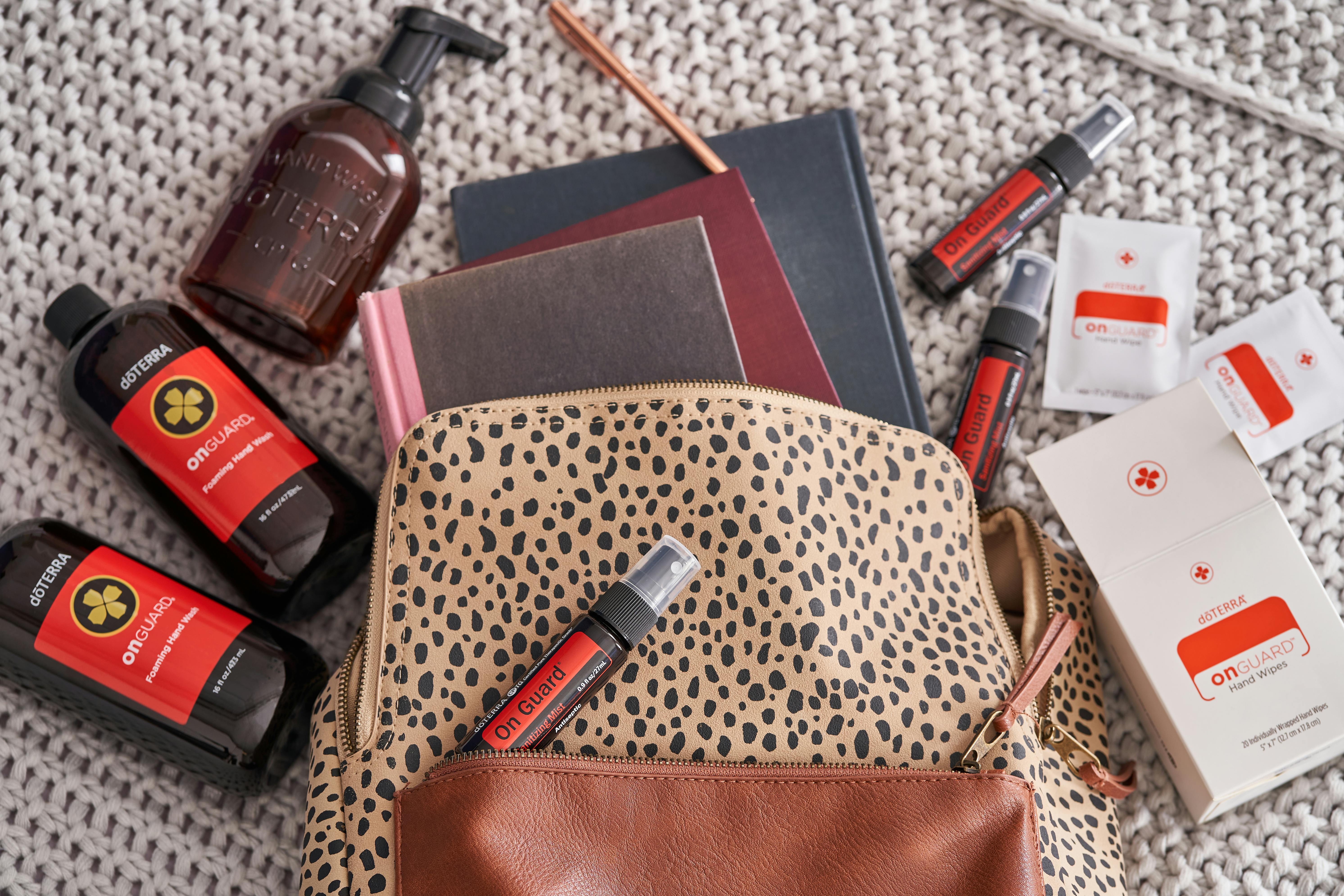
Toothpaste, lip balm, deodorant, sunscreen, and scented wipes do not seem like wildlife attractants, but many animals investigate anything with a strong smell. Products that remind us of cleanliness or comfort can register as sweet, fruity, or food-like in the wild. Stored inside a tent, those scents build up in a small enclosed space.
Campers often remember to secure dinner but forget the toiletry bag by their pillow. That simple oversight can make a tent more interesting than it should be. Treating scented personal items like food and storing them properly keeps your sleeping area far less tempting overnight.
Washing Dishes at the Sleeping Area

It may seem efficient to do dishes right beside your tent where the lantern is bright and water is handy. The problem is that rinse water, tiny food particles, and soap residue can soak into the ground and spread scent around the exact place you plan to sleep. Even a clean pot can leave behind smells animals notice quickly.
A better habit is to handle dishwashing well away from camp and dispose of wastewater according to local rules. That extra walk may feel inconvenient in the moment, but it helps separate food activity from your shelter and makes the whole site less attractive after lights out.
Ignoring Wind Direction and Scent Drift

Campers usually think about wind for smoke, weather, or keeping the fire manageable, but scent travels on the same currents. If the breeze carries food odors, trash smells, or fish remains directly through your sleeping area, it can leave your tent sitting in the center of a scent trail. That is not where you want to be overnight.
This matters even more in still, cool conditions when smells settle and linger close to the ground. Taking a minute to notice airflow before setting up your kitchen, storage, and tent can make a real difference. Smart camp layout is not just comfortable, it is protective.
Camping Too Close to Water and Carcasses

Lakes, streams, and shorelines draw campers for obvious reasons, but they also draw wildlife that comes to drink, hunt, or scavenge. The same caution applies to areas with fish remains, dead animals, or obvious signs of a recent kill. Predators may revisit those spots, especially at night when human activity drops.
The risk is not always dramatic, but it is unnecessary. Choosing camp a safer distance from water access points and moving immediately if you notice carcasses or strong decay odors can help you avoid setting up in a high-interest zone. Good campsite selection starts with reading the landscape honestly.
Assuming a Campfire Keeps Animals Away
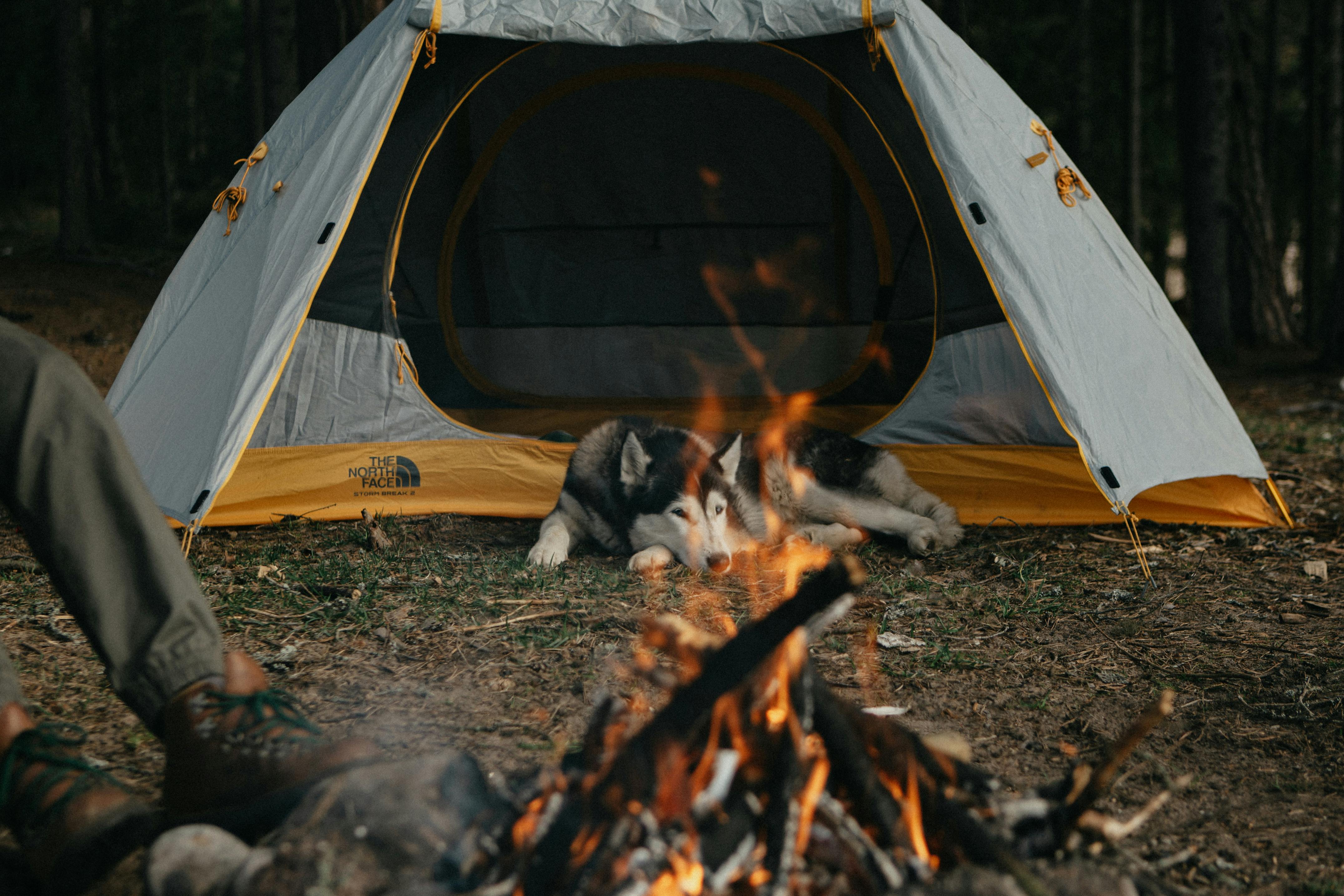
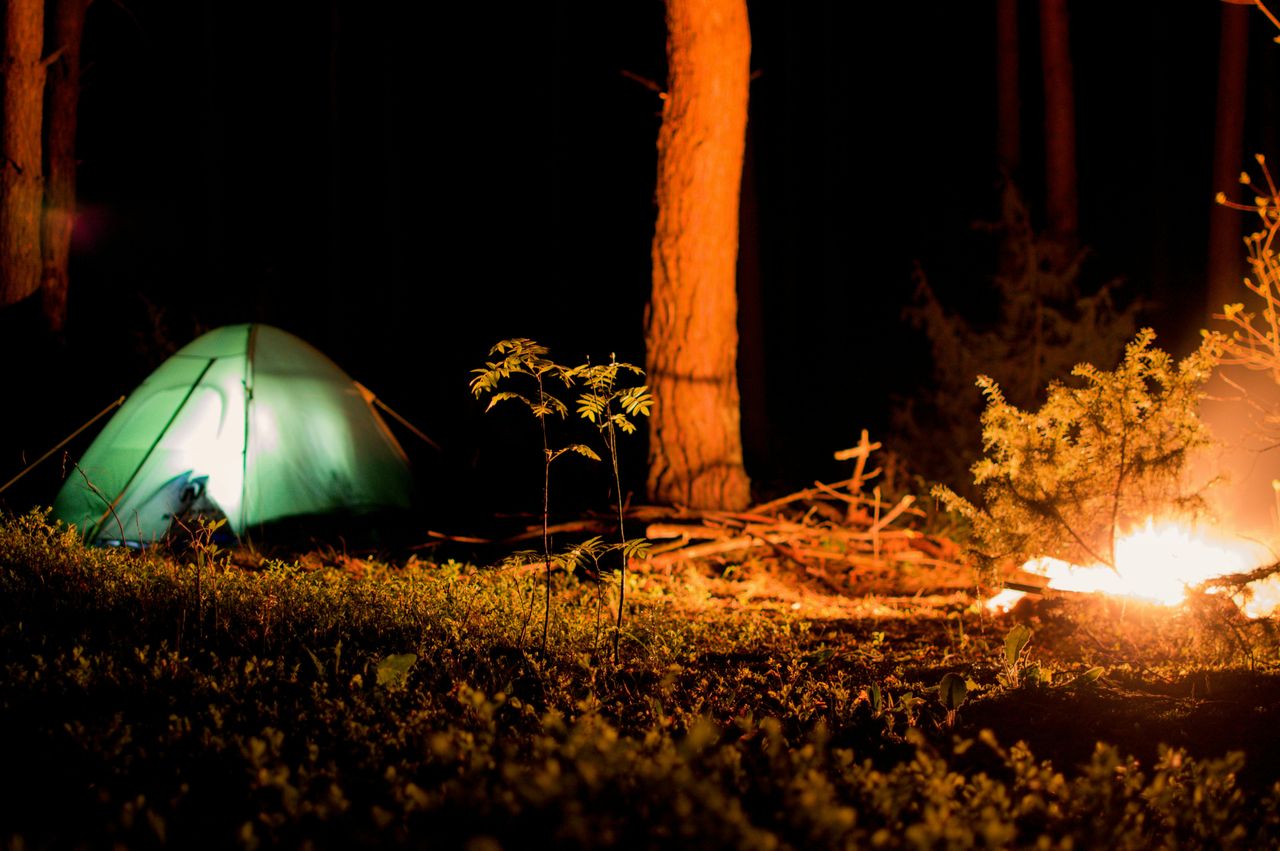
Many campers grow up hearing that a fire creates a protective bubble around camp. In reality, a fire may deter some animals in some moments, but it is not a reliable shield against a predator drawn by food or scent. Once the flames die down, the smells from dinner and trash often remain.
That false sense of security can lead people to get sloppy with storage and cleanup. A fire is useful for warmth, light, and morale, but it does not replace smart campsite habits. The safest approach is to treat scent control, distance, and proper storage as your real nighttime defense.