When venturing into bear country, the choice of firearm can be a matter of life and death. Not all calibers provide sufficient stopping power against a large predator. Using an underpowered round may give hikers a false sense of security while putting them at serious risk. Understanding which calibers are inadequate helps prevent dangerous encounters and allows outdoor enthusiasts to make informed decisions about the tools they carry for safety in the wilderness.
1. .22 Long Rifle
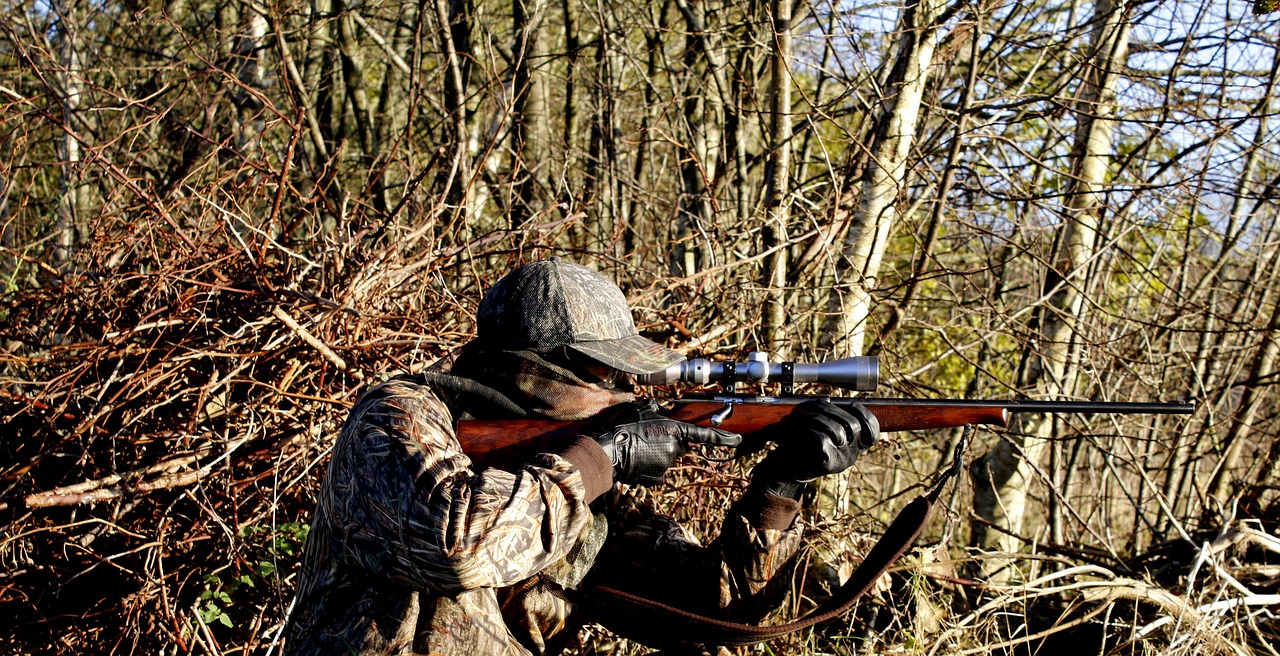
The .22 Long Rifle is widely used for target practice and small game hunting, but it is completely unsuitable for bear defense. Its minimal kinetic energy and poor penetration mean even a precise shot may fail to stop a bear. Relying on this caliber in bear country is extremely risky. While lightweight and easy to handle, it offers virtually no protection against large predators, making it one of the least effective options for wilderness safety.
2. .25 ACP
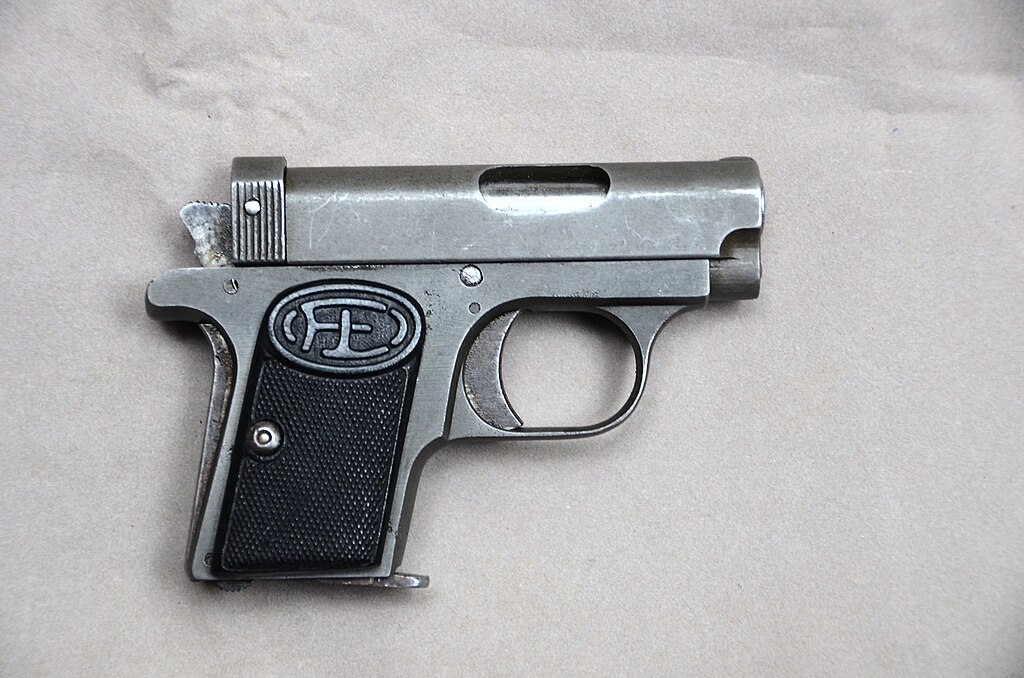
The .25 ACP is a tiny, low-powered cartridge intended for self-defense against humans, not wildlife. Its limited energy and penetration make it inadequate for any serious bear encounter. Depending on it in the wilderness could result in life-threatening consequences if a bear charges aggressively. Despite being compact and convenient, this caliber provides virtually no stopping power against large predators, rendering it an unsafe choice for hikers or campers in bear-inhabited areas.
3. .32 ACP
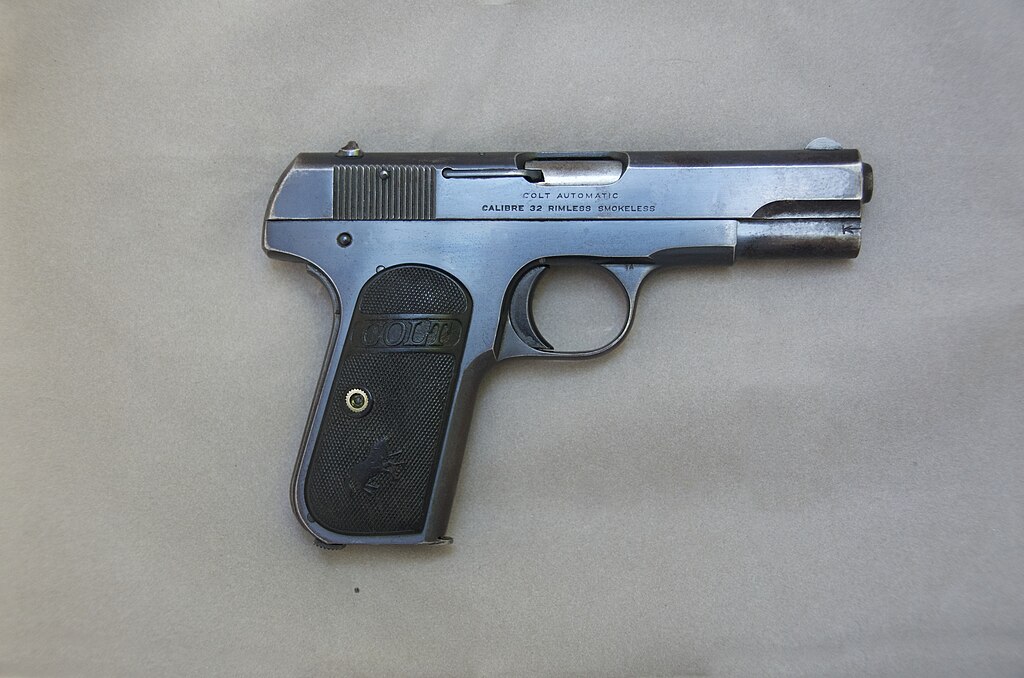
Slightly larger than the .25, the .32 ACP still falls far short for bear defense. Its low velocity and limited penetration mean that shots may fail to incapacitate a charging bear, leaving you exposed to serious harm. While it can be useful for small animals or emergency self-defense situations, the .32 ACP is completely inadequate in wilderness scenarios involving large predators. Outdoor safety experts consistently advise avoiding this round entirely in bear country.
4. .380 ACP
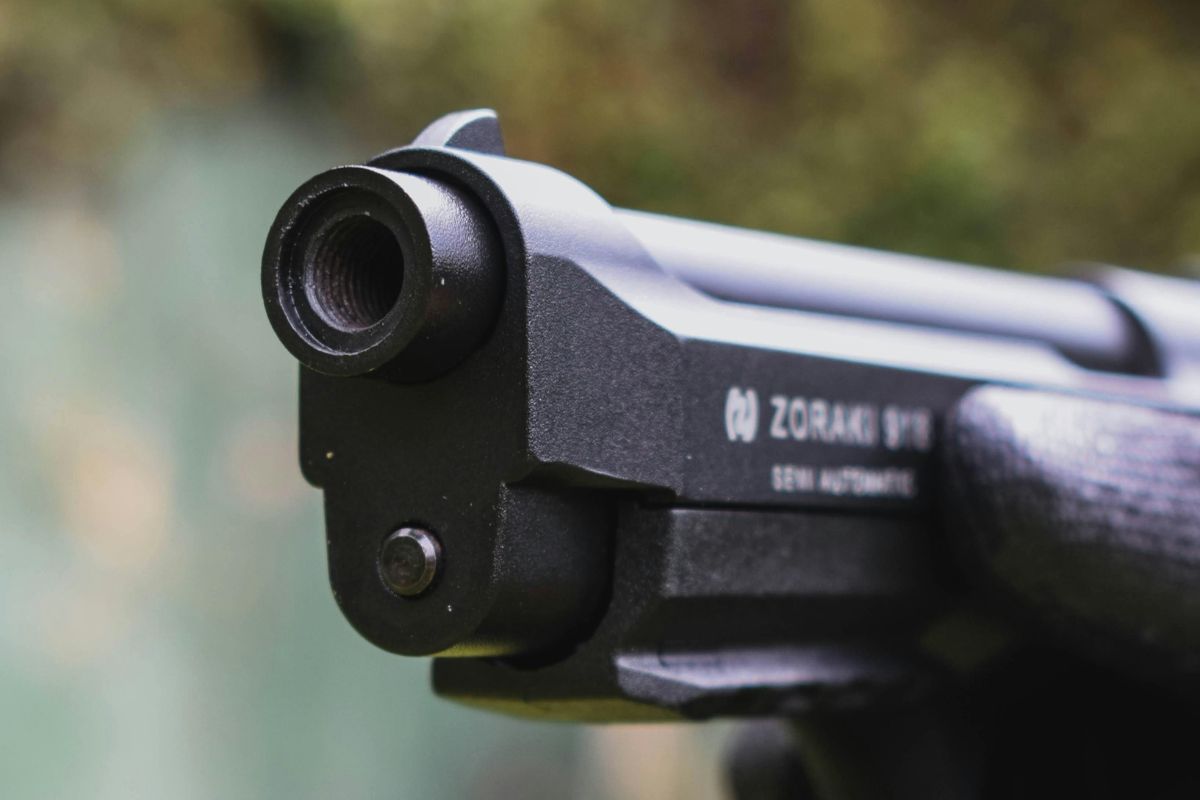
The .380 ACP offers more energy than smaller calibers, yet it remains dangerously underpowered for bear encounters. Its limited stopping ability cannot reliably halt a bear, even with precise placement. Using this round may create a false sense of security and leave the hiker vulnerable. While popular for concealed carry, in the wild, it is unsafe to rely on this caliber. Choosing a larger, more powerful cartridge is essential for effective wildlife defense.
5. 9mm Luger (Standard)
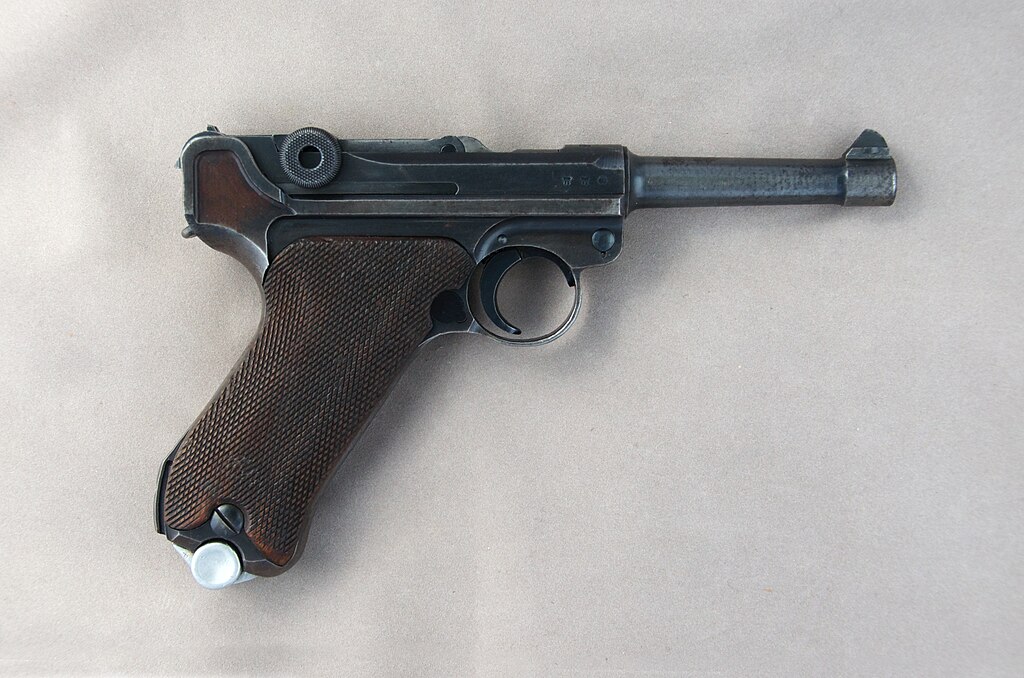
The 9mm Luger is a highly popular human self-defense round, but its performance against large bears is often insufficient. Although it can inflict pain or minor injury, it typically lacks the penetration and energy to stop a charging bear. Relying on standard 9mm ammunition may prolong an encounter and increase the risk of serious injury. Hikers should consider larger calibers specifically designed for big game protection rather than conventional 9mm rounds.
6. .32 S&W Long
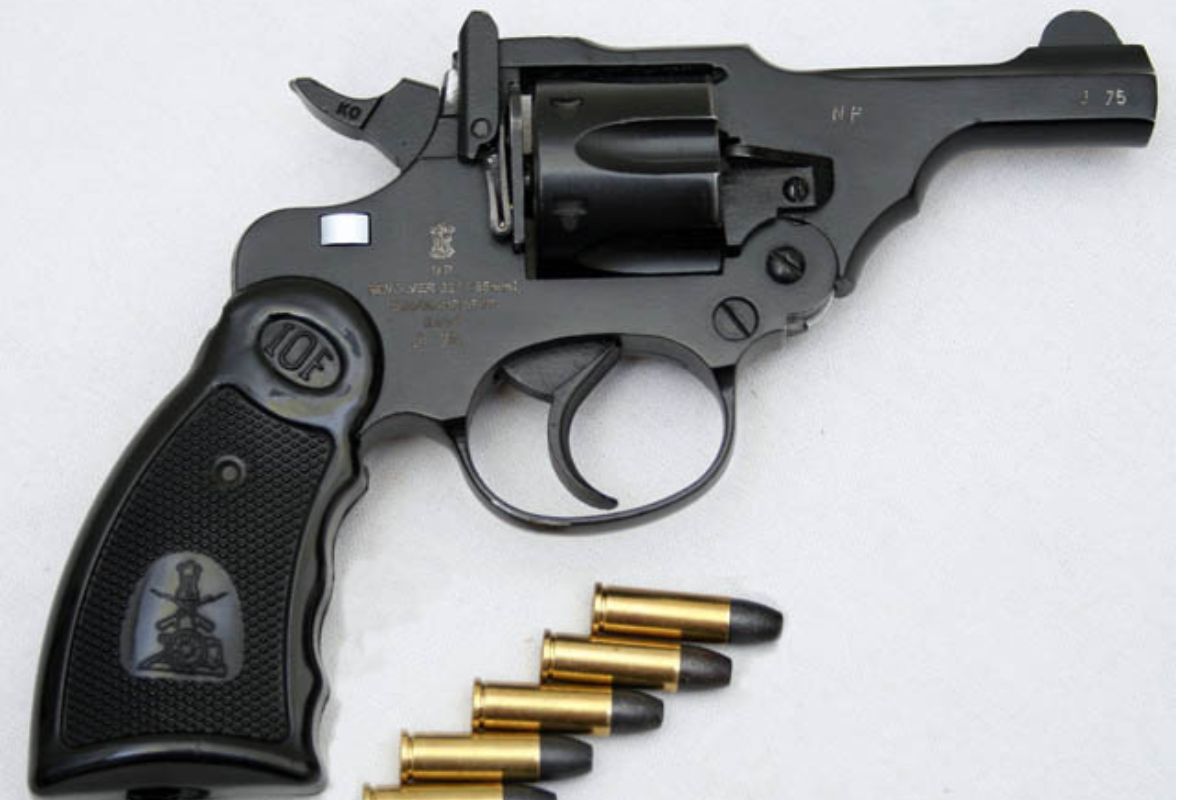
The .32 S&W Long is a revolver cartridge with very limited power and penetration. Historically used for small game and self-defense, it cannot reliably stop a large bear attack. Shots may wound or irritate the animal without preventing harm, leaving the hiker at extreme risk. While easy to carry, its underwhelming effectiveness makes it one of the least suitable options for wilderness safety in areas where bears are present.
7. .38 Special (Standard Loads)
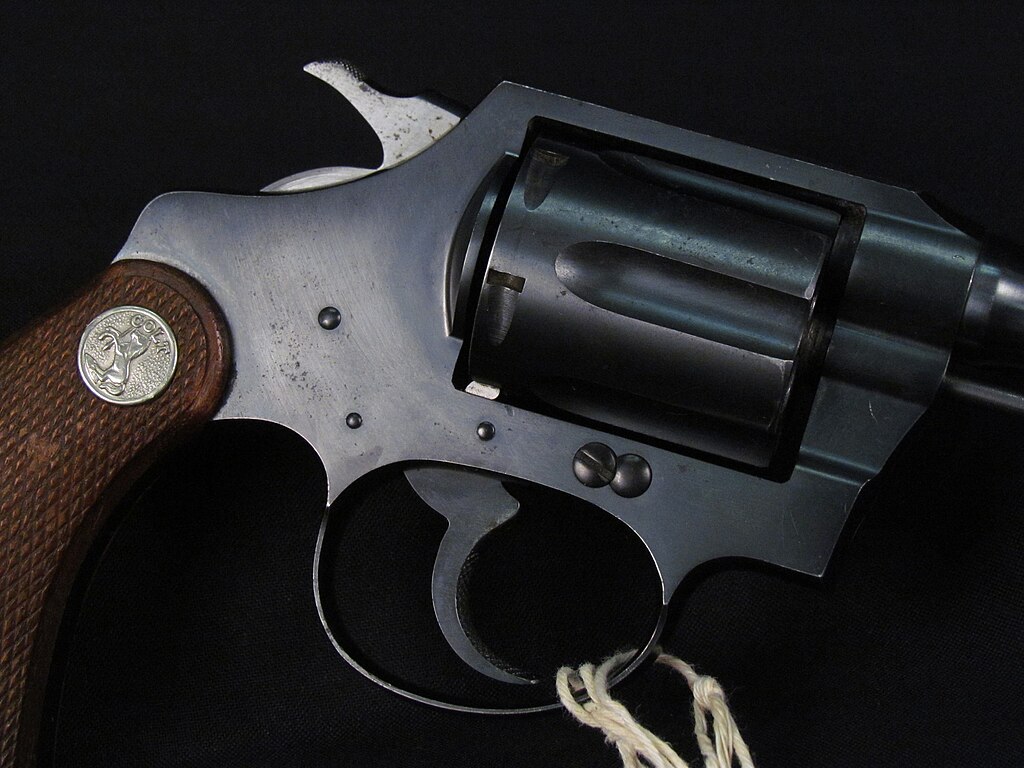
Standard .38 Special rounds are widely available and user-friendly, but they fall short for bear defense. Their stopping power is generally sufficient only for small or medium-sized animals. Against a large bear, standard loads may fail to incapacitate, resulting in a prolonged and dangerous encounter. Experts advise that only specialized, heavy-caliber rounds are suitable for bear encounters, making standard .38 Special cartridges unsafe for wilderness self-protection.
8. .357 Magnum (Light Loads)
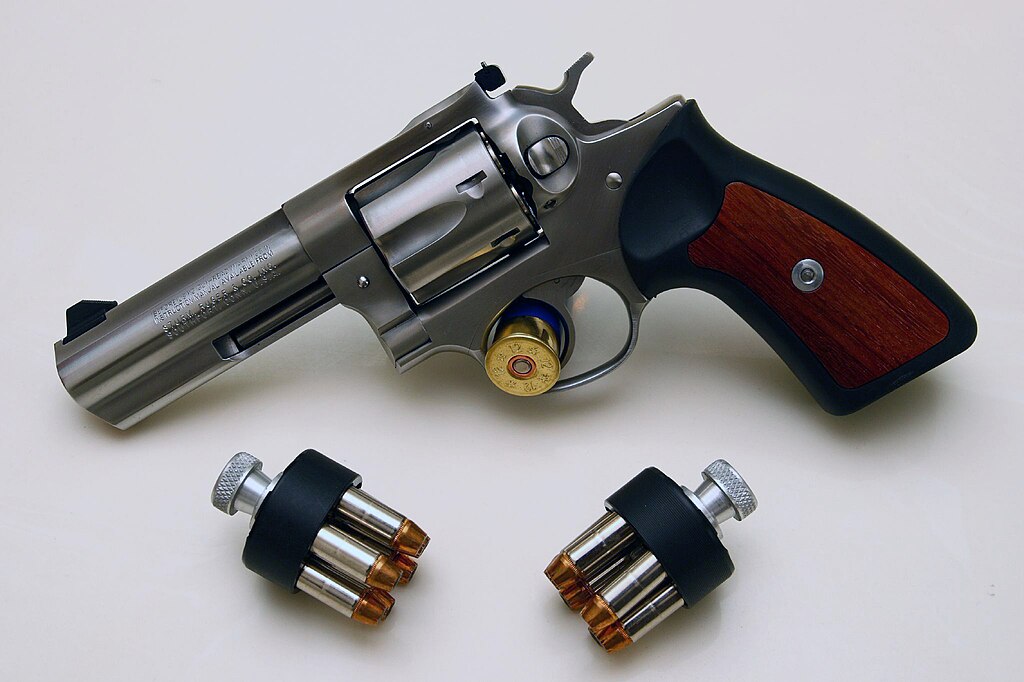
Although the .357 Magnum is considered powerful, light or standard loads do not provide reliable protection against bears. While they may deter or wound, they rarely stop a determined predator effectively. Using a light load in a high-risk situation can lead to serious injury or worse. Only heavy, high penetration loads in larger calibers are considered adequate for bear defense, emphasizing the importance of choosing the right ammunition over familiarity or convenience.
9. 7.62x25mm Tokarev
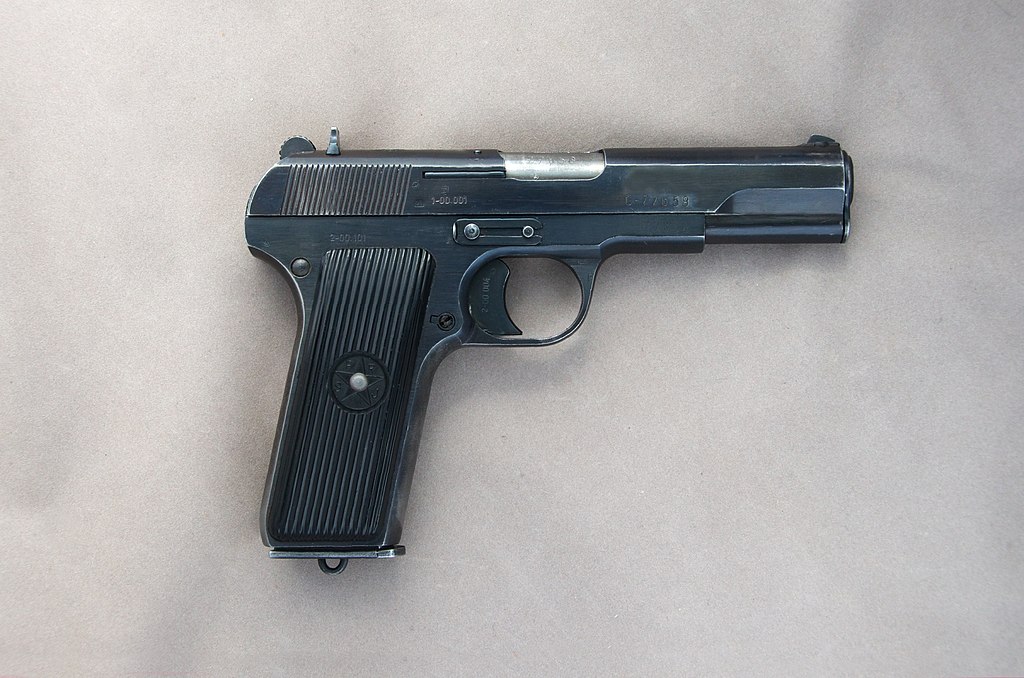
The 7.62x25mm Tokarev is a high velocity, narrow diameter round originally designed for pistols. Its energy is inadequate for large animals, and its small diameter limits penetration through thick muscle and bone. While it performs well in target shooting or against small game, it is extremely unsafe for bear defense. Relying on this cartridge in wilderness encounters gives a false sense of protection and can put hikers in immediate danger.
10. .380 ACP +P or Similar Light Pistol Loads
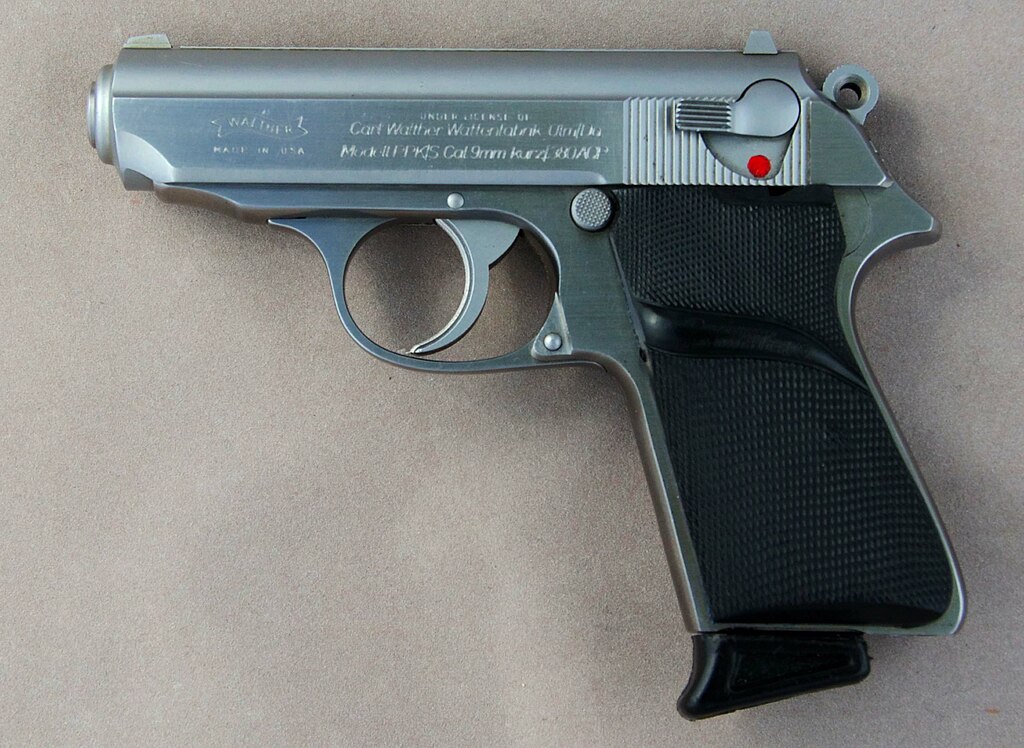
Even slightly enhanced light pistol rounds, like .380 ACP +P, fail to provide reliable stopping power for bears. Despite their increased velocity, they cannot deliver sufficient energy or penetration to halt a large animal effectively. Depending on these rounds in the wilderness creates a dangerous illusion of safety. Hikers must prioritize heavier, high penetration calibers specifically recommended for big game defense to ensure proper protection in bear country.