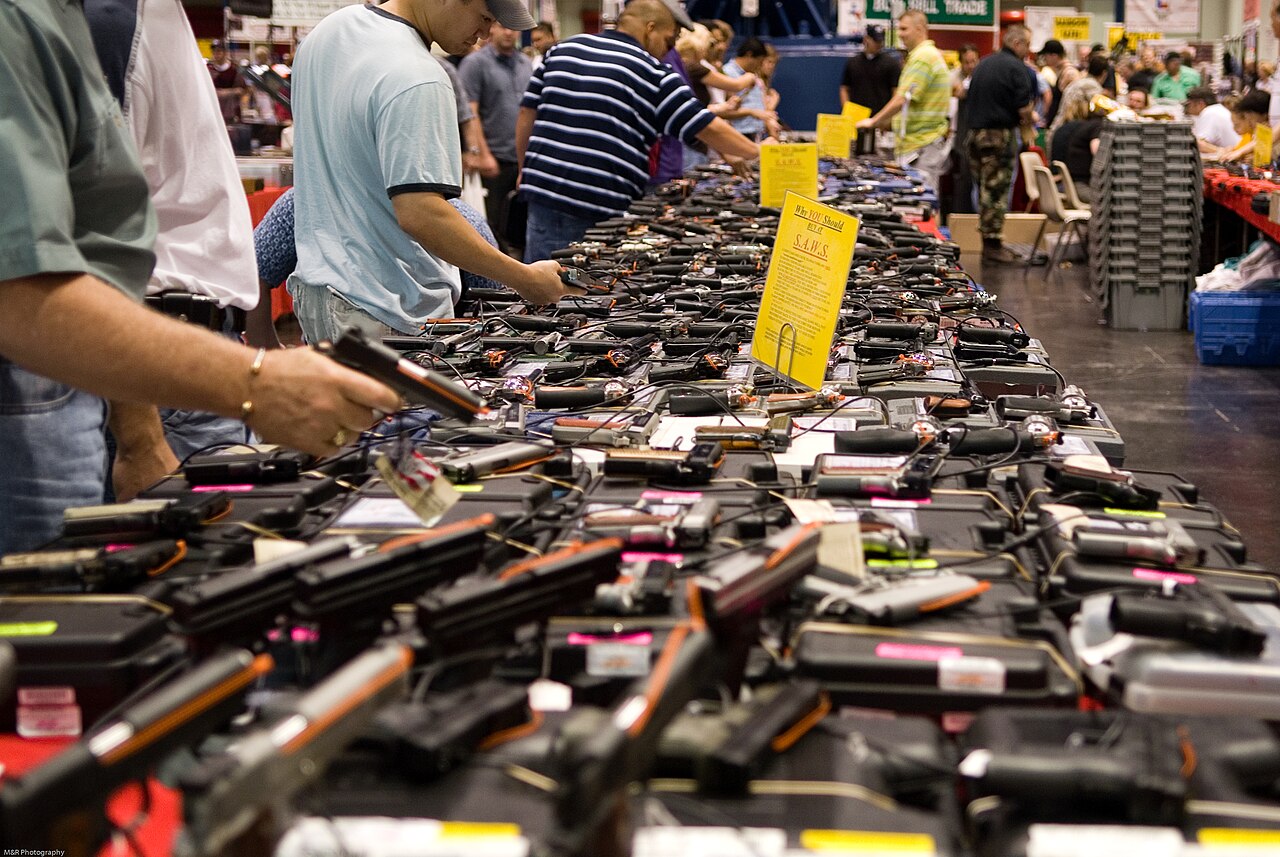
Gun shows once stood as lively gatherings where collectors, dealers, and enthusiasts came together to trade stories and firearms. Today, those bustling halls are growing quieter as attendance dips and regulations tighten. Cultural shifts, financial strain, and new digital marketplaces are all accelerating their decline. What was once a cornerstone of American tradition now faces challenges that may make it disappear faster than most people expect.
Tighter Background Check Laws

Expanded background check requirements are reshaping the structure of gun shows across many states. Private sellers now face stricter regulations similar to those applied to licensed dealers. The added paperwork and compliance demands often discourage participation, especially among smaller vendors. As the process becomes more complex, the once-simple atmosphere of trading and collecting grows increasingly burdened.
Declining Attendance and Interest
Crowds that once filled convention centers are shrinking year by year. Older generations of collectors are attending less frequently, while younger audiences often show little interest in traditional firearms culture. The convenience of online marketplaces and the shift toward different hobbies have drawn attention elsewhere. With fewer visitors, promoters find it harder to sustain the events financially.
Online Firearm Markets Growing
Digital marketplaces have replaced much of the in-person exchange that once defined gun shows. Buyers can now browse thousands of listings online without leaving home. This accessibility, combined with faster transactions, has reduced the need for large-scale physical events. As technology evolves, the appeal of walking crowded aisles has given way to the efficiency of virtual shopping.
Rising Costs for Organizers

The financial burden of organizing gun shows has increased significantly in recent years. Insurance rates, venue fees, and security requirements continue to climb. Smaller promoters and local organizers find it difficult to cover expenses as profits decline. As operating costs outweigh returns, many long-standing events have either scaled back or disappeared entirely.
Shifting Public Perception
Public sentiment surrounding firearms has changed, especially in communities affected by gun violence. Local governments and venues are less inclined to host gun-related events due to image concerns or political pressure. Sponsors and advertisers have also become more cautious about association. As social and cultural attitudes evolve, gun shows face mounting resistance from the very towns that once welcomed them.
Aging Collector Community
The aging demographic of collectors and vendors poses another challenge to the longevity of gun shows. Many long-time participants are retiring or downsizing their collections, and younger generations are not stepping in to replace them. Without new enthusiasts to sustain the culture, both attendance and enthusiasm continue to wane, leaving once-thriving events struggling to stay relevant.
Increased Corporate Restrictions
Corporate policies have quietly accelerated the decline of gun shows. Major payment processors, banks, and event venues have placed tighter controls or outright bans on firearm-related transactions. These restrictions complicate logistics for both vendors and organizers. With fewer financial and operational partners willing to participate, the infrastructure that supports these events continues to erode.
Political and Legal Uncertainty
Varying state laws and ongoing political debates have made running gun shows increasingly risky. Vendors must navigate a confusing patchwork of regulations, often changing from one jurisdiction to another. The threat of noncompliance or legal conflict discourages participation. The lack of consistency has made nationwide coordination and attendance less appealing than ever.
Competition from Specialized Expos
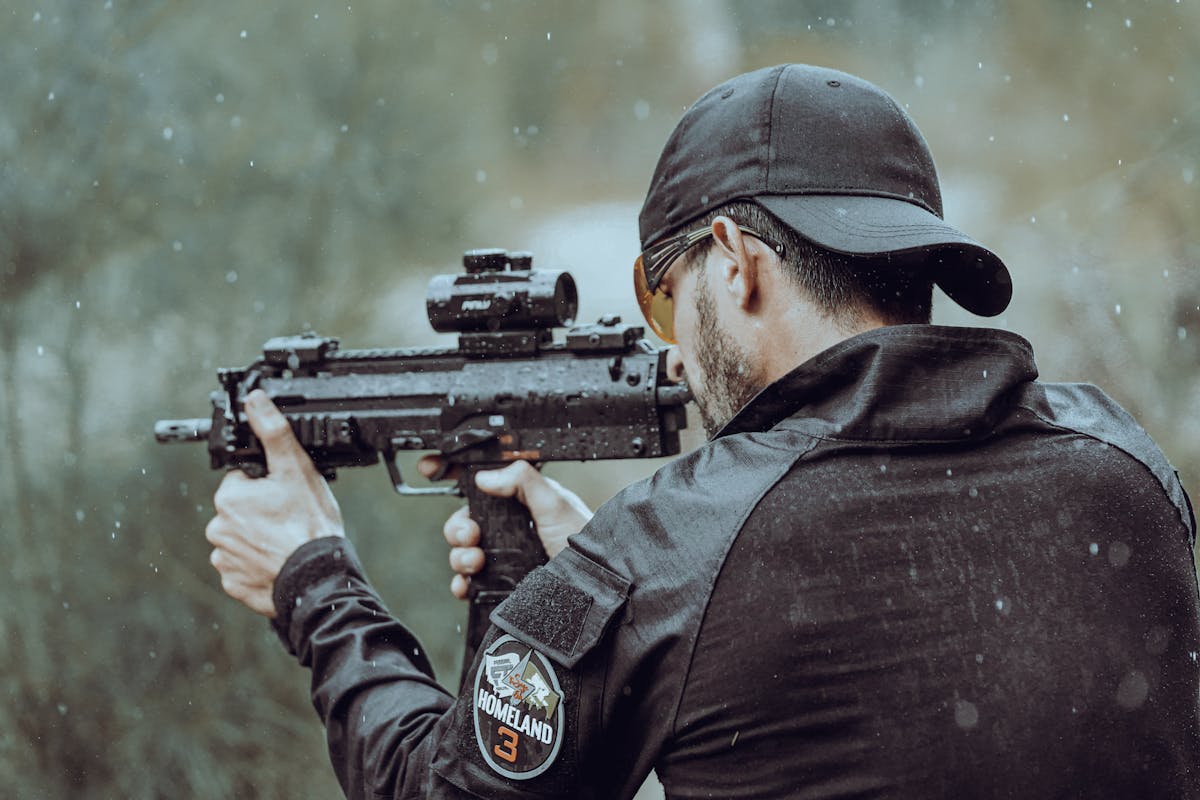
Modern firearm culture is evolving toward niche expos and tactical trade shows. These events focus on lifestyle products, technology, and self-defense training rather than simple sales. They attract a broader audience with updated experiences that align with current interests. As the market fragments, traditional gun shows lose ground to more specialized gatherings.
Declining Venue Availability
Many of the fairgrounds and civic centers that once hosted gun shows have shifted priorities. Rising insurance costs, liability concerns, and new policies have restricted firearm-related events. Some venues now cater to family-oriented festivals, trade fairs, or community markets instead. With fewer spaces available, scheduling consistent shows has become increasingly difficult.
A Tradition at a Crossroads
Gun shows once reflected a culture rooted in craftsmanship, independence, and community. But as technology, laws, and public attitudes change, the format struggles to find its place in modern America. Without significant adaptation, what was once a defining part of firearm heritage may soon exist only as a memory of how things used to be.